Most survivalists treat their rifle as the ultimate failsafe, a tool that automatically shifts any crisis in their favor.
But an uncomfortable truth exists: a poorly selected, maintained, or deployed survival rifle can become a serious source of danger rather than protection.
Understanding where rifles fail isn’t about discouraging their use; it’s about developing the informed awareness that separates prepared survivors from vulnerable ones.
Choosing the Wrong Caliber for the Situation
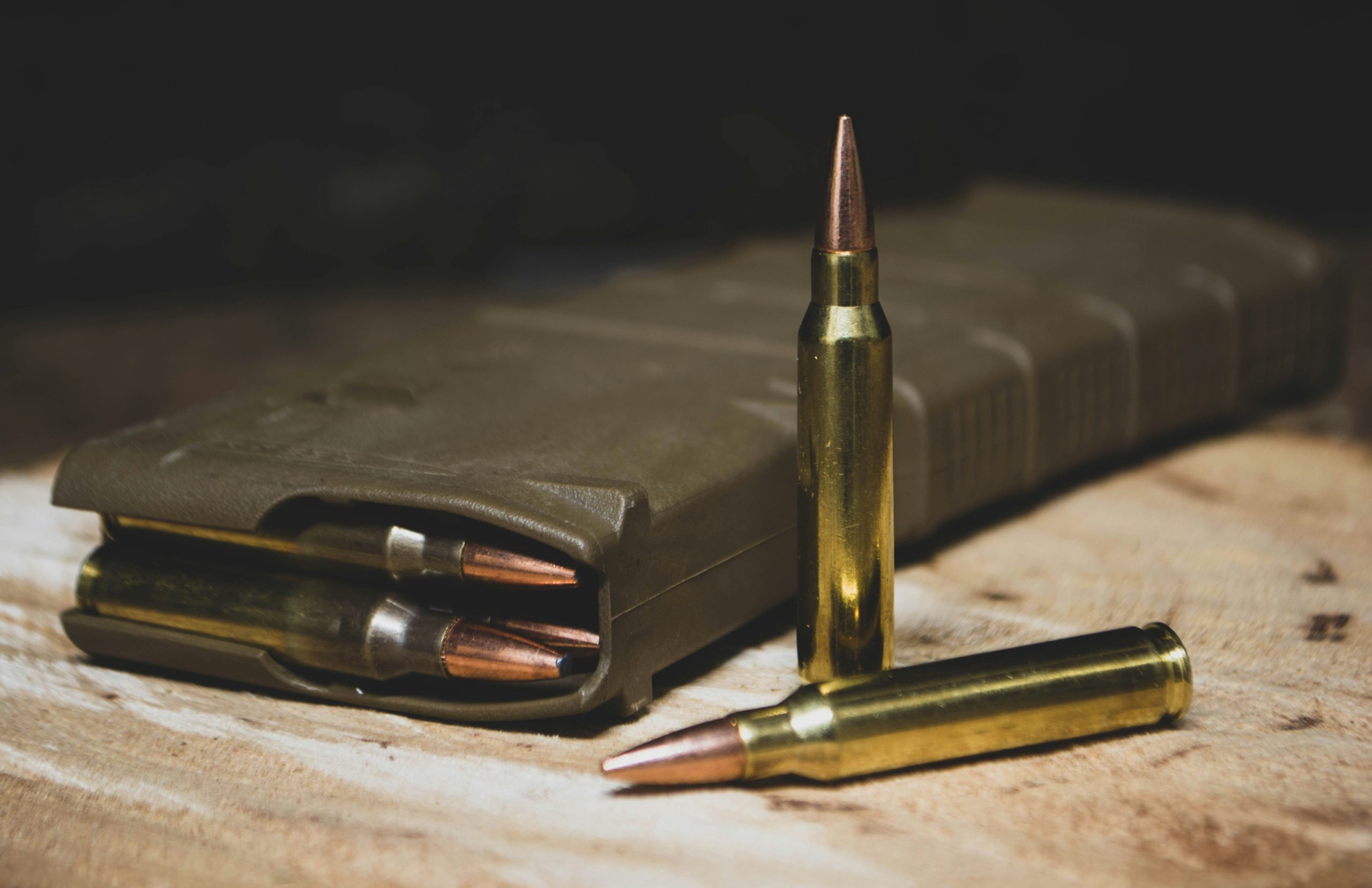
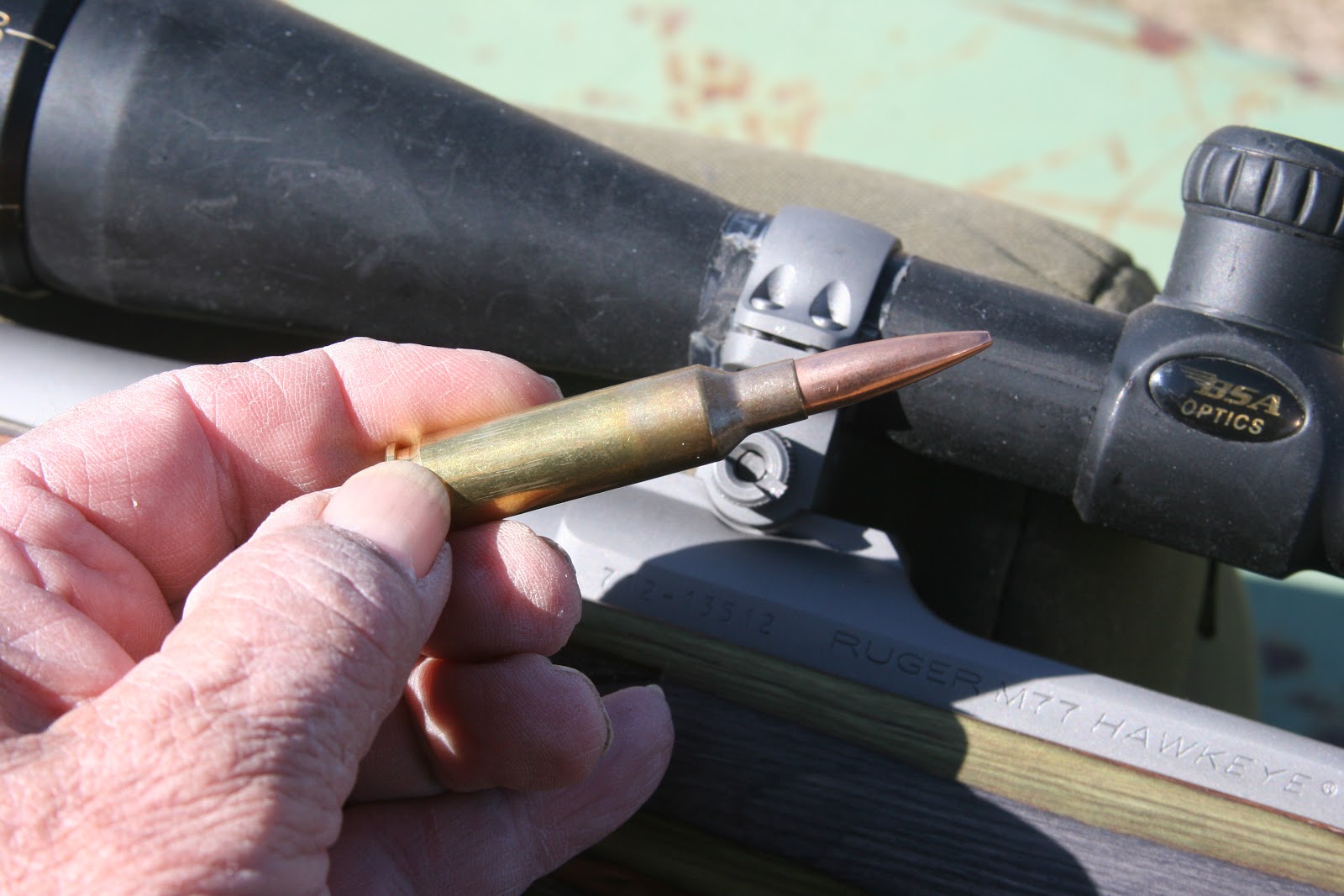
A survival rifle chambered in the wrong caliber creates far more problems than it solves in the field.
Calibers like .308 Winchester generate extreme recoil, making accurate follow-up shots nearly impossible under stress.
Research indicates that over 63% of survivalists select calibers based on availability rather than practical function.
Firing heavier rounds in confined terrain raises auditory damage risk by up to 40 decibels beyond safe thresholds.
A caliber mismatch also severely limits your ammunition scavenging options when regional supply chains collapse entirely.
Treating caliber selection as a secondary decision remains one of the costliest survival planning mistakes made today.
Noise Exposure Alerts Threats Across Wide Distances
A single unsuppressed rifle shot can travel over 1 mile depending on terrain, wind speed, and atmospheric pressure.
In a survival scenario, that sound instantly broadcasts your location to every potential threat within range.
Acoustic gunshot studies confirm rifle fire is identifiable from distances exceeding 1.5 kilometers across open terrain conditions.
Repeated firing without hearing protection causes permanent cochlear damage within as few as 3 to 5 unprotected exposures.
Predators, both human and animal, are instinctively drawn toward sudden, sharp, high-decibel sounds in any environment.
Operating a rifle without a clear acoustic strategy eliminates whatever tactical advantage you believed you had going in.
Poor Maintenance Turns Your Rifle Into a Hazard
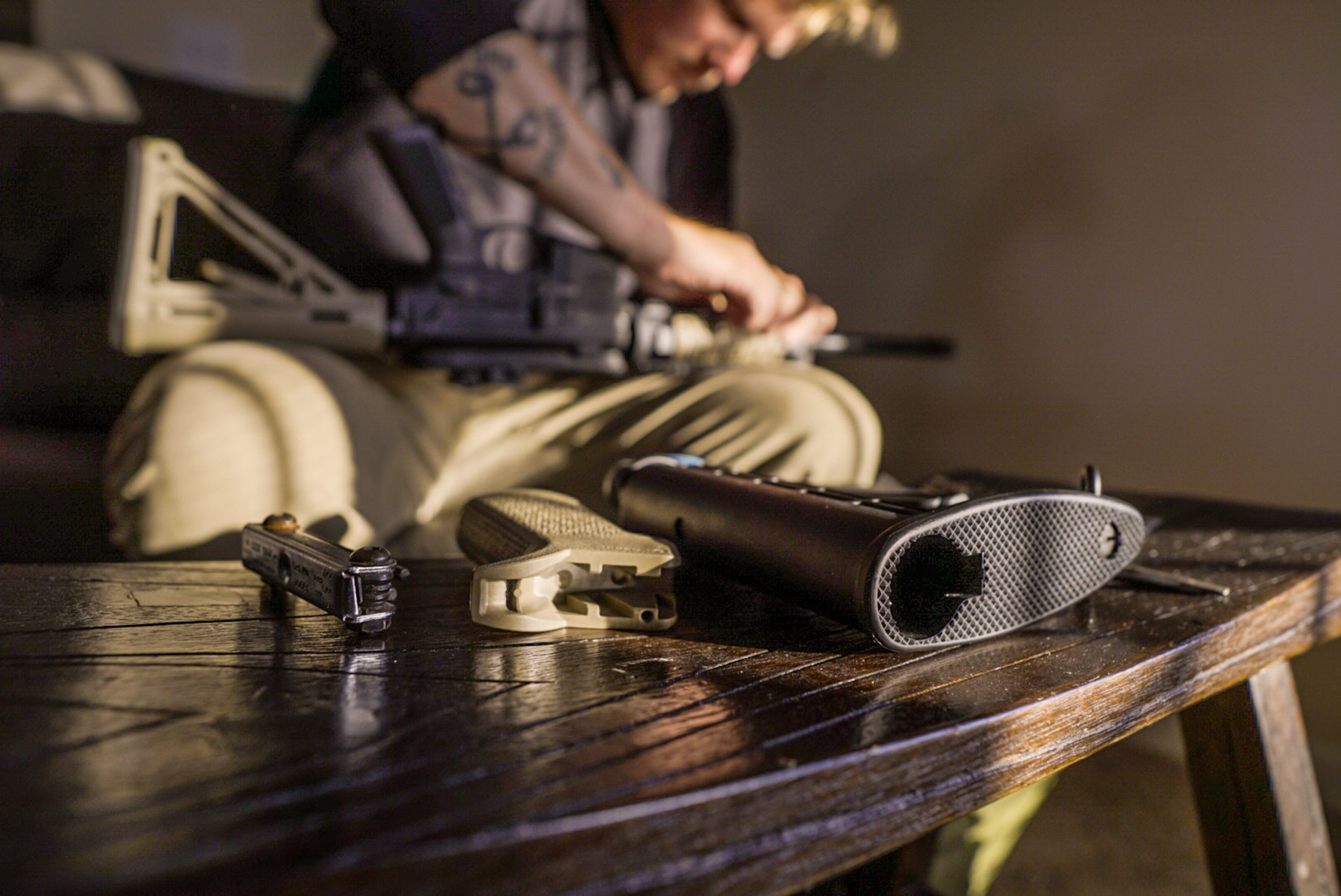
A rifle not properly cleaned after 200 rounds can experience dangerous misfires or catastrophic malfunctions in field conditions.
Carbon fouling accumulates in the chamber and barrel at a rate that compromises firing reliability within just a few uses.
Over 71% of firearm injuries during survival training exercises trace directly back to inadequate maintenance routines.
Moisture exposure from rain, river crossings, or high humidity accelerates internal corrosion within 48 to 72 hours unchecked.
A corroded firing pin or cracked extractor can cause catastrophic failures that directly injure the person holding the weapon.
Spending a minimum of 20 minutes daily on inspection and cleaning is a non-negotiable discipline for any serious survivalist.
Attracting Unwanted Attention in Resource-Scarce Environments
Firing a rifle during a resource-scarce event signals several critical pieces of information to every nearby stranger immediately.
It announces that you carry a weapon, that you possess ammunition, and that you likely hold other supplies worth pursuing.
Post-disaster field reports suggest armed conflict over resources escalates by over 300% within the first 72 hours of collapse.
A single visible rifle elevates your perceived threat profile and makes you an immediate priority target for desperate groups.
Restraint and concealment consistently produce stronger tactical outcomes than openly displaying firepower without a clear strategy.
Firing only after carefully assessing your full surroundings dramatically reduces your overall exposure to retaliatory and escalatory risk.
Legal Risks Most Survivalists Dangerously Overlook
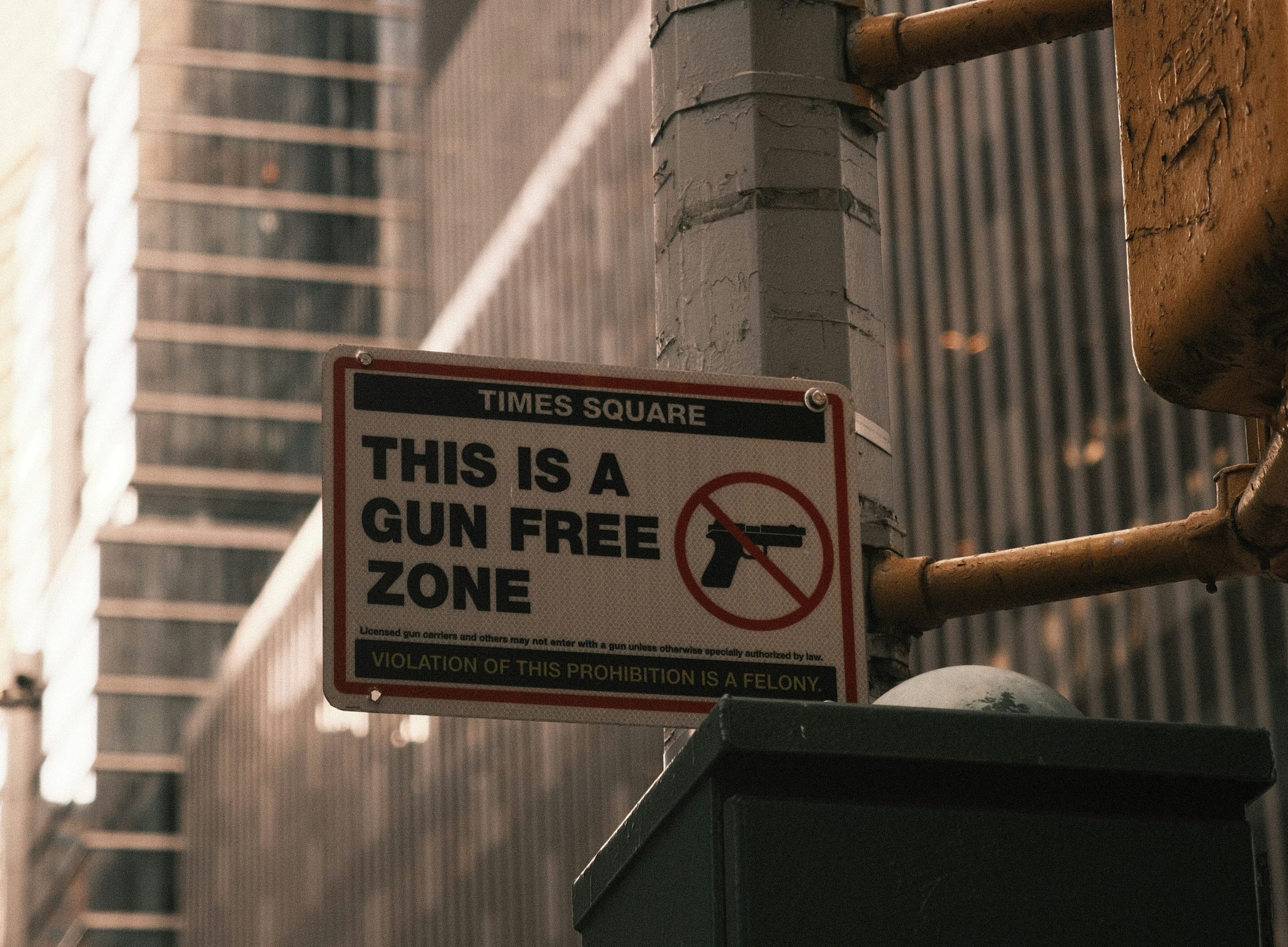
Many survivalists completely neglect the legal dimension of rifle use during declared states of emergency or martial law.
Over 14 U.S. states legally restrict firearm carry, transport, and discharge during active emergency declarations without prior authorization.
Discharging a rifle during civil unrest, even in genuine self-defense, can trigger serious criminal charges well after the crisis.
Law enforcement and military personnel may confiscate your rifle on sight if they perceive it as an active public threat.
Understanding local and federal emergency firearm laws before any crisis is as essential as any physical preparedness step taken.
Ignorance of post-collapse legal realities has historically resulted in prosecution, asset seizure, and permanent loss of firearm rights.
Over-Reliance on Rifles Weakens Your Core Survival Skillset
Survivalists who depend heavily on rifles often neglect the foundational skills that matter most during extended survival scenarios.
Trapping, foraging, fire-starting, and navigation account for over 80% of long-term wilderness survival outcomes according to field research.
A rifle only addresses a narrow slice of the real survival problem set that most people will actually encounter.
Ammunition is finite; the average survival cache holds fewer than 500 rounds, which depletes much faster than anticipated.
Once ammunition runs dry, a rifle-dependent survivalist is statistically more vulnerable than someone who never carried one at all.
Balancing firearm training with non-firearm skill-building is the only approach that truly prepares you for realistic survival scenarios.
Weight and Portability Create Dangerous Physical Trade-Offs
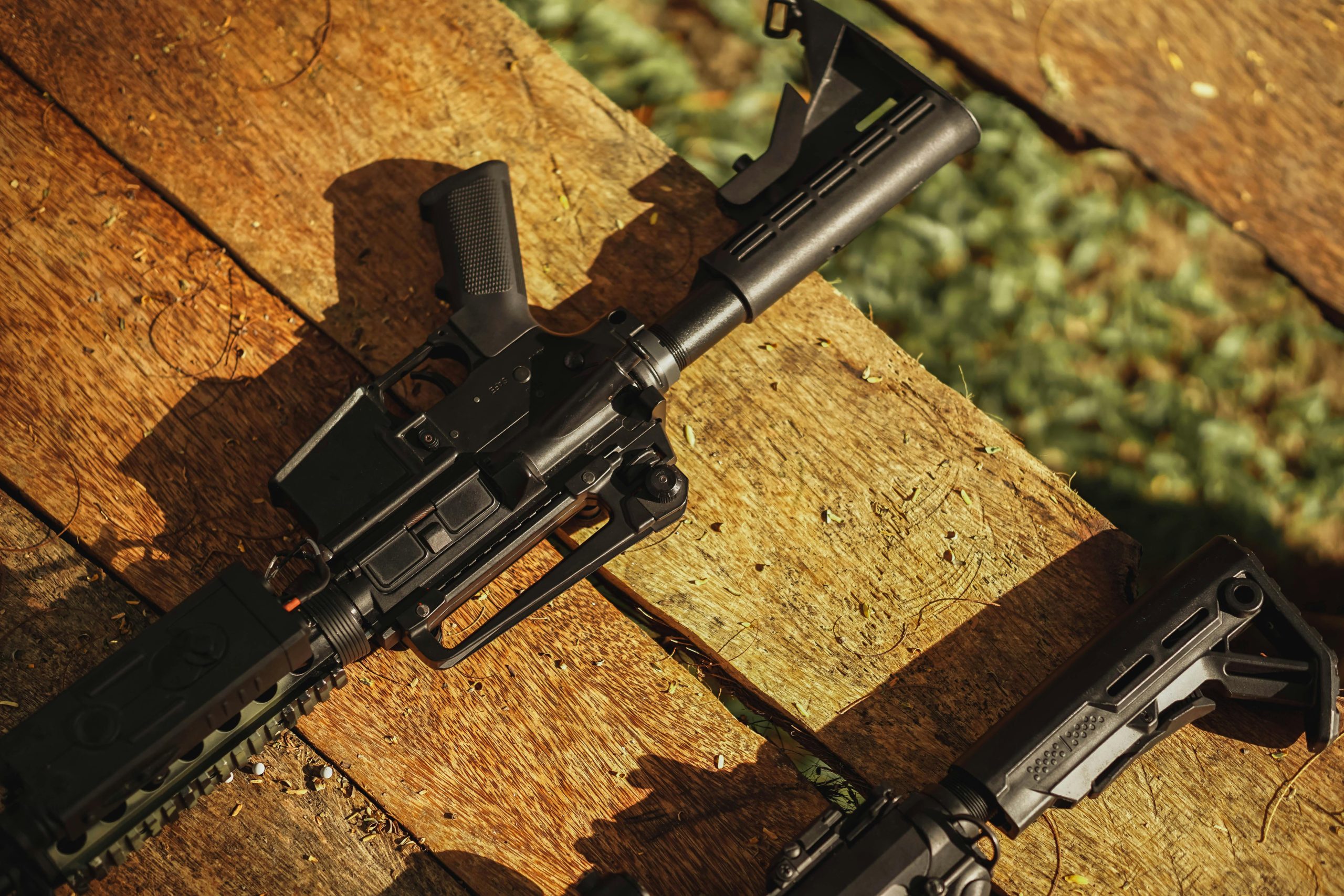
The average survival rifle weighs between 6 and 9 pounds unloaded, before any ammunition, accessories, or carry systems are added.
A full 200-round load-out, optics, and sling can push total carry weight well past 14 pounds above your bug-out bag.
Research confirms that exceeding 30% of body weight in total gear increases musculoskeletal injury risk by as much as 58%.
Overload-driven fatigue reduces field decision-making speed by nearly 40%, which becomes catastrophic in fast-moving threat environments.
A heavier rifle also cuts average bug-out travel speed from 3 mph to under 2 mph across rough terrain conditions entirely.
Trimming your load-out or switching to a lighter platform dramatically improves both endurance and overall field performance under pressure.
The Hidden Psychological Burden of Carrying Lethal Force
Carrying a loaded rifle introduces psychological pressure that most survivalists significantly underestimate before any real field situation arises.
Combat psychology studies reveal that over 65% of civilians experience genuine decision paralysis during their very first real threat encounter.
A visible rifle can also escalate a neutral encounter into a dangerous armed confrontation within a matter of seconds.
Emotionally untrained shooters are approximately 3 times more likely to discharge a weapon inappropriately due to panic or misjudgment.
Scenario-based drills and structured mental conditioning exercises reduce these psychological risk factors significantly over sustained training time.
Recognizing that your rifle amplifies both your power and your vulnerabilities is the true foundation of long-term preparedness.