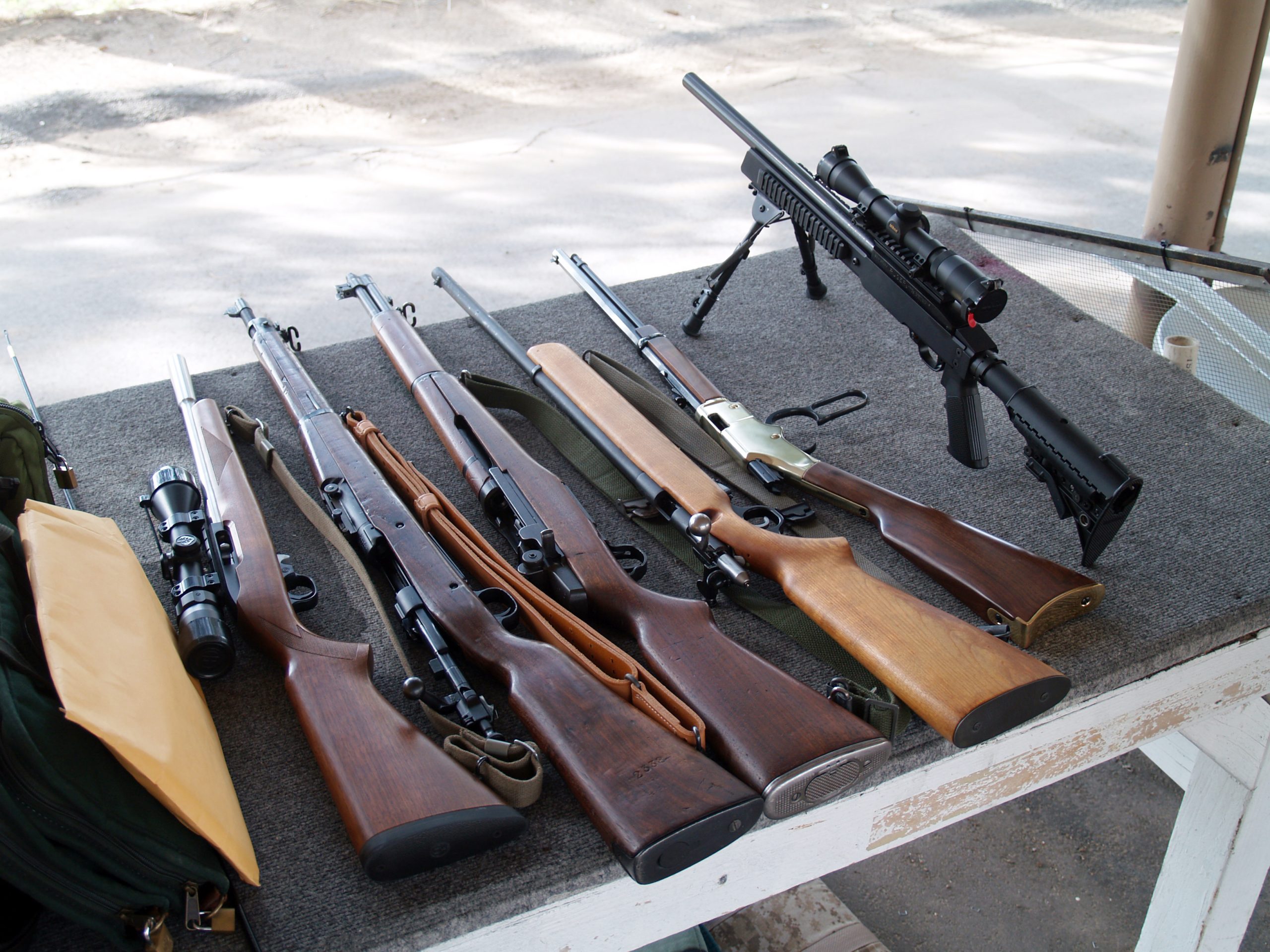
Understanding why a rifle twist rate causes missed targets helps marksmen improve their overall accuracy rapidly. Learning about the rifle twist rate reveals how internal barrel grooves directly influence bullet flight paths. Many enthusiastic shooters purchase expensive ammunition without matching the projectile weight to their specific barrel specifications. This common mismatch causes severe instability and wild variations during long-distance outdoor range sessions. Proper rotational spin acts like a miniature gyroscope to keep the bullet flying perfectly straight through harsh wind conditions. Correcting this fundamental mechanical relationship guarantees tighter groupings and builds essential confidence for every hunter today.
Understanding Barrel Rifling Basics

Internal barrel grooves dictate how quickly a fired projectile spins upon exiting the muzzle. Gunsmiths measure this vital specification by calculating how many inches of barrel length produce one complete rotation. A faster rotation perfectly stabilizes longer and heavier bullets during extended flights across open fields. Conversely, a slower rotation works beautifully for pushing light and short bullets at incredibly high velocities. Firing a massive bullet through a slowly rifled barrel results in a completely erratic flight path immediately. Grasping this basic engineering concept prevents outdoor enthusiasts from wasting expensive match-grade ammunition on mismatched hardware combinations consistently.
Recognizing Signs Of Bullet Tumbling
Paper targets often reveal undeniable evidence of improper projectile stabilization during routine practice days. A perfectly stabilized bullet punches a perfectly round hole straight through the soft cardboard material. Unstable bullets wobble aggressively in flight and strike the target sideways, leaving a jagged rectangular tear. Marksmen call this frustrating phenomenon keyholing because the impact mark resembles an old-fashioned door lock. Experiencing this distinct visual indicator confirms that the chosen ammunition completely overwhelms the factory barrel specifications. Recognizing these obvious physical warning signs saves serious shooters from spending hours adjusting expensive glass scopes completely in vain outdoors.
Over-Spinning Lightweight Projectiles
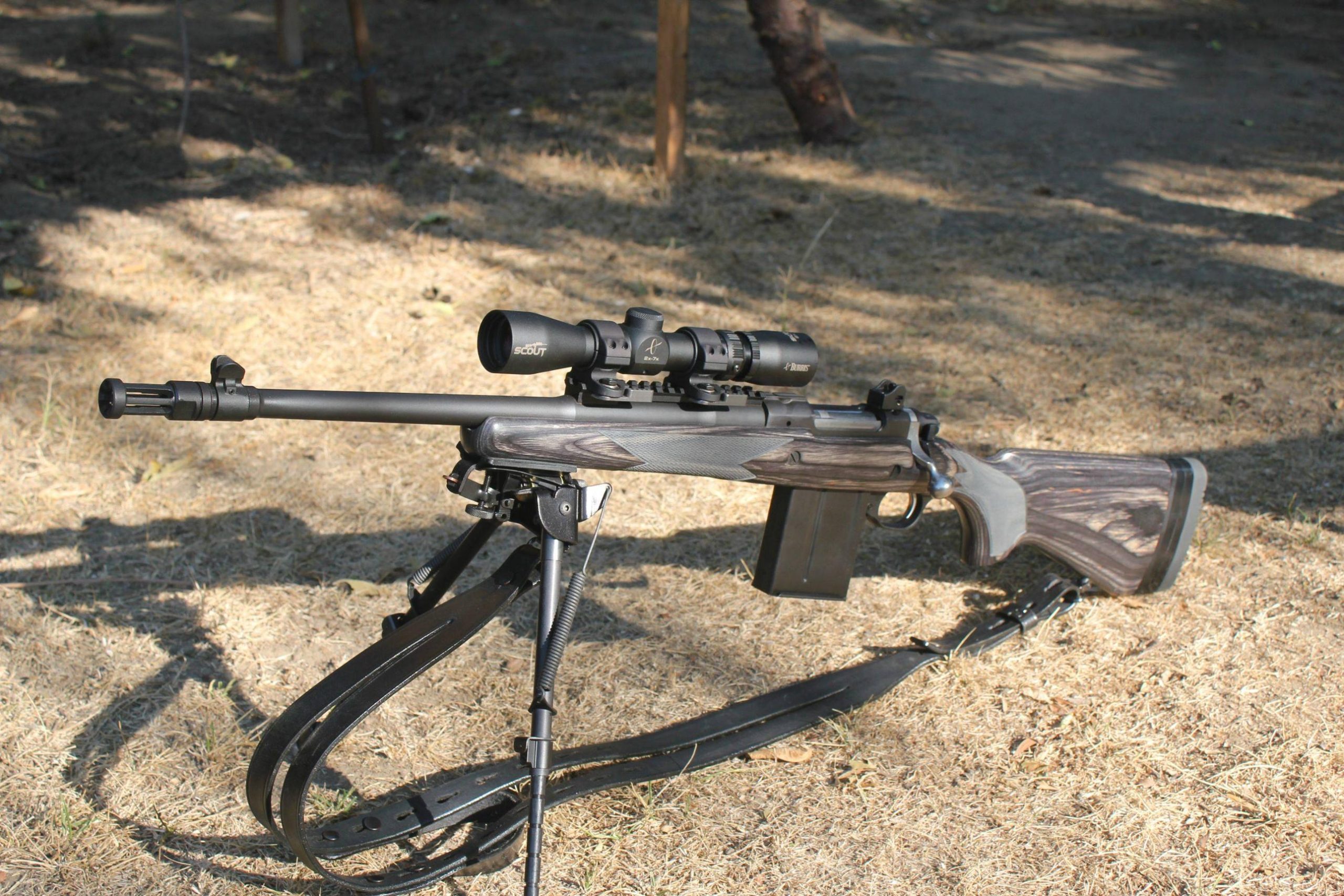
Pushing a fragile, lightweight bullet through a tightly grooved barrel creates another set of unique problems. The excessive rotational force generates tremendous centrifugal friction against the thin outer copper jacket. Pushing standard hunting rounds beyond their intended mechanical limits sometimes causes the entire projectile to vaporize midair. A sudden puff of gray smoke halfway down the outdoor range indicates complete structural failure before hitting the target. Even if the bullet survives the extreme spinning stress, its overall accuracy degrades tremendously. Selecting appropriately constructed ammunition guarantees reliable structural integrity and predictable ballistic performance across all shooting distances.
Verifying Hardware And Ammunition Harmony
Shooters must always check their specific factory barrel engravings before purchasing bulk quantities of new ammunition. Most modern manufacturers clearly stamp the exact rotation ratio directly onto the outer steel surface. Consulting basic ballistic charts helps identify the ideal bullet weight window for that specific mechanical setup. Finding the perfect combination requires testing several different brands and weights off a sturdy wooden bench. Keeping a detailed range notebook tracks which specific cartridge loads produce the tightest groupings on paper consistently. Dedicating time toward proper ballistic research inevitably transforms an average weekend plinker into a remarkably precise outdoorsman.