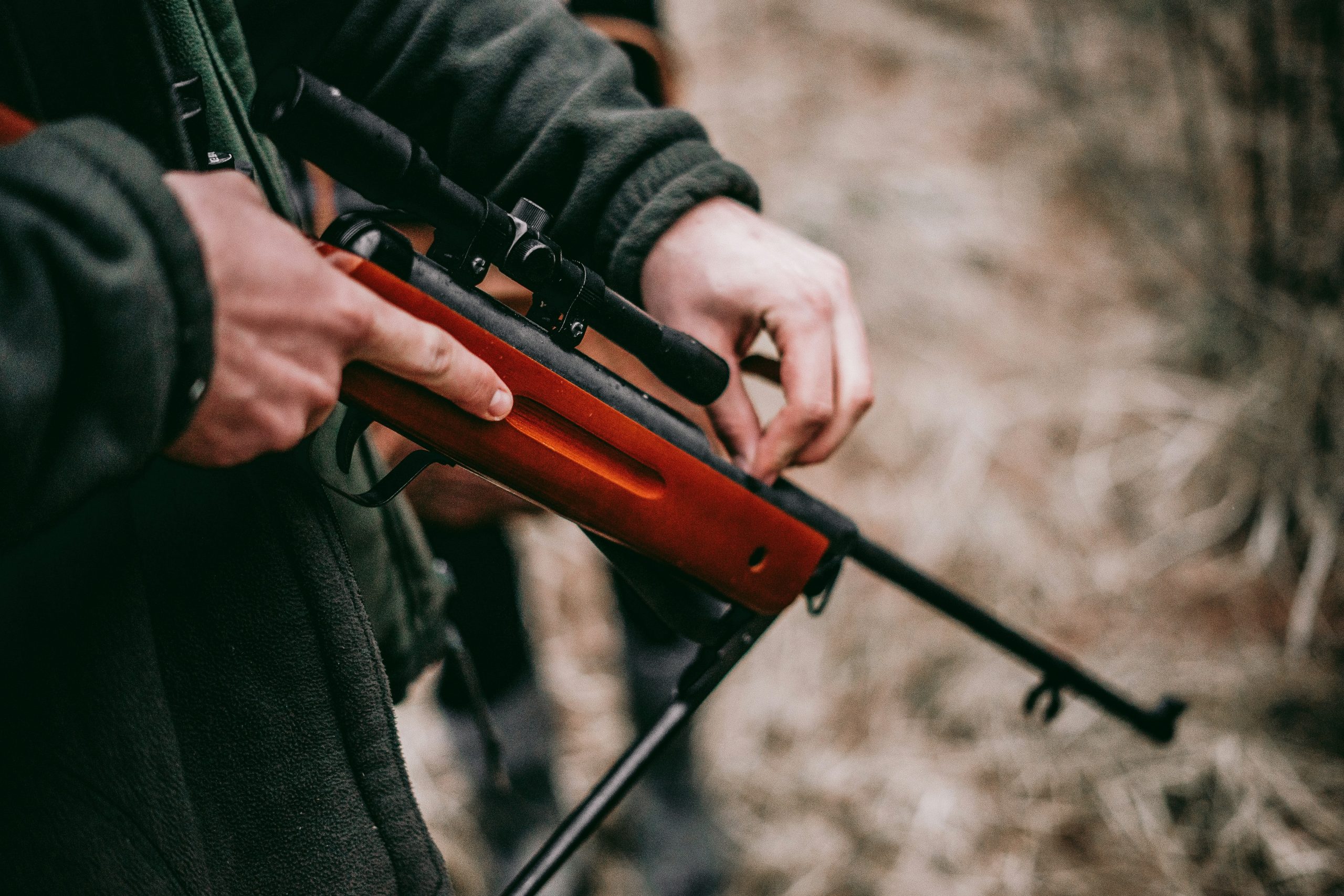
Many firearm owners trust their favorite gun with absolute confidence. It fits well, shoots accurately, and has likely performed flawlessly at the range or during routine use. That familiarity can create a sense of certainty that feels earned. However, firearms rarely fail because they are poorly designed or inherently unreliable. Most failures happen when conditions change, stress increases, or assumptions go unchallenged. Dirt, time, improper maintenance, and human factors quietly accumulate until they meet the wrong moment. In critical situations, whether for defense, hunting, or survival, small overlooked details suddenly matter. Understanding why firearms fail is not about fear or doubt, but about realism. The following ten reasons explain how even trusted firearms can malfunction when the stakes are highest, focusing on practical causes rather than brand blame. Each point highlights how preparation, habits, and environment influence reliability far more than reputation alone.
Lack of Realistic Maintenance
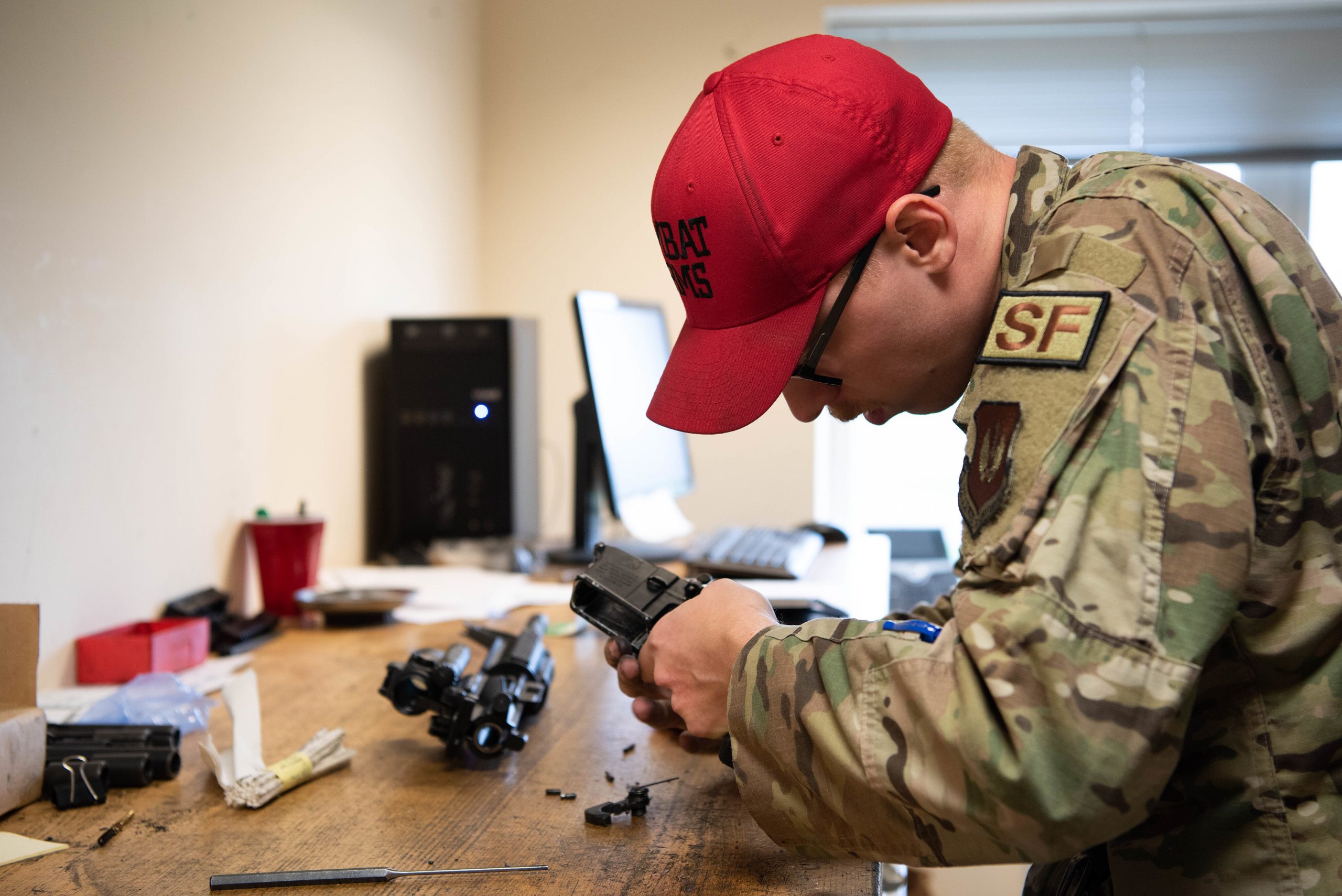
Many firearms receive surface-level cleaning that looks thorough but misses critical wear points. Owners often clean after range sessions but overlook long-term maintenance such as spring replacement, extractor inspection, or lubrication suited to conditions. Oils that work in the range can thicken in cold or attract debris in dusty environments. Carbon buildup in hidden areas slowly affects timing and extraction. Because failures rarely appear immediately, neglect feels harmless until it compounds. Firearms depend on precise movement, and even small resistance can disrupt function. Regular, realistic maintenance means understanding how the gun operates under stress, not just how it looks when clean. Ignoring deeper upkeep creates a reliability gap that only appears when performance matters most.
Ammunition Mismatch or Degradation
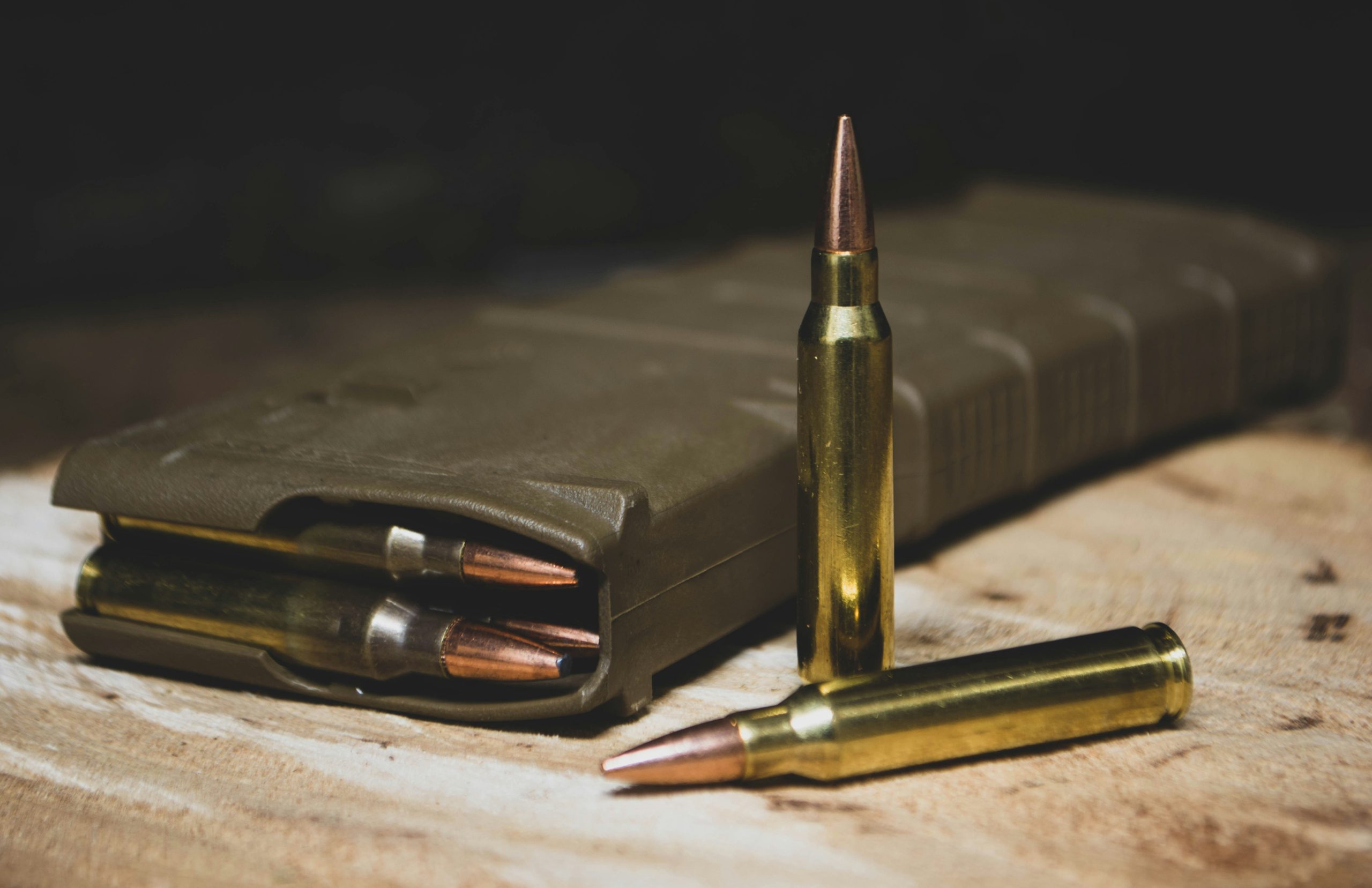
A firearm is only as reliable as the ammunition it feeds. Many failures trace back to inconsistent or degraded ammo rather than the gun itself. Storage conditions matter. Heat, humidity, and age can weaken primers or powder. Mixing bullet profiles can disrupt feeding, especially in semi-automatic platforms. Some firearms tolerate variety; others require specific loads. Relying on range-tested ammo without verifying defensive or field loads creates false confidence. In critical moments, weak ignition or poor feeding causes stoppages. Ammunition choice should match purpose, environment, and firearm design. Ignoring this relationship turns a reliable weapon into an unpredictable one under pressure.
Magazine and Feeding Issues
Magazines are among the most common failure points in modern firearms. Springs weaken, feed lips bend, and followers wear unevenly. Because magazines are inexpensive and interchangeable, they are often neglected. A firearm may function perfectly with one magazine and fail repeatedly with another. Dirt and debris inside magazines affect the feeding angle and speed. Overloading or long-term storage under compression accelerates wear. Many shooters blame the firearm when the real issue lies below it. Regular inspection and rotation of magazines prevent these failures. Trusting worn magazines creates a silent risk that only reveals itself when the firearm suddenly stops cycling.
Environmental Conditions
Firearms behave differently outside controlled environments. Rain, snow, dust, and extreme temperatures change how materials interact. Cold can slow actions and stiffen lubricants. Heat increases wear and can affect tolerances. Fine dust infiltrates moving parts, creating friction. Moisture encourages corrosion in neglected areas. Many firearms are tested in clean, dry conditions, not real-world extremes. Shooters who never train in adverse weather may be surprised by performance changes. Environmental stress exposes weaknesses that normal use hides. Preparing for these conditions requires adapting maintenance, lubrication, and expectations. Ignoring the environment assumes ideal conditions that rarely exist when firearms are truly needed.
Overconfidence From Limited Use

A firearm that performs well during casual use can still fail under sustained or stressful operation. Range sessions often involve controlled pacing, clean conditions, and limited rounds. Critical situations demand rapid manipulation, awkward positions, and an elevated heart rate. Under stress, grip, stance, and trigger control degrade. Malfunctions that are easily cleared at the range become confusing under pressure. Overconfidence prevents training for failure. Firearms should be tested under realistic scenarios to expose weaknesses. Assuming reliability based on limited experience creates false assurance. True confidence comes from knowing how the firearm behaves when things go wrong, not just when everything goes right.
Improper Modifications or Accessories
Aftermarket modifications can improve comfort or performance, but they can also reduce reliability. Lighter triggers, reduced-power springs, or poorly fitted parts change how a firearm cycles. Accessories add weight and alter balance. Optics mounts can loosen, affecting function. Not all parts are designed to work together. Changes that feel beneficial during slow fire may introduce timing issues during rapid use. Many failures appear only after modifications accumulate. Keeping a firearm reliable means understanding how changes affect the system as a whole. Modifying without testing under realistic conditions increases the chance of failure when reliability matters most.
Poor Lubrication Choices
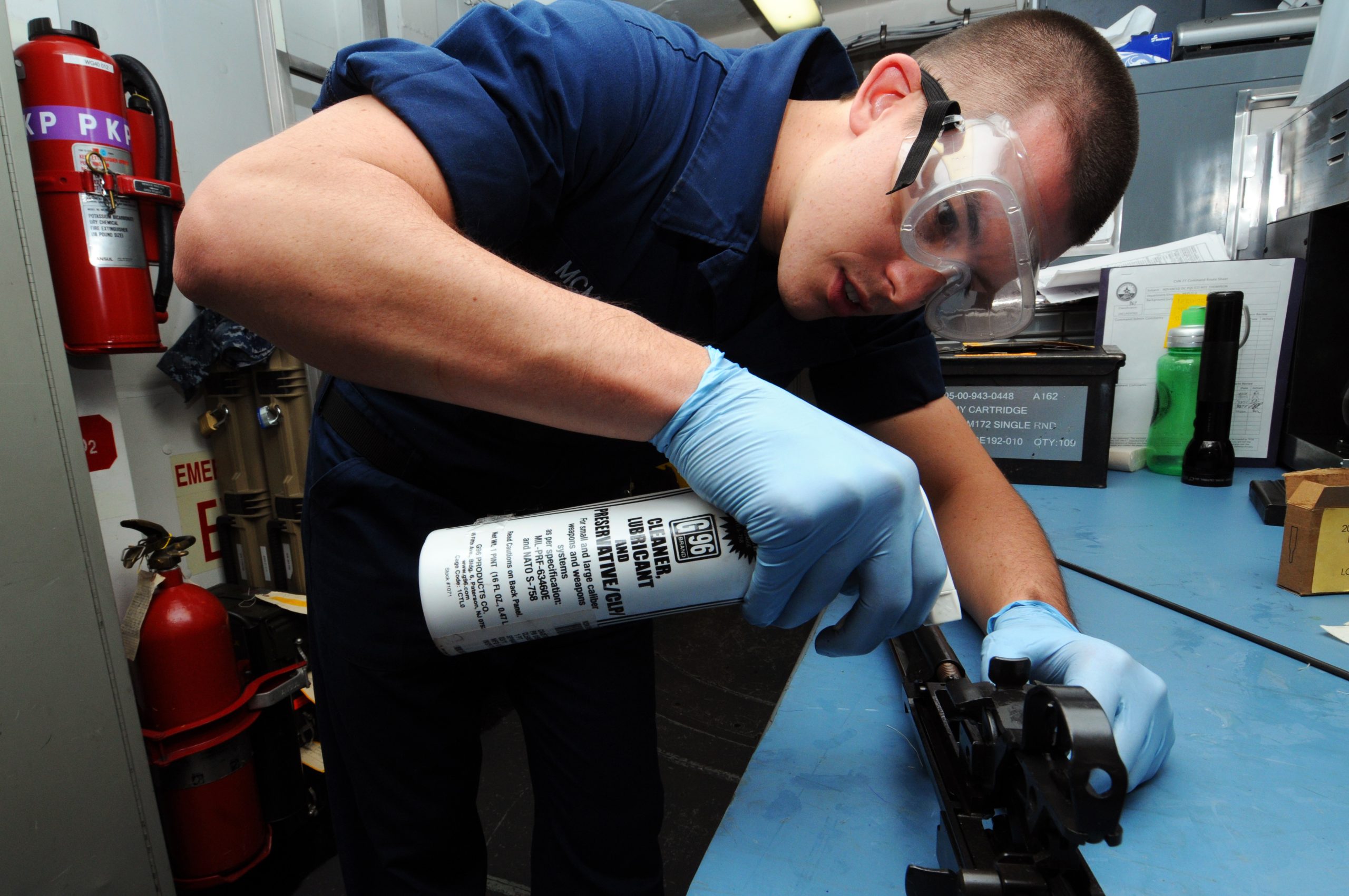
Lubrication is often misunderstood. Too little causes friction; too much attracts debris. Using the wrong lubricant for conditions creates problems. Thick oils can slow actions in cold weather. Thin lubricants evaporate or burn off quickly. Some shooters rely on habits rather than understanding. Firearms require specific lubrication points and amounts. Improper lubrication accelerates wear and increases malfunction risk. Because effects are gradual, mistakes go unnoticed. When conditions worsen, problems surface suddenly. Choosing appropriate lubrication based on environment and use is critical. Ignoring this detail undermines reliability in subtle but serious ways.
Neglecting Wear and Replacement Cycles
Firearms contain consumable parts designed to wear out. Springs, pins, and extractors have finite lifespans. Many owners never replace them until failure occurs. Because wear is gradual, performance decline is subtle. A firearm may still function until tolerances are exceeded under stress. Preventive replacement is often ignored because parts still seem functional. Manufacturers provide service life estimates for a reason. Ignoring replacement cycles invites sudden failure. Treating firearms as static objects rather than mechanical systems leads to unexpected breakdowns. Reliability depends on respecting wear limits, not pushing parts until they break.
User-Induced Malfunctions
Not all failures are mechanical. Grip, stance, and technique influence firearm operation. Limp-wristing, improper support, or riding controls can cause malfunctions, especially in semi-automatic firearms. Under stress, technique deteriorates. Gloves, cold hands, or injury change how controls are manipulated. Training often focuses on accuracy, not malfunction prevention. User-induced issues are often misdiagnosed as equipment failure. Understanding how human factors affect function is essential. Practicing under varied conditions reduces these errors. A firearm can only perform as well as the person operating it allows.
Assuming Past Performance Guarantees Future Reliability
The most dangerous assumption is believing that a firearm that has never failed will never fail. Mechanical systems change over time. Wear accumulates, conditions vary, and users age. Confidence based solely on history ignores future variables. Firearms do not fail on schedule. They fail when multiple small factors align. Preparing for failure means accepting its possibility. Redundancy, training, and realistic expectations matter more than brand loyalty. Trusting a firearm should involve understanding its limits. Reliability is maintained through attention, not assumption. Ignoring this truth sets the stage for failure when it matters most.