Camping trips feel peaceful until a curious bear wanders close, and gear often plays a bigger role than expected. Bears rely on an extraordinary sense of smell, so everyday items can broadcast food-like odors across a campsite. Lip balm, sunscreen, hand sanitizer, and scented wipes may mimic fruit, candy, or cooking aromas. When bears learn that campsites equal easy calories, the animals can become food-conditioned and persistent. Land agencies often recommend bear-resistant canisters or lockers where provided, plus strict trash control. A safer approach focuses on reducing attractants, storing anything with odor properly, and cleaning up quickly after meals.
Scented Toiletries And Skin Care
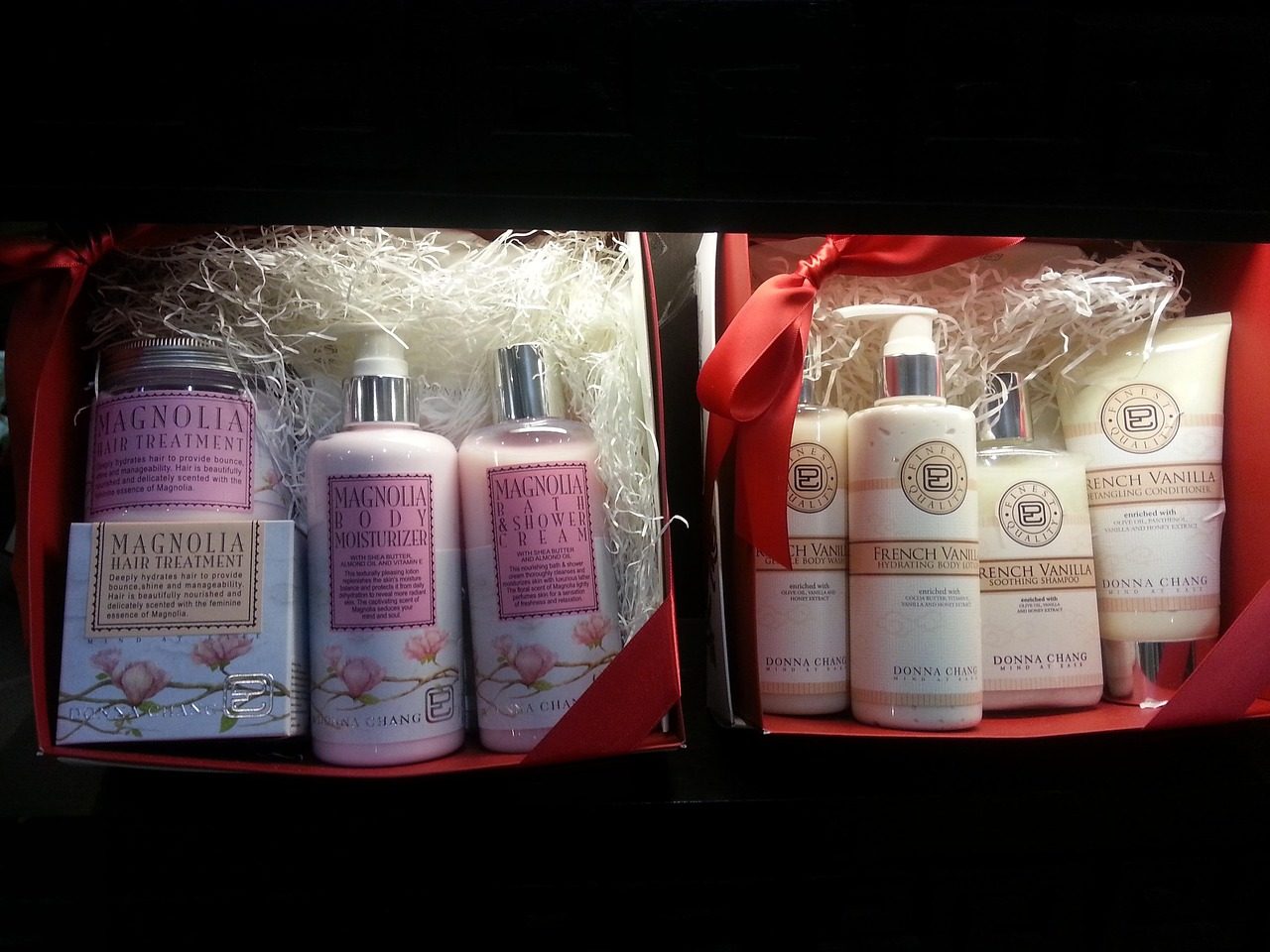
Scented toiletries and skin care products rank among the most overlooked bear attractants. Many lotions, deodorants, shampoos, toothpastes, and flavored lip balms contain oils and sweeteners that smell edible. In both black bear and grizzly bear country, these odors can linger on hands, clothing, and packs long after application. Unscented options reduce scent spread, and application near sleeping areas is best kept minimal. After use, hands can be rinsed away from camp, and kits should never stay in tents. All toiletry bottles, wipes, and used sanitary items belong in the same secure storage as food whenever bears are active nearby.
Food Packaging And Snack Stashes
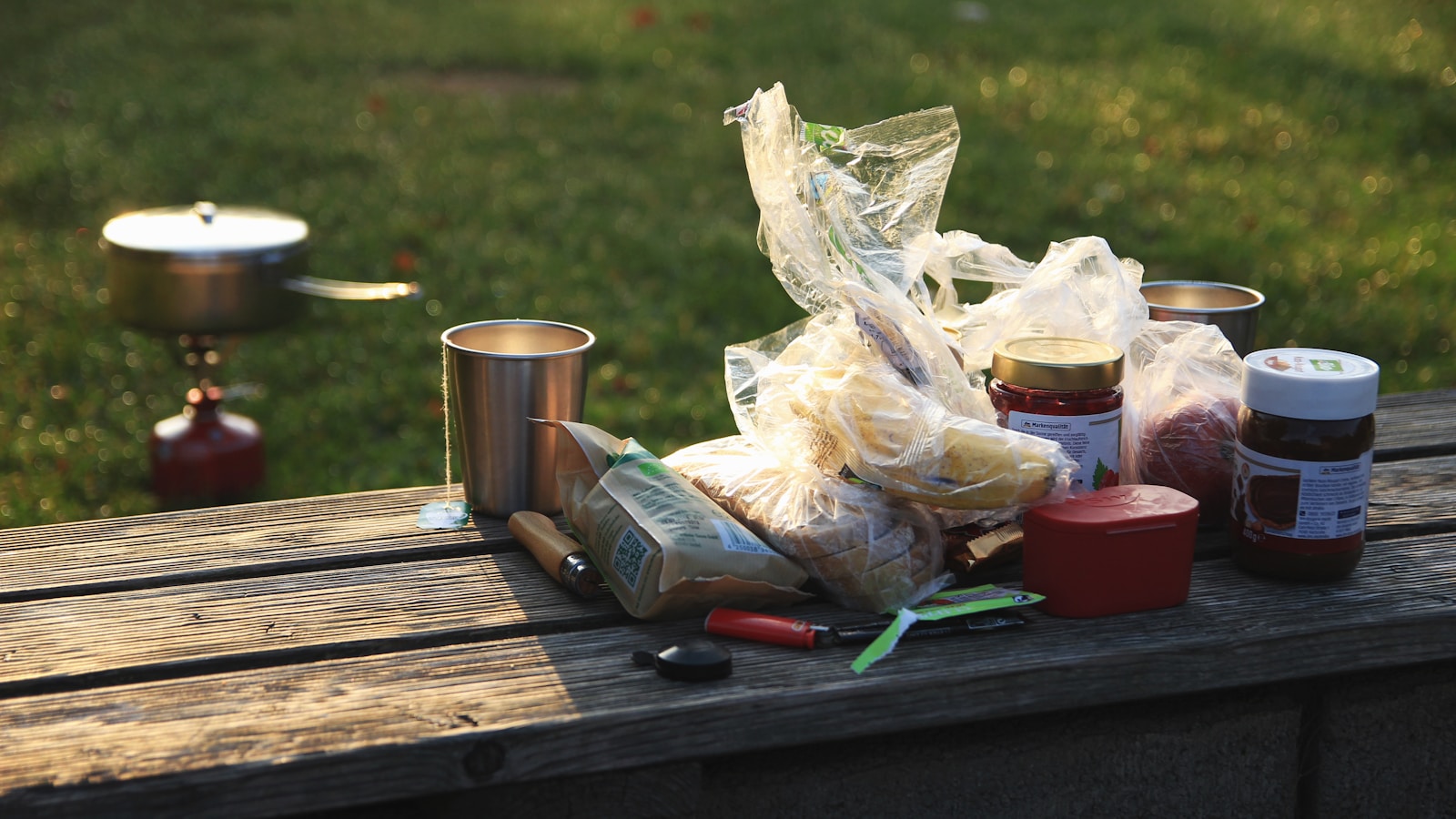
Food packaging can advertise calories even when a meal seems sealed and tidy. Wrappers from energy bars, jerky, trail mix, and candy often hold residue that releases strong odors, especially in warm weather. Reusable bags and hard-sided containers help limit scent and prevent crushed packaging from spreading crumbs into pockets. A snack forgotten in a daypack, jacket, or sleeping bag creates the same risk as an open cooler. A quick pocket check before sleep prevents surprises. At night, every item that once held food should be stored in a bear-resistant canister, bear box, or properly hung system where allowed.
Cookware Residue And Camp Kitchen Habits
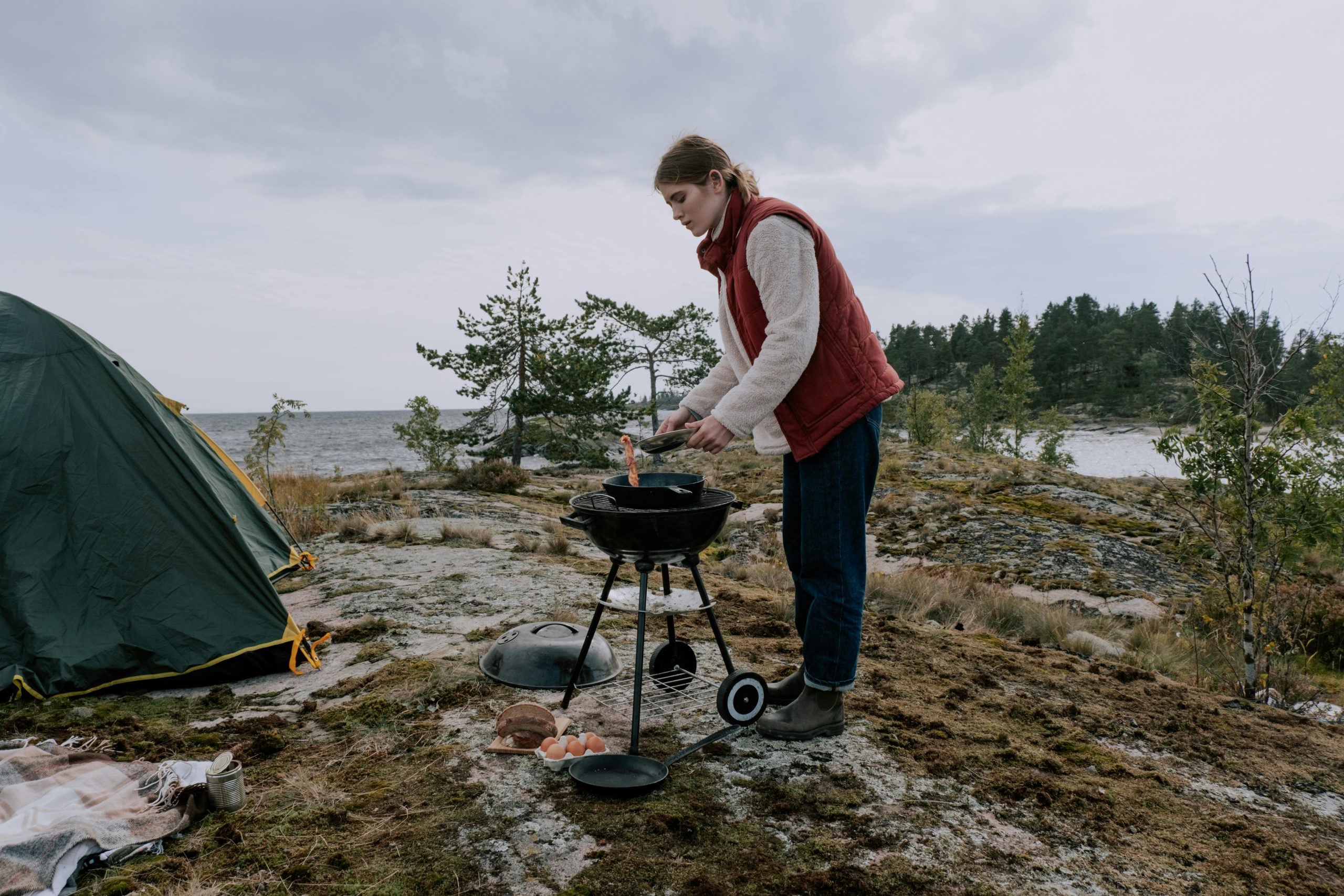
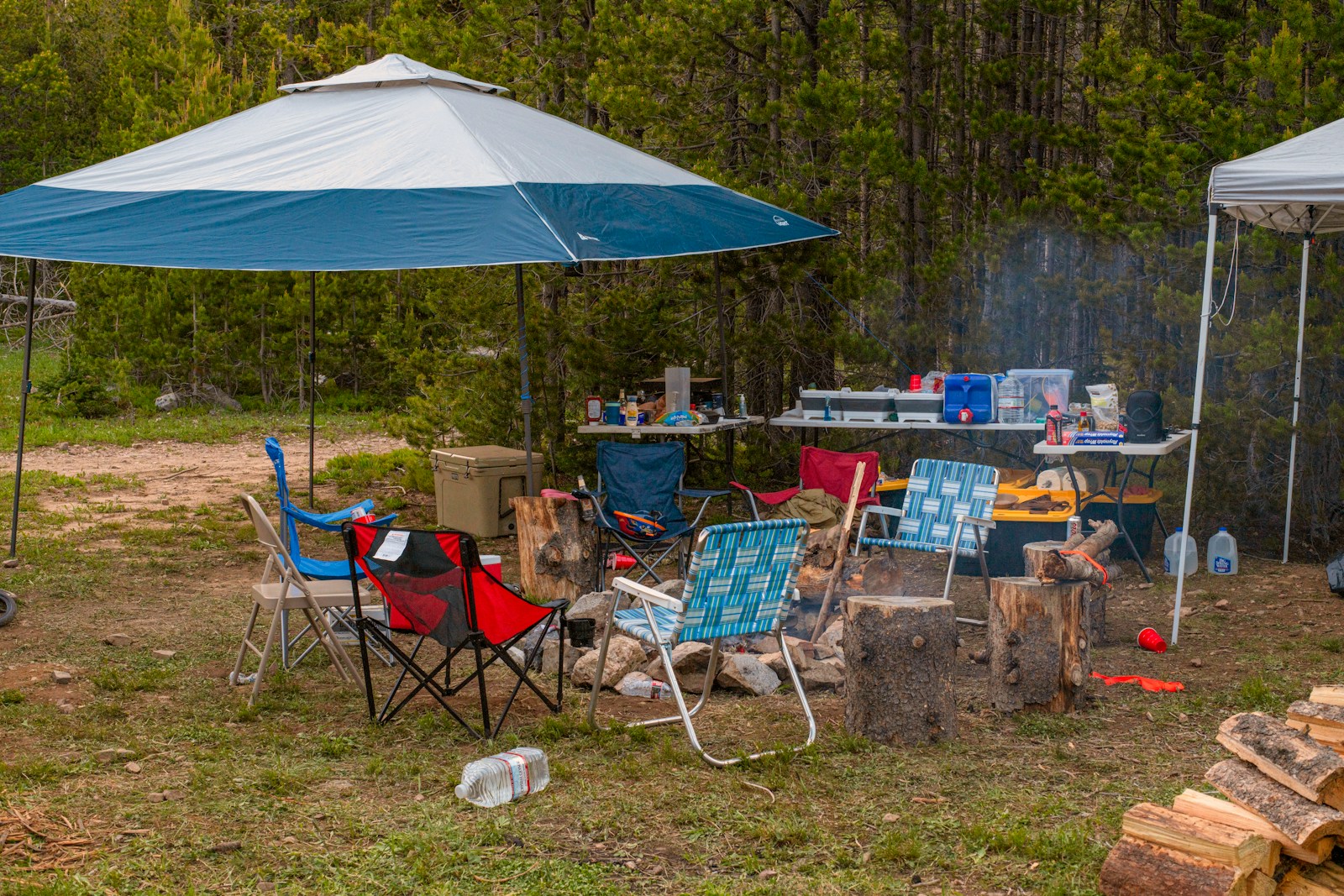
Cookware and utensils can hold strong odors long after dinner ends. Pots, pans, and stirring tools absorb oils and spices, and a quick rinse rarely removes the smell. Warm water and soap work better here. Dishwater should be strained to capture food bits, then disposed of according to local guidance, often away from sleeping areas. After washing, cookware should dry in a secured area rather than sitting out overnight. Cooking clothes can carry grease and smoke, so storing them with food items limits scent near tents. A clean kitchen also includes wiping tables, stoves, and fuel bottles that collect drips during meal prep.
Coolers, Ice Chests, And Beverage Containers
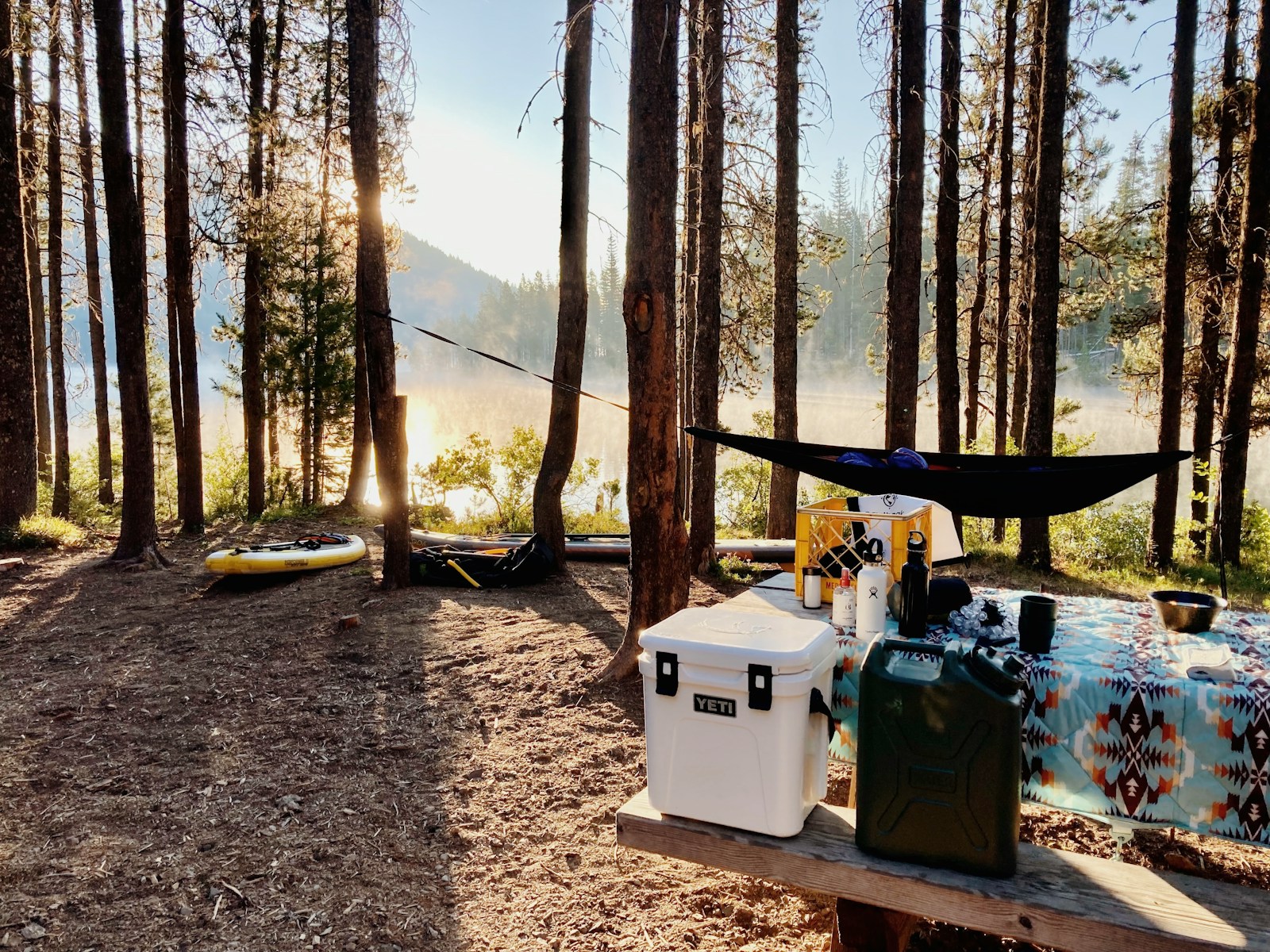
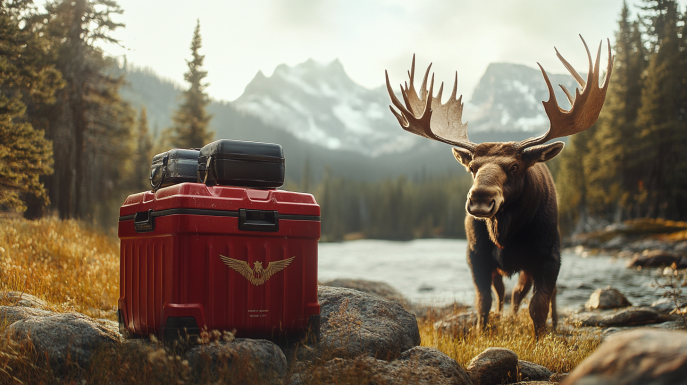
Coolers and ice chests attract attention because cold storage concentrates smells in one place. Gaskets collect spilled juice, melted ice, and meat drippings, and that trapped residue can stay pungent for days. Even empty coolers can remain attractive, so cleaning with hot water and unscented soap matters before returning them to a vehicle. Canned drinks, flavored waters, and reusable bottles also carry sticky rims that smell sweet. Latches should stay closed, and coolers never belong in sleeping areas. When bear boxes or lockers exist, closed coolers and beverage totes belong inside, not under picnic tables or beside tents.
Trash, Recycling, And Odor Proofing Myths
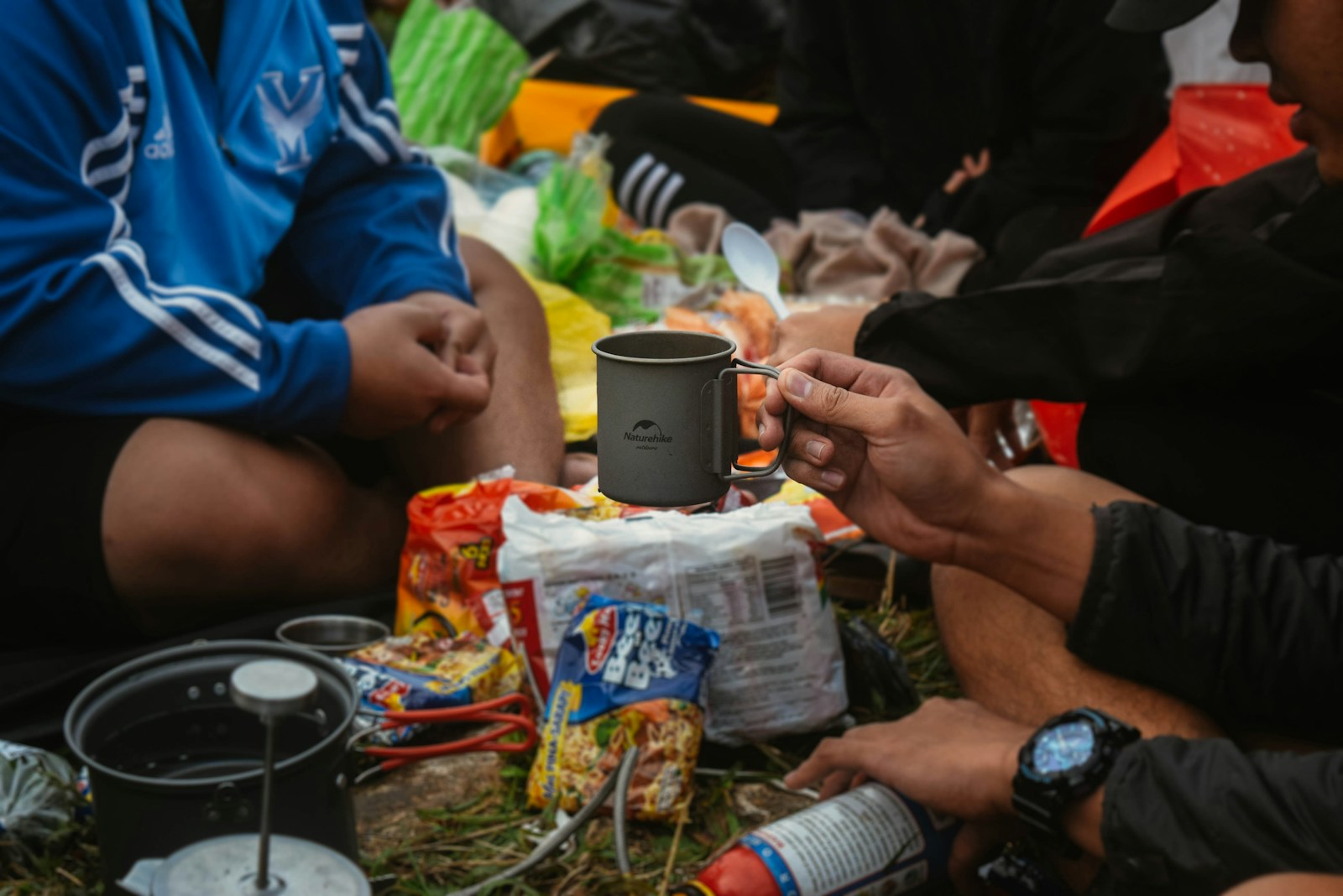
Trash and recycling can be more enticing than dinner because the smells mix and intensify. Used cans, foil, coffee grounds, and food scraps release odor even when tied in a bag, and thin plastic tears easily. Rinse recyclables when water use rules allow. So-called odor-proof bags reduce scent but do not replace bear-resistant storage, especially when a bear can bite through fabric. Local campgrounds often require garbage inside bear boxes or metal bins with secured lids for this reason. If packing out trash, double-bagging and storing it with food away from sleeping areas helps limit nighttime visits.