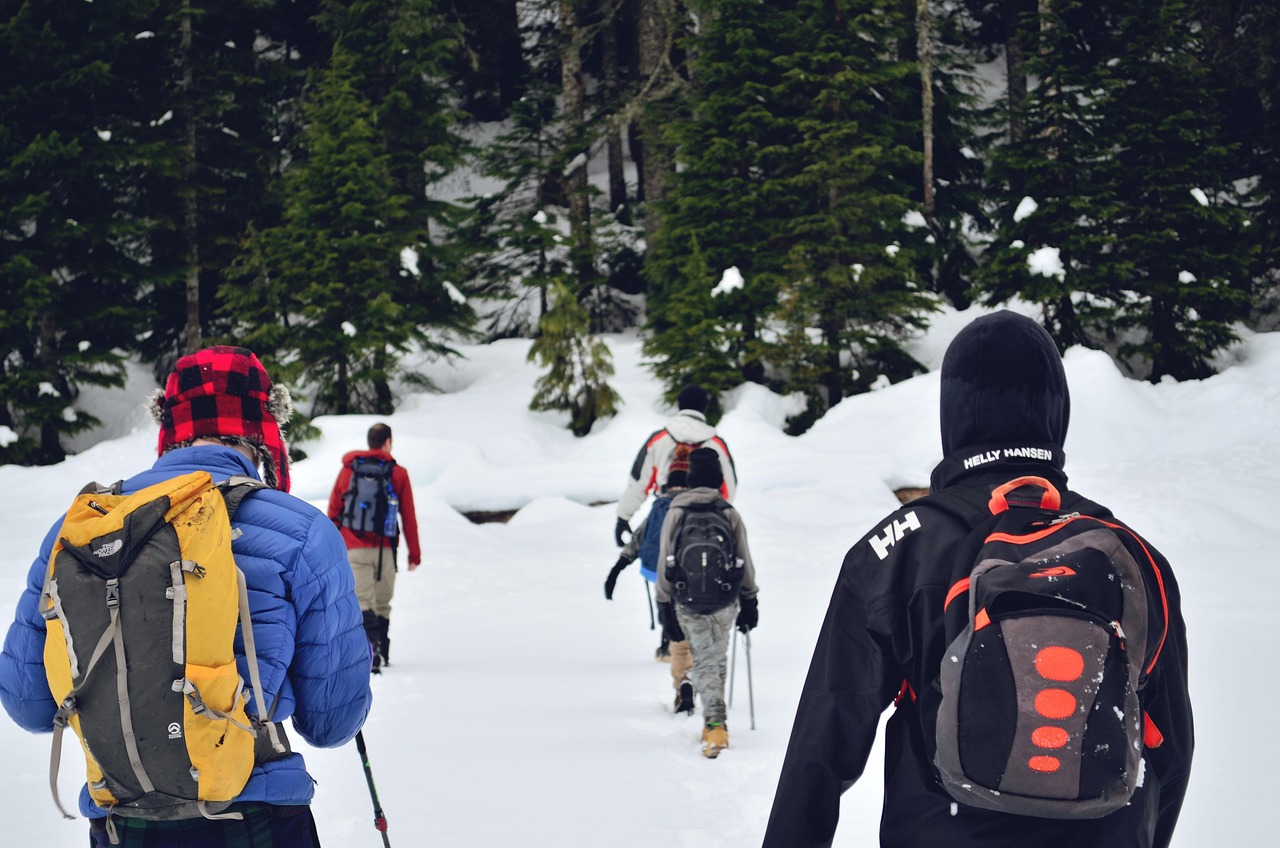
Cold weather often feels more manageable when two thin layers are worn instead of relying on a single thick garment because layering creates a structured system that traps warm air while still allowing moisture to escape. This setup keeps heat closer to the body during movement and prevents the sudden cooling that occurs when heavy fabrics become damp. Layering also provides flexibility as temperatures shift throughout the day, making it easier to adapt without losing comfort. With better insulation, improved breathability, and a more responsive fit, layered clothing supports steady warmth during a wide range of outdoor conditions and daily activities.
Air Trapping Creates Better Insulation

Two thin layers create stronger insulation than one thick garment because each layer builds its own pocket of warm air that slows heat loss more effectively. These multiple pockets act as independent barriers that help maintain warmth even when wind, shade, or movement changes the surrounding temperature. A single thick layer often shifts or compresses during activity, which disrupts heat retention. In contrast, layered fabrics stay more stable against the skin, allowing warmth to remain consistent throughout the day. This structure supports better protection from drafts and colder air pockets, making layered clothing a reliable choice in environments where conditions change quickly.
Moisture Management Improves Comfort
Moisture control plays a major role in warmth, and layering improves this by moving sweat away from the skin before it cools. When perspiration remains trapped under a thick garment, body heat escapes rapidly as moisture chills the surface of the skin. Two thin layers work together to transfer sweat outward, where it can evaporate more effectively. This process keeps the inner layer drier, allowing it to insulate more consistently during movement or rest. Moisture management helps prevent the uncomfortable temperature swings that come from heavy fabrics absorbing sweat and holding it in place. With better airflow and faster drying, layered clothing maintains warmth over longer periods.
Layer Flexibility Helps Regulate Heat
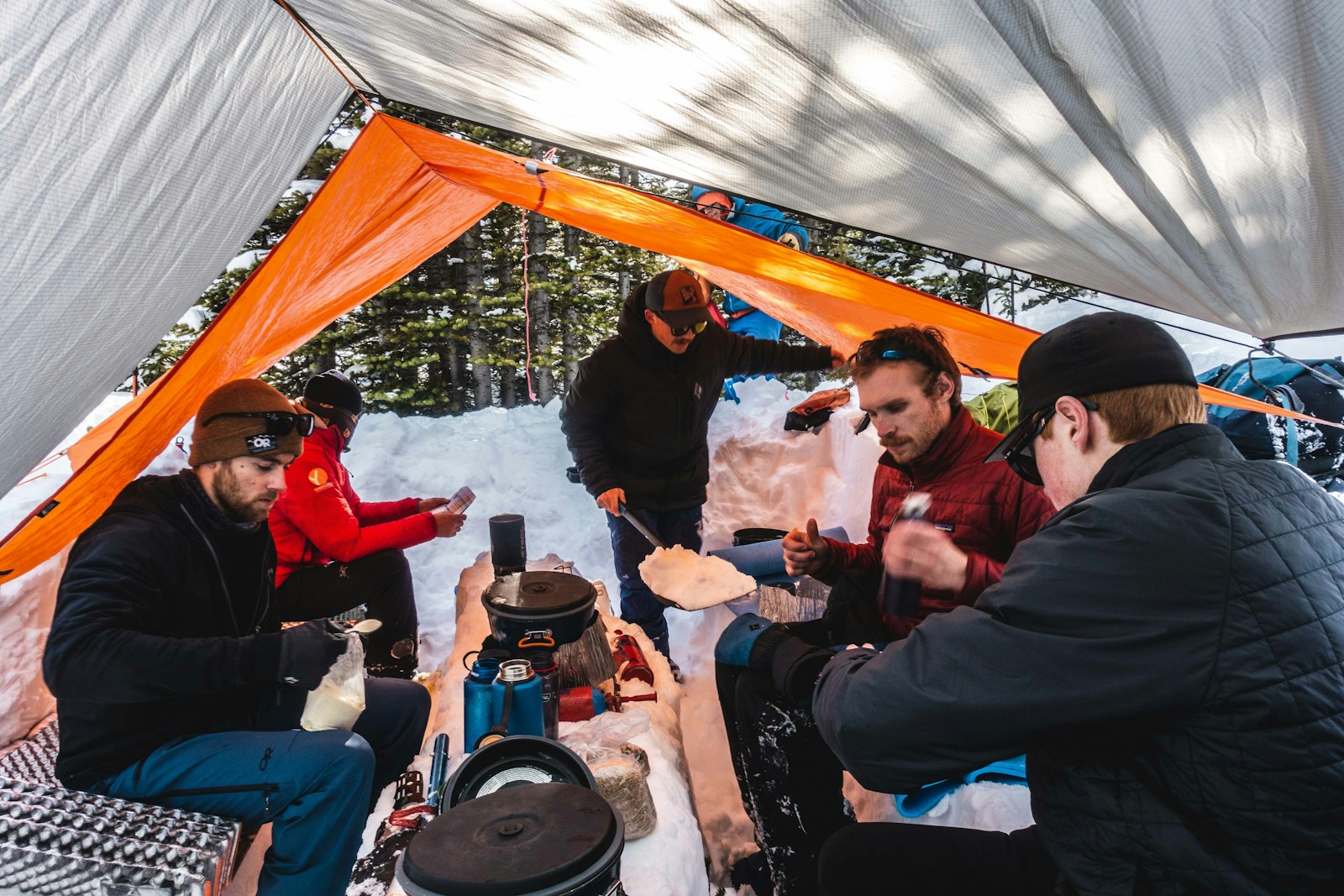
Layering provides more precise temperature control because layers can be added or removed as activity levels change, preventing both overheating and sudden cooling. A single thick garment does not offer this flexibility, which often leads to sweating when warm and discomfort when cold. Thin layers move more naturally with the body and adjust easily without limiting motion. This adaptability becomes essential during long days outdoors when conditions shift from sunshine to wind or from stillness to activity. The ability to fine-tune warmth on demand helps maintain consistent comfort, reduces stress on the body’s temperature regulation, and supports a more enjoyable experience in varied environments.
Material Differences Enhance Warmth
Two thin layers make it possible to combine specialized fabrics that handle insulation and moisture differently, creating a more effective system than a single thick material. A base layer designed to wick moisture pulls sweat away from the skin, while an insulating outer layer traps heat without restricting movement. This combination tailors performance to specific needs during cold weather. Lightweight fabrics maintain breathability and comfort while still providing strong thermal control. By mixing materials with targeted functions, layering supports better warmth retention, improved dryness, and greater comfort across fluctuating temperatures. This approach offers a practical advantage when transitioning between indoor spaces, outdoor environments, and various activity levels.
Adaptability Supports Energy Efficiency
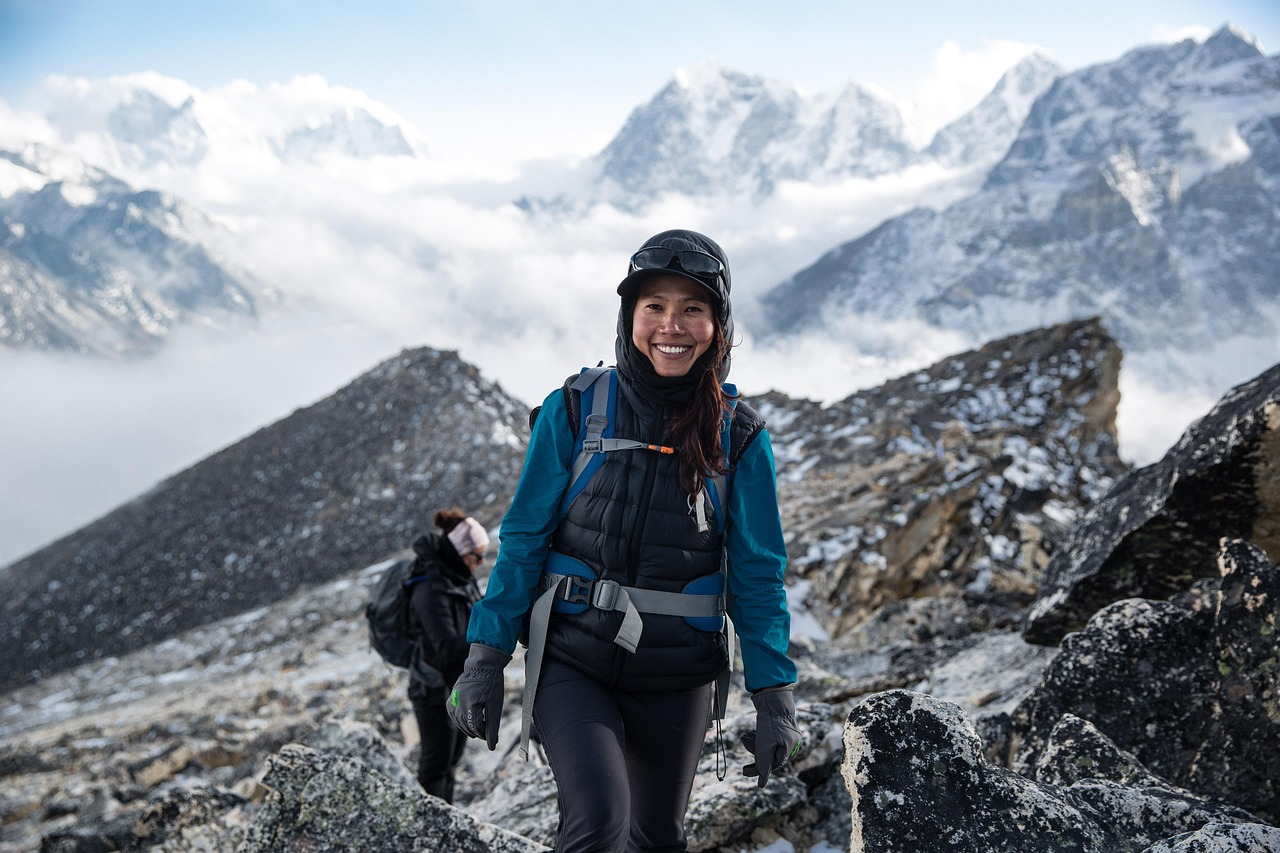
Layering reduces the energy the body uses to stay warm because multiple air pockets slow the rate of heat loss, allowing natural warmth to remain stable with less physical effort. Thick garments often cause overheating followed by cooling, which forces the body to work harder to regulate temperature. Adjustable layers prevent these swings by allowing fine-tuning that matches the intensity of movement or changes in weather. Lightweight materials also reduce fatigue by avoiding unnecessary bulk during walking, climbing, or carrying gear. With improved insulation and more balanced moisture control, layering supports energy efficiency throughout cold-weather activities, making comfort easier to maintain over extended periods.