In the world of firearms, popularity does not always equal quality. Many guns become best sellers because of aggressive marketing, movie fame, or brand reputation rather than real-world performance. New buyers often assume that if a firearm sells well, it must be reliable, accurate, and worth the money. Unfortunately, that assumption can lead to disappointment once the gun is actually used on the range or in demanding conditions. Some models suffer from poor ergonomics, others have inconsistent reliability, and a few simply fail to justify their price compared with better alternatives. This list takes a closer look at several well-known firearms that continue to attract attention but frequently leave experienced shooters unimpressed once the marketing hype fades away.
1. Hi-Point C9
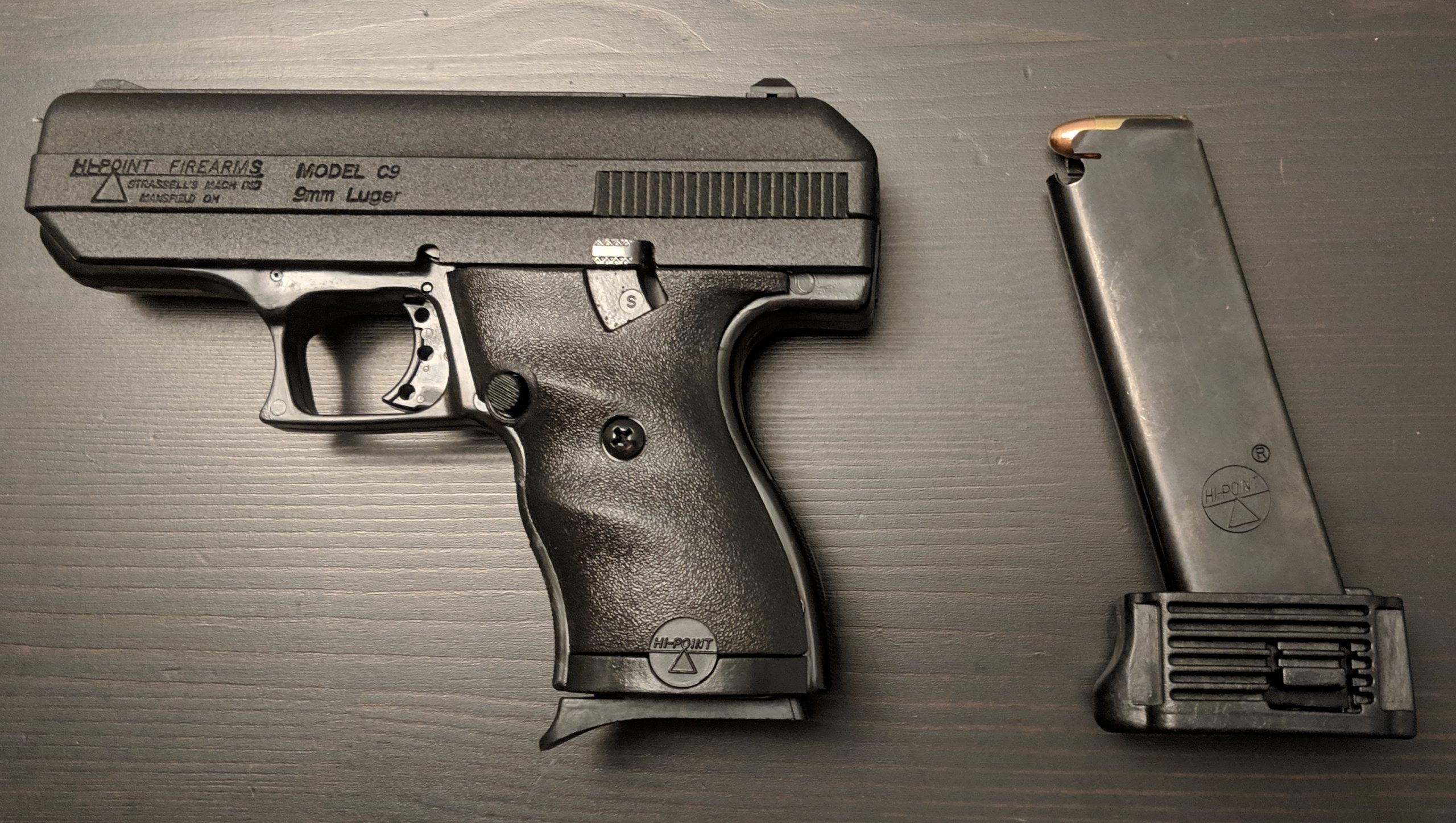
The Hi-Point C9 is often promoted as one of the most affordable 9mm pistols on the market, which explains why it attracts so many first-time buyers. At first glance, the low price appears appealing, especially for people looking for a simple handgun for range practice or home defense. However, the pistol quickly reveals its shortcomings during extended use. The bulky slide and heavy blowback design make the gun unusually top-heavy, which affects balance and recoil control. The trigger pull is often described as stiff and inconsistent, making accurate shooting more difficult than it should be. While the gun can function reliably in some cases, its awkward ergonomics and rough shooting characteristics make it far less appealing than many slightly more expensive alternatives.
2. Kel-Tec P-11
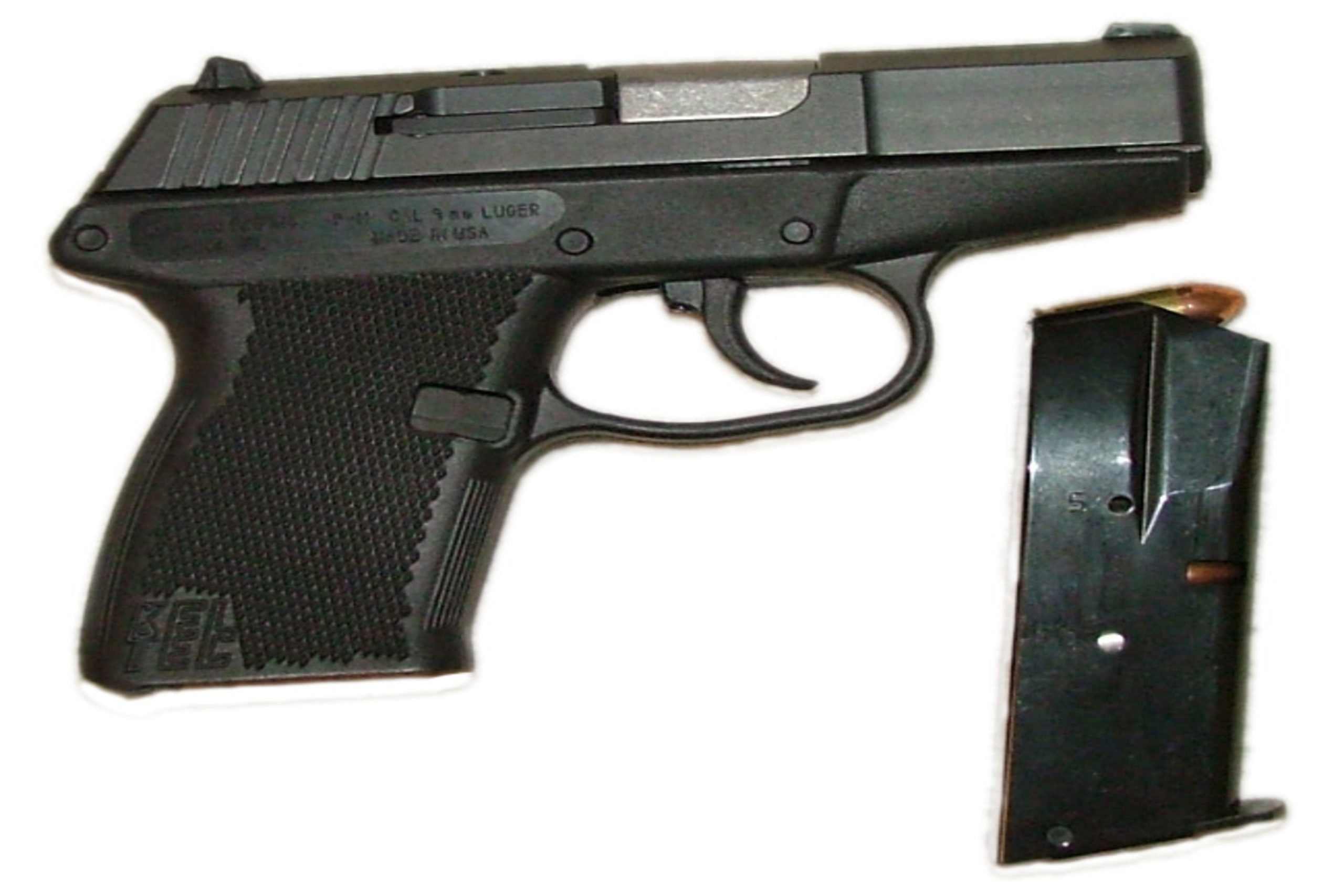
The Kel-Tec P-11 gained popularity because it offered a compact 9mm pistol at a time when small, lightweight carry guns were still relatively uncommon. On paper, it seemed like an excellent option for concealed carry. The pistol is light, simple, and holds a respectable number of rounds for its size. Unfortunately, the shooting experience often disappoints many owners. The trigger pull is extremely long and heavy, which makes precise shooting challenging even for experienced shooters. Recoil can feel surprisingly sharp because of the pistol’s light weight and small grip. While the design was innovative when it first appeared, modern compact pistols have surpassed it in comfort, reliability, and overall shootability.
3. Taurus Judge
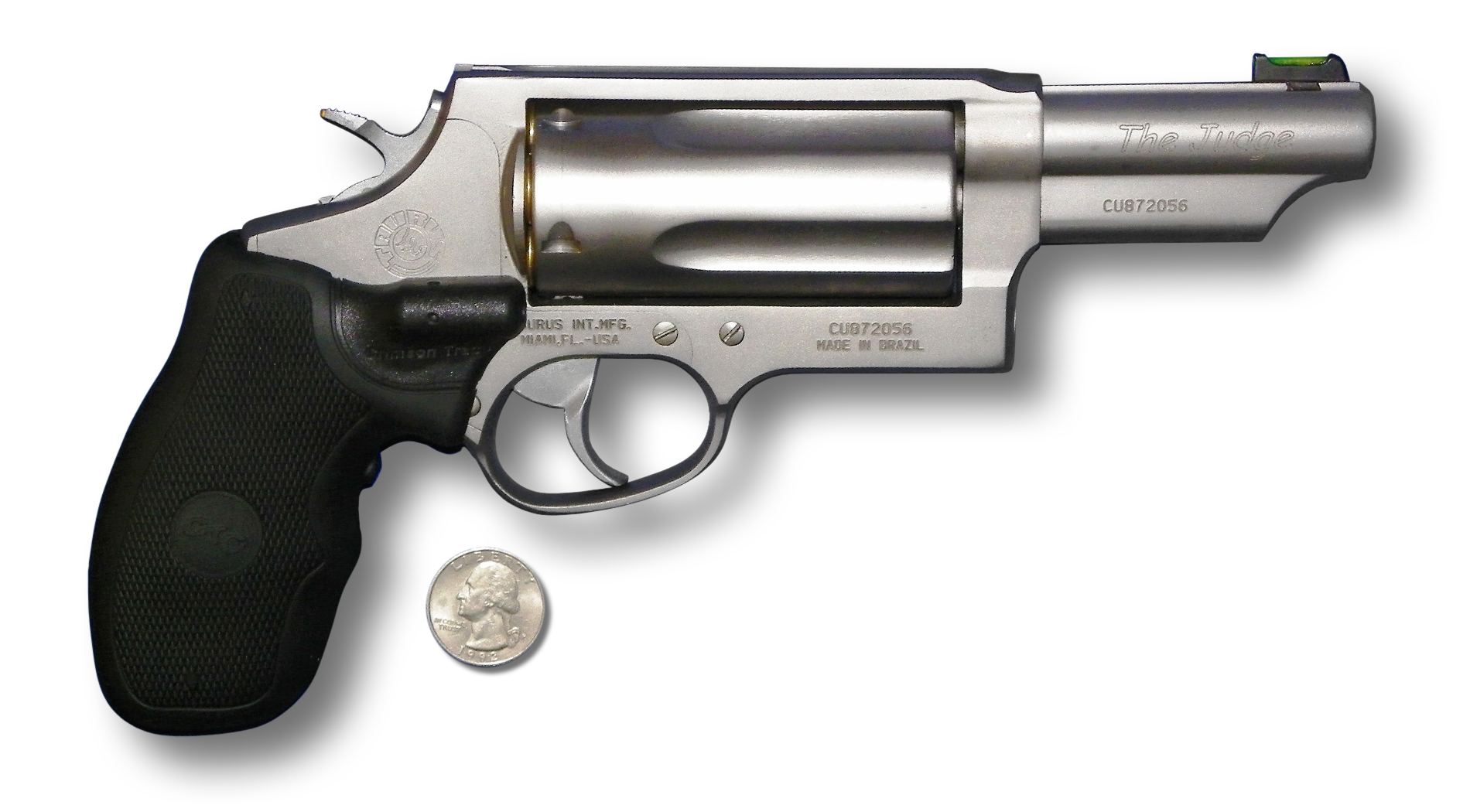
The Taurus Judge became famous for its unusual ability to fire both .45 Colt cartridges and .410 shotgun shells. This dual-purpose concept captured the attention of many buyers who liked the idea of having multiple ammunition options in a single firearm. In practice, however, the design comes with significant compromises. The revolver’s large cylinder and frame make it bulky and difficult to carry comfortably. Accuracy with .45 Colt ammunition is often mediocre because the barrel is optimized for multiple cartridge types rather than one specific round. The .410 shells also produce limited effectiveness from the short barrel length. While the concept is interesting, the real-world performance rarely matches the dramatic marketing claims surrounding the firearm.
4. AMT Backup
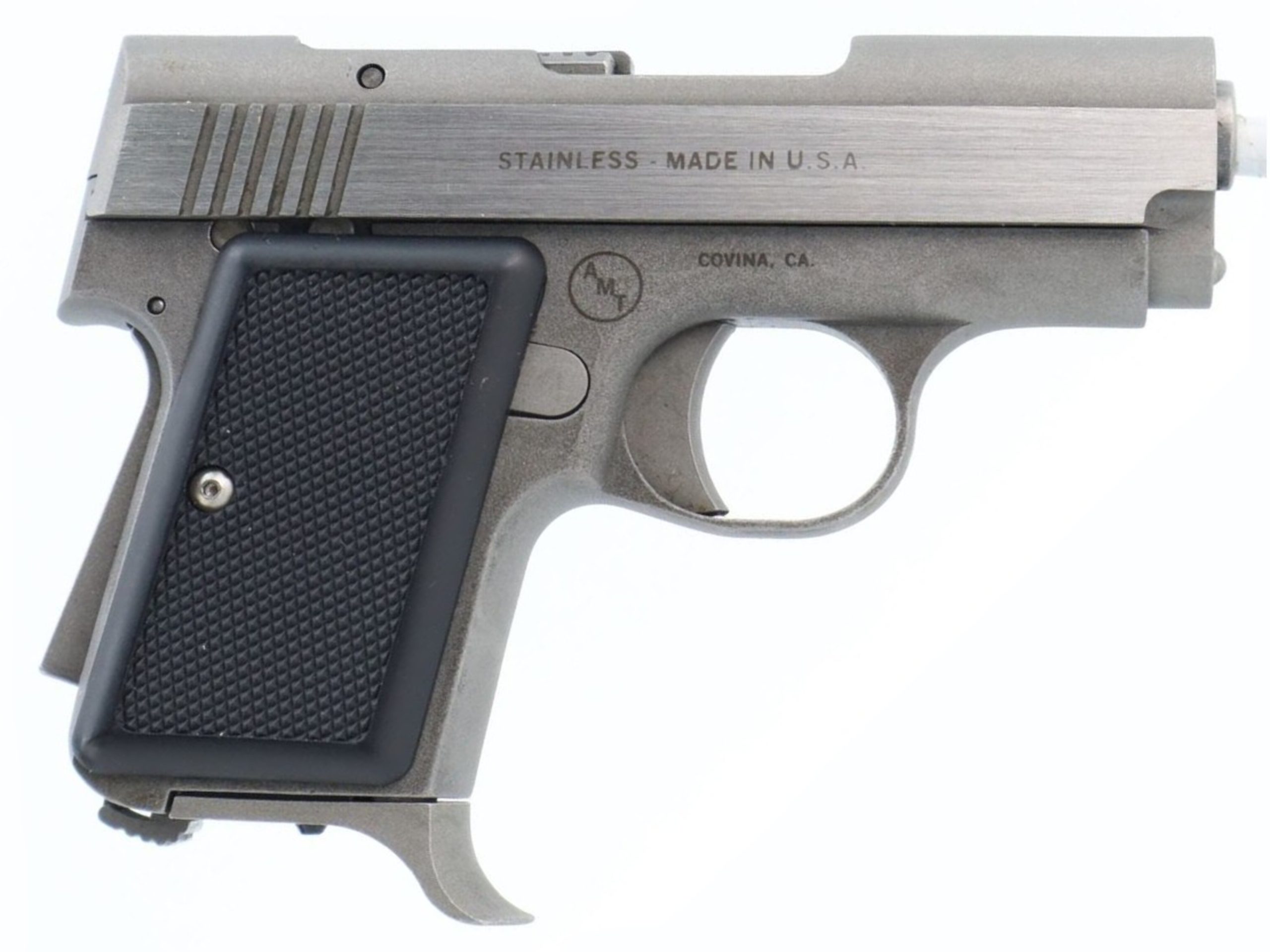
The AMT Backup pistol gained attention in the 1980s and 1990s for its compact, all-stainless-steel design, specifically for deep concealed carry. At the time, the idea of a small, durable pistol chambered in serious calibers sounded extremely appealing to many buyers. Unfortunately, the real-world experience often proved less impressive. The pistol’s heavy double-action trigger is widely known for being unusually stiff, making accurate shooting difficult for many users. The small grip and minimal sights also limit practical accuracy, especially during rapid fire.mon complaint, particularly when the gun is used with different brands of ammunition. The heavy trigger pull and basic sights do little to help accuracy. While affordability is important, the FS380 illustrates how cutting costs too aggressively can result in a firearm that struggles to deliver dependable performance.
5. Remington R51
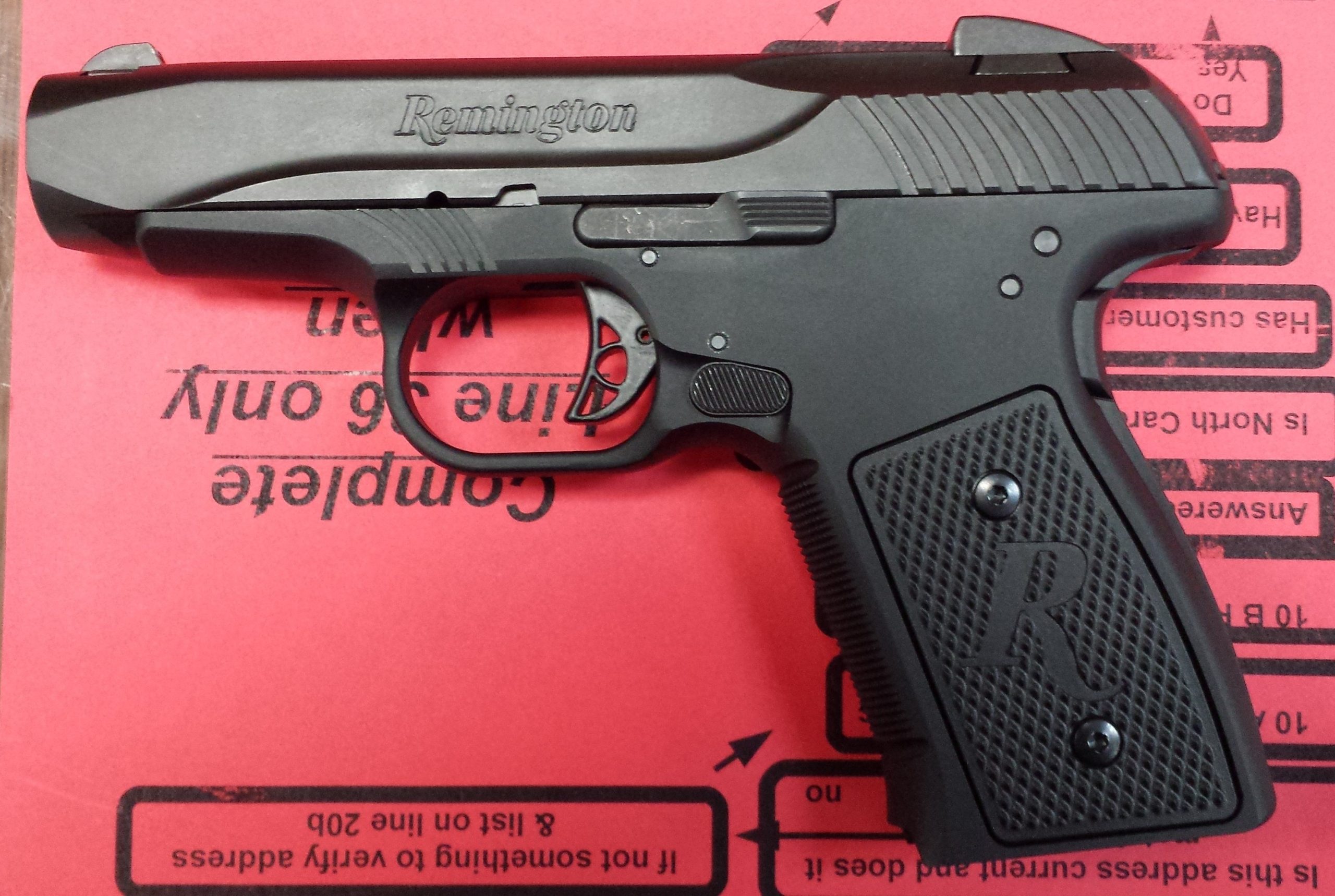
When Remington R51 was reintroduced to the market, it generated enormous excitement among handgun enthusiasts. The pistol was based on an early 20th-century design and promised improved ergonomics, reduced recoil, and a slim profile ideal for concealed carry. Unfortunately, the initial production run quickly developed a reputation for reliability problems. Many early buyers reported feeding issues, extraction failures, and inconsistent performance at the range. Remington eventually halted production and attempted to correct the problems, but the damage to the pistol’s reputation had already been done. Although the concept behind the R51 was interesting, its troubled launch remains a reminder that even major manufacturers can release firearms before they are truly ready.
6. Walther CCP
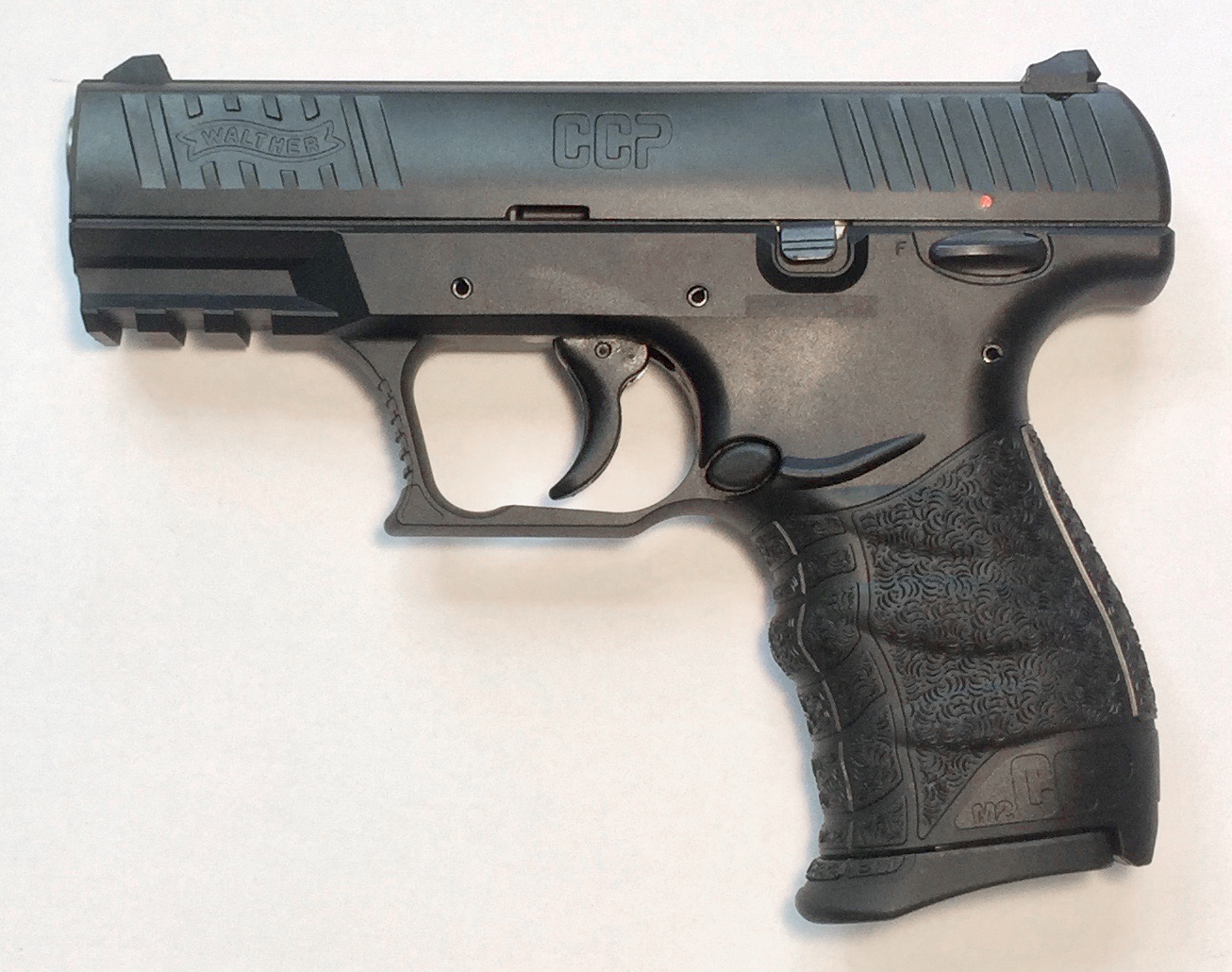
The Walther CCP was introduced as a concealed-carry pistol designed to offer softer recoil through a gas-delayed blowback operating system. In theory, this system would make the pistol easier to control than other compact handguns. While the idea sounded promising, many users discovered practical drawbacks once they started using the firearm regularly. The pistol requires a special tool for disassembly, which makes routine maintenance more complicated than necessary. Some early models also experienced reliability concerns that required factory recalls. Even when functioning correctly, the trigger and shooting characteristics often feel less refined than competing pistols in the same category, leaving many shooters wondering why they chose it over simpler designs.
7. Ruger LCP
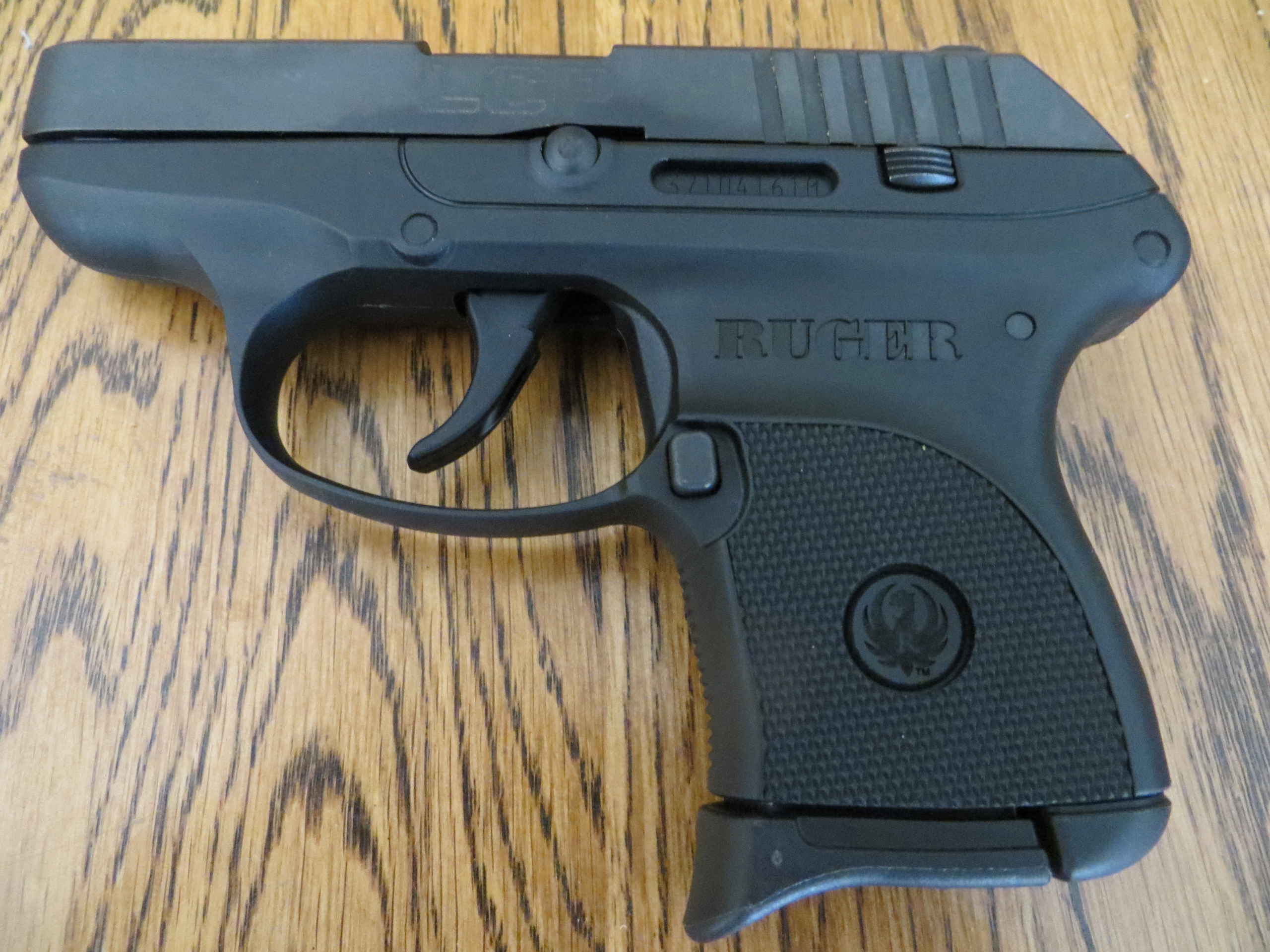
The original Ruger LCP became extremely popular because it offered an ultra-compact .380 pistol that could fit easily into a pocket. For people who wanted a gun that could be carried almost anywhere, the design seemed perfect. However, the shooting experience often left much to be desired. The tiny grip and minimal sights make accurate shooting difficult, particularly beyond very short distances. Recoil can feel surprisingly harsh for such a small cartridge, especially during extended range sessions. The long trigger pull also requires practice to manage effectively. While later versions of the LCP improved many of these issues, the original model is often remembered as a gun that sacrificed shootability for extreme concealability.
8. Mossberg 715T
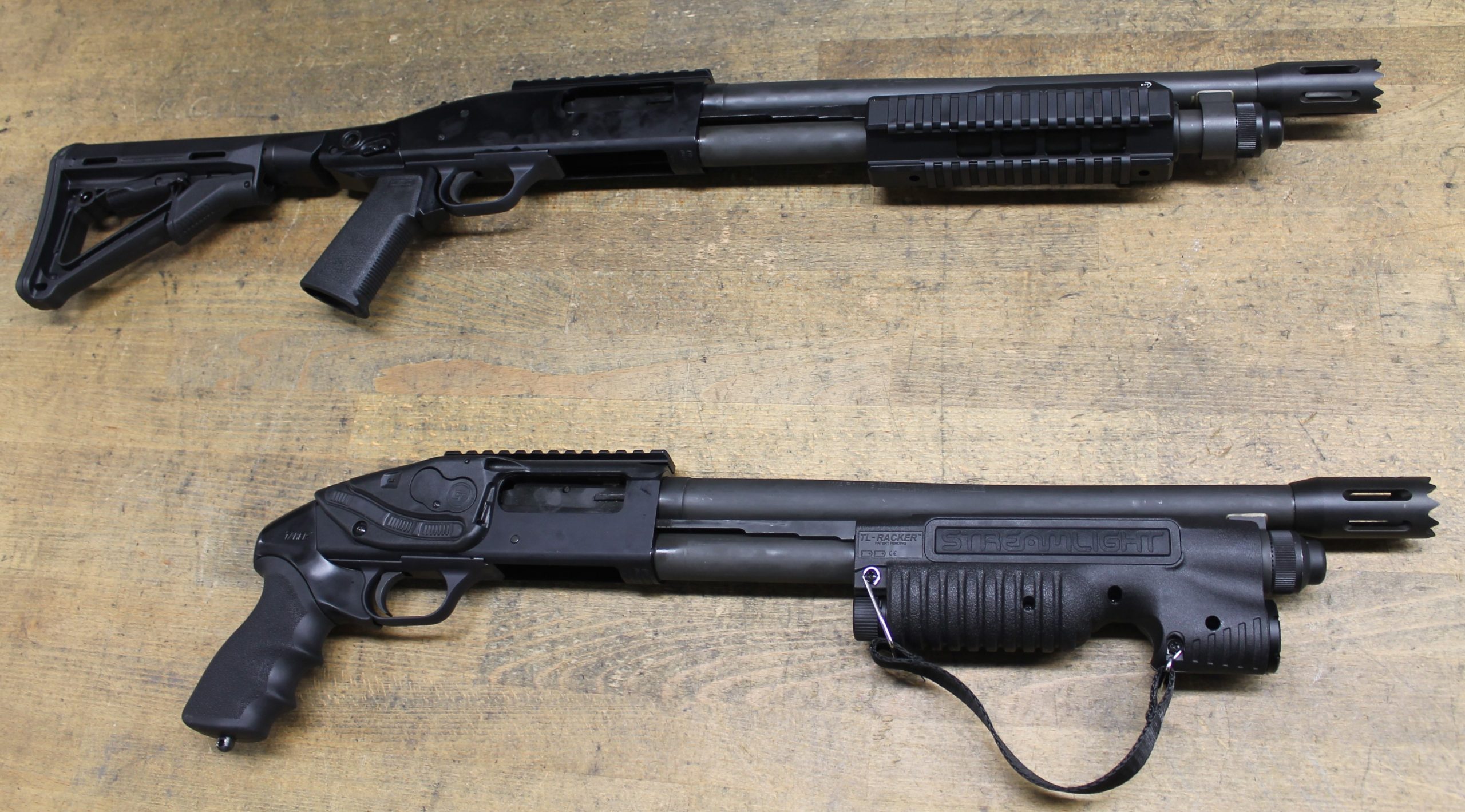
The Mossberg 715T is a .22-caliber rifle that gained attention because of its tactical appearance. Designed to resemble modern military-style rifles, it appealed to buyers who wanted that aesthetic in a lightweight and inexpensive package. Despite the dramatic styling, the rifle’s internal design is essentially based on a basic rimfire platform. Many shooters found that the polymer shell added bulk without improving performance. The trigger quality and overall feel often seemed less refined than other rimfire rifles in the same price range. While the 715T may look impressive at first glance, its emphasis on appearance over practical performance leaves many experienced shooters recommending simpler and more reliable rimfire rifles instead.
9. Charter Arms Undercover
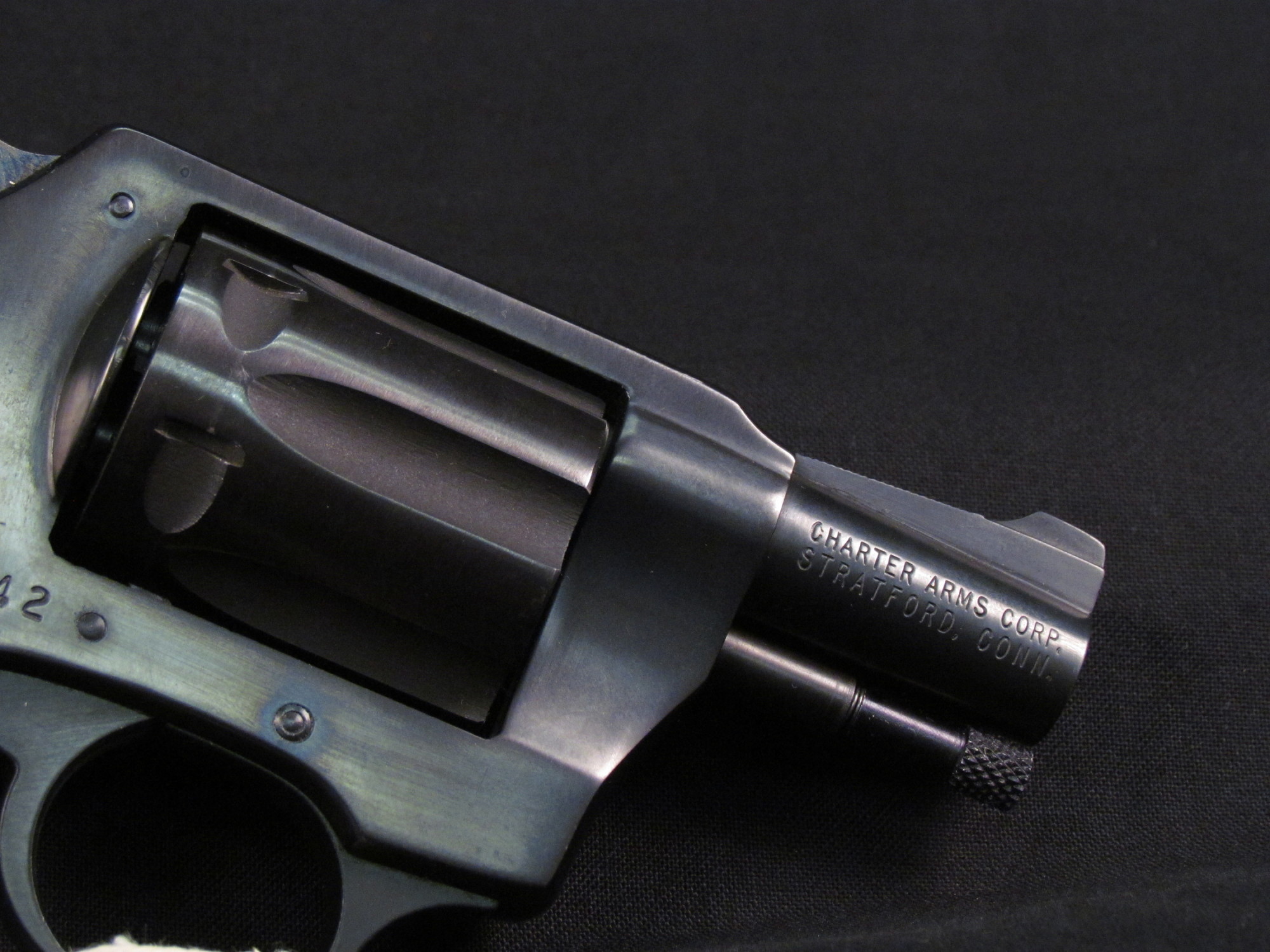
The Charter Arms Undercover revolver has been around for decades and remains a common recommendation for people seeking a small, affordable defensive handgun. The revolver’s simple design and lightweight frame initially appear attractive to buyers who want a straightforward firearm without complicated features. However, many users report that the overall build quality can feel inconsistent compared with more established revolver brands. The trigger pull may vary from one example to another, and the finish sometimes shows wear sooner than expected. While the revolver can function adequately, it often lacks the smooth action and long-term durability that shooters expect from better-known small-frame revolvers.
10. Beretta Nano
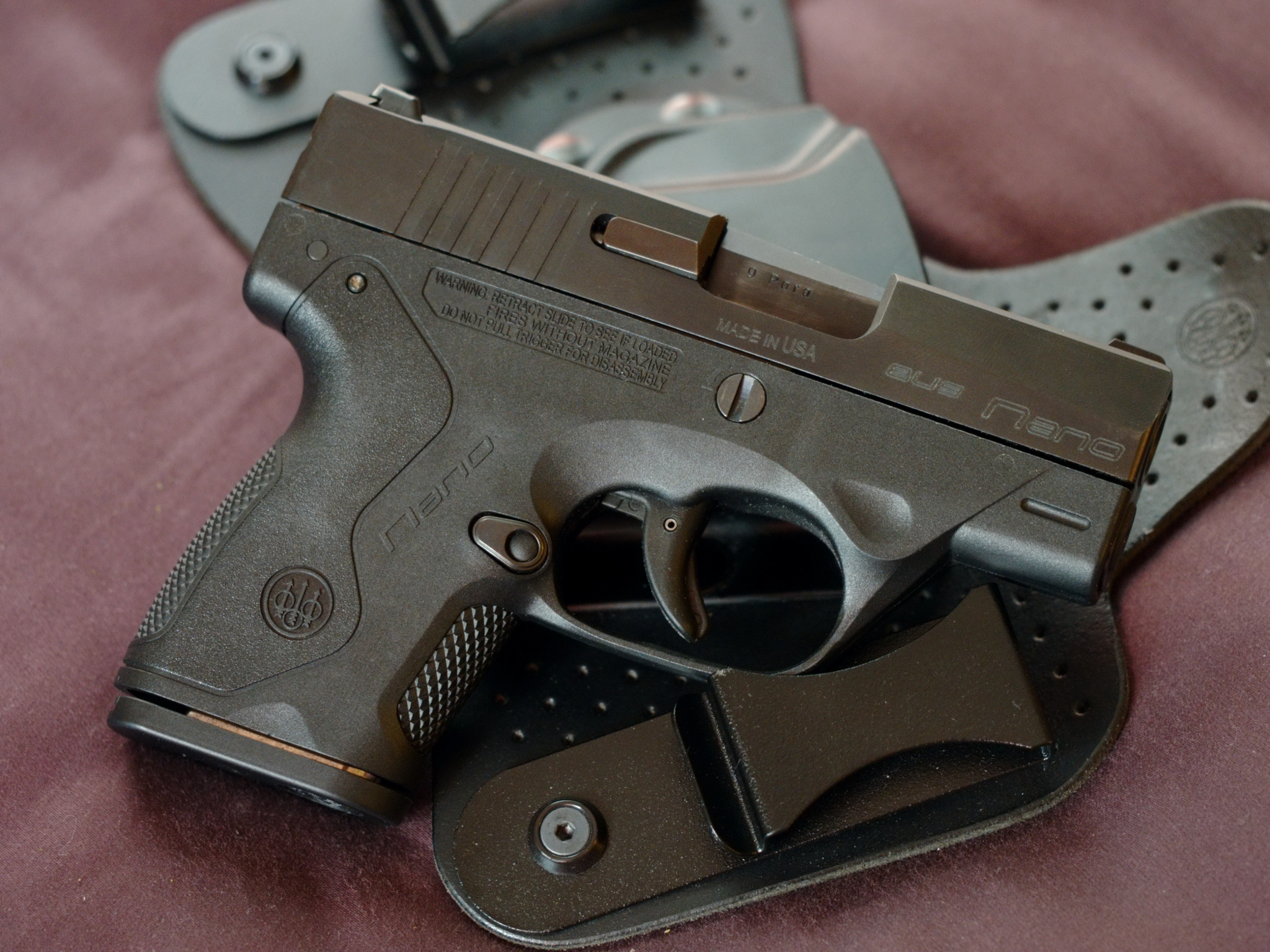
The Beretta Nano entered the concealed-carry market with the backing of one of the most respected firearm manufacturers in the world. Expectations were high, and many buyers assumed the pistol would immediately compete with the best compact 9mm handguns available. Unfortunately, the Nano struggled to stand out once shooters began comparing it with other options. The trigger feel was often described as heavy and somewhat vague, which made precise shooting more difficult. The pistol’s ergonomics also felt less comfortable for many users compared with similar handguns. While the Nano is not necessarily unreliable, its uninspiring shooting characteristics left many owners wishing they had chosen a more refined compact pistol instead.
11. SIG Sauer Mosquito
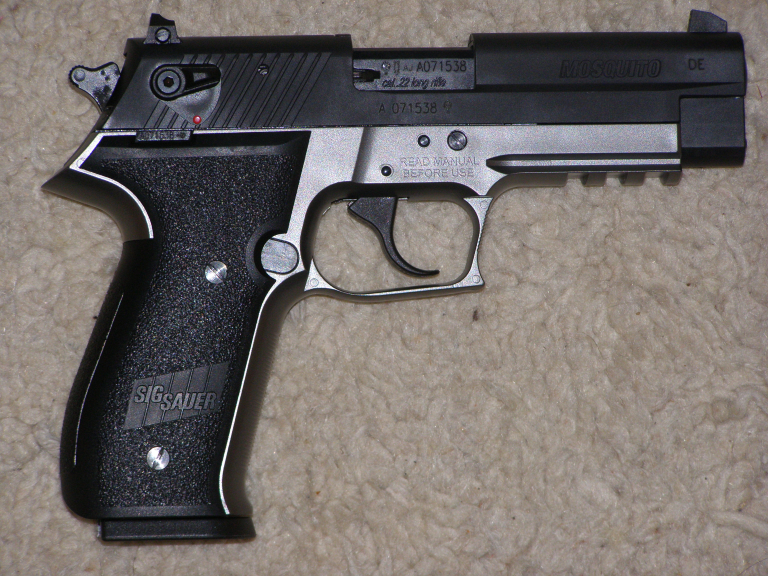
The SIG Sauer Mosquito is a .22-caliber pistol that attracted buyers because it resembled the larger SIG service pistols used by many professionals. The idea of having a smaller, affordable training version of those pistols sounded appealing to many shooters. Unfortunately, the Mosquito quickly developed a reputation for being picky about ammunition. Some owners reported frequent malfunctions unless specific high-velocity rounds were used. The trigger quality and overall build also felt less impressive than expected from a premium brand name. While the pistol can be enjoyable when functioning properly, its inconsistent reliability has caused many shooters to look elsewhere for a dependable rimfire training handgun.
12. Springfield XD-S
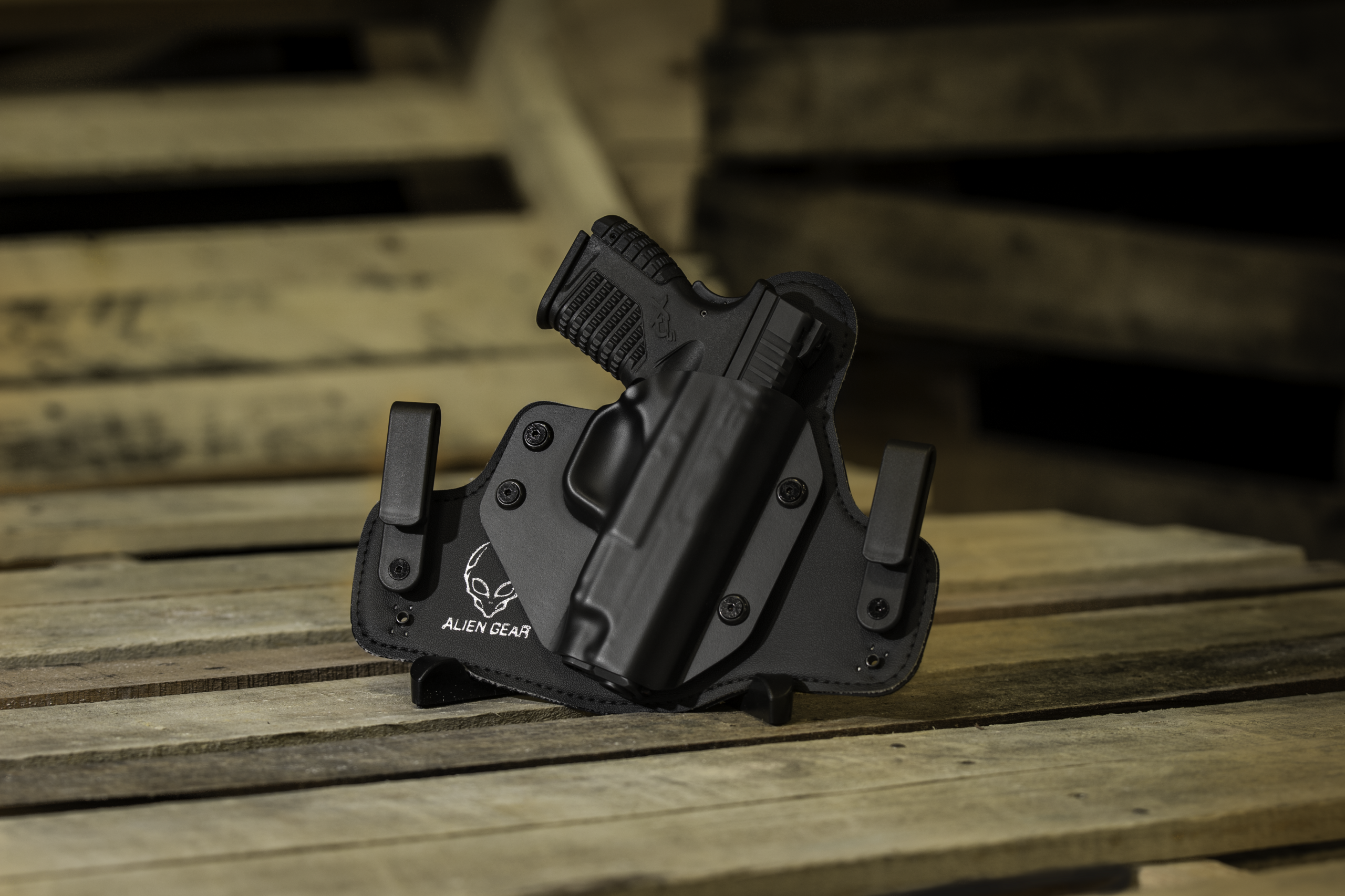
The first-generation Springfield XD-S was introduced as a slim, powerful pistol intended for concealed carry. Chambered in calibers like 9mm and .45 ACP, it attracted buyers who wanted a compact firearm that still delivered strong defensive performance. Early excitement faded quickly when a major recall was issued shortly after the pistol went on sale. The recall addressed safety concerns that could cause the gun to fire unexpectedly under certain conditions. Although the manufacturer corrected the issue and returned updated pistols to owners, the situation damaged confidence in the model..
13. Zip .22
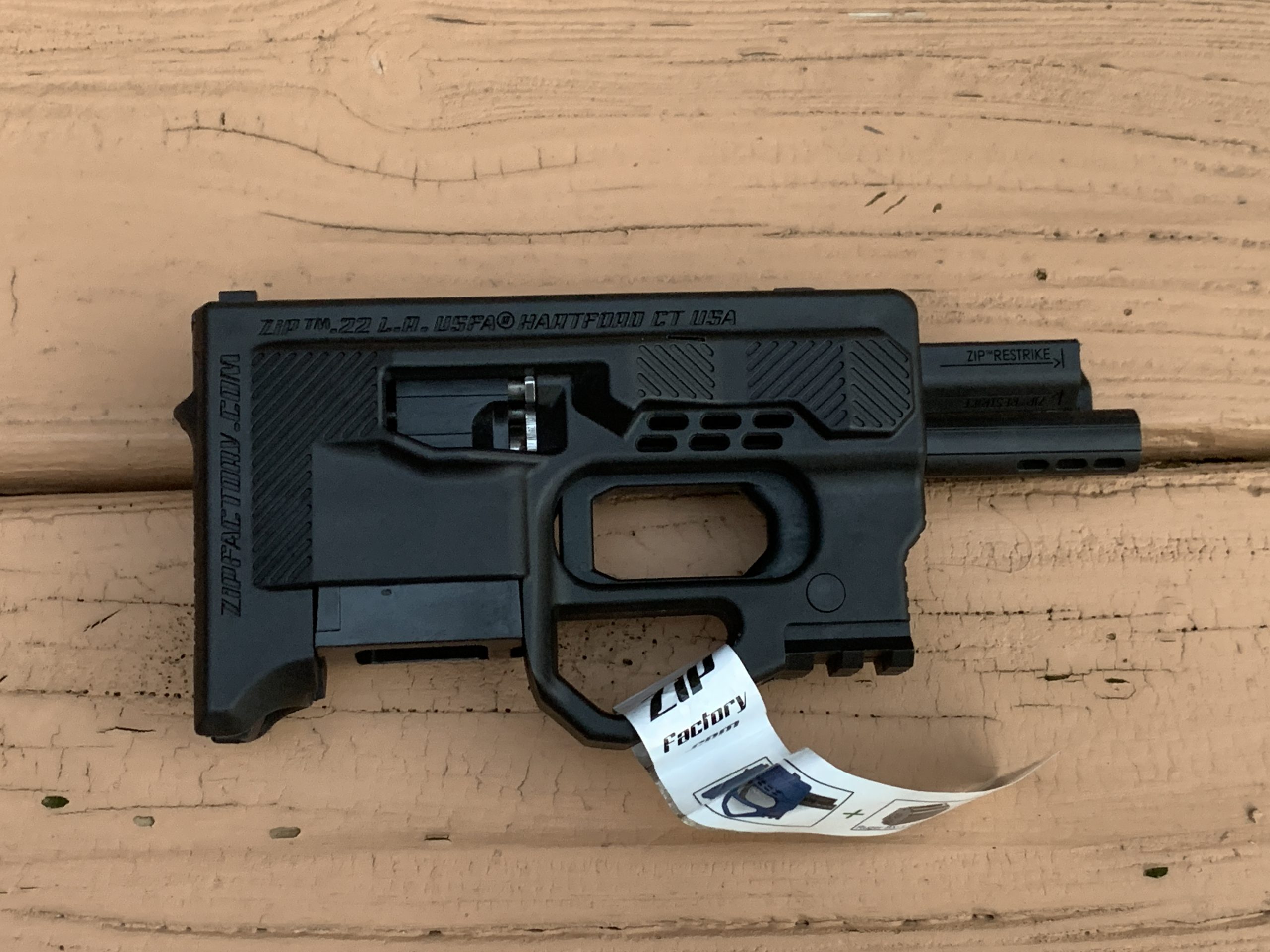
Few firearms illustrate the dangers of over-engineering quite like the Zip .22 pistol. When it was introduced, the gun promised an innovative modular design that could attach to various accessories and even integrate with other firearms. The concept generated a great deal of curiosity among enthusiasts who were interested in unusual firearm designs. Unfortunately, the pistol quickly became notorious for its reliability problems and awkward ergonomics. Many users reported frequent malfunctions and difficulty operating the firearm effectively. The unconventional layout also made the gun uncomfortable to handle compared with traditional pistol designs.