The Hawken rifle occupies a unique place in American history because it represents the moment when frontier necessity, skilled craftsmanship, and national expansion converged into a single tool. Developed during the early nineteenth century, this rifle was not a mass-produced military arm or a decorative sporting piece. It was built for survival in unforgiving landscapes where reliability mattered more than elegance. The Hawken brothers refined earlier long rifle designs into something shorter, heavier, and more powerful, suited to mountain travel and big game hunting. As westward movement accelerated, trappers, scouts, and explorers needed firearms that could endure harsh weather, hard use, and isolation from repair facilities. The Hawken rifle met those demands and earned a reputation through performance rather than promotion. Its story is inseparable from the people who carried it, the terrain they crossed, and the era that shaped modern America.
Born From Frontier Demand
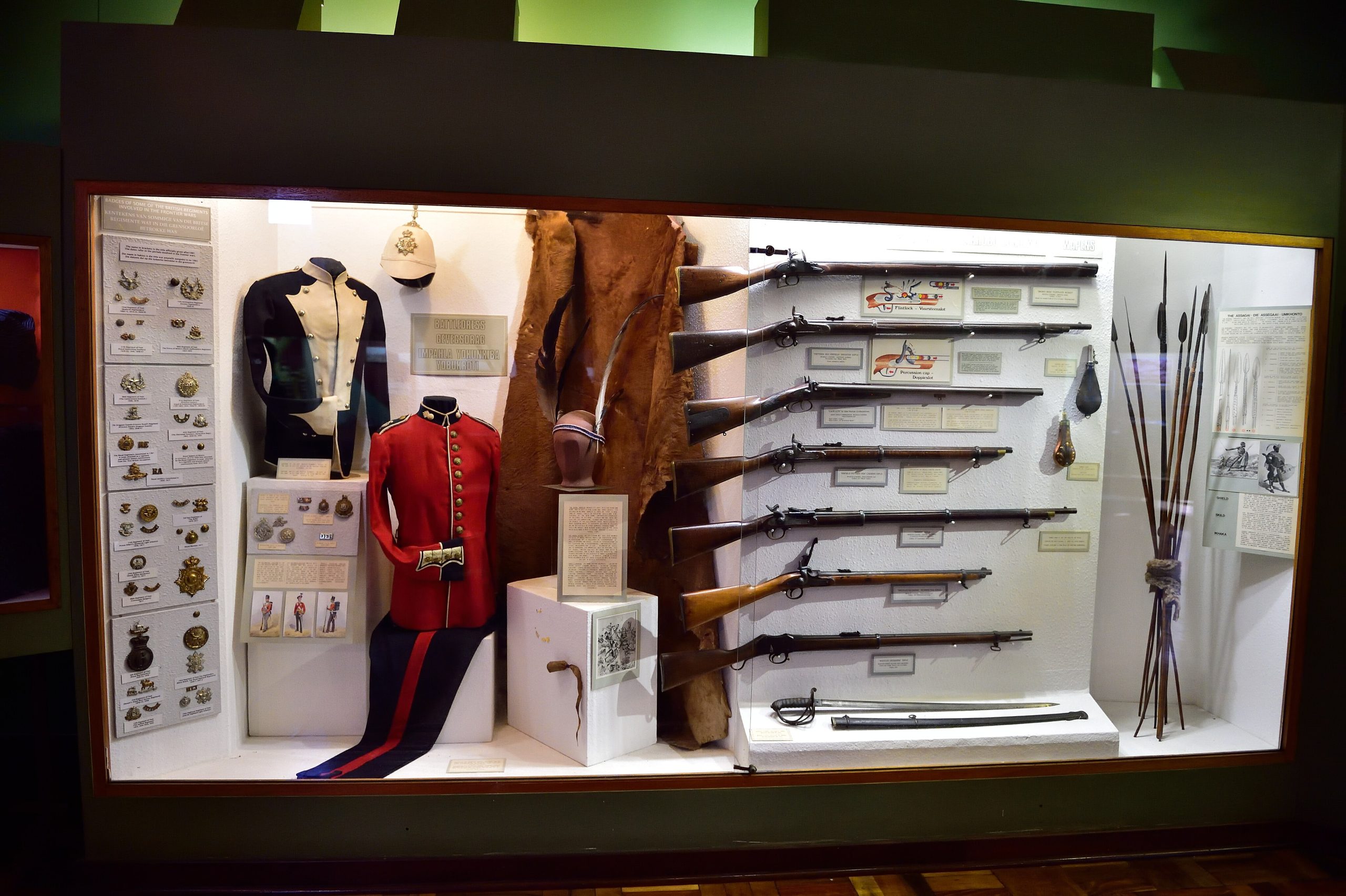
The Hawken rifle emerged because existing firearms were poorly suited for life beyond established settlements. Long rifles designed for eastern forests were accurate but often fragile and awkward in mountainous terrain. Frontiersmen needed something shorter, stronger, and easier to maintain while traveling on horseback or foot for months at a time. The Hawken brothers responded by building rifles that emphasized durability over decoration. Barrels were heavier to withstand powerful charges, and stocks were shaped for control rather than refinement. These rifles were not standardized products but custom tools tailored to individual users. This responsiveness to real-world needs explains why the Hawken rifle spread organically across the frontier. It earned loyalty through performance, not reputation. Every design choice reflected the realities of wilderness travel, where failure could mean starvation or death rather than inconvenience.
The Hawken Brothers’ Craftsmanship
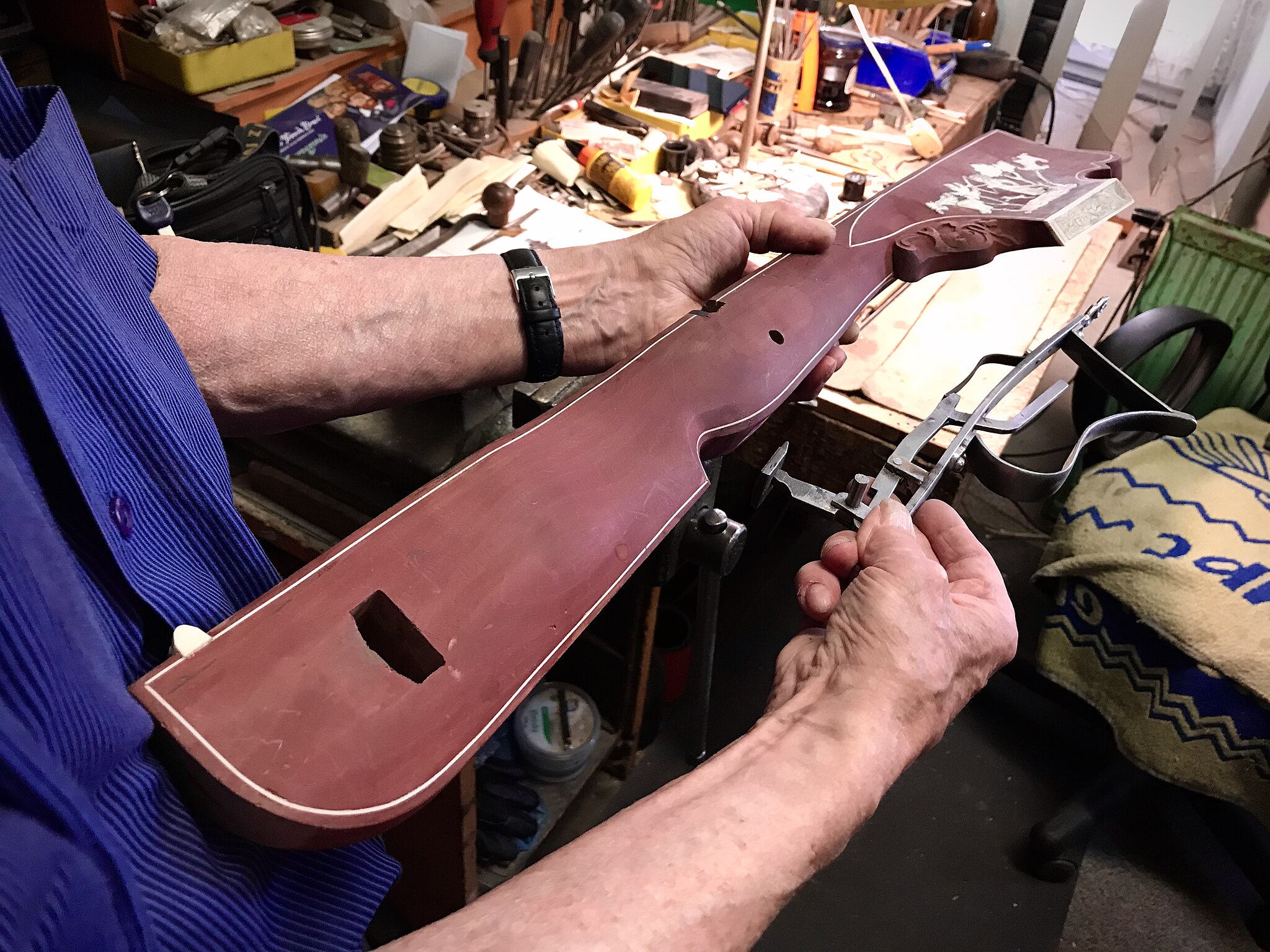
Jacob and Samuel Hawken were trained gunsmiths who understood both traditional European techniques and the evolving needs of American frontiersmen. Their workshop in St. Louis placed them at the edge of westward expansion, allowing constant feedback from trappers and explorers. Unlike factory arms, Hawken rifles were built by hand, with careful attention to balance and structural integrity. Metal components were thick and precisely fitted, while wooden stocks were shaped to handle recoil from heavy loads. The brothers avoided unnecessary ornamentation, focusing instead on strength and serviceability. This approach reflected an understanding that frontier rifles were working tools, not heirlooms. The Hawken name became associated with trust because users knew the builders stood behind their work. That personal connection between maker and user helped establish the rifle’s enduring reputation.
Design That Favored Power and Control
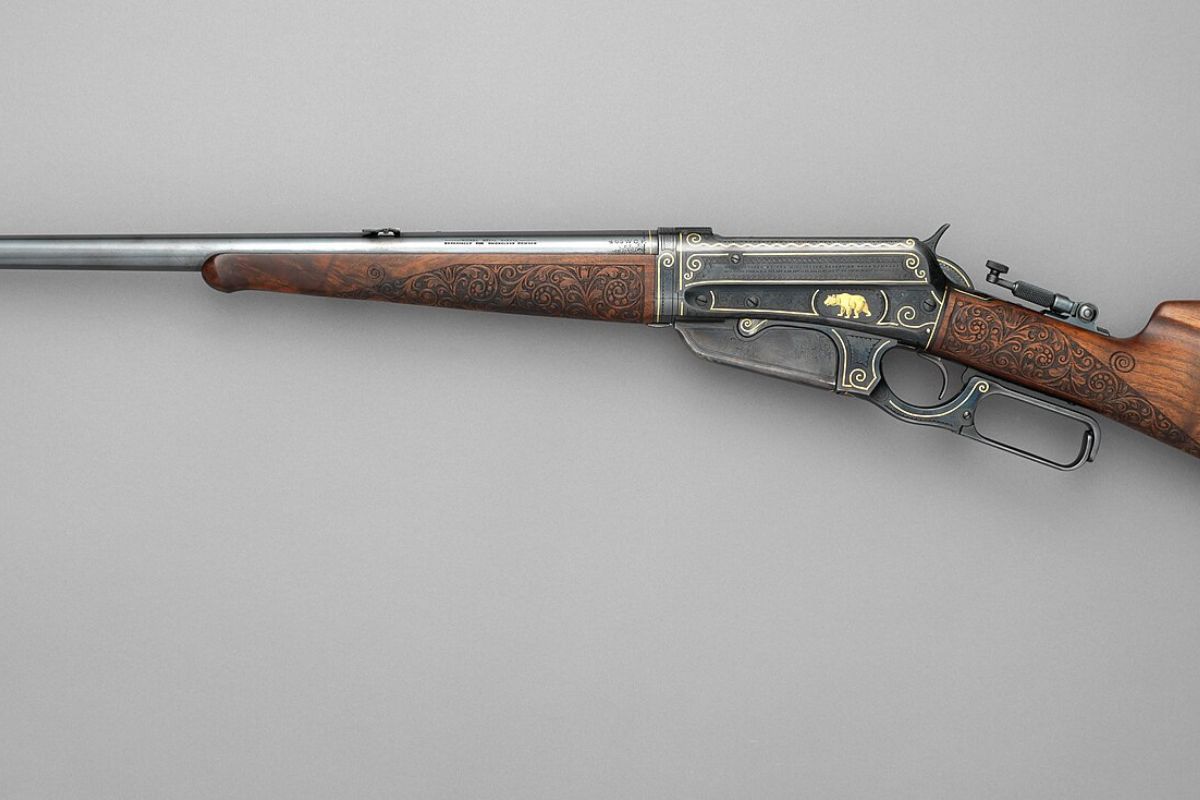
One of the defining characteristics of the Hawken rifle was its emphasis on power without sacrificing manageability. The shorter barrel length compared to eastern long rifles made it easier to maneuver in dense terrain or from horseback. At the same time, the heavy barrel profile allowed for larger powder charges, increasing stopping power against large game. Stock geometry was designed to absorb recoil and maintain control during repeated firing. These features made the rifle well-suited for hunting elk, bison, and bear, animals that posed real danger if wounded rather than stopped. The Hawken rifle balanced accuracy with authority, reflecting an understanding that frontier hunters often had only one opportunity to make a shot count. This balance helped define its practical value.
Reliability in Harsh Environments
Reliability was not a luxury on the frontier, and the Hawken rifle was built with that reality in mind. Components were oversized and robust, reducing the risk of breakage during extended travel. Lock mechanisms were chosen for simplicity and strength, making them easier to clean and repair in the field. The rifle’s construction tolerated dirt, moisture, and temperature changes better than more delicate designs. Frontiersmen often traveled weeks or months without access to professional gunsmiths, so a firearm had to remain functional with minimal maintenance. The Hawken rifle’s reputation grew because it continued to perform under conditions that defeated lesser arms. That consistency built confidence among users who depended on their rifle for food and protection in isolated regions.
A Tool of the Mountain Men
The Hawken rifle became closely associated with the mountain men who explored and trapped the Rocky Mountains during the early nineteenth century. These individuals operated far beyond the reach of settlements, relying on their equipment to survive extreme weather and dangerous wildlife. A dependable rifle was essential for both hunting and defense. Many mountain men customized their Hawken rifles to suit personal preferences, further strengthening the bond between user and weapon. The rifle’s effectiveness helped sustain the fur trade, which played a major role in early Western economics. Through these men, the Hawken rifle became a symbol of self-reliance and endurance. Its legacy is tied not to armies or governments, but to individuals carving out lives in unknown territory.
Role in Westward Expansion
As Americans pushed west, the Hawken rifle accompanied them into regions that were poorly mapped and lightly settled. Explorers, guides, and traders relied on firearms that could function far from supply lines. The Hawken rifle’s power made it suitable for securing food in unfamiliar environments, while its durability reduced the need for spare parts. Although not issued by the military, its influence on frontier life was significant. The rifle supported exploration efforts that expanded geographic knowledge and trade routes. In this way, the Hawken rifle contributed indirectly to national growth. It was not a political tool, but a practical one that enabled individuals to operate independently in contested and challenging landscapes.
Cultural Legacy and Myth
Over time, the Hawken rifle became larger than its physical form, evolving into a symbol of the American frontier. Stories of legendary frontiersmen carrying Hawken rifles helped cement its place in popular memory. While later portrayals sometimes exaggerated its role, the underlying respect was earned. The rifle came to represent craftsmanship, independence, and resilience. This symbolic status grew as industrialization replaced hand-built tools with factory products. The Hawken rifle stood as a reminder of an era when equipment was shaped directly by environment and experience. Its myth reflects genuine admiration rather than pure nostalgia. Even today, the name evokes images of exploration and self-sufficiency rooted in historical reality.
Influence on Later Firearms
Although technology advanced rapidly after the Hawken rifle’s peak use, its design principles continued to influence American firearms. Emphasis on durability, balance, and user-specific design carried forward into later hunting and sporting rifles. The idea that a firearm should be tailored to its environment rather than standardized for all users gained traction among gunsmiths. While repeating firearms eventually replaced muzzleloaders, the Hawken rifle demonstrated that thoughtful design could dramatically improve performance in demanding conditions. Its influence is subtle but meaningful, shaping attitudes toward quality and purpose in firearm construction. The rifle’s legacy lives on in the philosophy of building tools that serve real needs rather than trends.
Modern Reproductions and Appreciation
Today, the Hawken rifle is remembered through reproductions, historical study, and living history events. Modern builders recreate these rifles using traditional methods to preserve the feel and function of the originals. Enthusiasts appreciate them not as practical hunting tools, but as tangible connections to the past. Shooting or handling a Hawken-style rifle offers insight into the challenges faced by early frontiersmen. This continued interest reflects respect for craftsmanship and history rather than nostalgia alone. The rifle’s enduring appeal lies in its honesty. It was built to work, and that clarity of purpose continues to resonate with modern audiences.
Why the Hawken Rifle Still Matters
The Hawken rifle deserves its place in American history because it embodies the values that shaped the nation’s expansion. It represents adaptability, craftsmanship, and reliance on skill rather than excess. Unlike mass-produced weapons, each Hawken rifle reflected a relationship between maker and user. Its success was measured in survival and sustenance, not statistics or spectacle. By enabling individuals to operate independently in harsh environments, it supported exploration and settlement during a formative period. Remembering the Hawken rifle is not about glorifying conflict, but about understanding how tools shaped human experience. Its story remains relevant because it illustrates how thoughtful design can influence history in quiet but lasting ways.