The Beretta 1301 is widely respected for its speed, controllability, and modern engineering, yet no mechanical device operates flawlessly under every condition.
Reliability is never defined by design alone. It emerges from the interaction between components, ammunition, maintenance, handling, and environment.
Many perceived failures stem not from defects but from overlooked variables that influence function.
Recognizing potential limitations is not criticism; it is practical preparation. Shotguns serve demanding roles, and even small inconsistencies can affect performance at inconvenient moments.
Understanding where challenges may arise helps owners build realistic expectations and strengthen readiness.
The following factors illustrate how ordinary conditions, user habits, and system dynamics can shape reliability outcomes.
Ammunition Variability and Cycling Behavior
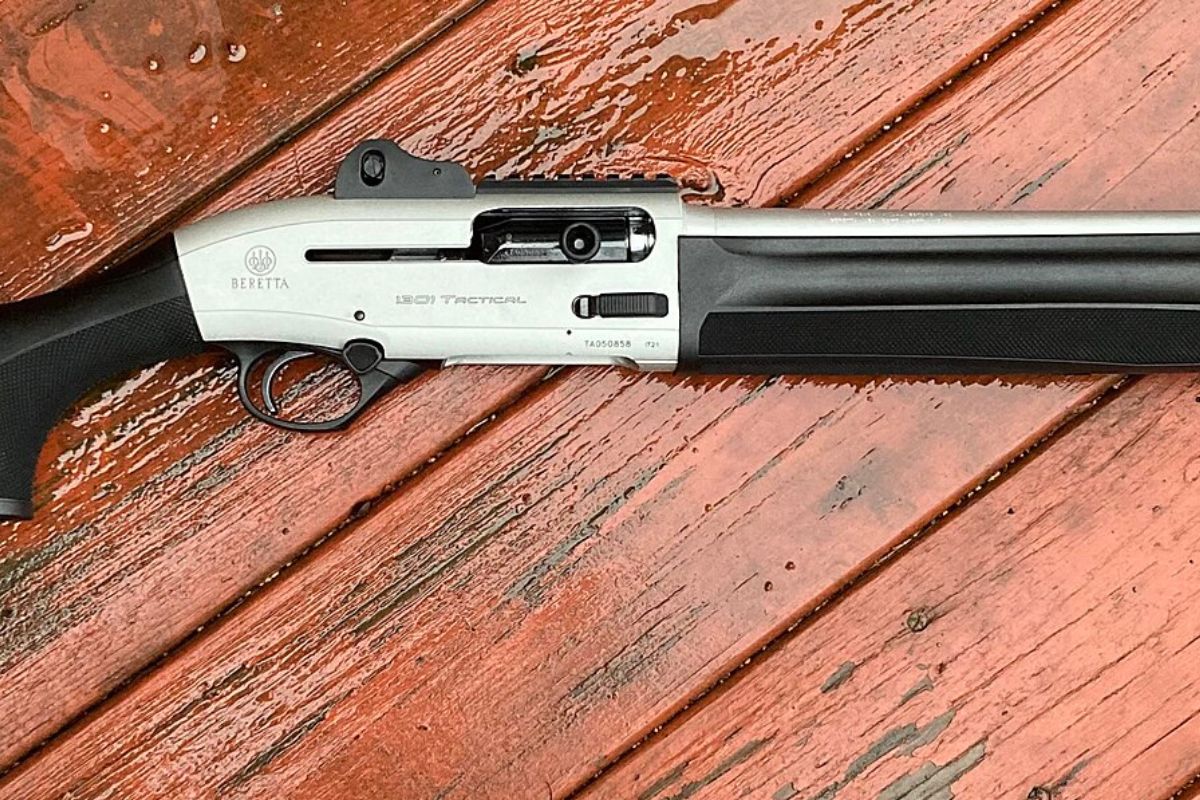
Semi-automatic shotguns rely heavily on ammunition energy to cycle consistently, making shell selection a surprisingly influential factor.
Variations in payload weight, velocity, powder charge, and manufacturing tolerances can alter how smoothly the action operates.
Lighter target loads, promotional shells, or inconsistent batches may occasionally produce sluggish cycling or incomplete ejection.
These behaviors are not necessarily mechanical faults but natural responses to reduced or irregular pressure.
Shooters who practice exclusively with one brand may encounter unexpected differences when switching loads.
Even reputable ammunition can behave differently across firearms. Testing multiple shell types under realistic conditions improves predictability.
Familiarity with load performance builds confidence and minimizes surprises, reinforcing that ammunition compatibility is fundamental to dependable shotgun function.
Maintenance Practices and Component Wear
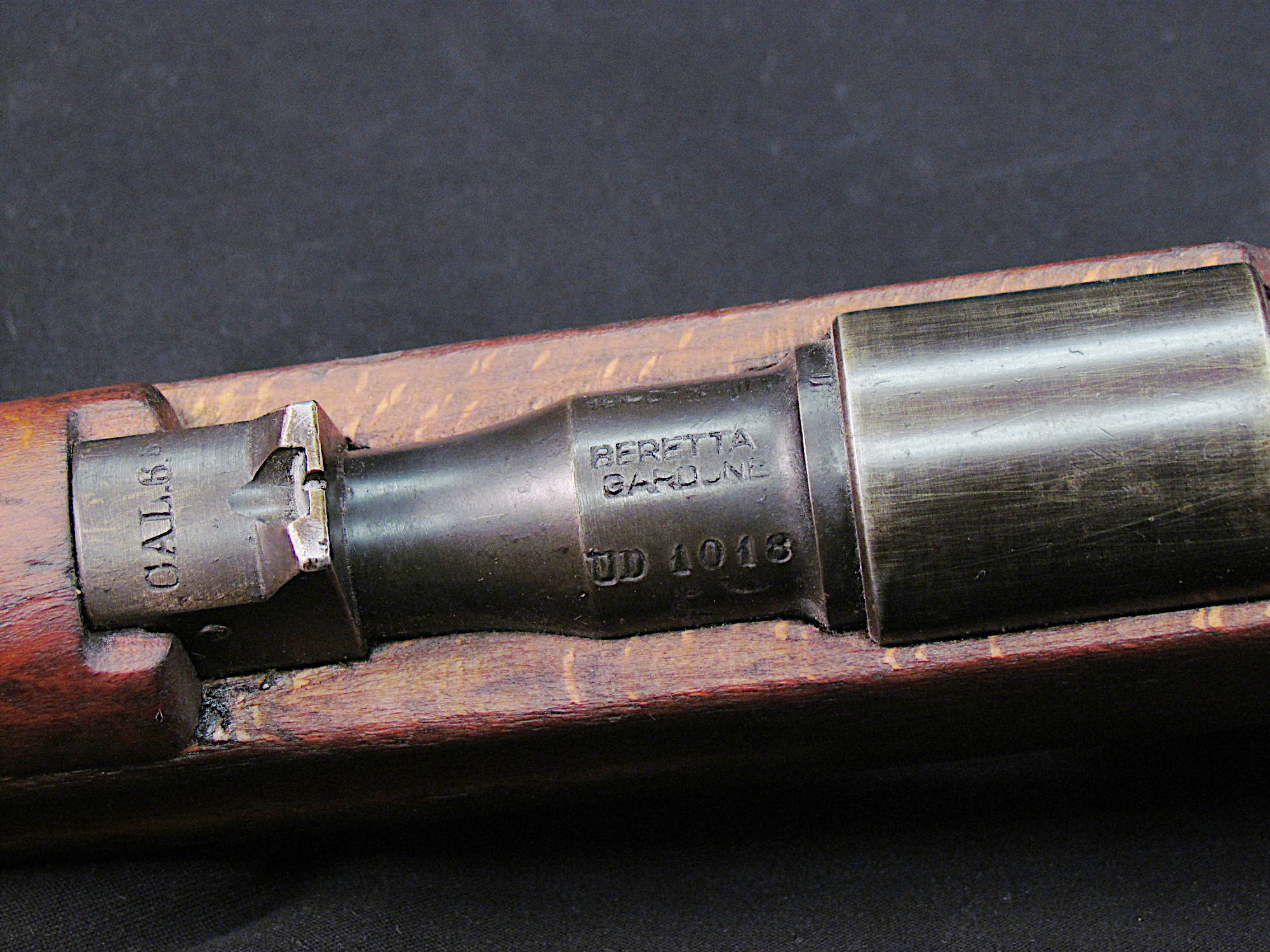
Shotguns operate under substantial mechanical stress, making regular maintenance essential for preserving reliability.
Residue accumulation, carbon buildup, and degraded lubrication gradually affect cycling efficiency.
Small changes often go unnoticed until performance inconsistencies emerge. Springs weaken, seals age, and friction surfaces slowly wear through ordinary use.
Modern firearms may appear tolerant of neglect, yet delayed maintenance frequently introduces preventable malfunctions.
Routine cleaning and inspection support consistent operation by reducing resistance and identifying early wear.
Replacement of inexpensive parts can restore stability before problems escalate.
Reliability rarely deteriorates abruptly; it declines progressively.
A well-maintained shotgun typically outperforms a neglected premium model.
Mechanical systems reward attention and degrade quietly when upkeep becomes irregular or reactive rather than preventive.
User Familiarity and Handling Consistency

Firearm reliability is influenced as much by user interaction as by mechanical design.
Semi-automatic shotguns depend on stable handling to manage recoil energy and ensure proper cycling.
Inconsistent shoulder mounting, weak support, or hesitant operation may disrupt this balance, occasionally leading to stoppages or erratic behavior.
New owners sometimes misinterpret technique-related interruptions as equipment failures.
Repetition and structured practice build the muscle memory necessary for smooth operation.
Familiarity also improves awareness of controls, loading procedures, and corrective actions.
Confidence reduces hesitation and promotes consistent inputs.
Mechanical systems cannot fully compensate for irregular handling.
A shotgun performs best when the user understands its feedback and dynamics, highlighting that reliability is partly a product of skill, comfort, and consistent technique.
Environmental Conditions and Mechanical Sensitivity
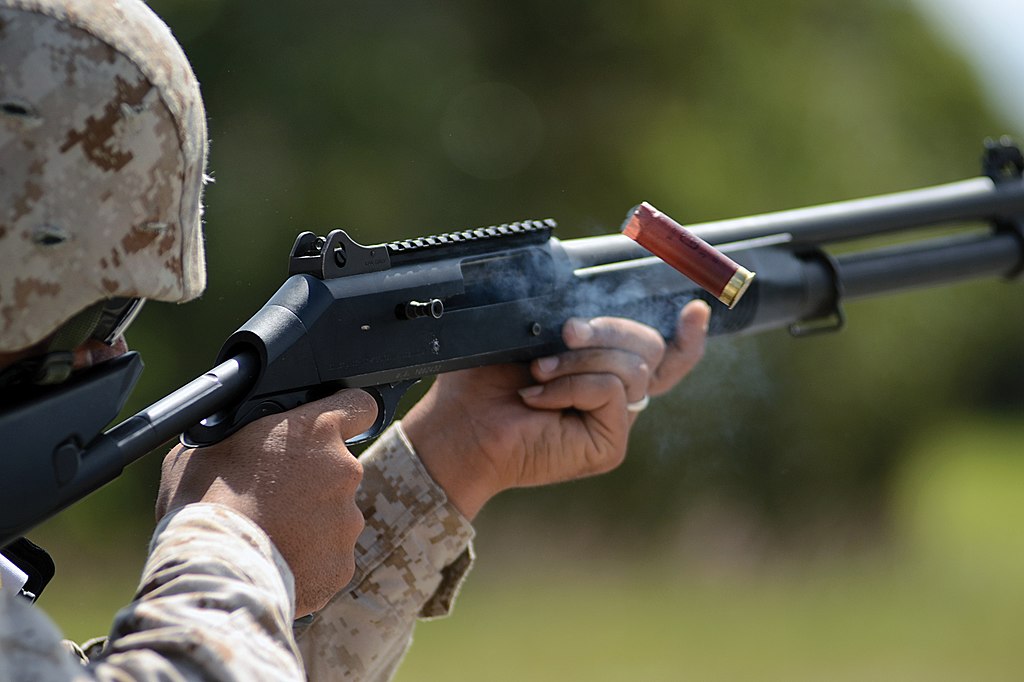
Outdoor conditions introduce variables capable of influencing any mechanical platform.
Dust, moisture, debris, and temperature shifts may subtly affect cycling behavior, lubrication properties, and component interaction.
Cold environments can thicken lubricants, increasing resistance, while heat accelerates residue buildup and wear.
Moisture exposure, if unmanaged, risks corrosion or temporary performance degradation.
Semi-automatic systems contain moving parts that react to contamination more readily than fixed mechanisms.
Environmental challenges rarely cause dramatic failures, yet they can contribute to inconsistencies.
Preventive care, appropriate lubrication, and protective storage mitigate many risks.
Awareness of operating conditions enhances preparedness.
Reliability improves when environmental realities are acknowledged rather than assumed irrelevant, reinforcing that mechanical resilience is partly shaped by how firearms are stored, transported, and maintained across changing conditions.
Aftermarket Modifications and System Balance
Customization appeals to many enthusiasts, yet modifications can influence reliability margins in unexpected ways.
Changes to recoil assemblies, springs, controls, or internal components may alter timing and cycling dynamics.
Factory configurations typically reflect extensive testing and a balance between performance and tolerance ranges.
Deviations, even with quality parts, sometimes introduce compatibility challenges or subtle instability.
Shooters may pursue lighter recoil or faster operation without fully considering system harmony.
Reliable function often benefits from conservative adjustments and thorough testing rather than aggressive experimentation.
Modifications shift the mechanical relationships that were originally optimized.
Thoughtful evaluation preserves strengths while minimizing risk.
Recognizing that every alteration influences behavior helps maintain dependability, reminding owners that reliability depends on maintaining equilibrium rather than endlessly pursuing incremental enhancements.
Recoil Management and Stability Factors
Semi-automatic shotguns use recoil forces to cycle actions, making shooter stability a meaningful reliability variable.
Inadequate shoulder support or inconsistent posture may reduce effective energy transfer, occasionally affecting cycling consistency.
Recoil management extends beyond comfort; it influences mechanical operation.
Shooters unfamiliar with shotgun dynamics sometimes adopt relaxed stances that inadvertently disrupt system function.
Proper mounting stabilizes movement and improves reliability. Training builds consistent handling habits.
Mechanical systems perform best with predictable physical inputs. Stability directly supports dependable cycling behavior.
Storage Conditions and Readiness Concerns
Firearms stored in unsuitable environments may experience reliability degradation long before use.
Excess humidity, poor ventilation, or neglected lubrication can accelerate corrosion and component wear.
Readiness depends on periodic inspection and environmental control.
A shotgun left untouched for extended periods may conceal developing issues.
Responsible storage preserves both safety and mechanical integrity.
Routine checks help identify early concerns. Mechanical tools benefit from consistent oversight.
Reliability is sustained through proactive care rather than assumption.
Mechanical Limits and Realistic Expectations
No firearm guarantees flawless operation under every circumstance.
Mechanical devices possess tolerances influenced by physics, materials, and design constraints.
Unrealistic expectations may magnify minor disruptions into perceived failures. Understanding inherent limits encourages practical preparation.
Reliability improves when owners view firearms as systems requiring care rather than infallible instruments.
Realism supports confidence and responsible handling. Recognizing boundaries strengthens preparedness.
Mechanical perfection remains theoretical, while consistent function emerges from balanced expectations and proper use.
Training Frequency and Skill Retention
Skill retention directly affects firearm reliability in practical contexts.
Infrequent training increases the likelihood of user-induced interruptions or hesitation.
Regular practice reinforces familiarity with controls, handling, and corrective procedures.
Confidence emerges through repetition and consistency. Mechanical systems perform more predictably when users apply stable techniques.
Training also strengthens situational awareness and decision-making.
Preparedness relies on ongoing engagement rather than occasional use.
Reliability is partly sustained by maintaining proficiency.
Consistent training enhances both safety and performance.
Preventive Mindset and Responsible Ownership
Reliability is ultimately supported by a preventive ownership mindset.
Attention to maintenance, storage, ammunition choice, and training reduces avoidable risk.
Firearms reward diligence and consistency.
Responsible handling emphasizes preparation rather than assumption.
Awareness of potential variables enhances confidence and safety.
Mechanical dependability emerges from cumulative care.
Owners who adopt proactive habits often experience greater long-term consistency.
Reliability is cultivated, not guaranteed.
Responsible stewardship strengthens performance and trust.