Few hunting cartridges have remained relevant for as long as the .30-30 Winchester. Introduced in 1895, it quickly became one of the most widely used deer cartridges in North America.
Generations of hunters relied on it for practical field performance rather than impressive ballistic numbers. Its reputation grew through real hunting success instead of advertising claims.
Modern shooters often compare cartridges by velocity and long-range performance. In that comparison, newer designs sometimes appear more impressive on paper.
Because of that reality, the .30-30 continues to prove its value season after season. Many experienced hunters quietly trust it even while newer cartridges dominate discussions.
The following points explain why the .30-30 still works so well and why some shooters remain reluctant to admit it.
Realistic Hunting Range Performance
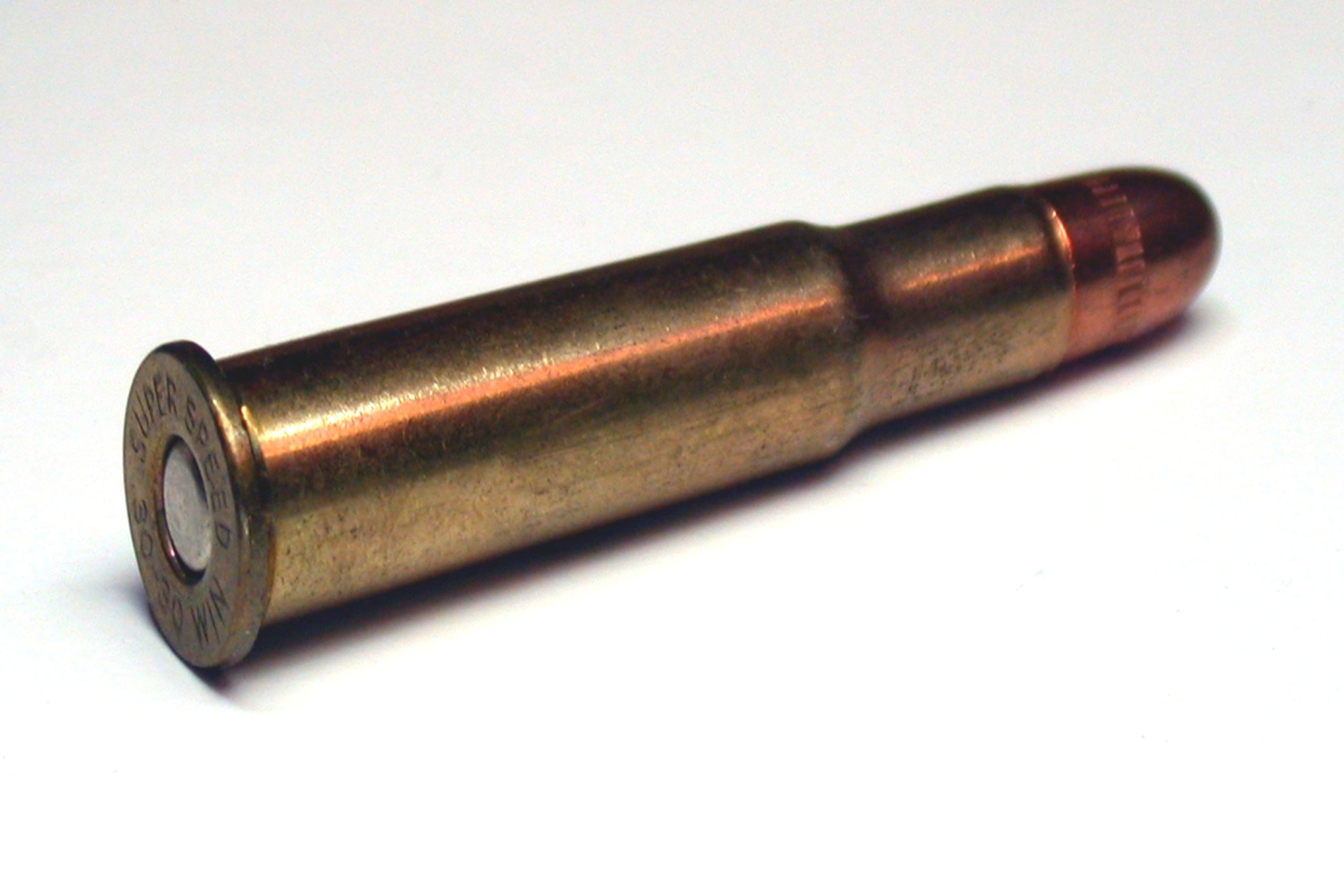
One reason the .30-30 Winchester remains effective is that it was designed for realistic hunting distances rather than extreme range. Most deer in North America are harvested well under 200 yards.
Within that range, the cartridge delivers reliable energy and penetration when paired with appropriate bullets. Typical loads use 150- or 170-grain projectiles that perform consistently on medium-sized game.
In thick forests, farmland edges, and brushy terrain, hunters rarely need extreme range capability. The .30-30 was built for exactly those conditions.
Because it matches real hunting scenarios so well, the cartridge continues to deliver dependable results even in today’s market.
Rifles Designed Around It
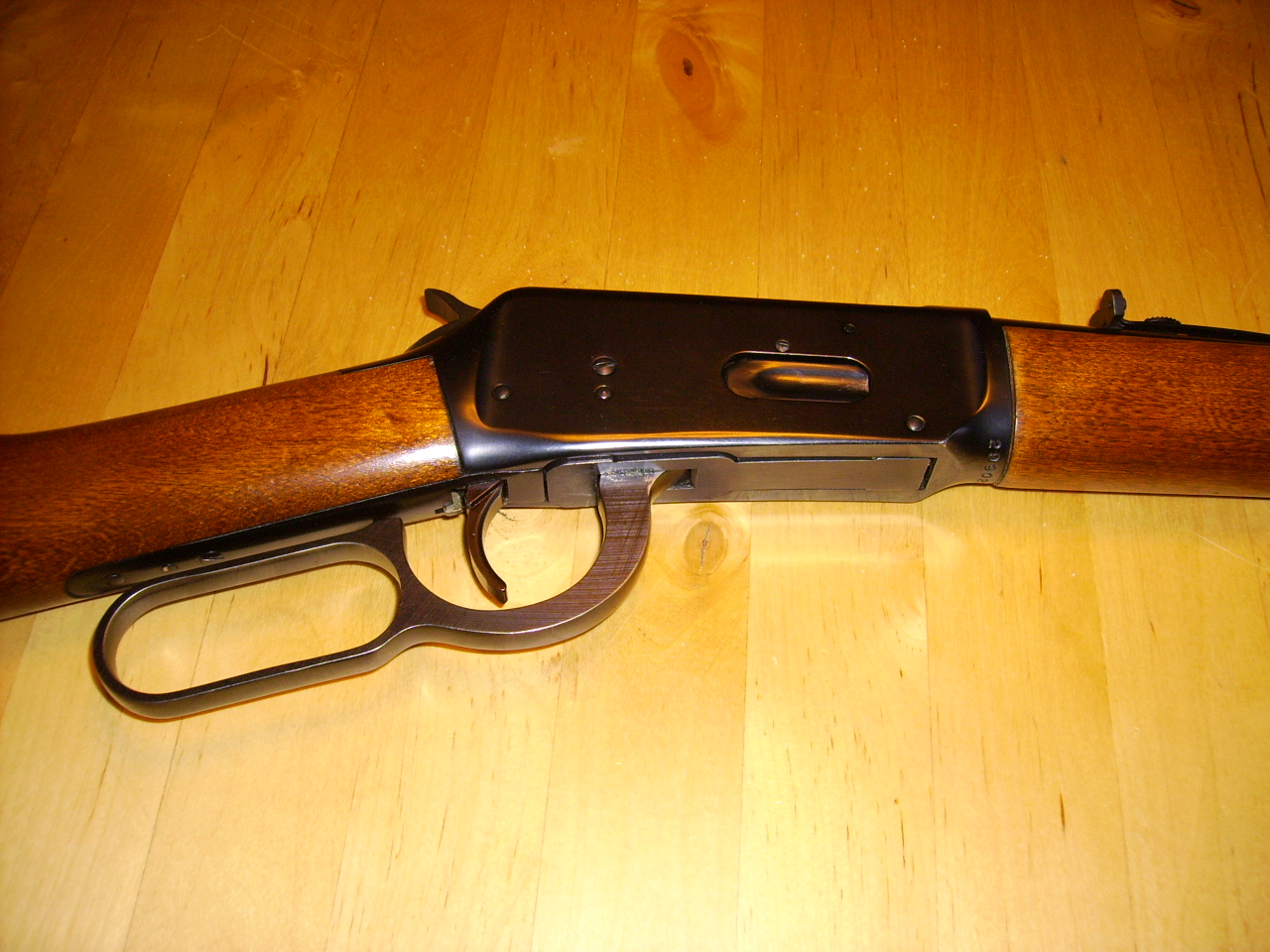
The cartridge’s effectiveness is closely tied to the rifles built to chamber it. Lever-action designs offer quick handling and smooth follow-up shots when needed.
A famous example is the Winchester Model 94, a rifle that helped make the .30-30 one of the most popular hunting cartridges in history. Its lightweight and balanced design makes it easy to carry through dense woods.
These rifles are often shorter and easier to maneuver than many modern bolt-action hunting rifles. That difference becomes noticeable when moving through brush or climbing tree stands.
The simple operating system also allows for quick cycling without removing the rifle from the shoulder. Hunters appreciate that speed when tracking moving game.
Manageable Recoil for Accurate Shooting
Another reason experienced hunters continue to trust the cartridge is its manageable recoil. Compared with many high-velocity rifle rounds, the .30-30 produces moderate recoil that most shooters find comfortable.
This softer recoil allows hunters to practice more and maintain better control when firing. Comfortable shooting often leads to better accuracy and improved shot placement.
For new hunters or younger shooters, the cartridge offers enough power for deer while avoiding harsh recoil. That balance helps build confidence and consistent shooting habits.
The .30-30 succeeds because it provides enough energy without making the rifle difficult to control.
Effective Bullet Performance
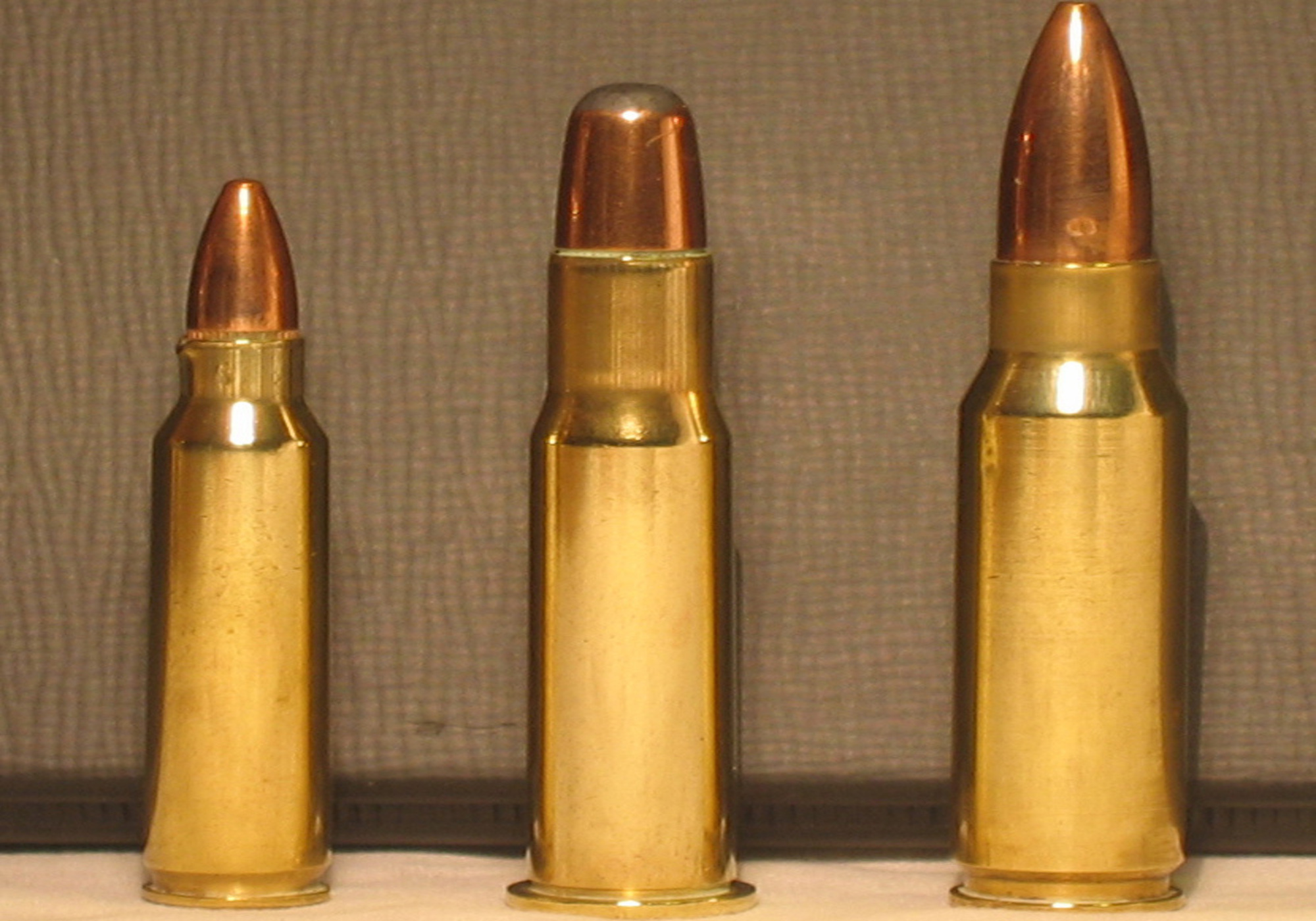
The cartridge’s bullet design also contributes to its lasting reputation. Traditional flat-nose bullets were developed to work safely in lever-action tubular magazines.
Although they lack the sleek aerodynamic shape of modern long-range bullets, these projectiles perform very well at moderate velocities. Their wider nose often promotes reliable expansion in game animals.
Hunters have relied on this performance for decades when pursuing deer, black bear, and feral hogs. Consistent expansion and penetration create clean, humane harvests.
Modern ammunition manufacturers have further improved performance through updated bullet construction. New materials and designs provide better consistency than older loads.
Even with traditional bullet shapes, the cartridge continues to deliver dependable results where it matters most.
Practical Accuracy in the Field
Some shooters criticize the cartridge because it is not intended for extreme precision at long distances. However, the .30-30 was never meant to compete with modern long-range cartridges.
Within its intended range, it provides reliable and practical accuracy. Many hunters consistently achieve accurate groups at the distances encountered during typical deer hunts.
The balance of moderate recoil and stable bullet performance contributes to that accuracy. When shooters feel comfortable with their rifle, they often perform better in the field.
For practical hunting conditions, its accuracy remains entirely adequate.
Lightweight Hunting Rifles
Rifles chambered for the cartridge are often lighter than many modern hunting rifles. Carrying a rifle for hours through forests or hills makes weight an important factor.
Hunters who walk significant distances appreciate equipment that does not add unnecessary fatigue. A lighter rifle can also be raised quickly when game appears unexpectedly.
That quick handling becomes valuable in thick woods where animals may appear suddenly at close range. The .30-30 rifle’s balance helps hunters react quickly.
Because of this combination of light weight and handling, the cartridge remains well-suited for traditional deer hunting.
Proven History in the Field
Few cartridges can match the hunting history of the .30-30 Winchester. For more than a century, it has been used successfully by countless hunters across North America.
Stories of its effectiveness are passed through families, hunting camps, and outdoor traditions. Many experienced hunters grew up watching older generations rely on it.
That long record of success reinforces confidence in the cartridge. Hunters trust equipment that has consistently worked in real conditions.
While modern cartridges often promise improved performance, they rarely possess the same historical record. The .30-30’s reputation was earned through decades of real hunting experience.
Modern Ammunition Improvements
Although the cartridge is more than a century old, ammunition technology has not stood still. Manufacturers have introduced updated bullet designs that improve performance while remaining safe for tubular magazines.
Flexible polymer tips and improved bullet construction help enhance trajectory and expansion. These developments allow the cartridge to perform better than earlier loads.
Hunters using modern ammunition may notice slightly improved accuracy and energy retention. These improvements extend the cartridge’s usefulness without changing its basic character.
Because the cartridge remains popular, ammunition companies continue to support it with new products. This ongoing development keeps the .30-30 relevant in modern hunting.
Real-World Effectiveness Over Marketing
One reason some shooters dismiss the cartridge is the modern emphasis on speed and long-range ballistics. Marketing often highlights impressive velocity numbers and extended range capabilities.
However, real hunting conditions rarely resemble those marketing scenarios: dense woods and uneven terrain limit visibility and shooting distance.
In those environments, practical reliability matters far more than extreme ballistic performance. The .30-30 was designed specifically for these conditions.
For that reason, the .30-30 continues to work exactly as it was designed to do.