Hiking draws people from every background, yet motivations vary widely depending on personality, past experiences, and what individuals hope to gain from time on the trail. Some hikers crave quiet moments away from fast-paced routines, finding peace in landscapes where open space, fresh air, and natural rhythms create a welcome sense of calm. Others embrace hiking as a social activity that strengthens friendships, builds new connections, and forms memories shared through laughter, conversation, and teamwork. Both approaches highlight the versatility of hiking as a pastime that adapts to different needs. Whether someone steps onto a trail to unwind, reflect, or enjoy companionship, the outdoors provides a space where personal preferences shape the journey in meaningful ways that reflect life beyond the trail.
The Appeal of Solitude in Nature
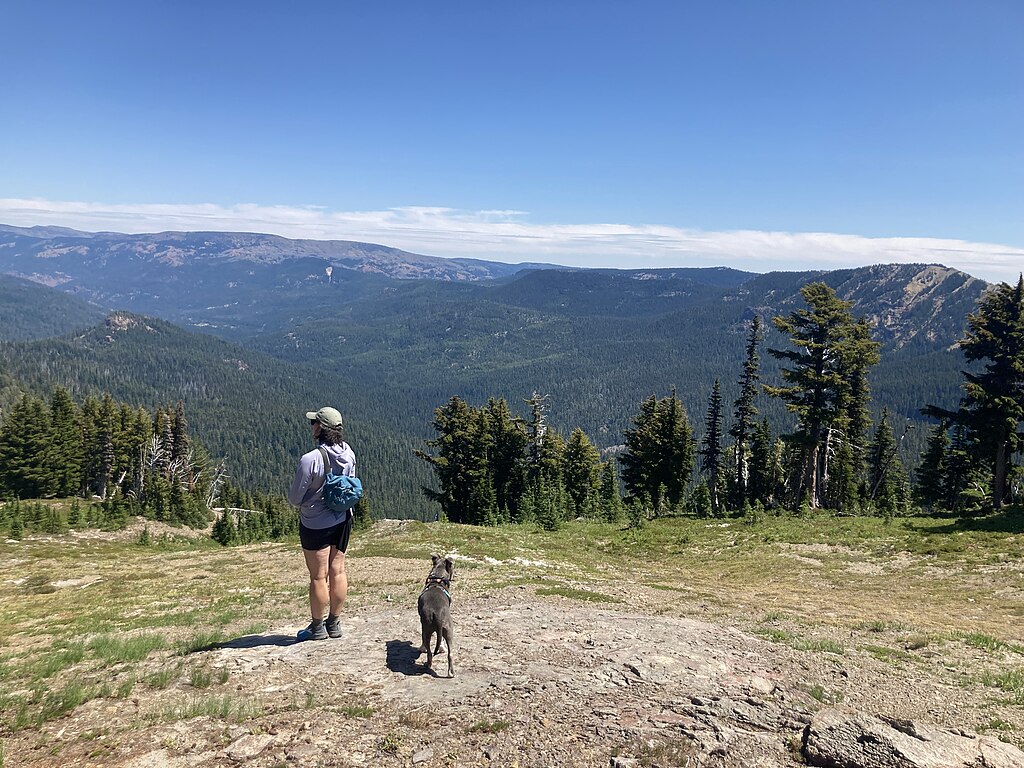
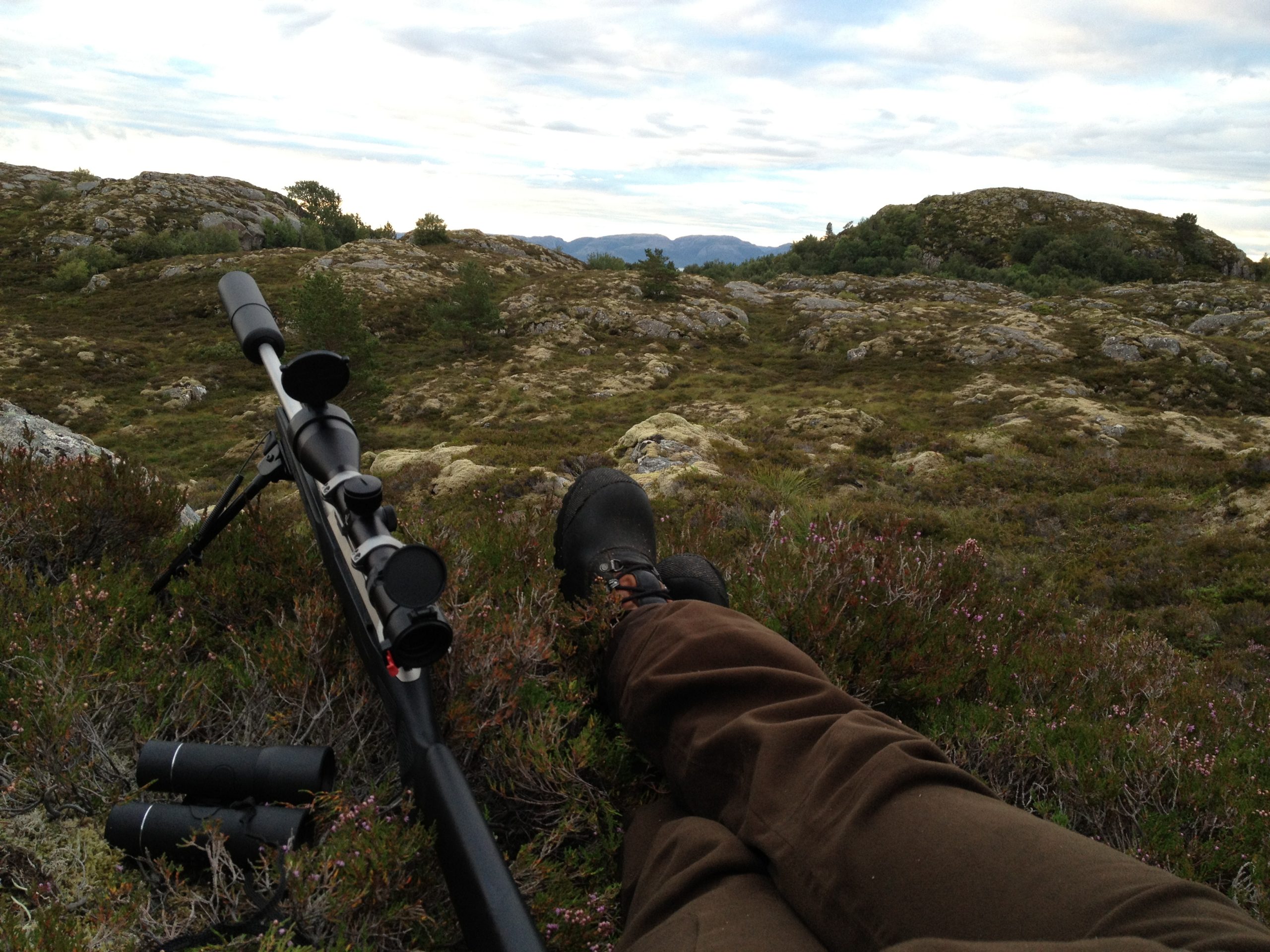
Many hikers turn to solitude as a way to escape daily noise and rediscover a slower, more mindful pace. Time alone in nature allows the senses to sharpen, making small details like shifting light, textured rock surfaces, and distant birdsong feel more pronounced and restorative. Solitary hiking offers opportunities for reflection without external pressure, giving individuals time to process thoughts or appreciate the landscape without distraction. The quiet encourages deeper emotional grounding, especially in remote areas where the only sounds come from wind or rustling leaves. For those who value introspection, solitude becomes an essential part of the experience, helping them reconnect with personal goals and find clarity in a world that often moves too quickly.
Why Some Seek Community on the Trail
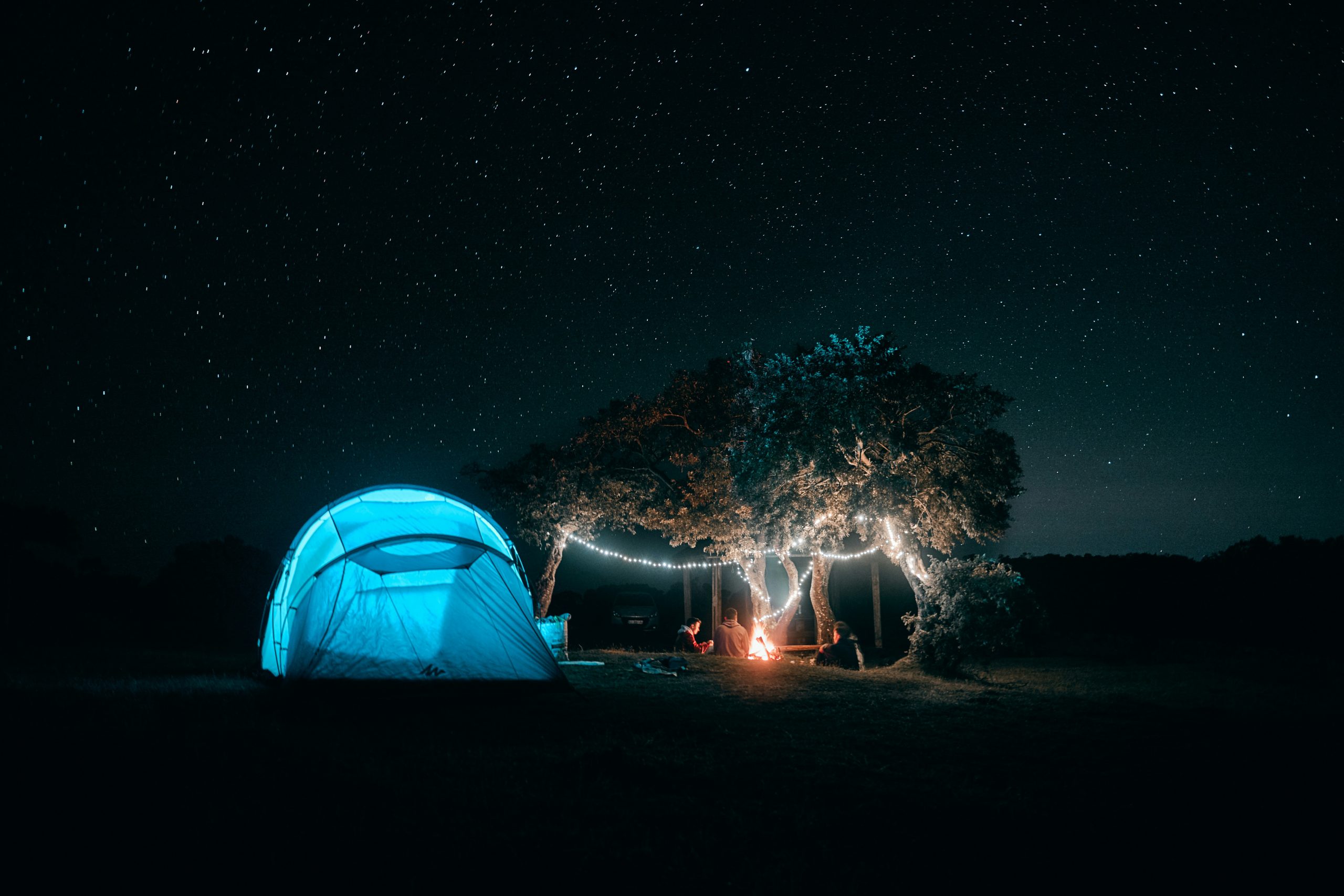
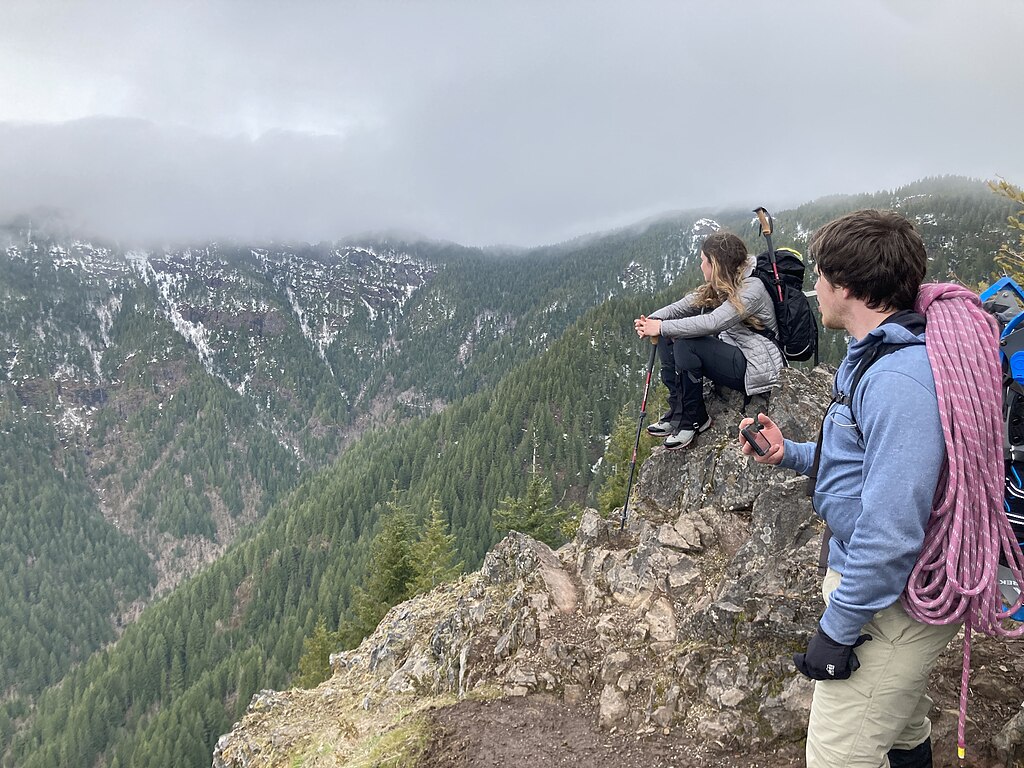
Other hikers find joy in shared experiences, preferring company that brings energy, encouragement, and camaraderie to long days outdoors. Group hikes create opportunities to learn from others, exchange trail knowledge, and build friendships rooted in exploration and challenge. Community-oriented hikers enjoy the conversations that unfold during steady climbs or scenic breaks, turning the trail into a social space where mutual support enhances every step. These interactions often deepen appreciation for the landscape, as stories and perspectives from companions add layers of meaning to the journey. For many, hiking becomes a way to strengthen relationships while experiencing nature in a collective, uplifting atmosphere that fosters belonging.
Balancing Group Dynamics and Personal Space
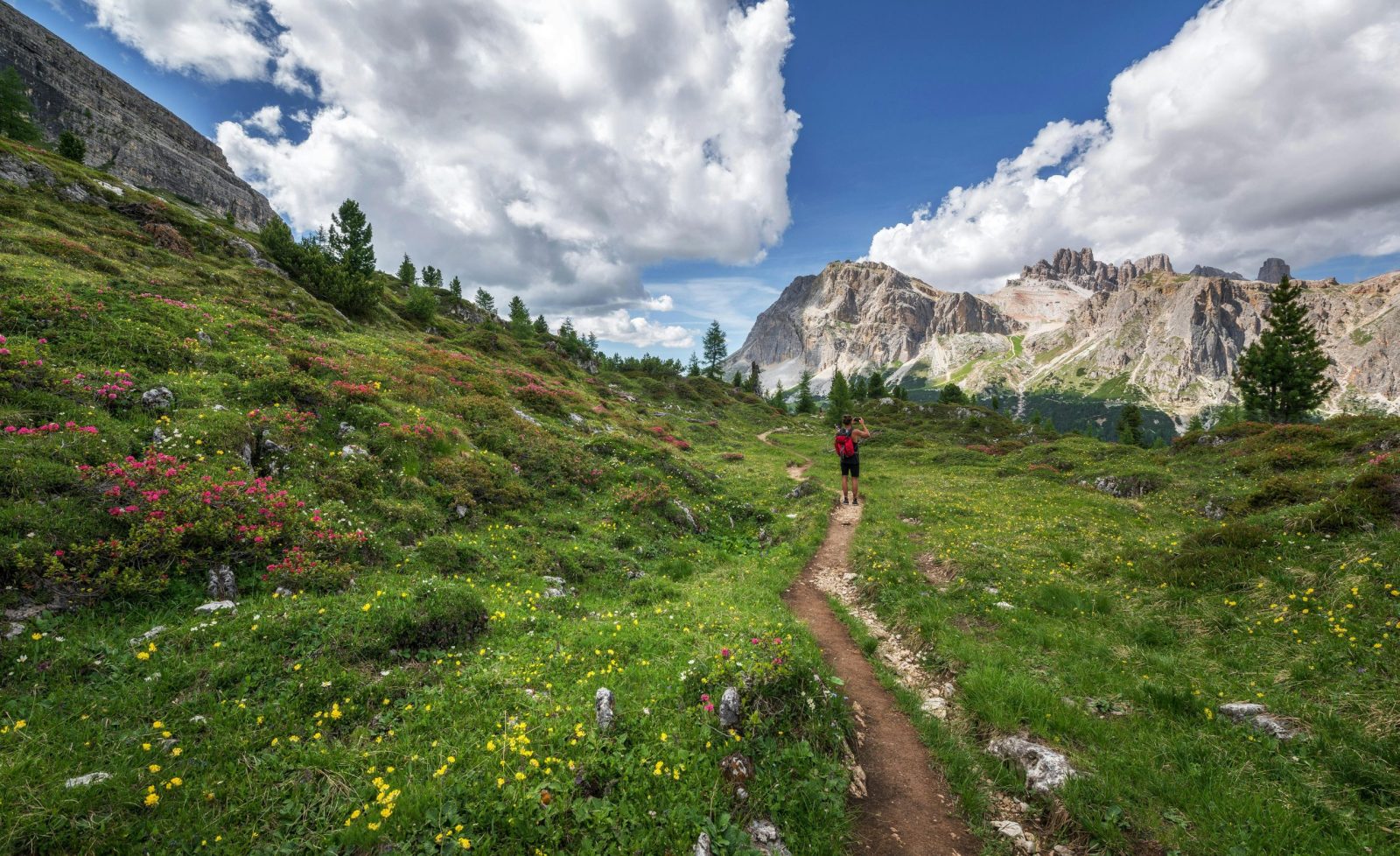
Some hikers appreciate both solitude and social connection, shifting between the two depending on mood, trail type, or emotional needs. Balancing group dynamics requires awareness of pace, communication styles, and individual comfort levels, especially on longer routes where fatigue and terrain can influence interactions. Hikers who move between solitude and community gain flexibility, enjoying conversation during shared meals or viewpoints while still seeking quiet stretches to walk in thought. This blend creates a rhythm that keeps the experience dynamic and emotionally fulfilling. It emphasizes that hiking does not need to fit a single mold, allowing each person to craft a journey that reflects changing intentions and circumstances along the trail.
Personality and Past Experiences Shape Preferences
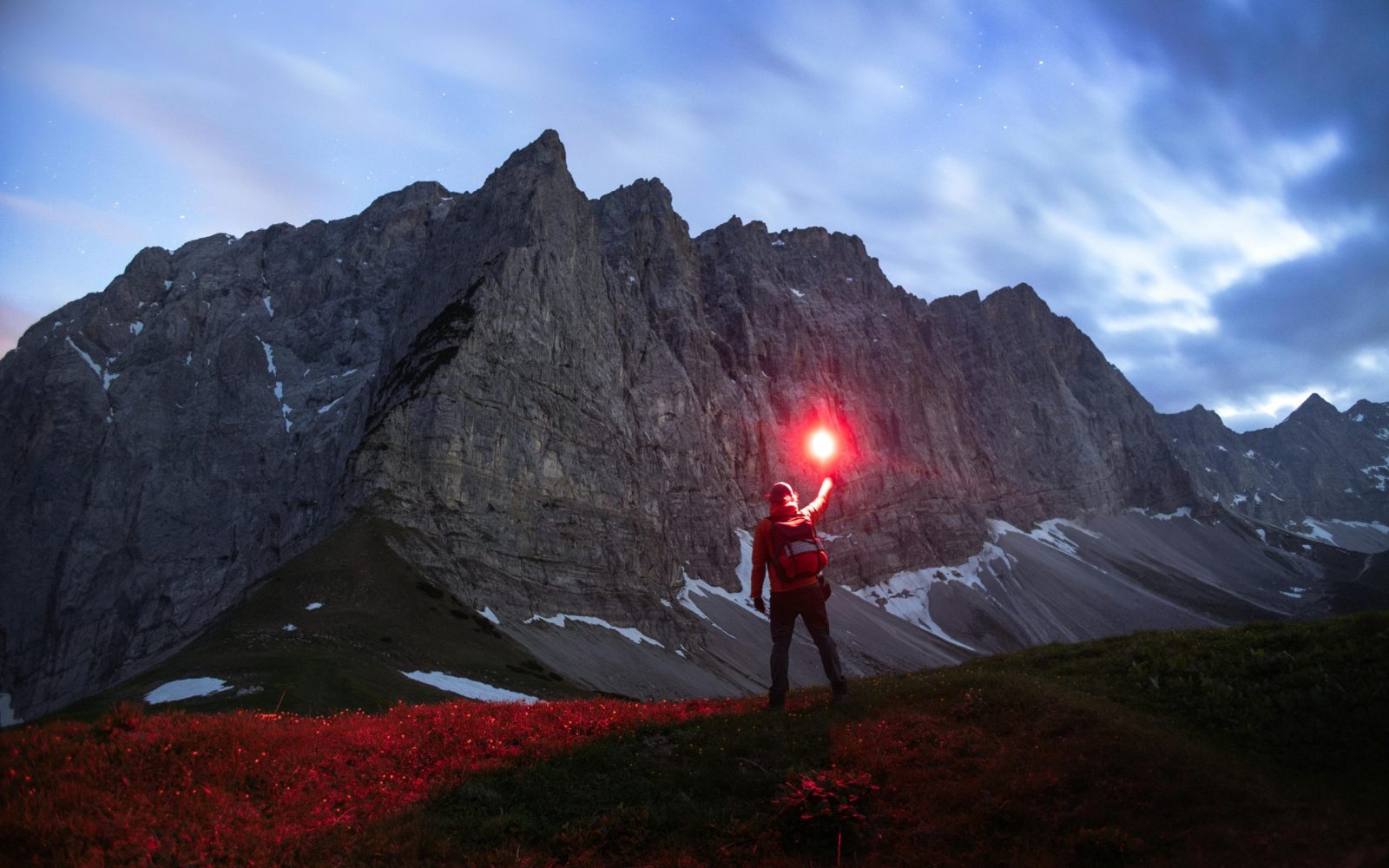
Individual preferences for solitude or community often develop from personality traits, previous outdoor experiences, or lifestyle patterns. Introverted hikers may feel most energized when alone in peaceful environments, while extroverted hikers thrive when surrounded by others who share their enthusiasm. Childhood exposure to hiking, cultural background, or early outdoor mentorship can also influence comfort levels with group outings versus solo exploration. These factors intertwine to shape expectations, making each hiker’s relationship with the trail deeply personal. Understanding this variety helps explain why two people standing at the same trailhead may envision entirely different experiences that both hold meaning.