Firearms enthusiasts constantly seek the perfect balance of performance and reliability. Today, many wonder why shooters are turning away from all-in-one rifle configurations. These bulky setups promise endless versatility but frequently fall short in actual field conditions. Slapping every imaginable accessory onto a single frame creates a heavy burden that ruins basic handling. Modern outdoorsmen increasingly prefer specialized gear built for specific environments. A dedicated survival tool or hunting rig demands absolute precision over compromised general features. Understanding this major shift helps buyers make smarter decisions when expanding their personal collections. Discarding bulky trends ensures better time outdoors.
The Burden of Excessive Weight

Carrying a loaded firearm through thick brush quickly teaches hunters a brutal lesson about gravity. Every extra optic or tactical light adds unnecessary ounces that eventually feel like heavy bricks. A platform weighed down with endless attachments drains physical energy during long mountain treks. Lugging that extra mass slows down response times and makes holding a steady aim incredibly difficult. Stripping away redundant parts leaves a wonderfully light frame that points naturally and travels well. A streamlined setup prevents early exhaustion and keeps shooters focused on their immediate surroundings instead of their aching shoulders. Simplicity truly saves energy.
Increased Risk of Component Failure

Complex systems naturally break down faster when exposed to harsh outdoor elements. A rifle designed to do everything often relies on delicate parts that fail under pressure. Freezing rain and thick mud easily destroy sensitive electronics strapped to a receiver. When a primary survival tool relies on too many fragile gadgets, the overall failure rate climbs rapidly. Taking a minimalist approach protects the core firing mechanism from unnecessary exposure. Trusting a simple and rugged design brings great confidence during emergencies. Serious marksmen refuse to gamble their safety on fragile accessories that snap off in the deep woods.
Terrible Balance and Handling

Bolting a random gear along a barrel completely ruins the natural balance of a well-made gun. An overloaded front end forces the shooter to constantly fight a downward pull. This uneven weight distribution totally wrecks muscle memory and hurts accuracy on moving targets. Keeping the sights properly aligned feels incredibly awkward when gravity constantly fights against the support hand. Experienced owners know that a beautifully balanced tool acts like a seamless extension of the body. Removing clunky aftermarket rails instantly restores the original center of gravity. Great balance drastically improves handling and makes target transitions feel smooth and completely effortless.
Wasted Financial Resources
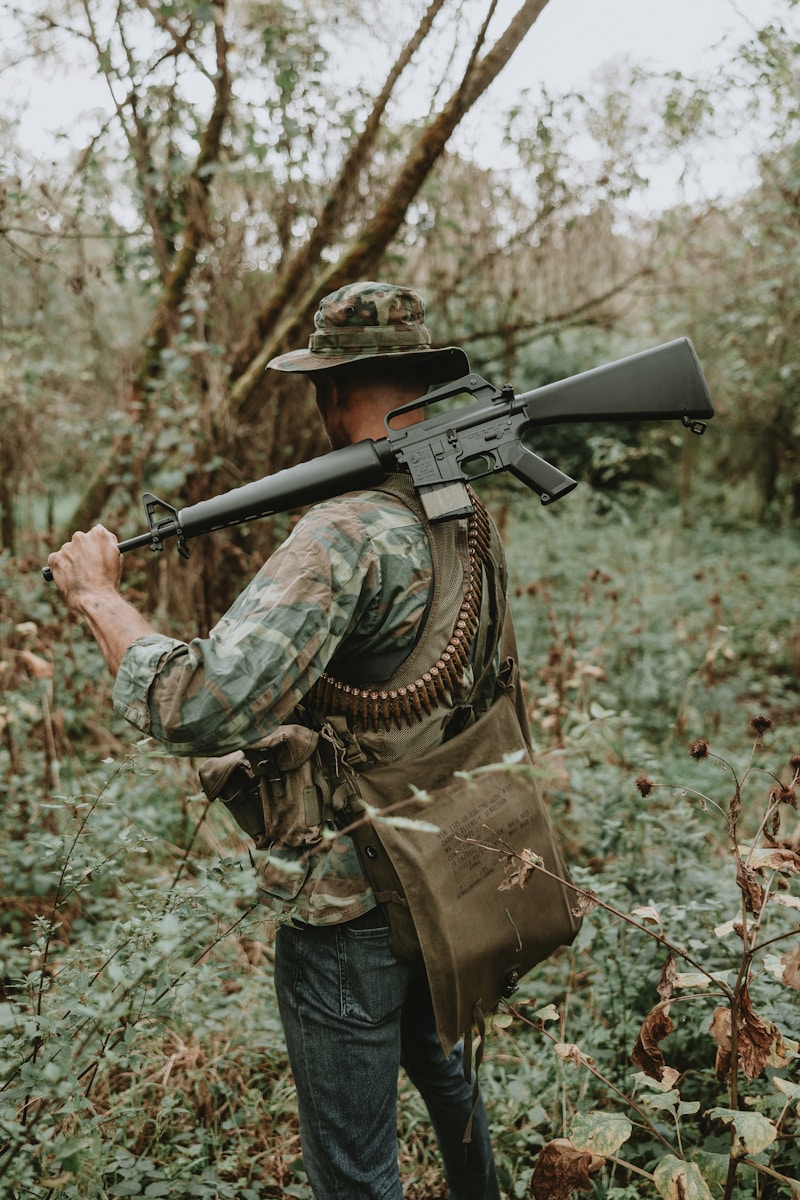
Buying a massive bundle of tactical accessories drains a bank account surprisingly fast. Shooters frequently drop hundreds of dollars on specialized lasers they rarely activate outside the house or local range. Splitting a tight budget across five cheap attachments guarantees a disappointing experience across the board. Investing that same money into one premium optic always yields better results. Smart enthusiasts prefer purchasing a high-quality base rifle and slowly buying only the most necessary upgrades over time. Resisting the urge to build a crowded platform saves cash while ensuring every single purchased part serves a highly specific purpose.
Missing Out on Dedicated Performance

General-purpose firearms attempt to cover every scenario but rarely excel in any specific shooting discipline. A platform built for close quarters looks remarkably different than a precision tool designed for long-distance shots. Jamming these opposing goals into one package creates a messy and frustrating compromise. Dedicated setups perform better because engineers optimize every single curve for one primary job. Owning separate rifles for wilderness hunting and casual range days allows each tool to shine brightly. Respecting the distinct limits of general designs helps buyers build specialized arsenals that deliver truly outstanding performance everywhere they safely go.