America’s national parks are known for their breathtaking beauty, vast wilderness, and sense of escape. But behind the stunning landscapes lies a darker reality: thousands of people vanish each year under mysterious or unexplained circumstances. While many are found, others never return, leaving families searching for answers. Understanding the real reasons behind these disappearances can help you stay safe the next time you venture into nature.
Getting Lost Off the Trail
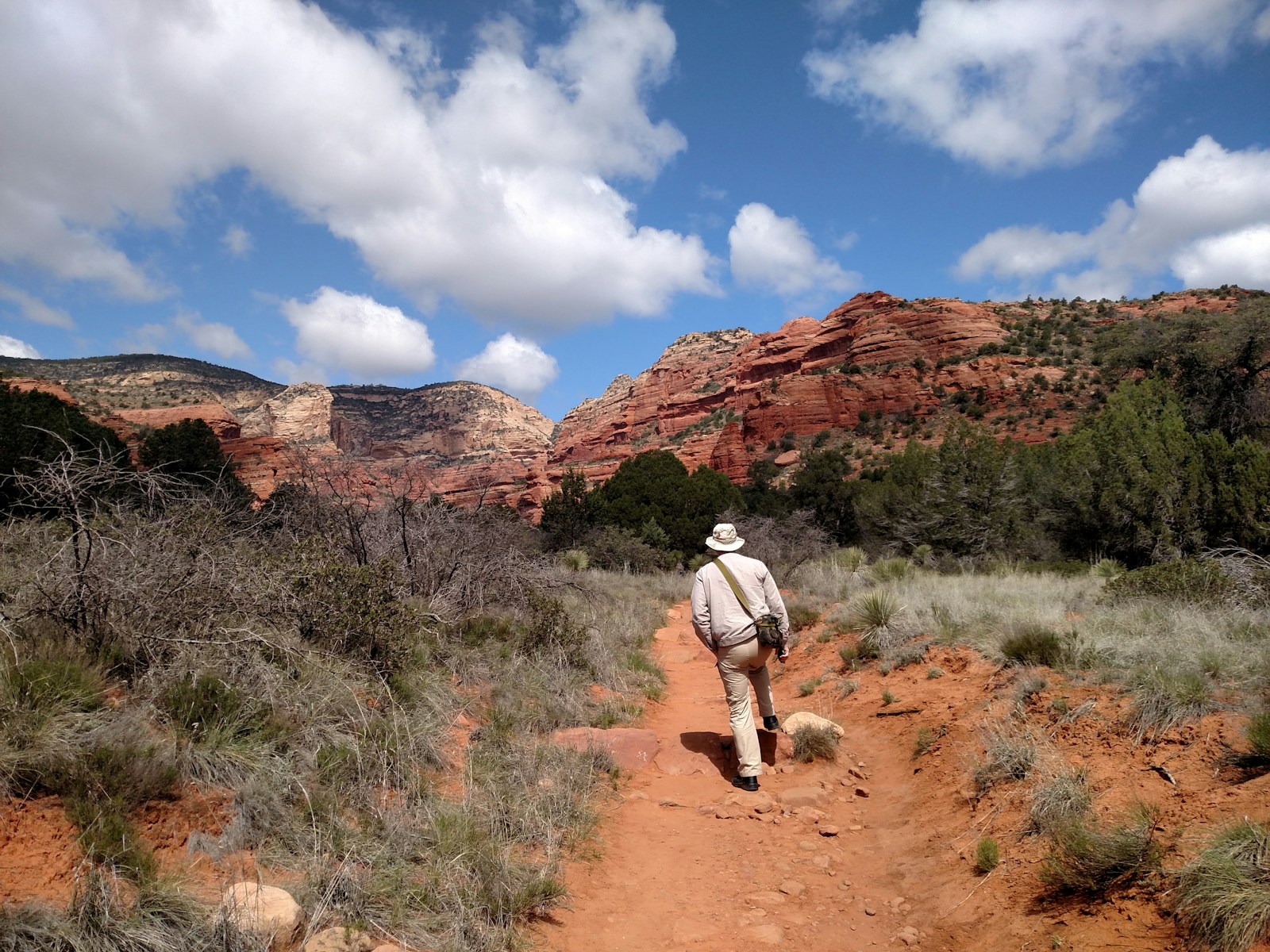
You might think following a trail is simple, but in dense forests or rugged terrain, it’s surprisingly easy to lose your bearings. A wrong turn, an unmarked junction, or fog can quickly disorient even experienced hikers. Once off the trail, landmarks vanish, and panic often leads people deeper into danger instead of back toward safety.
Sudden Weather Changes
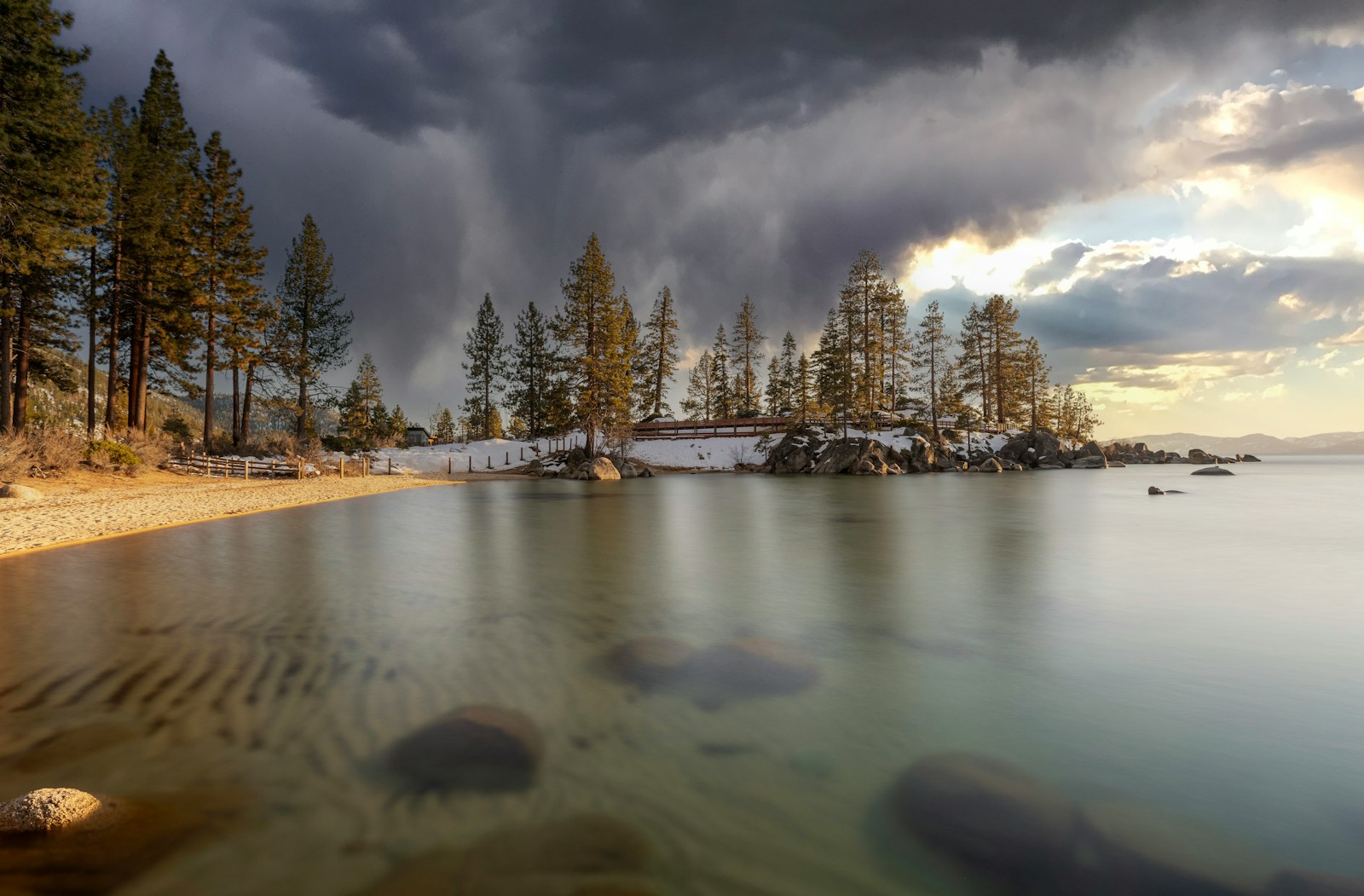
National parks often have unpredictable climates where clear skies can turn to storms within minutes. Hypothermia, flash floods, or whiteouts can make it impossible to find shelter or the path back. You may underestimate how quickly conditions shift in high elevations or desert regions, but these changes often turn a routine hike into a life-threatening situation.
Wildlife Encounters
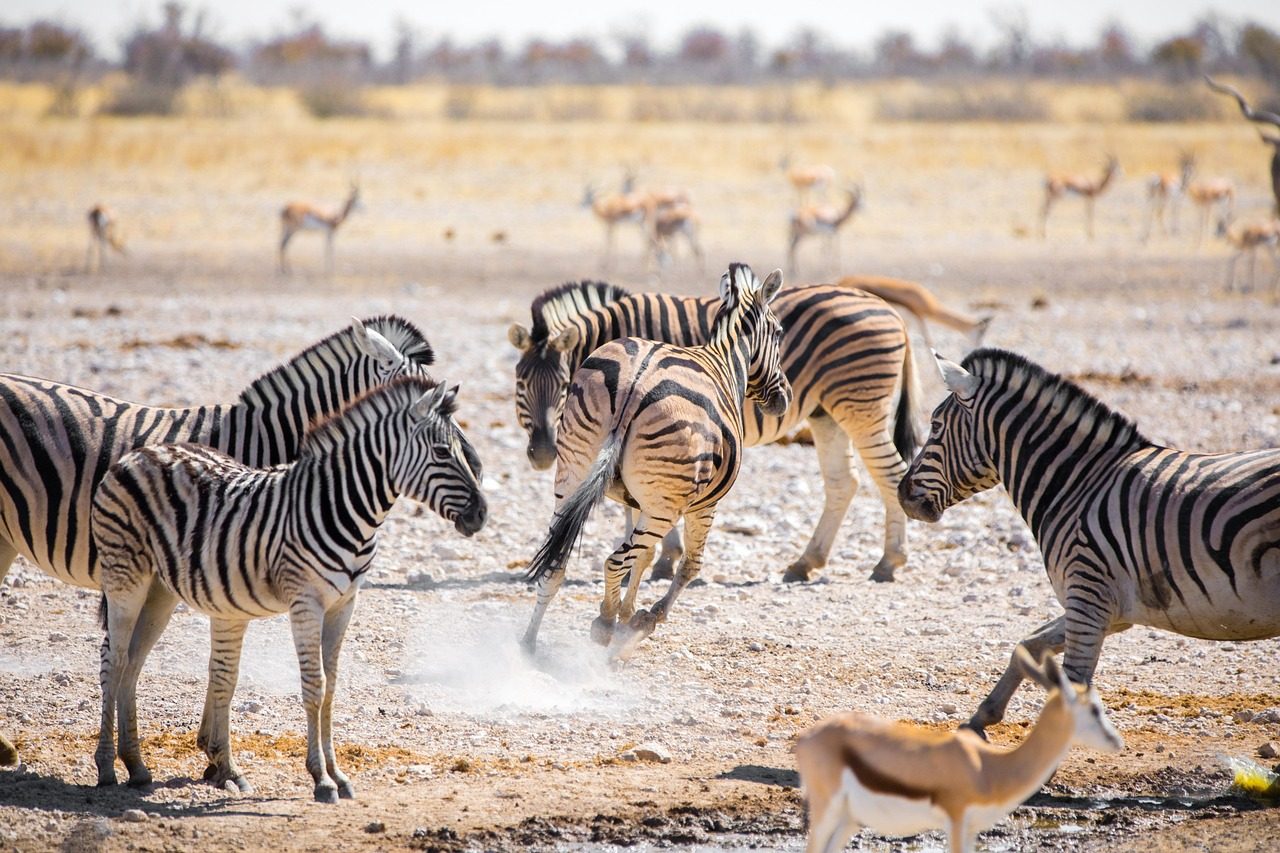
Wild animals are beautiful from a distance but unpredictable up close. Bears, mountain lions, and snakes can become aggressive when startled or protecting their young. Some disappearances occur when hikers react in fear, running into unsafe terrain or falling during an encounter. Staying calm and understanding animal behavior is critical to surviving these moments.
Lack of Preparation
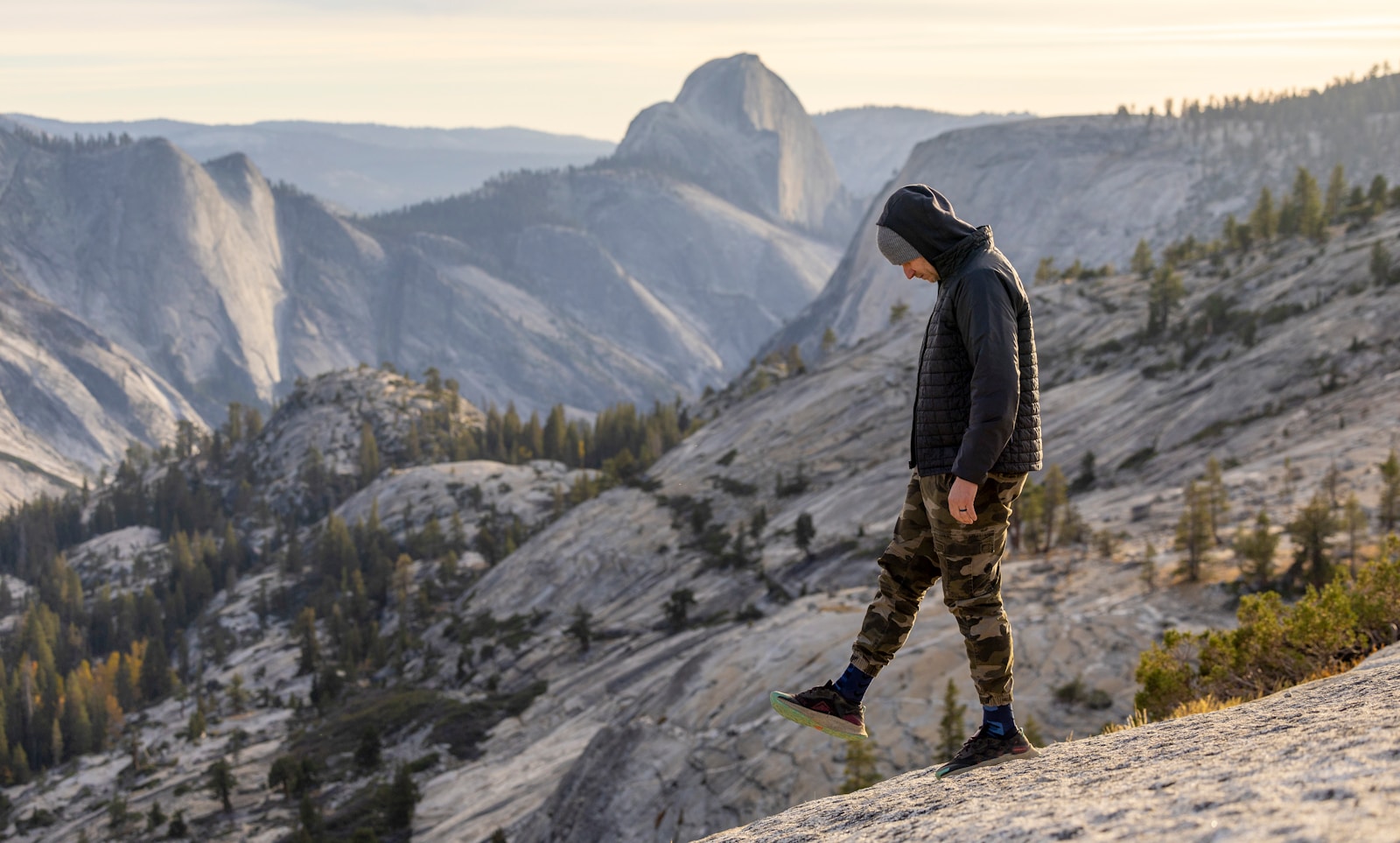
Many visitors head into national parks without the proper gear, navigation tools, or food supplies. Overconfidence often leads to underestimating distances or time, leaving people stranded as night falls. Forgetting simple essentials like a map, extra water, or layers can quickly turn an adventure into a survival crisis, especially in remote areas.
Accidents in Dangerous Terrain
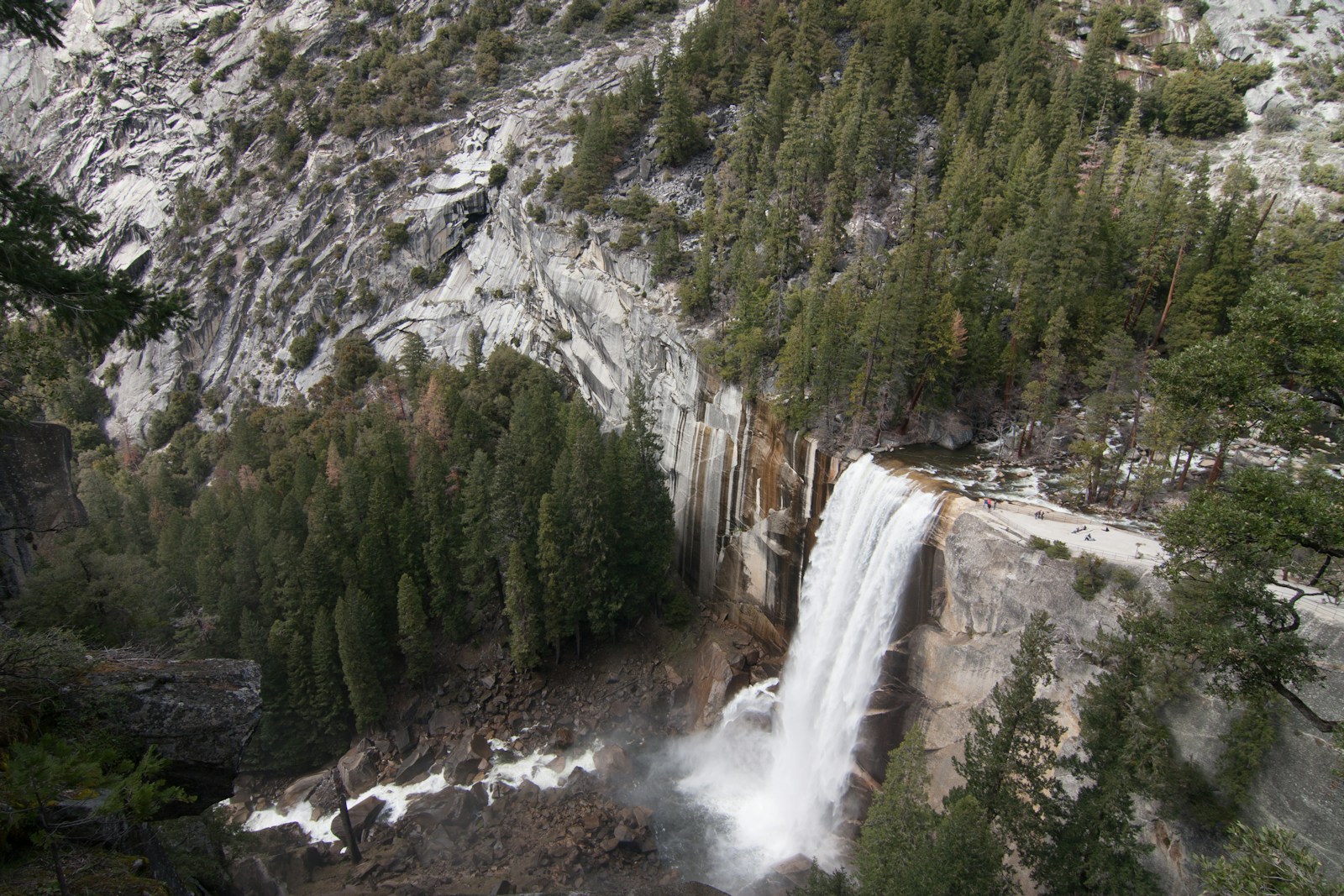
National parks are filled with steep cliffs, loose rocks, and hidden crevasses. A single misstep can cause a fall that leaves someone injured and unable to call for help. Popular parks like Yosemite and Zion report several fatal or near-fatal falls each year. These accidents often happen to skilled hikers who underestimate nature’s unpredictability.
Medical Emergencies
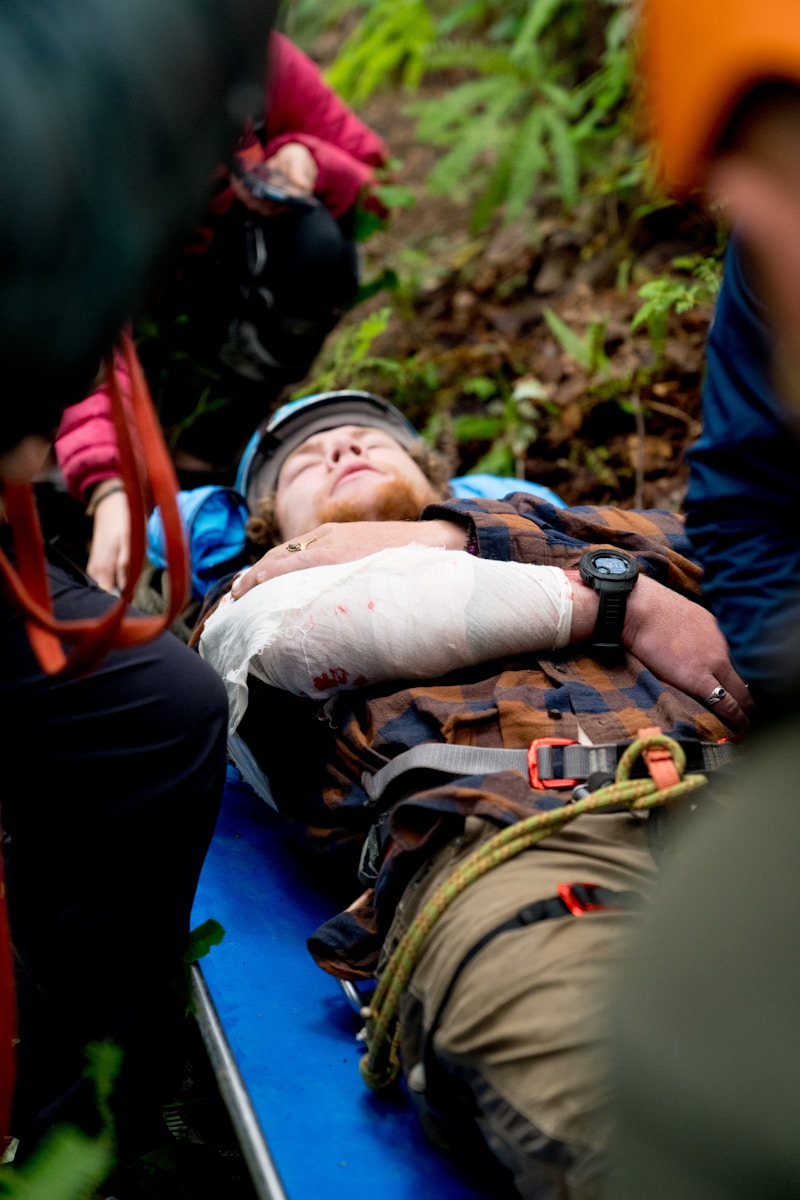
Heart attacks, dehydration, and altitude sickness are common culprits behind sudden disappearances. When you’re miles from help, even a minor medical issue can quickly become serious. Many hikers ignore early warning signs, pushing through exhaustion or dizziness, which often results in them collapsing away from marked paths where rescuers struggle to find them.
Poor Communication and Technology Failure

Cell service is unreliable in many national parks, leaving visitors cut off from contact. GPS devices can lose signal or battery power, and people who rely solely on digital tools often end up stranded. Without a backup plan or a physical map, it’s easy to become lost and impossible to call for help when something goes wrong.
Human Causes and Foul Play
While rare, some disappearances involve intentional acts, including foul play or individuals choosing to vanish. Remote areas can make it difficult for authorities to trace movements or gather evidence. In some cases, people wander off intentionally due to mental distress, while others may fall victim to unfortunate encounters far from civilization.