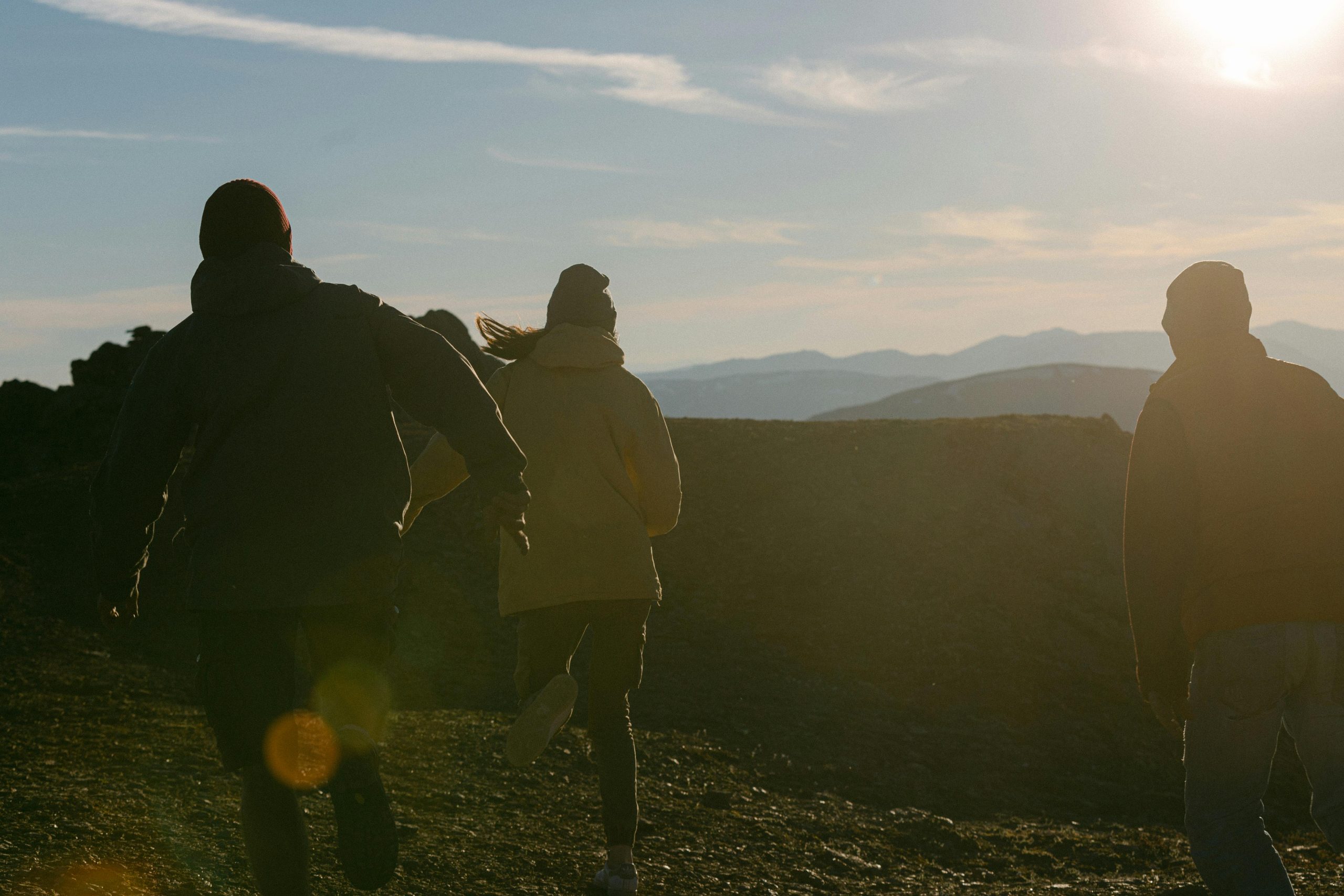
Moving rapidly in a survival situation feels proactive, but physiology and physics often punish haste. Faster movement raises metabolic rate, consuming glycogen and fat faster and producing more internal heat; yet paradoxically, it can also accelerate net heat loss when the environment, clothing, or wetness allows convection, conduction, radiation, or evaporative cooling to outrun heat production. Wind amplifies convective loss, and wet clothing multiplies conductive losses; if you expend heavy energy to produce heat but then lose it faster than you generate, you accelerate hypothermia risk, deplete energy reserves needed for sustained survival tasks, and increase mental fatigue. Practical survival decisions balance short bursts of movement with long-term energy budgeting. Short-term speed can sabotage the longer-term goal of staying alive.
Metabolic cost versus usable energy
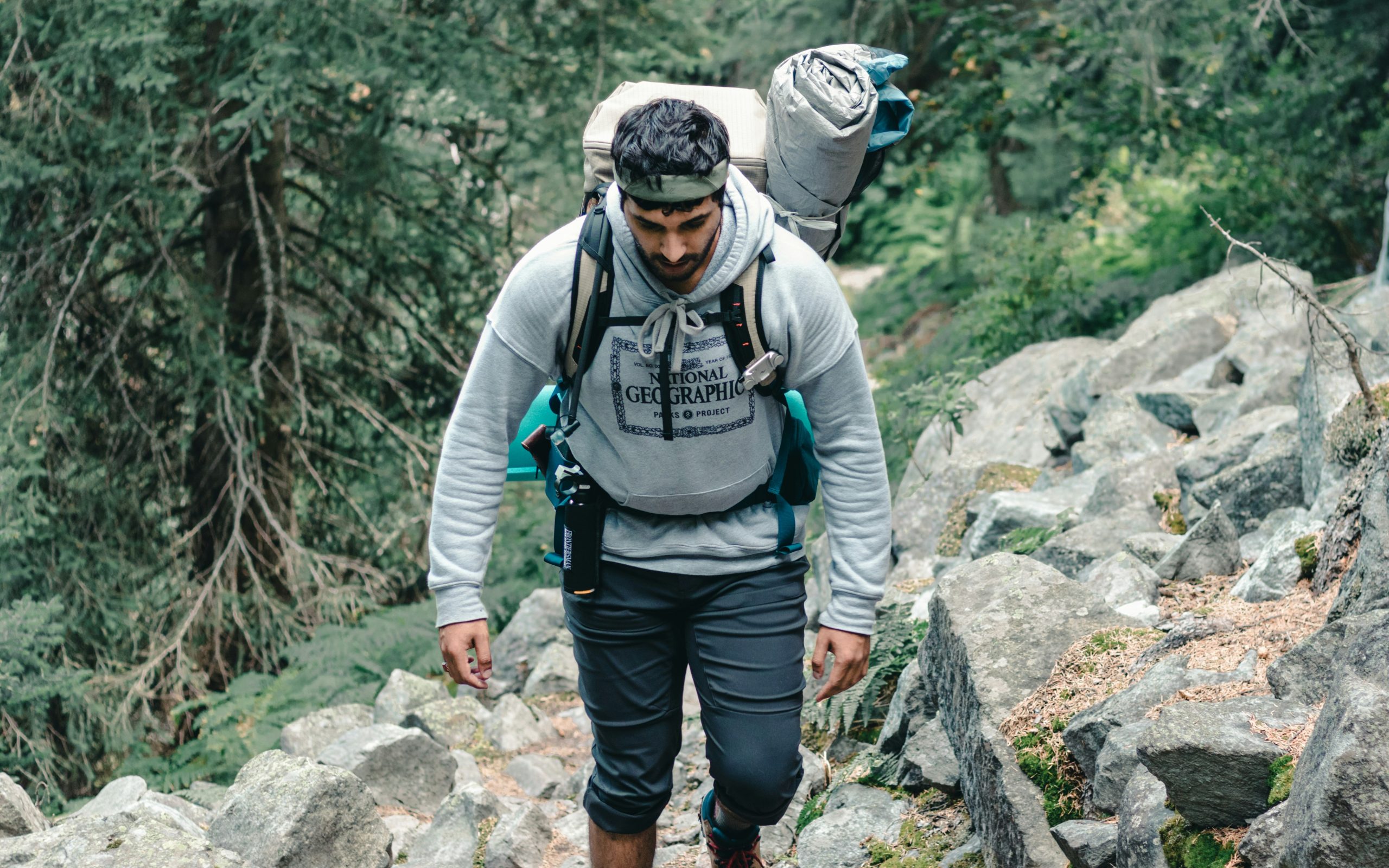
Every extra step, sprint, or strenuous task raises oxygen consumption and burns calories at a higher MET level (one MET = resting O₂ consumption baseline). Cold, heavy exertion might feel helpful because it generates heat, but it consumes glycogen and increases respiratory water loss. Without replacement, energy reserves drop quickly. A 70 kg person working at 6 METs can burn several hundred extra kilocalories per hour. If that person becomes wet or faces strong wind, those calories are wasted countering heat loss rather than sustaining movement, leaving them fatigued and thermally vulnerable. Understanding the metabolic trade-off helps you choose tasks: move deliberately, rest, and ration sprinting for essential moments. Misjudging this balance often leads to exhaustion and an early, avoidable crisis in survival situations.
Heat-loss pathways get worse with motion
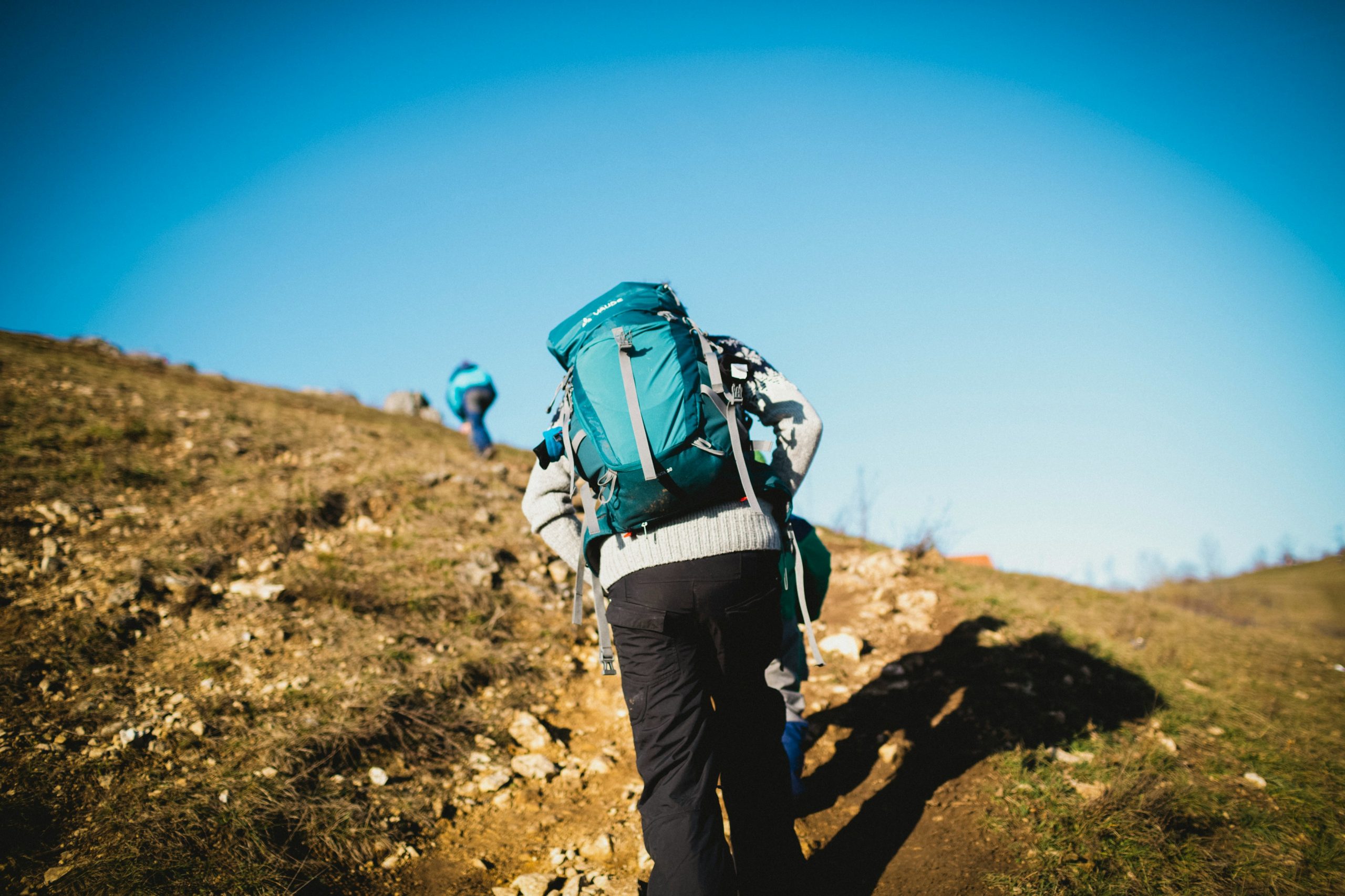
Heat leaves the body by radiation, convection, conduction, and evaporation. Motion increases convective losses because warm boundary-layer air is constantly replaced, and if you’re moving through wind, it multiplies that effect; sweat and evaporation are also magnified when you run, drying skin and cooling at high rates. Practically, an active person in a damp environment often cools faster than a sedentary one in dry clothes because water conducts heat out more efficiently than still air. That’s why staying dry and sheltered often outperforms frantic travel in marginal weather: moving fast without protecting skin or clothing accelerates the very heat loss you’re trying to combat. Careful pacing, awareness of environmental moisture, and choosing proper terrain can prevent this.
Wind chill and the illusion of “feeling warmer”
Wind chill is not a measure of ambient temperature but of how quickly exposed skin loses heat due to wind. When you move quickly, relative wind across your skin increases, simulating stronger wind chill and making you lose heat faster, even if the thermometer reads the same. A calm 0°F day versus walking at 3–4 mph can feel substantially colder because of increased convective heat transfer; exposed skin can freeze in minutes under certain temperature-wind combinations. In survival, moving slowly, minimizing exposed skin, and using wind breaks are often more protective than rapid relocation. Recognizing that movement itself can generate harmful wind chill helps prevent dangerous hypothermia scenarios.
Wet clothing turns effort into liability
Sweat or environmental moisture in clothing creates a continuous conductive heat sink. When you work hard and sweat into your layers, that moisture conducts heat away from the skin much faster than dry fabric does. If you then stop or slow, that wet fabric continues to sap heat from your body; worse, heavy wet clothing raises the energy cost of movement and speeds exhaustion. In cold/wet conditions, the best practice is to regulate exertion to minimize sweating, layer so moisture wicks outward, and change into dry clothing at the first opportunity. Otherwise, your energy spent generating heat directly enables heat loss, increasing risk for hypothermia, fatigue, and poor decision-making.
Depleted fuel, impaired judgment
Glycogen depletion and hypoglycemia impair cognitive function, decision-making, and fine motor skills exactly when you need them most. When you sprint or perform continuous hard labor to escape perceived danger, you risk dropping blood glucose and ATP availability in the brain. That leads to slower reactions, poor planning, and mistakes like skipping shelter, ignoring early hypothermia signs, or failing to ration water. In survival psychology terms, the energetic push that feels decisive can cause a cascade: exhaustion, poor choices, and then a larger, avoidable exposure. Ration energy: short, purposeful bursts only when necessary, conserving mental clarity and physical endurance.
Hydration, respiration, and evaporative cooling
Faster breathing and sweating during exertion raise evaporative water loss. Heavy respiration in cold, dry air removes heat and moisture from the lungs and upper airway; over an hour, this promotes dehydration, thickened mucus, and impaired heat exchange. Dehydration reduces blood volume, challenging thermoregulation and increasing cardiovascular strain, which in turn reduces tolerance for further exertion. Simple measures, such as sipping fluids, protecting the face from cold, dry air, and avoiding overexertion, preserve hydration and the body’s ability to maintain core temperature, energy, and endurance, which can be critical during prolonged survival scenarios.
Clothing, insulation, and the paradox of “venting”
Modern survival layering relies on controlled venting to avoid sweating, but inexperienced fast movement undermines that. When you move fast, inner layers get wet from sweat, and outer layers can trap moisture against skin during rest; ventilating at the wrong times wastes insulation. Proper strategy: anticipate exertion and preemptively remove or loosen layers before overheating so you don’t sweat through the base layer, then re-clothe before you cool. The paradox is clear: moving to cool down can create a later, compensatory cooling crisis. Effective layer management prevents energy waste and preserves thermal stability for hours.
When speed increases, injury risk increases and immobilizes you
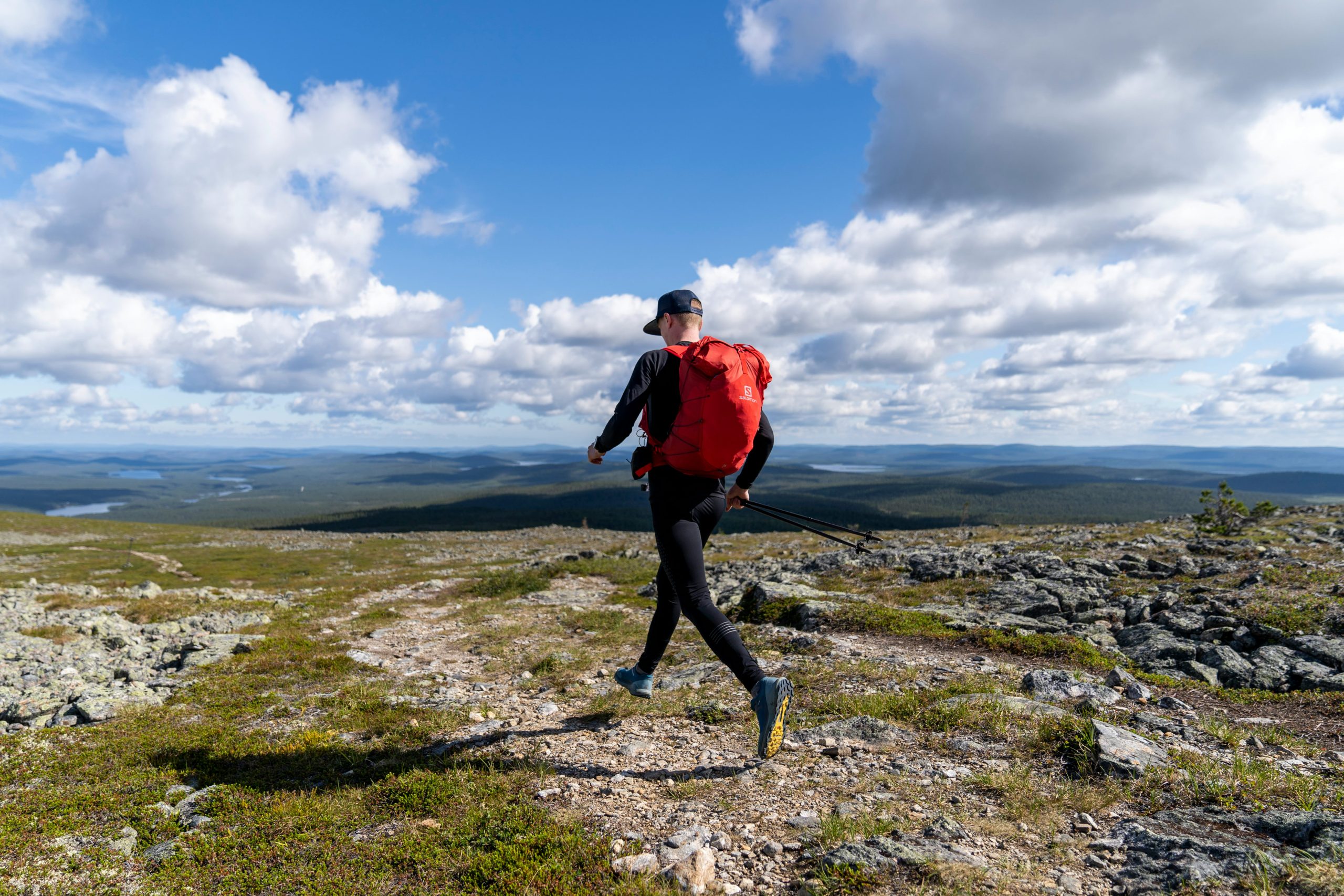
Fast movement over rough terrain raises the chance of sprains, fractures, and soft-tissue injuries. An injured limb often forces immobility, increased heat loss, and a higher metabolic cost for basic mobility, a double hit. Even micro-injuries increase inflammation and metabolic demand while reducing performance. Choosing slower, deliberate movement reduces fall risk and conserves energy. In many remote situations, staying put and signaling for help after securing shelter is safer than rushing and becoming an immobilized casualty. Careful attention to footing and pace can literally save life and prevent compounding emergencies.
Environmental statistics: real consequences
Cold exposure causes measurable mortality and morbidity. Recent public health reports document hundreds to thousands of cold-related deaths annually in the U.S.; concentrated winters and rural exposures raise risk, and vulnerable groups such as the elderly or unhoused are disproportionately affected. These data emphasize a simple point: survival is rarely about heroically exhausting yourself to reach a goal; it’s about preserving body systems long enough to secure shelter, warmth, and rescue. Planning, measured movement, and energy conservation are proven lifesavers in population-level data, showing that patience often outperforms speed in harsh conditions.
Practical checklist: move smart, not fast
Before committing to a fast push, run this checklist: (1) Is my clothing dry and adjustable? (2) Do I have energy and water to sustain the push plus contingency? (3) Will increased wind or wetness increase heat loss? (4) Is there a safe, sheltered objective within realistic reach? (5) Do I have signaling and navigation sorted so bursts are efficient? If any answer is “no,” prefer deliberate, low-intensity movement or shelter and wait for safer conditions. Intelligent pacing, layer management, hydration, and deliberate energy budgeting convert movement into progress rather than a suicidal expenditure, increasing your odds of surviving extended exposure.