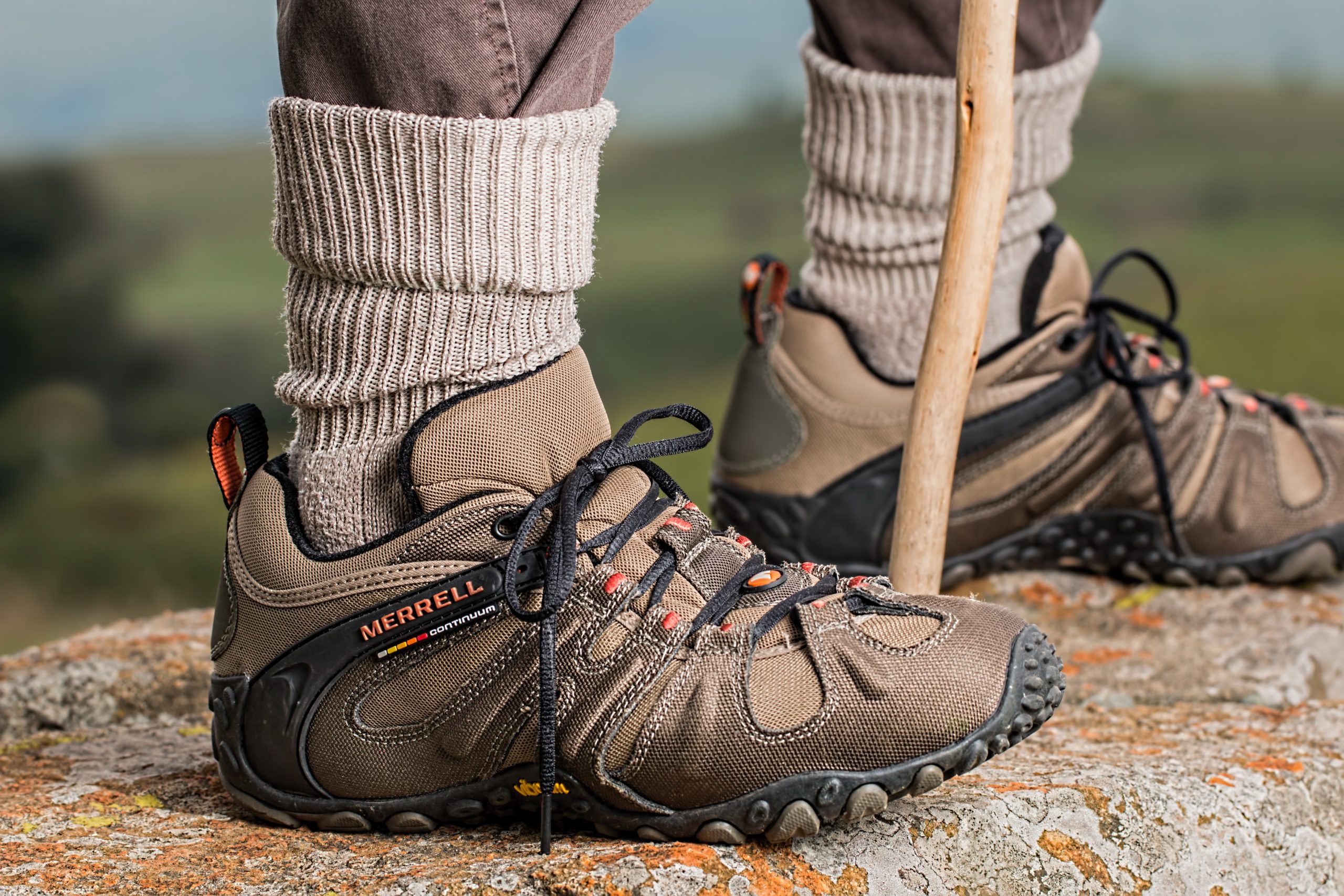
Hiking often looks simple from the outside. A trail, a backpack, and the promise of fresh air can make it feel like almost any shoes will do. That assumption is where trouble often begins. Footwear is not just about comfort; it directly affects balance, endurance, injury risk, and decision-making on the trail. Shoes that lack grip, support, or protection can quietly turn a manageable hike into a dangerous situation. Blisters, rolled ankles, fatigue, and slowed movement compound over time, especially when terrain or weather changes unexpectedly. Proper hiking footwear is designed to work with the foot under load, across uneven ground, and during long hours of repetitive motion. This article explains ten critical ways hiking without proper footwear can lead to serious problems, and why the right shoes are not optional gear but a core safety tool.
Reduced Traction Increases Fall Risk

Traction is one of the most immediate differences between hiking footwear and everyday shoes. Trails often include loose gravel, wet leaves, exposed roots, and smooth rock surfaces that become slippery with moisture. Shoes without specialized outsoles struggle to grip these surfaces, increasing the chance of slips and sudden falls. A minor loss of footing can quickly turn into a twisted knee, broken wrist, or head injury, especially on descents. Poor traction also forces hikers to move more cautiously, slowing progress and increasing fatigue. When balance is constantly compromised, mental focus shifts from enjoying the trail to simply staying upright. Over long distances, this added stress raises the likelihood of mistakes. Proper hiking shoes use lug patterns and rubber compounds designed to grip varied terrain, reducing fall risk and improving confidence with every step.
Lack of Ankle Support Leads to Injuries
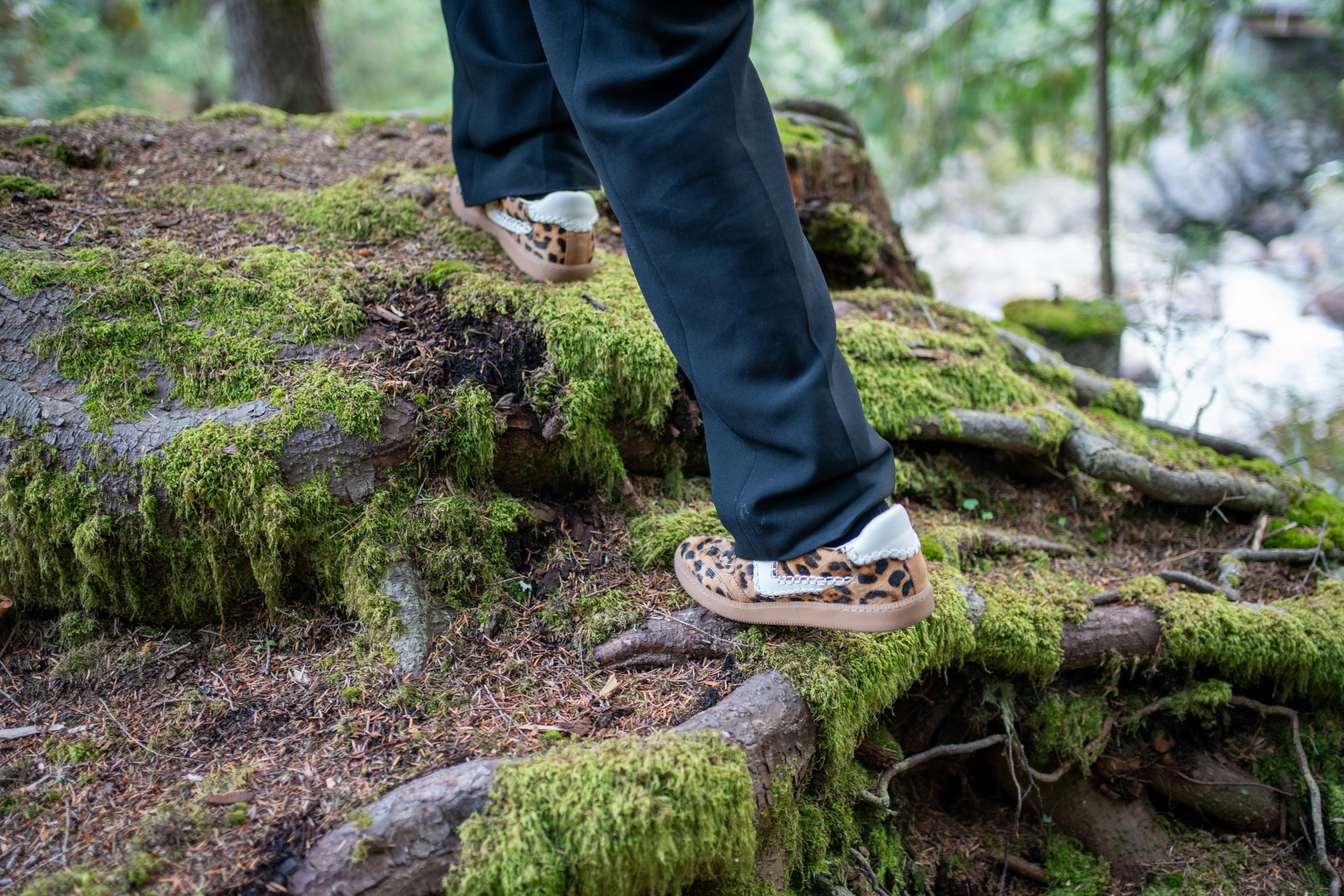
Uneven terrain constantly challenges ankle stability, especially when carrying a pack. Without proper footwear, the foot can roll inward or outward with little resistance, straining ligaments and tendons. A mild ankle roll may seem manageable at first, but swelling and pain often increase rapidly, making continued movement difficult or impossible. In remote areas, even a minor ankle injury can escalate into a serious emergency. Hiking boots and supportive trail shoes are built to stabilize the foot during side-to-side movement, reducing the chance of sudden twists. This support becomes more important as fatigue sets in and reaction time slows. Without it, each step carries added risk. Proper footwear helps maintain alignment and control, allowing the ankle to function safely under unpredictable trail conditions.
Poor Cushioning Accelerates Fatigue
Every step on a trail sends impact forces through the feet, legs, and lower back. Shoes without adequate cushioning fail to absorb these forces effectively, causing muscles and joints to work harder. Over time, this leads to early fatigue, sore feet, and aching knees or hips. Fatigue reduces coordination and judgment, increasing the likelihood of missteps and poor decisions. When feet become painful, hikers may take breaks or alter their gait in ways that strain other parts of the body. Proper hiking footwear uses midsoles designed to balance cushioning and responsiveness, protecting joints while maintaining stability. This allows hikers to move efficiently for longer periods. Without that support, physical exhaustion sets in faster, turning an otherwise manageable hike into a physically draining experience.
Increased Risk of Blisters and Hot Spots
Blisters are more than a minor annoyance on the trail. Ill-fitting or inappropriate shoes create friction points that quickly develop into painful hot spots. As skin breaks down, walking becomes increasingly uncomfortable, and hikers may unconsciously adjust their stride to avoid pain. These changes can lead to secondary injuries in the knees, hips, or back. Once a blister forms, it is difficult to manage in the field, especially in wet or dirty conditions. Hiking footwear is designed to reduce friction through proper fit, materials, and structure. Combined with suitable socks, it helps manage moisture and movement inside the shoe. Without proper footwear, small irritations can escalate into mobility-limiting injuries that force a hike to end early or create dangerous delays.
Limited Protection From Trail Hazards
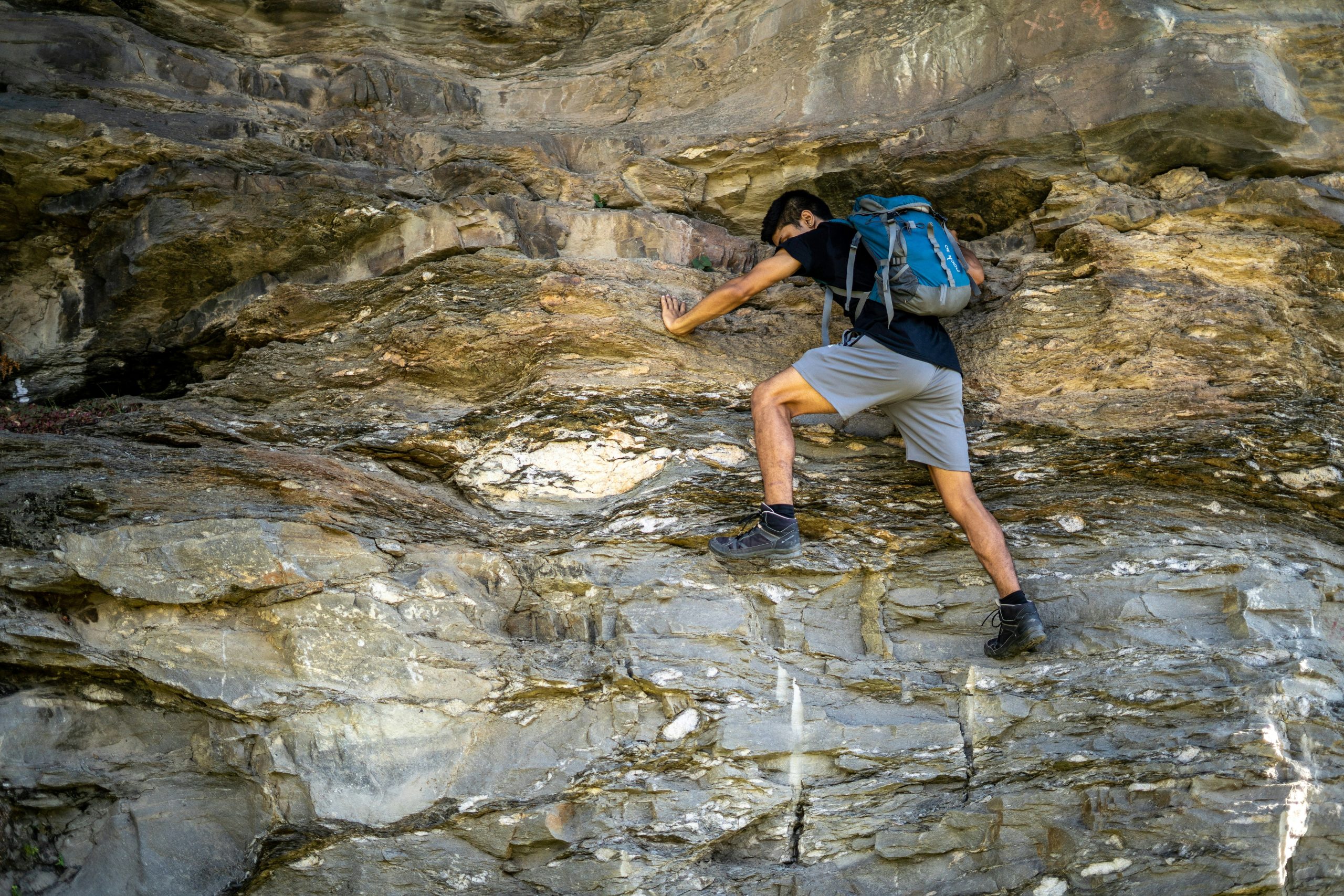
Trails are full of hazards that casual shoes are not designed to handle. Sharp rocks, roots, thorns, and uneven surfaces can bruise or cut unprotected feet. Thin soles allow sharp impacts to transfer directly to the foot, causing pain or injury. Low-quality uppers provide little defense against scrapes or crushing forces. Hiking footwear includes reinforced toe caps, durable materials, and protective soles that shield the foot from common trail dangers. This protection allows hikers to step confidently without constantly scanning for every minor obstacle. Without it, each step carries the risk of injury. Over time, repeated minor impacts can add up, making the hike progressively more uncomfortable and unsafe.
Poor Fit Affects Balance and Control
Fit plays a critical role in how footwear performs on the trail. Shoes that are too loose allow the foot to slide, reducing control during descents and increasing toe impact. Shoes that are too tight restrict circulation and cause numbness or pain. Improper fit interferes with natural foot movement, affecting balance and stability. Hiking footwear is designed with trail-specific fit considerations, such as heel lock and forefoot room for swelling during long hikes. Without these features, balance becomes inconsistent, especially on uneven ground. This instability forces the body to compensate, increasing muscle strain and mental fatigue. Proper fit enhances control and confidence, while poor fit quietly undermines safety with every step.
Wet Feet Increase Injury and Exposure Risks
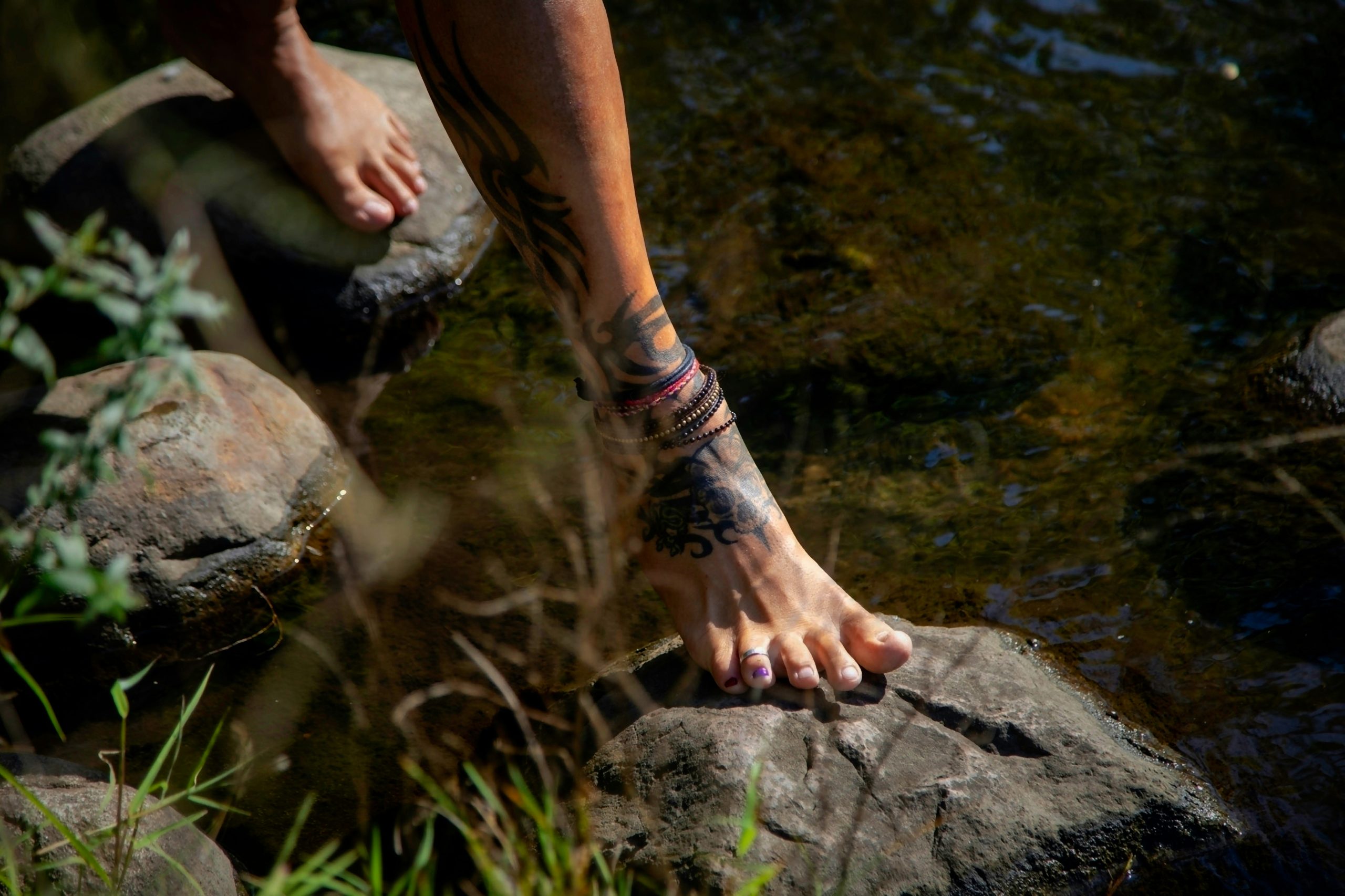
Inadequate footwear often fails to manage moisture from rain, stream crossings, or sweat. Wet feet soften skin, making it more vulnerable to blisters and cuts. Cold, wet conditions can also reduce sensation, increasing the risk of missteps and frost-related injuries in cooler environments. Shoes not designed for hiking may retain water, staying wet for hours. Hiking footwear uses materials and construction methods that either repel water or dry quickly, helping maintain foot health. When feet remain wet, comfort drops rapidly, and morale suffers. In longer hikes, prolonged moisture exposure can lead to infections or trench foot-like conditions. Proper footwear plays a major role in keeping feet dry, functional, and safe.
Inadequate Footwear Slows Emergency Response
When something goes wrong on the trail, speed and mobility matter. Poor footwear limits how quickly and confidently a hiker can move, whether avoiding a hazard or assisting someone else. Painful feet reduce pace and increase hesitation on difficult terrain. In emergencies, delays can worsen injuries or exposure risks. Hiking footwear supports efficient movement even when tired, allowing hikers to respond more effectively. Without it, every step may feel uncertain or painful. This limitation can turn a manageable situation into a dangerous one. Reliable footwear ensures that when conditions change suddenly, mobility remains an asset rather than a liability.
Mental Fatigue and Poor Decisions Follow
Discomfort from inadequate footwear does not stay isolated to the feet. Persistent pain and instability drain mental energy, reducing focus and patience. Hikers dealing with sore feet are more likely to rush, skip breaks, or ignore early warning signs of trouble. Poor decisions often follow physical discomfort, especially late in the day. Proper footwear reduces unnecessary strain, freeing mental capacity for navigation, weather awareness, and group communication. When the body is supported, the mind stays clearer. Without that support, stress accumulates, and judgment suffers. This mental toll can be just as dangerous as physical injury, particularly in unfamiliar or remote terrain.
Small Mistakes Become Major Consequences
On the trail, small problems can quickly escalate. A minor slip, a developing blister, or early fatigue may seem manageable at first. Without proper footwear, these issues compound faster and are harder to control. Reduced traction leads to falls, poor support leads to injury, and discomfort leads to poor decisions. Hiking footwear acts as a foundation for safety, helping prevent small issues from growing into serious incidents. When that foundation is missing, the margin for error shrinks dramatically. Proper shoes are not about luxury or style; they are about risk management. Choosing the right footwear helps ensure that a hike remains challenging and rewarding, rather than dangerous and unpredictable.