
Fresh snowfall transforms outdoor landscapes in beautiful and dramatic ways, but it also creates challenges for anyone trying to stay oriented on a trail. A new layer of snow blankets ground features, softens edges, and hides familiar markers that make navigation easier in other seasons. Trees, rocks, and trail borders take on a uniform appearance when covered in white, making everything around the path seem more similar than usual. Even well-traveled routes become difficult to distinguish when recent snowfall disguises footsteps or buries trail signs. As wind moves snow across open spaces, drift patterns further disrupt visibility and distort the natural shape of the terrain. These changes highlight how seasonal weather alters the way trails appear and emphasize the importance of understanding how snow affects navigation in winter environments.
Snow Covers Trail Markers
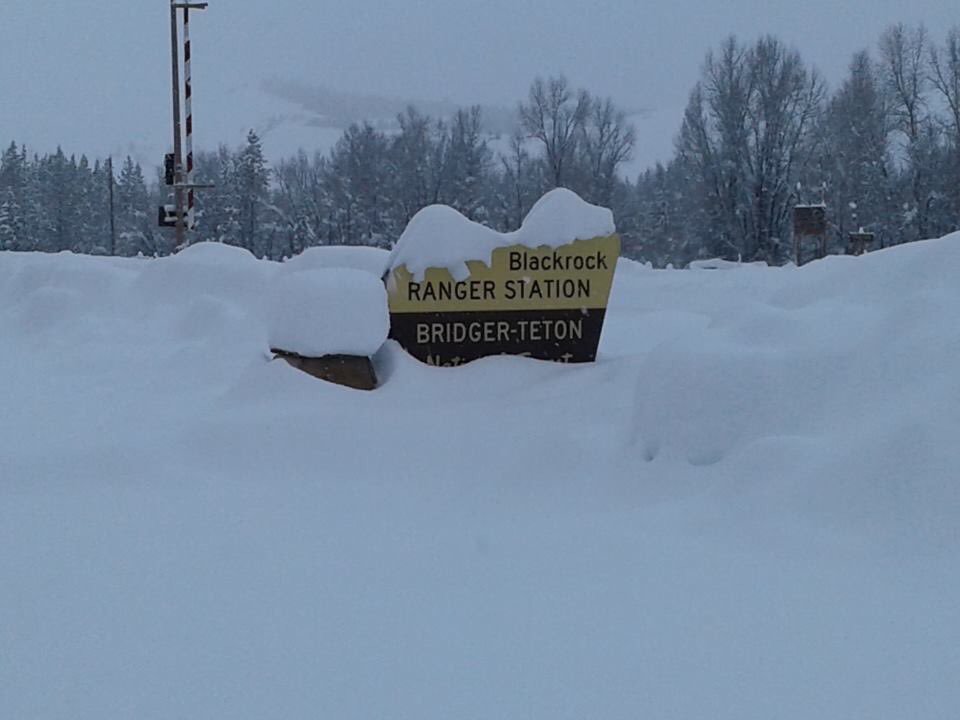
Fresh snow often blankets signs, blazes, and low-mounted trail markers that normally guide hikers through forests or open terrain. Painted blazes on trees may become partially hidden beneath frost or snow accumulation, making once-clear symbols difficult to spot from a distance. Wooden posts and metal stakes can disappear completely when drifts rise during storms or windy conditions. Even footprints and packed-down paths that hint at the correct route lose definition when freshly fallen snow fills indentations. These changes create a uniform surface where few distinguishing features remain. The loss of visible markers forces travelers to rely more heavily on landscape memory and map skills as the trail becomes less recognizable with every new layer of snow.
Snow Softens Distinctive Land Features
Fresh snow smooths out bumps, ridges, and textures that make trails easier to follow in other seasons. Rocks that normally border paths become rounded and less noticeable, while exposed roots and dips in the ground fill in, erasing the subtle cues that help define trail direction. Frozen streams or shallow depressions may blend in with the surrounding landscape once coated in a soft white layer. In dense forests, snow-laden branches hang lower than usual and can obscure narrow trail corridors that would otherwise stand out. As the terrain shifts under snowfall, wayfinding becomes more dependent on broader orientation rather than visible surface features. This transformation illustrates how quickly familiar ground patterns can disappear when even a light snowfall settles across the path.
Snow Alters Footprints and Human Activity
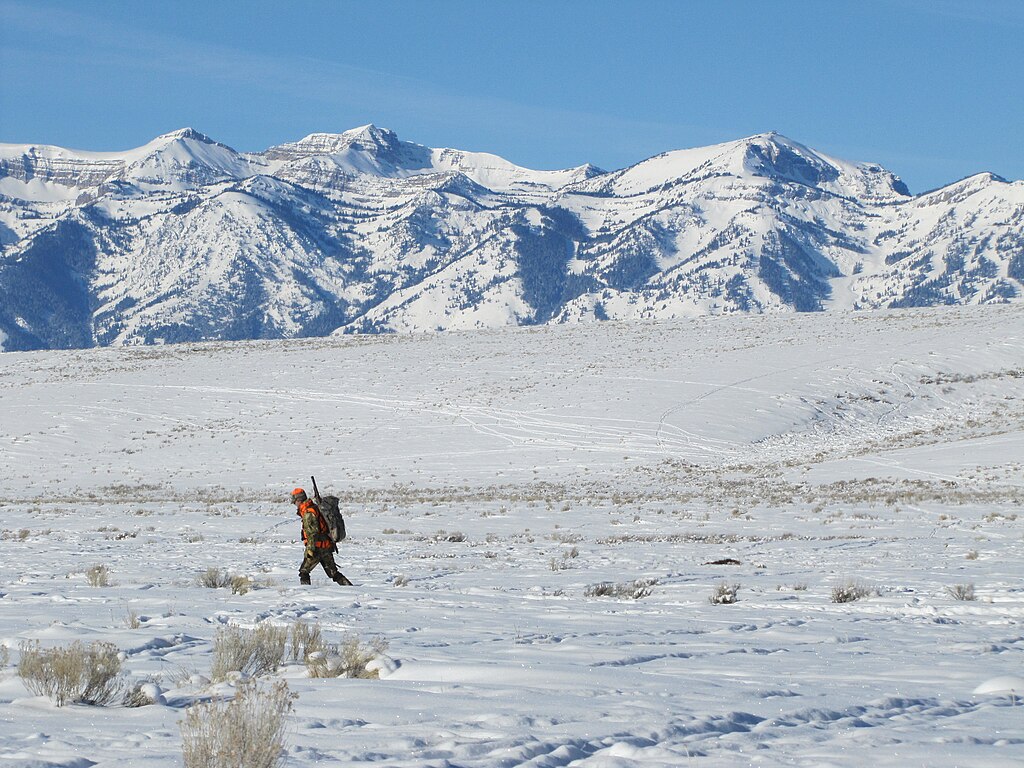
Fresh snow conceals signs of recent foot traffic, making trails look untouched even when many people have passed through earlier in the day. Footprints that typically create clear direction cues become muted or vanish when new snowfall fills their impressions. This lack of visible human activity makes it harder to determine whether the correct trail continues forward or splits in another direction. Snow also muffles sound, reducing clues that normally help identify nearby hikers or trail intersections. In windy areas, drifting snow quickly covers tracks, creating false pathways or misleading indentations that appear meaningful at first glance. These changes highlight how snow interrupts familiar patterns of travel and obscures the subtle traces that help guide hikers along the intended route.
Snow Creates Reflective Glare
Snow increases light reflection, especially on bright or sunny days, which can obscure trail details and make directional features harder to distinguish. Sunlight bouncing off a fresh snow layer creates glare that washes out shadows, eliminating the contrast needed to interpret terrain. Landmarks such as rocks, tree trunks, or trail posts appear less defined under intense brightness, even when they remain partially exposed. In open spaces like meadows or ridgelines, this glare can create a nearly uniform sheet of white that stretches across the landscape. Hikers may struggle to identify subtle elevation changes or hidden drop-offs when brightness overwhelms their ability to focus on surface variations. The disorienting quality of snow glare underscores how lighting plays a significant role in winter navigation.
Snow Hides Trail Boundaries
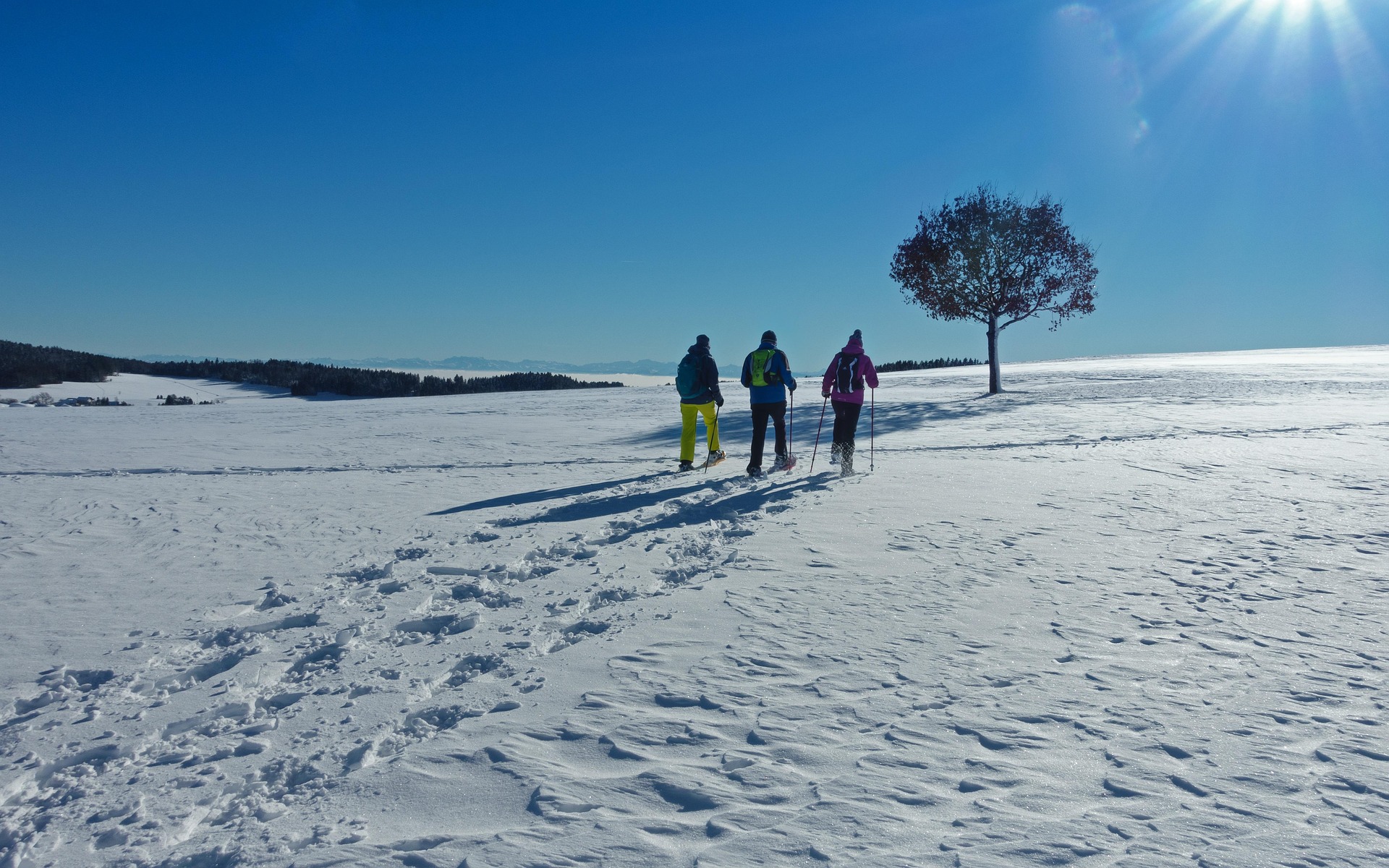
Fresh snowfall blurs the edges of paths by covering border markers such as gravel lines, log placements, or low-height barriers that signal where trails begin and end. Wide trails narrow visually, and narrow trails appear wider, creating ambiguity about the route’s true direction. In areas with numerous side paths or branching corridors, these softened boundaries increase the likelihood of drifting off the intended trail. Snow also accumulates unevenly, forming gentle slopes where dips or berms once provided clear guidance. Because winter terrain often appears flatter or more continuous than usual, the natural cues that differentiate the trail from surrounding vegetation become harder to read. This shift highlights how important visible boundaries are for understanding trail alignment in warmer seasons.
Snow Changes How Terrain Feels Underfoot
Walking on snow alters the tactile feedback that helps hikers stay aware of their path. Packed dirt, gravel, or rock normally provides a firm, predictable sensation underfoot, but fresh snow introduces softness and uneven pressure that reduces ground awareness. Hidden ice patches may form beneath snow layers, creating unexpected slippery areas that distract from confident navigation. When snow obscures the firmness of the underlying trail, hikers lose an important layer of sensory information that typically supports orientation. Footsteps produce less distinctive sound as well, removing another subtle cue that connects hikers to familiar terrain. This reduction in physical feedback transforms the overall experience of following a trail during the winter months.
Snow Obscures Small Water Crossings
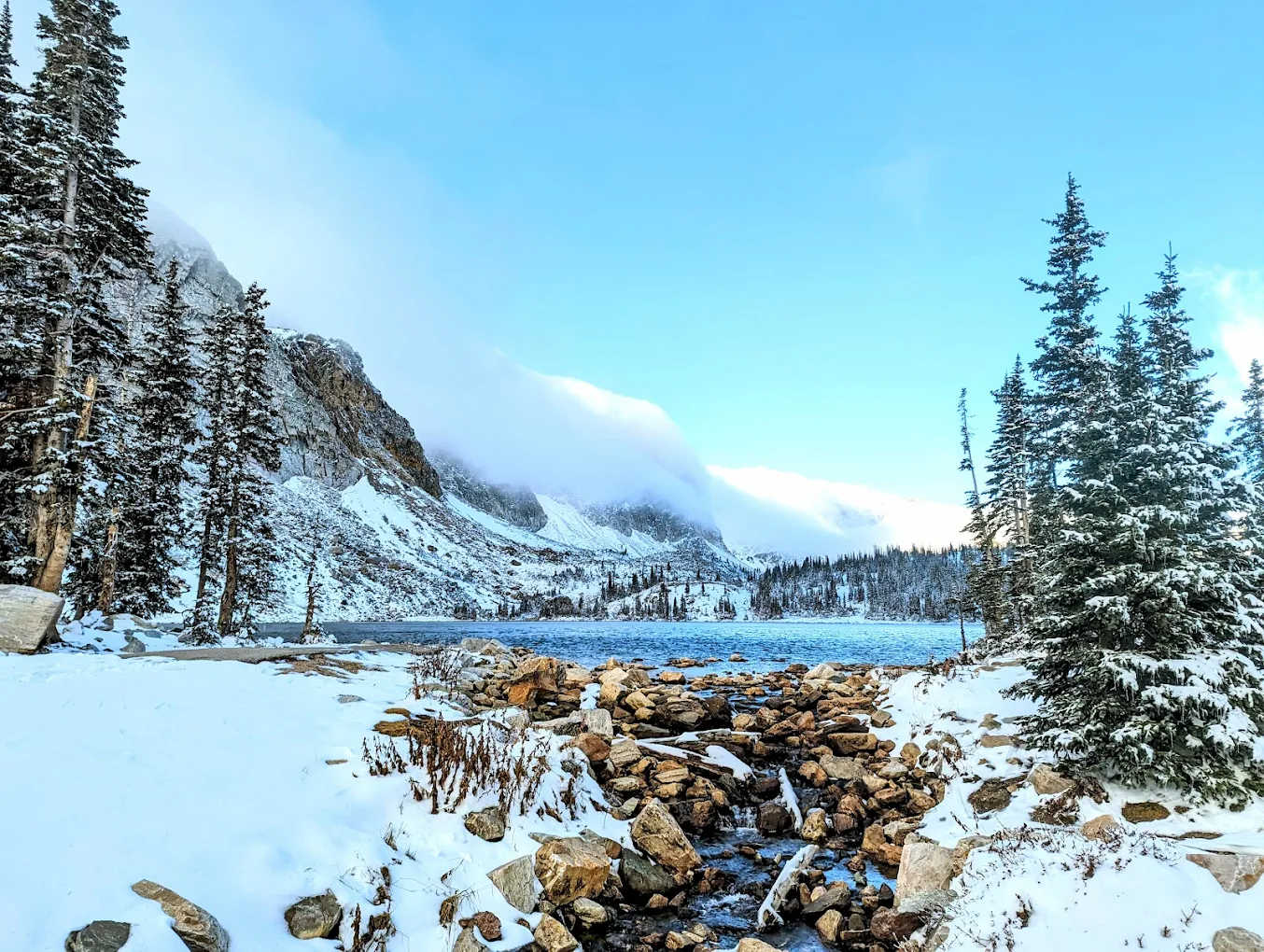
Streams, puddles, and runoff channels often sit directly beside or across trails, but fresh snow hides these water features beneath a smooth surface. A shallow stream may appear as solid ground once coated in snow, creating confusion about whether the trail continues in a straight line or veers to the side. Snow can also form delicate bridges over minor water crossings that collapse under weight, revealing obstacles only when stepped on. Frozen water sources further complicate the landscape, as ice layers blend seamlessly with snow-covered banks. Without clear visibility of moisture or movement, determining the correct path becomes significantly more difficult. These conditions illustrate how winter weather conceals dynamic features that guide navigation during warmer months.
Snow Transforms Tree Canopies
Tree canopies change dramatically under fresh snow, shifting how light and shadows fall across forest trails. Heavy snow bends branches downward, creating archways or barriers that did not exist the day before. These temporary formations make familiar sections feel entirely new and can hide trail entrances or intersections. Snow-covered branches reduce visibility by narrowing sightlines and creating partial walls that block deeper views into the forest. The weight of snow may also cause branches to break or lean into the trail, altering expected pathways. This transformation of the forest canopy demonstrates how even overhead elements influence ground-level navigation during winter hikes, adding unexpected challenges that further complicate movement through dense snow-covered woodland terrain.