Polymer-framed pistols dominate today’s handgun market because they are lightweight, affordable, and resistant to corrosion.
Manufacturers also benefit from faster production and lower costs when using polymer frames.
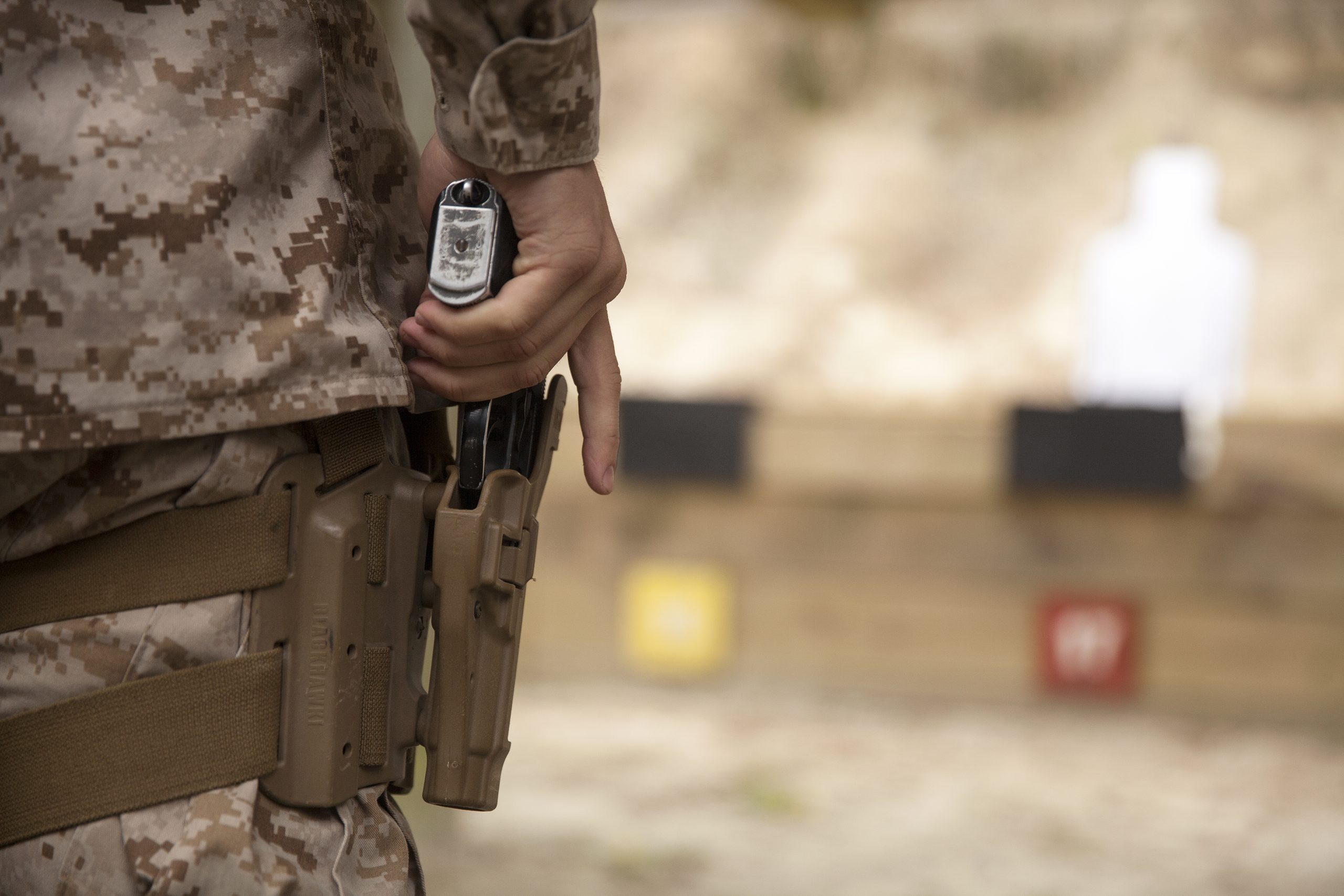
At shooting ranges, training courses, and competitions, these traditional designs continue to appear alongside modern polymer handguns.
Metal-framed pistols offer specific characteristics that some shooters believe improve handling, balance, and long-term reliability.
Weight distribution, recoil behavior, and trigger systems can feel noticeably different when steel or aluminum is involved.
Those differences may seem subtle to casual users, but experienced shooters often pay close attention to them.
The following points explain why many seasoned shooters still choose metal-framed pistols even in an era dominated by polymer designs.
Recoil Control and Weight Balance

One of the most commonly cited advantages of metal-framed pistols is improved recoil control.
Steel or aluminum frames add weight, which helps absorb some of the energy produced when the cartridge fires.
Instead of a sharp snap in the hand, recoil often feels smoother and more controlled.
This can make it easier for shooters to keep their sights aligned during rapid firing.
Many experienced shooters notice they can return to the target faster after each shot.
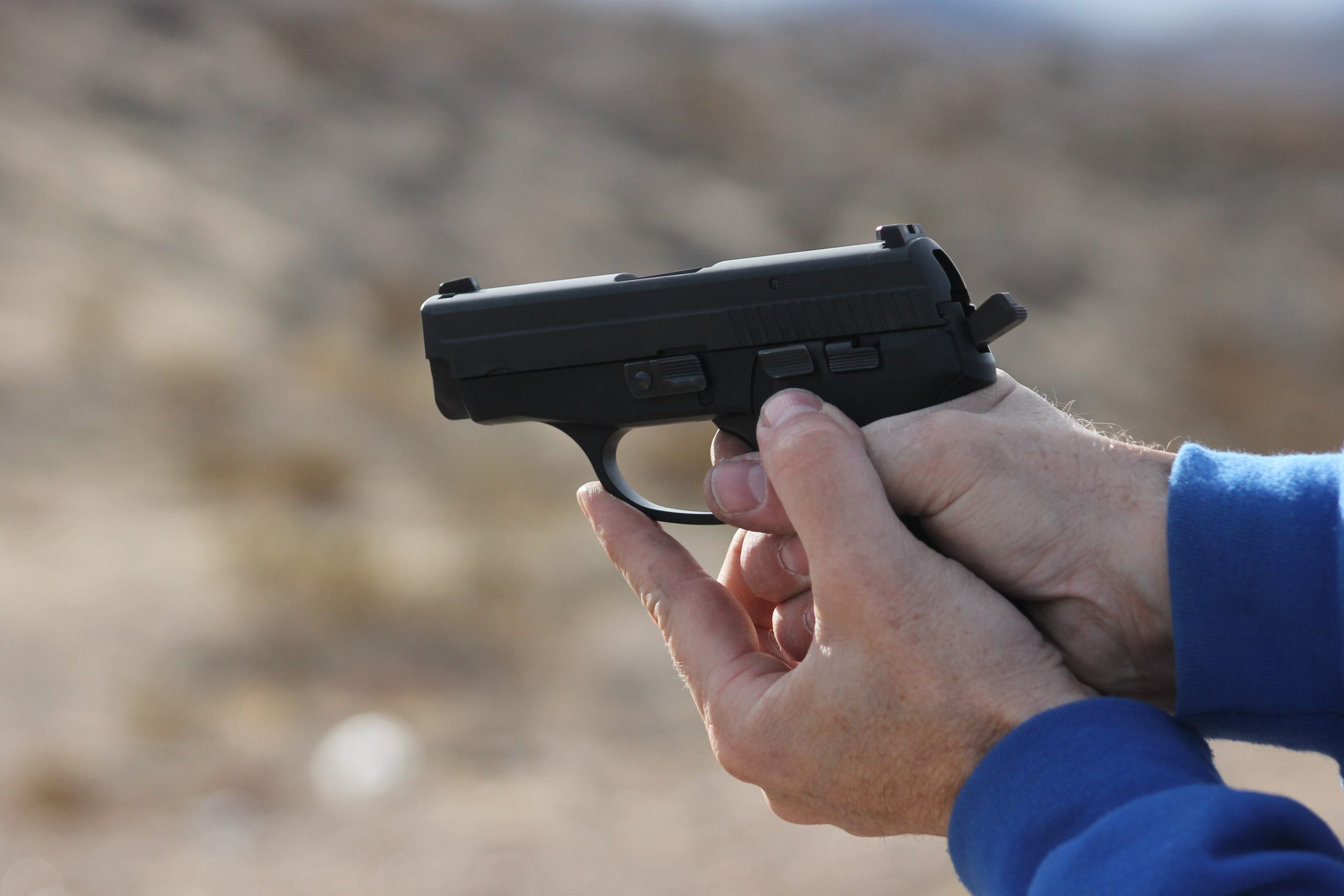
A well-known example is the SIG Sauer P226, which uses an aluminum frame that balances durability with controlled recoil.
While polymer pistols are lighter and easier to carry, that reduced weight can sometimes make recoil feel more abrupt.
Natural Weight Distribution
Metal-framed pistols often feel more balanced because their weight is spread throughout the firearm rather than concentrated in one area.
This balance can make the handgun feel steadier when raised toward the target.
Many shooters describe the sensation as a pistol that naturally settles into alignment with the sights.
The weight of the frame contributes to a more planted feel during firing.
In contrast, polymer pistols often place more mass in the slide than the frame.
That difference can create a slightly top-heavy sensation for some users.
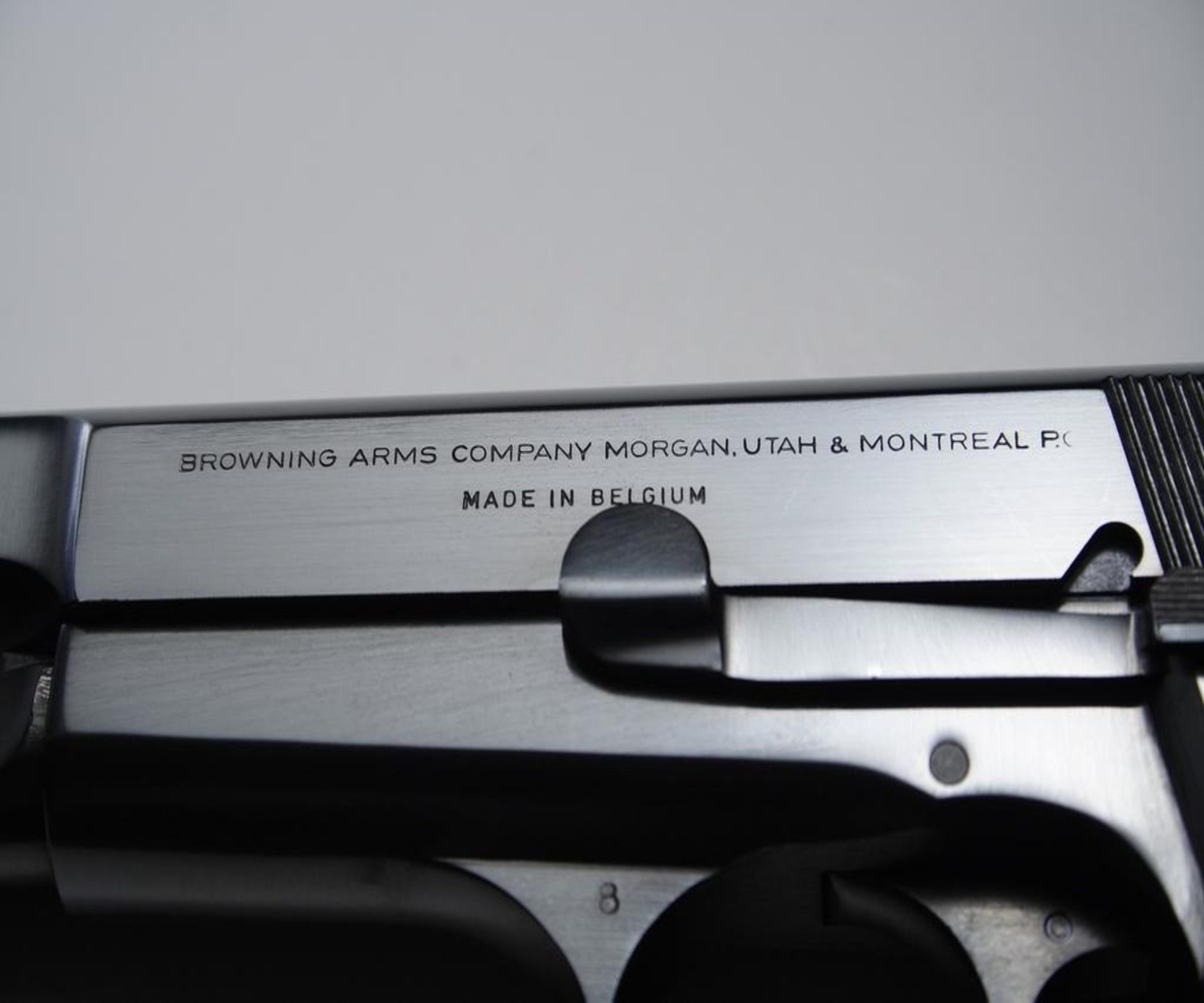
The classic Browning Hi‑Power is frequently praised for its natural handling and balanced design.
Shooters often note how comfortably it points without requiring adjustment.
Durable Metal Construction
Metal-framed pistols have a long reputation for durability.
Forged steel or high-quality aluminum alloys can withstand years of repeated firing and regular maintenance.
That history reinforces the perception that metal frames are built for long-term reliability.
A well-known example is the Beretta 92FS, which has served military and law-enforcement users around the world.
Polymer frames are also durable and resistant to environmental conditions.
However, some shooters still prefer the solid feel and traditional construction of metal firearms.
For enthusiasts who value equipment that may last for generations, a metal frame often inspires confidence.
Consistent Trigger Feel
Trigger performance is another factor that leads many experienced shooters toward metal-framed pistols.
Traditional hammer-fired systems are commonly paired with these designs.
Such systems can produce smooth double-action pulls followed by crisp single-action breaks.
The predictable feel helps shooters develop consistent trigger control over time.
One frequently praised example is the CZ 75, known for its smooth and controllable trigger characteristics.
Striker-fired polymer pistols are reliable and simple, but their triggers sometimes feel different.
For shooters who focus on precision and control, the traditional trigger systems of metal-framed pistols remain appealing.
Reduced Muzzle Flip

When a handgun fires, the barrel naturally rises due to recoil forces.
The extra weight of a metal frame can help counteract that upward movement.
This reduces what shooters call muzzle flip.
Less muzzle rise means the sights return to the target more quickly after each shot.
That advantage becomes noticeable during rapid-fire drills or competitive shooting stages.
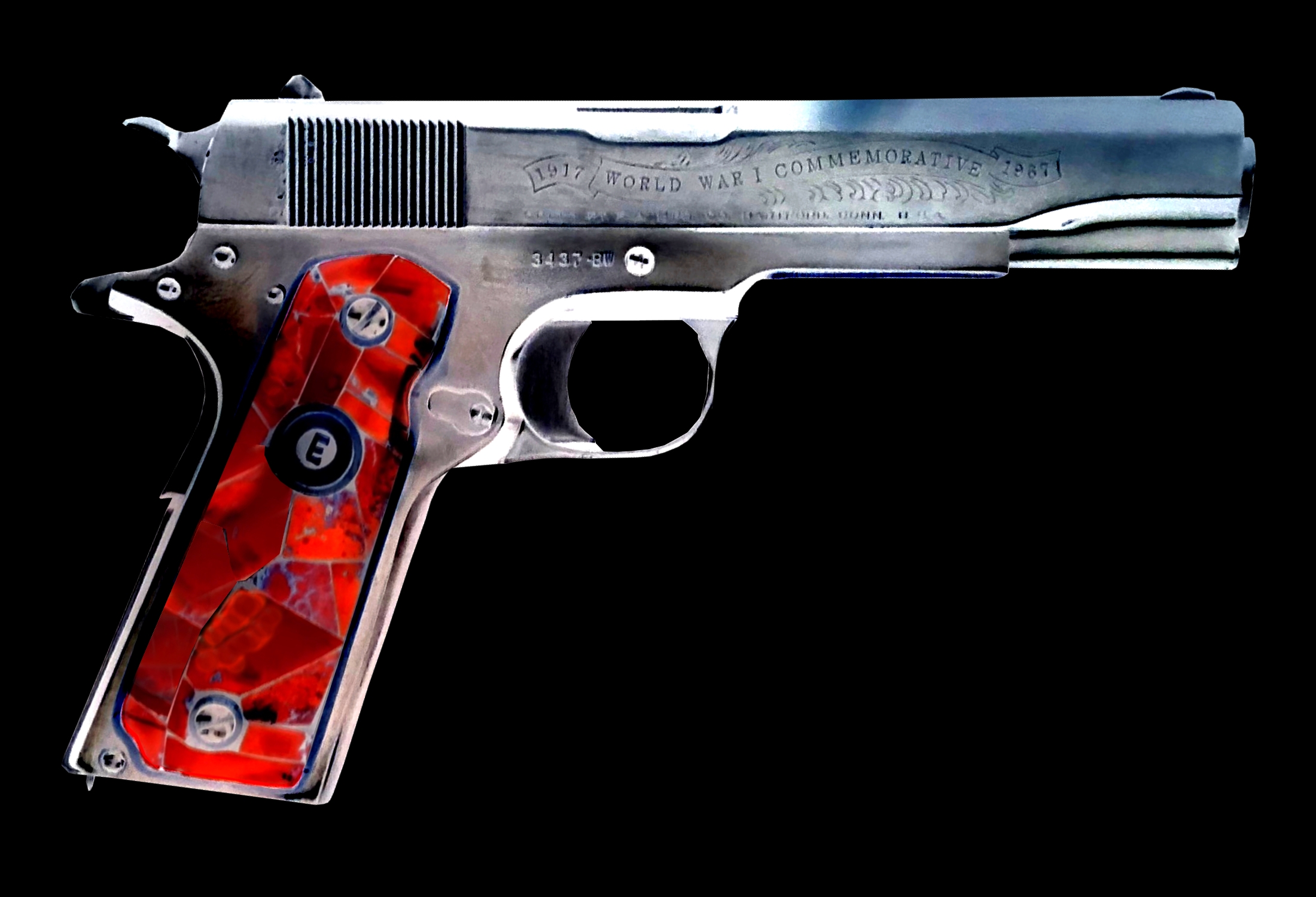
A classic example is the Colt 1911 platform, which uses a steel frame that helps stabilize recoil.
Polymer pistols remain effective defensive tools, but their lighter frames sometimes allow more movement.
Precision Manufacturing
Metal frames allow manufacturers to machine parts with very tight tolerances.
These precise tolerances can contribute to consistent accuracy when the pistol is properly maintained.
Competition-oriented pistols often rely on steel frames because they support detailed machining.
Hand fitting between the slide and frame can further refine accuracy.
The Tanfoglio Witness series illustrates how metal construction supports precision-focused pistol design.
Polymer frames are produced through molding processes rather than machining.
This approach is efficient and durable, but sometimes limits how tightly parts can be fitted.
Classic Ergonomics
Many famous metal-framed pistols were designed during periods when engineers focused heavily on grip ergonomics.
Those designs often resulted in handguns that feel naturally comfortable in a wide range of hands.
Smooth contours and thoughtful angles help guide the shooter’s grip into a consistent position.
This consistency can improve both comfort and shooting accuracy.
The elegant SIG Sauer P210 is often praised for its refined ergonomics and balanced design.
Shooters frequently mention how naturally it fits the hand during aiming.
Modern polymer pistols offer interchangeable backstraps and adjustable features.
Long-Term Maintenance and Wear
Metal-framed pistols often develop wear patterns that experienced shooters find predictable and manageable.
However, the underlying structure of the frame usually remains strong and stable.
Some shooters even appreciate the character that develops as the firearm ages.
Metal components can also be refinished or repaired by skilled gunsmiths when necessary.
A well-maintained Browning Hi‑Power, for example, can remain functional for decades.
Polymer frames are extremely resistant to corrosion and environmental damage.
Still, certain types of structural repair can be more difficult with molded materials.
Tradition and Shooting Heritage
Beyond technical factors, metal-framed pistols carry a strong connection to shooting history.
Many of the most influential handgun designs were built with steel or aluminum frames.
Generations of military personnel, law enforcement officers, and competitive shooters have been trained with these firearms.
That heritage continues to shape how experienced shooters view them today.
Classic platforms like the Colt 1911 have influenced handgun design for more than a century.
Owning or using such pistols connects shooters to that long tradition.
Modern polymer pistols represent important advancements in materials and manufacturing.