Clear mountain streams often appear pristine, flowing through remote landscapes far from cities or industry. Many outdoor travelers assume such water is naturally safe, shaped only by snowmelt and stone. In reality, untreated stream water can carry invisible hazards capable of causing severe illness. Wildlife activity, upstream human presence, and natural microbial ecosystems all contribute to contamination risks. Public health agencies consistently warn that appearance alone cannot determine safety. Understanding why untreated stream water can be dangerous highlights the importance of a single critical precaution that separates safe hydration from serious medical emergencies in wilderness environments across the world.
Invisible Microorganisms Lurk in Clear Water
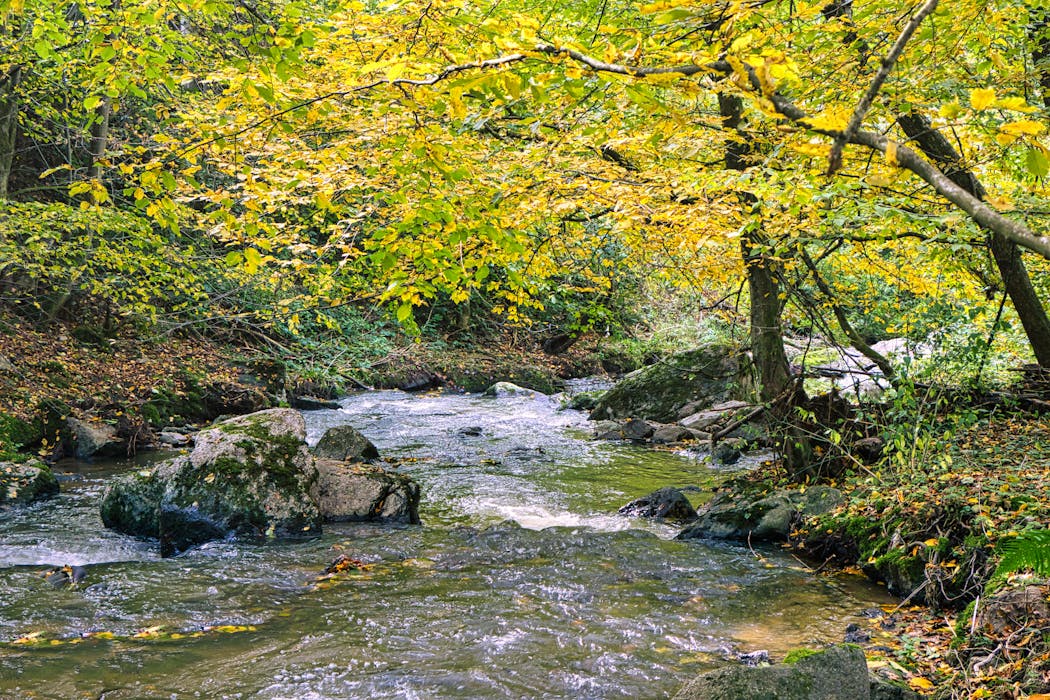
Mountain streams frequently contain microscopic pathogens despite their clarity. Bacteria such as Escherichia coli and parasites like Giardia and Cryptosporidium enter waterways through animal waste and soil runoff. These organisms survive cold temperatures and fast moving currents. According to health authorities, ingesting even small amounts can lead to severe gastrointestinal illness, dehydration, and long term complications. Visual inspection cannot detect microbial presence. The danger increases in popular hiking areas where human traffic concentrates contamination upstream. This reality explains why relying on taste, smell, or appearance offers no protection against waterborne disease in natural environments.
Wildlife Activity Increases Contamination Risk
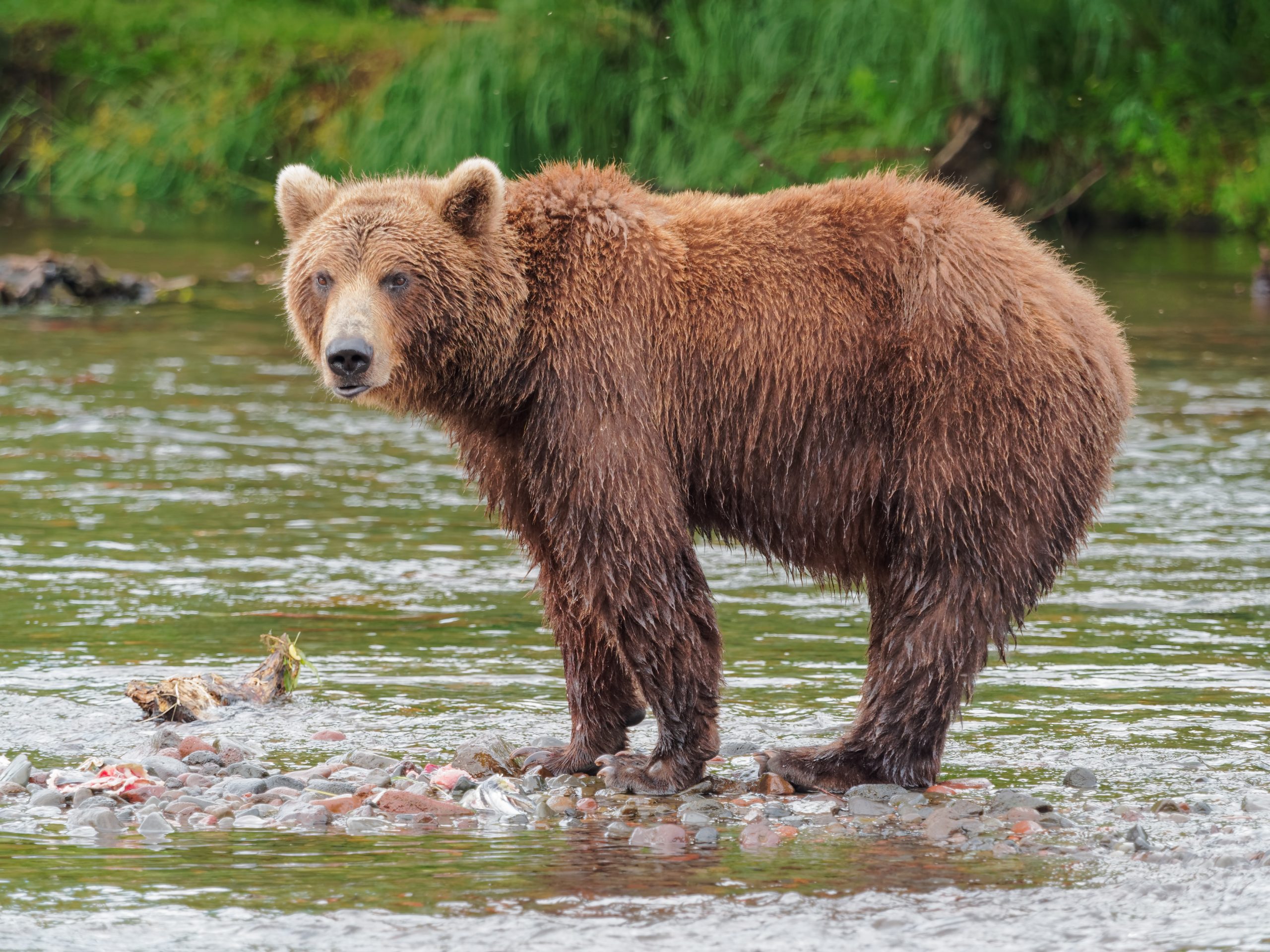
Wildlife regularly uses mountain streams as water sources, crossing points, and feeding areas. Animals defecate near or directly into streams, introducing pathogens into the flow. Large mammals like deer and elk, as well as smaller animals such as rodents, contribute to bacterial load. Seasonal migrations and rainfall can further spread contamination downstream. Studies show that even remote watersheds experience microbial presence due to animal activity alone. This natural process means isolation does not equal safety. Understanding wildlife behavior clarifies why untreated stream water poses health risks regardless of location or elevation.
Chemical Contaminants Are Not Always Obvious
Beyond biological hazards, mountain streams may carry chemical contaminants. Agricultural runoff, mining residue, or natural mineral deposits can introduce harmful substances. Heavy metals such as arsenic occur naturally in some geological formations. Snowmelt can carry pollutants deposited from distant atmospheric sources. These contaminants lack taste or odor but pose serious health risks over time. Environmental monitoring has documented contamination in seemingly untouched areas. Without proper treatment, drinking directly from streams exposes the body to compounds that cannot be detected without testing. This underscores why purification addresses more than just microbes.
Proper Water Treatment Is Essential
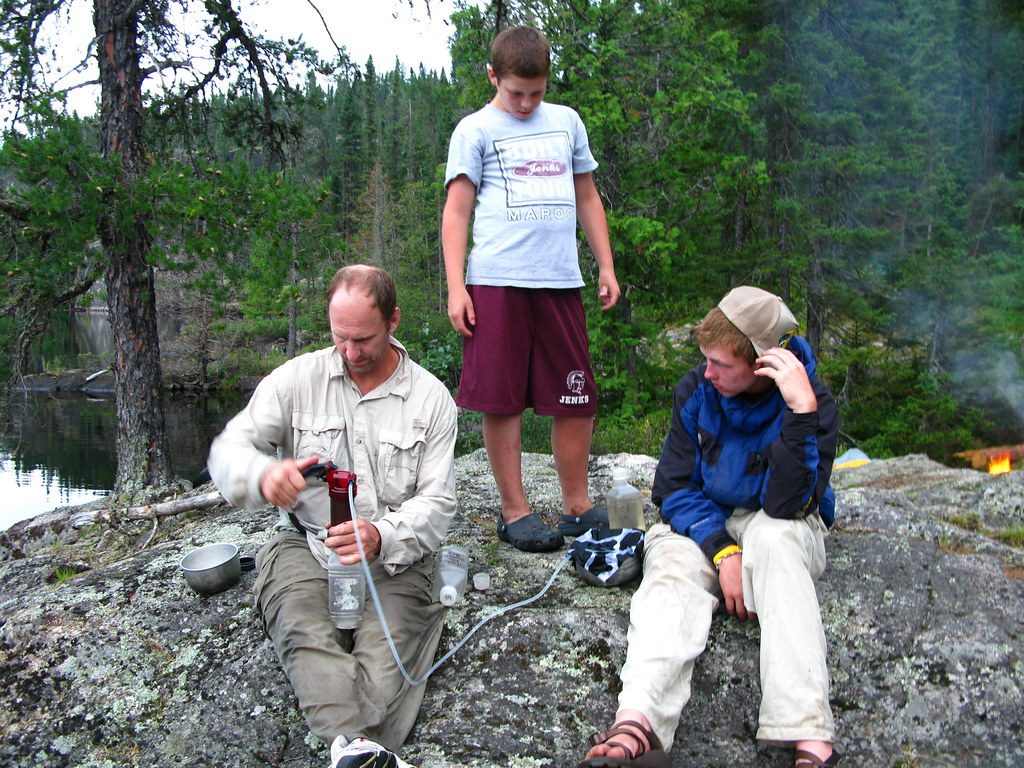
The single action that prevents illness is proper water treatment before drinking. Filtration removes parasites and bacteria, while boiling neutralizes microorganisms effectively. Chemical treatments provide additional protection when used correctly. Outdoor safety organizations emphasize combining methods when possible for maximum effectiveness. Treatment transforms unsafe water into a reliable resource. Skipping this step leaves health vulnerable to invisible threats. Responsible outdoor practices consistently prioritize purification regardless of stream appearance. This precaution protects against both biological and some chemical risks, making it the most critical step for safe hydration in wilderness settings.
Cold Water Can Mask Illness Symptoms
Cold mountain water can delay the onset of illness symptoms, creating a false sense of safety after drinking. Low temperatures may temporarily suppress nausea or stomach discomfort, allowing pathogens time to take effect hours or days later. Health experts note that many waterborne illnesses do not cause immediate reactions, especially in cool environments. This delay often leads hikers to misidentify the source of sickness. By the time symptoms appear, dehydration and weakness may already be present. Recognizing delayed response as a risk reinforces why treatment must occur before drinking, not after symptoms develop in wilderness conditions.