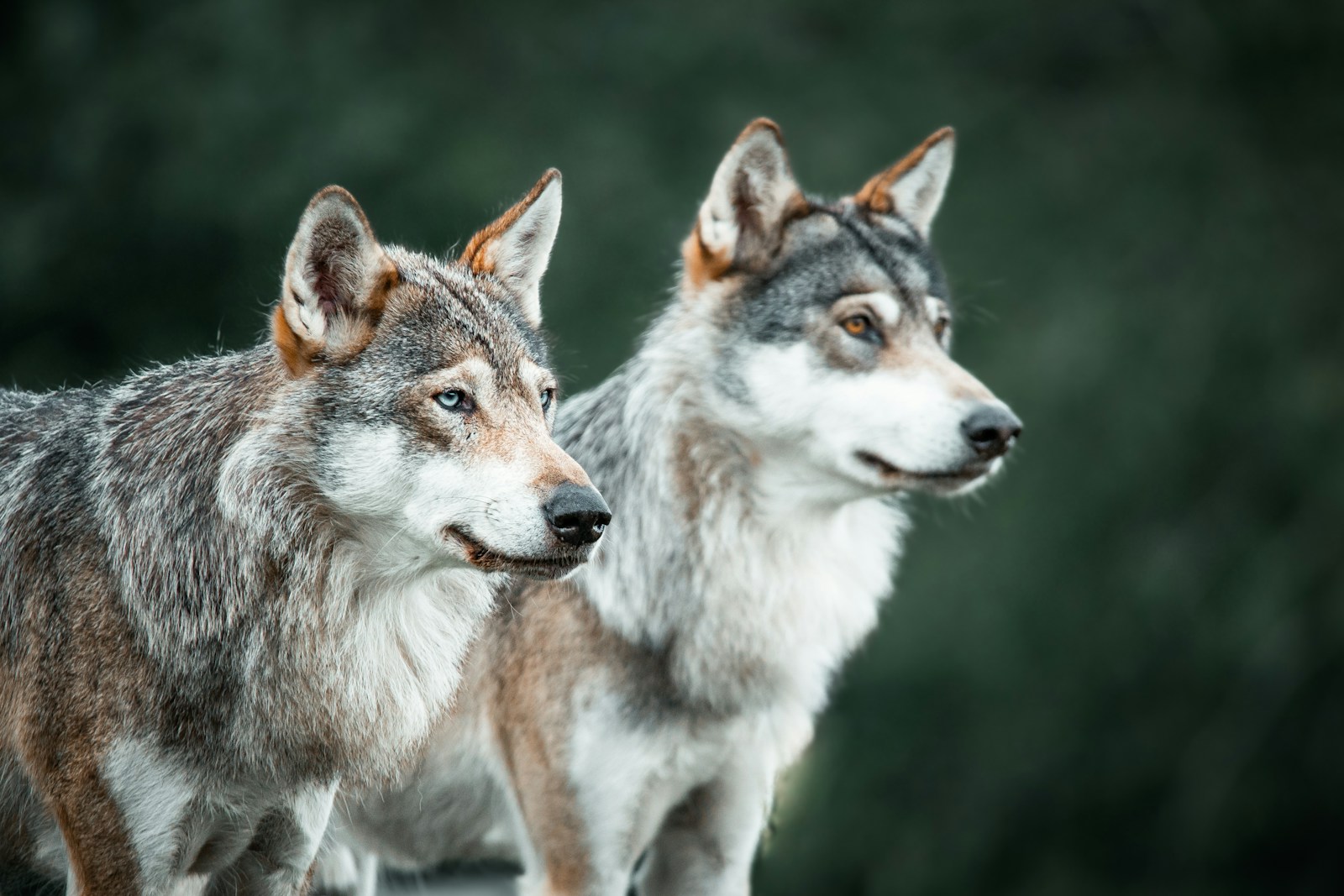
People often wonder why coyotes keep showing up in daylight since these wild animals are traditionally nocturnal. Seeing a coyote during the afternoon might spark immediate concern for residents. However, spotting these adaptable creatures while the sun shines happens frequently and rarely indicates danger or disease. Wildlife experts explain that changing environments and urban expansion force wildlife to alter their natural schedules. As neighborhoods expand into natural habitats, wild animals must adapt their routines to survive. Understanding their daytime behavior helps communities coexist peacefully with local wildlife while maintaining appropriate boundaries and ensuring neighborhood safety throughout the year.
Searching For Natural Food Sources
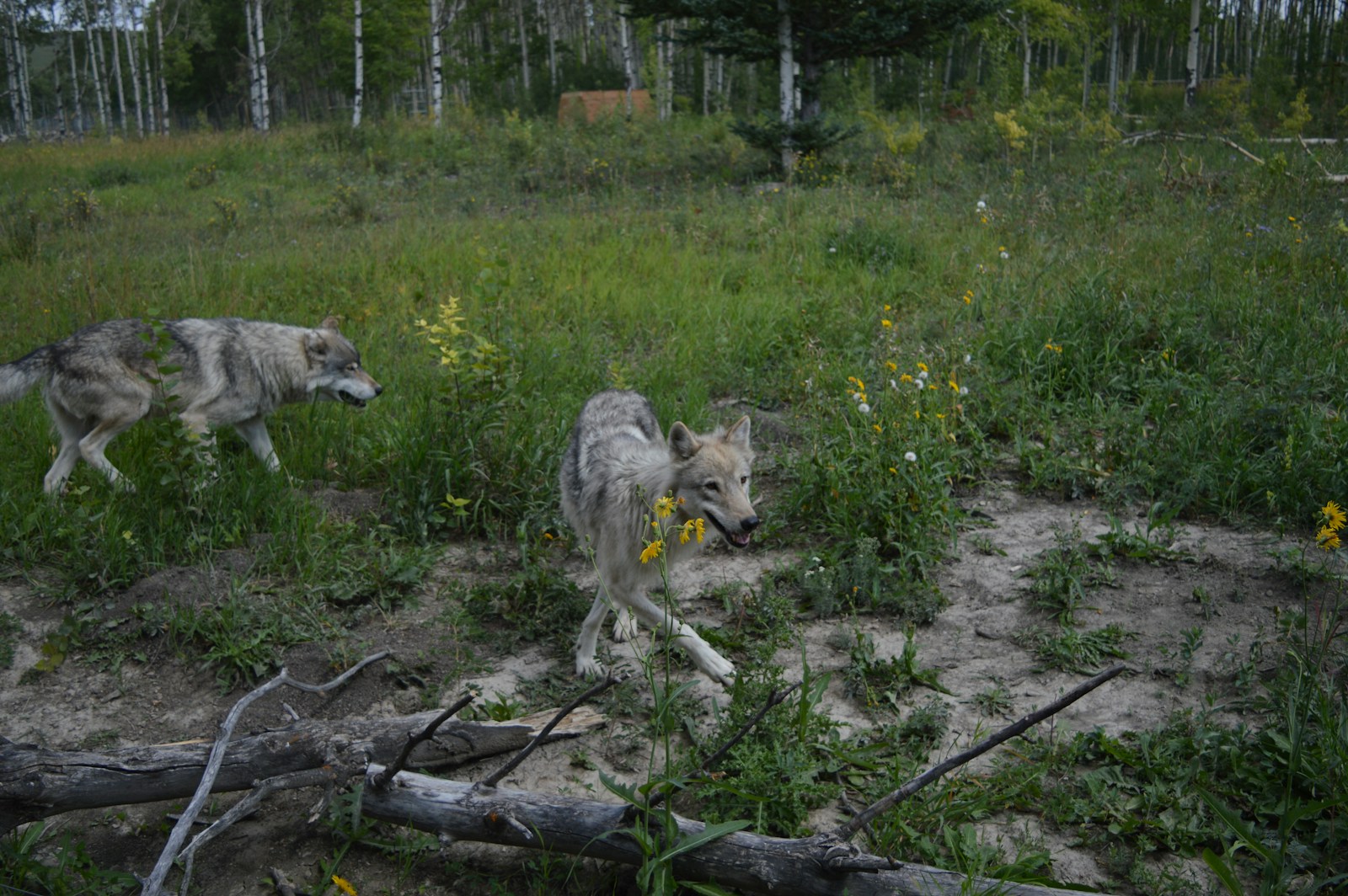
A primary driver for daytime sightings involves the constant search for adequate nutrition. Coyotes possess incredible hunting instincts and will travel extensively to find their next meal. When natural prey like mice or rabbits become scarce during harsh weather conditions, these predators must expand their foraging hours. Suburban areas frequently offer abundant food alternatives, such as fallen fruit or accessible pet food left outside. A coyote actively hunting at noon is simply taking advantage of available calories. Rather than acting aggressively, the animal is just trying to sustain itself during a difficult patch of environmental scarcity.
Raising Pups During The Spring
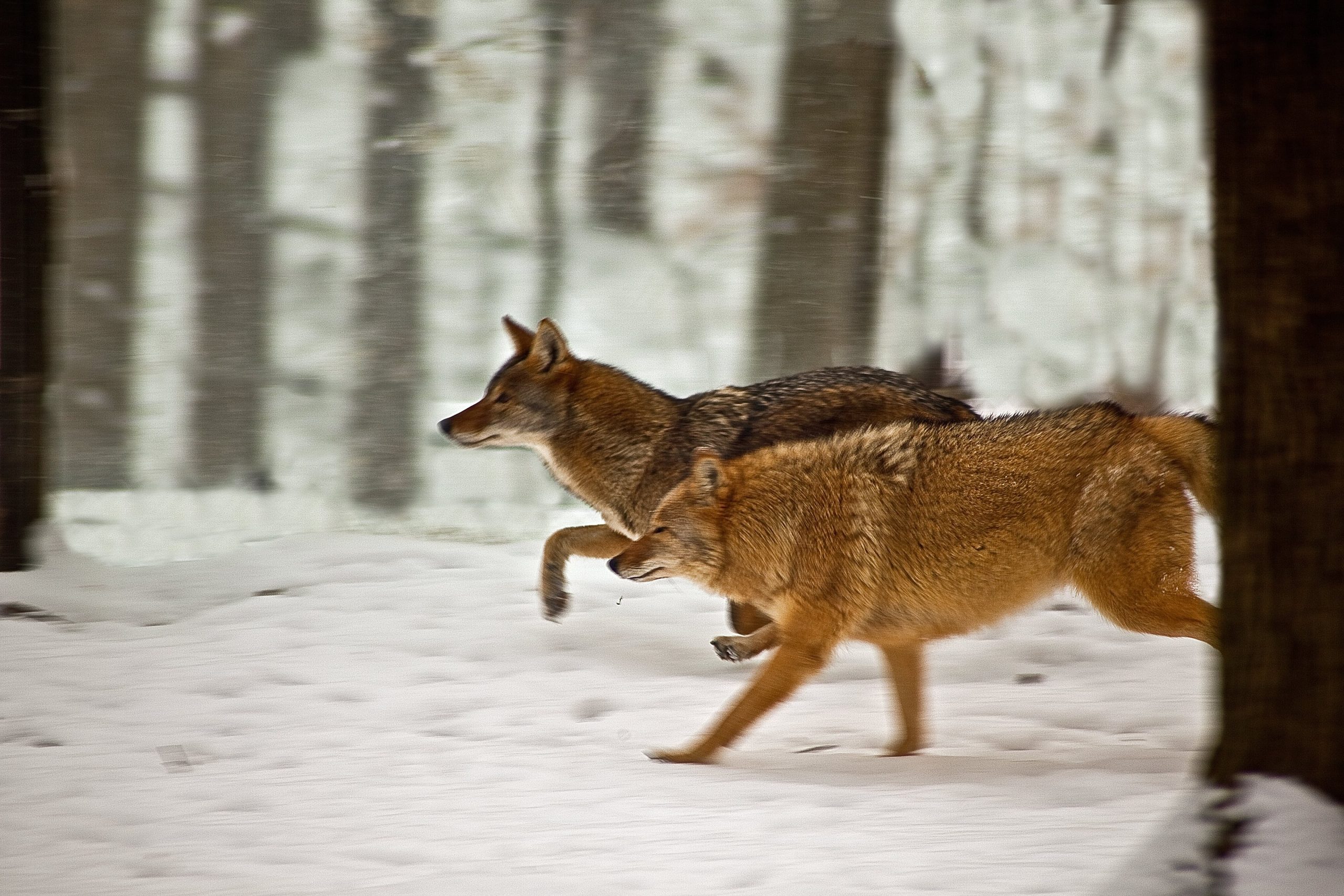
Springtime brings significant changes to wildlife routines due to the arrival of new offspring. Adult coyotes face immense pressure to provide enough sustenance for their growing litters between April and August. Caring for multiple hungry pups demands extra energy and requires parents to hunt around the clock. This biological necessity completely overrides their typical preference for nocturnal activity. Homeowners will likely spot exhausted coyote parents trotting through parks or cutting across lawns while trying to feed their young. These daylight excursions represent pure dedication to family survival rather than an increased threat to human residents in the area.
Becoming Habituated To Urban Environments
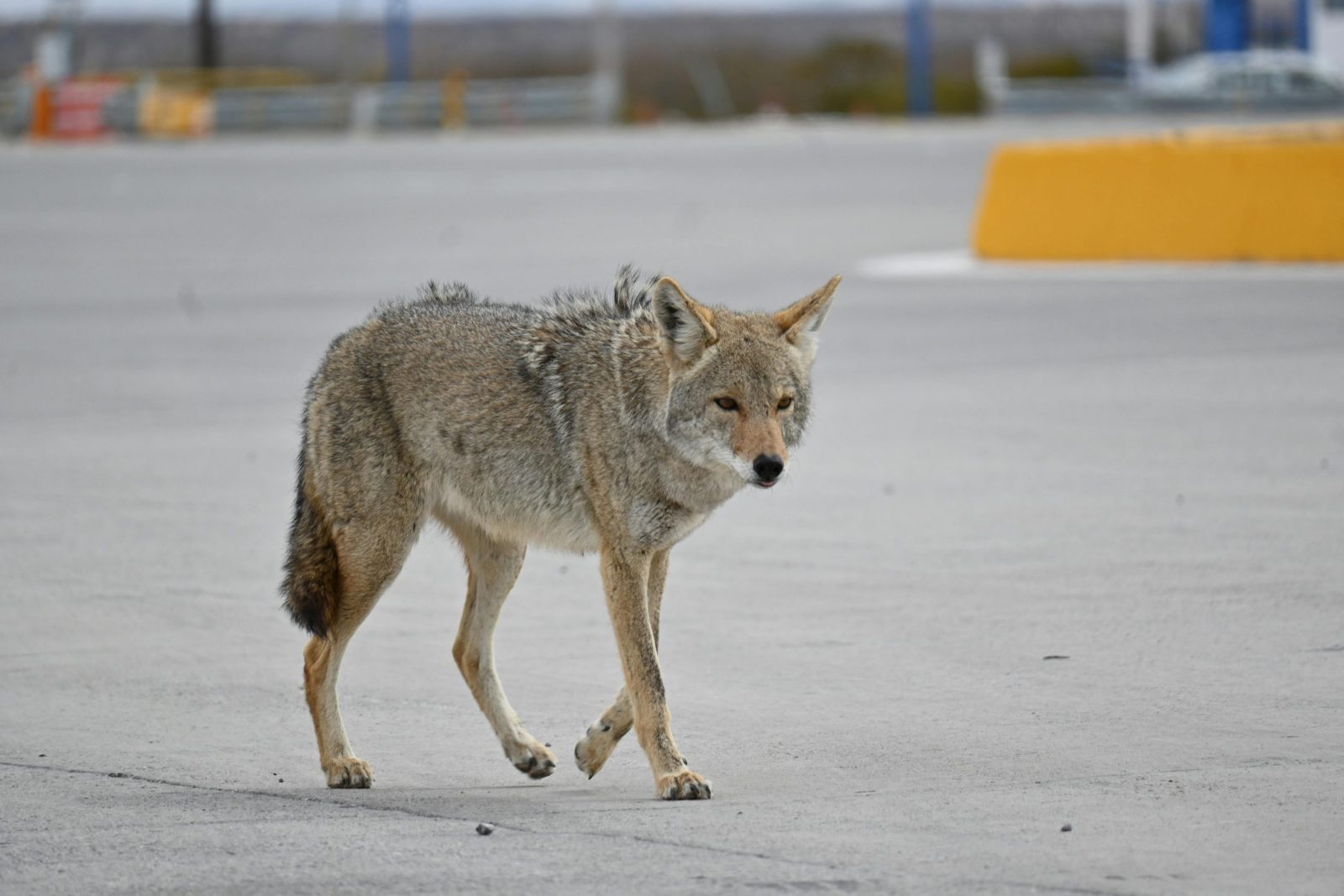
Continuous exposure to busy streets gradually decreases the natural fear these animals hold toward people. When coyotes regularly interact with urban environments without facing negative consequences, they become deeply habituated to human presence. A neighborhood environment feels incredibly safe to a predator that encounters no serious threats from residents. Daily routines shift dramatically once the animal realizes that crossing a sidewalk at midday carries zero risk. This learned boldness explains why a healthy coyote might confidently stroll past a driveway in plain sight. Communities prevent this behavior entirely by securing garbage bins and removing outdoor pet bowls.
Experiencing Loss Of Natural Habitat
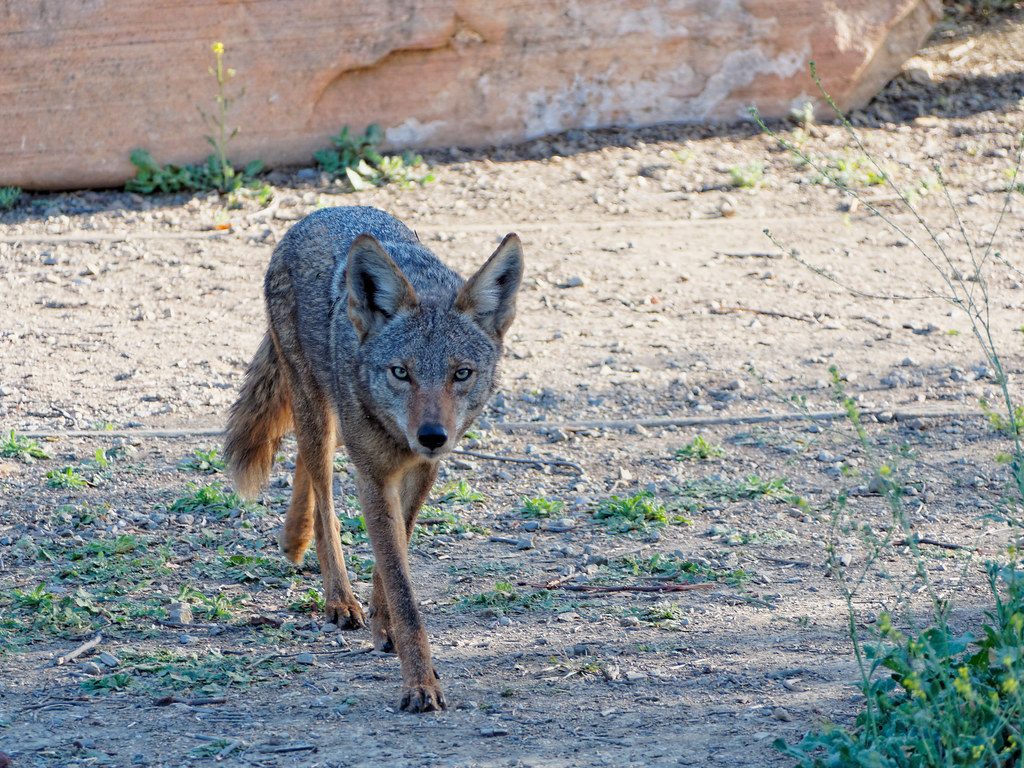
Rapid construction projects push wildlife out of their traditional territories and into developed subdivisions. As forests disappear behind bulldozers, displaced animals must immediately secure new shelter and territory to survive. A coyote wandering through a sunny subdivision is often simply a confused creature navigating a fundamentally altered landscape. They traverse unfamiliar concrete paths because their previous woodland homes no longer exist. This sudden displacement forces them to explore residential areas during unconventional hours while seeking safe refuge. Creating green spaces helps mitigate this crisis by providing natural corridors for displaced wildlife to travel safely away from bustling neighborhoods.
Dealing With Harsh Winter Temperatures
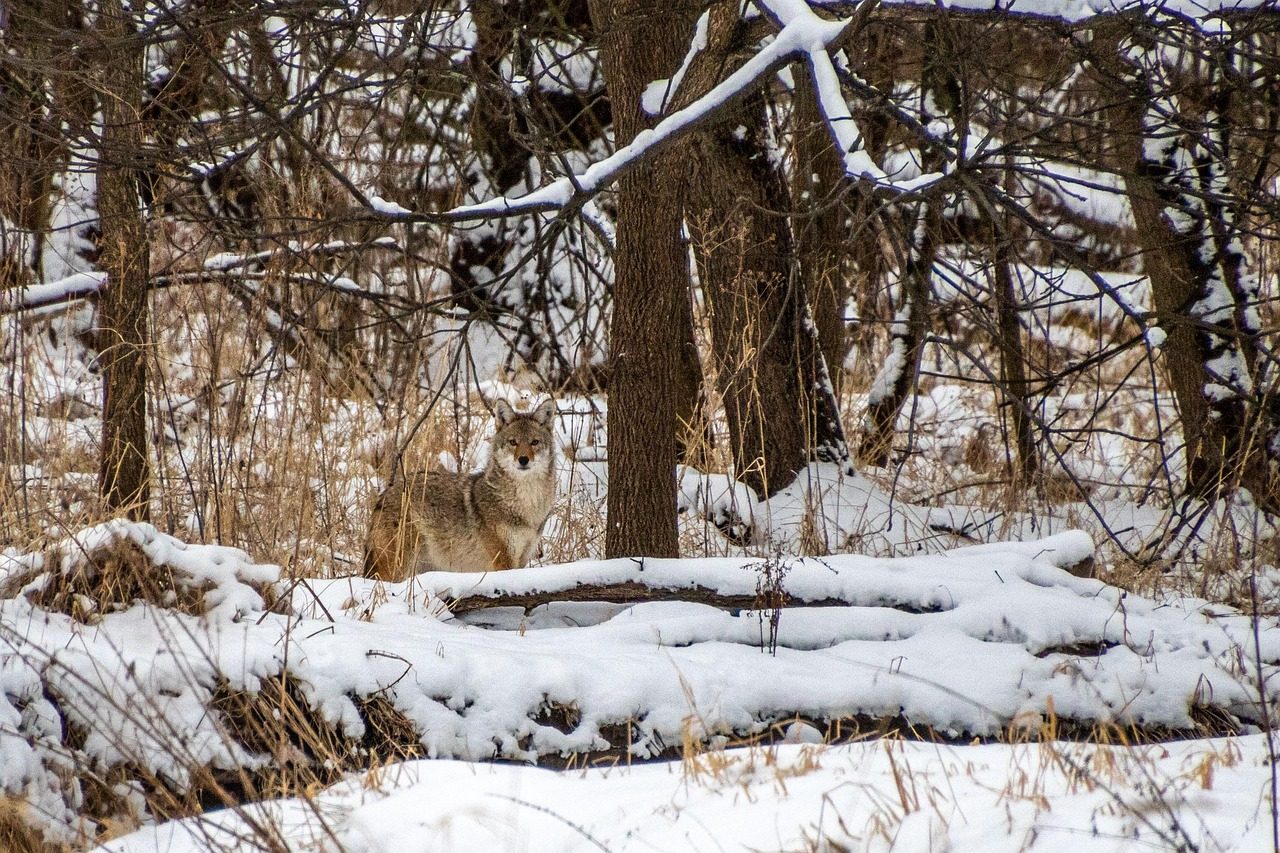
Freezing temperatures severely impact how local wildlife regulates internal body heat throughout the winter months. Coyotes often intentionally seek out open sunny patches during cold afternoons to warm themselves naturally. Resting under the bright sun allows these creatures to conserve precious energy that would otherwise go toward fighting off freezing winds. Homeowners might spot them sleeping quietly on golf courses or open fields where sunlight remains unobstructed by dense trees. This sensible thermoregulation strategy explains why sightings peak during bright winter afternoons. The animals are merely utilizing solar warmth to survive difficult seasonal weather challenges without expending unnecessary calories.