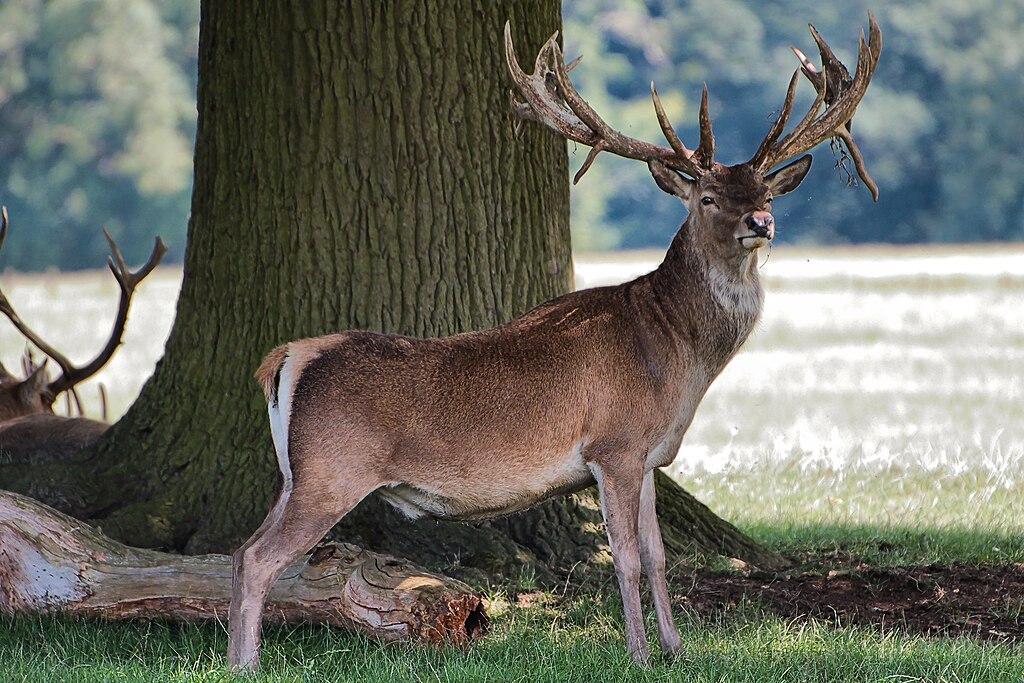
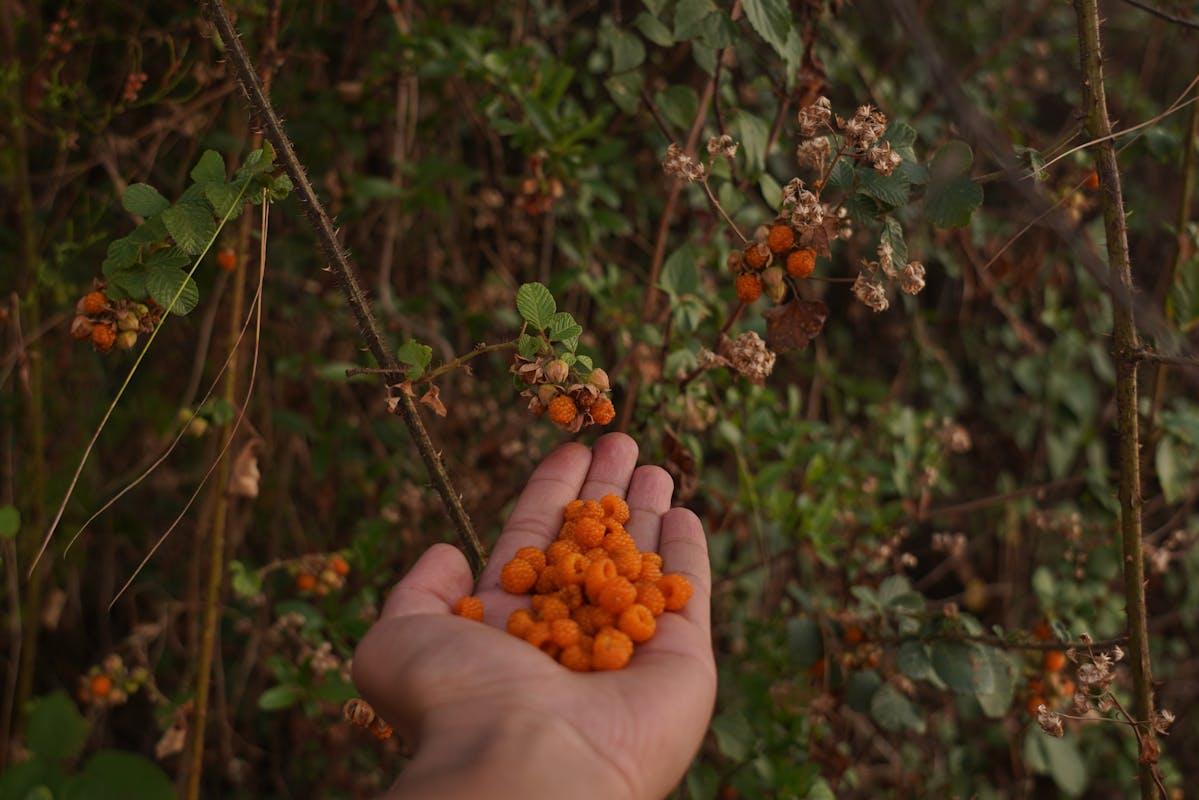
Spending time in nature often feels like solitude, but it’s far from lonely. The moment quiet surrounds you, the world begins to speak in softer tones. Wind rustles through leaves, birds call in distant trees, and water moves with a steady rhythm. This kind of quiet connection lets the mind rest while the senses wake up. In those moments, stillness becomes a companion, reminding you that being alone outdoors actually means being part of something greater.
Connection Beyond Silence
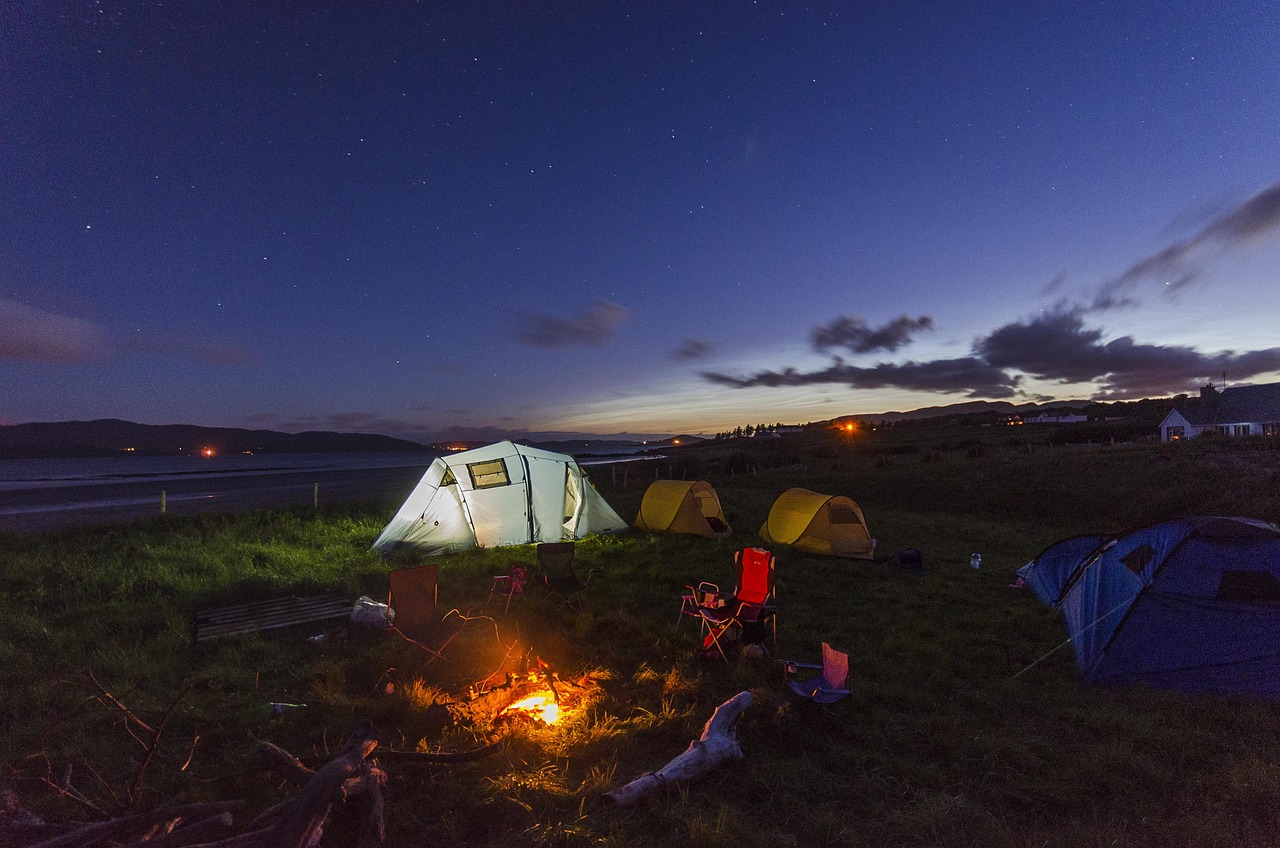
True solitude in nature carries a subtle awareness that everything is alive and interconnected. The air hums with energy, even when nothing moves. As thoughts slow down, it becomes easier to notice patterns such as the flow of clouds, the hum of insects, or the way light changes across a rock face. What first feels like isolation turns into presence. Each detail works together, creating an environment that welcomes observation rather than loneliness.
The Rhythm of the Wild
Every part of nature follows a rhythm that invites calm and focus. Waves break at a steady pace, leaves flutter in time with unseen breezes, and even distant animal sounds create a natural harmony. Immersing yourself in these cycles helps align the mind with the landscape. It is not about escaping life but returning to a more balanced pace. This rhythm teaches awareness without effort, grounding you in the flow of the world.
Mindful Observation in Motion
Time spent outdoors encourages movement that feels purposeful yet relaxed. Walking along a trail or sitting beside a stream becomes an act of mindfulness. Each step or sound draws attention away from distraction and back to the moment. Nature does not demand your thoughts; it invites them to settle. Even when no one is near, there is a sense of shared presence with everything breathing around you.
Relearning Stillness
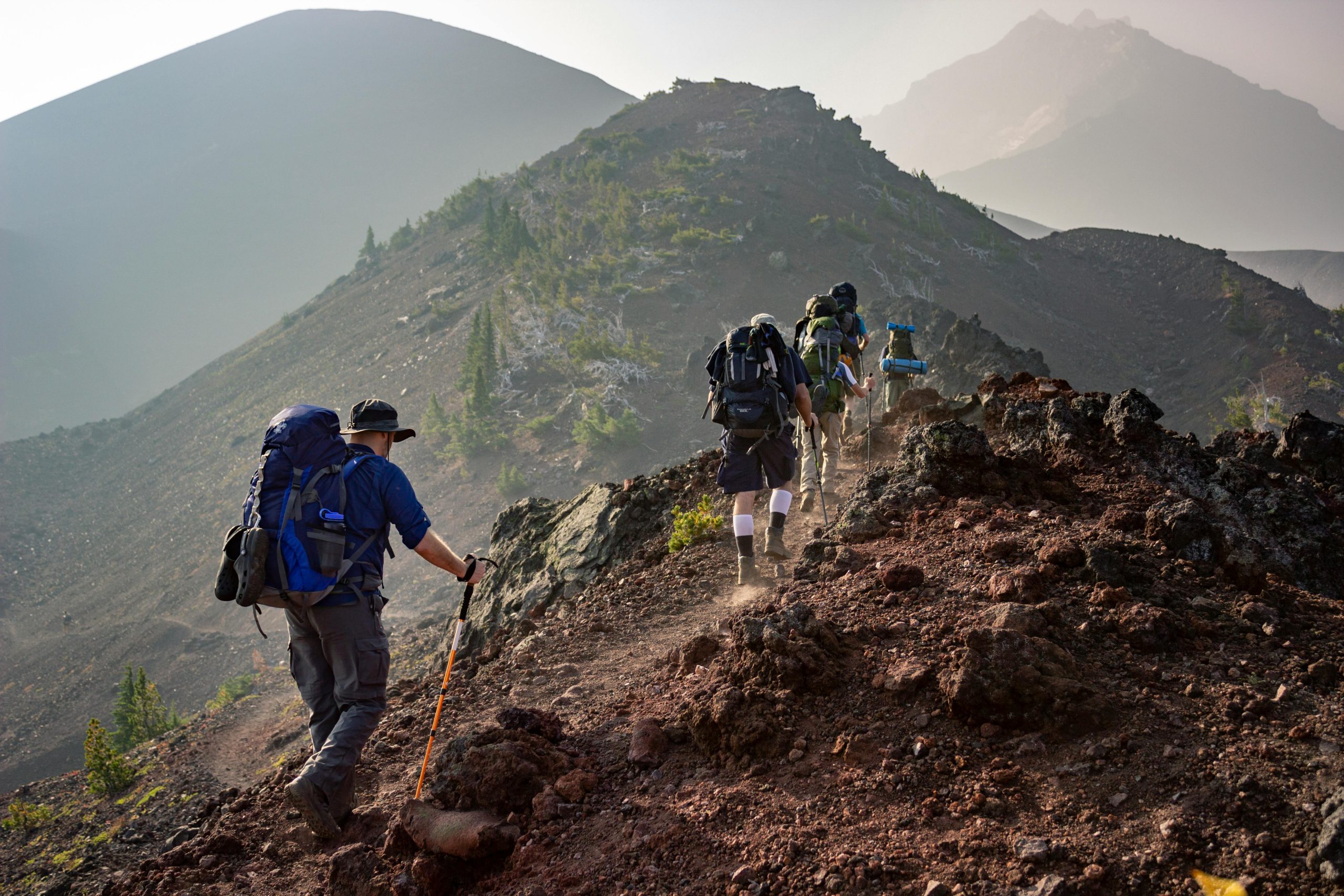
In modern life, stillness can feel unfamiliar. Yet in nature, stillness is not emptiness but awareness. Sitting quietly among trees or beside water, the mind begins to settle naturally. You notice textures, colors, and scents that often go unseen. The calm becomes full rather than empty. This space helps release the constant need for noise, making solitude feel comforting instead of distant.
The Company of Life
When you pause in nature, life continues quietly around you. Tiny creatures move through grass, birds swoop through the air, and unseen animals rustle nearby. This constant motion brings companionship without words. You share the space with living things that do not need acknowledgment but offer it naturally. Even in stillness, you realize that the world itself is keeping you company.
Rediscovering Your Place
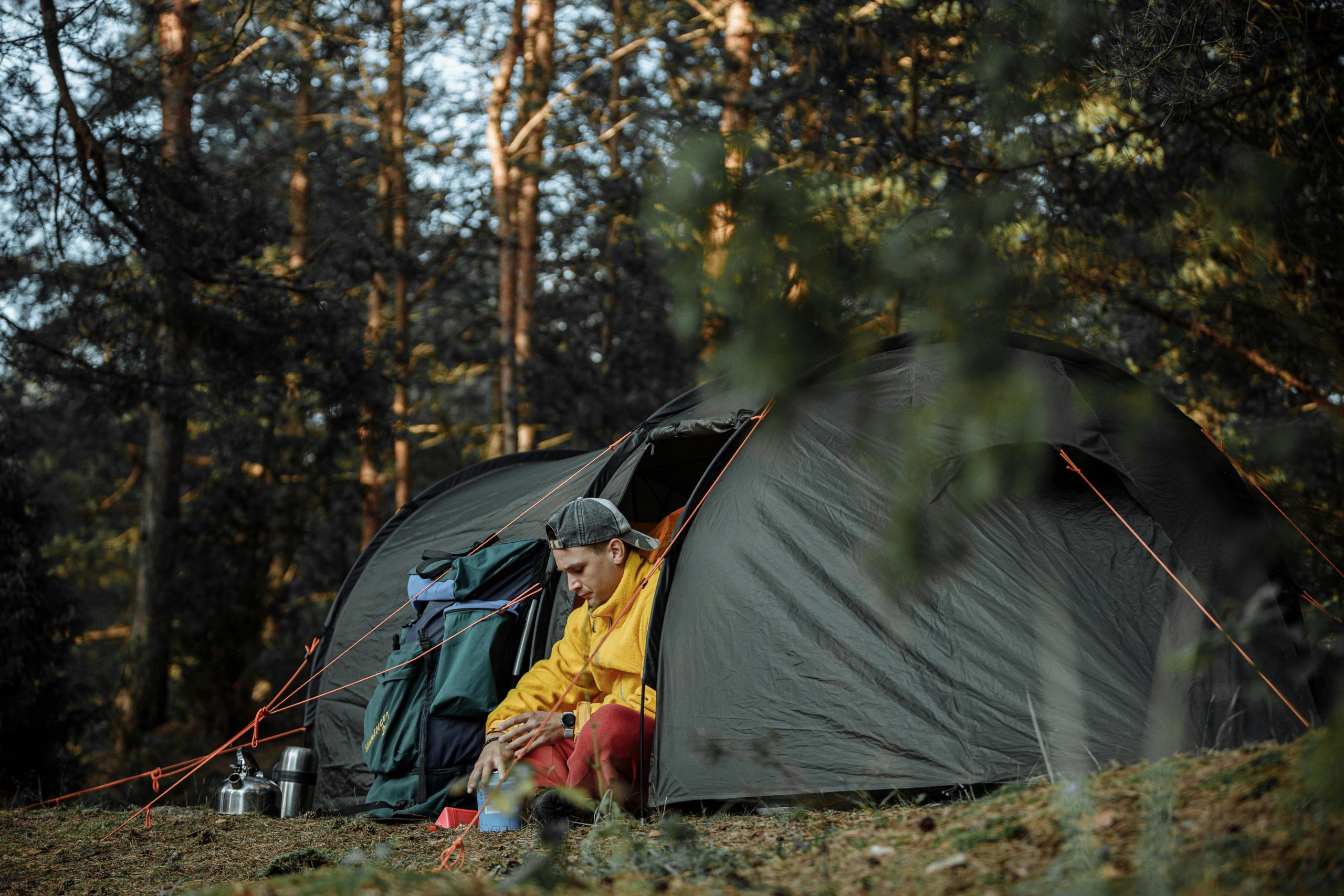
Spending time alone in the wild reminds you of scale and connection. Mountains, forests, and oceans each shift perspective, helping you see your place as part of a larger story. It is not about detachment but belonging. The feeling of aloneness fades when you recognize that everything around you shares the same light, air, and rhythm. In nature, being alone becomes a way to feel completely included in the world.