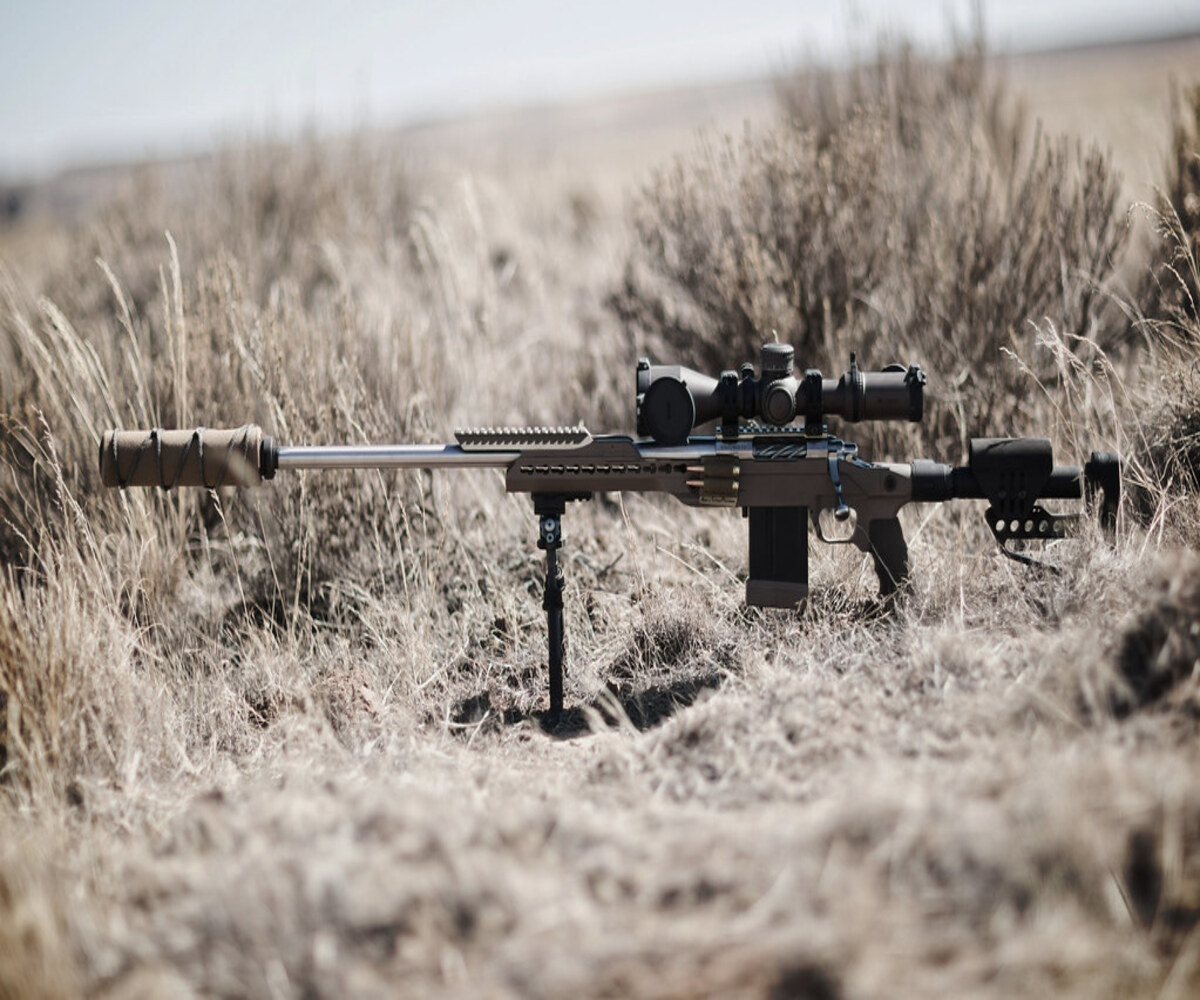
The 6.5 Creedmoor has a strong reputation for flat trajectories and dependable accuracy, but it behaves noticeably differently once hunters take it into high mountain terrain. Thin air, unpredictable thermals, and rapidly shifting temperatures all influence how the bullet flies, even when using familiar loads. Steep shooting angles also alter how gravity interacts with the projectile, requiring hunters to reconsider their standard point-of-aim adjustments. Moisture levels, barrel cooling rates, and wind density vary dramatically at elevation, creating a shooting environment that rewards preparation and punishes assumptions.
Thinner Air Reduces Drag
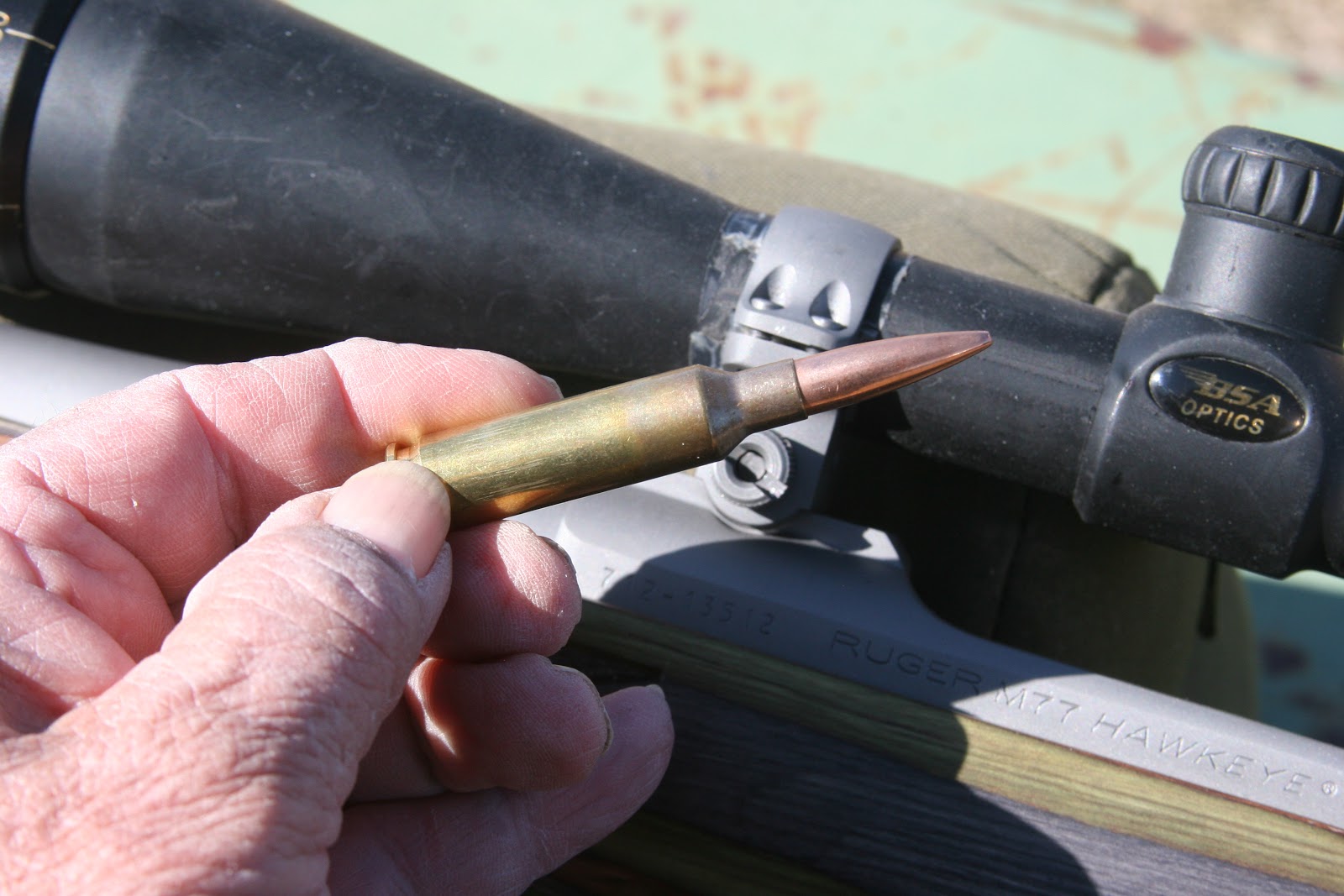
At higher elevations, the air becomes thinner, which reduces drag on the 6.5 Creedmoor and allows the bullet to maintain velocity longer than it would at lower altitudes. This change often surprises hunters who rely on sea-level data because the projectile may impact slightly higher at extended ranges. The reduced air resistance also affects stability, especially with lighter bullets that depend on atmospheric pressure to maintain spin efficiency. While many shooters enjoy the boost in retained energy, it requires updated dope charts and practiced confidence to take advantage of the Creedmoor’s improved performance safely and consistently.
Steep Angles Change Gravity’s Effect
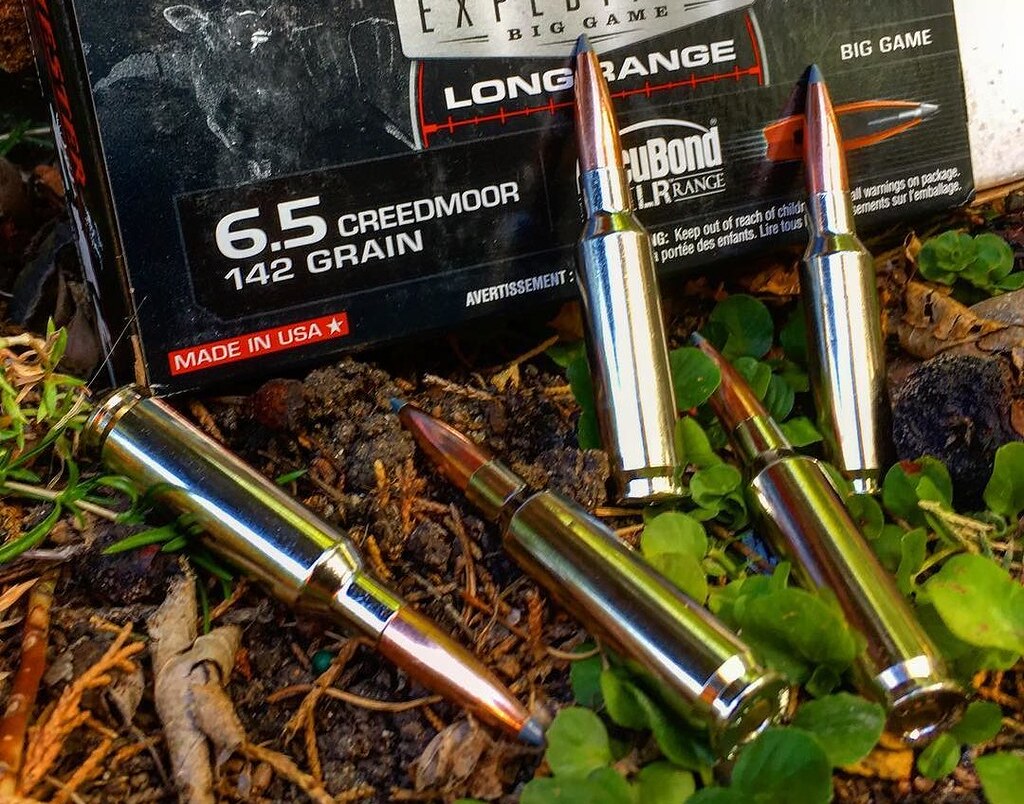
Mountain shooting rarely happens on level ground, and these steep uphill or downhill angles alter how gravity influences bullet drop. The 6.5 Creedmoor often hits higher than expected because the effective horizontal distance becomes shorter even when the line-of-sight distance remains the same. Many hunters overlook this and miss by shooting over their targets when angles become extreme. Specialized angle-compensating rangefinders help, but even with good gear, proper form and careful calculation are necessary. The Creedmoor’s flat reputation doesn’t eliminate angle math, and ignoring those adjustments can quickly lead to frustrating near misses.
Colder Temperatures Slow Powder Burn
Mountain climates frequently bring colder temperatures, especially at dawn and dusk, and this reduction in heat can slow the powder burn inside a 6.5 Creedmoor cartridge. When powder burns less efficiently, muzzle velocity drops, leading to altered ballistic paths at moderate and long distances. Hunters who zero their rifles in warm lowland conditions often notice unexpected point-of-impact shifts once they climb to colder elevations. This isn’t a flaw in the cartridge but a natural reaction to temperature-sensitive powders. Consistent performance requires chronographs, cold-weather testing, and a deep understanding of how specific loads behave in extreme conditions.
Barrel Cooling Happens Faster
High mountain air is not only thinner but usually cooler and drier, allowing rifle barrels to shed heat faster after each shot. For the 6.5 Creedmoor, which already runs relatively cool compared to magnum rounds, this rapid temperature shift can slightly change barrel harmonics. While the effect is subtle, long-range shooters may notice minor variations in grouping patterns if they don’t allow consistent cooling time between shots. Rapid transitions from hot to cold can also tighten tolerances in the action and stock. Predictable accuracy requires a steady shooting rhythm that respects how mountain air affects metal.
Wind Behaves Less Predictably

Mountain wind rarely flows in straight, predictable patterns. Instead, it swirls, curls, and shifts as it climbs along ridges and drops through valleys. The 6.5 Creedmoor’s high-BC bullets resist wind better than many calibers, but inconsistent gusts still pose a serious challenge. Shots that seemed steady a moment earlier can drift several inches off target when a sudden crosswind appears out of nowhere. Learning to read terrain features, watching vegetation, and paying attention to how wind funnels through saddles becomes essential. Even experienced shooters must remain patient, choose smarter shooting angles, and resist taking rushed wind-calling guesses.
Longer Sight Lines Expose Small Errors
Mountain shooting often involves longer distances simply because the terrain opens up, giving hunters clear views across valleys and ridgelines. While the 6.5 Creedmoor excels at these ranges, small form errors like canting the rifle or misreading distance get magnified in high-elevation environments. Even slight variations in breathing control or trigger pressure can shift the point of impact by several inches at extended ranges. The Creedmoor is accurate, but accuracy demands consistency from the shooter. Practicing steady rifle handling in uphill and downhill positions prepares hunters for the realistic, imperfect stances they’ll encounter in mountain terrain.
Variable Sunlight Affects Mirage
Mountain light changes constantly as the sun moves behind peaks, creating shifting mirage patterns that distort sight pictures. Mirage is essentially heated air bending light, and it becomes even more pronounced in thin, dry mountain conditions. For 6.5 Creedmoor shooters, this means the perceived target location may drift slightly when mirage waves shift, especially at midday. Reading mirage correctly helps estimate wind, but misreading it leads to bad holds and frustrating misses. Adjusting magnification, choosing shaded firing positions, and recognizing mirage “flow” patterns give hunters a better chance at landing accurate shots in unpredictable lighting.
Moisture Levels Influence Powder and Optics
Mountain humidity levels swing fast, and these changes affect both ammunition and optics in small but meaningful ways. Dry air can make lubricants thicken or evaporate faster, while sudden moisture can fog lenses and introduce minor pressure changes inside scopes. Some powders used in 6.5 Creedmoor loads react noticeably to humidity shifts, altering velocity and consistency. Hunters who move between humid valleys and dry ridgelines may see unexplained point-of-impact changes unless they account for these environmental transitions. Protecting ammo from condensation and keeping optics properly sealed helps maintain consistent performance during multi-day backcountry hunts.
Shooter Fatigue and Oxygen Levels
High-elevation hunting demands physical effort, and reduced oxygen levels often leave shooters more fatigued than they anticipate. This fatigue affects steadiness, breathing patterns, and recovery between shots. The 6.5 Creedmoor performs consistently, but the shooter may not. Elevated heart rates make sight pictures bounce, and rushed breathing can pull shots off target even at moderate distances. The cartridge’s mild recoil helps, but that advantage disappears when exhaustion undermines fundamentals. Practicing slow, controlled breathing and taking extra time to settle into a shooting position improves accuracy dramatically in thin, demanding mountain air.
Gear Performs Differently at Altitude
Everything from bipods to suppressors behaves differently in mountain conditions, and each variation influences how the 6.5 Creedmoor sends rounds downrange. Lubricants thicken in the cold, lightweight tripods shift on loose shale, and backpack straps interfere with prone shots more often on uneven terrain. Even scope turrets may feel stiffer or looser depending on temperature swings. These small gear quirks add up and affect shot execution, especially during long-range opportunities where precision matters. Testing equipment at elevation, adjusting setups for stability, and practicing from awkward positions prepare hunters for the unpredictable nature of mountain shooting.