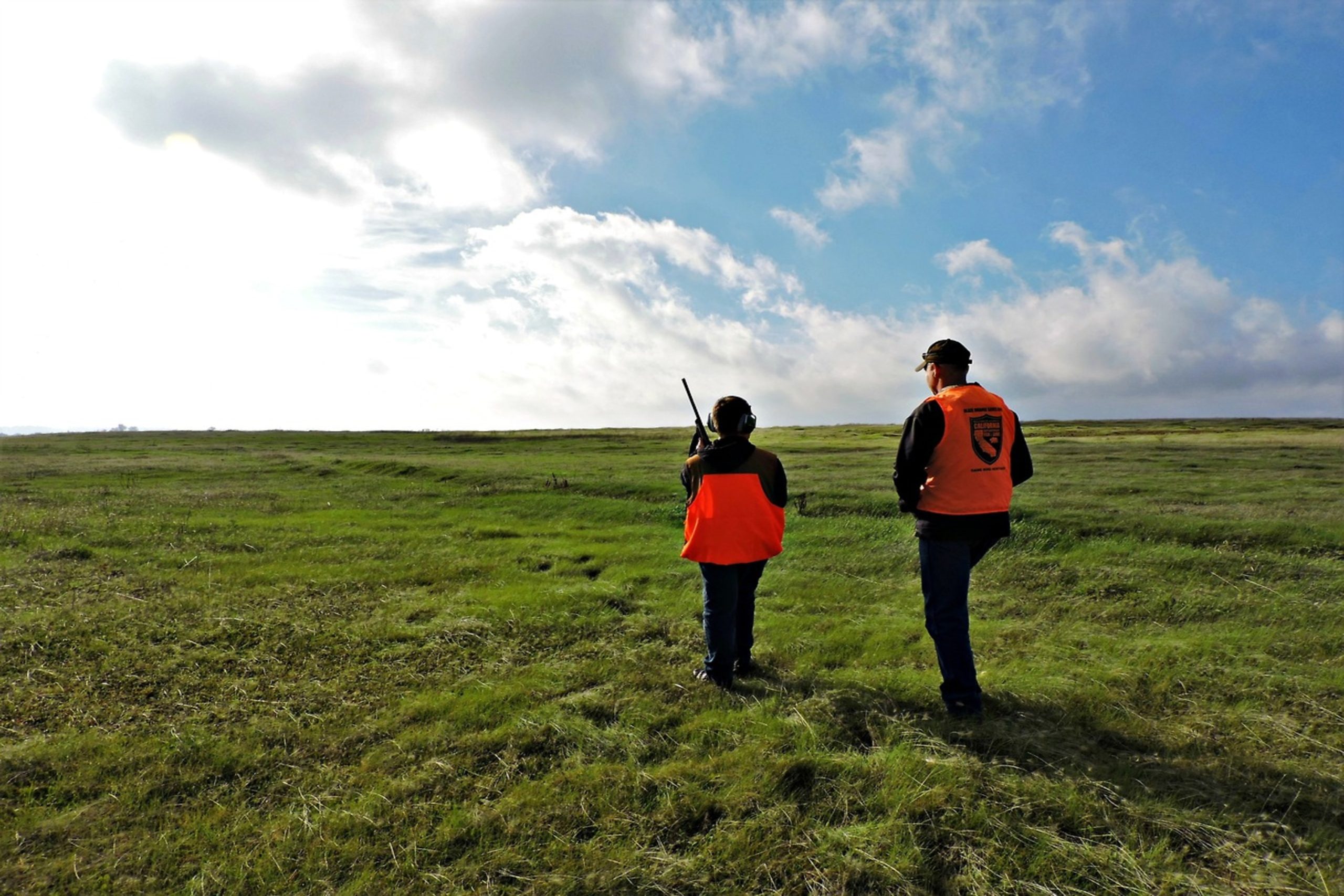
Discovering where to hunt if you are tired of seeing nothing but squirrels involves exploring diverse American landscapes that support large populations of impressive big game species today. Many hunters experience frustration when their local woodlots offer limited opportunities beyond small rodents and common garden birds during the long season. Transitioning to different regions with vast public lands and varied habitats can drastically improve the chances of spotting deer and elk or even black bears in the wild. This guide highlights five premier destinations that provide ample space and high success rates for those seeking a more rewarding outdoor experience.
The Missouri River Breaks Montana
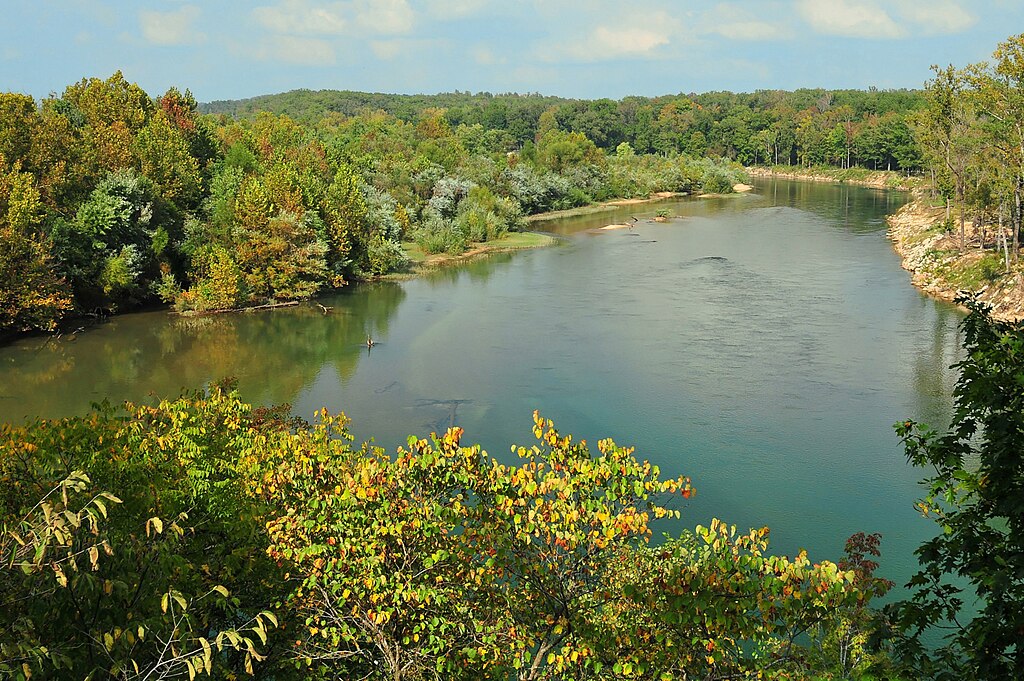
The Missouri River Breaks in Montana provide a rugged and expansive landscape that is perfect for those seeking mule deer and massive elk herds. This unique region features deep coulees and steep sandstone bluffs that offer excellent natural cover for large animals to hide and thrive. Hunters often spend days glassing the vast horizons to spot movement against the sagebrush and dry grass of the high plains. The abundance of public land ensures that every person has enough room to explore without feeling crowded by other travelers in the area. It is a true hunter paradise for many.
The Gila National Forest New Mexico

The Gila National Forest in New Mexico stands as a legendary destination for anyone dreaming of encountering world class elk in their natural mountain habitat. This massive wilderness area covers millions of acres and provides a diverse range of elevations and vegetation types for wildlife to utilize. Successful hunters often focus on the remote canyons and high ridges where the animals feel safe from human disturbance throughout the day. The sheer scale of the forest allows for a truly immersive experience that goes far beyond the typical small woods hunting found in more populated eastern states across the country.
The Adirondack Mountains New York
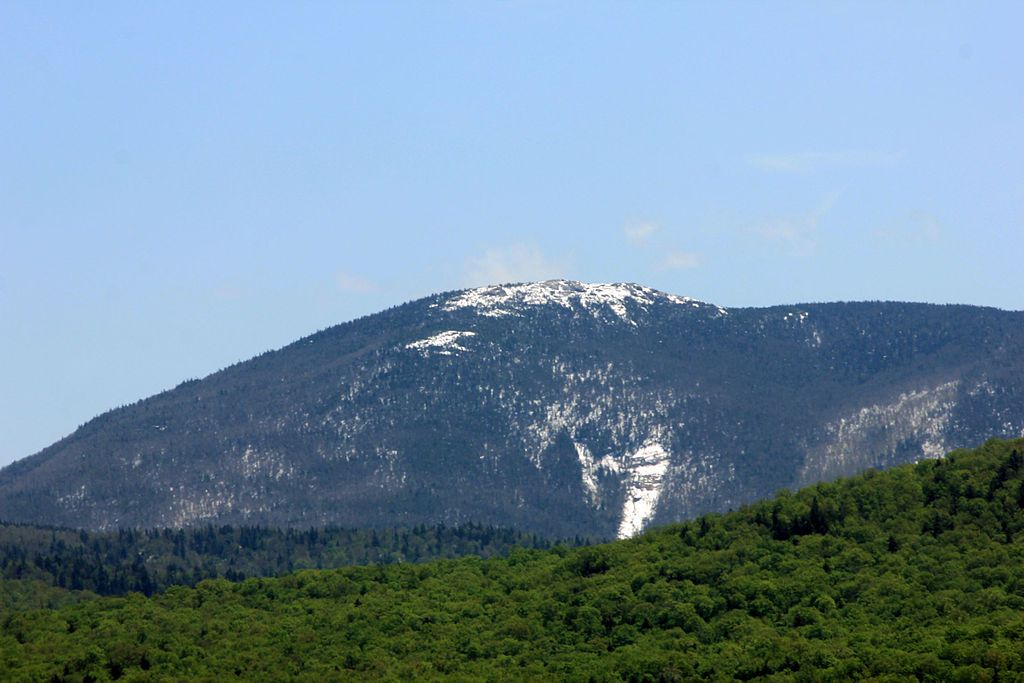
The Adirondack Mountains in New York offer a challenging and rewarding environment for those who enjoy tracking big white-tailed deer through dense northern forests. This region consists of millions of acres of public land where animals can grow to impressive sizes due to the lack of constant human pressure. Hunters must utilize their best woodsmanship skills to navigate the thick brush and steep terrain while searching for fresh sign and tracks. The solitude found within these deep woods provides a stark contrast to the busy suburbs where squirrels are often the only visible wildlife for many observers today.
The Black Hills South Dakota
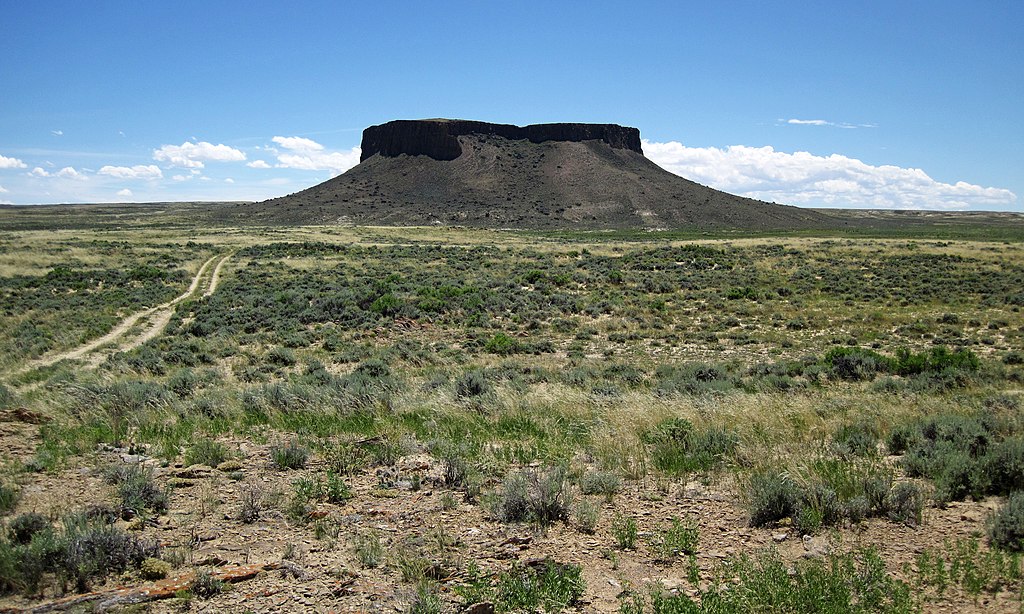
The Black Hills of South Dakota represent a unique island of forest within the Great Plains that supports healthy populations of elk and deer. This stunning landscape features a mix of ponderosa pine forests and open meadows that provide ideal feeding and bedding areas for large game. Hunters appreciate the excellent accessibility and the high volume of public land available for various seasonal activities throughout the year. The rolling hills and rocky outcrops make for exciting stalks and provide plenty of opportunities to see animals moving during the early morning hours. It is a fantastic spot for everyone.
The Brooks Range Alaska
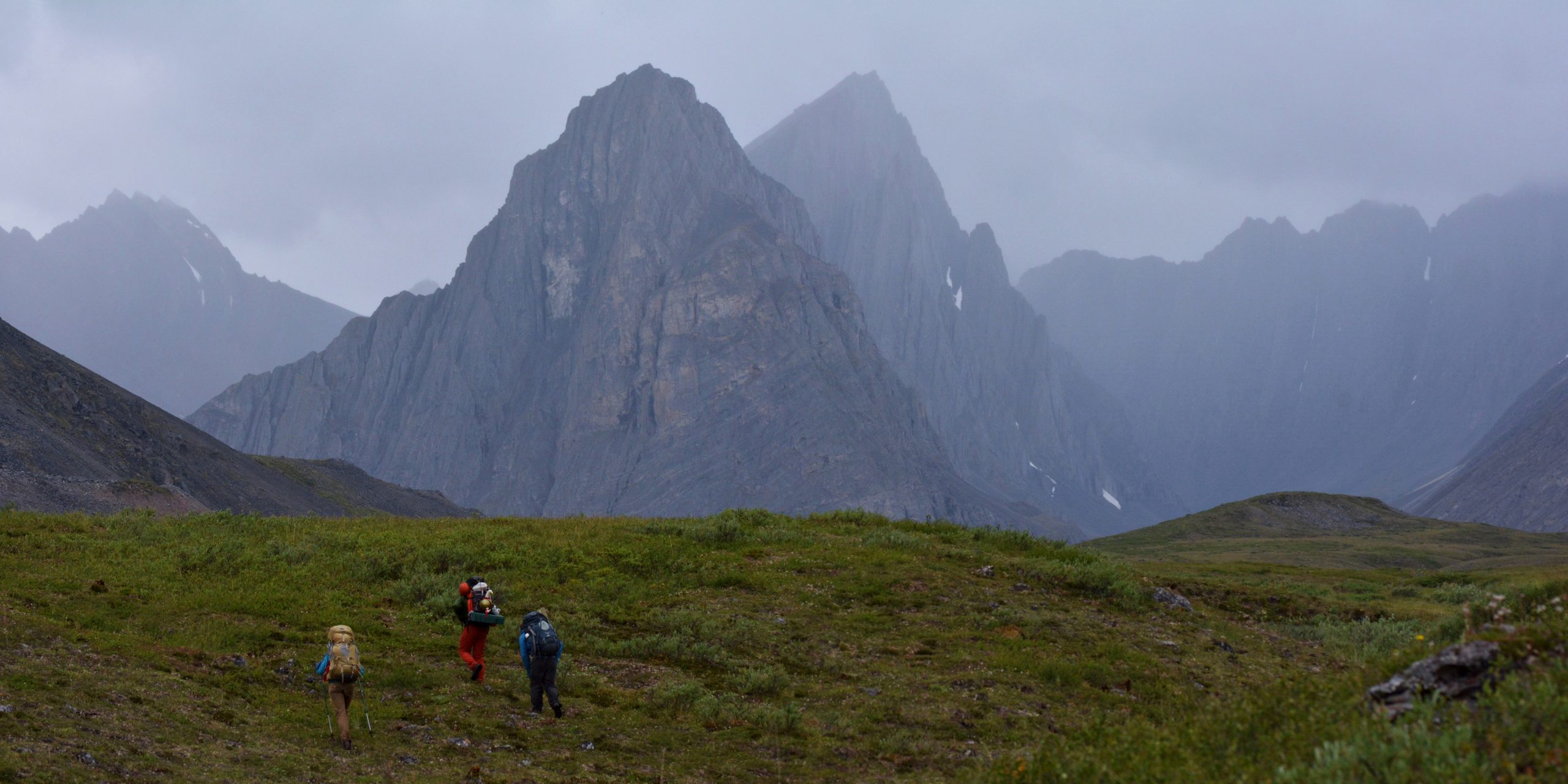
The Brooks Range in Alaska offers the ultimate adventure for those seeking the most remote and untouched hunting grounds found anywhere in North America today. This massive mountain range is home to caribou and Dall sheep as well as powerful grizzly bears that roam the vast arctic tundra. Traveling to this region requires extensive planning and a high level of physical fitness due to the extreme weather and rugged terrain. The payoff is an unparalleled opportunity to see wildlife in a truly wild setting where human influence remains minimal. It is the pinnacle of the American hunting experience.