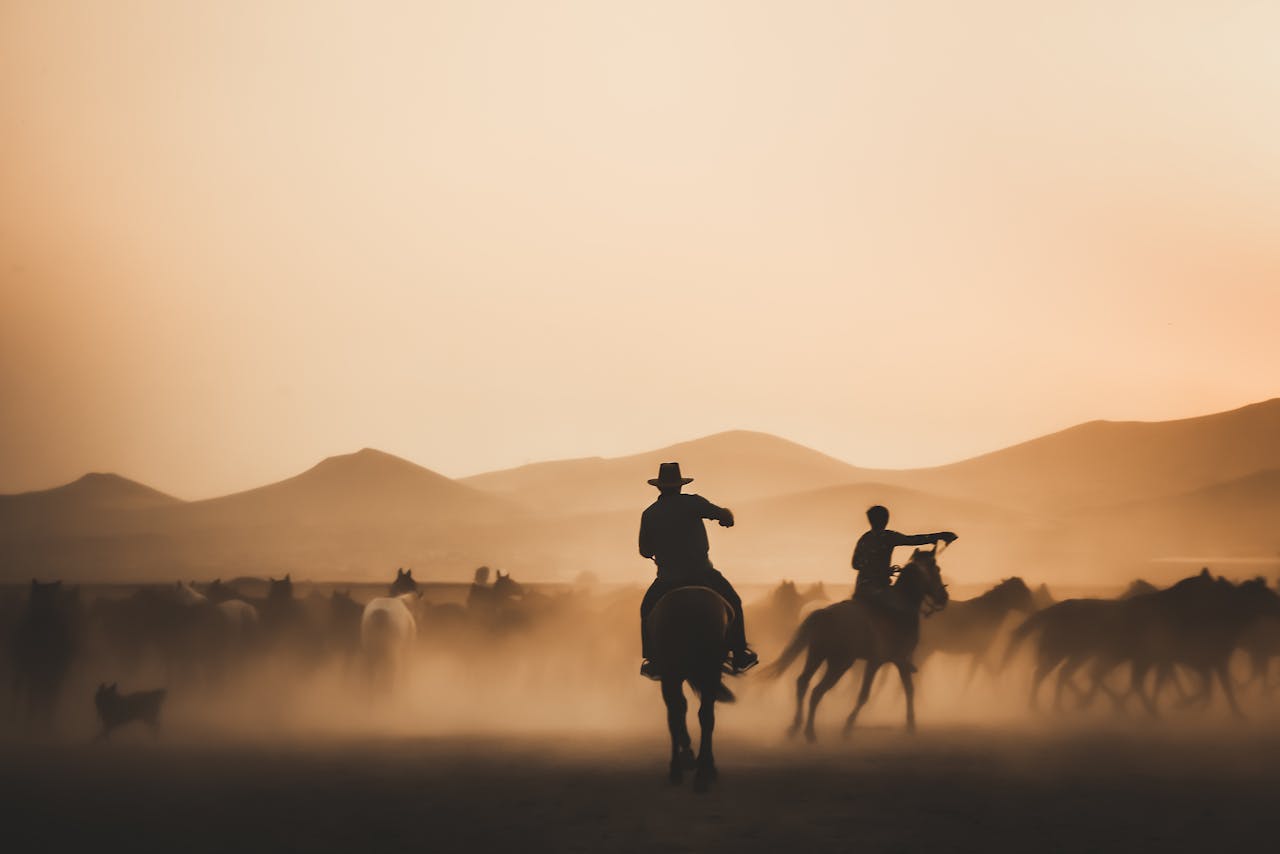
Life on the American frontier was shaped as much by scarcity as by opportunity. Food options for pioneers were often limited by season, geography, and supply lines. Records from pioneer journals, military supply logs, and cookbooks like The Prairie Traveler (1859) reveal that settlers depended heavily on improvisation. From unusual meats to creative substitutions, these survival foods reflected both necessity and ingenuity in a time when starvation was a real risk.
Sweet Potatoes Masquerading as Coffee
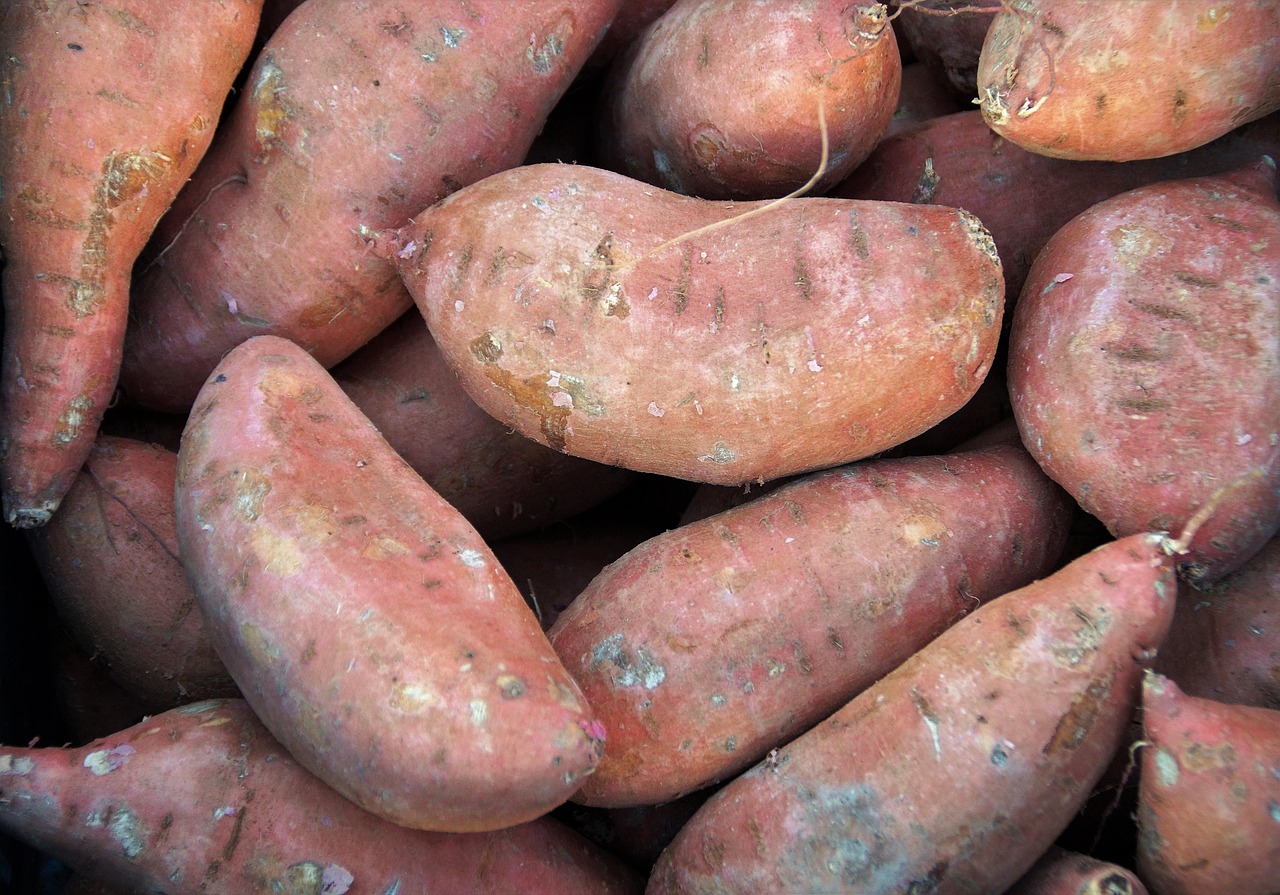
When coffee supplies ran out along wagon trails, pioneers improvised. One substitute was sweet potatoes, sliced, dried, and roasted until dark, then ground into a powder to brew a hot drink. Civil War-era accounts show that roasted sweet potato “coffee” became common in Confederate states when imports were blocked. While it lacked caffeine, it provided a warm, bitter beverage that mimicked the taste of real coffee and kept morale high on long journeys.
Eating Skunks for Survival Protein
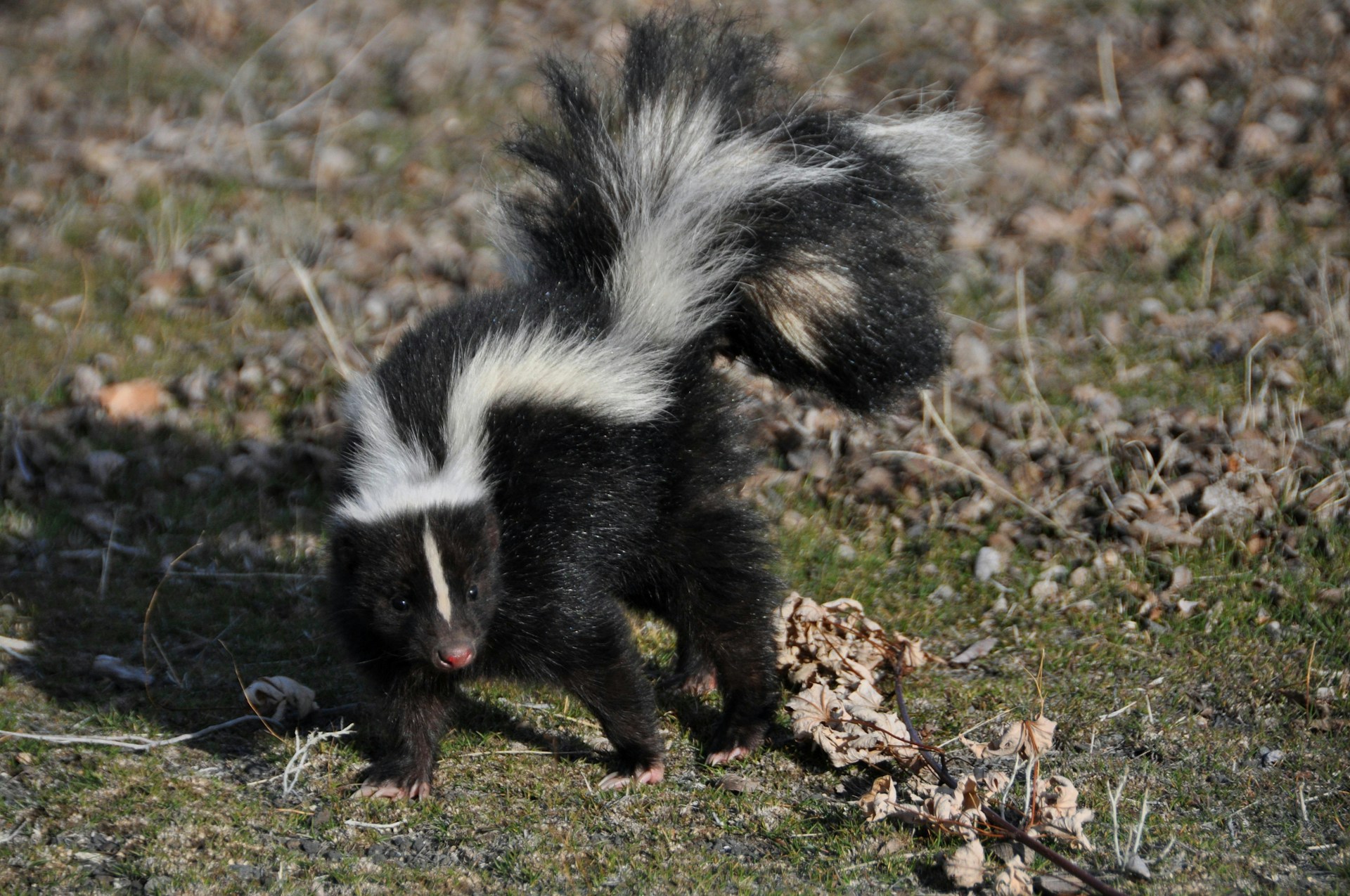
Though not a preferred meal, skunks were eaten on the frontier when game was scarce. Pioneer diaries and even later accounts from the Great Depression note that skunks provided a steady source of protein, often skinned and roasted or stewed. The challenge was removing the scent glands carefully to avoid tainting the meat. Nutritionally, skunk meat offered about the same protein density as rabbit or squirrel, making it a fallback source of calories in desperate conditions.
Wild Plant Lemon Pie Imitations
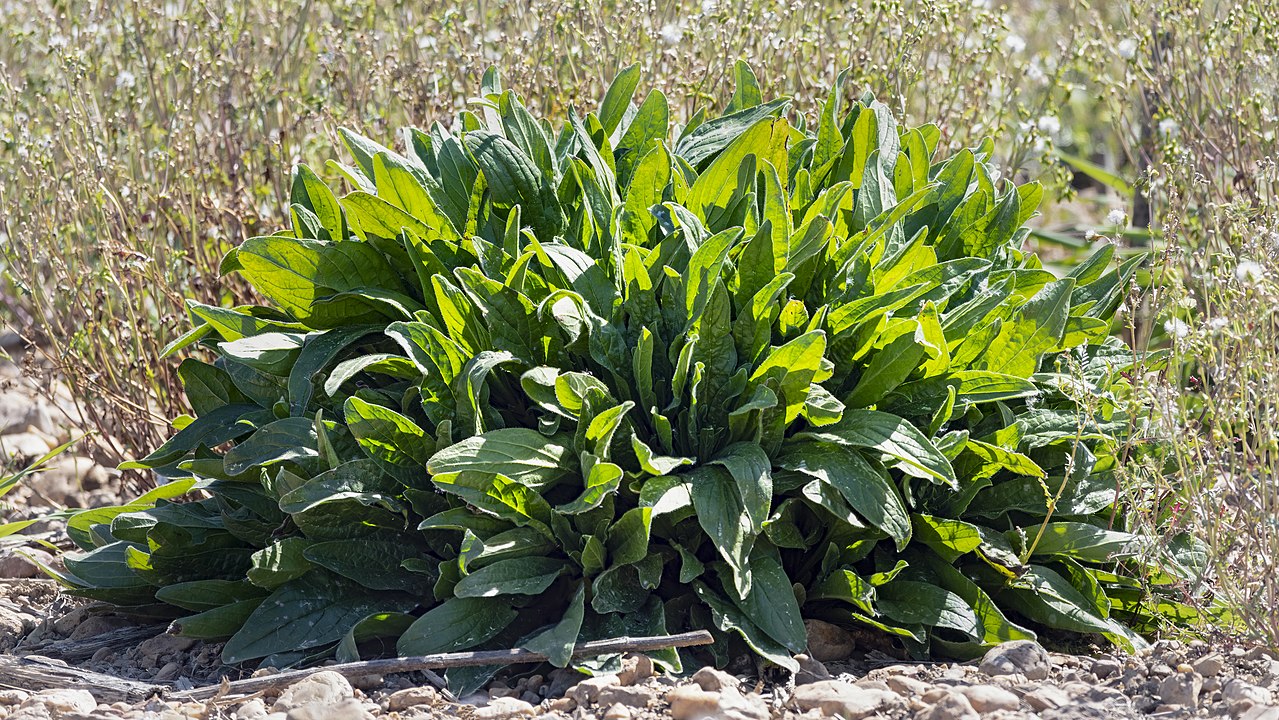
With lemons rare or unavailable on the plains, pioneers turned to sorrel and sumac to replicate tart flavors in pies. Historical cookbooks describe “mock lemon pies” made from vinegar, cream of tartar, or wild plant extracts combined with eggs and sugar. This ingenuity allowed settlers to create a dessert that resembled the popular lemon pie of the East Coast. Sorrel leaves in particular contain oxalic acid, providing a distinctly sour taste that worked as a frontier substitute.
Vinegar as a Pioneer’s Apple Replacement
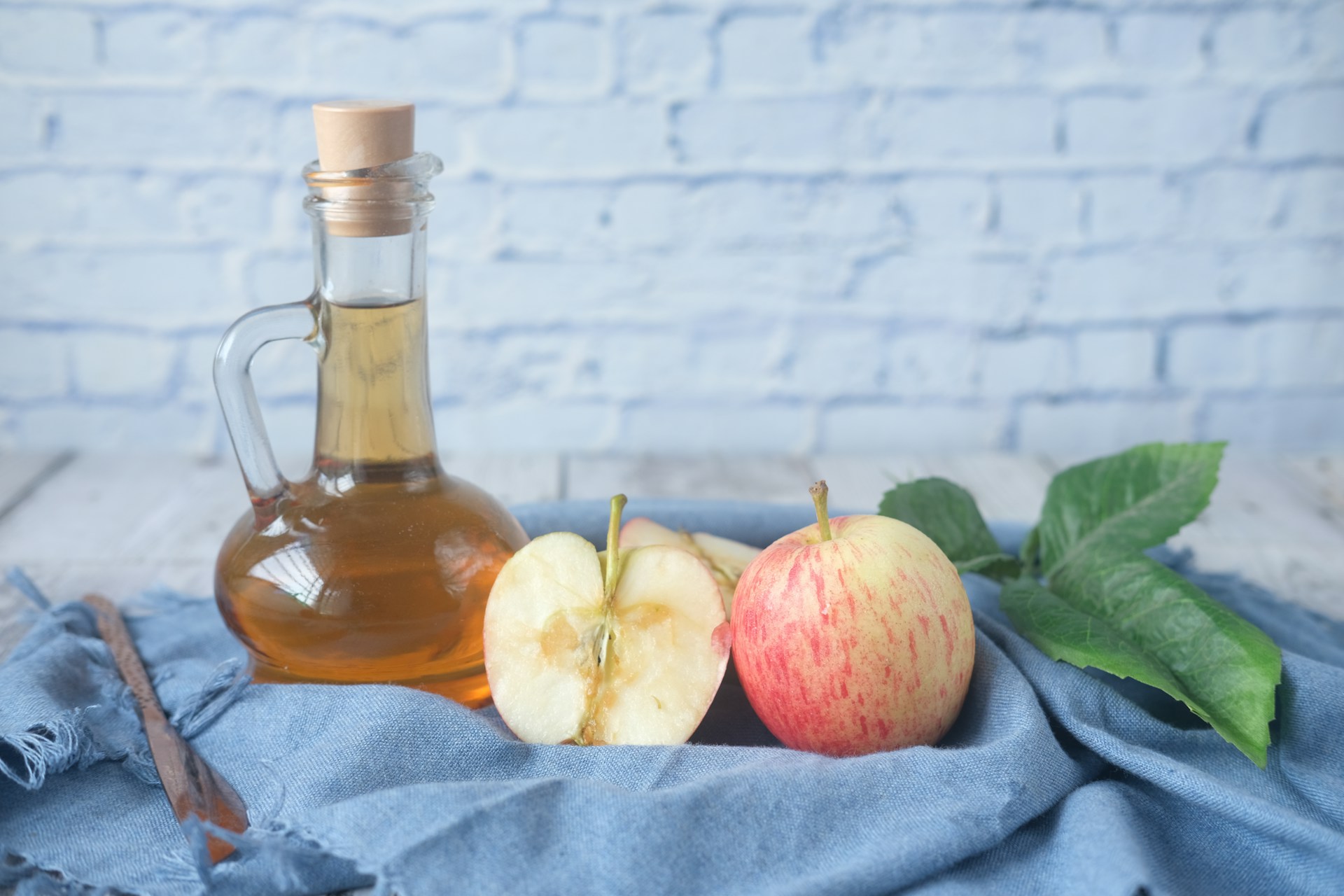
Apples were not always accessible in the Old West, but vinegar became a stand-in for both flavor and preservation. Pioneers used vinegar mixed with spices to create mock apple pies, a recipe later popularized during the Civil War and Great Depression. Crackers, vinegar, and sugar baked together gave the illusion of cooked apples. Vinegar also doubled as a preservative, keeping vegetables and meats edible for months during harsh winters, making it one of the most versatile staples.
The “SOB” Stew: Waste Nothing Cooking
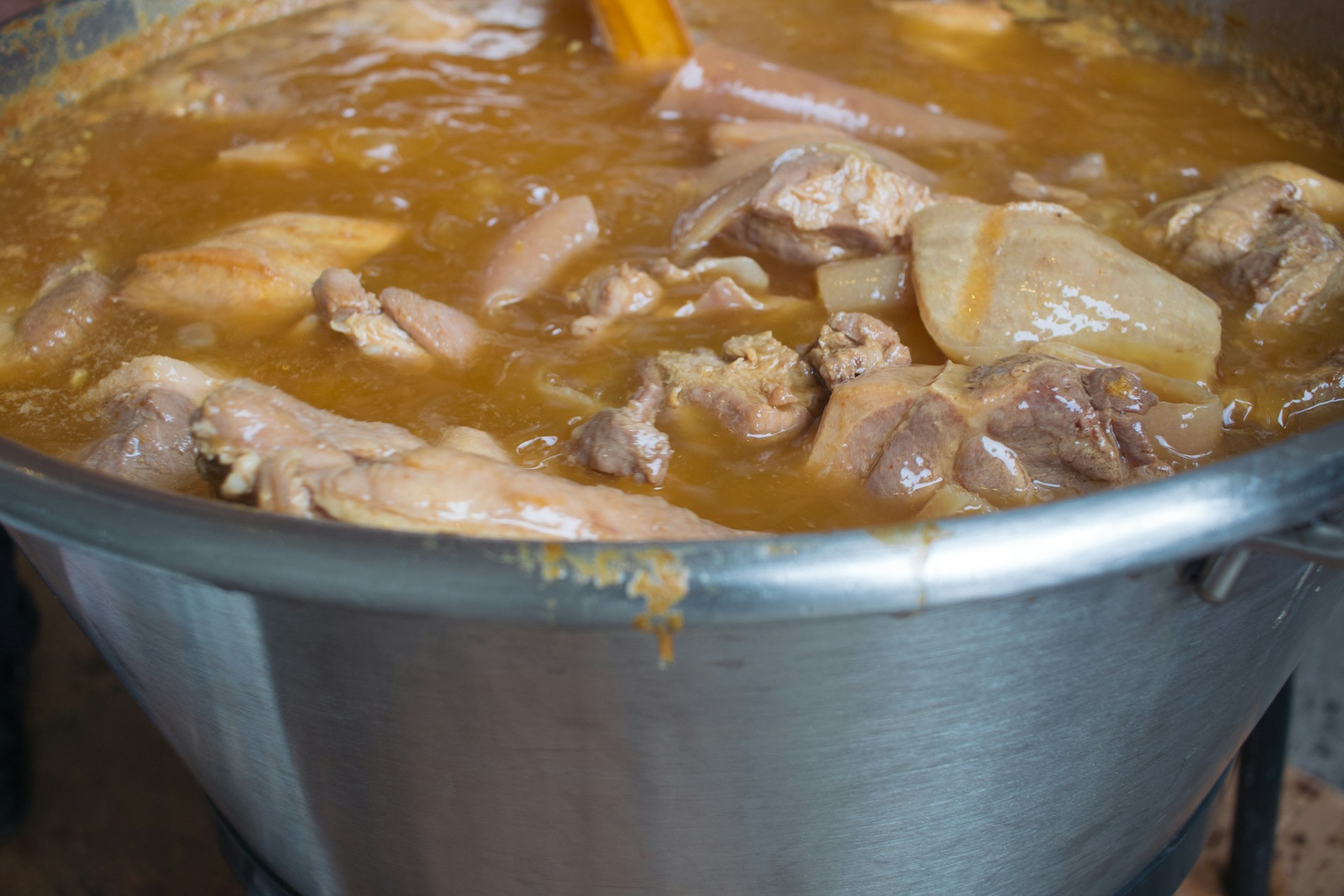
Cowboys on cattle drives coined the term “Son of a Bitch Stew,” a dish made from less desirable cuts of beef, such as marrow gut, heart, liver, and sometimes even the stomach lining. Chuckwagon records from the 1870s show this dish was served to make use of every edible part of slaughtered cattle. Though considered rough fare, it provided critical iron and fat in diets often dominated by beans and bread, ensuring no animal parts went to waste.
Acorn Bread on the Frontier
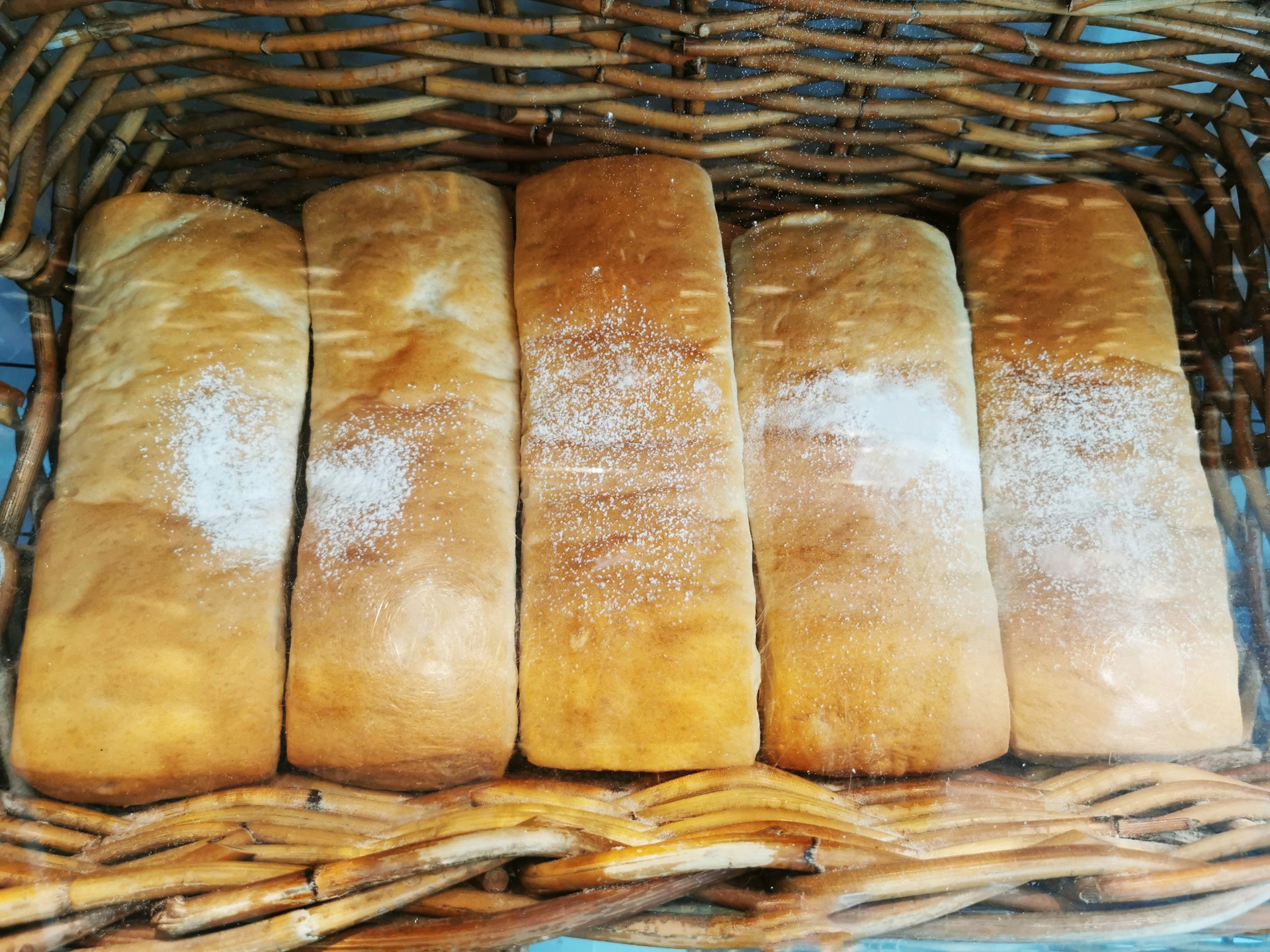
Native American knowledge of acorns as food was adopted by pioneers in California and Oregon. Acorns, high in starch but bitter from tannins, were leached in water before being ground into meal. A U.S. Department of Agriculture analysis found that properly processed acorn flour is about 40% carbohydrates and 6% protein, making it a dense calorie source. Pioneers baked it into bread or mush, providing a reliable fallback when grain flour was not available on the trail.
Bear Head Cheese and Frontier Oddities
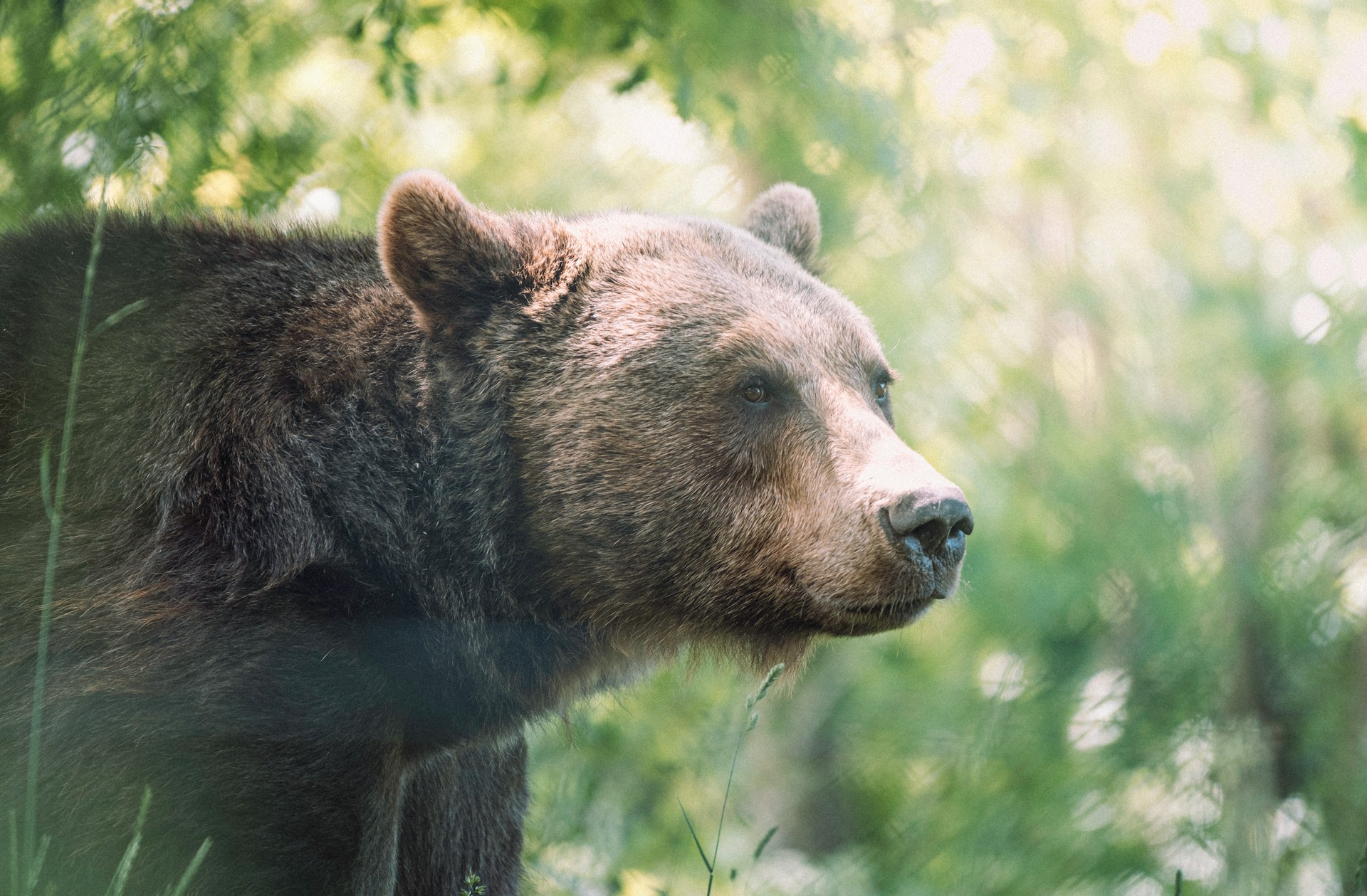
When pioneers hunted bears, they made use of every part. One dish recorded in frontier cookbooks was “bear head cheese,” prepared by boiling down the head until meat and gelatin separated, then pressing it into a loaf. This practice echoed European traditions of head cheese made from pigs. Besides bear, pioneers consumed items like beaver tail, prized for its fatty content. Such foods ensured nothing from a hard-earned hunt went to waste, especially during lean seasons.
Jackrabbits on the Plains
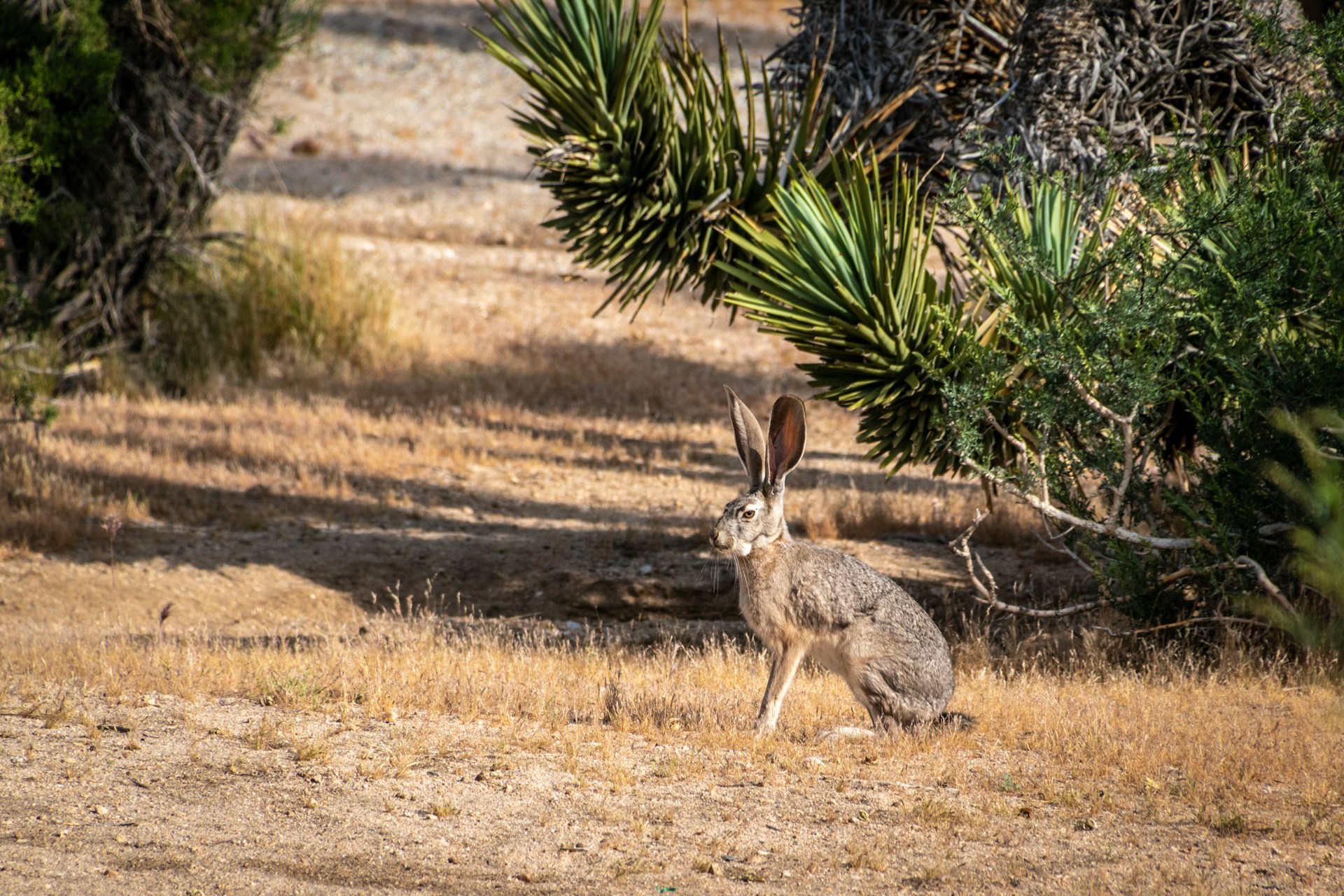
Jackrabbits, common in the western plains, became a frequent meal for settlers. In areas like Kansas and Nebraska, historical hunting records show jackrabbit drives harvested thousands in a day to protect crops, with much of the meat distributed among local families. Jackrabbit meat is lean, with only about 3 grams of fat per 100 grams, so it was often stewed with added fats or beans to make meals more filling. They were both a pest and a food source.
Squirrels as Everyday Meat
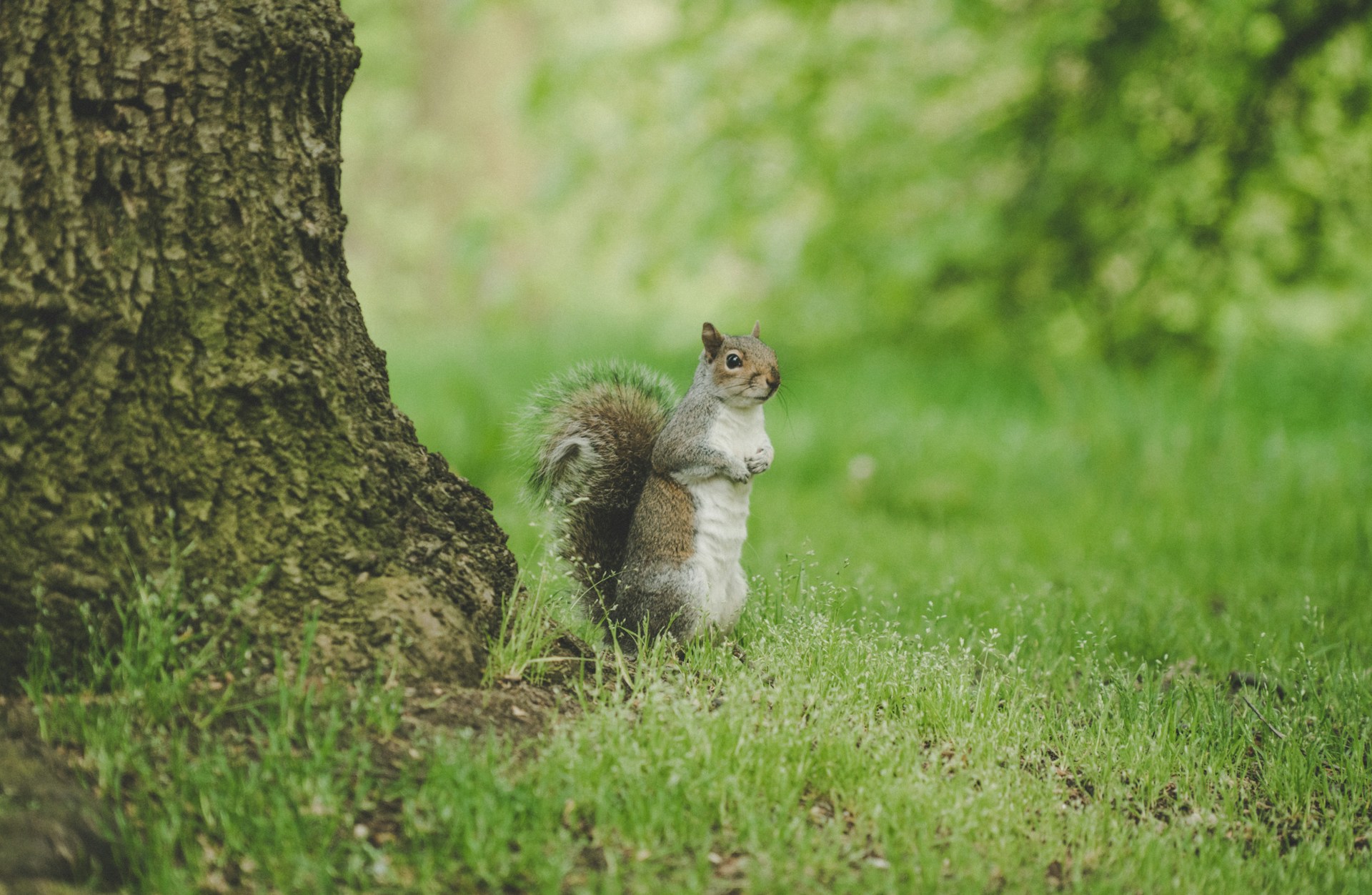
Squirrels were a staple protein across much of the frontier, particularly in wooded areas like Missouri and Kentucky. Pioneer family diaries often list squirrel stews or roasts as regular meals. According to nutritional analysis, squirrel meat provides about 21 grams of protein per 100 grams, comparable to chicken. Hunting squirrels also served as training for young marksmen, as the small targets improved shooting accuracy, which was a critical skill for survival in the Old West.
Frizzled Beef: Preserved Rations
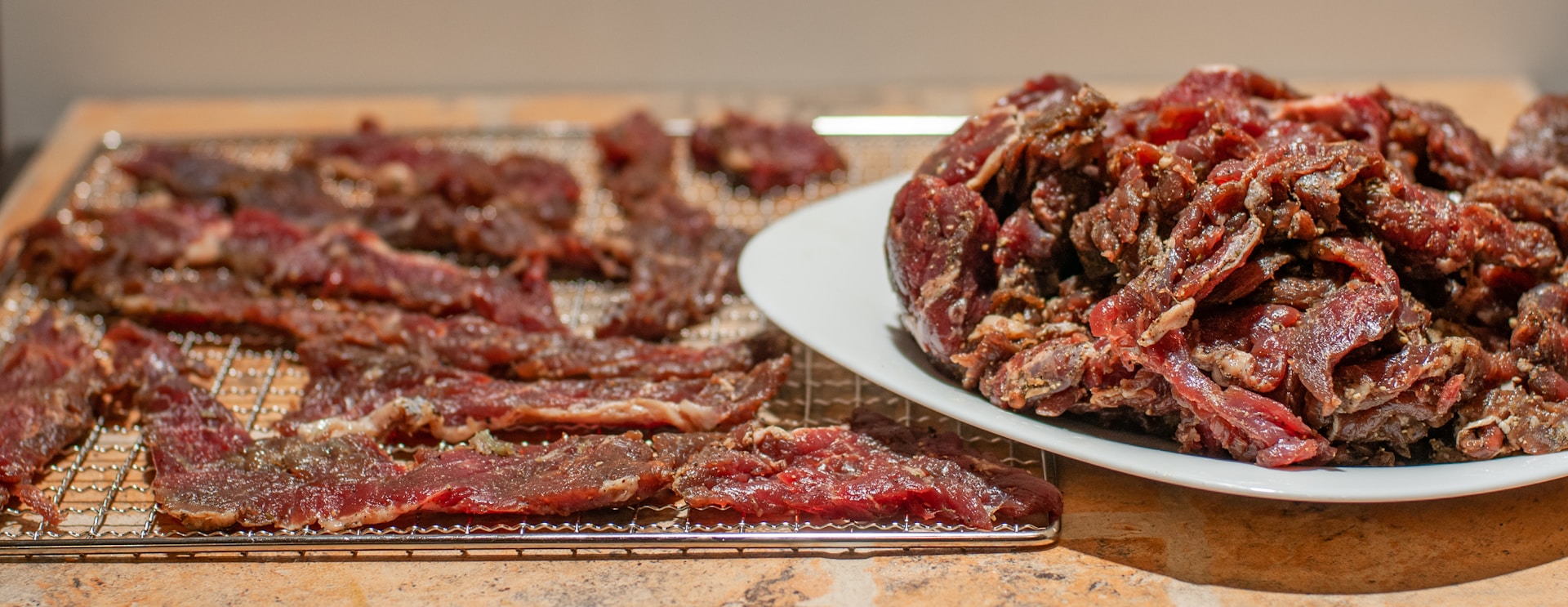
Frizzled beef, also known as dried or salted beef, was a preserved staple that pioneers carried in wagons. It was thinly sliced beef that had been cured with salt and sometimes smoked, then fried in fat or rehydrated in gravy. Historical supply lists show that pioneers often packed several pounds per family for long journeys. Its high salt content prevented spoilage, while each pound provided over 1,000 calories. Frizzled beef was eaten with bread or beans, forming a reliable trail ration.