
The phrase “battle rifle” is frequently used in firearm discussions, yet its meaning is rooted in a very specific historical and technical context. It does not simply describe any military-style rifle, nor is it interchangeable with modern terms like assault rifle or carbine. Instead, the label emerged during a transitional period in small arms development when military planners sought self-loading rifles that retained the power and reach of traditional full caliber ammunition. These rifles embodied a distinct philosophy centered on range, penetration, and ballistic authority. Understanding what defines a battle rifle requires examining cartridge choice, battlefield doctrine, weapon handling characteristics, and the era that produced them.
Cartridge Defines the Category
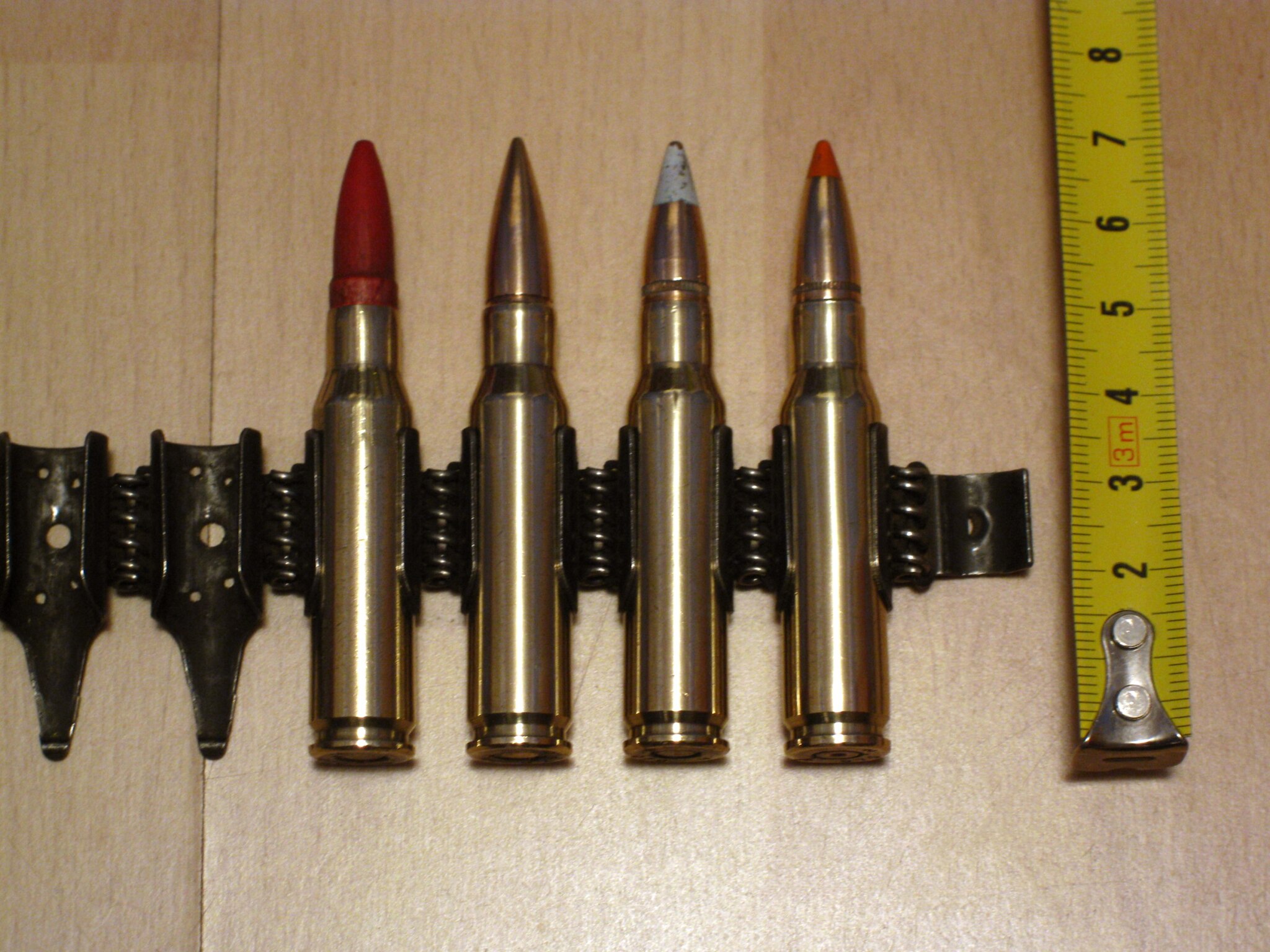
A battle rifle is fundamentally defined by the ammunition it fires. These rifles are chambered for full-power rifle cartridges, typically rounds designed for long-range effectiveness and high energy delivery. Unlike intermediate cartridges, full power rounds generate greater recoil but maintain velocity and impact at extended distances. This ammunition choice directly influences the weapon’s size, weight, and intended role. The defining characteristic is not cosmetic appearance or selective fire capability, but the ballistic class of the cartridge itself. Without this distinction, the term loses its technical meaning.
Historical Background Matters
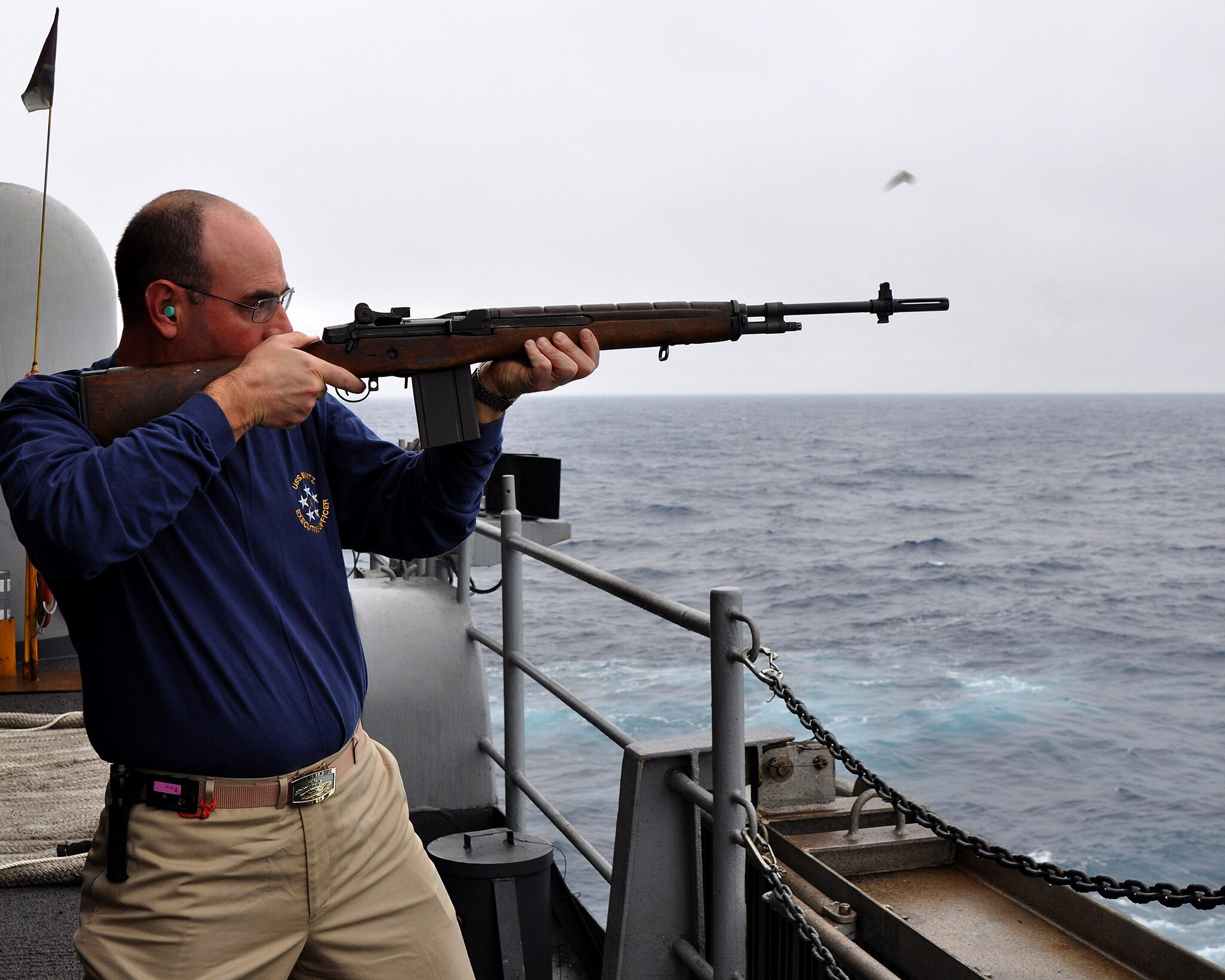
Battle rifles emerged in the years following World War II, a period marked by rapid innovation and shifting military requirements. Armies sought semi-automatic service rifles to replace bolt-action designs while preserving long-range capability. Advances in metallurgy and operating mechanisms made reliable self-loading rifles practical. Designers believed infantry engagements still demanded powerful cartridges capable of reaching distant targets. This thinking shaped rifles that combined modern firing systems with traditional ammunition performance. The battle rifle concept, therefore,e reflects the technological optimism and tactical assumptions of its time.
Full Power Ammunition Philosophy
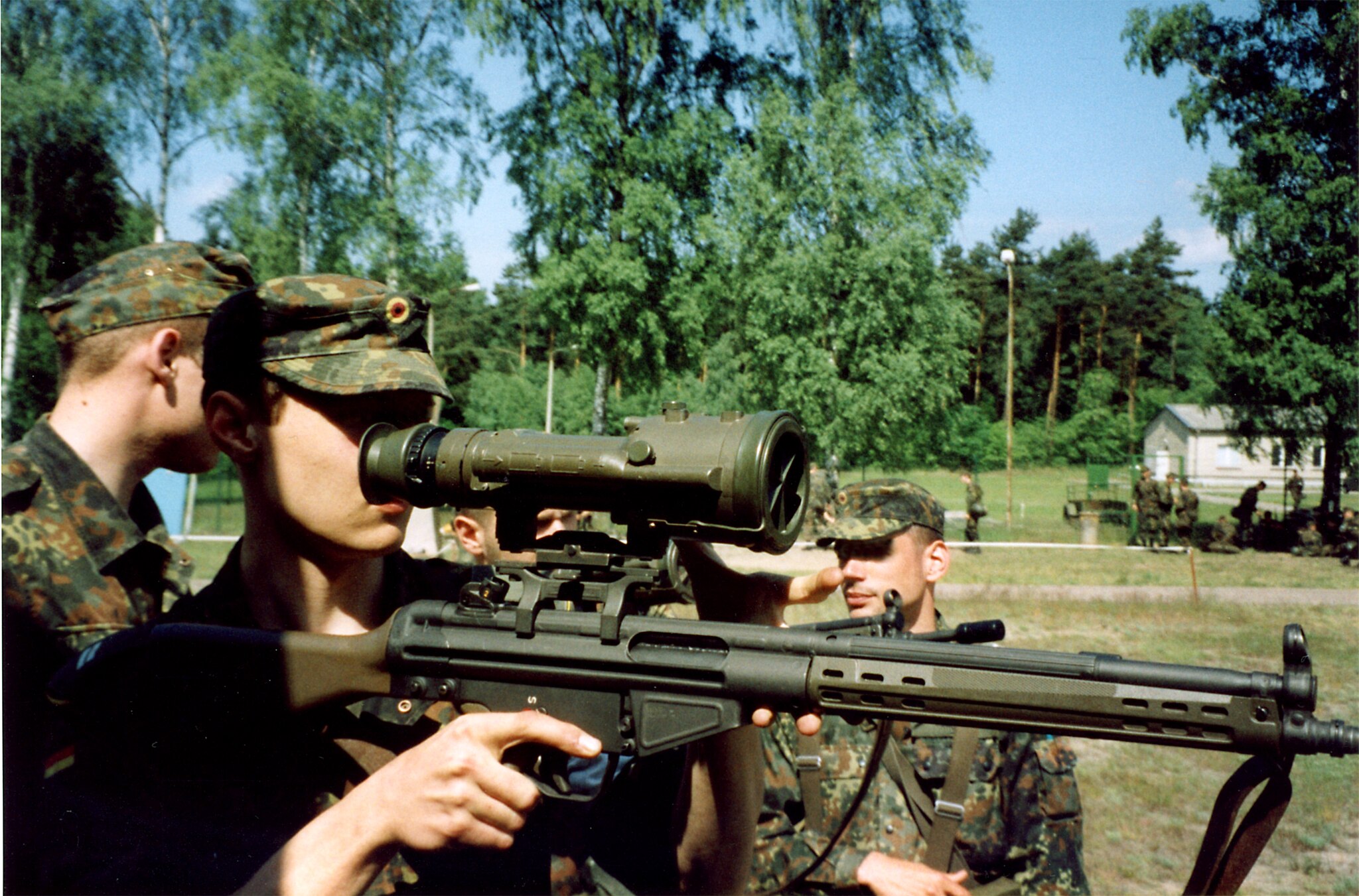
Full-power rifle cartridges deliver significant energy, supporting strong penetration and long-range stability. These qualities were historically valued for engaging targets across varied terrain and conditions. However, increased recoil complicates rapid follow-up shots and sustained automatic fire. This created a balance between raw ballistic performance and practical controllability. Battle rifles prioritized power and distance, accepting tradeoffs in weight and handling. The cartridge philosophy behind these rifles distinguishes them from later designs optimized for lighter recoil and higher fire rates.
Physical Characteristics and Handling
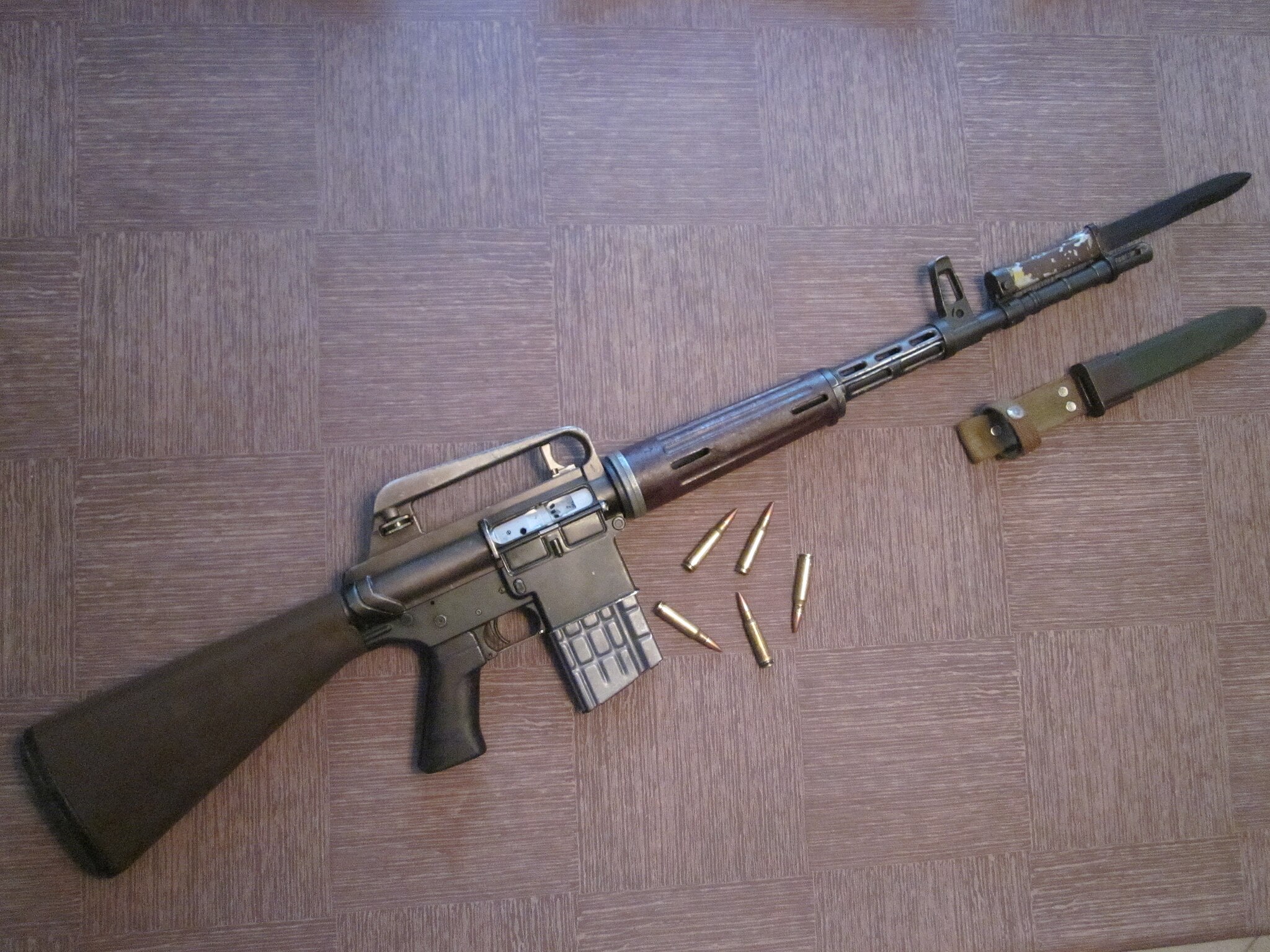
Because full-power ammunition produces greater forces, battle rifles tend to be heavier and more robust than rifles firing smaller rounds. Additional mass helps absorb recoil and ensures structural durability. Longer barrels are common, supporting ballistic efficiency and velocity retention. These attributes improve stability and effective range but reduce maneuverability in confined environments. The physical presence of a battle rifle reflects deliberate engineering decisions rather than excess design. Size and weight are consequences of performance requirements rather than arbitrary features.
Intended Battlefield Role
Battle rifles were conceived as general issue infantry weapons capable of engaging targets at substantial distances. They were expected to deliver accuracy, penetration, and reliability across diverse combat scenarios. Many incorporated selective fire mechanisms, though automatic use often proved difficult to control. Over time, combat experience highlighted limitations in close quarters and high mobility environments. Despite this, battle rifles demonstrated strengths in roles emphasizing precision and reach. Their legacy persists in specialized applications where full power cartridges remain advantageous.
Distinction From Assault Rifles
The difference between battle rifles and assault rifles centers on cartridge class and tactical emphasis. Assault rifles employ intermediate cartridges that enable lighter weapons and more manageable recoil. This allows greater controllability during rapid or automatic fire. Battle rifles, by contrast, prioritize extended range and energy. While both categories may appear visually similar, their design priorities diverge significantly. Cartridge selection drives nearly every other characteristic, making this distinction essential for accurate classification.
Recoil and Practical Fire Control
Recoil dynamics play a critical role in how battle rifles perform during real-world use. Full power cartridges produce a stronger rearward impulse, influencing shooter comfort and firing rhythm. Designers integrated compensating features, yet automatic fire frequently remained challenging. This characteristic shaped training approaches and tactical employment. Recoil behavior also contributed to the broader shift toward intermediate cartridges in later decades. Control dynamics are therefore central to understanding both the strengths and limitations of battle rifle designs.
Engineering and Durability Factors
Battle rifles are engineered to withstand high pressures and mechanical stress associated with powerful ammunition. Strong locking systems, reinforced receivers, and durable components are standard features. These choices ensure reliability and longevity under demanding conditions. Increased structural strength often results in additional weight, illustrating the tradeoff between resilience and portability. Durability expectations were especially important during the mid-twentieth century, when service rifles were expected to perform across varied climates and operational environments.
Continued Modern Relevance
Although largely replaced as standard infantry weapons, battle rifles remain relevant in certain contexts. Full-power cartridges continue to offer advantages in range, penetration, and terminal performance. Modern rifle designs sometimes revisit these principles using updated materials and ergonomics. The enduring interest in battle rifles reflects practical ballistic considerations rather than nostalgia alone. Their influence is visible in designated marksman roles and other applications requiring extended reach and energy retention.
Why Terminology Still Matters
Clear terminology helps preserve historical accuracy and technical understanding. The phrase “battle rifle” encapsulates a distinct combination of cartridge class, design philosophy, and doctrinal intent. Without recognizing these elements, discussions risk conflating fundamentally different weapon types. The term remains valuable because it describes a specific evolutionary stage in military small arms development. Understanding it provides insight into how engineering choices, combat experience, and shifting priorities shaped generations of infantry rifles.