Most hunters figure out what they actually need only after going through a couple of knives that let them down.
The first one looked right on the shelf; the second came recommended by someone who’d never really pushed a blade in difficult conditions.
The truth is that long-term value in a hunting knife has very little to do with price tags or brand names; it comes down to a specific group of qualities that either hold up when conditions get hard or quietly fall apart.
Understanding those qualities before you buy saves real money and genuine frustration.
This guide covers the eight details that consistently determine whether a knife earns a permanent spot on your belt or ends up forgotten in a drawer after a single season.
Steel Quality and Edge Retention
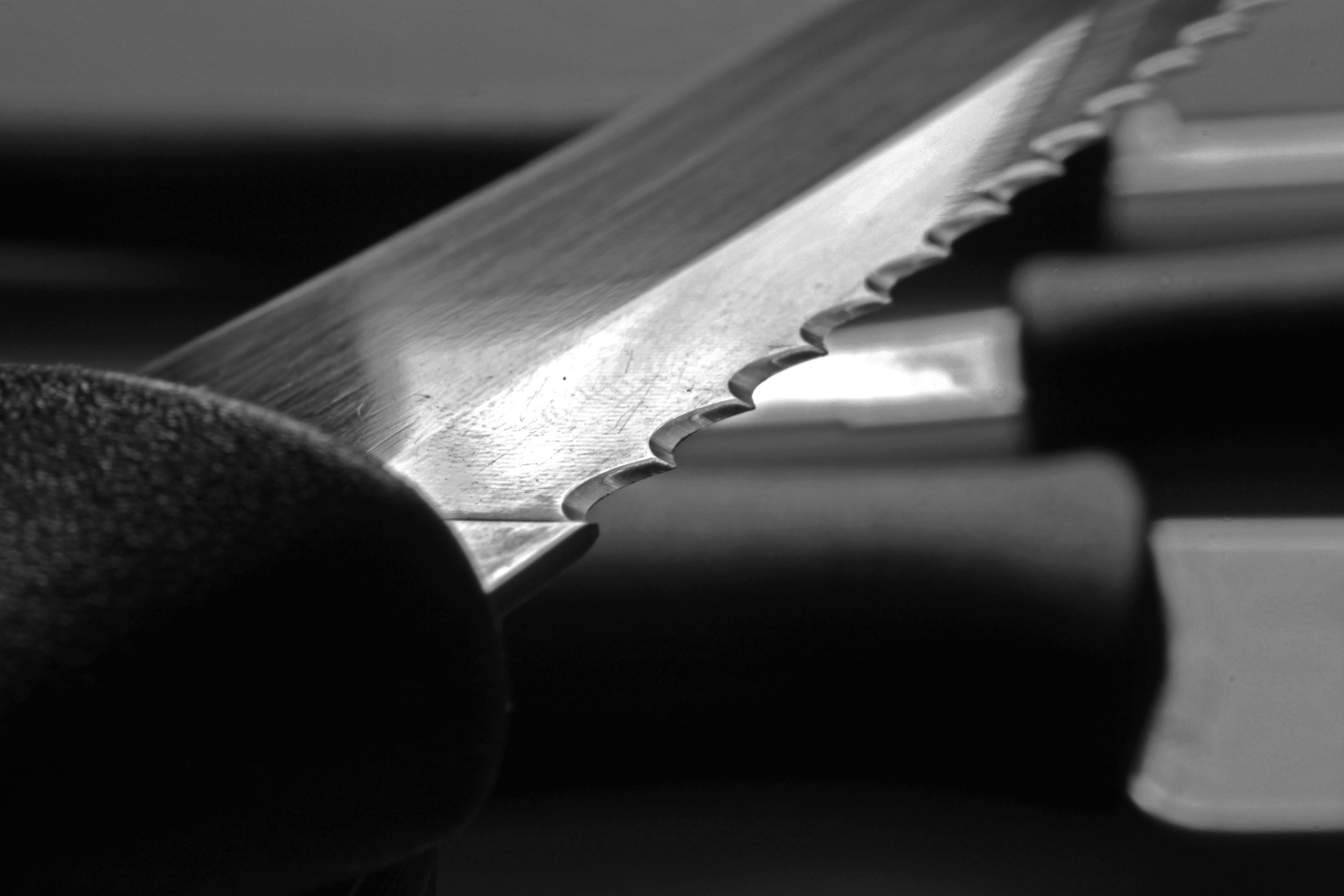
The type of steel in a blade quietly controls everything from initial sharpness to long-term durability.
High-carbon steels like 1095 and D2 are favored by experienced hunters because they hold a working edge through 35 to 45 field dressing sessions before needing serious attention.
Stainless options like 440C offer stronger corrosion resistance but typically require sharpening about twice as often during demanding seasons.
A Rockwell hardness rating between 58 and 62 HRC represents the practical sweet spot, firm enough to resist edge rolling yet hard enough to hold a fine point.
Choosing the right steel can extend a knife’s reliable service life by 4 to 6 years over budget-grade alloys.
Blade Geometry and Grind Type
Blade shape and grind style influence field usability more than most hunters anticipate before their first serious season.
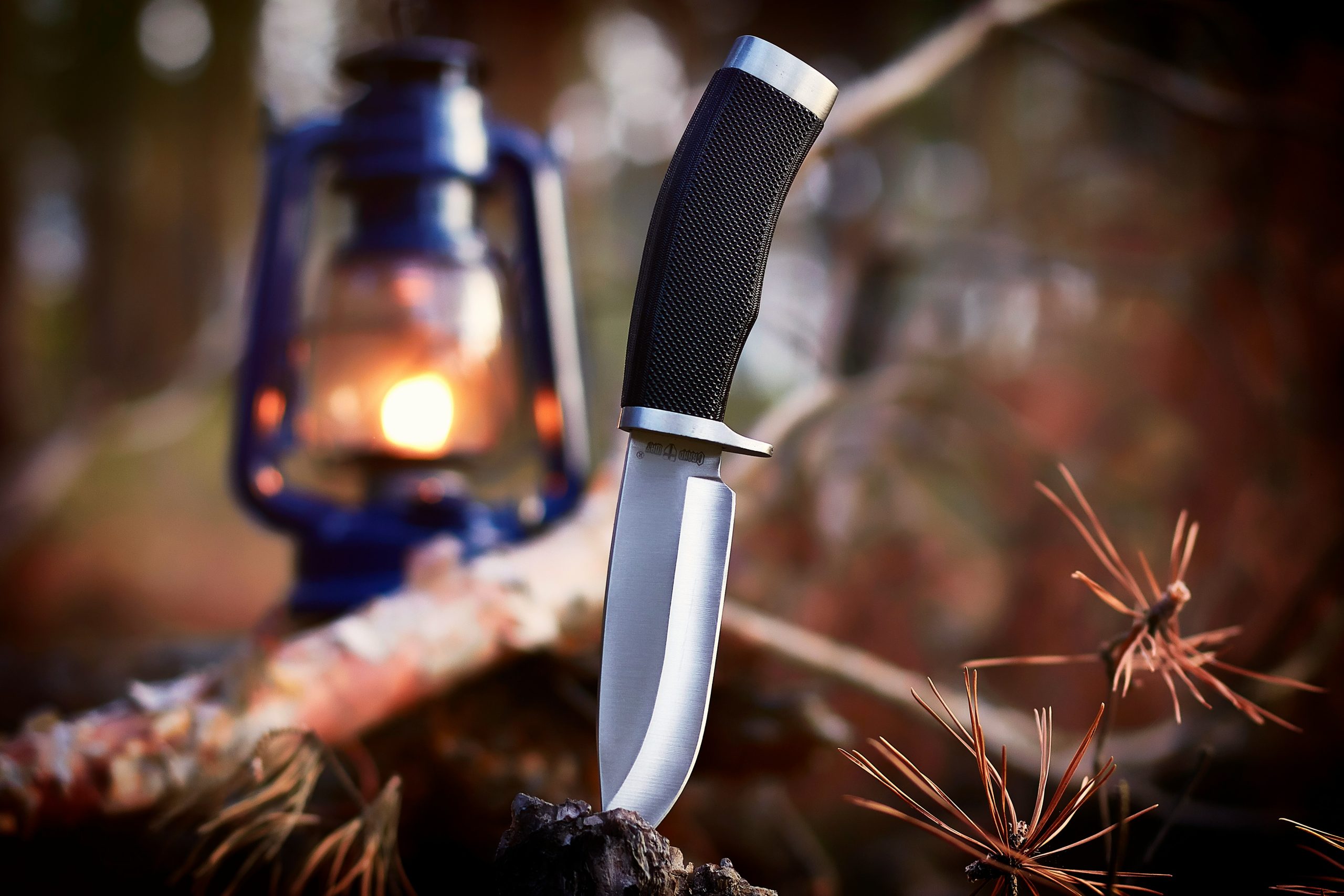
A drop-point blade paired with a flat or scandi grind is widely considered the most practical combination for general hunting, handling, skinning, deboning, and precision trimming cleanly without needing a second tool.
Hollow grinds create very sharp edges but tend to micro-chip under sustained lateral stress.
A blade length between 3.5 and 5 inches covers approximately 90 percent of common hunting tasks without adding unnecessary bulk or weight.
Spine thickness around 4 to 5mm improves torsional strength by roughly 25 to 30 percent, adding real durability to demanding field work.
Handle Material and Grip Comfort
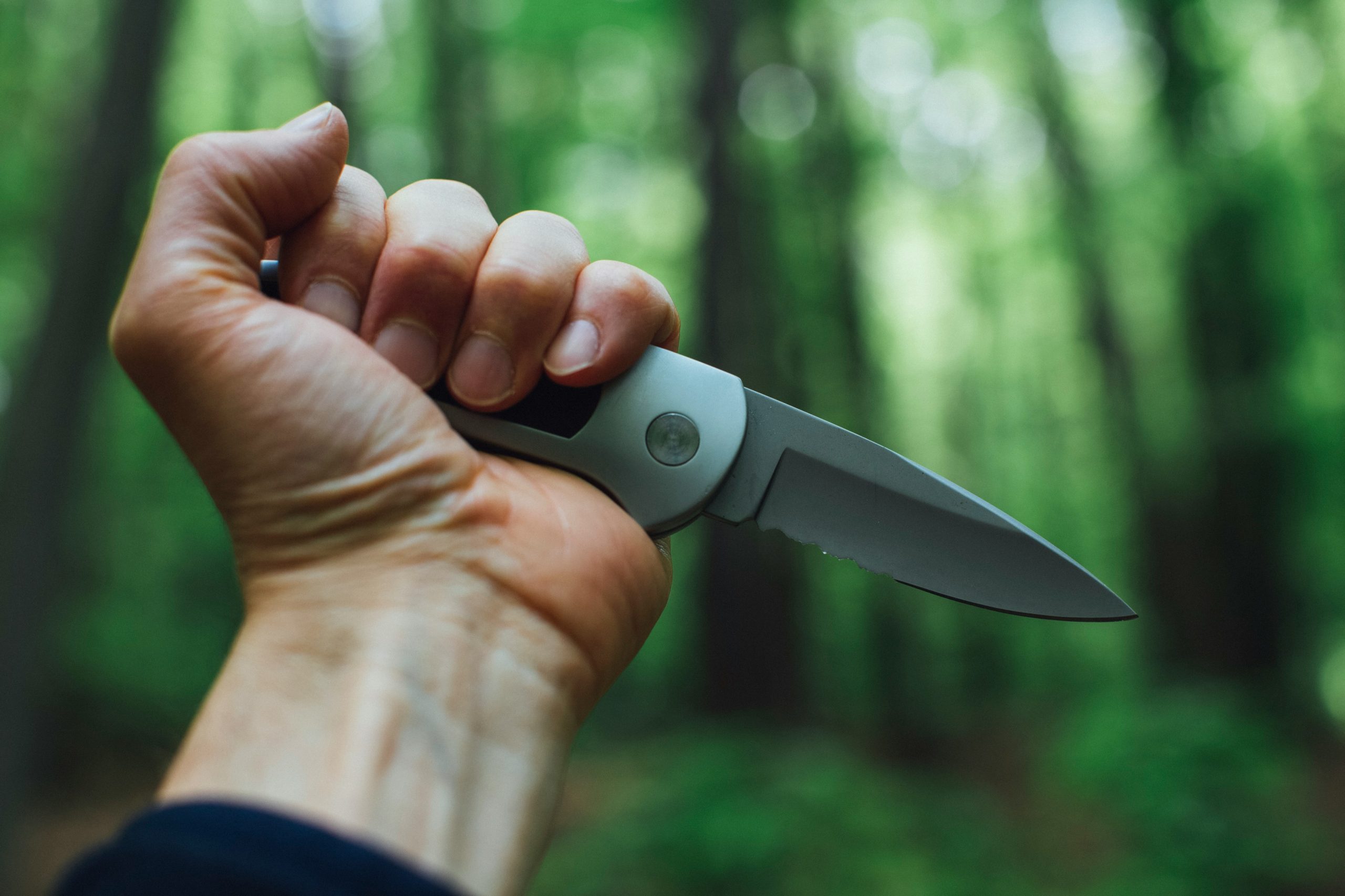
A handle does more than give you something to hold; it defines how safely and confidently you can work under physical pressure.
Micarta and G10 composites rank among the most reliable handle materials, maintaining grip even when completely soaked, with surface friction roughly 40 percent higher than polished wood under the same conditions.
Rubber and textured polymer options perform similarly in moisture but can degrade from sustained UV exposure within 3 to 5 years.
Defined finger grooves or a pronounced guard measurably reduce slippage risk during hard cutting work.
A poorly shaped handle increases hand fatigue by roughly 25 percent across extended field sessions, making ergonomic fit a practical priority rather than a cosmetic one.
Weight Distribution and Balance
How a knife performs in motion tells you far more than how it feels sitting still in a store.
A well-balanced hunting knife typically centers its weight within 1 to 2 inches of the guard, keeping the blade responsive and fatigue-free during extended cutting work.
Knives weighing between 4 and 7 ounces consistently perform best across the broadest range of hunting scenarios, light enough to carry all day, yet heavy enough to handle tough tasks without strain.
Blade-heavy designs increase hand fatigue by roughly 20 percent during repetitive work.
Balance is the quality that quietly separates the knives hunters keep reaching for from the ones they gradually stop carrying altogether.
Tang Construction and Structural Integrity
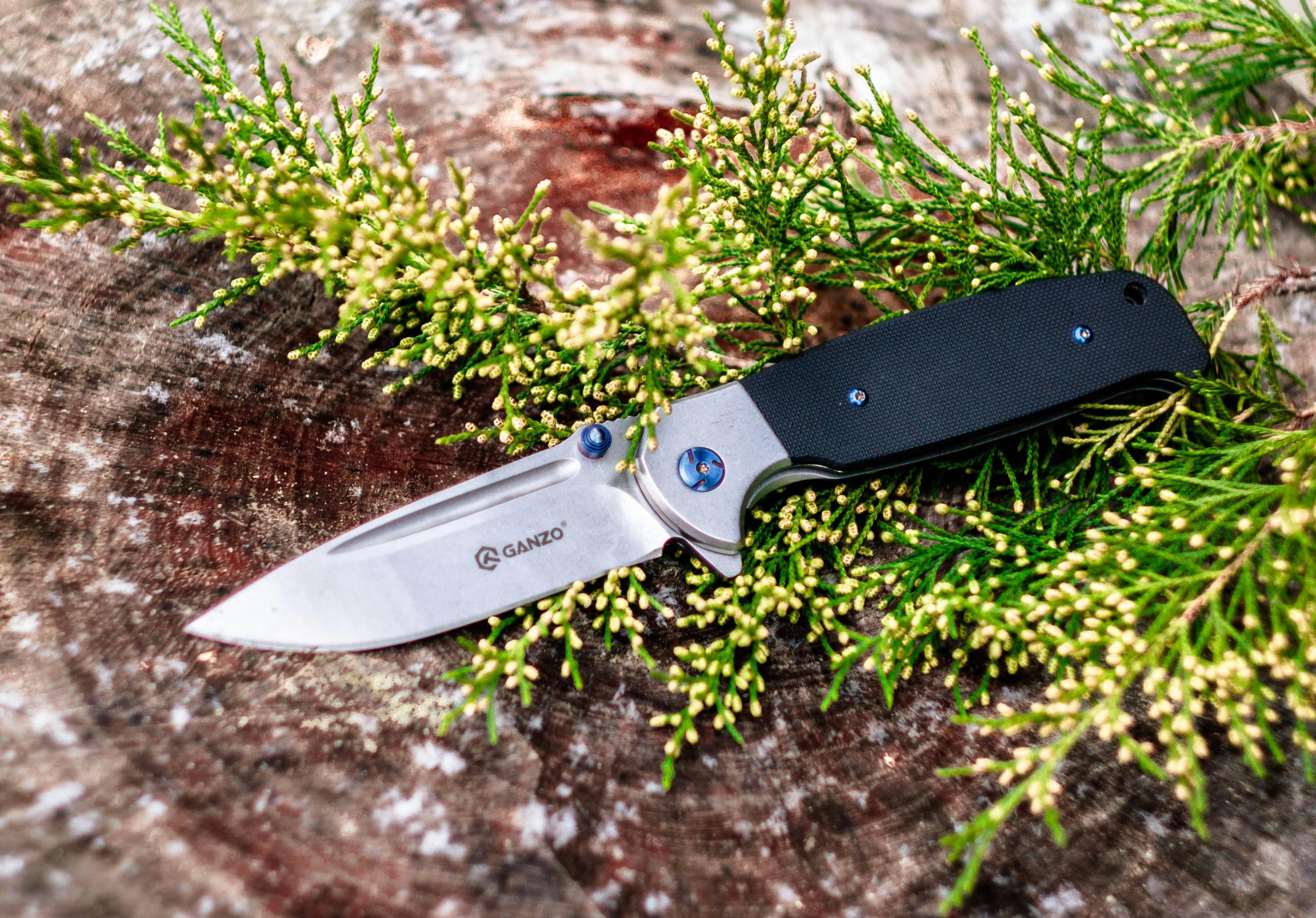
The tang, the section of steel that extends from the blade into the handle is the structural backbone of any hunting knife.
Full-tang construction, where the steel runs the complete length of the handle, is the standard for serious field use, offering roughly 3 times the lateral strength of partial or rat-tail tang designs.
Under prying conditions or sustained torque, partial tangs account for the majority of in-field handle failures among production knives.
A properly pinned or bolted full tang resists handle separation even after a full decade of hard seasonal use.
Tang type rarely appears prominently in marketing materials but consistently determines how long a knife holds together under genuine, repeated pressure.
Sheath Design and Carry System
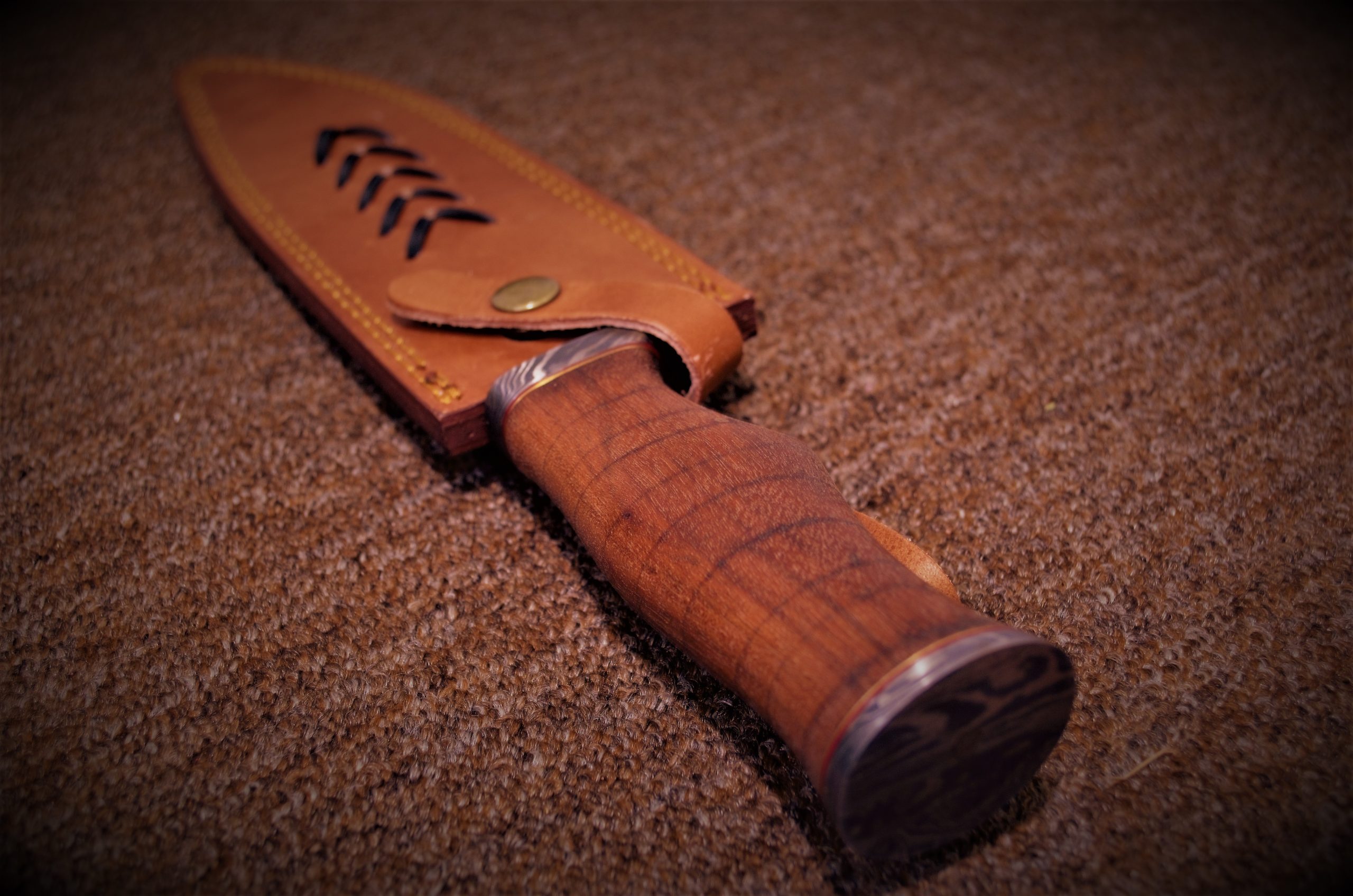
A poor sheath creates real safety risks that go well beyond simple inconvenience in the field.
Leather sheaths are valued for their longevity, typically lasting 15 to 20 years with minimal conditioning, while Kydex alternatives offer faster draw times and better moisture resistance in wet terrain.
The retention system should hold the knife securely during active movement and release cleanly in under 2 seconds with one hand.
Carry configurations, vertical belt, horizontal, and cross-draw, meaningfully affect comfort across full-day hunts on difficult ground.
A properly fitted sheath also protects both the blade edge and handle from unnecessary contact wear, quietly extending the knife’s overall lifespan by preventing material degradation between uses.
Corrosion Resistance and Maintenance Habits
Even premium steel degrades quickly when corrosion resistance and basic upkeep are both ignored over time.
Blades treated with DLC or cerakote coatings reduce surface oxidation by up to 70 percent compared to untreated high-carbon steel, making them far more reliable in coastal or high-humidity conditions.
A brief mineral oil application after each use, under 60 seconds of effort, evens the gradual micro-rust that quietly erodes cutting performance between sessions.
Stainless steels with at least 13 percent chromium deliver the strongest baseline corrosion resistance without depending on surface coatings alone.
A knife properly maintained every 8 to 10 uses will consistently outlast a neglected premium blade by several full hunting seasons.