The firearms industry has always experienced cycles of growth and decline.
Demand often rises during periods of political uncertainty or global tension, then cools when markets stabilize.
These shifts can place enormous pressure on companies that depend on steady consumer spending.
Rising legal costs, changing regulations, supply chain disruptions, and shrinking retail demand have forced several well-known firearms businesses into financial trouble over the years.
Some companies attempted restructuring through Chapter 11 bankruptcy, while others entered Chapter 7 liquidation, a process that usually means the business will shut down and its assets will be sold to repay creditors.
Recently, several firearm manufacturers and distributors have faced this reality.
The following sections explore ten gun-related companies that encountered bankruptcy or liquidation, revealing how even recognizable brands can struggle in a competitive and unpredictable market.
Umbrella Armory
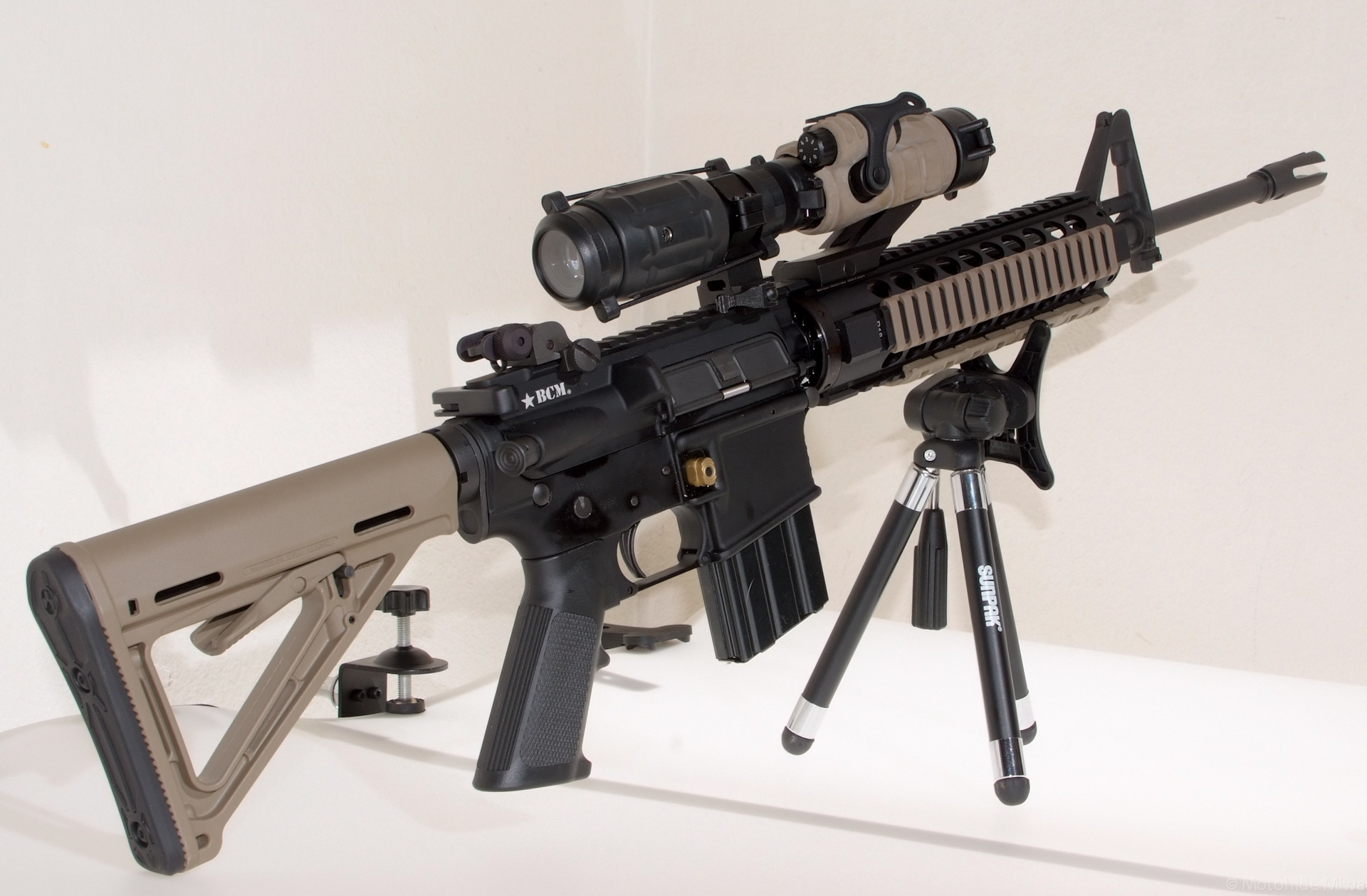
Umbrella Armory built a reputation for producing high-end custom airsoft rifles and specialized firearm-style components aimed at enthusiasts who wanted premium performance.
The company focused on detailed craftsmanship and performance tuning, which helped it gain attention within the recreational shooting and airsoft communities.
However, the niche market proved difficult to sustain during recent economic slowdowns.
In March 2026, the company filed for Chapter 7 bankruptcy in the United States Bankruptcy Court for the Central District of California.
Court documents indicated that the business had relatively small assets, estimated between zero and one hundred thousand dollars, while liabilities ranged from one hundred thousand dollars to one million dollars.
A Chapter 7 filing means a court-appointed trustee will sell remaining assets in order to repay creditors.
Reports also showed the company had between one and forty-nine creditors.
The filing effectively signaled the end of operations for the once-popular custom builder.
Big Rock Sports
Big Rock Sports was one of the largest outdoor and firearms-related distributors in North America.
Founded in 1955, the company supplied thousands of retailers with shooting equipment, fishing gear, camping supplies, and other outdoor products.
Over time, it developed a vast logistics network, operating hundreds of thousands of square feet of warehouse space across several states.
At its peak, the company served more than twenty thousand retailers across the United States and several international markets.
Despite its scale and long history, financial pressures eventually mounted.
In 2026, the company filed for Chapter 7 bankruptcy in the U.S. Bankruptcy Court in North Carolina.
Financial filings showed liabilities exceeding one hundred million dollars,s while estimated assets ranged between ten million and fifty million dollars.
Lawsuits from suppliers and property owners also added strain.
Because the filing was for Chapter 7 liquidation, the decision signaled a complete shutdown rather than a corporate restructuring.
Polymer80
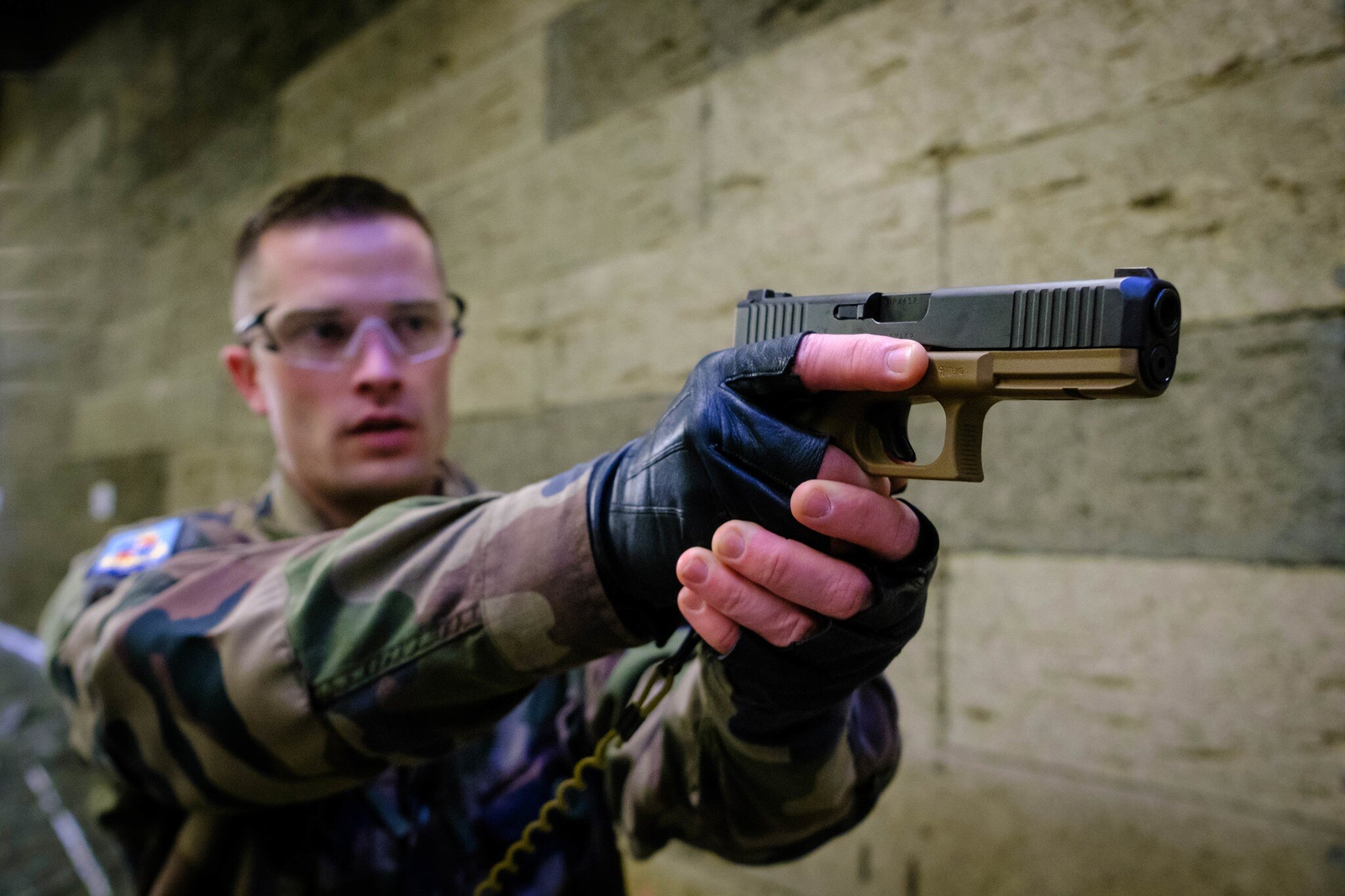
Polymer80 became widely known for producing unfinished firearm receiver kits that allowed customers to assemble their own handgun frames.
These kits, often called eighty percent receivers, attracted attention from hobbyists interested in building custom firearms at home.
Founded in 2013 and headquartered in Dayton, Nevada, the company experienced rapid growth during a period of rising demand for privately assembled firearms.
However, the same products that drove its popularity also created legal challenges.
Several lawsuits and regulatory pressures targeted the company because its components were sometimes linked to untraceable firearms commonly referred to as ghost guns.
Mounting legal expenses and regulatory battles placed significant financial pressure on the business.
On July 20,24 the company ceased operations and began liquidating its assets after entering bankruptcy.
The closure marked a dramatic end for a brand that had quickly risen to prominence within the firearms accessories market.
Cobra Firearms
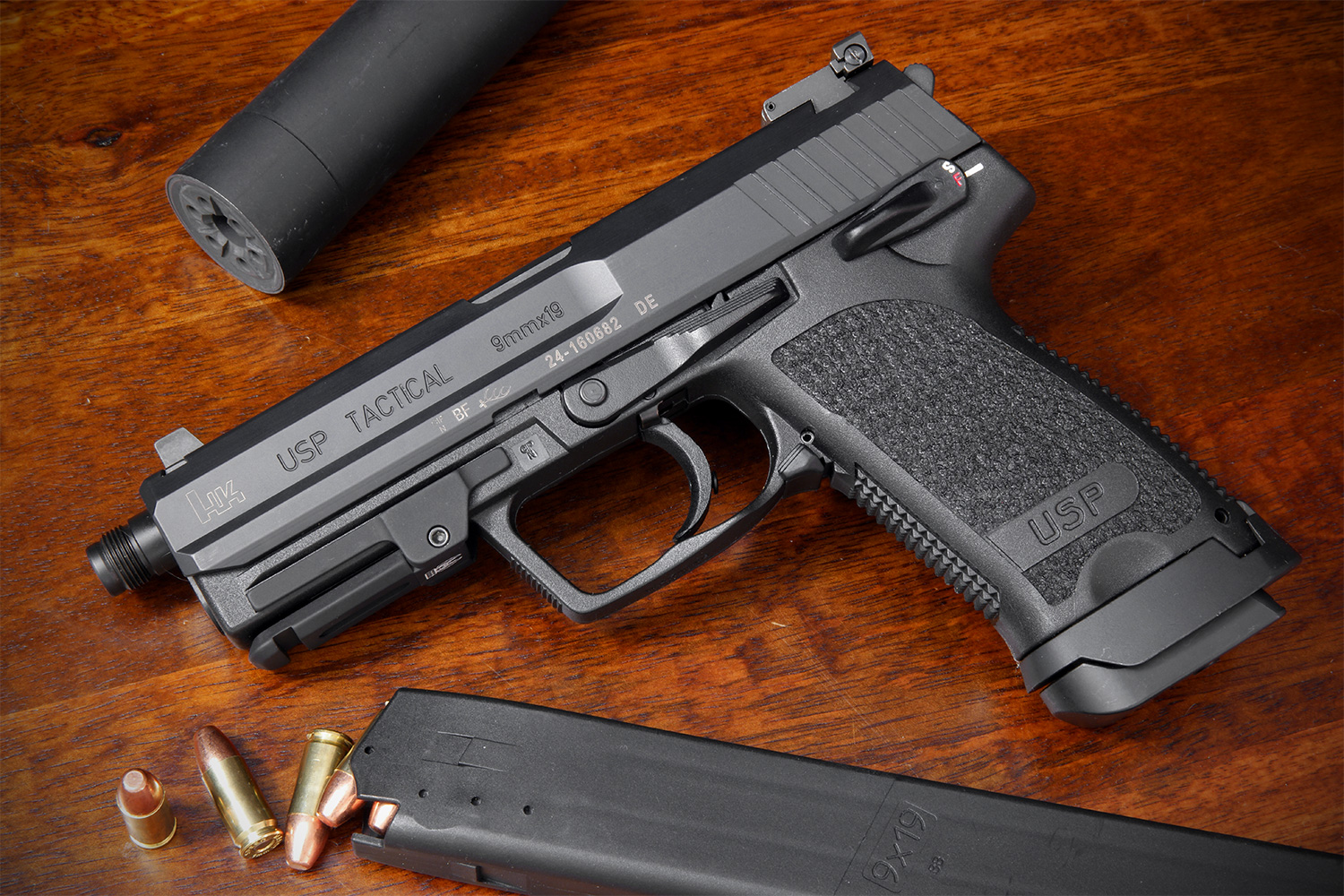
Cobra Firearms was a handgun manufacturer based in Salt Lake City, Utah, known for producing affordable pocket pistols and compact handguns.
The company emerged in 2001 after acquiring the tooling and designs of several earlier firearm makers.
Many of its products were simple, low-cost pistols designed for personal defense and concealed carry.
Cobra became associated with a group of inexpensive firearm manufacturers often referred to as the Ring of Fire companies.
These manufacturers focused on producing affordable handguns using zinc alloy frames and other cost-saving materials.
While the business managed to operate for nearly two decades, financial challenges eventually forced it into bankruptcy.
In February 2020, Cobra Enterprises of Utah filed for Chapter 7 bankruptcy protection.
As part of the liquidation process, the company sold certain product rights and manufacturing equipment to other businesses.
The bankruptcy marked the end of Cobra Firearms as an active manufacturer.
Sabre Defence Industries
Sabre Defence Industries once held a respected position in the American firearms manufacturing sector.
Founded in 2002, the company produced rifle components, AR-style carbines, and military contract parts.
Sabre Defence even supplied specialized mounts and components for heavy machine guns used by the United States military.
Despite its technical capabilities and government connections, the company encountered serious legal trouble.
Federal authorities investigated the firm over allegations involving the illegal export of firearm parts and improper importation of suppressors.
The resulting criminal charges and legal battles created significant financial strain.
In 2011, the company entered bankruptcy protection as it struggled to survive the fallout from the investigation.
Eventually its assets were sold through bankruptcy proceedings, and ownership transferred to another company.
Although the brand briefly resurfaced under new management, the original Sabre Defence organization effectively disappeared from the firearms market.
Arcadia Machine and Tool
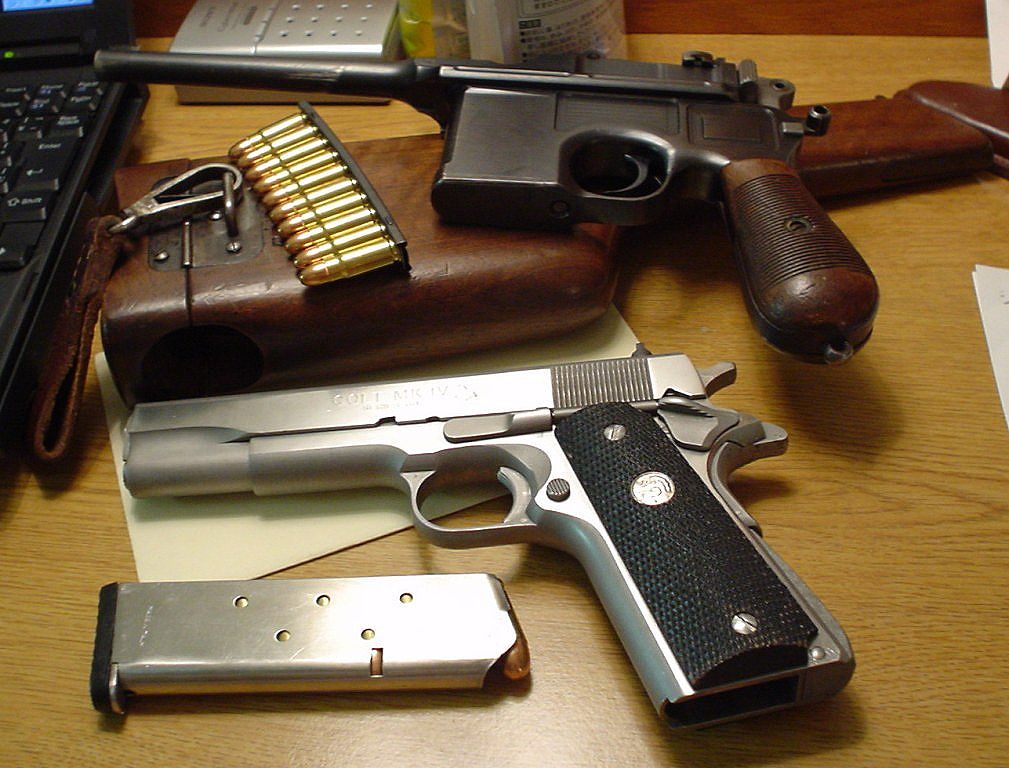
Arcadia Machine and Tool, commonly known as AMT, gained attention during the late twentieth century for producing stainless steel versions of popular handgun designs.
Founded in 1977 in Irwindale, California, the company specialized in manufacturing pistols that used corrosion-resistant stainless steel construction.
This feature made AMT firearms stand out during a time when most handguns were built from blued carbon steel.
Despite innovative materials and recognizable models, the company faced ongoing quality and reliability complaints.
Some firearms required factory repairs or modifications after purchase, which damaged the brand’s reputation among shooters.
As sales declined and operational problems grew, the company struggled financially.
Eventually, AMT filed for bankruptcy, forcing the sale of its assets and trademarks.
The brand passed through several successor companies before disappearing from mainstream firearm production.
The story illustrates how product reliability issues can severely impact long-term business survival.
Jimenez Arms and JA Industries
Jimenez Arms and its successor company, JA Industrie,s represent a complicated chapter in the American handgun manufacturing industry.
The business traces its roots to Jennings Firearms, which was founded in 1978 and later reorganized as Bryco Arms after an earlier bankruptcy. Bryco itself collapsed after losing a major lawsuit in 2003.
The remaining assets were later acquired and revived as Jimenez Arms. The company continued to produce inexpensive semi-automatic pistols with zinc-alloy frames, similar to earlier models.
However, legal scrutiny and financial pressure continued to follow the brand.
In February 2020, Jimenez Arms, operating as JA Industries, filed for Chapter 7 bankruptcy. After liquidation proceedings, the Bureau of Alcohol, Tobacco, Firearms,s and Explosives later revoked the company’s federal firearms license.
The complex chain of bankruptcies and reorganizations ultimately ended one of the most controversial handgun brands in the United States.
United Sporting Companies
United Sporting Companies was a major distributor that supplied firearms and outdoor equipment to retailers across the United States.
The company’s history stretched back to the Great Depression era, and for decades it served as an important link between manufacturers and retail stores.
However, the firearms retail market changed dramatically in the late 2010s. Sales declined after a surge that followed earlier political debates about gun regulations.
At the same time, some large retailers began reducing or eliminating firearm sales, which reduced demand for distributors.
These changes placed significant financial pressure on United Sporting Companies.
In 20,19 the business filed for bankruptcy protection and announced plans to liquidate operations.
The decision ended the long history of a distributor that had once played a major role in supplying firearms and hunting equipment throughout the United States.
Watchtower Firearms
Watchtower Firearms wasTexas-basedsed gun manufacturer known for producing modern rifles, suppressors, and firearm accessories.
Like many companies in the industry, Watchtower experienced strong sales during the pandemic years when firearm demand surged across the United States.
However, demand slowed sharply once the surge ended. In 2025, the company filed for Chapter 11 bankruptcy protection after experiencing declining consumer demand and operational disruptions.
Reports indicated that financial disputes and conflicts with a landlord also contributed to the company’s challenges.
Unlike Chapter 7 liquidation, Chapter 11 allows businesses to reorganize their finances while continuing operations.
Under new ownership, Watchtower attempted to recover by restructuring and rebranding as Watchtower Defense.
The company shifted its focus toward law enforcement and defense markets while planning a new manufacturing facility near Houston.
The bankruptcy highlighted how quickly market conditions can change within the firearms industry.
Bryco Arms
Bryco Arms was once a significant producer of inexpensive semi-automatic pistols in the United States.
Operating in California during the 1990s and early 2000s, the company manufactured compact handguns often sold through budget-friendly retail channels.
Bryco’s most well-known models included small-caliber pistols intended for personal defense and concealed carry.
Despite steady sales, the company became entangled in several lawsuits related to product safety and alleged misuse of its firearms.
One particularly costly legal case resulted in a large financial judgment against the company.
The lawsuit placed enormous financial pressure on Bryco’s operations and ultimately pushed the manufacturer into bankruptcy in 2003.
After the bankruptcy, the remaining assets and designs were acquired by new owners who attempted to revive the brand under a different company name.
The collapse of Bryco Arms remains one of the most widely discussed bankruptcies in the modern firearms industry.