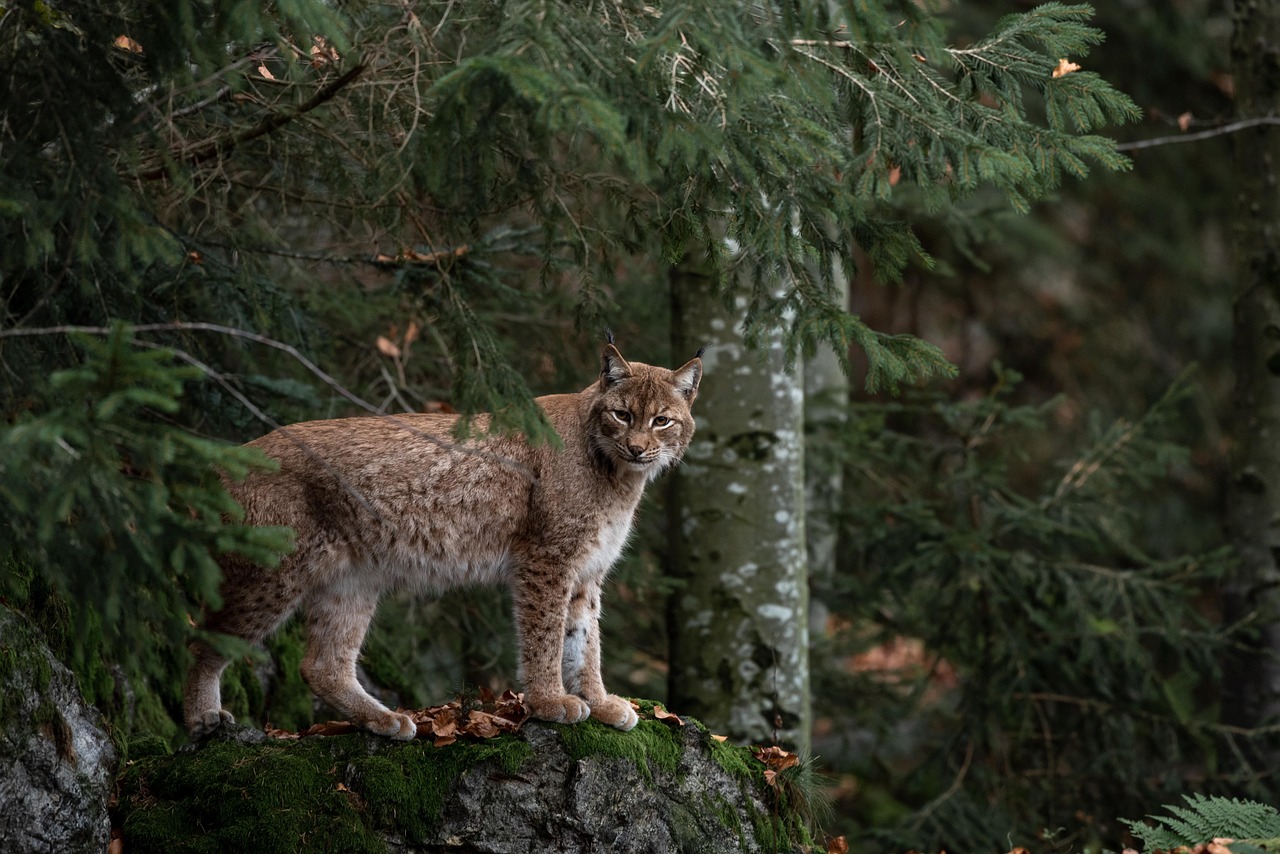
Bobcats may be elusive, but their presence is growing across much of the United States. Known for their spotted coats and short tails, these wild cats thrive in forests, deserts, and even suburban edges. While sightings are usually brief and harmless, encounters are becoming more common as humans expand into their habitats. Staying alert and respectful of their space helps ensure both people and wildlife can safely share the outdoors.
California

California’s diverse terrain offers ideal bobcat habitat, from mountain foothills to desert valleys. They often roam near hiking trails in regions like the Santa Monica Mountains or the Sierra Nevada foothills. Although shy by nature, they may be spotted in early morning or dusk hours when hunting small prey. Staying on marked paths reduces surprise encounters.
Texas
Texas is home to one of the largest bobcat populations in the country. They thrive in wooded areas, grasslands, and ranchlands across the state. Rural regions see them frequently, but suburban sightings are also rising as development expands. Keeping pets indoors and securing food sources helps prevent unwanted interactions near homes.
Florida
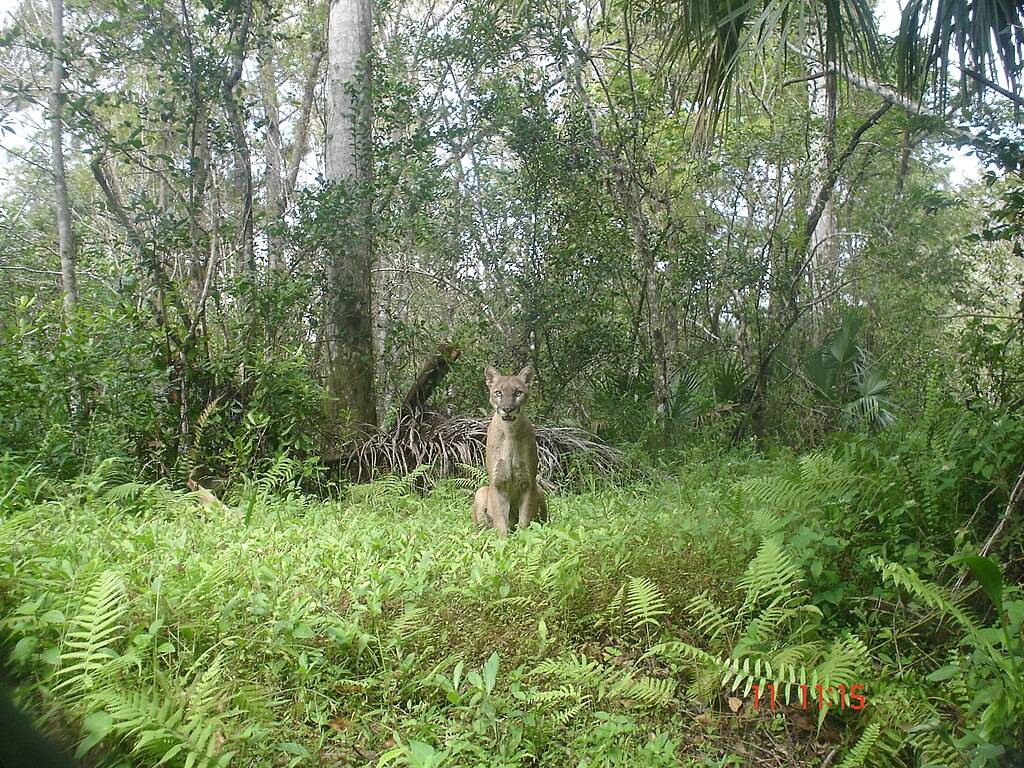
Florida’s warm climate supports a healthy bobcat population across swamps, forests, and coastal scrublands. They are active year-round and adapt easily to developed areas. While rarely aggressive, they can become protective if cornered or with young. Spotting one along park trails is common, especially near wooded wetlands and nature preserves.
Georgia
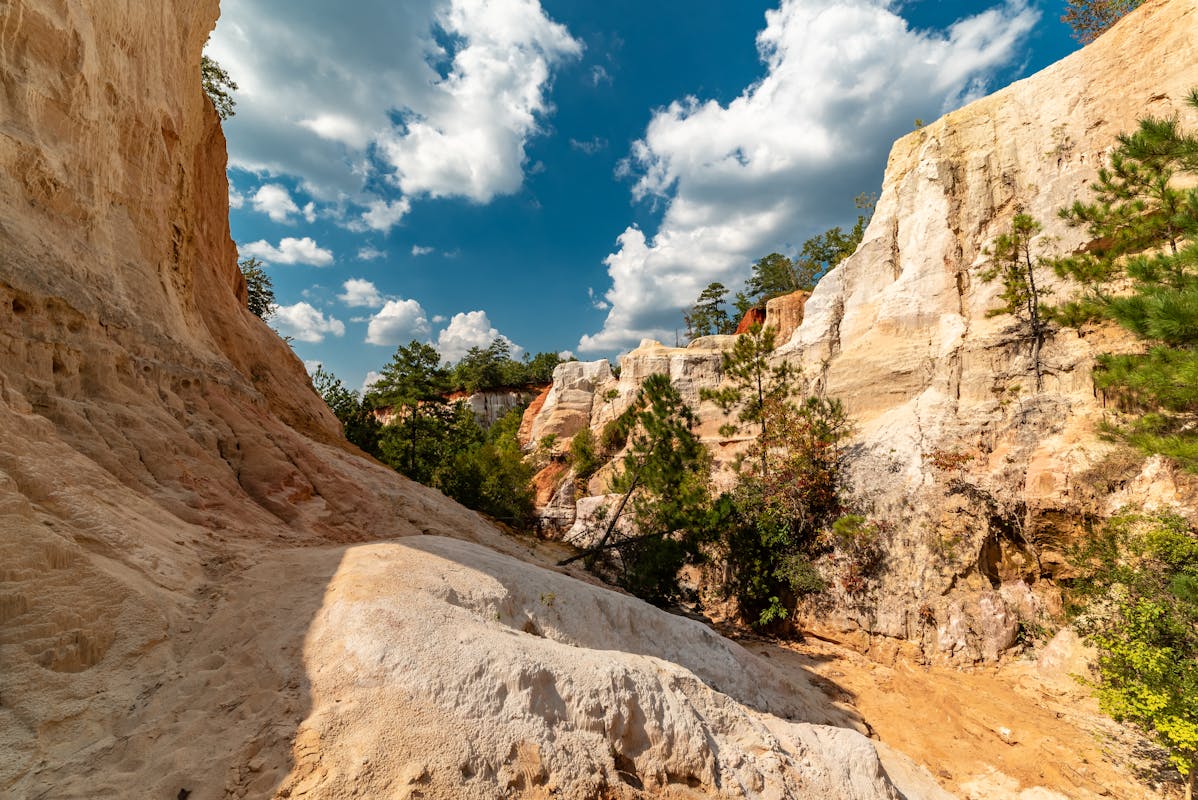
Georgia’s dense forests and rolling hills provide an excellent home for bobcats. They prefer secluded habitats but occasionally appear on rural roads or farms. Most sightings occur at dawn or dusk as they hunt rabbits or rodents. Wildlife officials encourage keeping a respectful distance if one crosses your path.
North Carolina
In North Carolina, bobcats inhabit mountains, coastal plains, and forested regions. Populations have steadily increased due to habitat restoration efforts. While they usually avoid people, hikers in wooded parks sometimes catch glimpses at twilight. Keeping noise low on trails often leads to rare but exciting sightings.
South Carolina

South Carolina’s pine forests and wetlands create ideal conditions for bobcats. They are more active in cooler months and can be spotted near fields or forest edges. Though solitary, they play an important role in controlling small animal populations. Staying calm and giving space ensures peaceful coexistence when outdoors.
Arizona

Bobcats are common throughout Arizona’s desert landscapes and mountain regions. They adapt well to arid environments, often resting in shaded rock crevices by day and hunting at night. Suburban areas near Phoenix and Tucson also report frequent sightings. Avoid leaving water or food outside to discourage visits near homes.
New Mexico
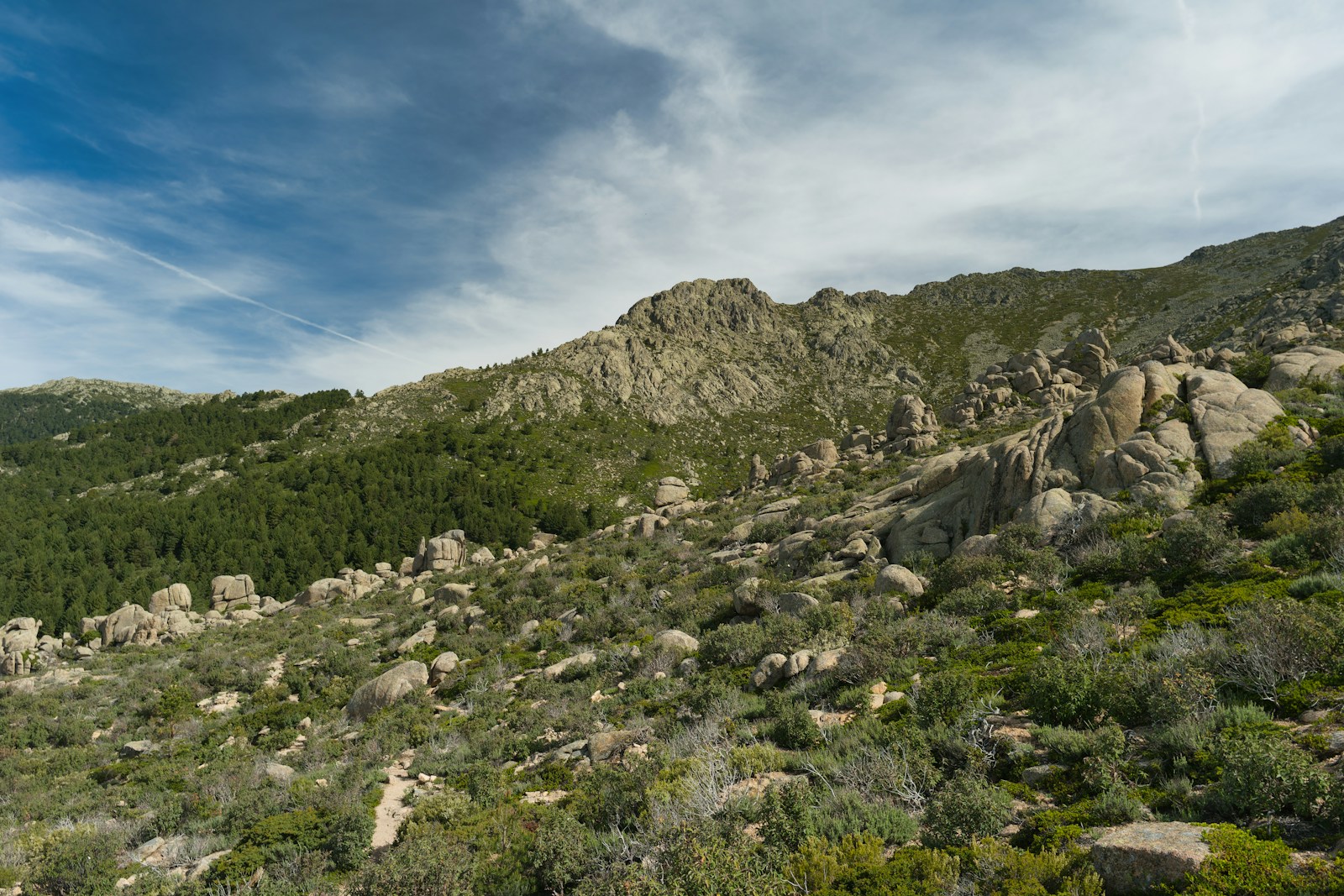
New Mexico’s rugged terrain provides perfect cover for bobcats. They thrive in desert canyons and foothills, blending easily into rocky backdrops. Campers may hear their distinctive yowls at night, though direct encounters are rare. Keeping campsites tidy and food sealed helps prevent drawing their attention.
Colorado
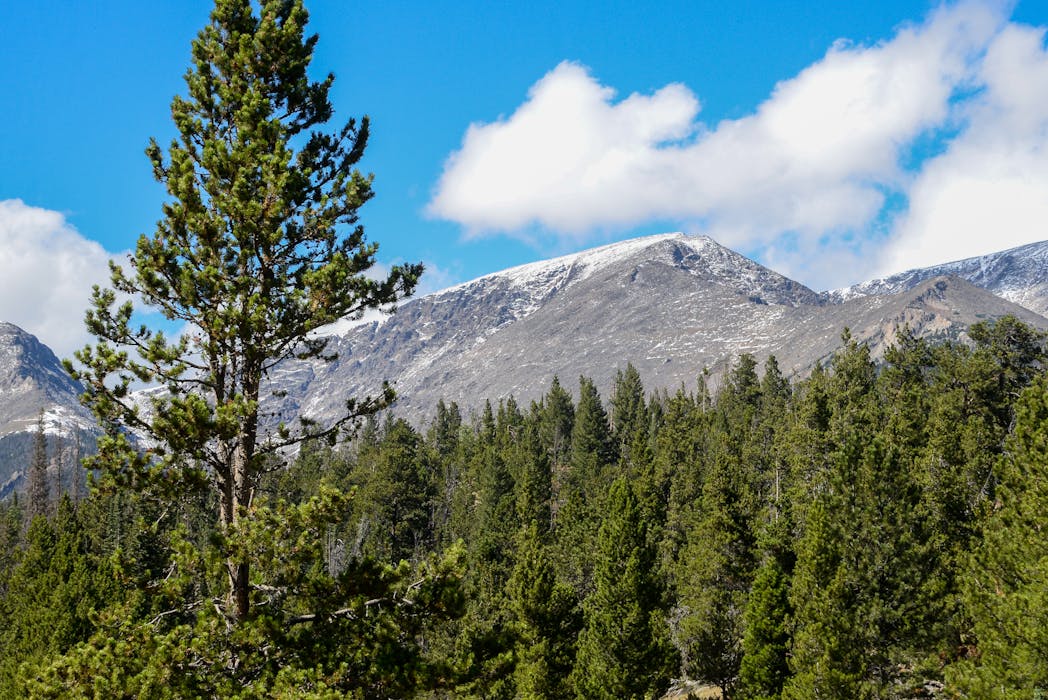
Colorado’s mix of forests, plains, and mountain slopes supports a healthy bobcat population. They are seen near hiking trails and foothill communities, particularly during dawn and dusk. While generally wary of people, they can appear curious. Observing from a safe distance offers the best chance for appreciating their beauty.
Oregon

Bobcats in Oregon roam from coastal forests to high desert plateaus. They often follow rivers or forest edges while hunting. Hikers may spot tracks or markings near campsites, but rarely the animals themselves. Staying aware of surroundings, especially at sunrise, increases the odds of a fleeting sighting.
Washington

Washington’s dense forests and mountainous regions host a growing number of bobcats. They remain cautious around humans but sometimes wander near rural properties. Their adaptable nature allows them to thrive in both wet western forests and dry eastern plateaus. Trail users should stay observant and respect their distance.
Nevada
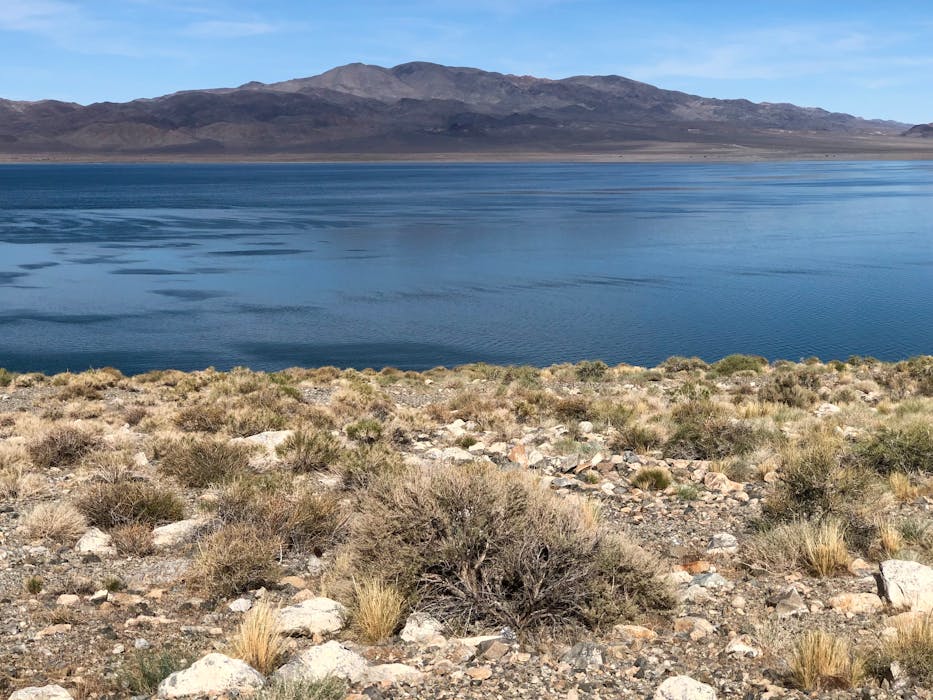
Nevada’s bobcats are well adapted to desert and mountain environments. They roam freely through national parks and canyons, hunting small mammals at night. Hikers in regions like Red Rock Canyon occasionally glimpse them crossing rocky trails. Avoid approaching or attempting to photograph them up close for safety.
Utah
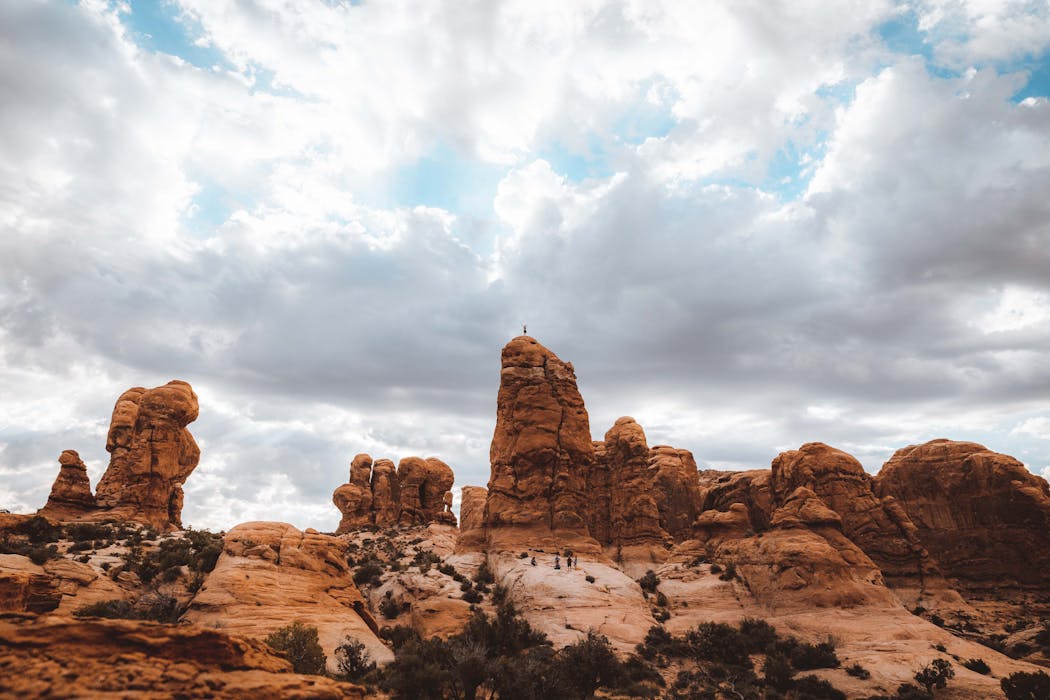
Utah’s canyons, forests, and desert mesas offer excellent bobcat habitat. These secretive predators often rest in rock shelters or thick brush during the day. Visitors to state parks sometimes spot them near quiet trails. The best approach is to observe quietly without startling or following them.
Arkansas
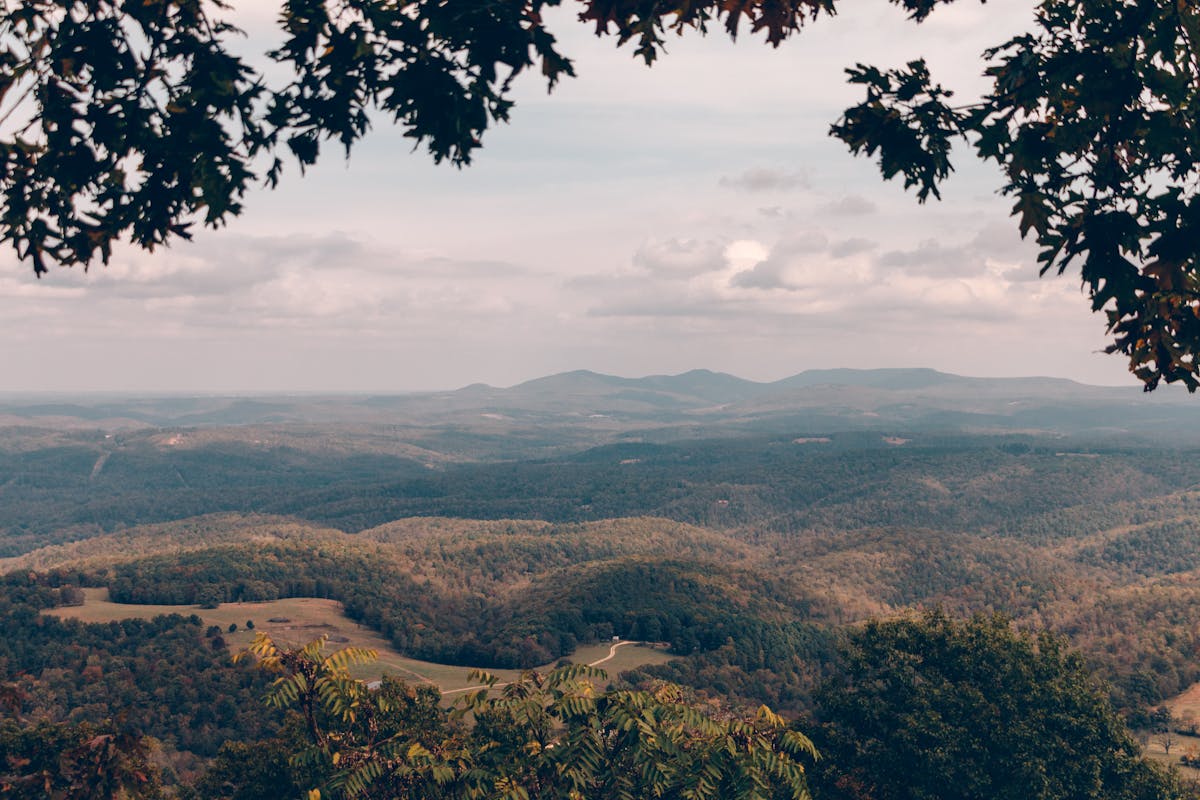
Arkansas’ mix of wooded hills and farmland provides plenty of space for bobcats. They are often seen crossing rural roads or near hunting areas. While rarely aggressive, they may hiss or retreat if startled. Watching from a distance allows for a safe, memorable encounter.
Tennessee

Tennessee’s forests, ridges, and river valleys support a growing number of bobcats. They prefer secluded areas but occasionally appear near farms or suburban neighborhoods. Most activity happens at night, though early risers might spot one near wooded trails. Quiet observation is the best way to appreciate their natural grace.
Oklahoma

Bobcats thrive across Oklahoma’s diverse habitats, from grasslands to forests. Farmers often see them near barns or fields searching for rodents. Sightings have become more frequent around smaller towns. Maintaining clean yards and avoiding feeding wildlife reduces unintentional invitations for visits.
Alabama

In Alabama, bobcats are widespread across wooded and rural areas. They help control small animal populations, making them important to the ecosystem. Early morning hikers or hunters may spot them moving silently through the underbrush. Respecting their territory ensures peaceful coexistence while enjoying nature.
Louisiana
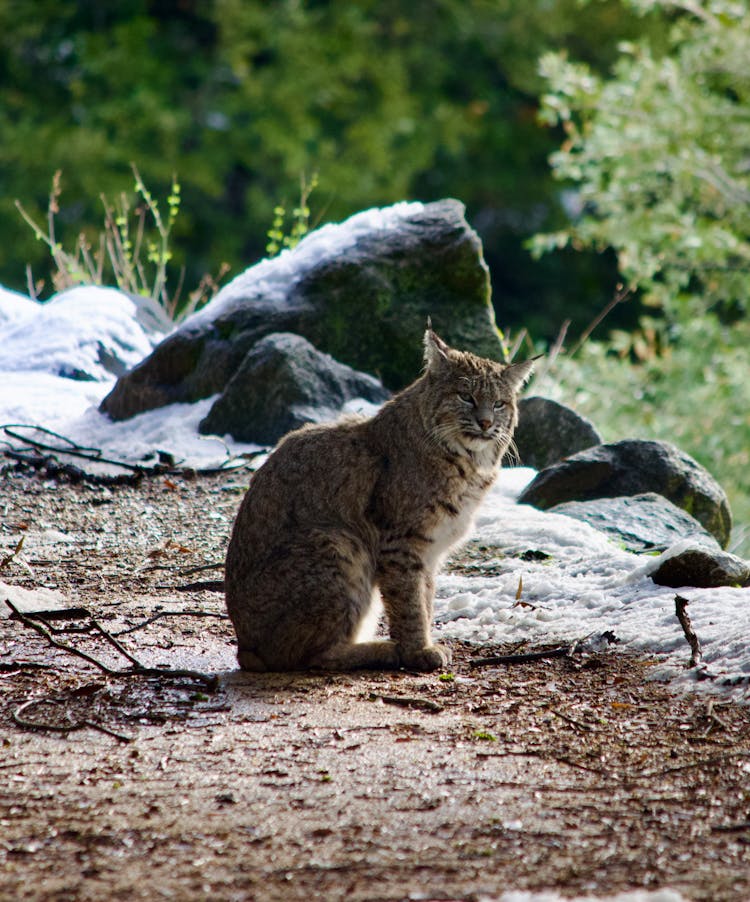
Louisiana’s swamps and pine forests are prime bobcat territory. They hunt at night and rest in thick vegetation during the day. Encounters are uncommon but memorable for those who catch a glimpse. Staying on marked trails and keeping pets close reduces any chance of unwanted surprises.
Missouri
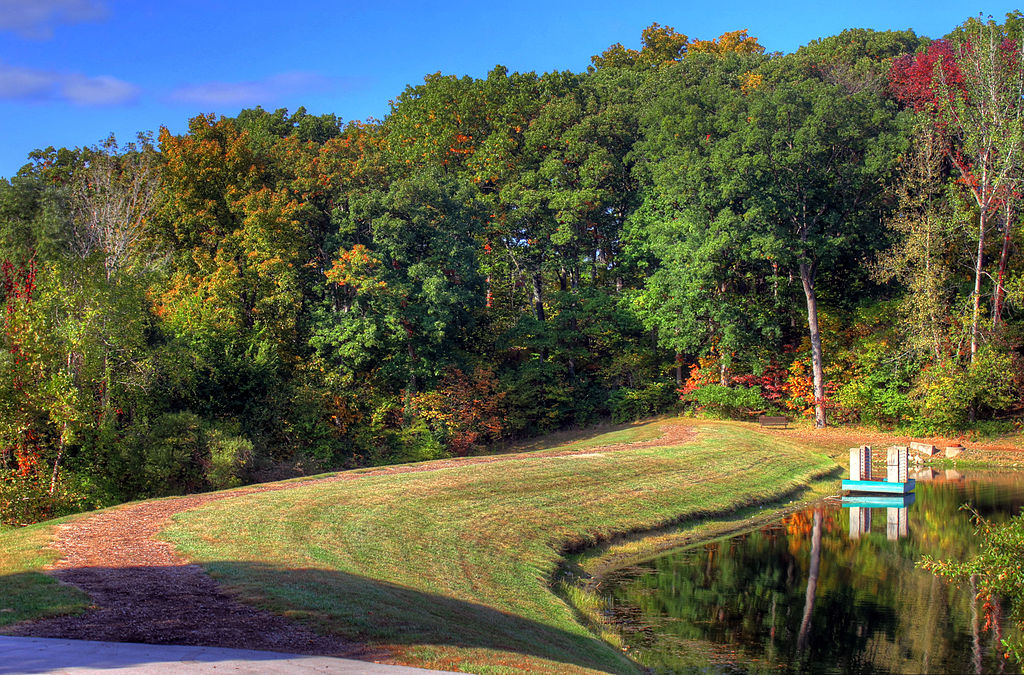
Missouri’s woodlands and farmlands provide a stronghold for bobcats. They have rebounded from past population declines and now thrive statewide. Wildlife enthusiasts sometimes see them near rivers or dense forest areas. Their stealthy movements make them a rare but exciting part of outdoor exploration.
Wisconsin
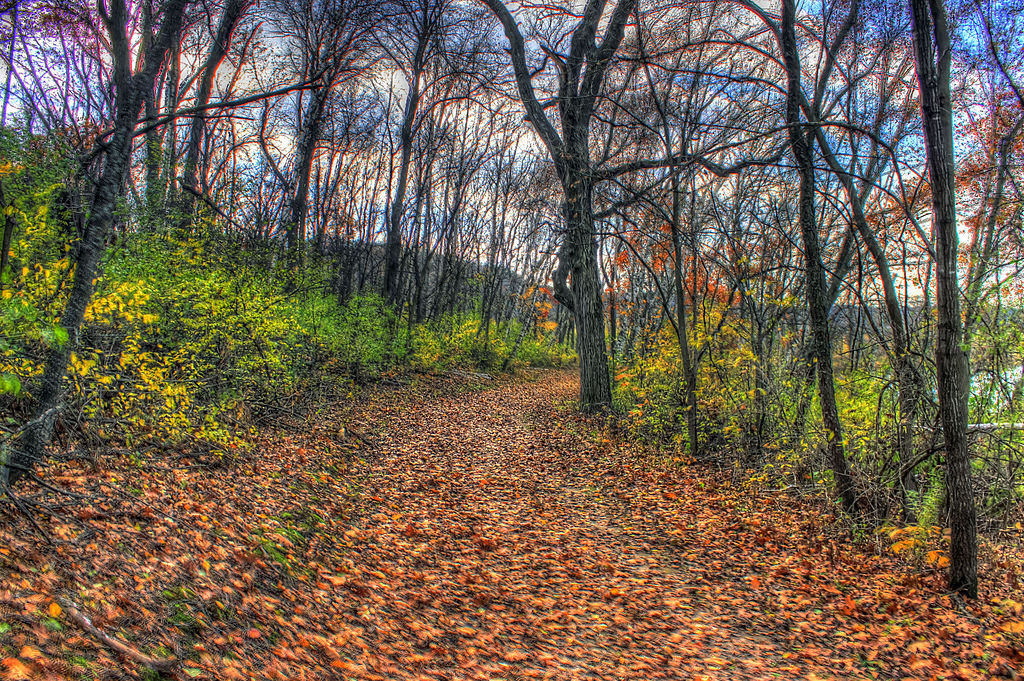
Wisconsin’s bobcat population continues to expand across northern and central regions. They favor dense forests and wetlands but adapt well to rural areas. Winter tracking often reveals their presence through paw prints in the snow. Observing quietly without disturbance keeps both humans and wildlife safe during encounters.