Homeowners take great pride in maintaining beautiful spaces filled with lush gardens and inviting patios. However, a peaceful property can quickly turn hazardous when specific environmental factors start drawing unwanted animal guests. Recognizing the warning signs that a yard is attracting dangerous wildlife prevents potentially harmful encounters right outside the back door. Many common landscaping choices and outdoor habits inadvertently create perfect habitats for predators and aggressive pests. Identifying these subtle clues early allows property owners to safely modify their outdoor environments immediately. Proactive property management keeps families and pets completely safe from unexpected threats lurking in the bushes.
Unusual Pet Behavior

Domestic dogs and indoor cats possess highly sensitive instincts that detect hidden predators long before humans notice any danger. A normally calm dog repeatedly barking furiously at a dark corner of the garden often signals an intruder. Pets refusing to go outside for their evening bathroom breaks might sense coyotes or mountain lions hiding nearby. Raised hackles and nervous pacing near large windows indicate that a wild animal recently crossed the lawn. Paying close attention to anxious animal reactions helps residents spot potential threats lurking beyond the porch lights. Trusting their acute senses provides an excellent early warning system.
Depleted Bird Feeders

Filling hanging feeders constantly without seeing many actual birds points directly toward larger animals stealing the expensive seeds. Bears absolutely love the high caloric content found in suet blocks and black sunflower seeds during the warmer months. Waking up to find heavy metal feeding stations completely bent or dragged into the woods confirms a very large visitor. Raccoons easily climb tall wooden posts to empty entire seed trays in a single busy evening. Taking these attractive food sources indoors at dusk drastically reduces the chances of drawing hungry predators. Leaving them hanging simply invites massive trouble every single night.
Unfamiliar Animal Tracks

Spotting strange footprints pressed deeply into muddy flower beds warrants immediate and careful investigation by concerned property owners. Massive paw prints lacking visible claw marks generally belong to predatory mountain lions roaming through residential suburban neighborhoods. Wide tracks featuring long claws perfectly match the heavy footfalls of black bears searching for discarded dinner leftovers. Tiny handlike impressions near water features or outdoor kitchens typically identify a resident raccoon population actively patrolling the area. Regularly smoothing out loose dirt patches helps residents continuously monitor exactly what types of wild creatures wander past. Identifying these subtle tracks ensures proper safety precautions.
Strange Nighttime Noises
Hearing unexplained sounds echoing outside bedroom windows frequently reveals the hidden presence of aggressive and dangerous nocturnal wildlife. Heavy thumping noises along the roof indicate large raccoons attempting to break into the warm residential attic spaces. Loud yelping sounds multiplying rapidly across a dark field confirm a large coyote pack hunting together nearby. Deep grunting or heavy breathing near ground-floor windows suggests a massive feral hog or bear wandering past. Installing bright motion sensor lights quickly startles these animals and prevents them from establishing comfortable dens near the house. Listening closely guarantees a much safer outdoor living environment.
Missing Smaller Wildlife
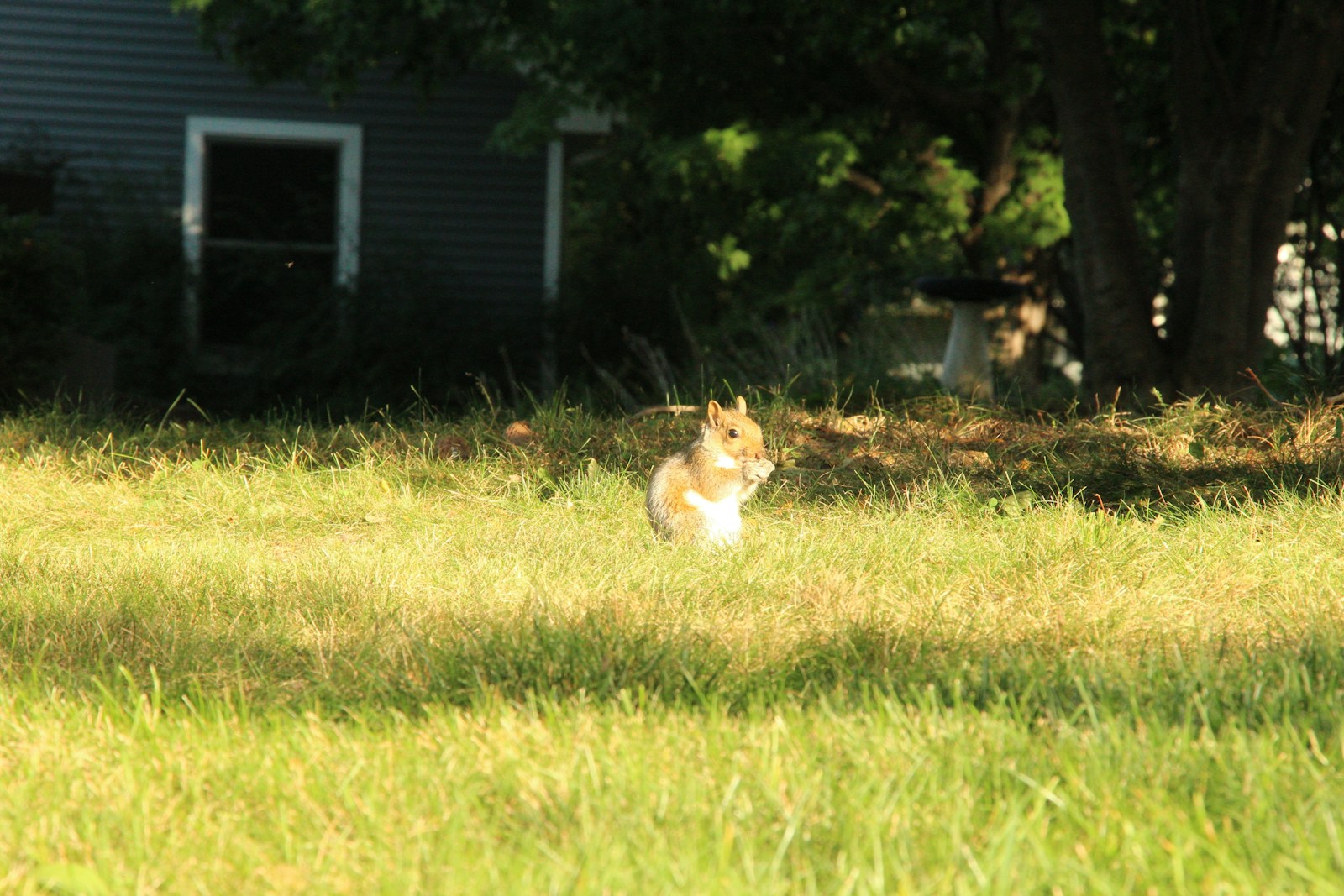
A sudden and complete disappearance of common garden visitors serves as a stark warning regarding invisible neighborhood threats. Rabbits and squirrels rapidly abandon their usual foraging grounds when a major predator establishes a hunting territory nearby. Finding an eerie silence around the property indicates that smaller animals detect a lethal threat hiding in the brush. Coyotes and foxes systematically hunt local rodent populations until the area becomes completely barren of normal wildlife activity. Observing this sudden ecological shift requires homeowners to exercise extreme caution before stepping into the backyard at night. Paying attention ensures personal safety outdoors every day.