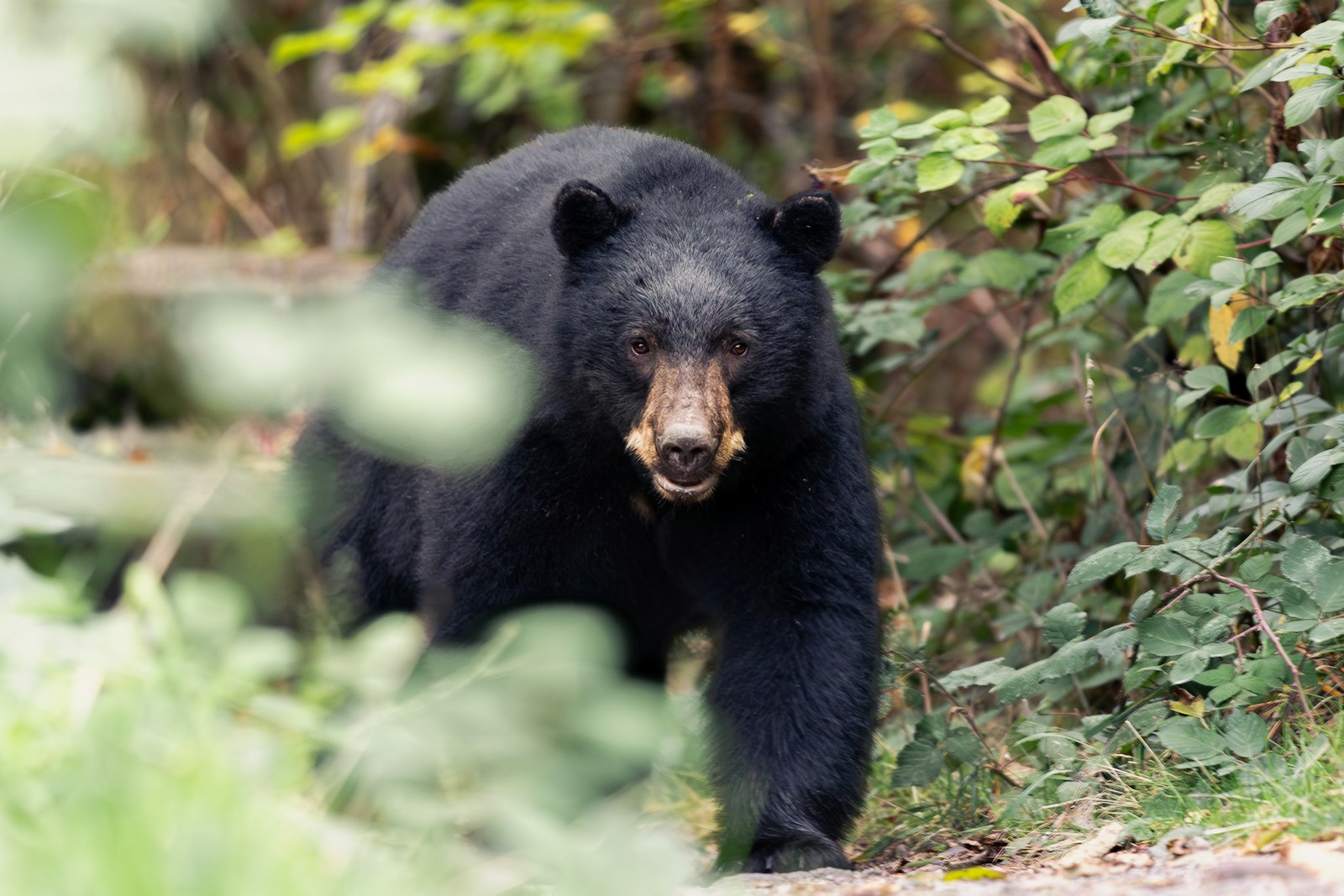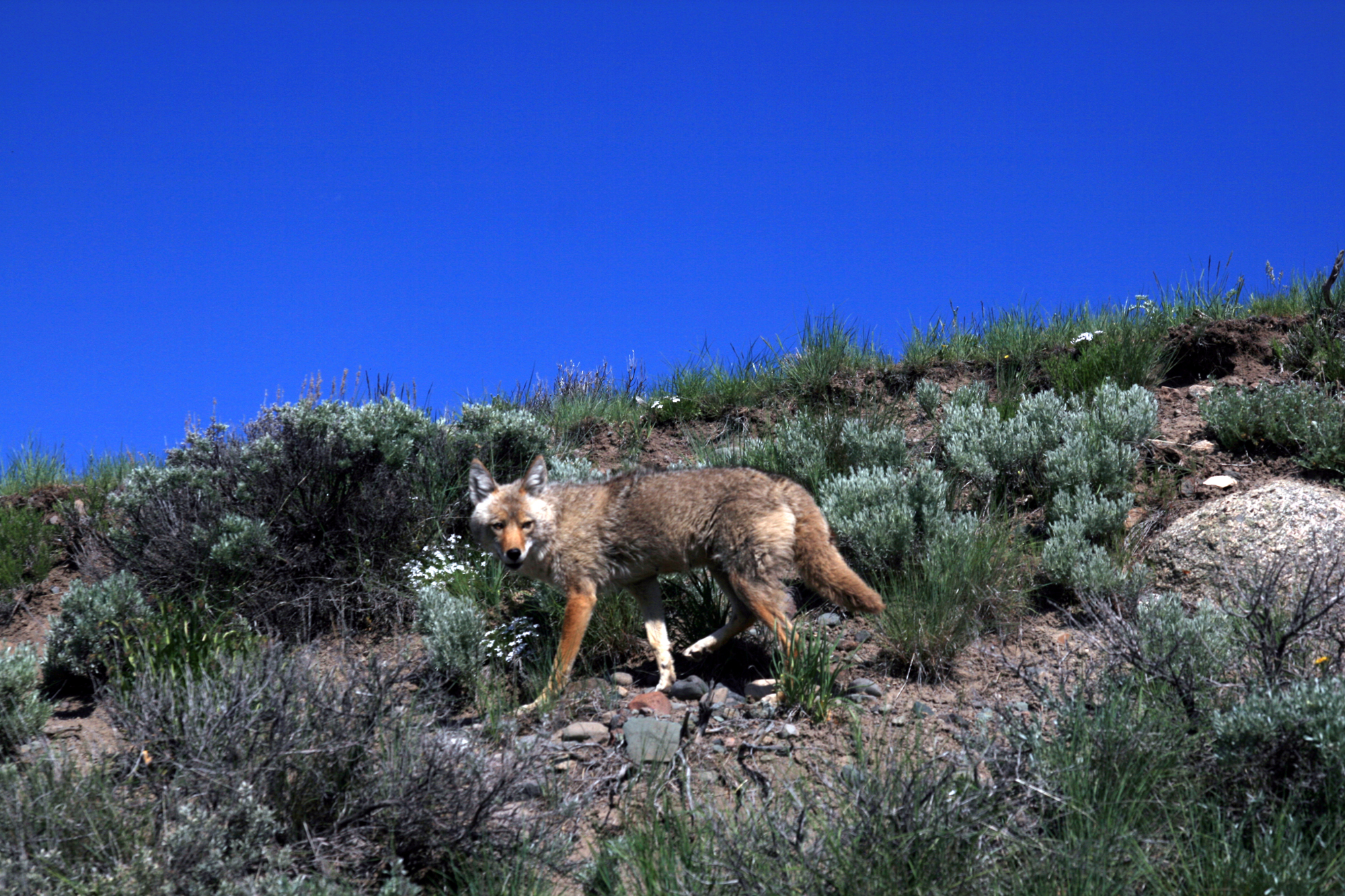
Yellowstone National Park is often portrayed as a timeless wilderness, but survival there depends on constant adaptation. When predator populations shift, even apex hunters are forced to rethink how they live, hunt, and compete. Over the past decades, ecological changes have pressured two well-known predators to alter long-standing habits to survive. These changes were not sudden collapses, but gradual behavioral adjustments driven by competition, risk, and opportunity. By watching how these predators responded, scientists gained rare insight into how flexible even highly specialized hunters can be. Their stories reveal that dominance in nature is never permanent, and survival often favors those willing to change first rather than those who cling to tradition.
Coyotes Face a New Power Structure
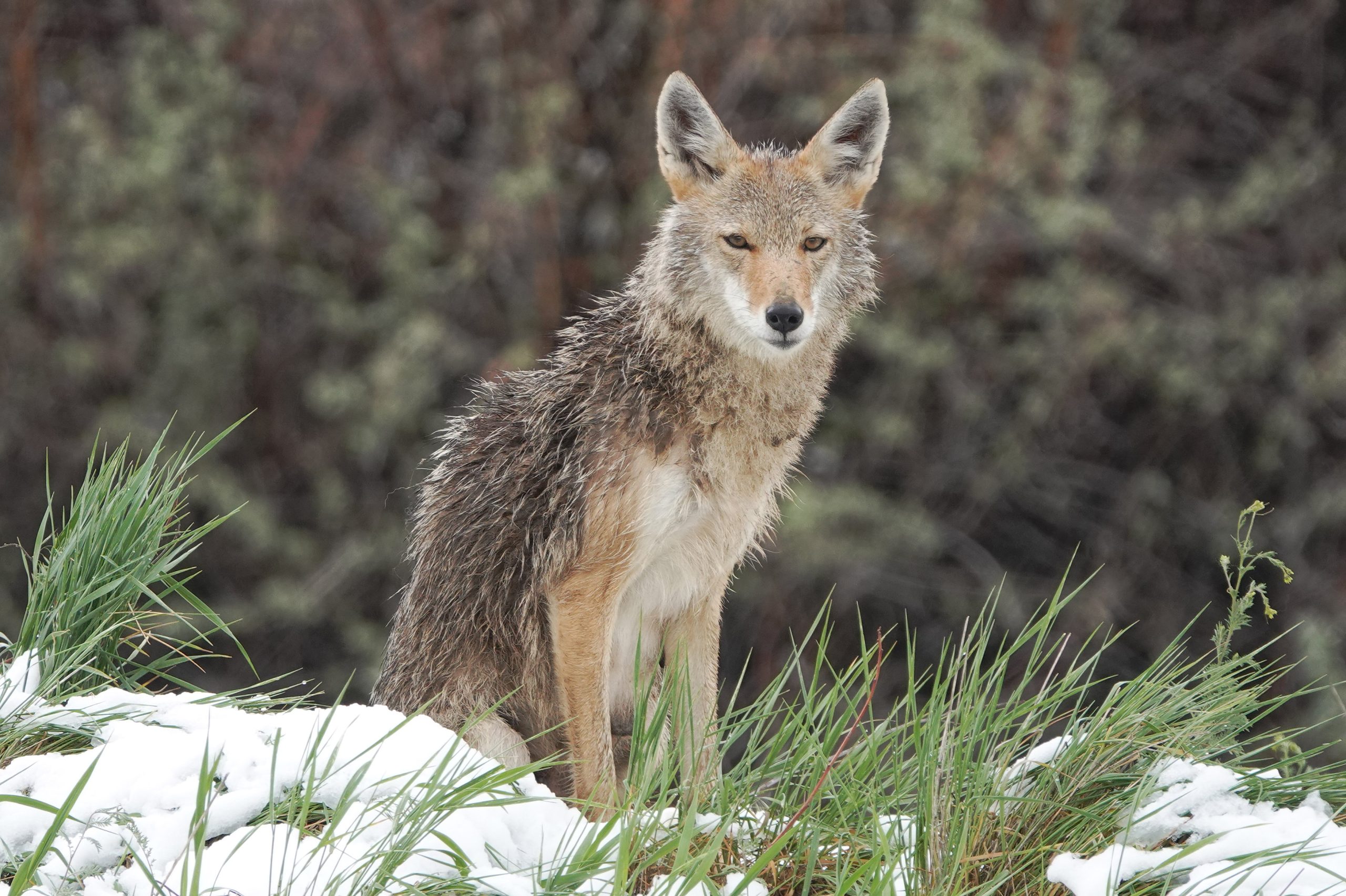
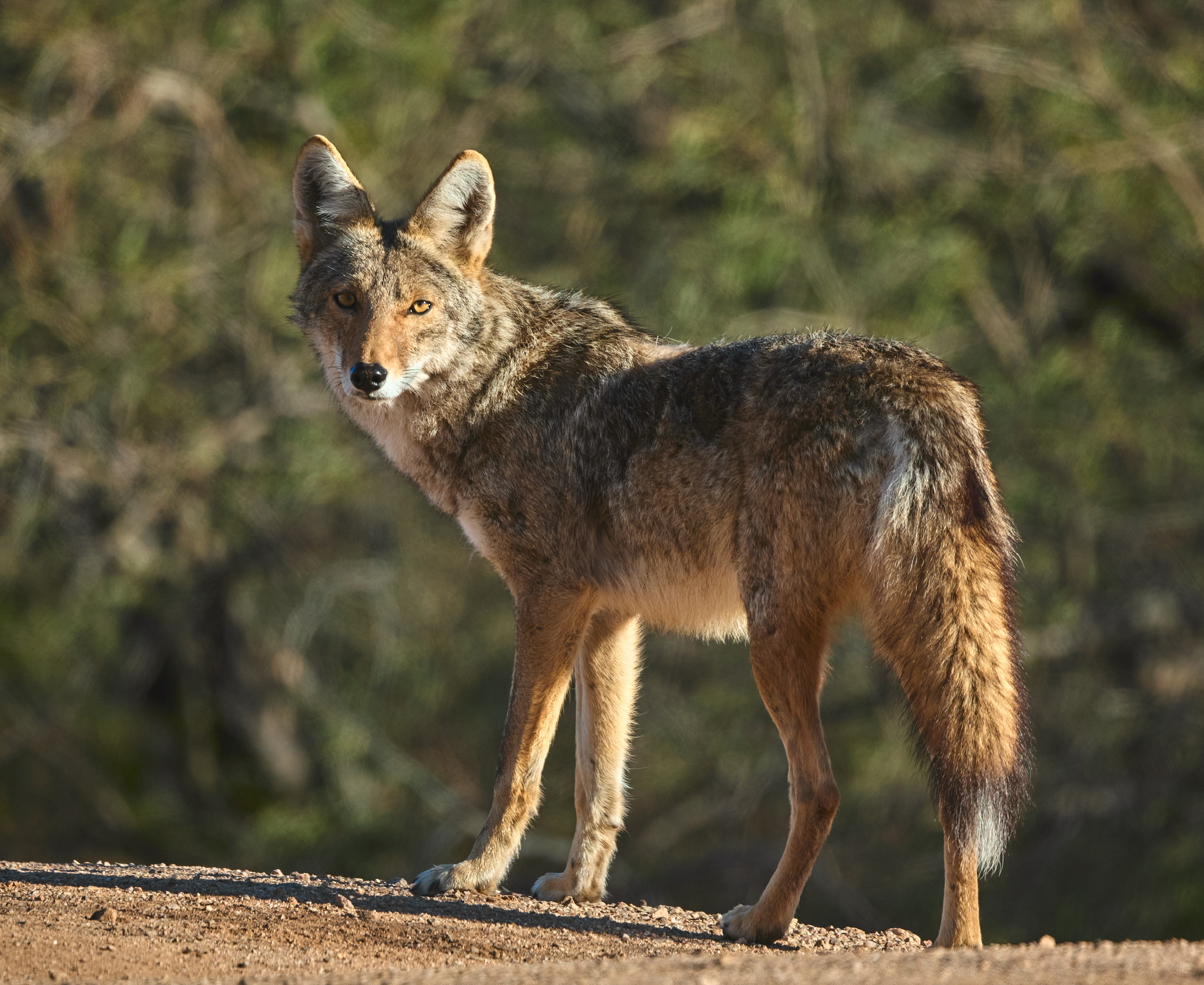
Before wolves returned to Yellowstone, coyotes occupied the role of top canid predator. They hunted freely in open valleys, controlled smaller prey populations, and faced few serious threats. The arrival of wolves abruptly disrupted that balance. Wolves competed directly for food and actively killed coyotes when encounters occurred. In response, coyotes changed their habits dramatically. They began avoiding open spaces, hunting more cautiously, and shifting activity to less predictable hours. Many reduced the pack size or operated alone to remain mobile. This behavioral flexibility allowed coyotes to persist despite heavy pressure, proving that survival sometimes depends less on strength and more on strategic retreat and adaptability.
Hunting Smarter Instead of Harder
With wolves dominating larger prey like elk, coyotes were forced to adjust their diet. Instead of relying on traditional hunting patterns, they shifted toward smaller mammals such as rodents, rabbits, and ground-nesting birds. They also increased scavenging in areas wolves frequented, carefully timing their visits to avoid direct encounters. This change required sharper awareness and greater risk assessment. Coyotes became more observant, listening for wolf movement and using terrain to escape if needed. Rather than disappearing, they refined their role in the ecosystem. Their altered hunting strategy reduced conflict while allowing them to survive alongside a more powerful competitor.
Mountain Lions Lose Their Ambush Advantage
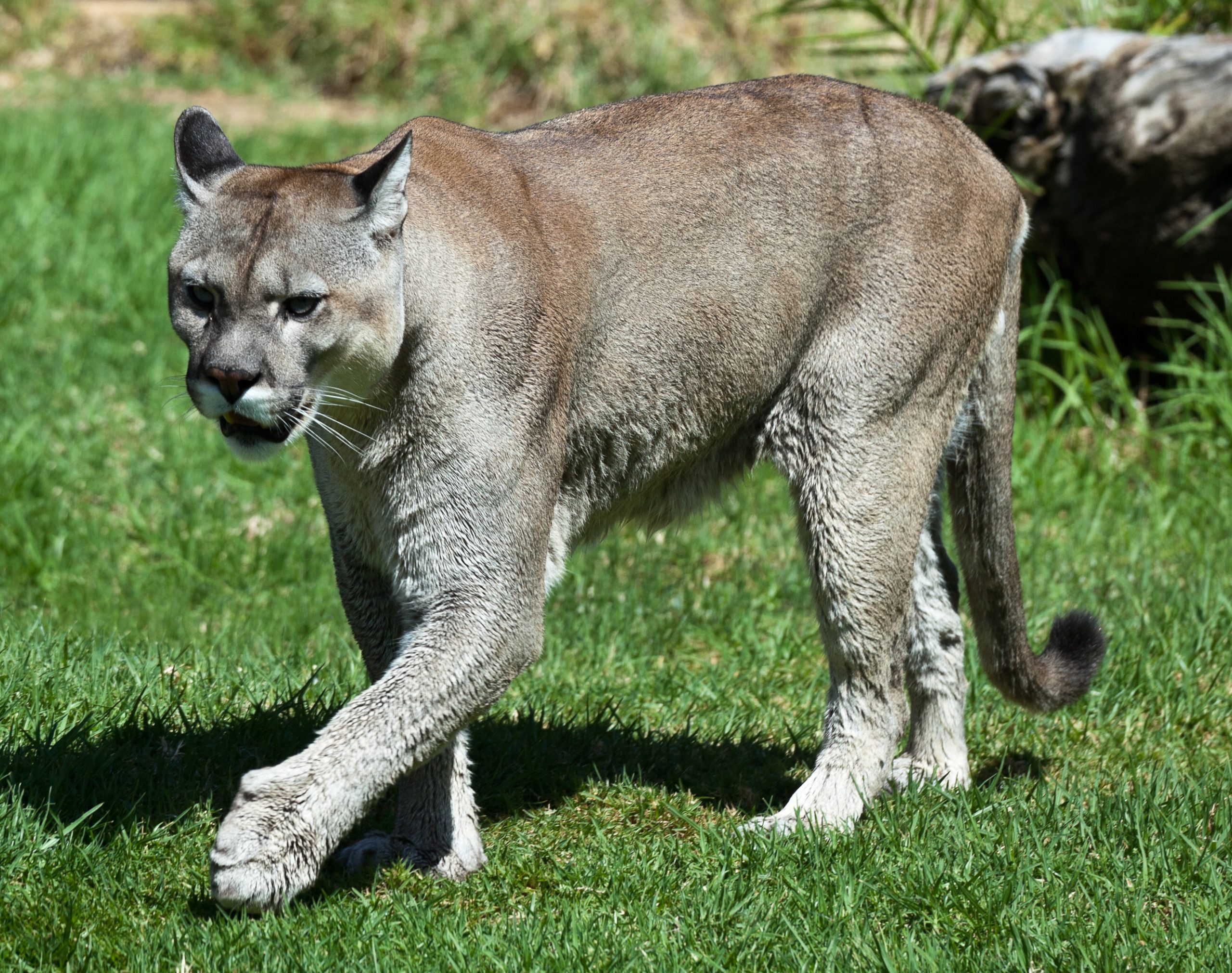
Mountain lions rely heavily on stealth, isolation, and surprise. Yellowstone’s changing predator landscape challenged that approach. Wolves frequently disrupted lion kills, either by driving them off or scavenging carcasses before lions could fully feed. This forced mountain lions to reconsider where and when they hunted. Open valleys became dangerous, increasing the chance of detection and confrontation. As a result, lions moved into steeper, forested terrain where visibility favored ambush and escape routes were plentiful. This shift reduced hunting efficiency but increased survival. It demonstrated that even apex ambush predators must compromise when competition becomes too costly.
Timing Becomes a Survival Tool
To avoid wolves, mountain lions adjusted not only location but also timing. They became more nocturnal, hunting later at night when wolves were less active. This reduced encounters but came at a biological cost. Night hunting requires more energy and increases the risk of failed pursuits. Lions also spent more time guarding kills, dragging carcasses into dense cover or uphill terrain to delay discovery. These changes highlight how behavioral flexibility can offset competitive disadvantages. Survival depended less on overpowering rivals and more on minimizing interaction through careful scheduling and spatial awareness.
Increased Energy Costs and Tradeoffs
Both coyotes and mountain lions paid a price for their adaptations. Avoidance behavior increases travel distance, energy expenditure, and stress. Coyotes spent more time moving and less time feeding, while mountain lions faced higher risks of starvation after losing kills. These tradeoffs reveal the hidden costs of coexistence. Survival was possible, but efficiency declined. Yet extinction did not occur, showing that adaptability can compensate for reduced access to resources. Yellowstone’s predators demonstrated that long-term survival often means accepting short-term losses in comfort, territory, and dominance.
Ripple Effects Across the Ecosystem
As these predators changed habits, the effects spread beyond them. Coyotes hunting fewer large prey allowed some small animal populations to fluctuate, while mountain lions shifting terrain altered predation pressure in forested areas. These behavioral shifts influenced scavengers, vegetation recovery, and even riverbank stability. The forced adaptation of two predators reshaped interactions throughout the ecosystem. Yellowstone became a living demonstration that behavior, not just population numbers, drives ecological balance. Predator adaptation proved just as influential as predator presence.
What Yellowstone Teaches About Resilience
The experiences of coyotes and mountain lions in Yellowstone challenge the idea that nature is rigid. Instead, they show that resilience often depends on flexibility. Predators that adapted survived; those that resisted change declined. These lessons extend beyond wildlife biology. They remind us that competition does not always eliminate weaker players, but forces them to evolve new strategies. Yellowstone’s predators survived not because conditions improved, but because they learned how to operate within harsher realities. Adaptation, not dominance, became the ultimate survival trait.
Conclusion: Survival Favors the Adaptable
Yellowstone’s evolving predator dynamics reveal a powerful truth about survival. Coyotes and mountain lions were not defeated by change; they were reshaped by it. Forced to alter hunting methods, timing, and territory, both predators demonstrated remarkable behavioral flexibility. Their stories highlight how ecosystems are driven as much by behavior as by biology. In Yellowstone, survival was not about maintaining old habits, but about recognizing when those habits no longer worked. These predators endured by adjusting to pressure rather than resisting it, proving that adaptability remains one of nature’s most powerful survival tools.