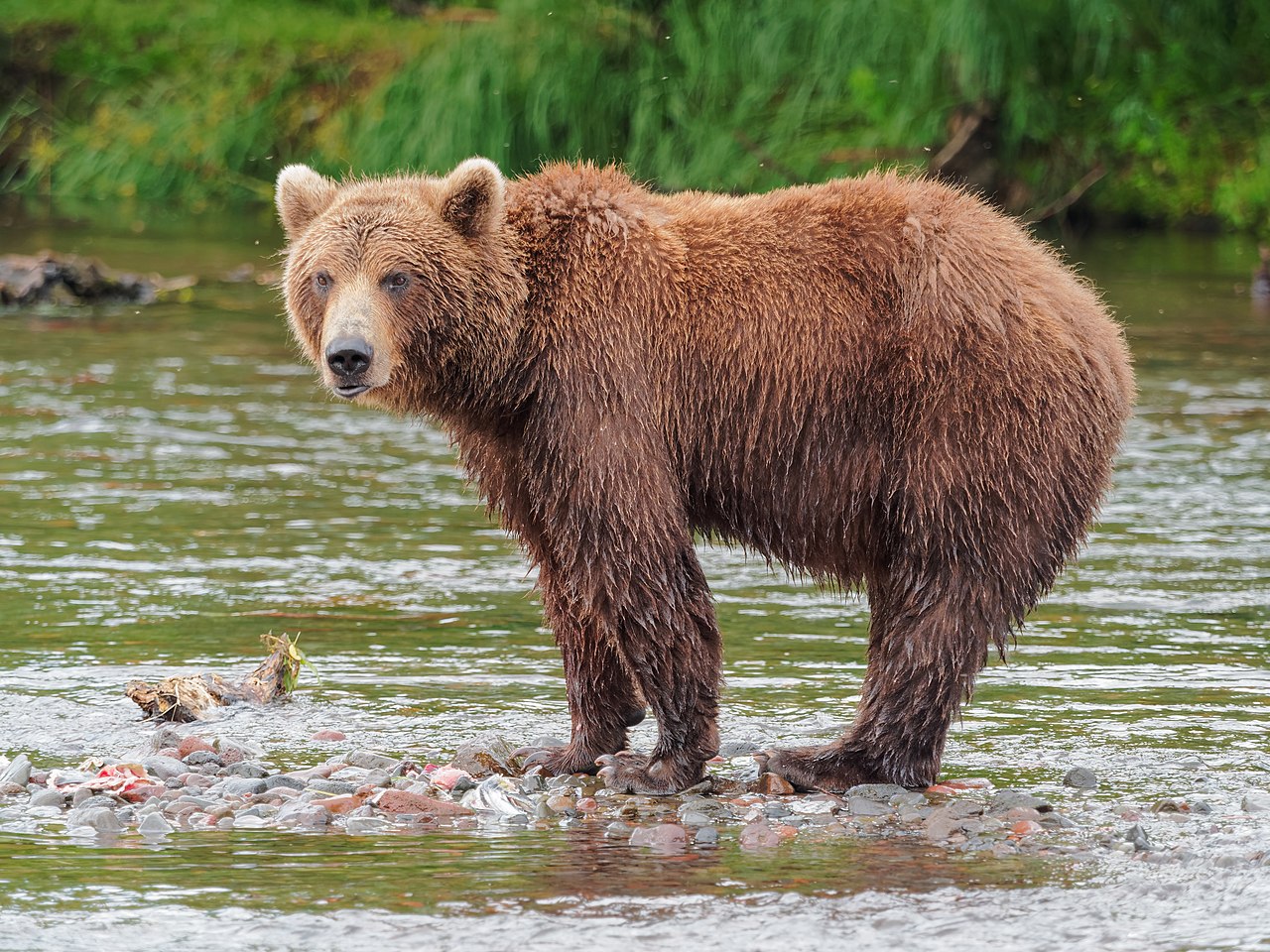
Professional guides do not have the luxury of theoretical preferences. When a client stumbles into a sow grizzly with cubs at 15 feet on a brushy Alaskan riverbank, the caliber on the guide’s hip is not a conversation topic. It is the only variable between a manageable situation and a fatality, and guides who work that terrain season after season have formed opinions about what works through a combination of documented incident outcomes, hard-earned field experience, and the kind of honest risk assessment that comes from understanding that a failed stop has consequences measured in human lives rather than range scores. The debate around bear defense calibers has never been louder than it is in 2026, partly because grizzly range expansion into the lower 48 states has introduced the bear defense question to a much larger population of hikers, guides, and outfitters who previously operated in black bear-only territory. The five calibers examined here are the ones that professional guides from Alaska to the Northern Rockies consistently recommend when the question is asked seriously, with the specific ballistic data, penetration figures, and real-world incident context that separates genuine field wisdom from forum speculation.
1. .44 Remington Magnum
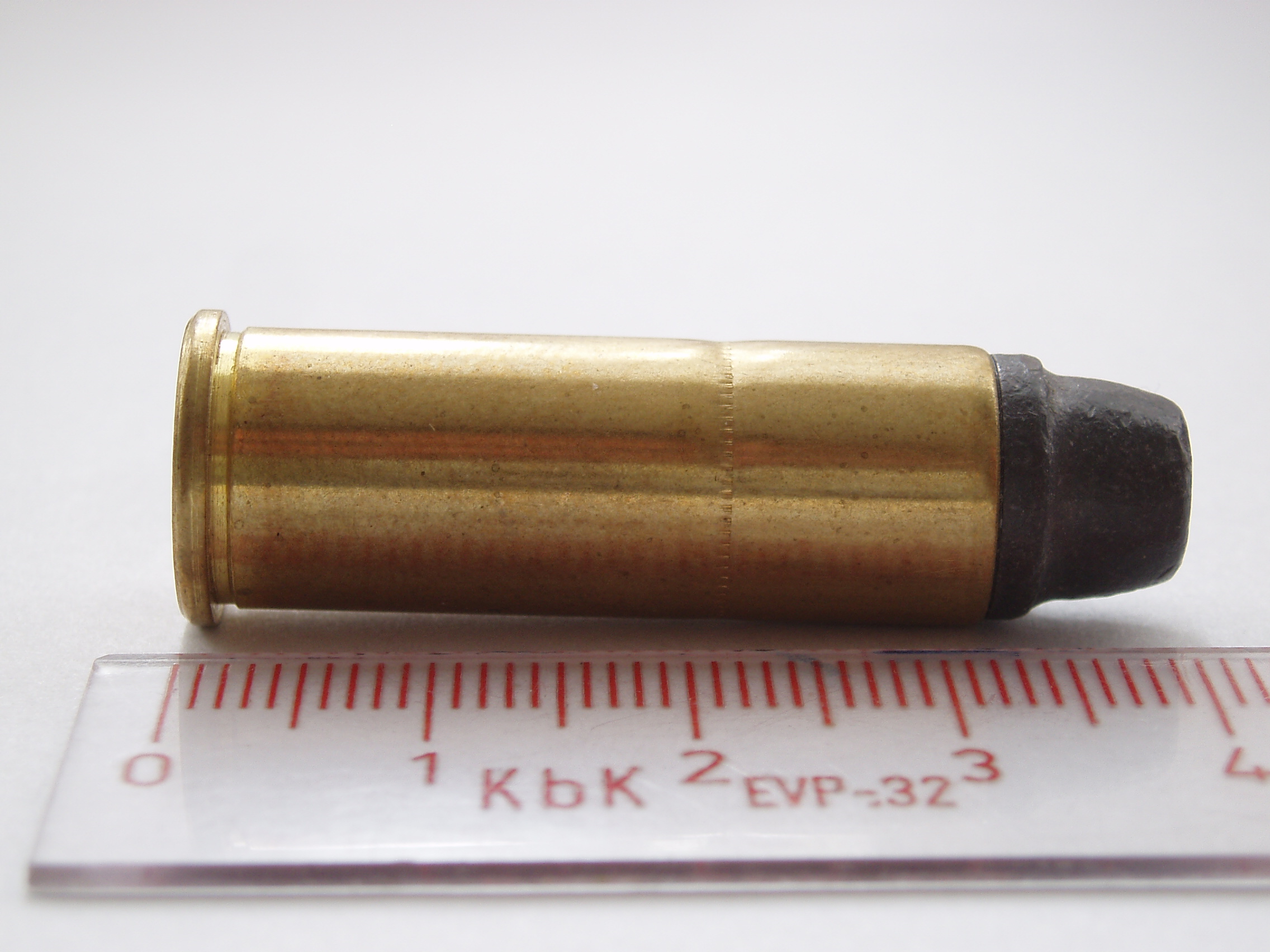
The .44 Remington Magnum has accumulated more documented successful bear defense stops than any other handgun cartridge across Alaska Department of Fish and Game incident records, and that accumulated data is the primary reason professional guides continue recommending it above newer and more ballistically impressive alternatives in 2026. A 240-grain hard cast flat nose bullet driven to 1,350 fps from a 6-inch revolver barrel generates approximately 971 foot-pounds of muzzle energy with penetration in ballistic gelatin consistently exceeding 36 inches, reaching the vital organ depth that stopping a charging brown bear requires, regardless of approach angle. The cartridge’s combination of bullet diameter at 0.429 inches, sectional density of 0.186, and hard cast construction produces a wound channel that disrupts central nervous system function more reliably than smaller, faster projectiles that shed velocity and penetration depth at impact. Guides consistently cite the .44 Magnum’s manageability advantage over larger calibers, noting that accurate shot placement under extreme stress matters more than raw energy figures that exceed what the shooter can deliver on target. Retail ammunition costs run approximately $2.50 to $3.50 per round for quality hard cast defensive loads from manufacturers including Buffalo Bore and Grizzly Cartridge Company.
2. 10mm Auto
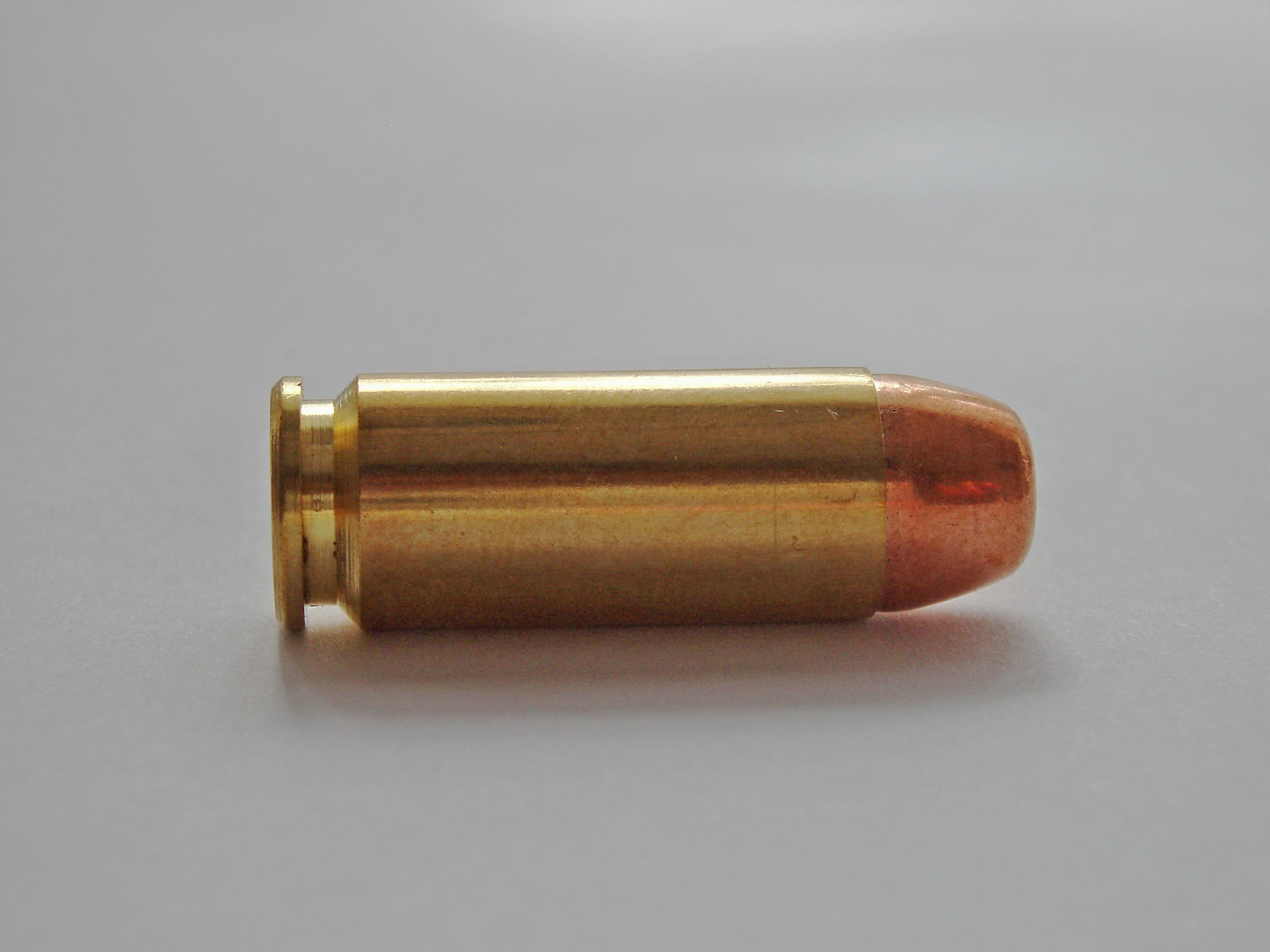
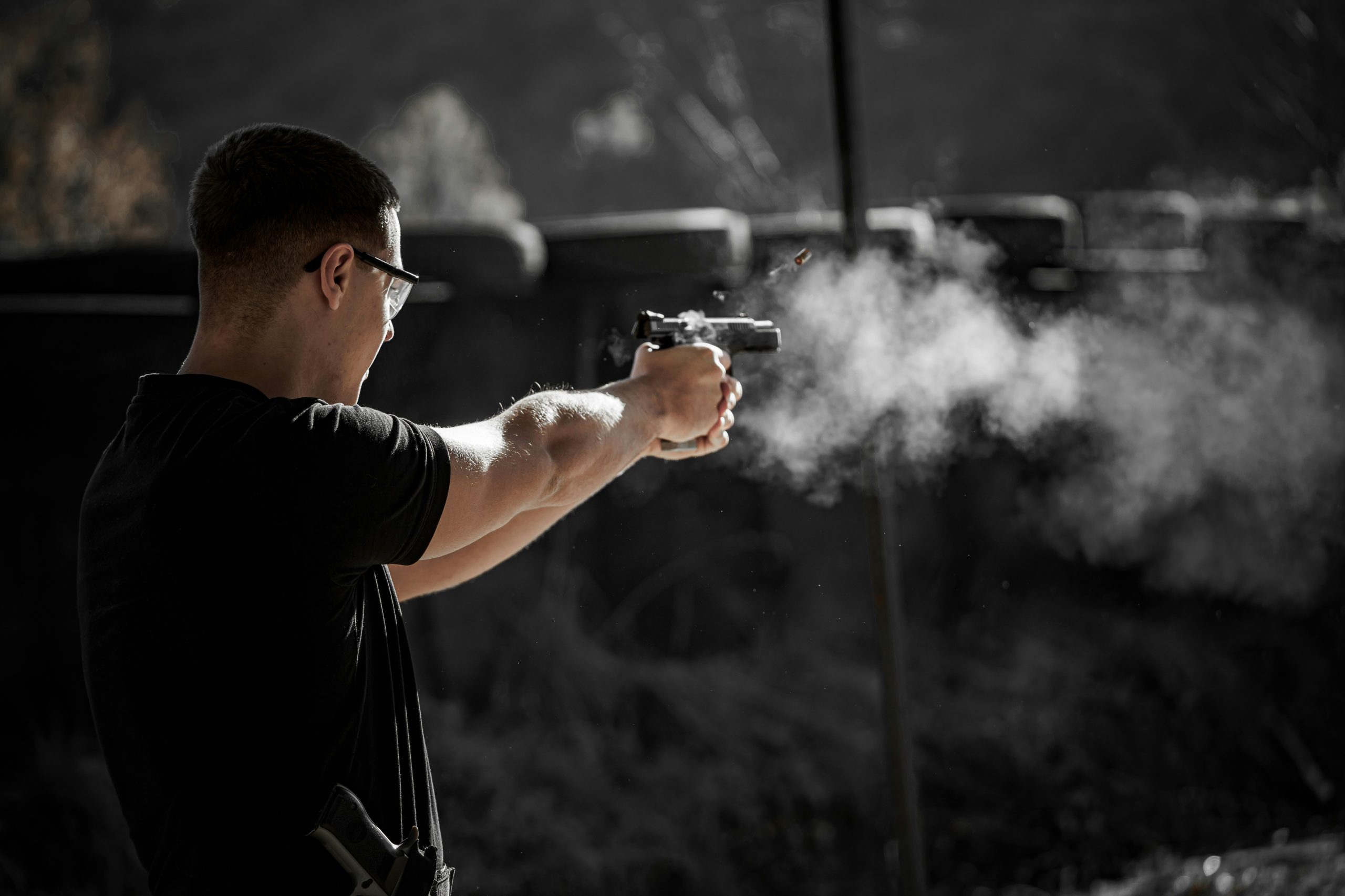
The 10mm Auto’s position in bear defense conversations has shifted from enthusiast preference to mainstream guide recommendation over the past five years, driven by a combination of expanding grizzly range into semi-automatic pistol territory and the development of hard cast and solid copper projectile options that finally deliver the penetration performance the cartridge’s energy figures always promised but early hollow point loads never achieved in field conditions. Full-power 10mm loads pushing a 200-grain hard cast bullet to 1,200 fps generate approximately 639 foot-pounds of energy with gelatin penetration consistently exceeding 36 inches using quality hard cast construction from Buffalo Bore and Underwood Ammunition. The semi-automatic platform advantage over revolvers is most relevant in the multiple-attacker or follow-up shot scenarios that brown bear encounters occasionally produce, with the Glock 20’s 15-round magazine providing a meaningful capacity reserve that 6-shot revolvers cannot match. Guides operating in areas where both grizzly and black bear encounters are possible increasingly favor the 10mm for its versatility across threat sizes. Recoil in a full-sized platform like the Glock 20 averages approximately 12 foot-pounds of felt impulse, which most trained shooters manage well enough for accurate rapid fire after dedicated practice with full-power loads specifically.
3. .454 Casull
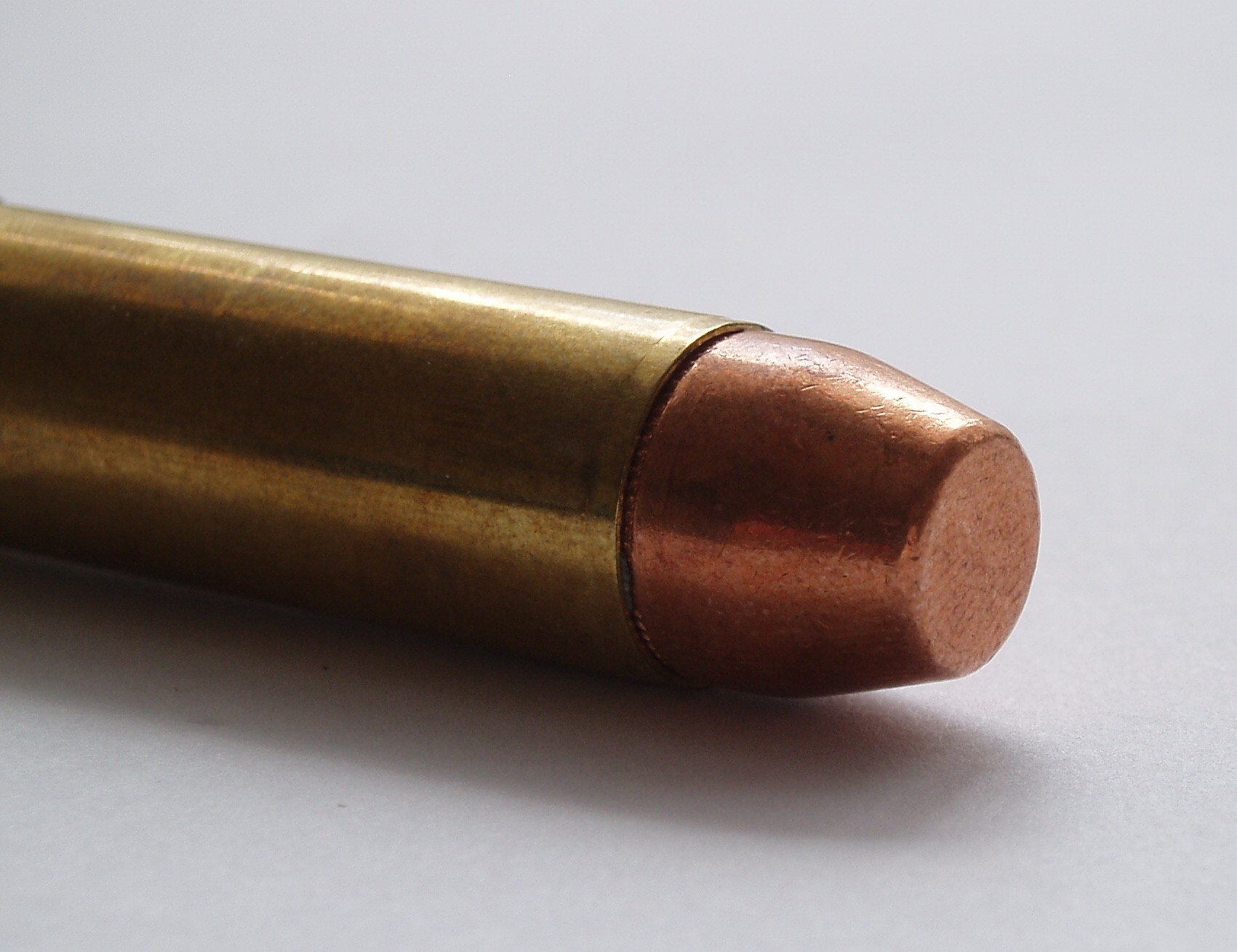
The .454 Casull occupies the upper boundary of what most professional guides consider practically manageable for field carry, delivering energy figures that overlap with dedicated rifle cartridges while remaining chambered in revolvers light enough for hip carry across a full guiding day. A 300-grain hard cast bullet driven to 1,650 fps from a 7.5-inch Ruger Super Redhawk barrel generates approximately 1,813 foot-pounds of muzzle energy, a figure that exceeds the .44 Magnum by 87 percent and places it within the lower range of .30-06 Springfield rifle performance. Penetration with quality hard cast loads reaches 48 inches or more in ballistic gelatin, ensuring complete body penetration on any bear from any angle,e including the frontal skull shot that charging bears sometimes require as a last resort. The practical limitation is recoil, averaging 35 to 40 foot-pounds of felt impulse in a field-weight revolver, which requires significant dedicated training to manage for accurate rapid fire. Guides who recommend the .454 Casull typically do so for clients and personnel operating in high-density brown bear environments where encounter probability is elevated and shot distance may be measured in single-digit feet. Retail pricing for quality hard cast defensive loads runs approximately $3.50 to $5.00 per round, making consistent practice an expensive but non-negotiable investment.
4. 12 Gauge Shotgun With Brenneke Slugs
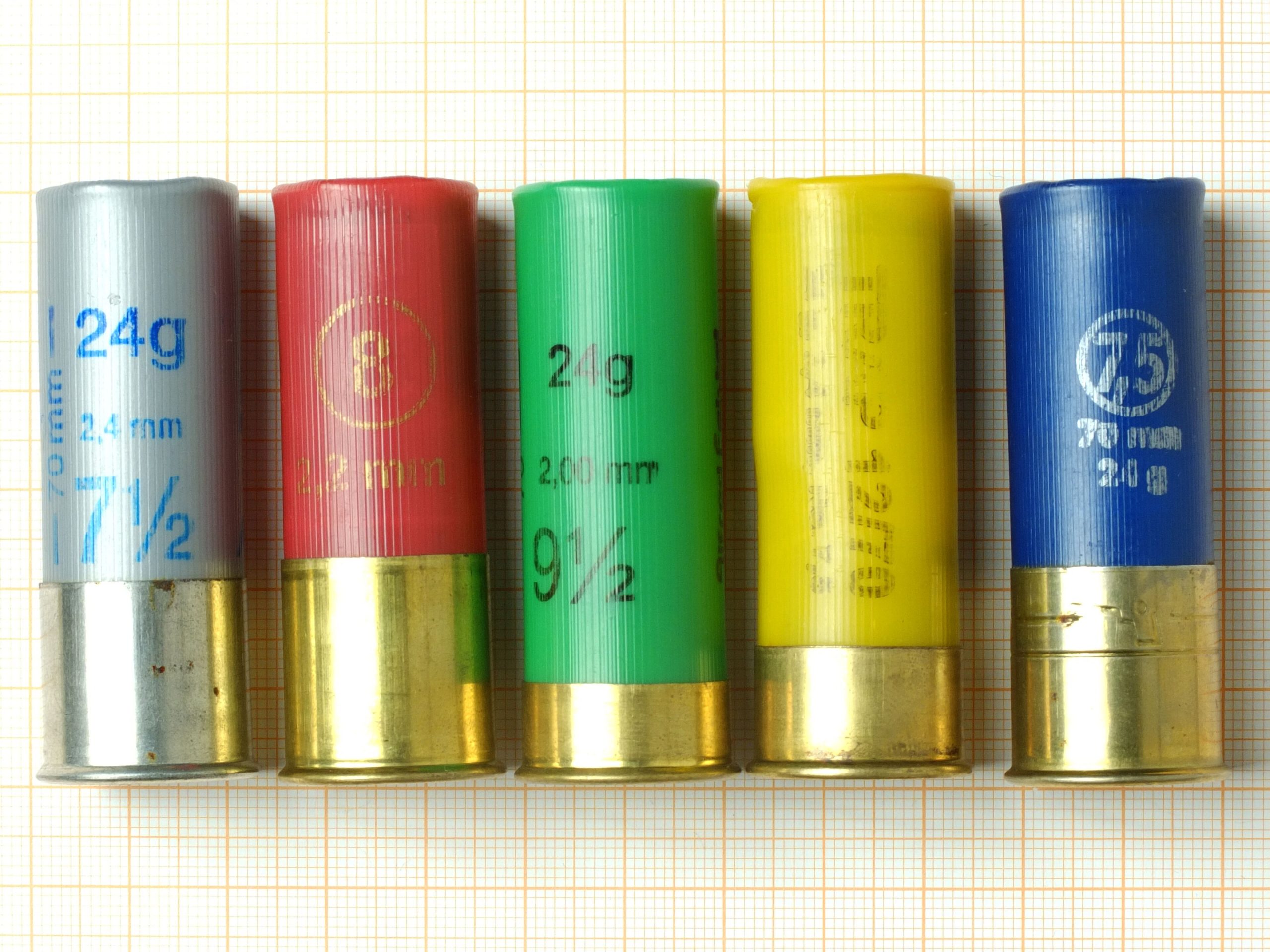
Professional guides in Alaskan brown bear country reach for 12-gauge shotguns loaded with Brenneke Black Magic Magnum slugs more consistently than any other long gun option, and the ballistic reasoning behind that preference is straightforward enough to explain the consensus across guides who otherwise disagree on nearly every other equipment question. A Brenneke Black Magic 3-inch Magnum slug pushes a 602-grain hardened lead projectile to approximately 1,476 fps, generating around 2,913 foot-pounds of muzzle energy at the muzzle with a bullet weight that maintains momentum through hide, muscle, and bone with dramatically less deflection than lighter rifle projectiles experience on angled shots. Penetration in tissue simulant exceeds 30 inches even after passing through heavy shoulder bone, which represents the anatomical barrier that stops most commonly in brown bears. The Remington 870 and Mossberg 500 pump platforms chambering these loads weigh approximately 3.6 to 4.0 kilograms loaded, which is significant for day-long carry but acceptable when the environment genuinely demands the energy level these slugs deliver. Guides specifically cite the 12 gauge’s mechanical simplicity and ammunition availability in remote Alaskan communities as practical advantages over rifles chambered in specialized cartridges that bush stores may not stock consistently throughout the season.
5. .375 H&H Magnum
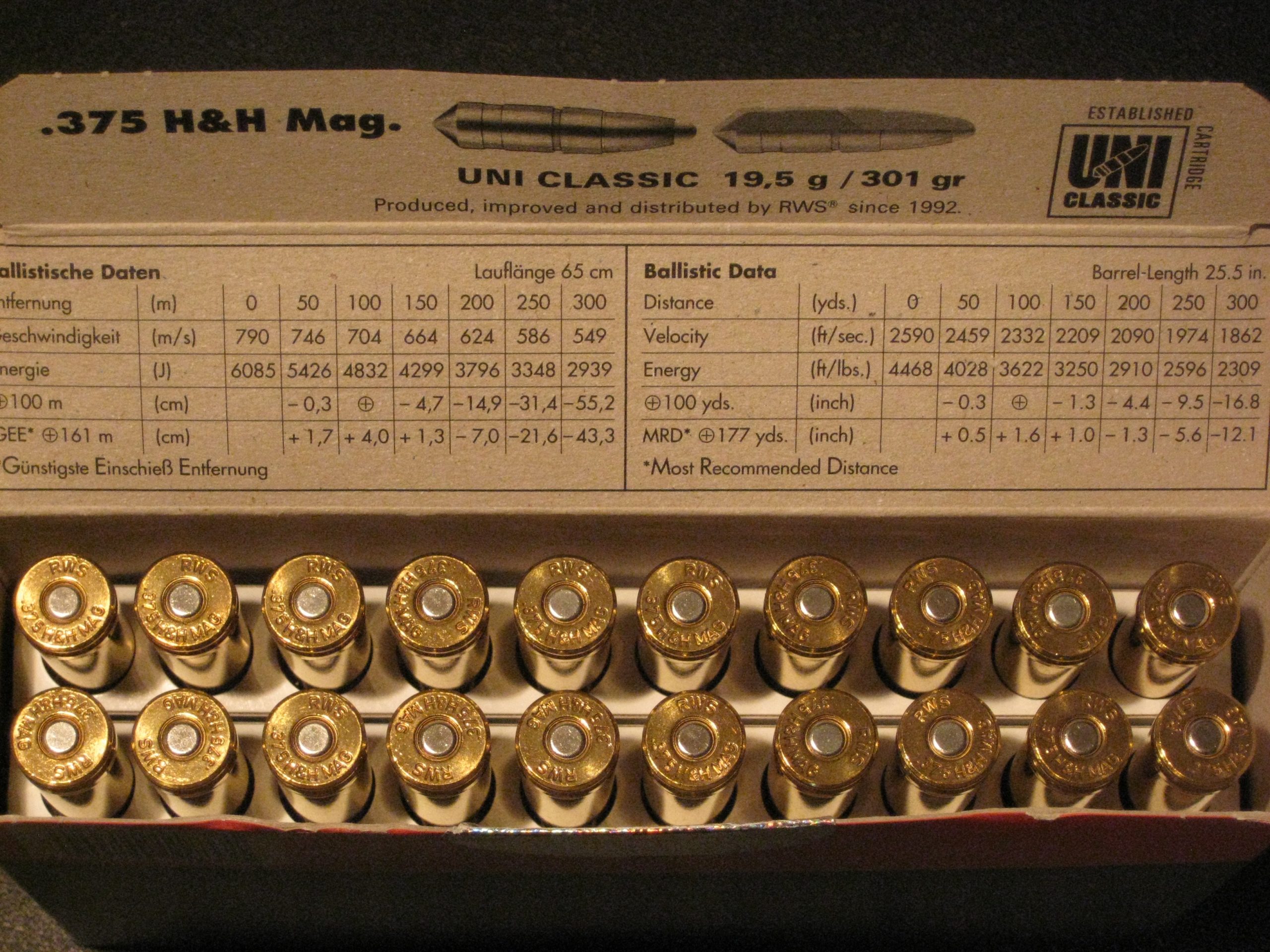
The .375 Holland and Holland Magnum sits at the top of what most North American bear guides consider necessary for worst-case brown bear defense scenarios, carrying a ballistic reputation built over a century of dangerous game hunting on multiple continents that translates directly to the specific penetration and energy delivery demands that large bear defense requires. A 300-grain soft point or solid bullet driven to approximately 2,550 fps from a 24-inch barrel generates around 4,337 foot-pounds of muzzle energy, a figure that exceeds every handgun cartridge on this list by a factor of 2.4 to 4.5 times and provides a margin of stopping capability that guides operating in areas with documented aggressive bear behavior specifically value. The cartridge’s 0.375-inch diameter bullet with high sectional density of 0.305 penetrates completely through the largest brown bears from any angle, including full frontal skull shots at distances up to 100 yards,s where emergency bear defense occasionally occurs in open terrain. Recoil from a standard bolt-action rifle averages 40 to 45 foot-pounds, which requires training but remains manageable for guides who shoot it regularly throughout the season. Retail ammunition costs between $5.00 and $9.00 per round, depending on construction, making it the most expensive option on this list by a meaningful margin that experienced guides consider fully justified by the capability delivered.