Most hikers worry about dramatic threats like bears or mountain lions, yet the real risks on the trail often come from animals that look small, passive, or easy to ignore. These creatures rarely announce danger with growls or warning displays. Instead, they rely on surprise, venom, disease, or defensive reactions when startled. Many serious hiking injuries occur because people underestimate these animals or misunderstand their behavior. Knowing which species pose hidden dangers helps hikers avoid risky encounters, react calmly, and reduce the chance of injury. Awareness, not fear, is the most effective tool for staying safe outdoors.
1. Deer
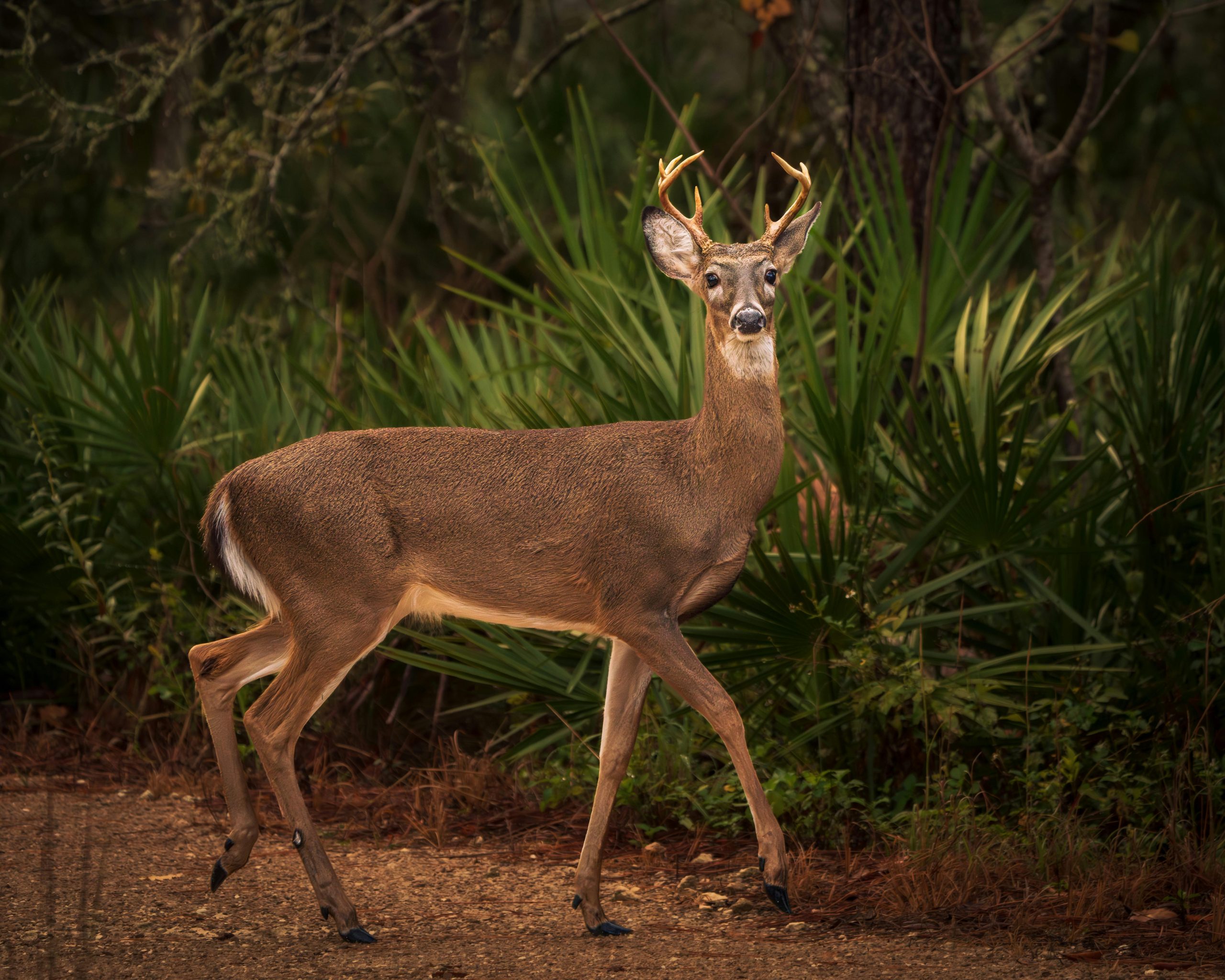
Deer appear gentle and harmless, but they cause more injuries to hikers and outdoor travelers than many predators combined. During rutting season, bucks become aggressive and unpredictable, especially when protecting territory or does. Hikers who accidentally get between a buck and its perceived rival may trigger a sudden charge. Even outside mating season, startled deer can kick with powerful hind legs capable of breaking bones. Mothers with fawns are also highly defensive. In addition, deer carry ticks that transmit Lyme disease and other illnesses, making them a long-term health risk even without direct contact.
2. Raccoons
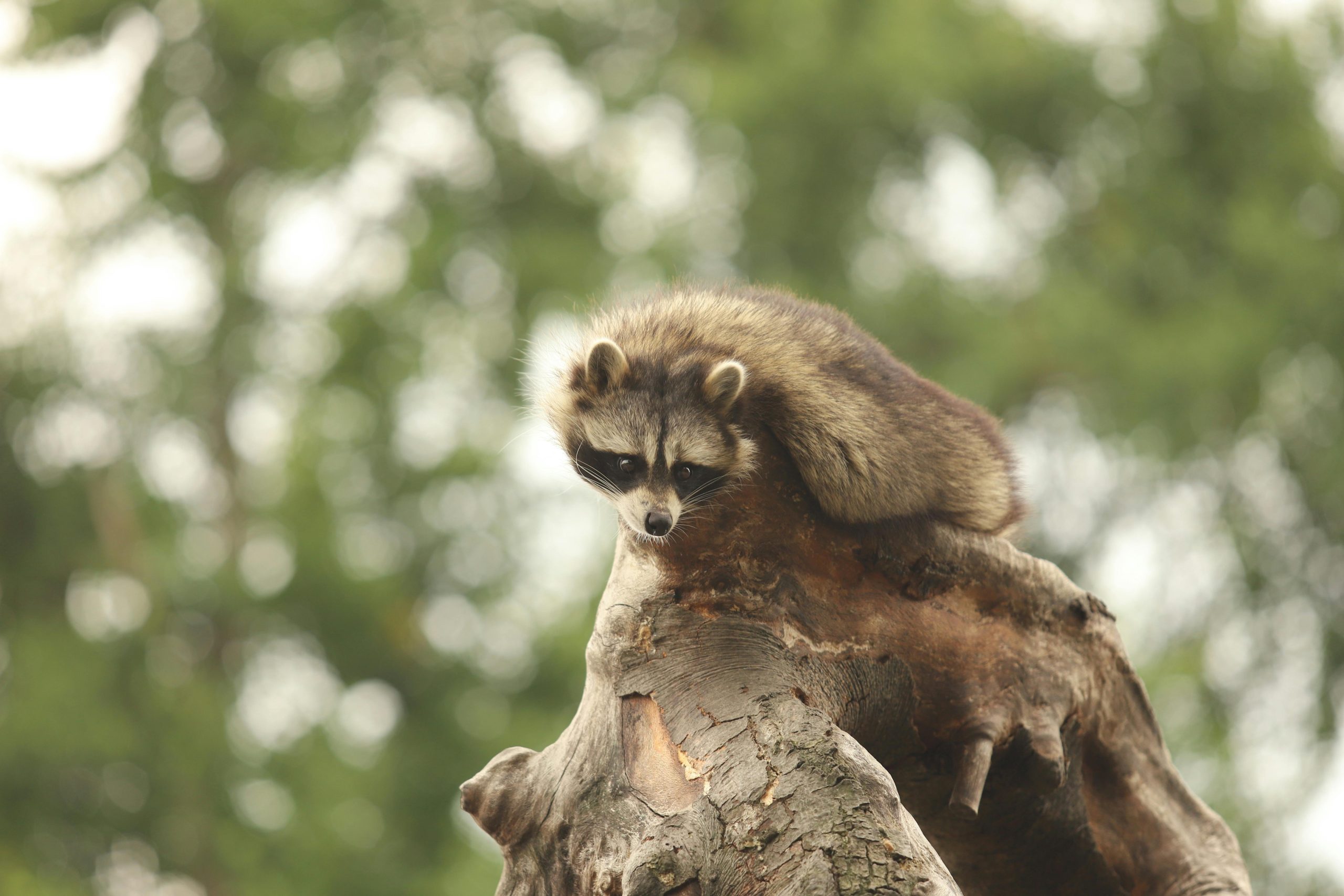
Raccoons look curious and clever, but they are one of the most dangerous animals that hikers underestimate. They are common carriers of rabies and often lose fear of humans in parks and campsites. A raccoon that approaches during daylight hours may already be sick. When cornered or protecting food, raccoons can attack with sharp teeth and claws, causing deep wounds that become infected quickly. They also spread roundworm parasites through droppings left near trails and camps. Touching contaminated soil or gear can lead to serious illness without any bite occurring.
3. Moose
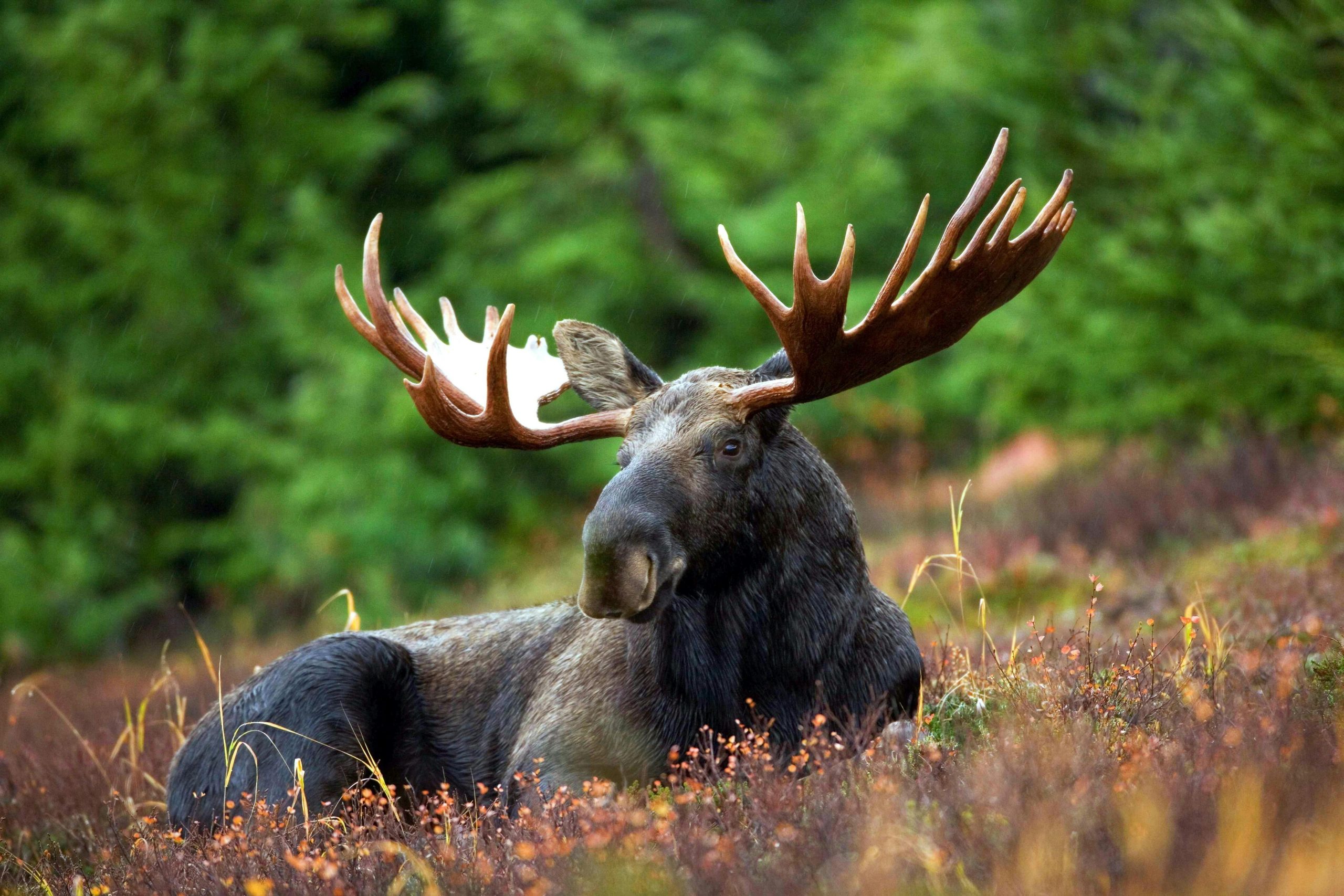
Moose are massive, quiet, and far more aggressive than most hikers expect. Unlike predators, moose often attack without provocation when they feel crowded or threatened. Poor eyesight makes them prone to sudden defensive charges if a hiker moves too quickly or startles them from close range. Cows with calves are especially dangerous and will not hesitate to trample perceived threats. A charging moose can outrun a human and strike repeatedly. Because moose don’t look aggressive until they act, hikers often fail to retreat early enough to avoid injury.
4. Snakes
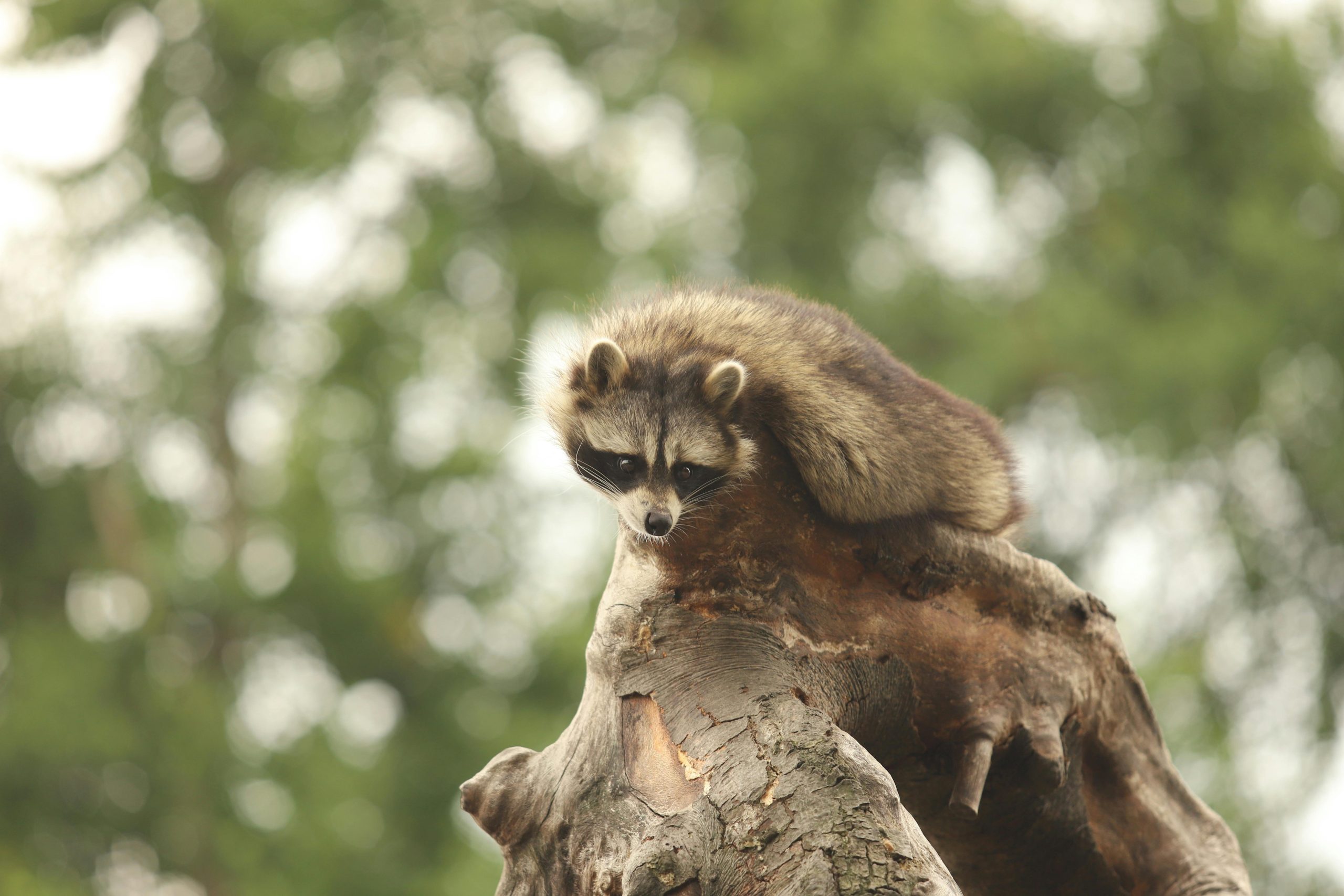
Many hikers assume only large or brightly colored snakes are dangerous, but smaller and camouflaged species pose the greatest risk. Venomous snakes often remain motionless to avoid detection, leading hikers to step dangerously close. Bites typically occur when someone accidentally places a foot or hand near a resting snake. Even non-venomous snakes can cause injuries through defensive bites that introduce bacteria. Snake encounters increase on warm trails, rocky paths, and near water sources. Wearing proper footwear and watching foot placement is critical, especially in regions with rattlesnakes or copperheads.
5. Mountain Goats
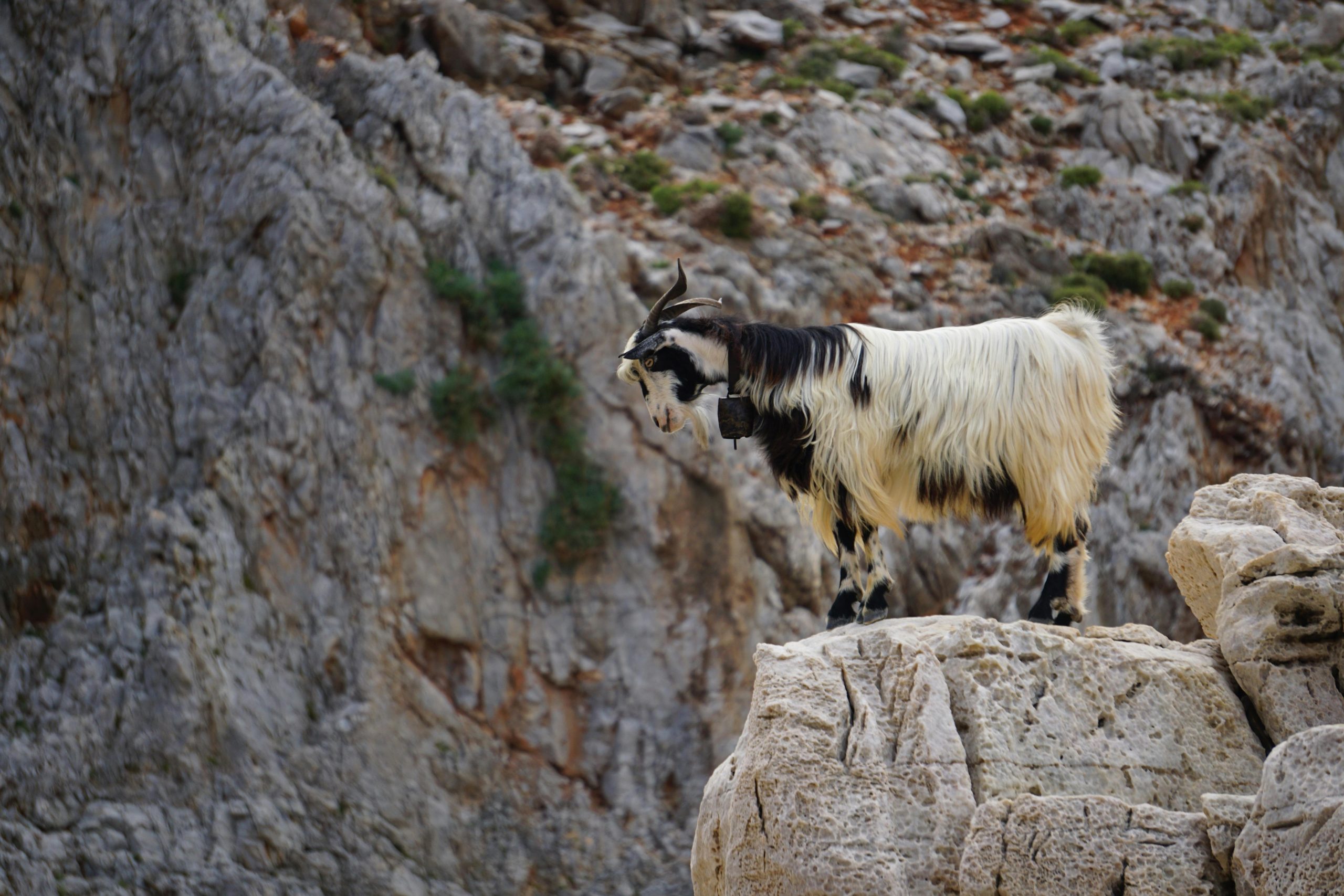
Mountain goats look calm and almost comical, but they are highly territorial and unpredictable. In popular hiking areas, goats may approach people aggressively due to attraction to salt from sweat or urine. Their sharp horns can cause serious puncture wounds even with a single strike. Goats are also extremely sure-footed, meaning they can attack or chase hikers across steep, unstable terrain. Several fatal incidents have occurred when hikers underestimated their speed and strength. Giving goats wide space and never encouraging close contact is essential for avoiding dangerous encounters.