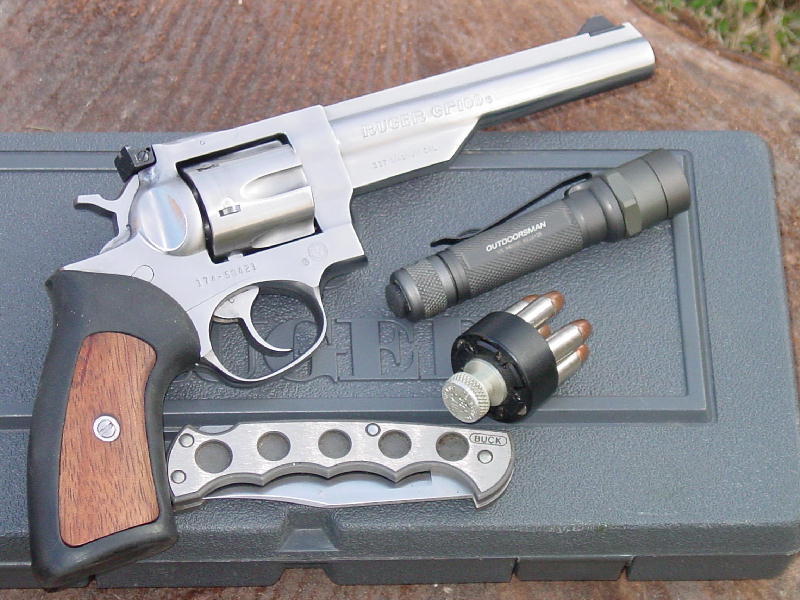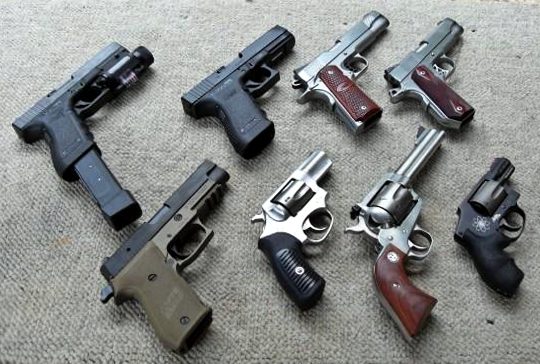
Crowded ranges and museum displays often spark the same question about which 9mm pistols truly changed the category. History tends to reward designs that introduced new capacity standards, influenced later ergonomics, or served widely with militaries and police forces. Engineering choices like double-action triggers, high-capacity magazines, and striker-fired simplicity shaped how later handguns looked and worked. Cultural visibility also mattered, since service adoption and long production runs kept certain models in the public eye. This gallery-style roundup focuses on legacy and design impact, highlighting ten 9mm handguns that remain widely discussed in firearms history.
Browning Hi-Power
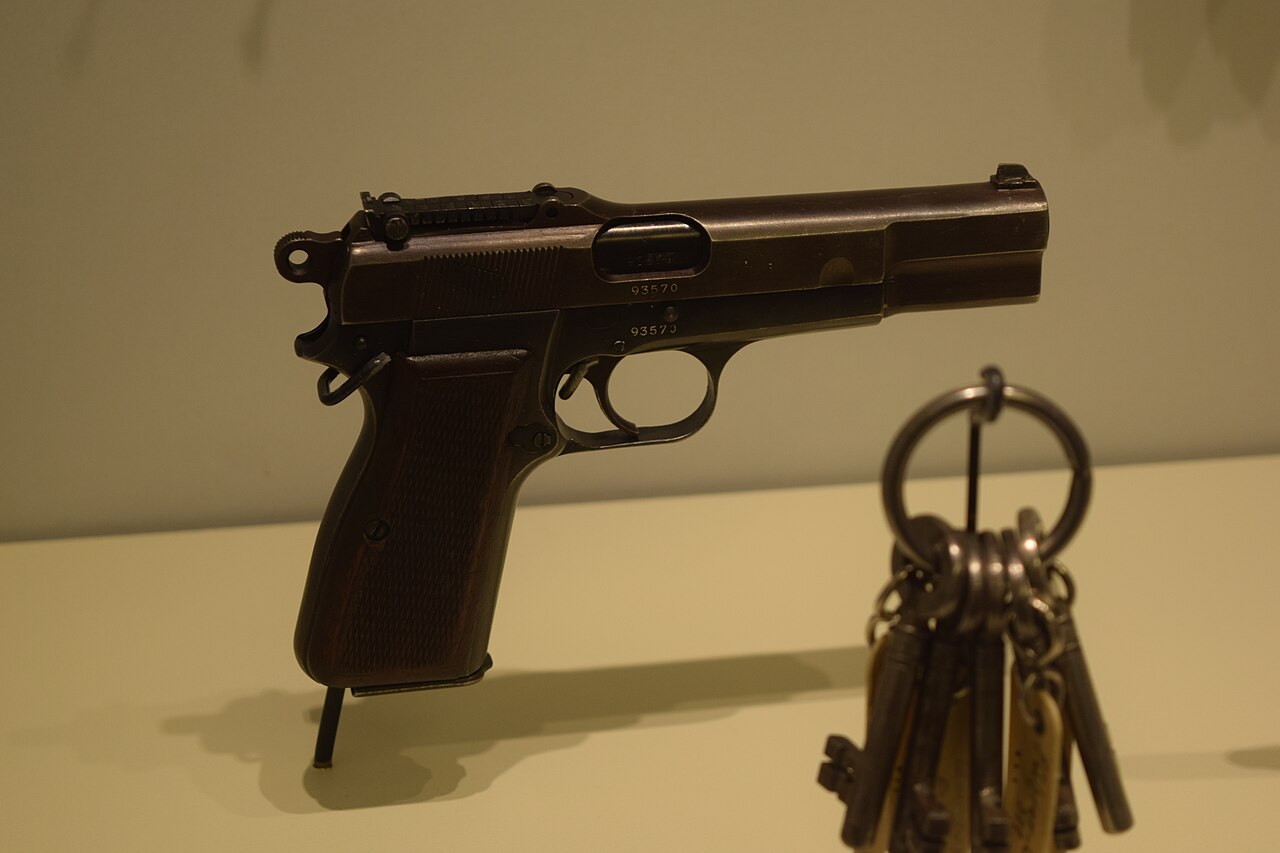
Few pistols influenced the double-stack era like the Browning Hi-Power, a design completed by Dieudonne Saive after early work associated with John Browning. Production began in the mid-1930s, and the pistol quickly gained international service use, which helped secure its enduring reputation. A slim grip profile paired with a higher-capacity magazine became a template many later service pistols echoed. Shooters often cite its natural pointing feel, while historians point to its widespread military and police adoption across multiple countries. Numerous licensed copies and derivatives further expanded its footprint, keeping the Hi-Power central to 9mm handgun lore.
Glock 17
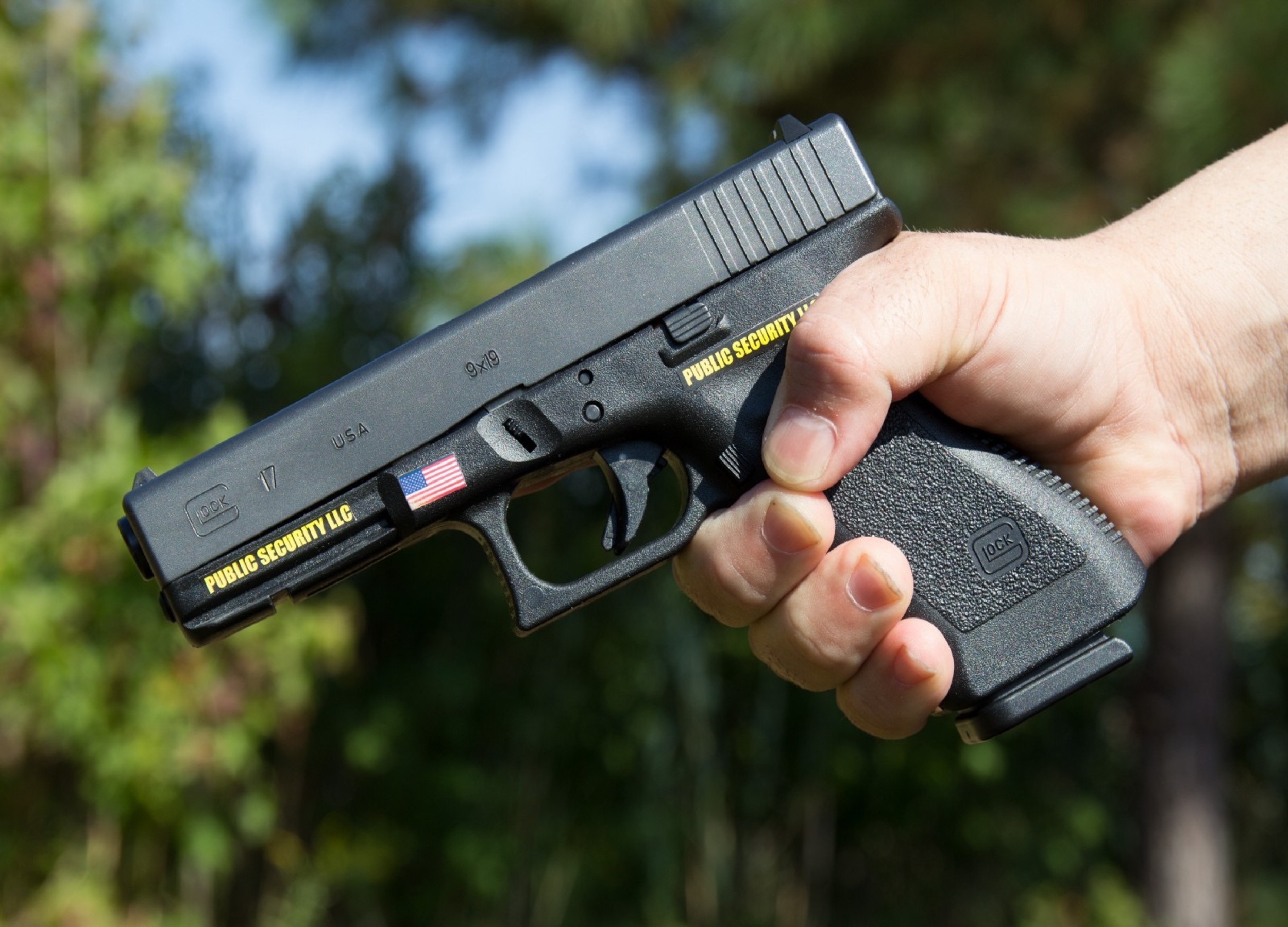
Introduced in the early 1980s, the Glock 17 helped normalize polymer frames and striker-fired operation in mainstream service pistols. Its simplified control scheme and consistent trigger press supported training programs across many agencies, which accelerated global adoption. Reliability in adverse conditions became a core part of its reputation, reinforced by extensive law enforcement use and long production continuity. The model’s standardized dimensions also encouraged a broad ecosystem of holsters, sights, and support gear. Later generations refined texture, ergonomics, and internal parts, yet the core concept stayed recognizable. That mix of durability, simplicity, and influence keeps the Glock 17 firmly iconic.
SIG Sauer P226
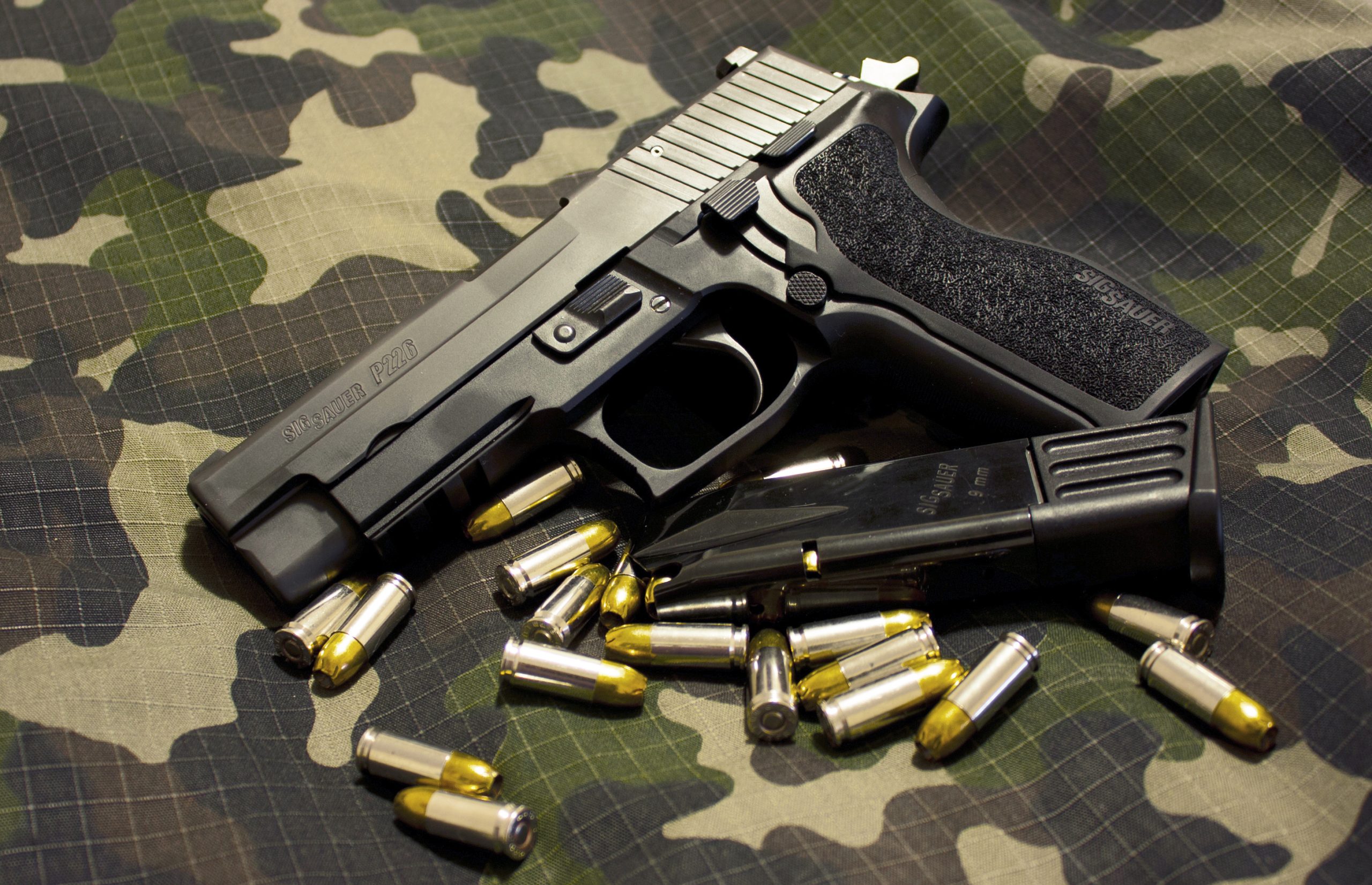
Developed during the 1980s era of major service pistol evaluations, the SIG Sauer P226 built a reputation for robust construction and consistent accuracy. Many variants pair an aluminum alloy frame with a steel slide, balancing durability with manageable weight. A traditional double-action and single-action system with a decocking lever defines its operating style and contributes to its recognizable manual of arms. Military and law enforcement use across multiple countries helped cement its standing as a duty-grade 9mm. Shooters often associate the platform with predictable handling and longevity under high round counts, which supports its long-running legacy in service pistol history.
Beretta 92FS
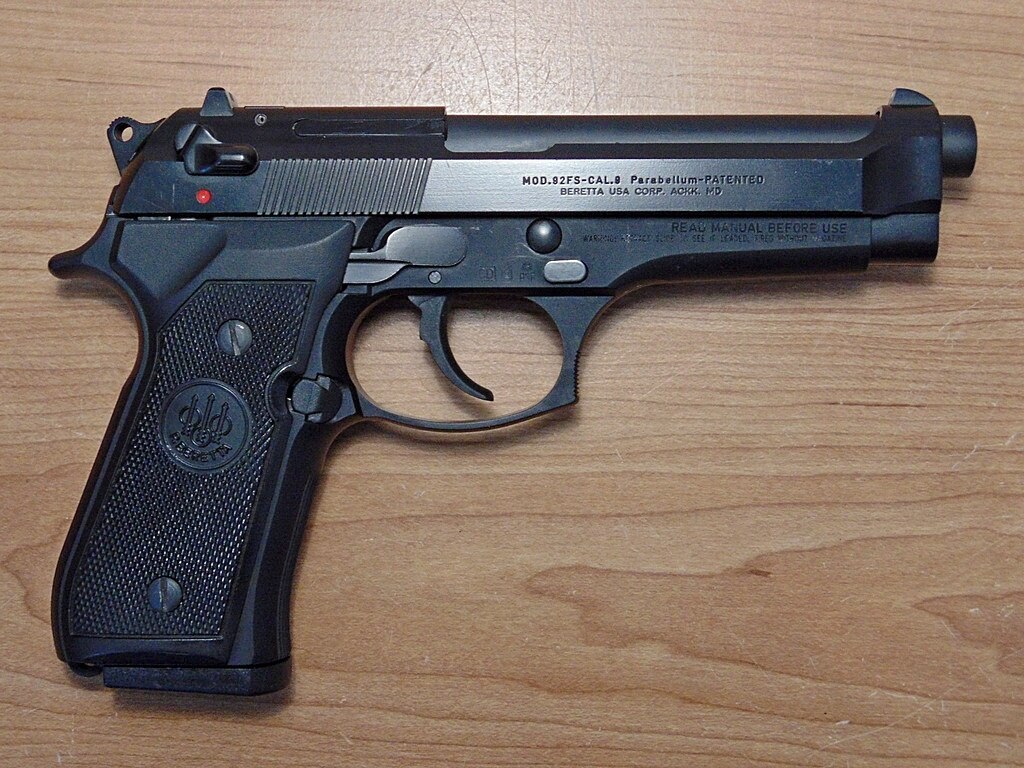
Known for its open-slide look and smooth cycling, the Beretta 92FS became one of the most recognizable 9mm pistols of the late twentieth century. The platform gained global visibility through widespread law enforcement use and its selection as the U.S. military’s M9 sidearm in the 1980s. A full-size frame, long sight radius, and relatively mild recoil helped shape its on-range reputation. The pistol’s double-action and single-action operation and slide-mounted safety system remain key identifiers for the series. Continued production, updates, and variants keep the 92 family relevant, reinforcing a legacy built on long service and distinctive engineering.
CZ 75
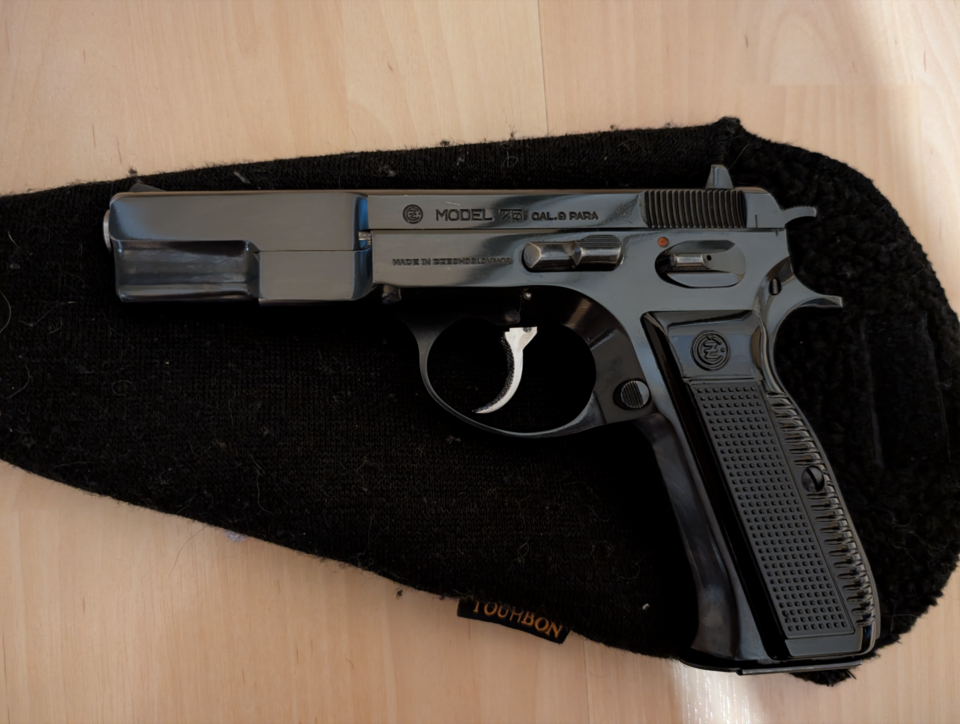
Released in the mid-1970s by Czech manufacturer Ceska zbrojovka, the CZ 75 earned acclaim for ergonomics and shootability in a steel-framed 9mm package. Its slide rides inside the frame rails, a design choice often linked to a low-profile feel and smooth cycling impression. Accuracy and durability helped the pistol build an international following, even as availability varied by market over the decades. Many configurations support condition-one carry, depending on the specific variant and safety setup. Clones and evolutions from numerous manufacturers show how widely the design spread. The CZ 75’s blend of comfort, precision, and influence keeps it firmly in the iconic tier.
Heckler And Koch VP9
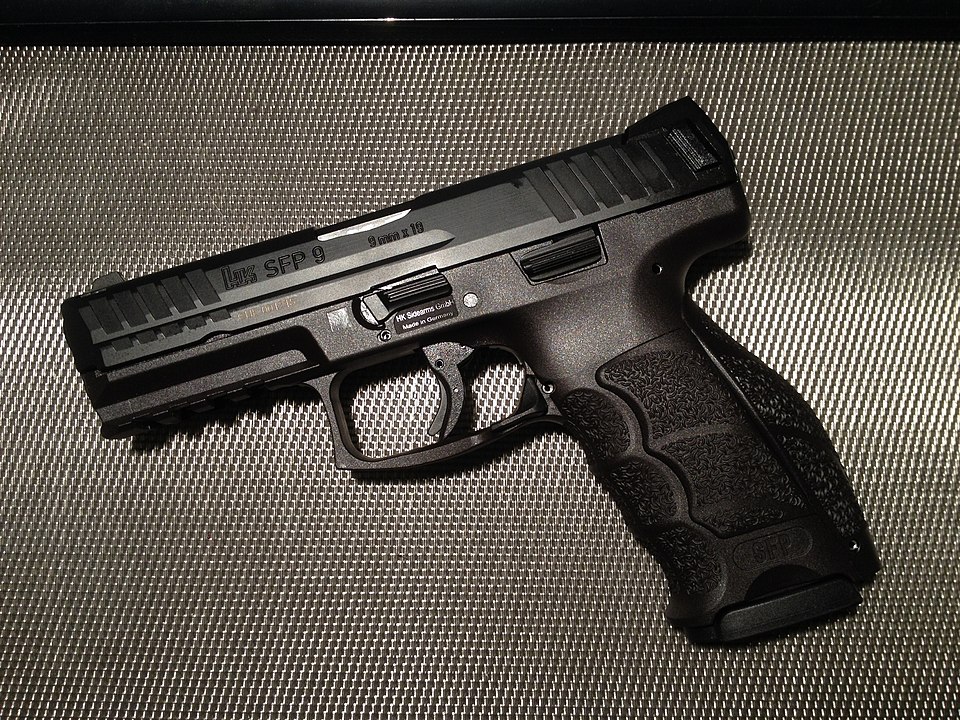
Arriving in the 2010s, the Heckler and Koch VP9 brought a modern striker-fired approach with strong emphasis on grip customization. Interchangeable backstraps and side panels allow fit adjustments that suit a wide range of hand sizes, which helped the model stand out in a crowded category. Prominent slide serrations and a reputation for reliable cycling supported its duty-ready image. Many shooters also point to its consistent trigger feel and balance as factors behind its popularity. While newer than classic metal-frame icons, the VP9’s design focus reflects contemporary priorities. That combination of ergonomics, reliability, and brand pedigree helped it earn modern-icon status.
Smith And Wesson M&P9
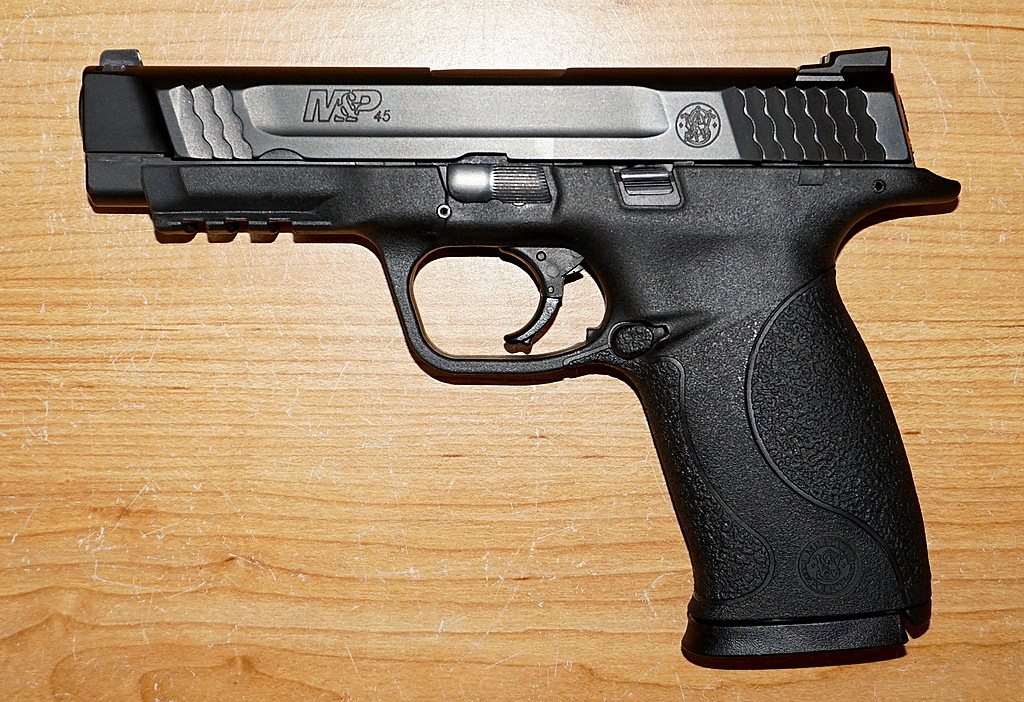
Launched in the mid-2000s, the Smith and Wesson M&P9 line became a major presence in duty and service contexts. A polymer frame and striker-fired action anchored the platform, while interchangeable palm swells helped tailor grip size for different users. Broad law enforcement adoption played a central role in its visibility and long-term relevance. Reliability under frequent training schedules helped the pistol earn trust, and the accessory ecosystem expanded quickly with sight, holster, and magazine support. The line also evolved through updates and variants, reflecting ongoing refinement rather than a single static design. Its legacy rests on practical engineering and widespread institutional use.
Walther P38
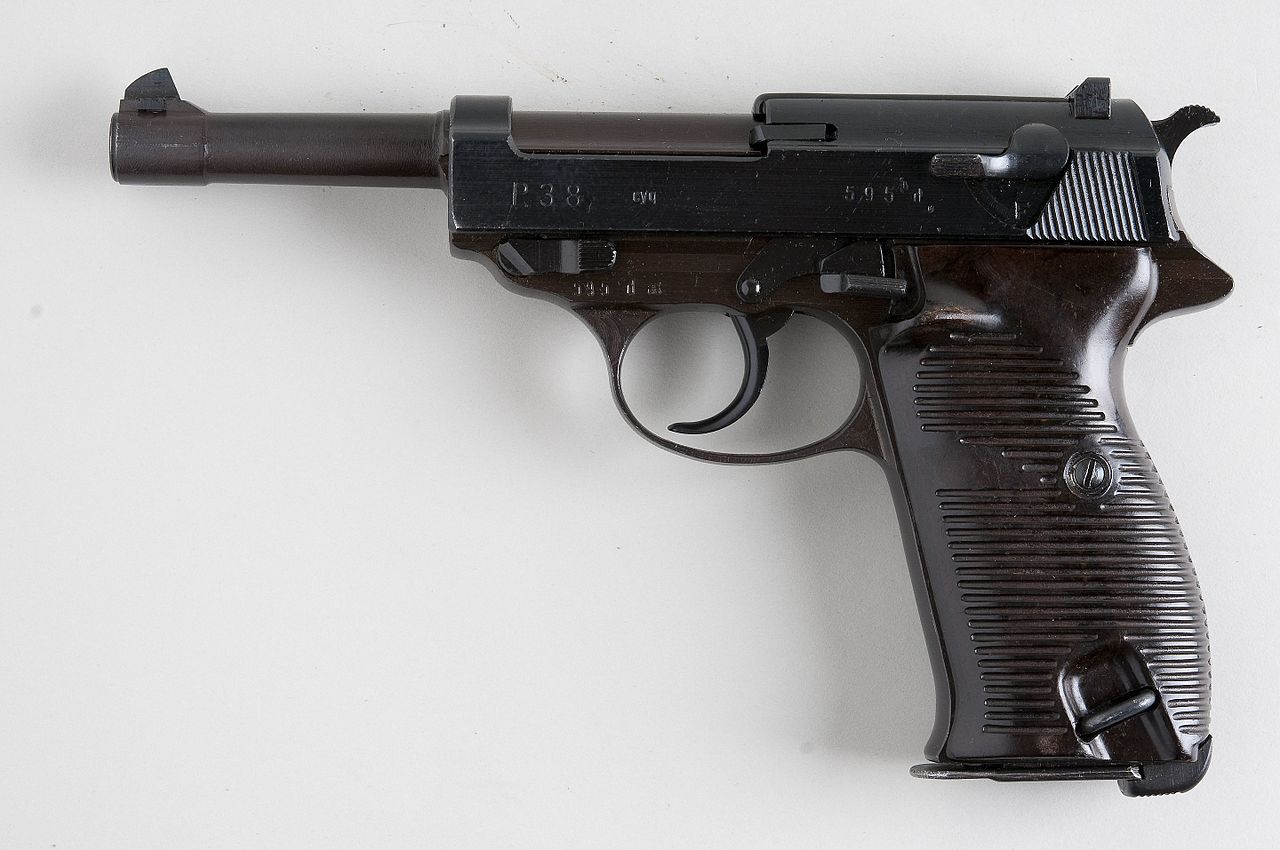
Adopted by Germany during World War II, the Walther P38 holds historical importance as an early service pistol built around double-action and single-action operation. That trigger system allowed a first-shot double-action pull, a feature that influenced later duty handgun standards. A distinctive locking mechanism supported reliable function for its era and became part of its engineering story. Wartime production and broad military distribution made the P38 a recognizable reference point in twentieth-century sidearm development. Collectors value examples for historical context, while historians highlight the design’s role in evolving service pistol mechanics. Its influence comes less from modern features and more from the foundational ideas it helped popularize.
Ruger P89
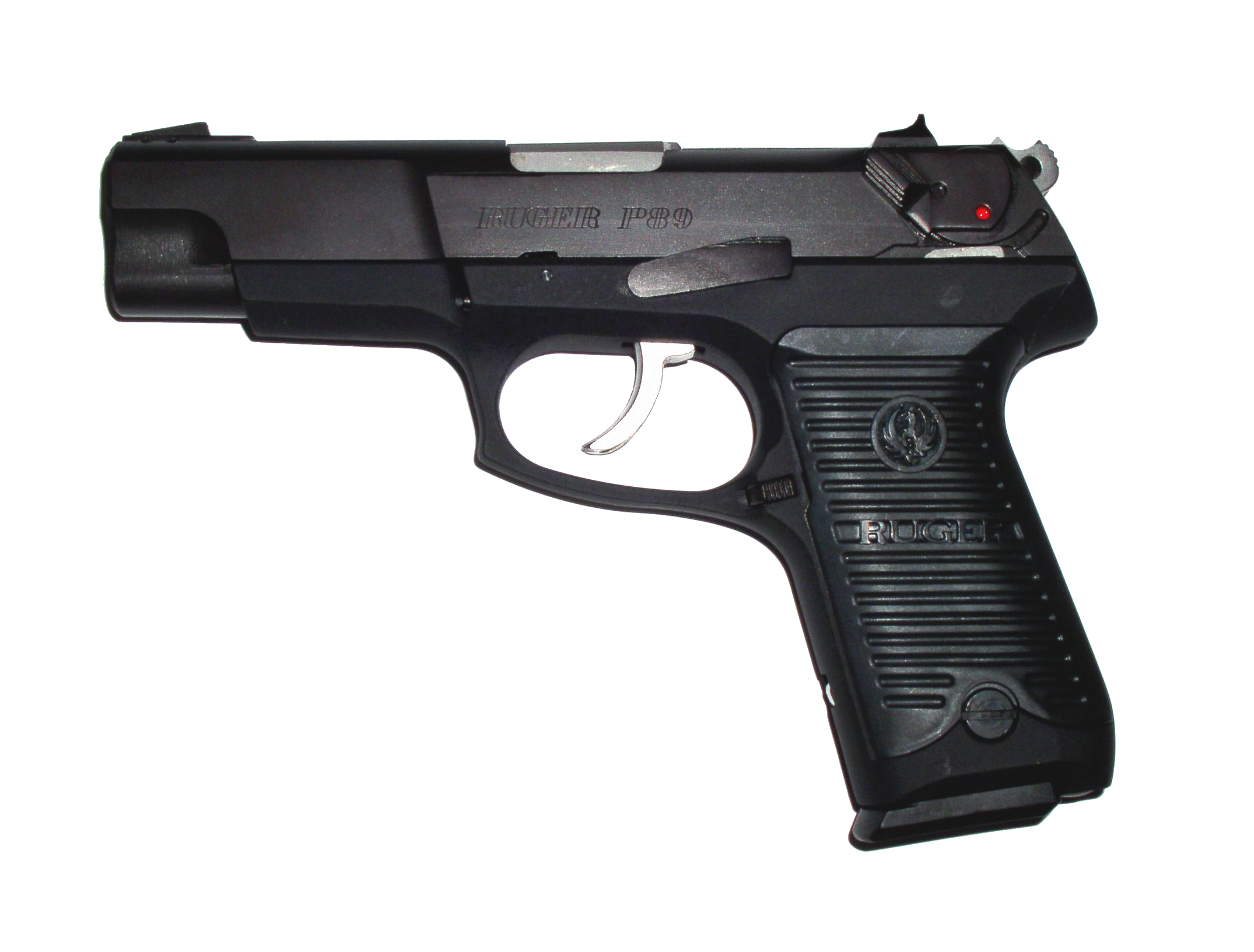
Built with a reputation for toughness, the Ruger P89 became known as a durable, utilitarian 9mm produced for many years. Introduced in the late 1980s, it reflected Ruger’s focus on robust construction, often associated with long service life and straightforward maintenance. Many versions use a double-action and single-action system, with safety and decocking arrangements varying by configuration. The design’s size and styling read practical rather than sleek, yet reliability remains the attribute most often tied to its name. A long production run helped establish familiarity among owners and range regulars. The P89’s legacy comes from workhorse dependability and accessible design.
Springfield Armory XD 9mm
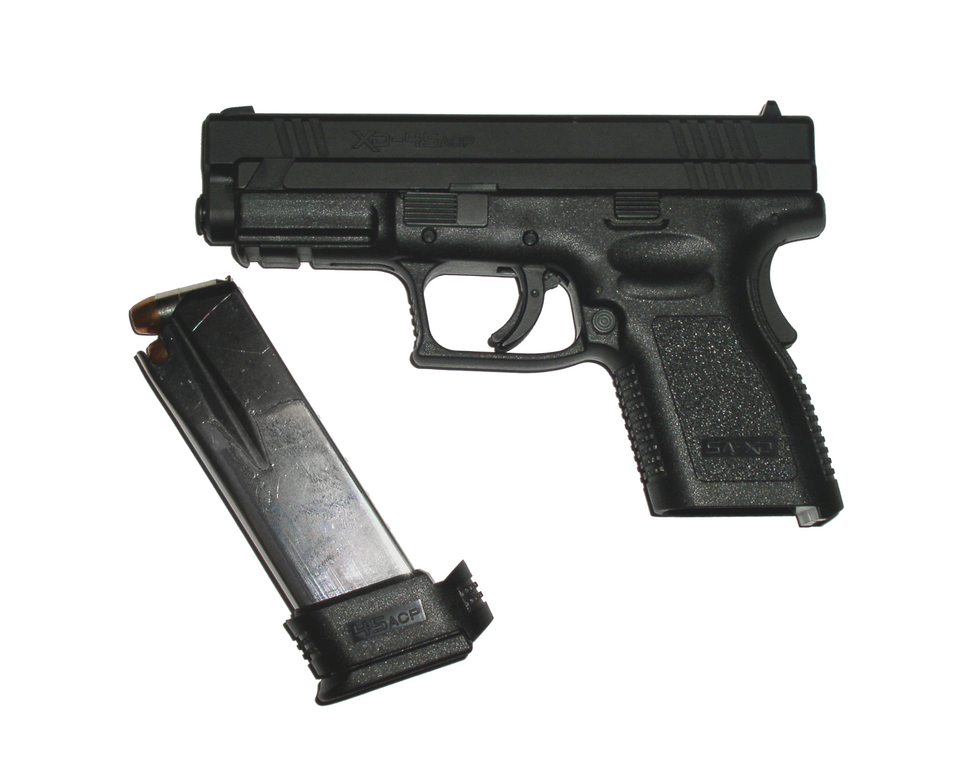
Marketed widely in the United States during the 2000s, the Springfield Armory XD 9mm traces its roots to an HS Produkt design from Croatia. A striker-fired action and polymer frame placed it firmly in the modern service-pistol trend, while a grip safety distinguished it from many direct peers. Owners often point to comfortable ergonomics and consistent function as reasons the model stayed popular across years of production. The platform’s visibility grew through broad retail presence and frequent range use, which helped it become a recognizable name in the category. Variants and updates expanded the line, yet the core concept remained steady. Its legacy sits at the intersection of modern design and mass-market familiarity.