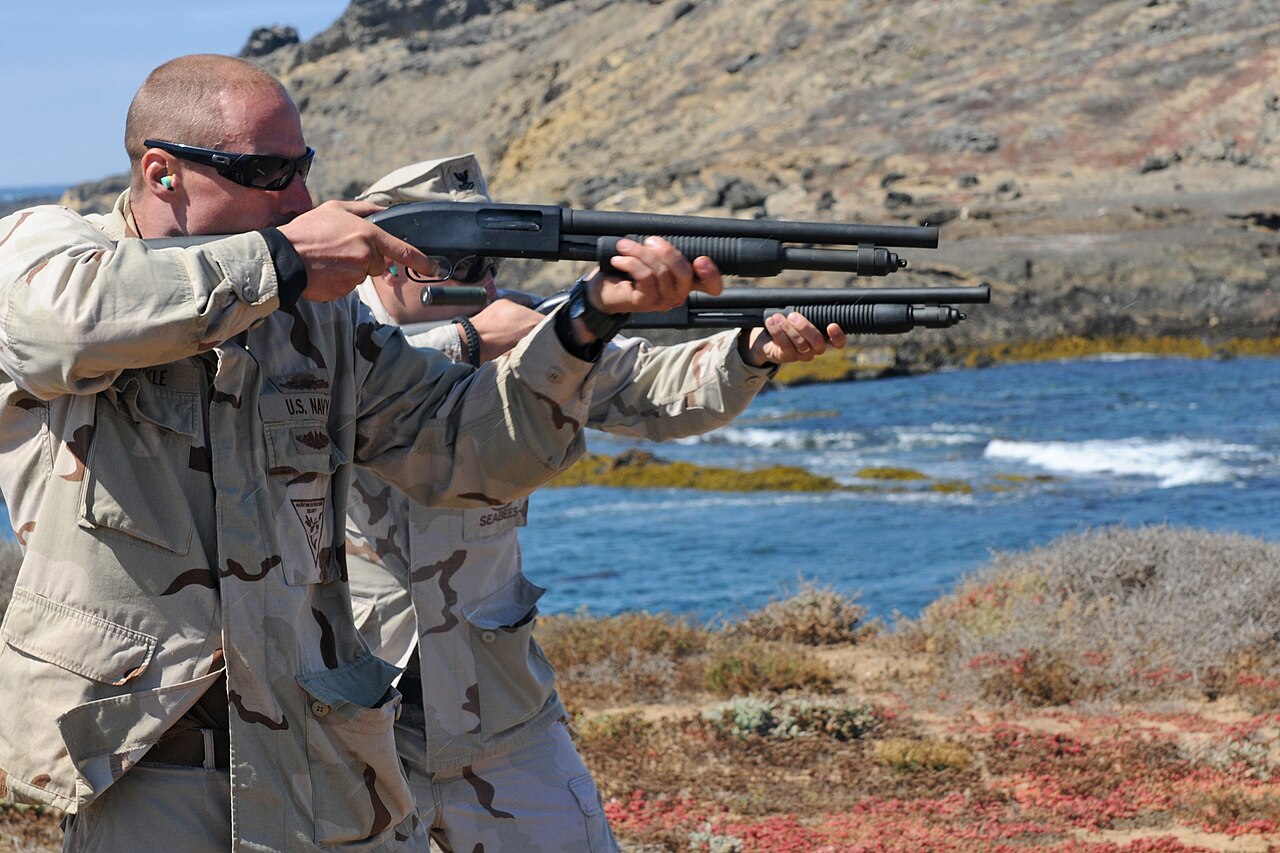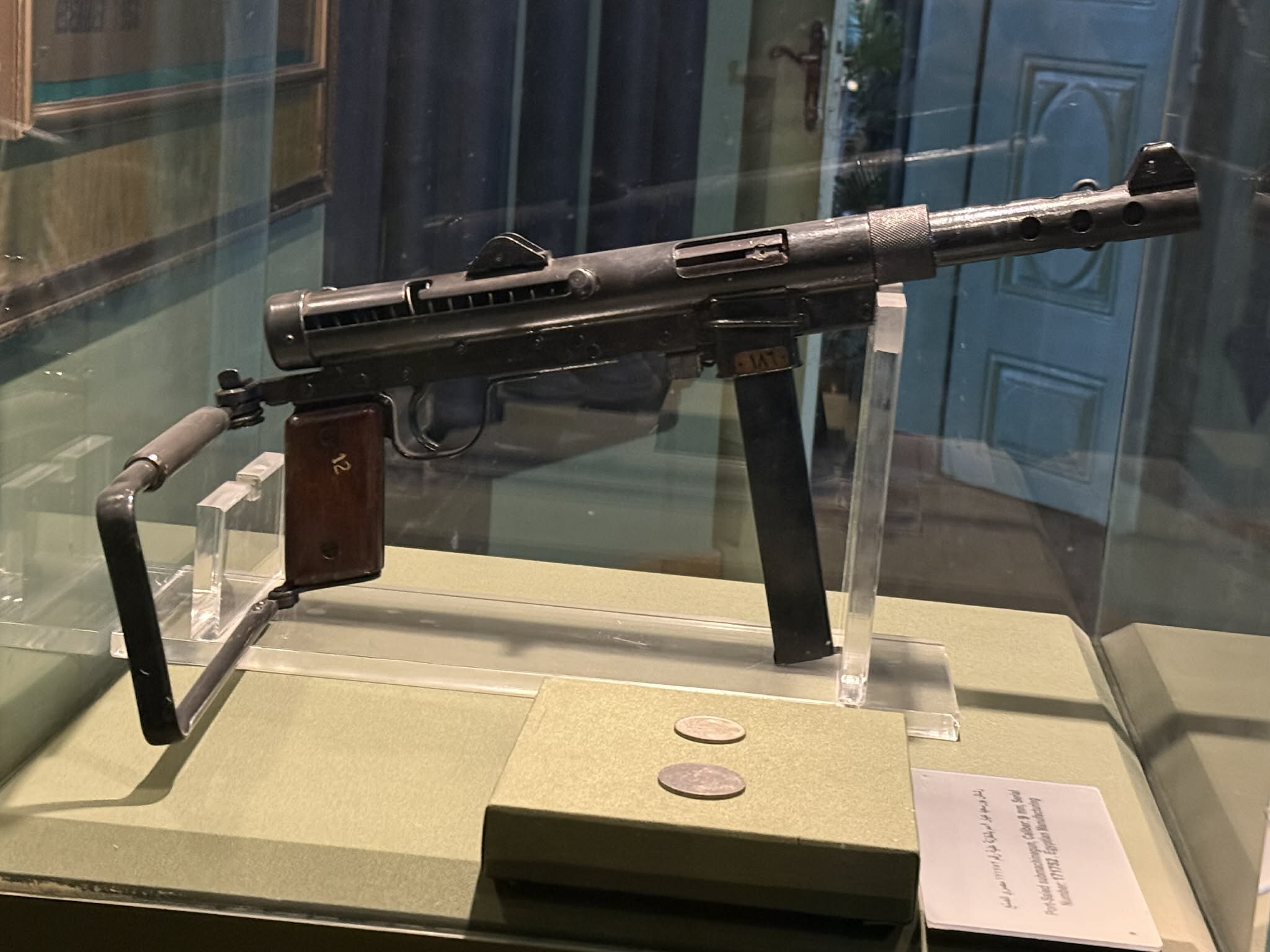
Submachine guns often produce an immediate sense of familiarity. Many share silhouettes, proportions, and layouts that appear strikingly similar even when they come from different countries or decades. This resemblance is not accidental, nor is it always evidence of copying. Designers around the world faced comparable engineering limits, battlefield demands, and manufacturing realities. Over time, certain solutions proved so practical that they became almost universal. Straight magazines, compact receivers, and simple operating systems repeatedly emerged because they worked. For collectors and enthusiasts, this overlap creates both fascination and confusion. A weapon may look instantly recognizable yet possess an entirely different origin story. Understanding who actually built a particular SMG requires examining historical pressures, industrial practices, and mechanical details rather than relying on visual impressions alone.
Wartime Pressure and Similar Solutions
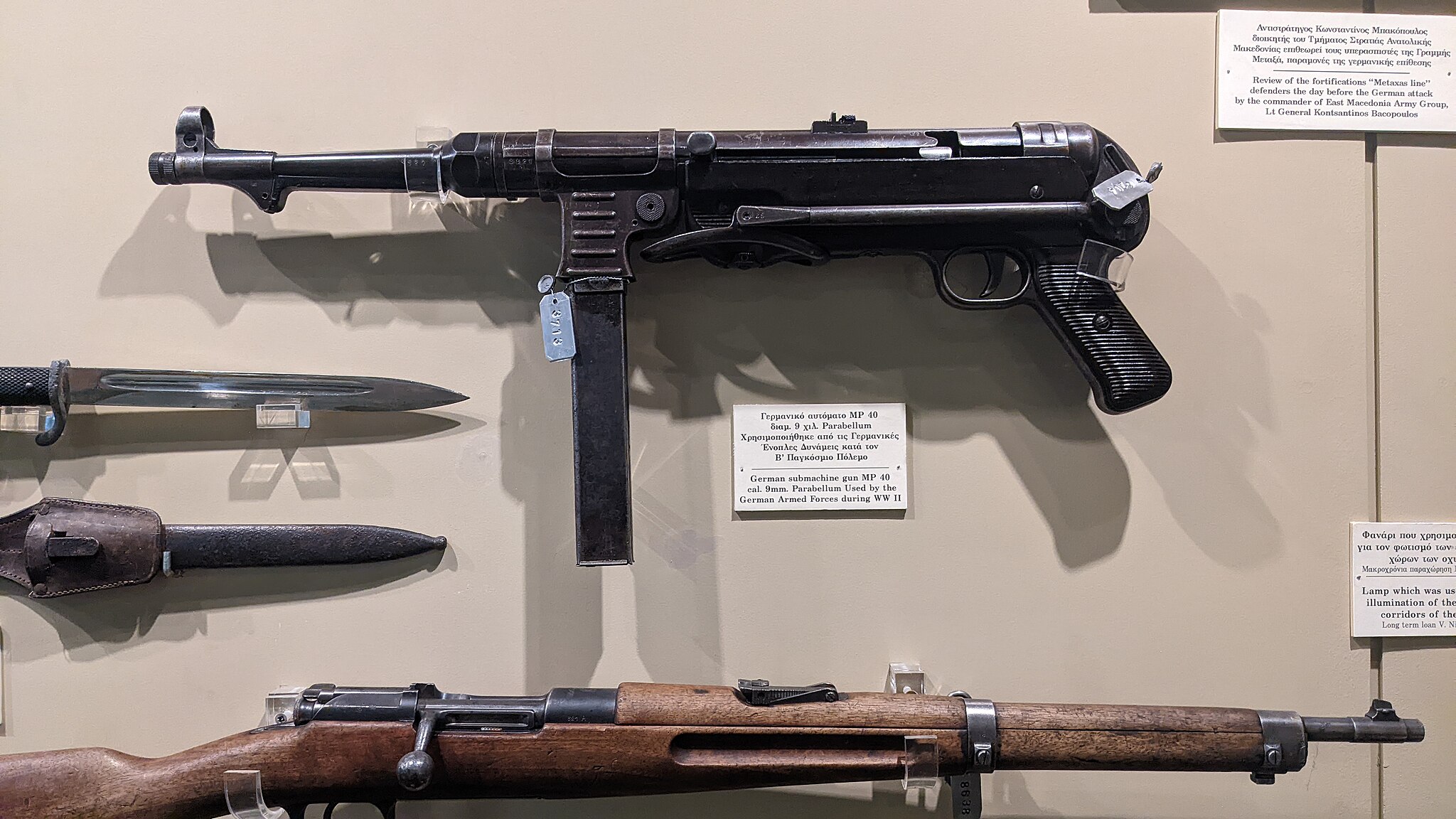
Periods of conflict accelerate weapon development, but they also narrow design freedom. Engineers must prioritize reliability, simplicity, and speed of production above aesthetics or novelty. Under these conditions, many nations independently converged on similar mechanical concepts. Straight blowback operation became common because it required fewer parts and less precise machining. Tubular receivers simplified fabrication and reduced costs. These practical decisions naturally produced weapons with comparable external appearances. What might look like imitation frequently reflects parallel problem-solving. When designers work under identical constraints, their solutions often resemble one another. The resulting visual similarities can obscure genuine differences in origin, making historical context essential for accurate identification.
Manufacturing Methods Shape Appearance
The way a firearm is produced strongly influences how it looks. Stamped components create flat planes and sharp angles, while milled parts tend to display smoother contours. During the twentieth century, many factories adopted stamping techniques to reduce cost and increase output. This shift encouraged designs that accommodated sheet metal construction. As more manufacturers embraced similar production strategies, external resemblance between unrelated weapons became increasingly common. Two SMGs may look nearly identical, not because one copied the other, but because both were optimized for the same manufacturing logic. Recognizing fabrication techniques often explains visual patterns that might otherwise appear mysterious.
Inspiration Versus Direct Copying
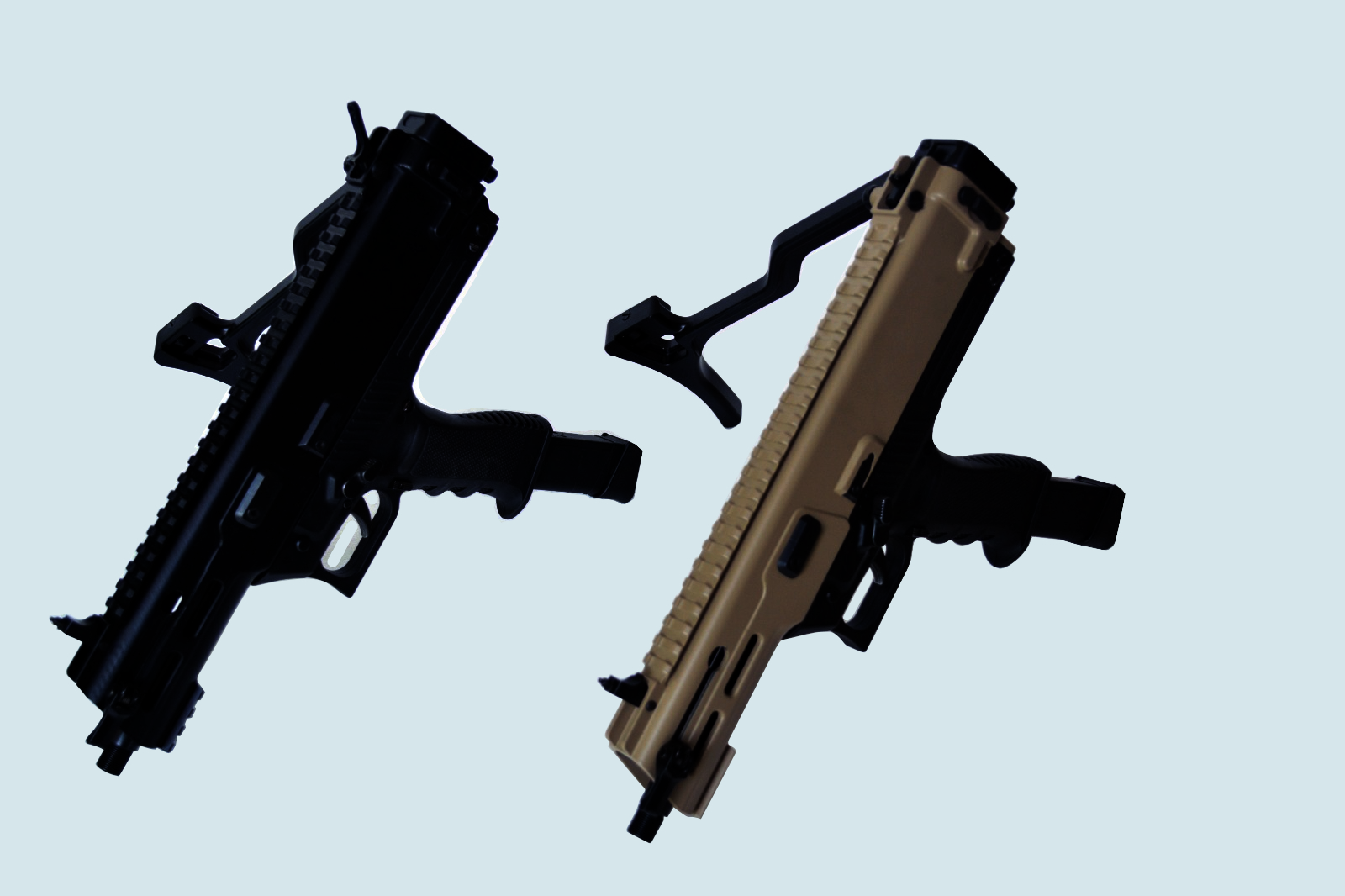
Firearm design evolves through observation and adaptation. Engineers study successful weapons, borrowing ideas that demonstrate reliability or efficiency. This practice does not always involve formal licensing or duplication. Some features become widely adopted simply because they work well across platforms. At other times, governments authorize licensed production, resulting in close replicas with minor adjustments. Distinguishing between inspiration and official copying requires careful examination of markings, documentation, and mechanical details. Superficial similarity rarely tells the full story. Even closely related designs may differ substantially in internal construction or performance characteristics.
Industrial Lineage Can Be Misleading
Manufacturers frequently change ownership, merge with other firms, or reorganize under new names. A weapon commonly associated with one brand may actually originate from a predecessor company or subcontracted facility. Tooling, engineering staff, and patents often migrate between organizations. This industrial evolution complicates straightforward identification. Apparent origins sometimes reflect later marketing or distribution rather than initial design work. Understanding corporate history can clarify why certain firearms appear to belong to one lineage while actually emerging from another. Industrial genealogy often reveals unexpected relationships between manufacturers.
Military Doctrine Drives Design Choices
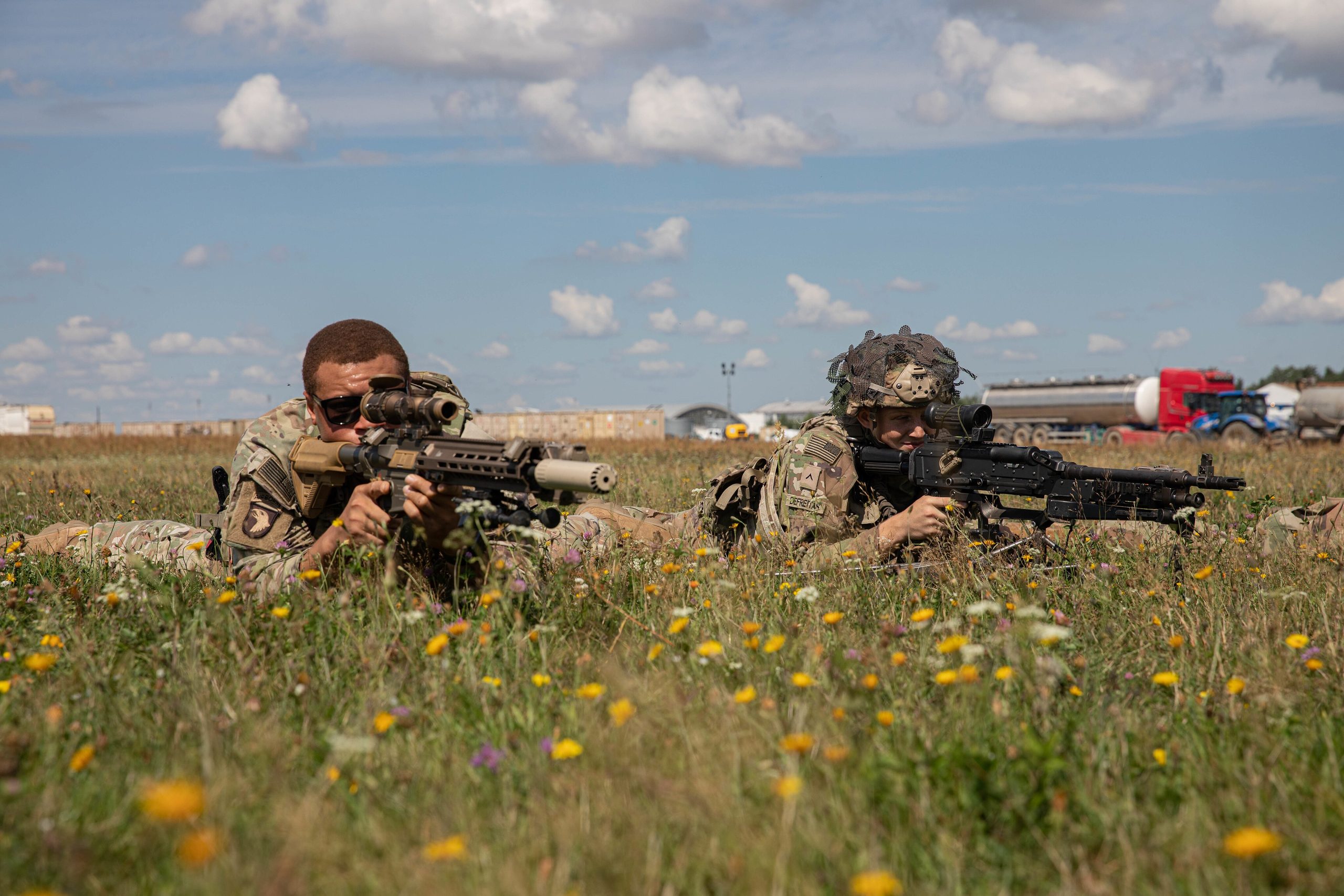
Operational philosophy heavily influences weapon configuration. Forces emphasizing close-quarters combat favor compact, controllable firearms with intuitive handling characteristics. These requirements push designers toward shorter barrels, simplified controls, and lightweight construction. When different nations adopt similar tactical doctrines, their weapons naturally display comparable proportions and layouts. Visual resemblance may therefore arise from shared battlefield priorities rather than shared engineering heritage. Recognizing doctrinal influences helps explain why unrelated weapons sometimes appear remarkably alike.
External Similarity Masks Internal Differences
Two SMGs can share an almost identical profile while operating through very different mechanical systems. Variations in bolt geometry, recoil spring arrangement, or fire control components may be invisible from the outside. Casual observation often overemphasizes shape while overlooking functional architecture. Accurate identification depends on analyzing internal mechanics rather than relying solely on silhouette. Internal design frequently reveals more about lineage and engineering philosophy than external appearance ever could.
Postwar Replication and Reverse Engineering
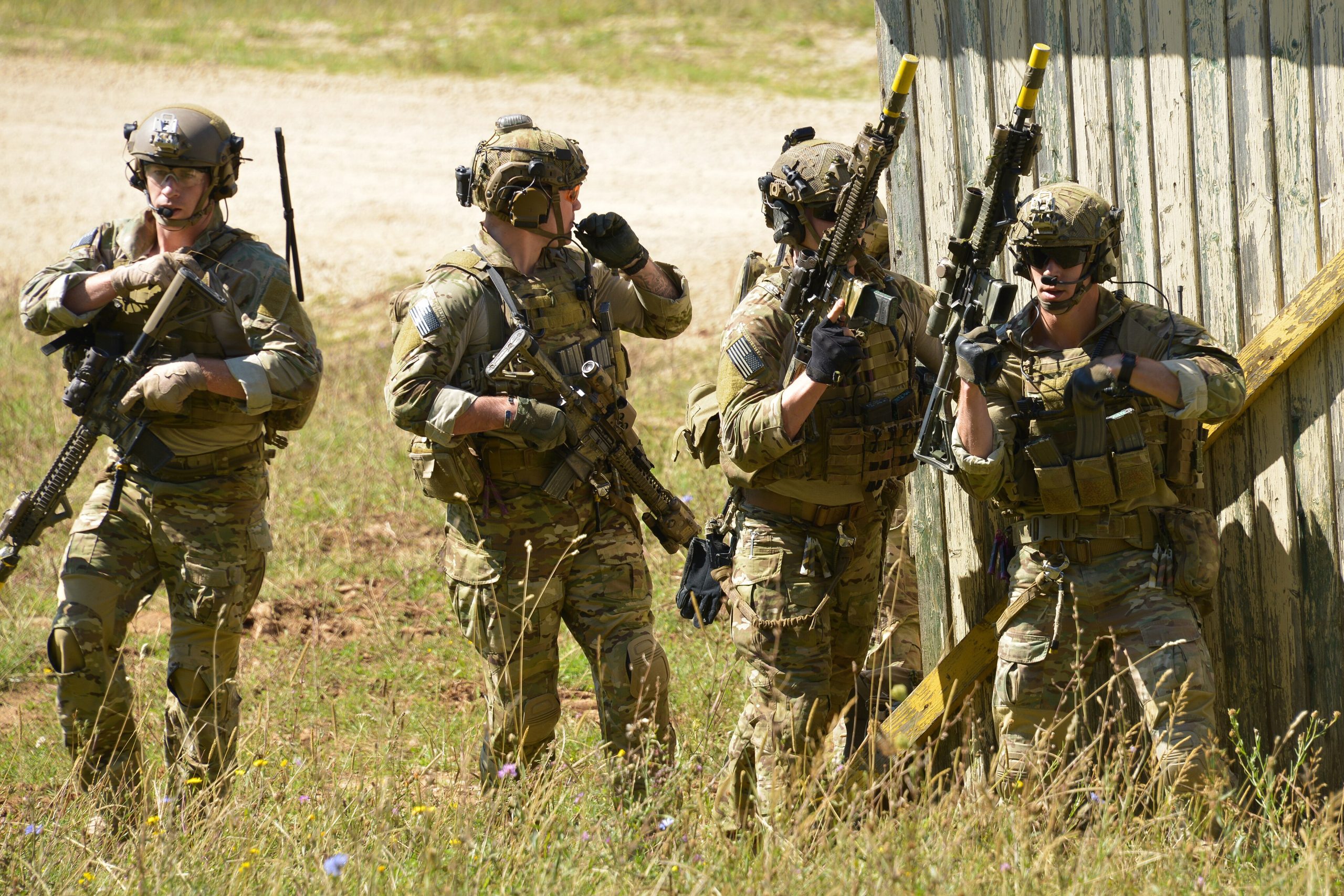
After major conflicts, captured weapons and surplus examples circulated widely. Engineers examined these firearms, sometimes reverse-engineering proven designs. Civilian markets and export opportunities further encouraged continuity in appearance. Familiar shapes often conveyed reliability and practicality, making them attractive templates. Some weapons deliberately echoed established profiles even when redesigned internally. This historical recycling contributed to families of firearms that appear related despite differing origins. Recognizing this pattern prevents misattributing similarity to direct copying.
Identifying Clues Beyond Shape
Reliable identification relies on details rather than general outlines. Proof marks, manufacturer stamps, and serial conventions often provide definitive answers. Small design elements such as selector placement, stock attachment, or magazine construction can distinguish near twins. Experienced observers prioritize these subtle indicators over overall appearance. Firearm recognition becomes an exercise in close reading rather than visual intuition. Minor differences frequently carry major historical significance.
Why Convergence Is So Common
The SMG category imposes inherent design limits. Size constraints, cartridge dimensions, and ergonomic considerations restrict viable configurations. Over the decades, practical solutions became widely standardized. Similarity between weapons often reflects mature engineering traditions rather than imitation. Designers repeatedly arrived at comparable forms because physics and usability favored them. Convergent design is therefore not surprising, but expected. Recognizing this principle helps contextualize apparent visual repetition across eras and manufacturers.
Seeing Beyond First Impressions
When a submachine gun looks familiar, that resemblance should prompt curiosity rather than conclusion. Visual similarity alone rarely determines origin. Historical pressures, production techniques, and mechanical design all contribute to appearance. True lineage emerges through careful comparison and contextual understanding. What initially seems like a puzzle often becomes a lesson in how engineering logic and practical necessity shape technology across time. Familiarity, in this sense, is only the beginning of the story.