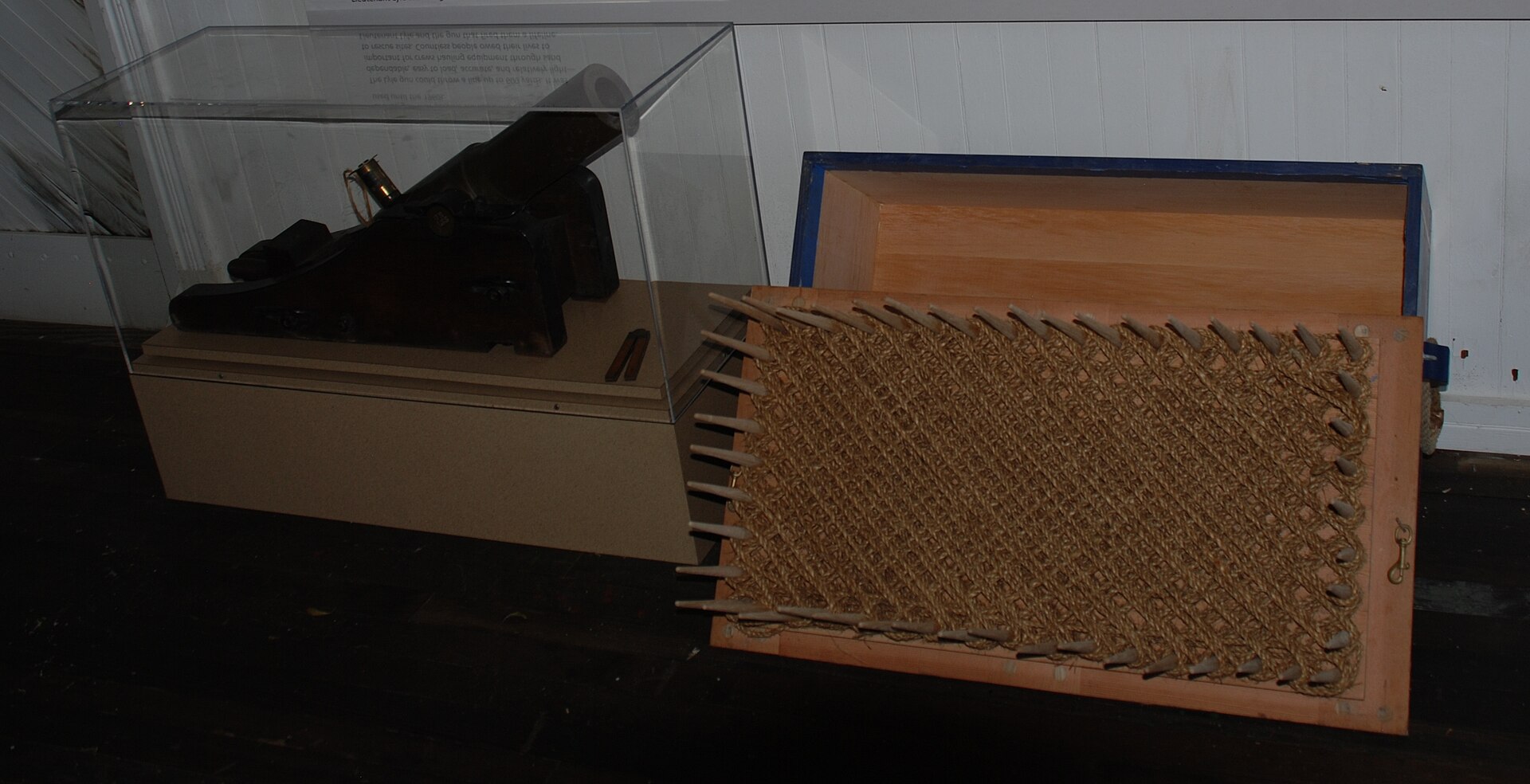
Shipwrecks along the American coastline claimed countless lives during the nineteenth century until one invention changed everything. The ocean was a terrifying place where storms smashed vessels against the shore with little warning or mercy. Desperate sailors often drowned within sight of land because rescue crews could not reach them through the violent surf. A brilliant military officer named David Lyle decided to solve this deadly problem using his ballistics expertise. He created a unique firearm designed to launch a lifeline rather than a lethal projectile. This remarkable bronze cannon eventually became the most important tool for saving stranded mariners.
The Genius Of David Lyle
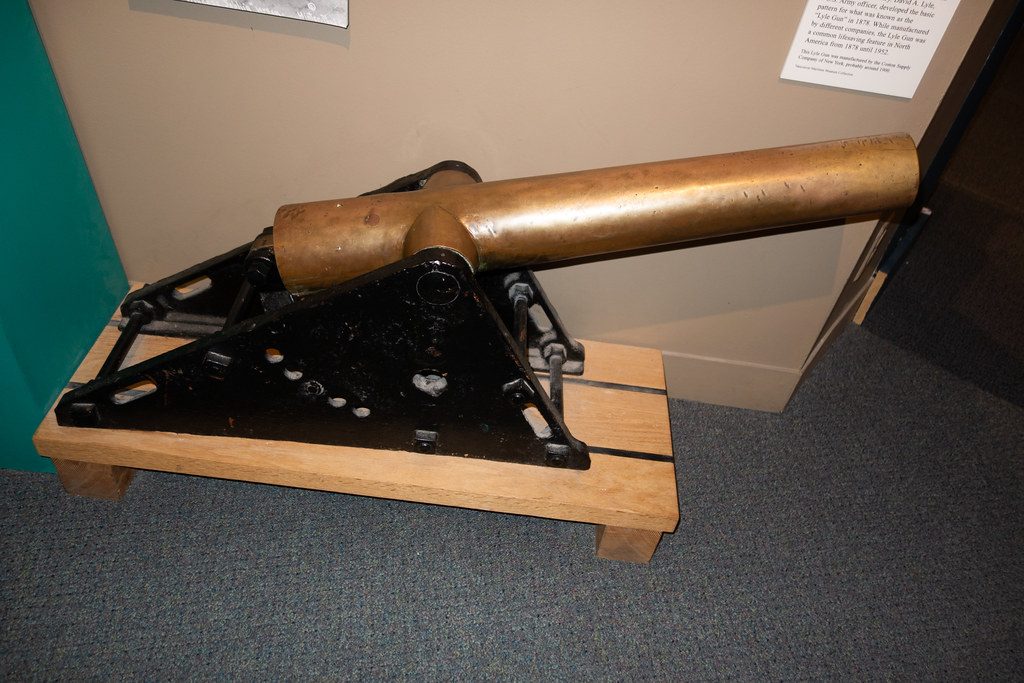
Colonel David Lyle approached the problem of shipwreck rescue with the disciplined mind of a professional ordnance expert. He studied existing line-throwing devices and found them to be heavy, inaccurate, and difficult to transport effectively. Lyle conducted endless experiments to determine the perfect amount of gunpowder needed to fire a heavy rope. He designed a projectile that would flip around in midair to protect the line from burning during the blast. His dedication to perfection resulted in a reliable gun that could reach distressed ships hundreds of yards away. This innovation transformed the capabilities of the United States Life-Saving Service.
A Simple But Effective Design
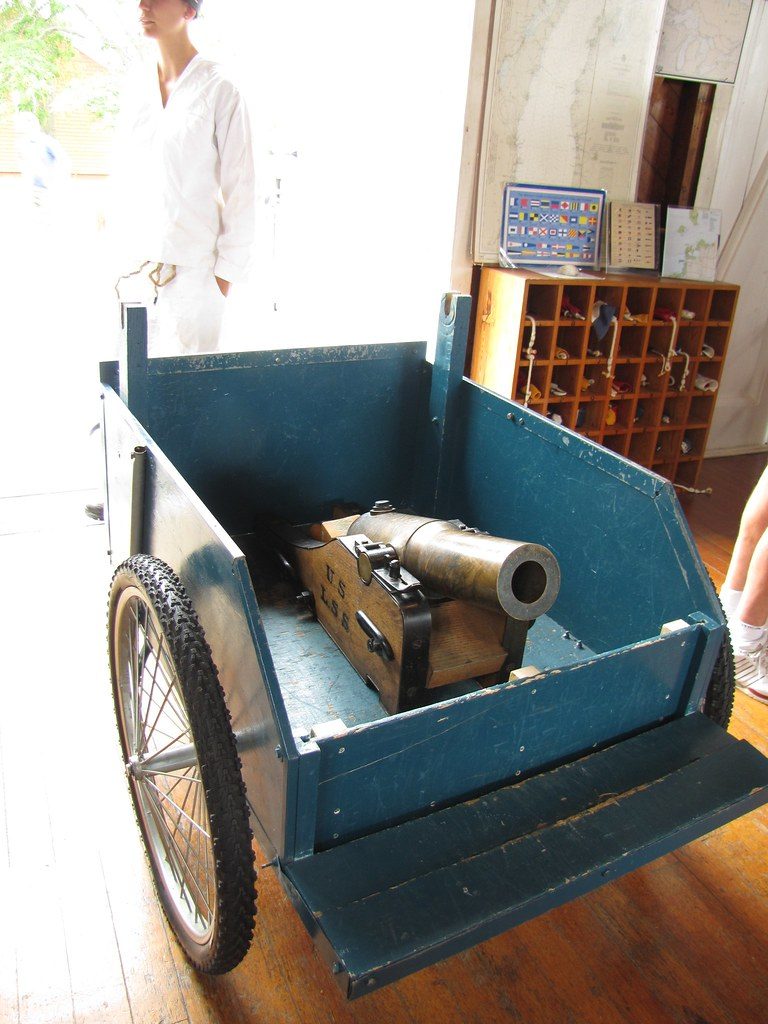
The beauty of the Lyle gun lay in its simplicity and its rugged durability under harsh coastal conditions. The entire system consisted of a short bronze barrel mounted on a sturdy wooden carriage with iron wheels. Rescue crews could drag the heavy apparatus across soft sand or rocky terrain to reach the disaster site quickly. The gun fired a specifically designed shot that carried a light line over the rigging of the ship. Once the crew grabbed the line, they could haul out heavier ropes and a breeches buoy. This connection allowed rescuers to pull survivors to safety one by one.
Saving Thousands From The Sea
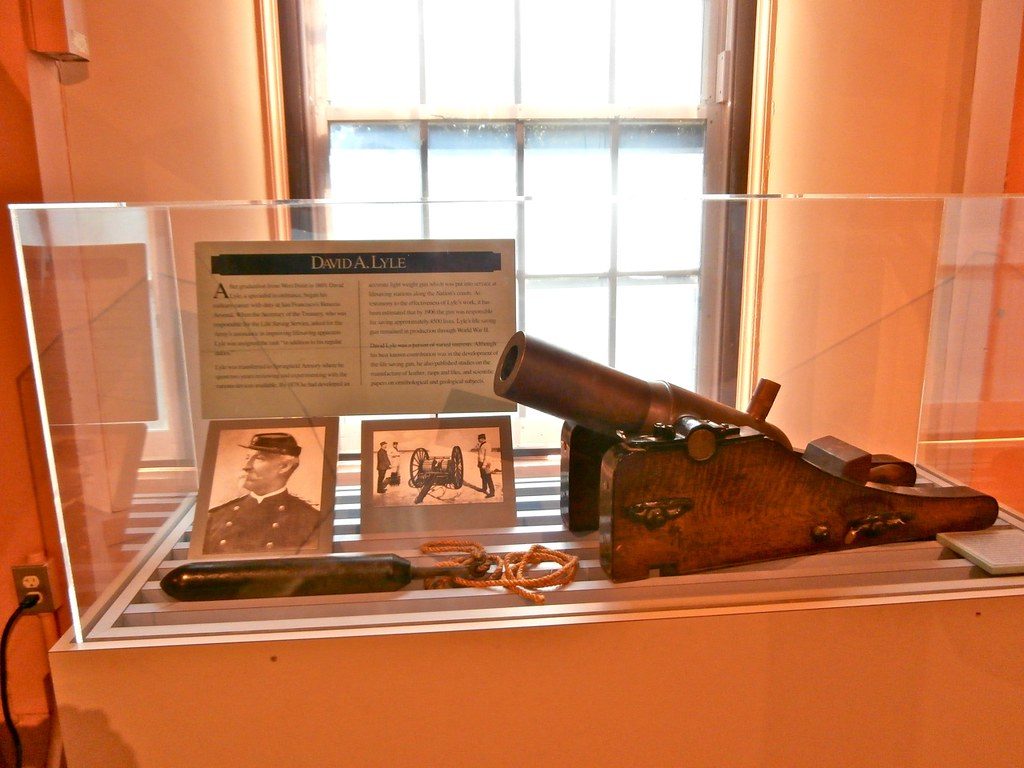
Historical records indicate that this single invention was responsible for saving over four thousand lives during its service history. Every successful shot represented a father or son who returned home instead of perishing in the freezing Atlantic waters. The sight of the rope flying through the storm brought hope to terrified crews clinging to crumbling wreckage. Surfmen took immense pride in their ability to land a shot perfectly on the first attempt despite high winds. The gun remained the primary rescue tool for decades because nothing else worked as well. It proved that gunpowder could be used for preservation rather than destruction.
The Legacy Of The Lyle Gun
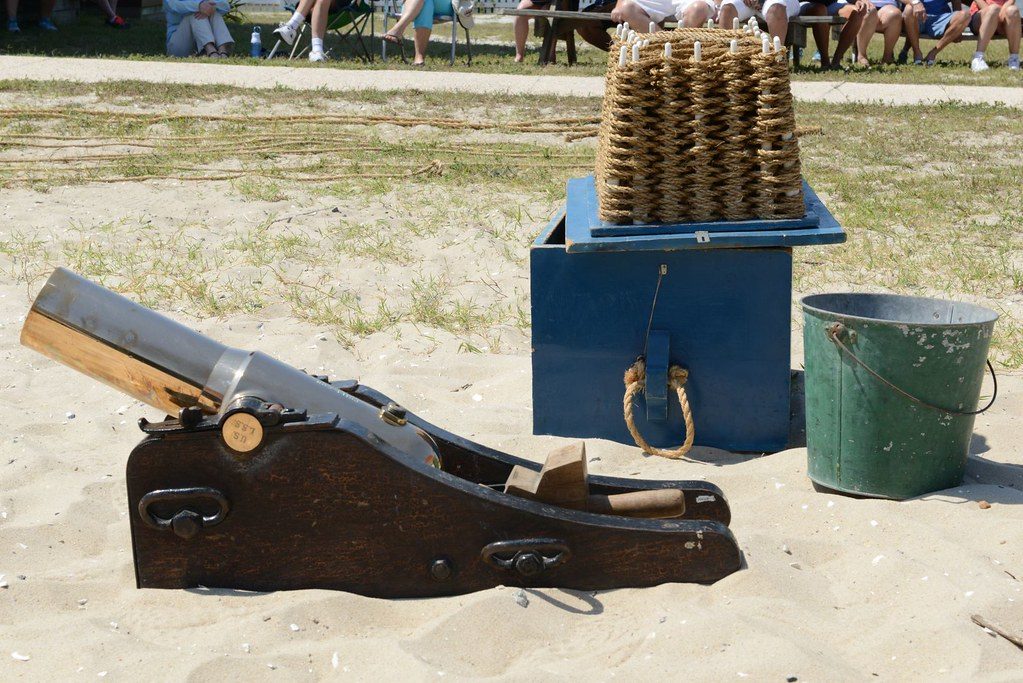
Modern technology, like helicopters and high-speed boats, eventually replaced the Lyle gun after the mid-twentieth century. However, the impact of this small bronze cannon on maritime history remains undeniable and profound to this day. Museums across the country display these artifacts as a testament to the bravery of the Coast Guard’s predecessors. Collectors value them highly for their craftsmanship and the incredible stories attached to their operational service life. Remembering this device honors the memory of the surfmen who hauled it into the teeth of the gale. It stands as a permanent symbol of human ingenuity saving lives.