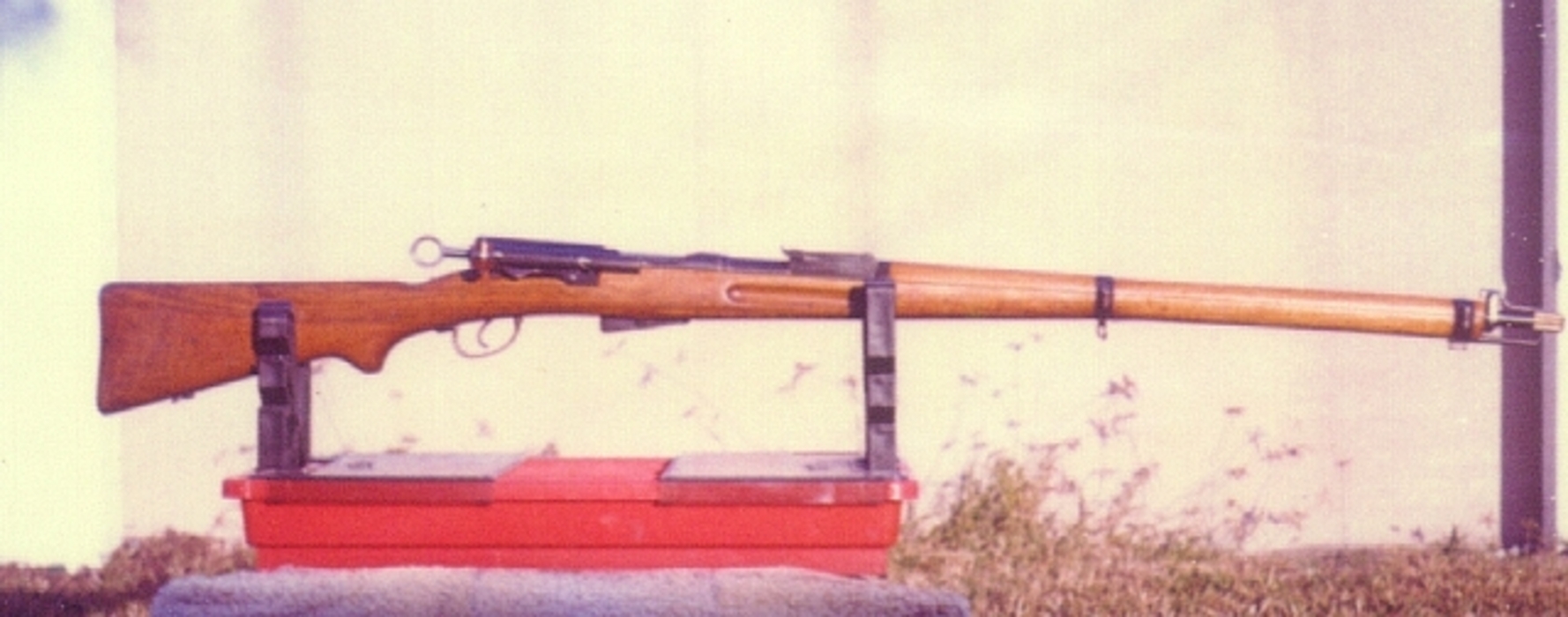
The Swiss Schmidt-Rubin Model 1889 represents the pinnacle of nineteenth-century industrial design and mechanical precision. Military historians often describe this specific firearm as being overbuilt like a machine because of its complex internal components. Swiss engineers prioritized accuracy and speed over manufacturing costs when they developed this unique straight-pull service rifle. Taking it apart reveals a level of craftsmanship that rivals the finest clockwork mechanisms found in Europe. Every spring and lever fits together with zero tolerance to ensure absolute reliability during combat. This deep dive explores the intricate engineering secrets hidden inside the stock.
The Straight-Pull Action
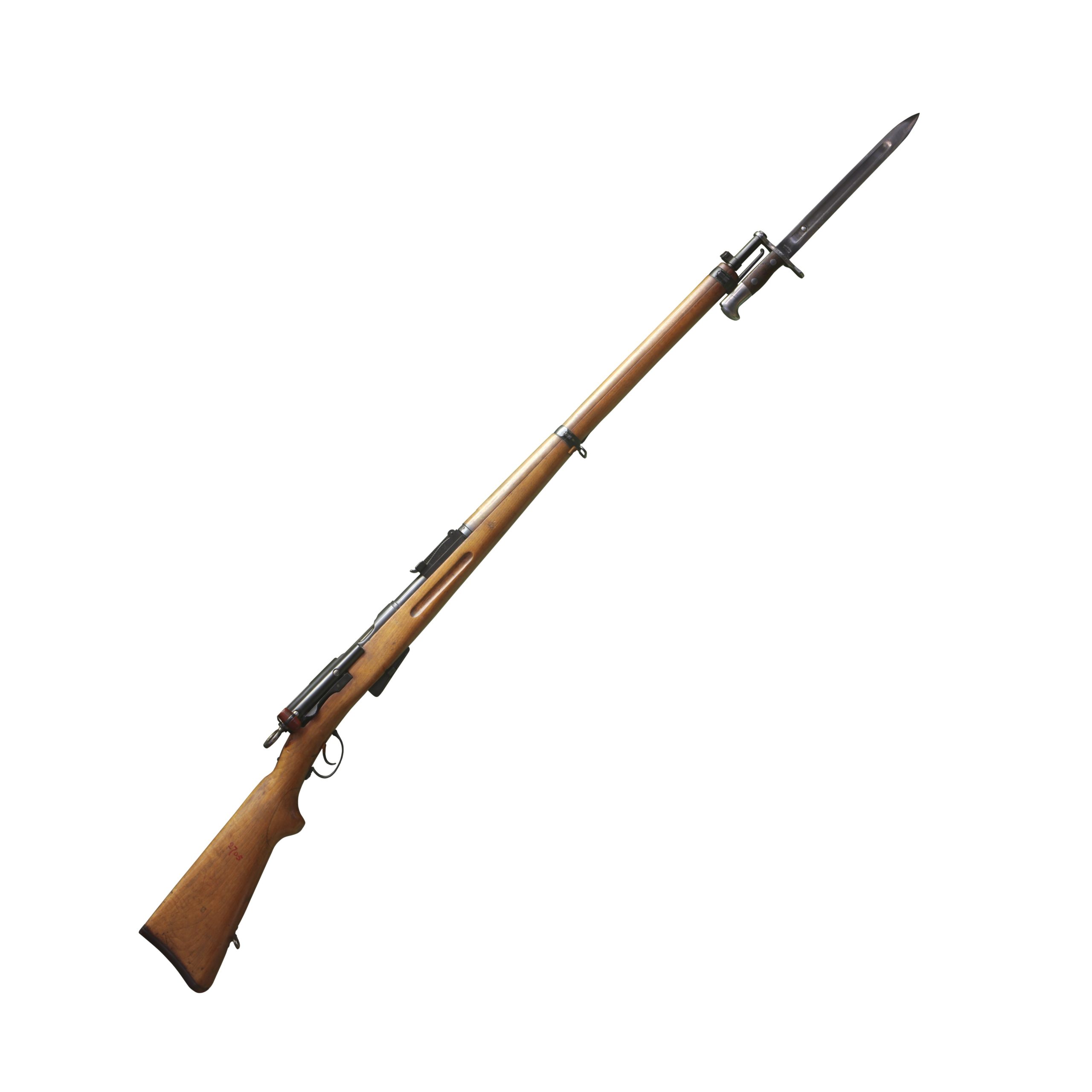
The defining feature of this rifle is undoubtedly its revolutionary straight-pull bolt action system. Most military rifles of the era required a four-motion cycle to eject a spent cartridge and chamber a new one. This Swiss design allowed the soldier to simply pull the handle back and push it forward in two smooth motions. Internal cams rotate the bolt sleeve automatically to unlock the action with incredible speed. Disassembling the bolt reveals a fascinating spiral cut that converts linear motion into rotational force. This complexity provided a significant rate of fire advantage over standard bolt-action competitors.
The High-Capacity Magazine
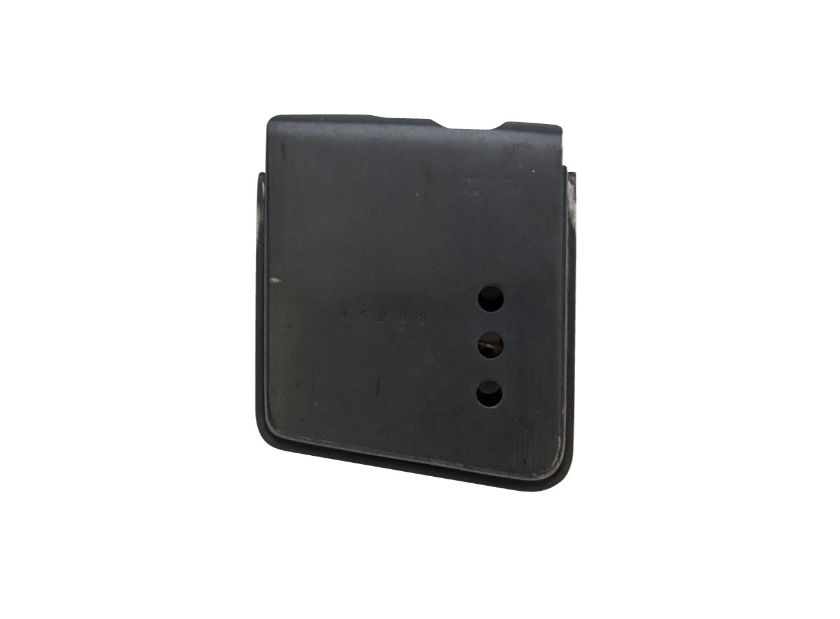
Another striking innovation was the inclusion of a detachable twelve-round box magazine constructed from heavy sheet steel. This capacity was double or triple what most other nations fielded in their standard infantry rifles at the time. The magazine features a unique cutoff lever that prevents the bolt from picking up rounds until necessary. This allowed soldiers to load single rounds during calm moments and save the full magazine for emergencies. Removing the magazine shows a robust follower spring and reinforced feed lips designed to last forever. The sheer weight of this component speaks to its durability.
The Complex Trigger Group
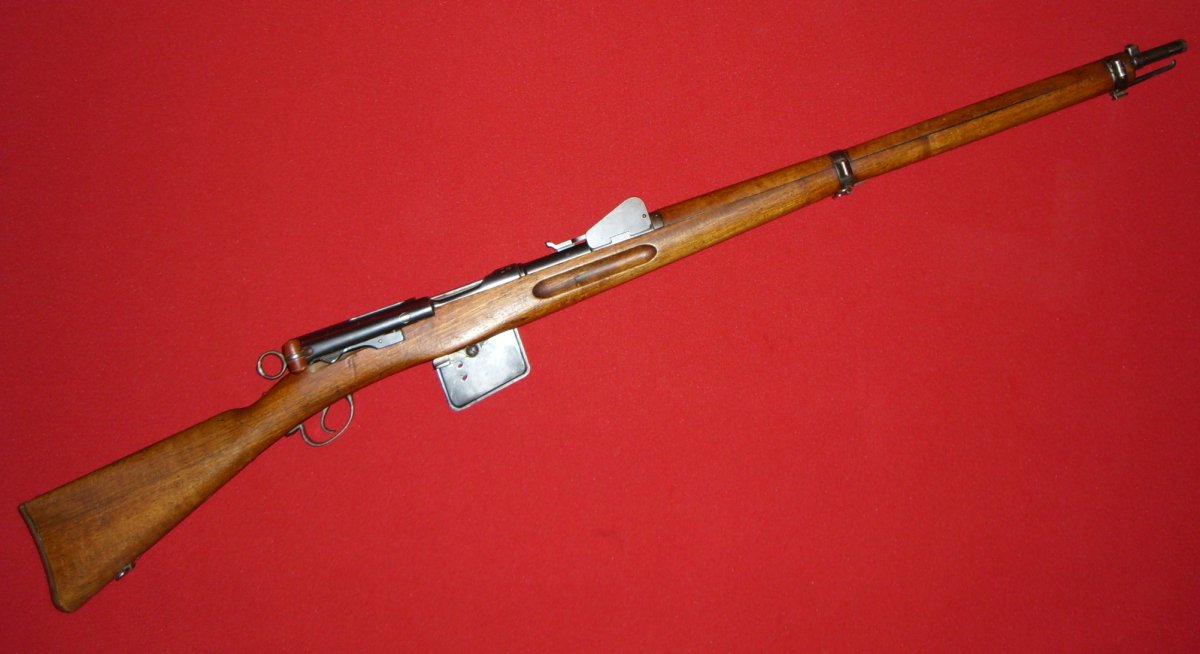
Swiss marksmen demanded a trigger pull that supported long-range accuracy, and the engineers certainly delivered on that request. The trigger mechanism inside the Model 1889 is far more sophisticated than the simple sears found in other contemporary firearms. It utilizes a two-stage design that allows the shooter to take up slack before hitting a distinct wall. Taking the action out of the wood reveals polished contact surfaces that minimize friction and creep. This attention to detail ensured that every soldier could shoot competitively right out of the box. It feels more like a target rifle than a weapon.
The Barrel And Sights
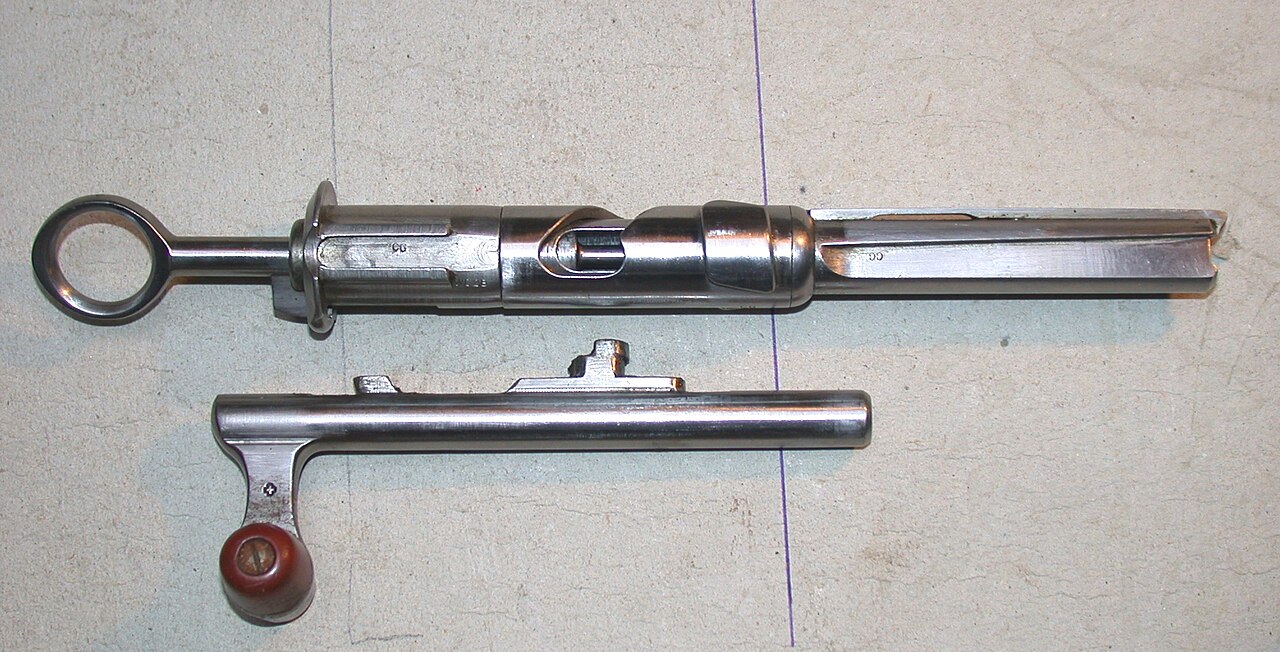
The barrel quality on these rifles demonstrates the obsession with precision that defines Swiss manufacturing culture. Each barrel was machined to exacting tolerances and rifled to stabilize the new seven-point-five millimeter cartridge perfectly. The rear sight is graduated with extreme optimism out to two thousand meters, which indicates great faith in the ballistics. Removing the handguard exposes the heavy barrel profile that resists heat warping during rapid fire sequences. Even the barrel bands and stacking rod are machined from solid steel rather than stamped. This rifle was built to dominate shooting matches as well as battlefields.
The Rear Locking Lugs
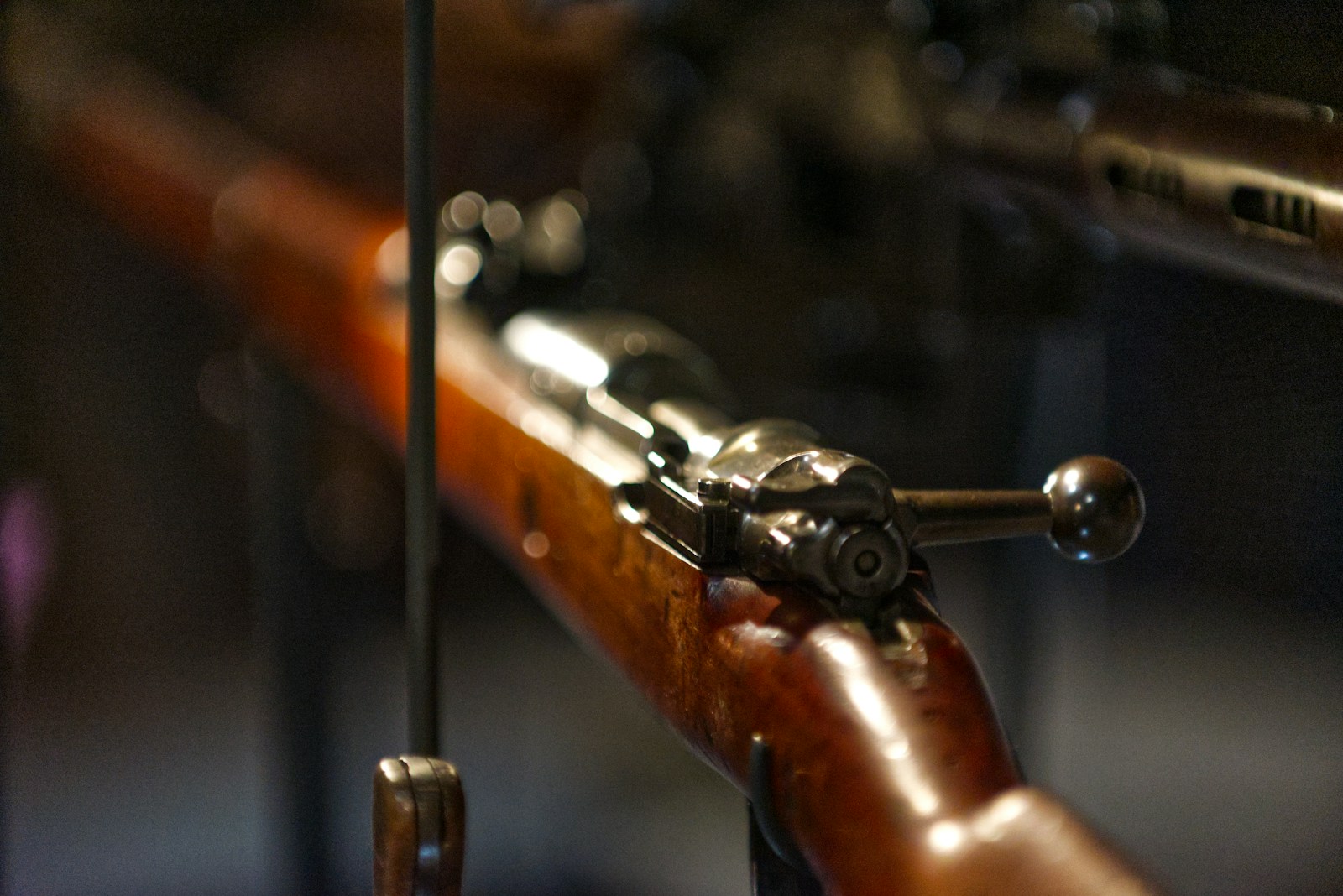
Examining the bolt assembly closely reveals that the locking lugs are located at the very rear of the sleeve. This specific placement allowed for a shorter bolt throw but introduced a potential weak point in the design. The lugs engage with the receiver bridge rather than the front ring, which causes the bolt to compress slightly upon firing. While this feature was eventually moved forward in later models, it demonstrates the experimental nature of early smokeless powder rifles. The machining on these lugs is flawless and shows no tool marks even after a century of use.