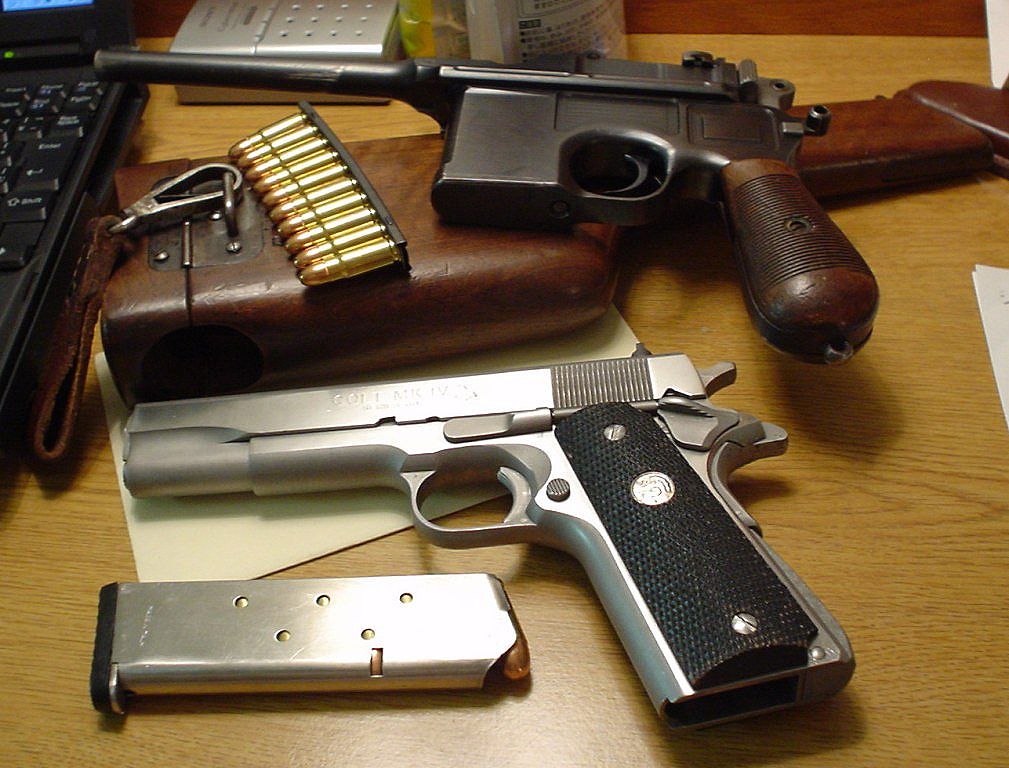
Discovering these facts I completely missed about the 1911 reveals the deep and storied history behind one of the most iconic firearms in American culture today. While many enthusiasts recognize the distinctive profile and the powerful caliber of this legendary handgun, the small and technical details of its development often remain hidden from the average shooter during their regular practice sessions. Understanding the true origins and the mechanical evolution of this masterpiece allows for a much better appreciation of its lasting and significant legacy. This guide explores the fascinating secrets that define the enduring and very popular 1911 platform.
The Designer Was John Browning
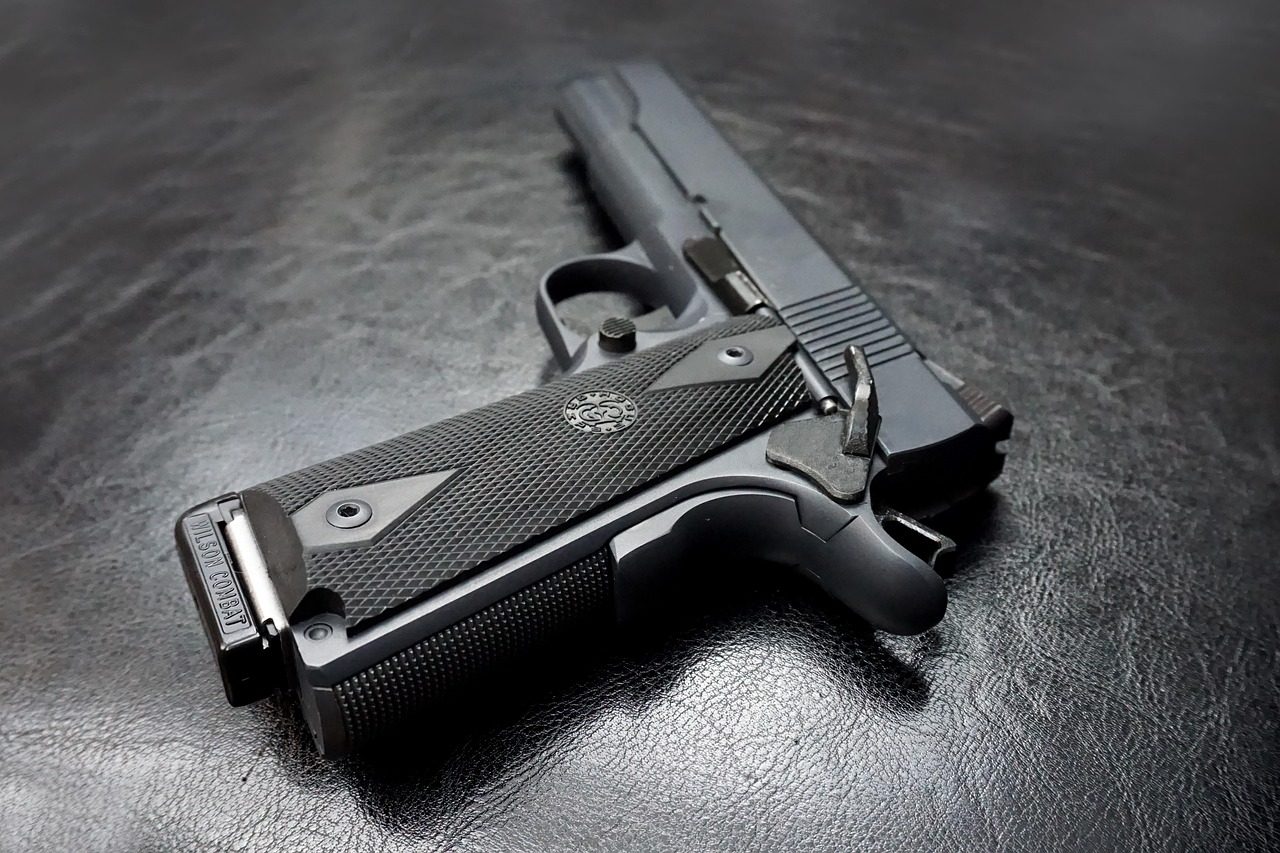
John Moses Browning remains the primary genius behind the successful development of the 1911 pistol during the early twentieth century for the United States military. This prolific inventor created dozens of influential firearm designs that fundamentally changed the landscape of modern weaponry across the entire globe for many decades to come. His ability to balance mechanical simplicity with rugged and extreme durability ensured that the pistol would perform reliably during the most demanding combat situations in history. Many people often overlook just how much his personal innovative spirit influenced the final and very polished product that enthusiasts still love.
Six Thousand Round Endurance Test
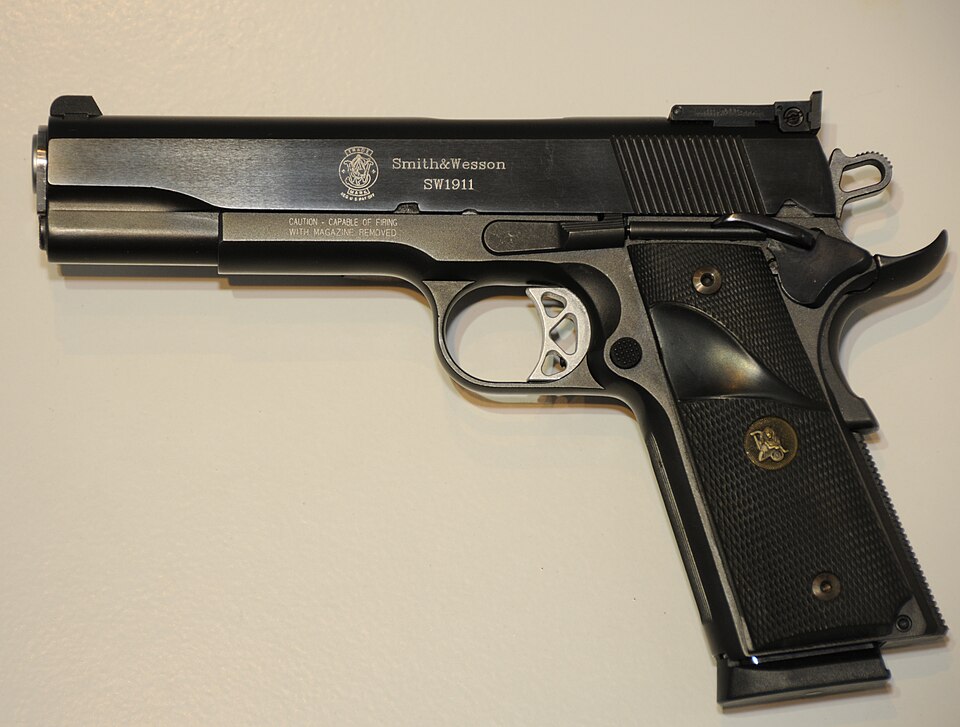
The original 1911 pistol underwent a rigorous and grueling endurance test that involved firing exactly six thousand rounds without a single mechanical failure occurring. During this historic evaluation, the firearm was periodically dipped in water to cool the metal parts and ensure that the action remained functional under extreme and constant stress. This incredible performance proved the absolute reliability of the design to the military board and secured its place as the primary sidearm for American soldiers. Most modern handguns would struggle to match the consistency and the durability demonstrated during this legendary and very high-stakes trial.
The Grip Safety Origin
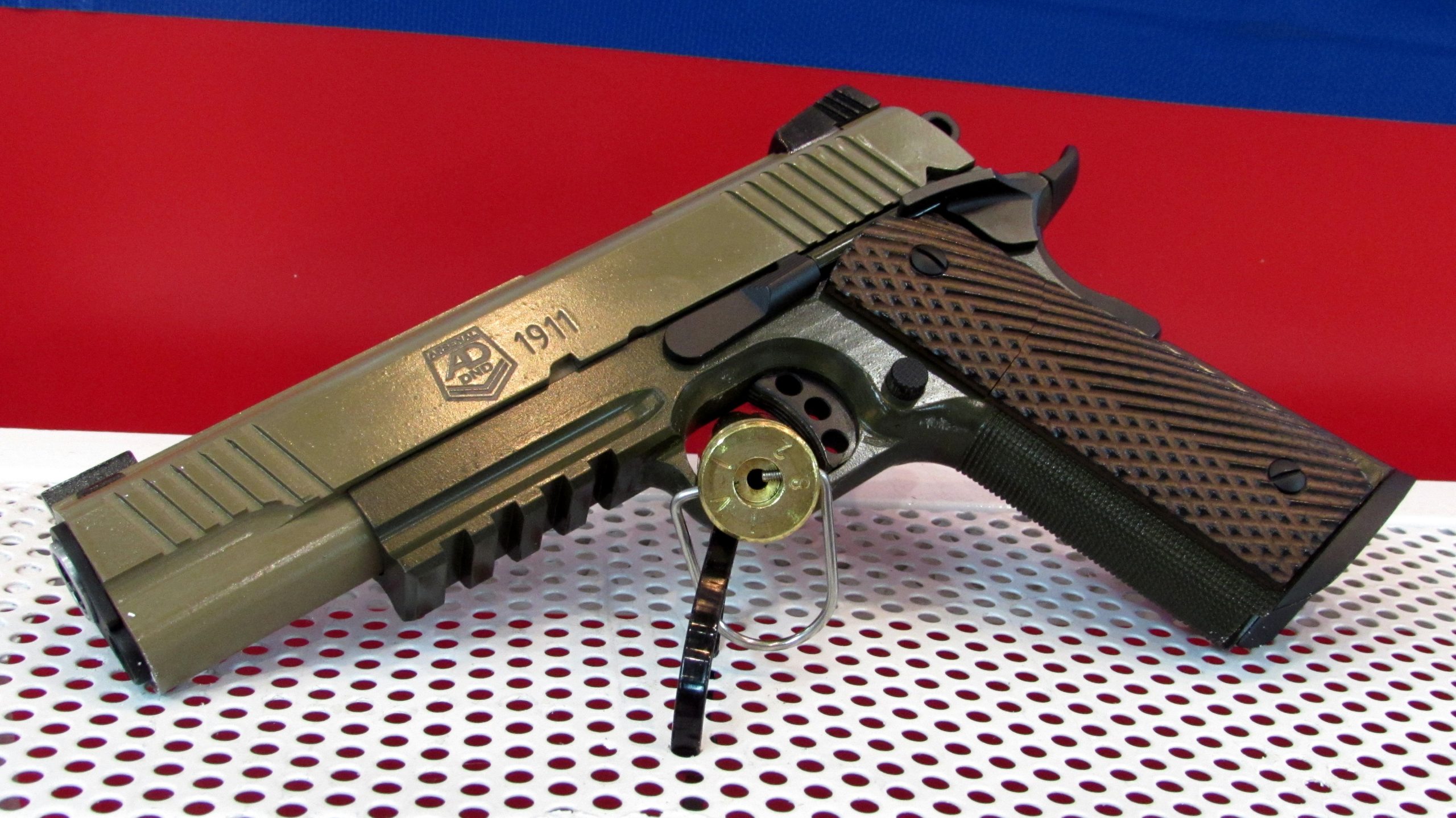
One interesting fact involves the addition of the grip safety, which was a specific requirement from the cavalry to prevent accidental discharges during a ride. Soldiers needed a way to ensure that the weapon would not fire if it were dropped while they were managing their horses in a chaotic and fast environment. This mechanical feature remains a defining characteristic of the platform and provides an extra layer of protection that many owners appreciate for daily carry today. While some modern shooters find it unnecessary, the historical context of its inclusion highlights the practical and safe design philosophy.
Replacement Of The Thirty Eight
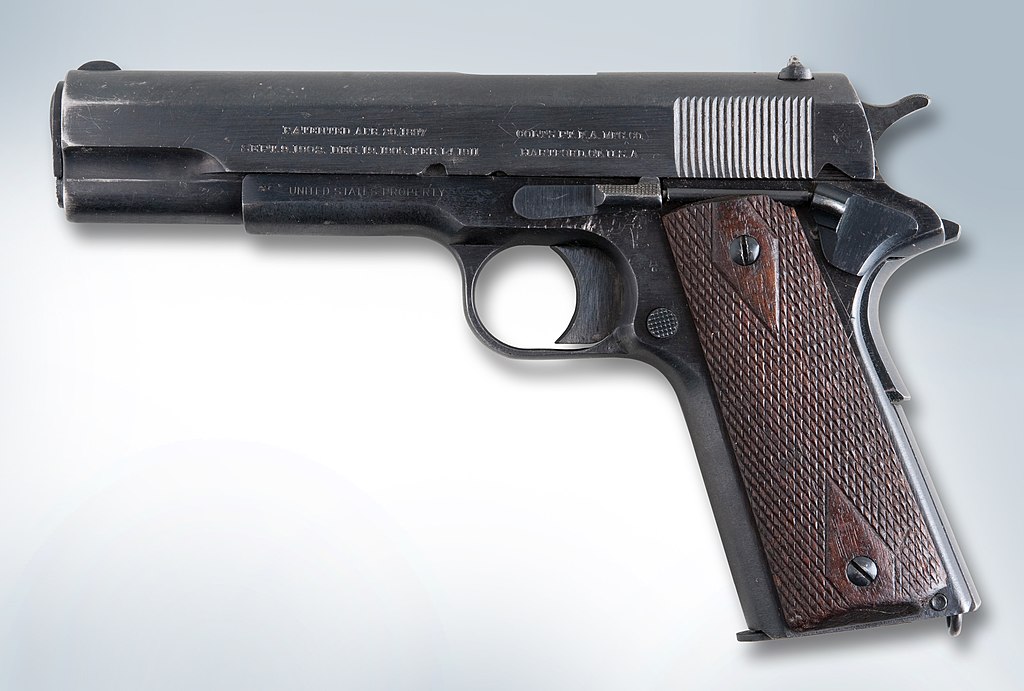
The military developed the 1911 specifically to replace the underpowered thirty-eight caliber revolvers that failed to stop determined adversaries during the Philippine-American War. Soldiers reported that the smaller rounds lacked the necessary terminal performance to neutralize threats quickly, which led to a demand for a much more powerful sidearm. The choice of the forty five ACP caliber provided the significant and necessary energy to ensure that every shot delivered the intended and effective result in a crisis. This transition marked a major shift in the ballistic requirements for the standard-issue equipment of the modern army.
Seventy-five Years Of Service
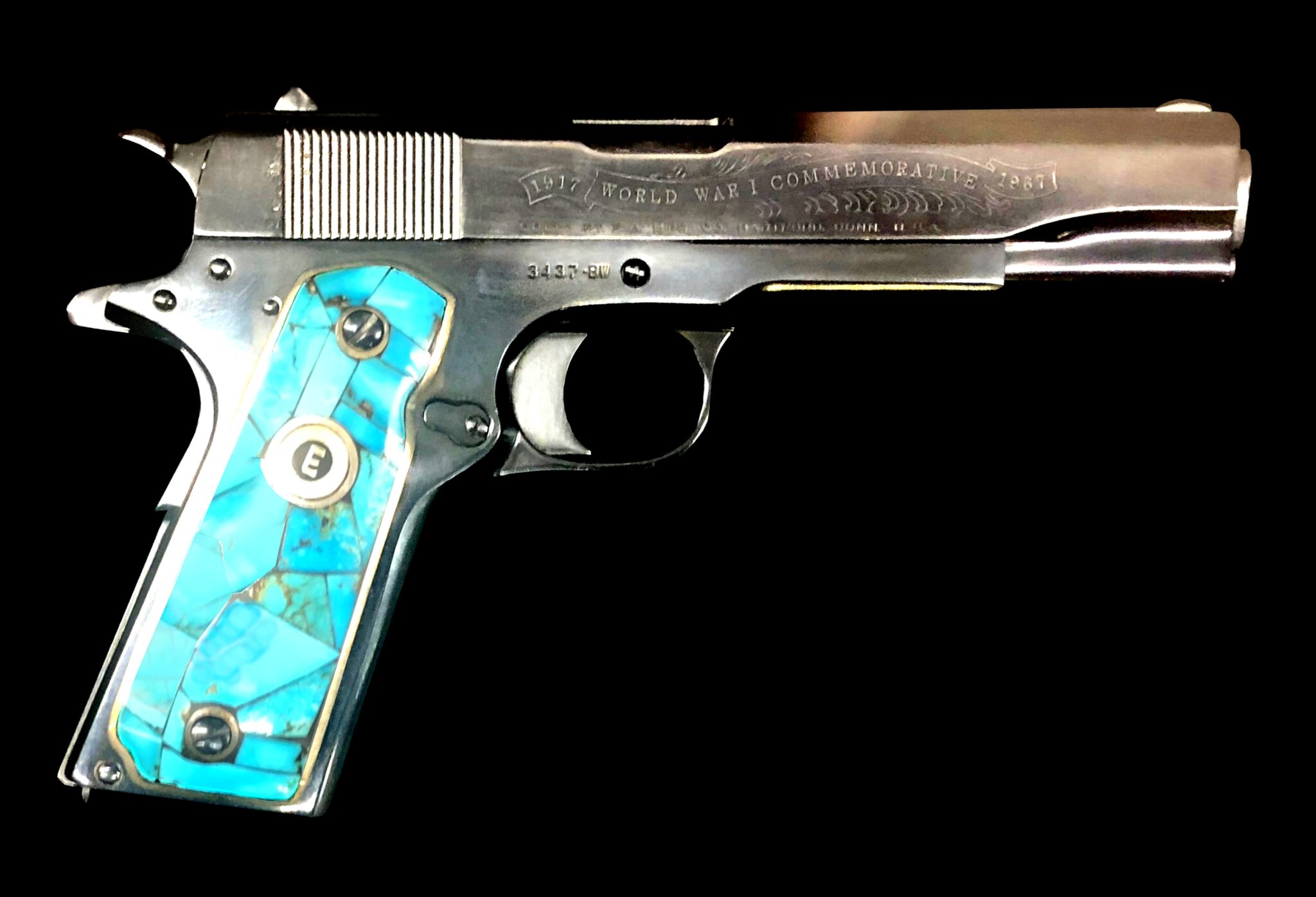
The 1911 officially served as the primary sidearm for the United States military for an incredible seventy five years before being replaced by a newer nine millimeter model. This longevity is nearly unheard of in the world of professional combat equipment, where technology and requirements change with every single passing decade. Throughout multiple world wars and regional conflicts, the pistol earned a reputation for being an unstoppable and very dependable tool for generations of brave service members in the field. Its long history of active duty service remains a testament to the timeless and very effective engineering of the original design.
Hand Fitted Internal Components
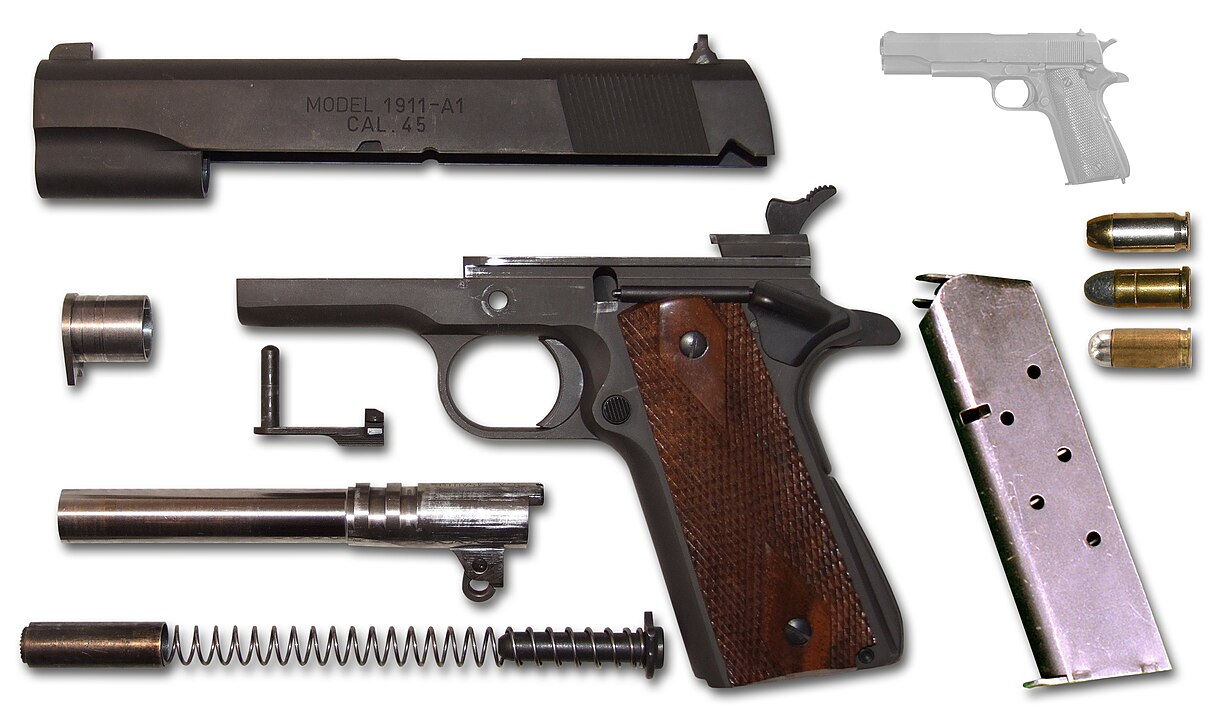
Traditional 1911 pistols often require extensive and careful hand fitting of the internal components to ensure a smooth and perfectly reliable action for the shooter. Unlike many modern polymer handguns that utilize interchangeable and mass-produced parts, the classic steel frame demands a high level of craftsmanship during the final assembly. This attention to detail results in a superior trigger pull and a very tight lockup that many enthusiasts believe is unmatched by any contemporary and competing firearm design. The human touch involved in building these weapons is a fact that many people appreciate about the platform.
The Swinging Link System
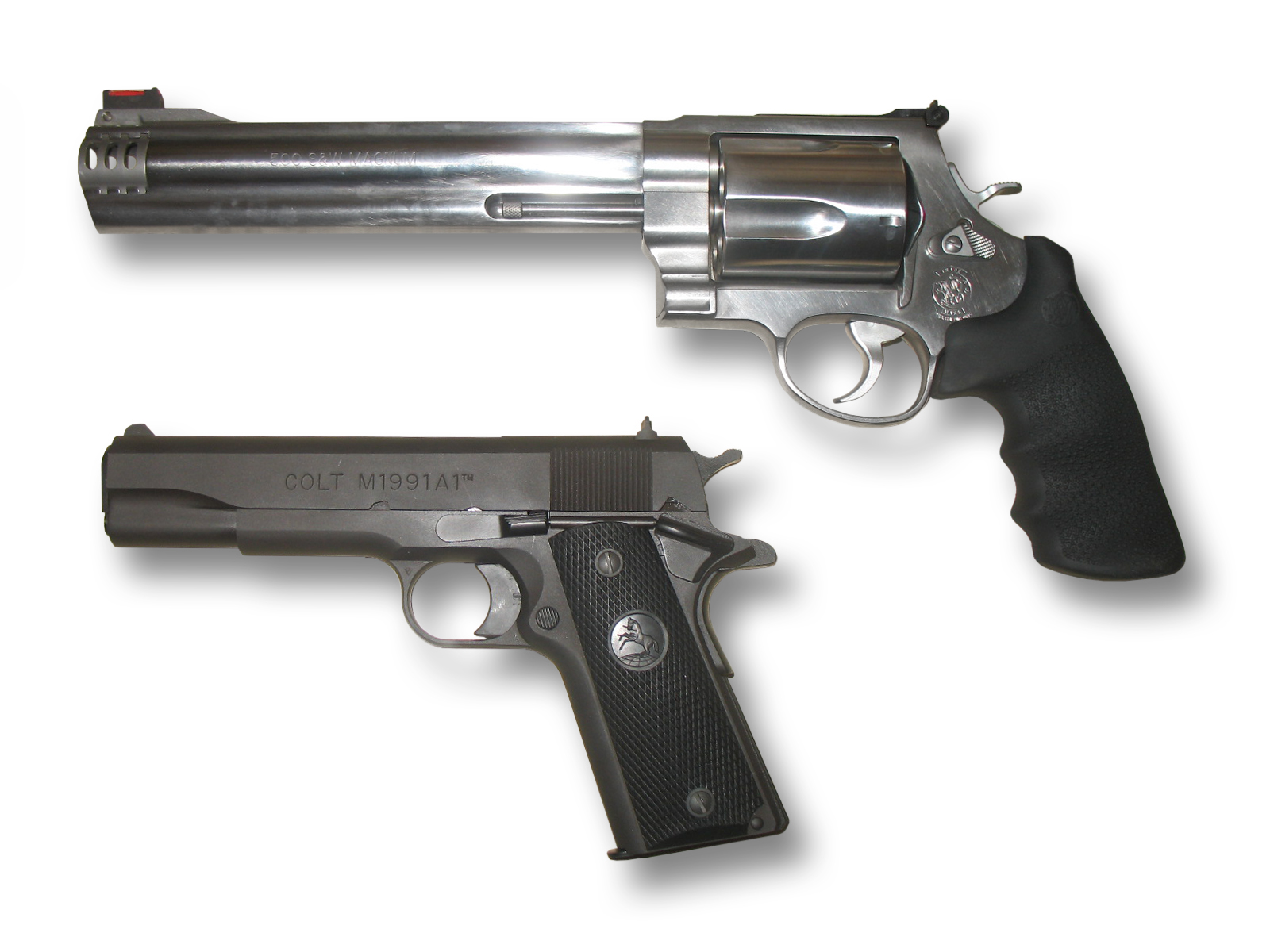
The unique swinging link system allows the barrel to drop down and unlock from the slide during the recoil cycle after every single shot is fired. This mechanical solution was a major innovation that enabled the pistol to handle the high pressures of the forty five caliber cartridge while maintaining a relatively slim profile. While modern designs often utilize a simplified tilting barrel, the original link remains a favorite among purists who value the intricate and very precise movement of the parts. This specific part is essential for the function and the timing of the entire and complex semi-automatic cycle.
Over One Hundred Parts
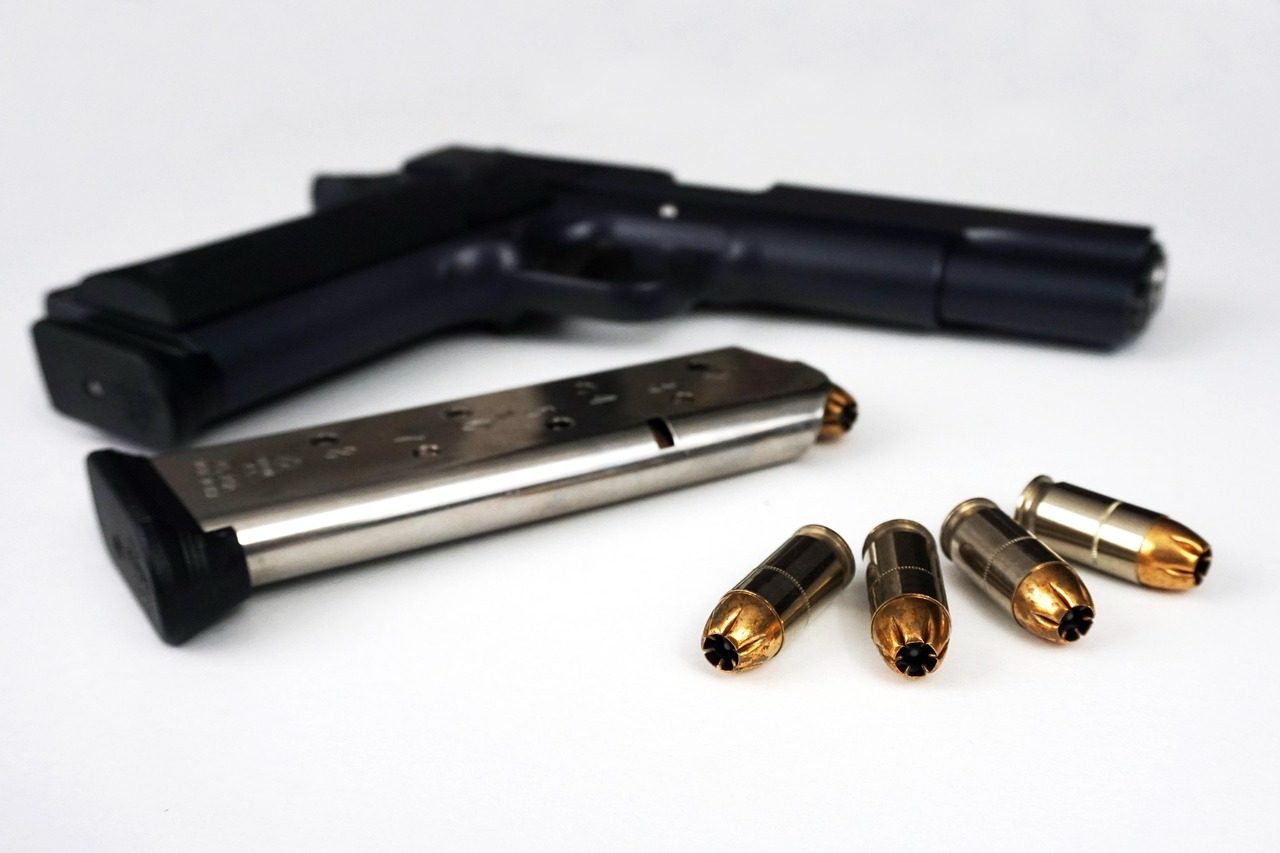
A standard 1911 pistol consists of over one hundred individual parts that must work in perfect harmony to deliver a safe and accurate shot every time. This complexity is surprising to many people who assume that older firearms are much simpler than the high-tech and modular systems available in stores today. Maintaining these various components requires a disciplined approach to cleaning and regular inspection to ensure that every spring and pin remains in excellent condition. The number of small pieces involved highlights the intricate and very thoughtful engineering that went into the creation of this legendary American.
Iconic External Hammer Design
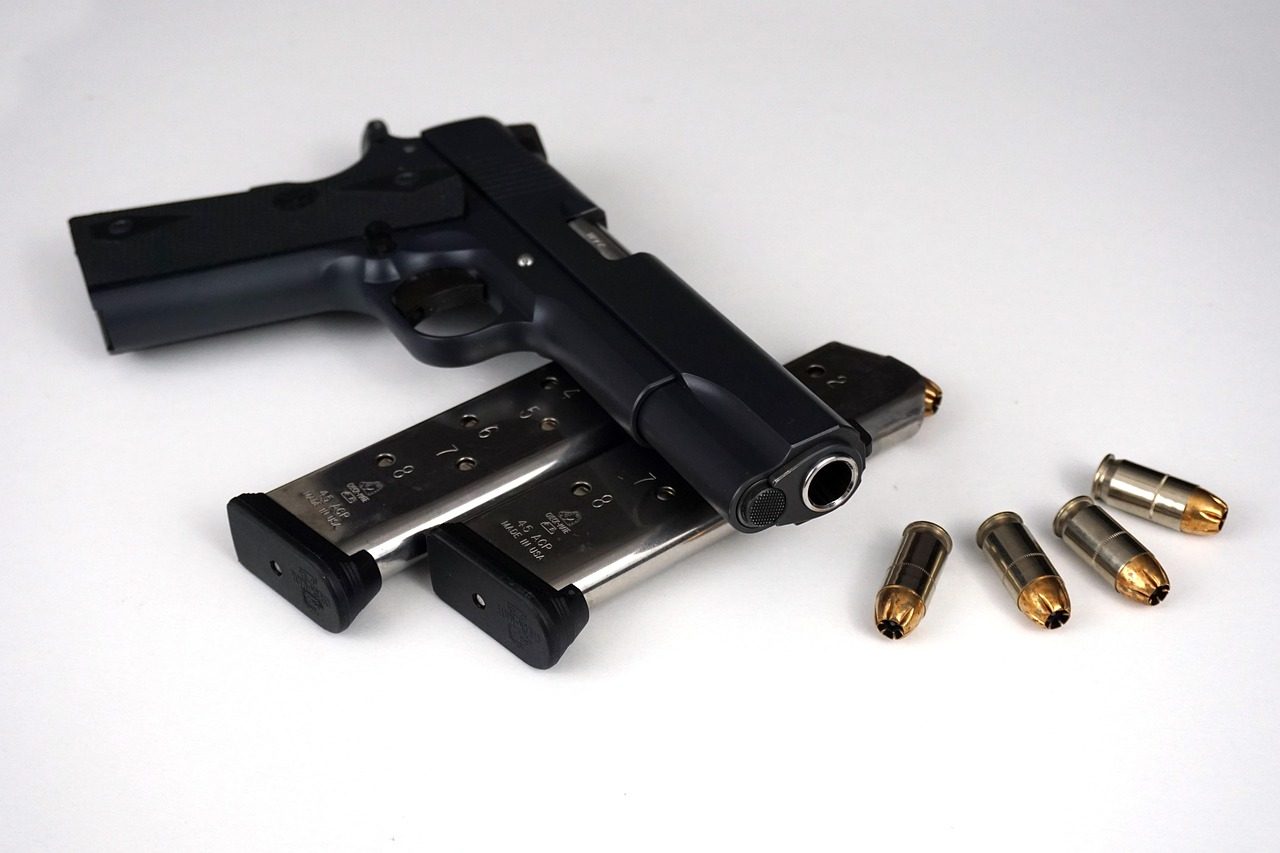
The iconic external hammer of the 1911 allows the user to see the state of the firearm and provides a very crisp and consistent single-action trigger. This feature enables a high level of precision that is often difficult to achieve with the mushy triggers found on many modern striker-fired pistols today. Being able to manually cock or decock the weapon offers a degree of control that many experienced shooters prefer for both target practice and personal and safe protection. This visual and tactile feedback is a key reason why the platform remains so popular among those who value mechanical.
Worldwide Manufacturing Legacy

While the 1911 is a quintessentially American firearm, dozens of different companies across the entire world have produced their own unique versions of the design over the years. From high-end custom shops to large-scale industrial factories, the global influence of this specific handgun is truly and absolutely immense in the industry today. This widespread availability ensures that parts and expertise are always accessible for owners, regardless of their location or their specific budget for a new and reliable weapon. The legacy of the 1911 continues to grow as new generations discover the history and the power of this tool.