Mountain lions represent some of the most elusive and powerful predators currently roaming across the diverse landscapes of North America today. While many people believe these majestic cats only exist in remote western wilderness areas research confirms their presence in several surprising locations. Understanding where mountain lions still live is essential for conservation efforts and public safety awareness in modern times. These large felines adapt to various environments ranging from swampy wetlands to high alpine forests with incredible ease. This guide explores eight specific states where breeding populations continue to thrive despite the many challenges of habitat loss.
California
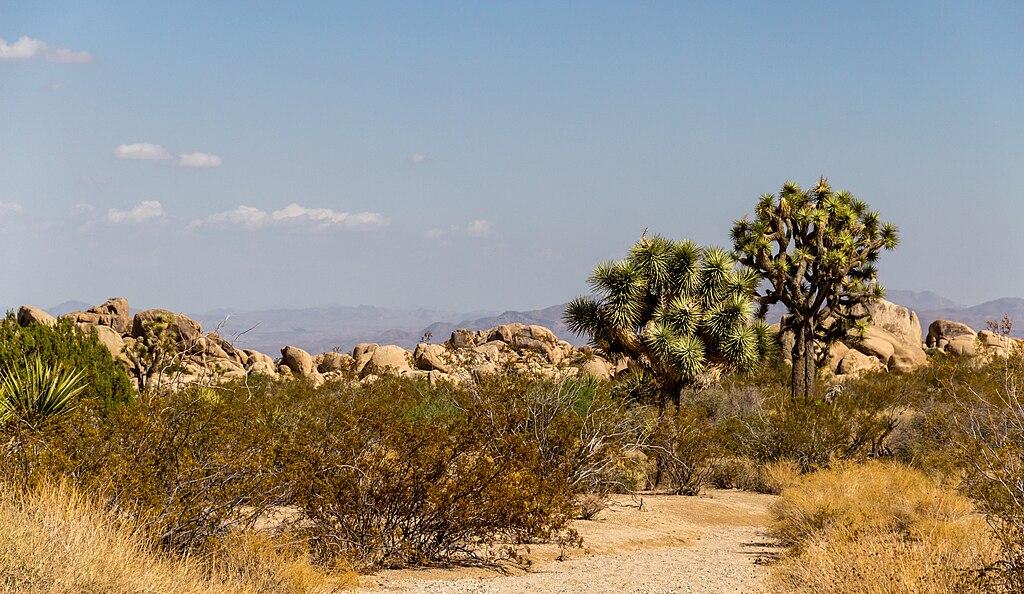
California currently hosts one of the largest and most strictly protected populations of mountain lions in the entire United States. These reclusive cats inhabit nearly every corner of the state from the coastal ranges to the high peaks of the Sierra Nevada mountains. Recent legislation has granted even more protections to specific subpopulations that face threats from habitat fragmentation and busy highway crossings. State wildlife officials estimate that thousands of individual cats roam the backcountry while occasionally wandering into suburban interfaces near large cities. Residents often use trail cameras to document these beautiful animals as they move silently through brush.
Colorado
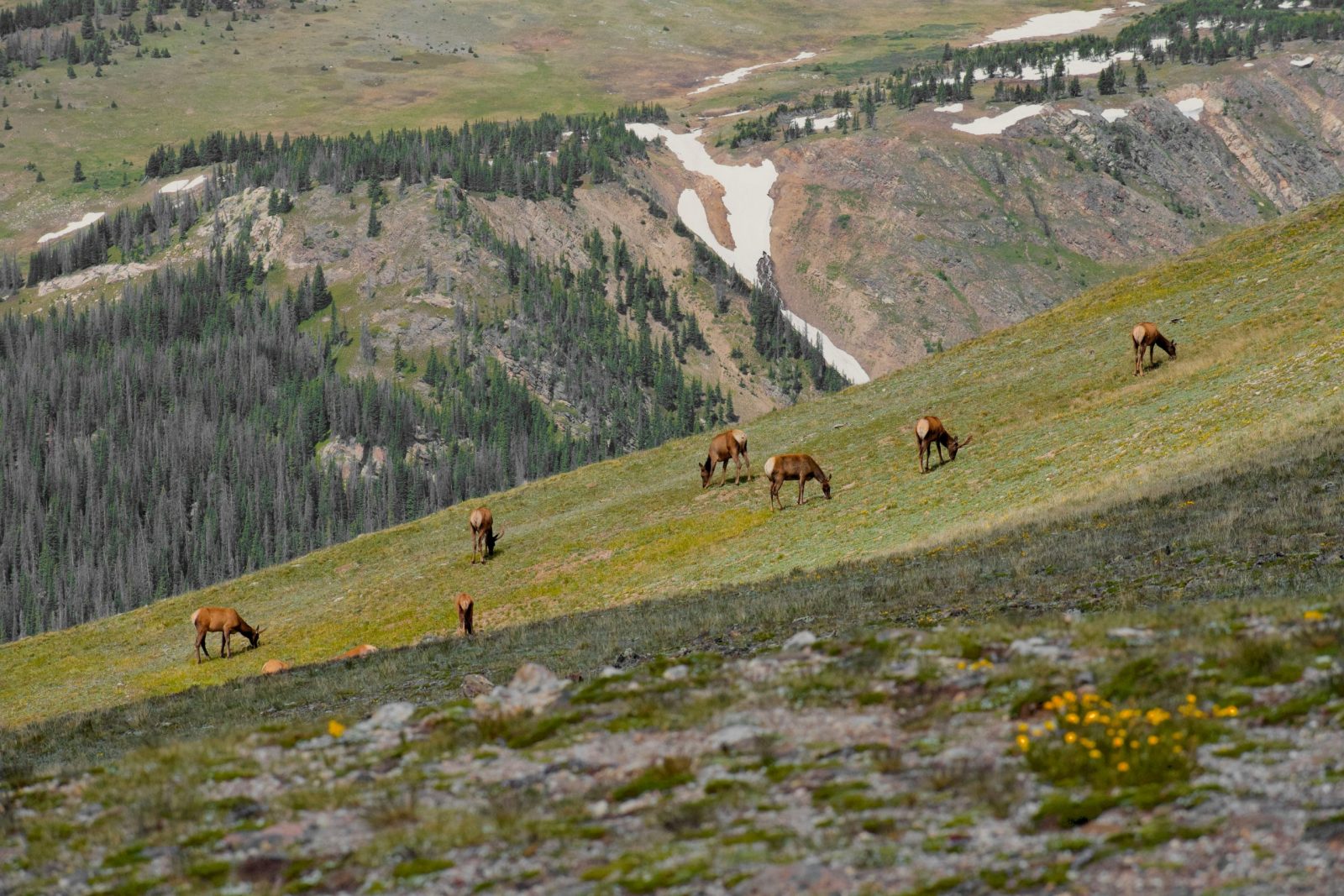
Colorado serves as a vital stronghold for mountain lions due to its vast tracts of rugged and mountainous terrain. The state provides a perfect habitat filled with abundant prey species like mule deer and elk which support healthy predator numbers. Wildlife biologists estimate that thousands of lions live within the rocky landscapes and dense evergreen forests that cover the western half of the region. While sightings remain rare for most hikers the animals are a constant presence in the ecosystem as apex predators. Hunting is managed carefully to ensure that the population remains stable and genetically diverse for future years.
Florida
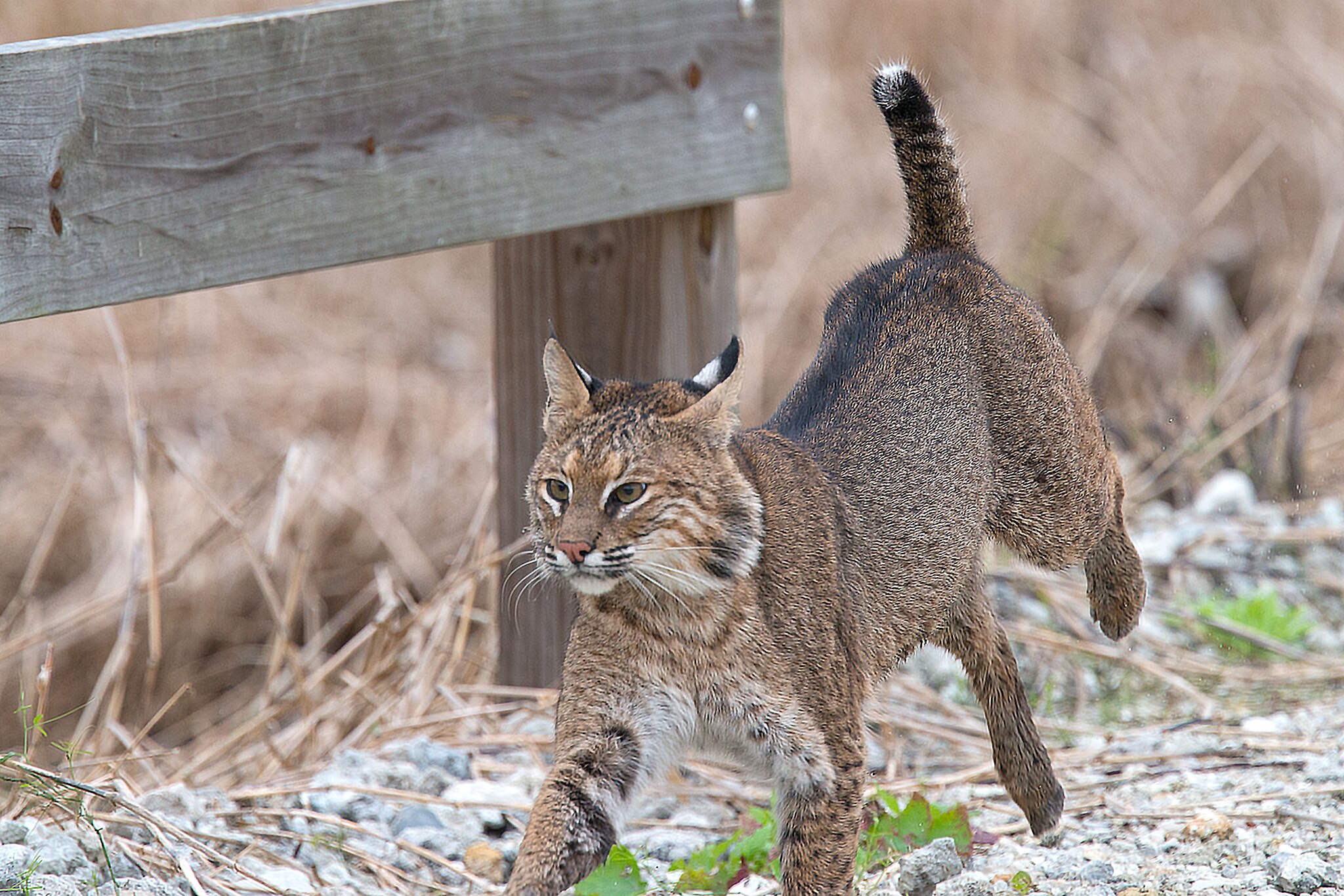
Florida is home to a unique and highly endangered subspecies of mountain lion known as the Florida panther. These cats represent the only confirmed breeding population of the species found east of the Mississippi River in modern times. They primarily inhabit the cypress swamps and pine lands located in the southwestern tip of the peninsula near the Everglades. Conservationists have worked tirelessly to increase their numbers through genetic restoration and the creation of protected wildlife corridors across dangerous roads. While the population remains relatively small every individual is critical for the long term survival of this iconic southern feline today.
Texas
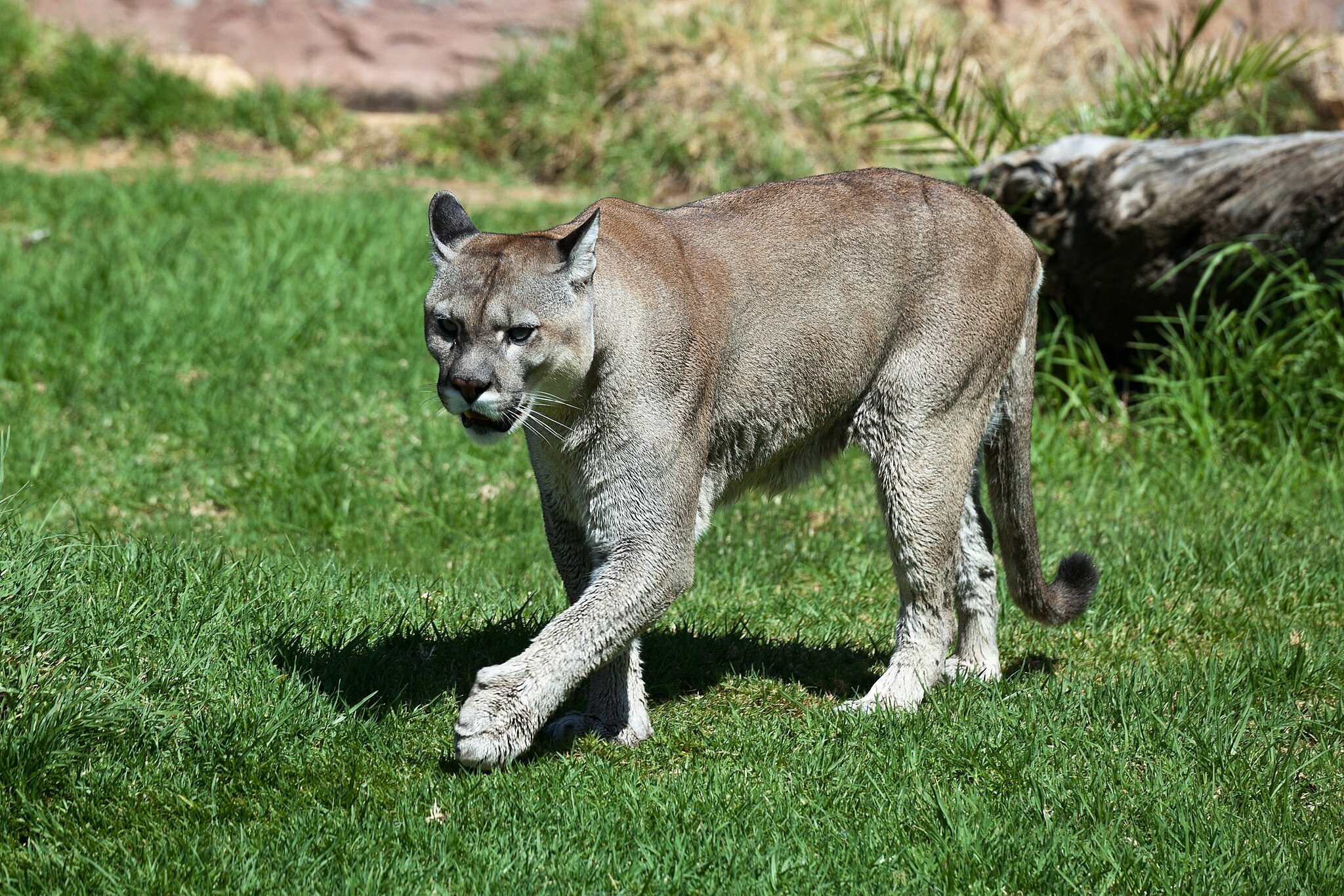
Texas supports a robust population of mountain lions primarily located in the remote and arid Trans Pecos region. These adaptable cats thrive in the brushlands and rocky canyons where they hunt javelinas and various types of desert deer. Unlike many other western states Texas classifies the mountain lion as a nongame species which allows for year round hunting without a specific bag limit. This status has led to ongoing discussions among conservationists regarding the need for more structured management plans to protect the long term health of the population. They remain a secretive and very real presence today.
Nebraska
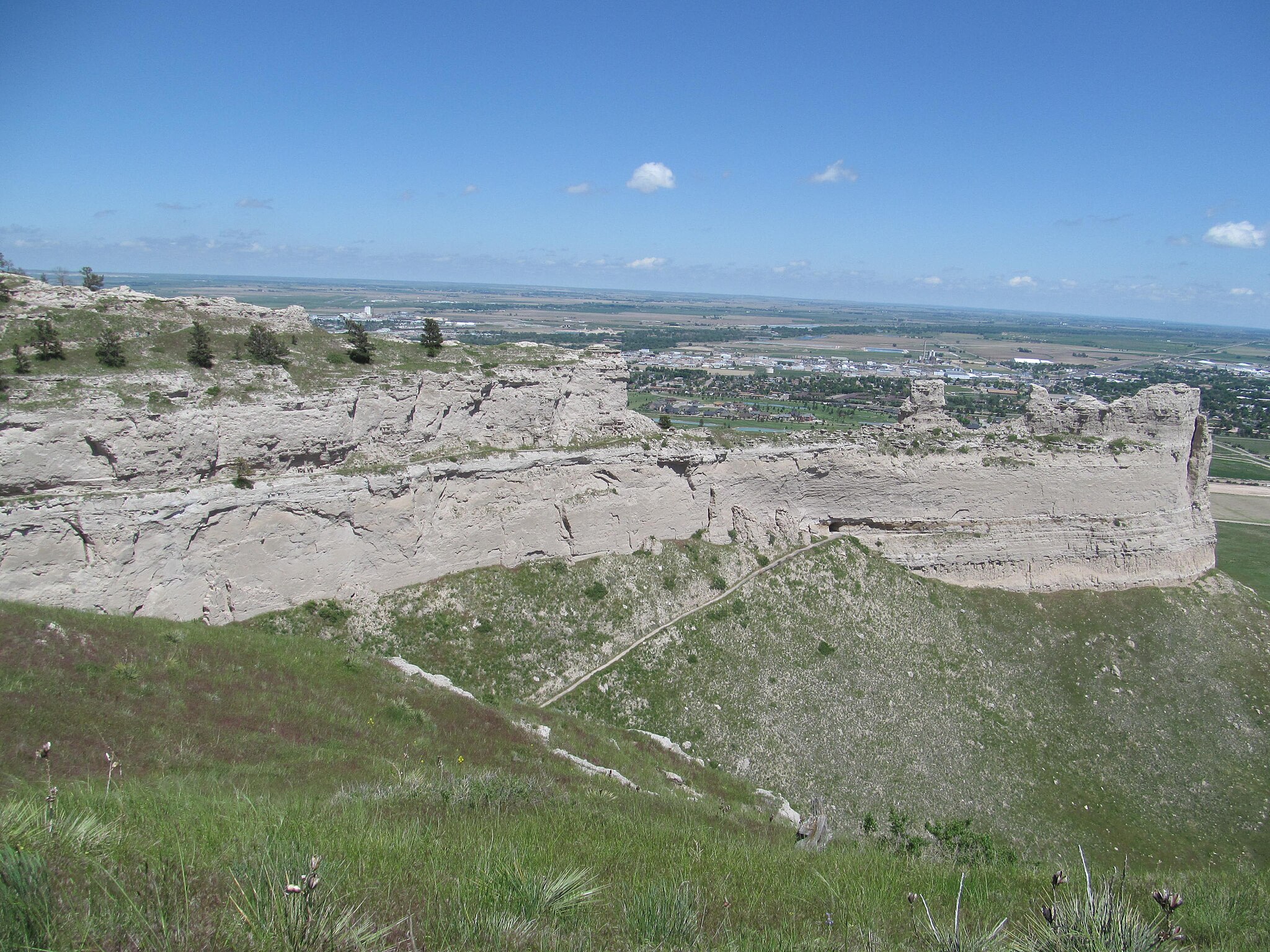
Nebraska has witnessed a remarkable return of mountain lions to the Pine Ridge area after they were nearly eradicated from the state. This natural recolonization effort has led to a small but stable breeding population that wildlife officials monitor with great interest and care. The presence of these cats highlights the ability of the species to reclaim its historic range when suitable habitat and prey are available once again. While the total number of individuals remains low compared to western neighbors the return is a major success for regional biodiversity. Local residents have learned to coexist with these reclusive predators.
South Dakota
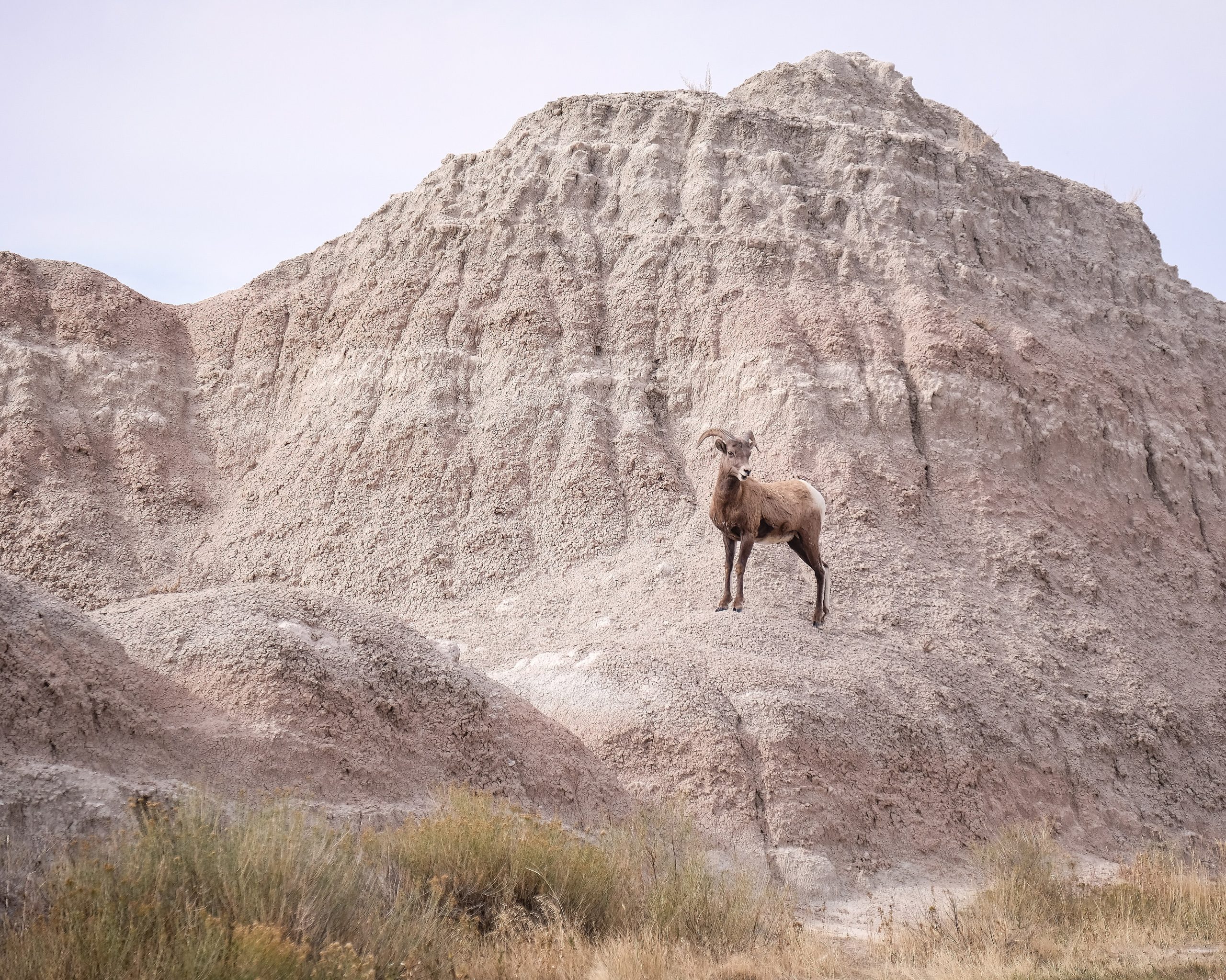
South Dakota holds a healthy population of mountain lions primarily within the rugged and scenic Black Hills region of the west. This area provides an ideal mix of rocky outcrops and dense pine forests where the cats can hunt and raise their young. The state manages the population through regulated hunting seasons that help balance the needs of the predators with local agricultural and safety concerns. Frequent sightings by hikers and trail camera footage confirm that the cats are thriving in this isolated island of mountain habitat. They are a powerful symbol of the wild spirit that still remains today.
Washington
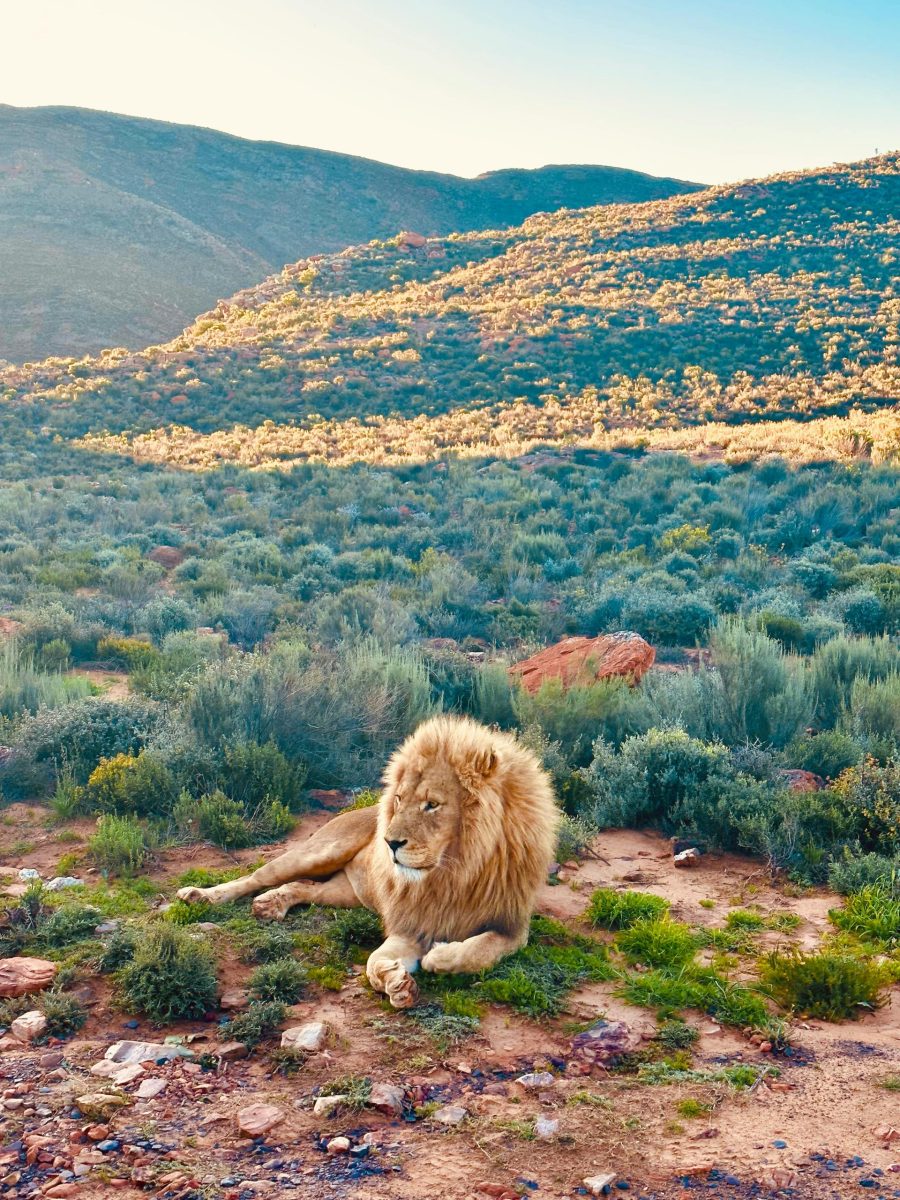
Washington provides a massive amount of suitable habitat for mountain lions throughout the Cascades and the Olympic Peninsula mountain ranges. These large cats are common in the dense and wet evergreen forests where they hunt deer and other native mammal species. Wildlife officials estimate that thousands of lions roam the state while successfully avoiding most interactions with the large human population nearby. Conservation groups work to protect the vital corridors that allow these solitary hunters to travel between different mountain ranges safely. The rugged terrain of the Pacific Northwest ensures that these predators will have a place to live now.
Michigan
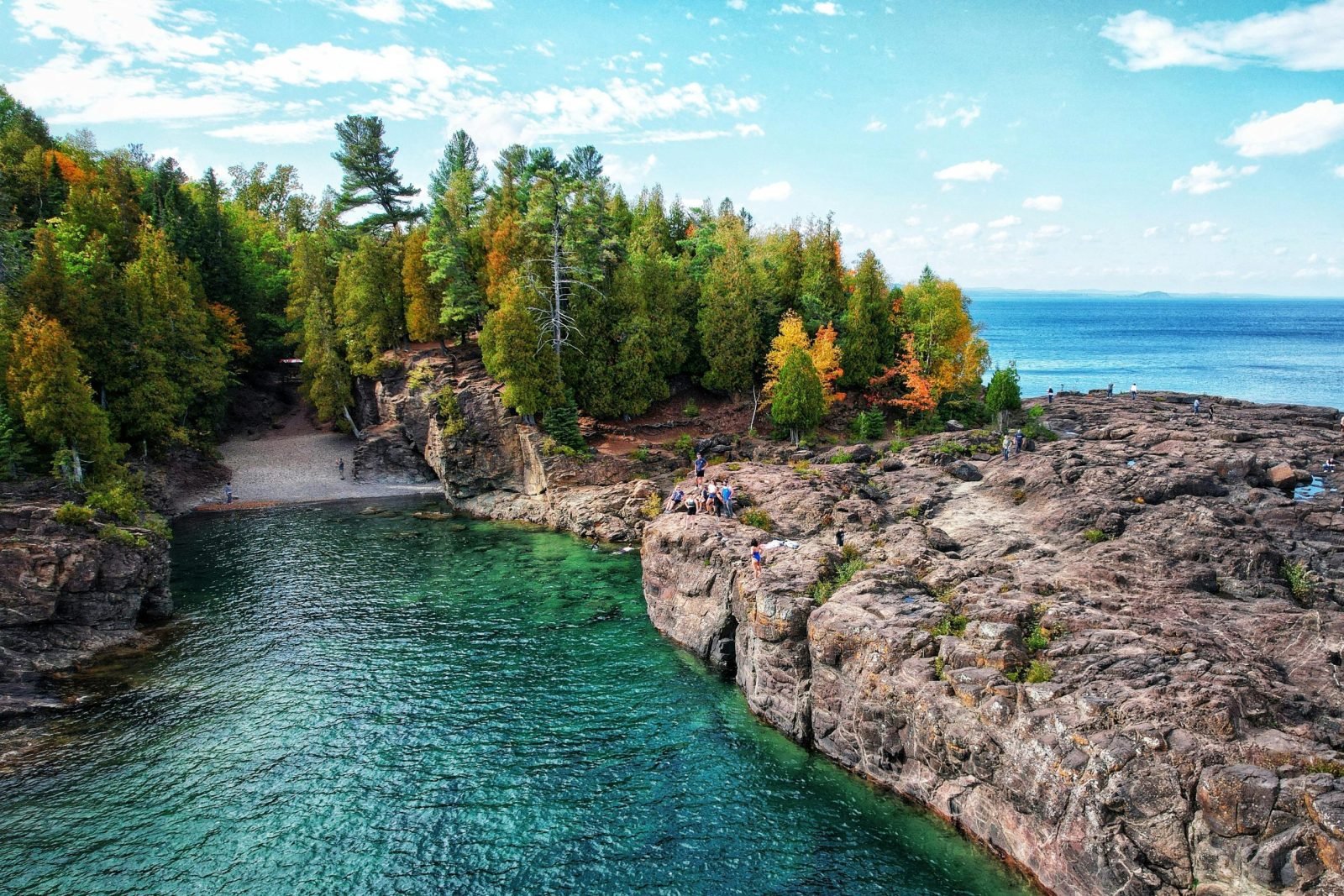
Michigan has recently celebrated a major milestone in wildlife conservation with the first confirmed sighting of mountain lion cubs in over a century. While wandering males have been documented for years the presence of a mother and cubs signals the potential for a new breeding population. These secretive animals primarily inhabit the remote and heavily forested regions of the Upper Peninsula where prey is abundant and human density is low. This development has sparked both excitement and careful monitoring by state wildlife biologists as they evaluate the future of the species. It is a sign of hope for biodiversity today.