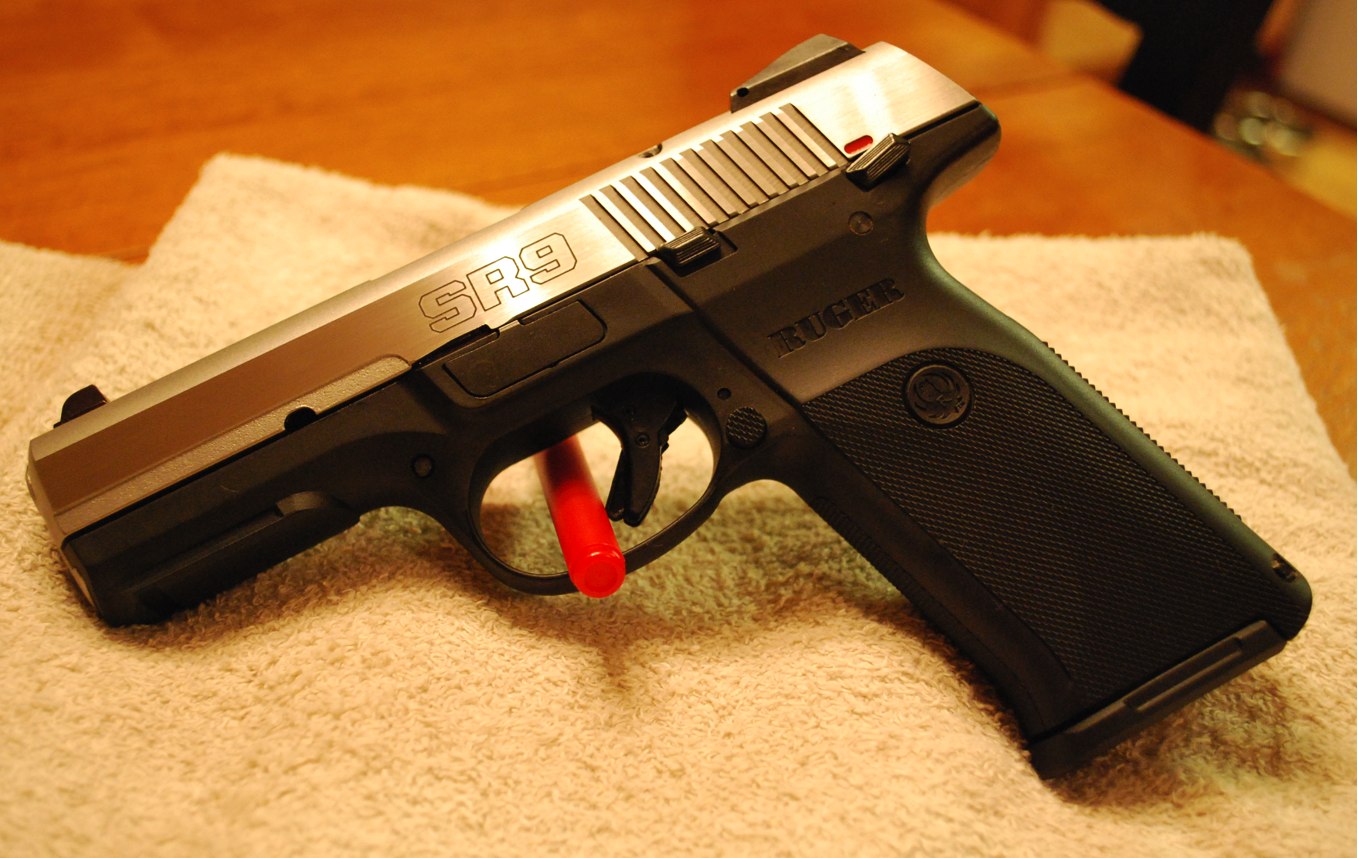
Every year brings a fresh wave of pistol releases, each surrounded by excitement, bold claims, and confident marketing.
Shiny finishes, influencer praise, and impressive specification sheets often create the impression that the newest models represent dramatic leaps forward.
In reality, performance is shaped by far more than launch buzz.
Reliability, durability, ergonomics, maintenance tolerance, and long term ownership experience matter far more than short term hype.
Some highly publicized pistols gain reputations that exceed their practical advantages, while quieter alternatives consistently deliver dependable results.
Popularity does not always equal superiority.
The following discussion highlights several categories where perceived excellence sometimes outpaces real-world usefulness, along with the qualities that tend to define genuinely strong performers.
The Hype Driven Micro Compact Craze
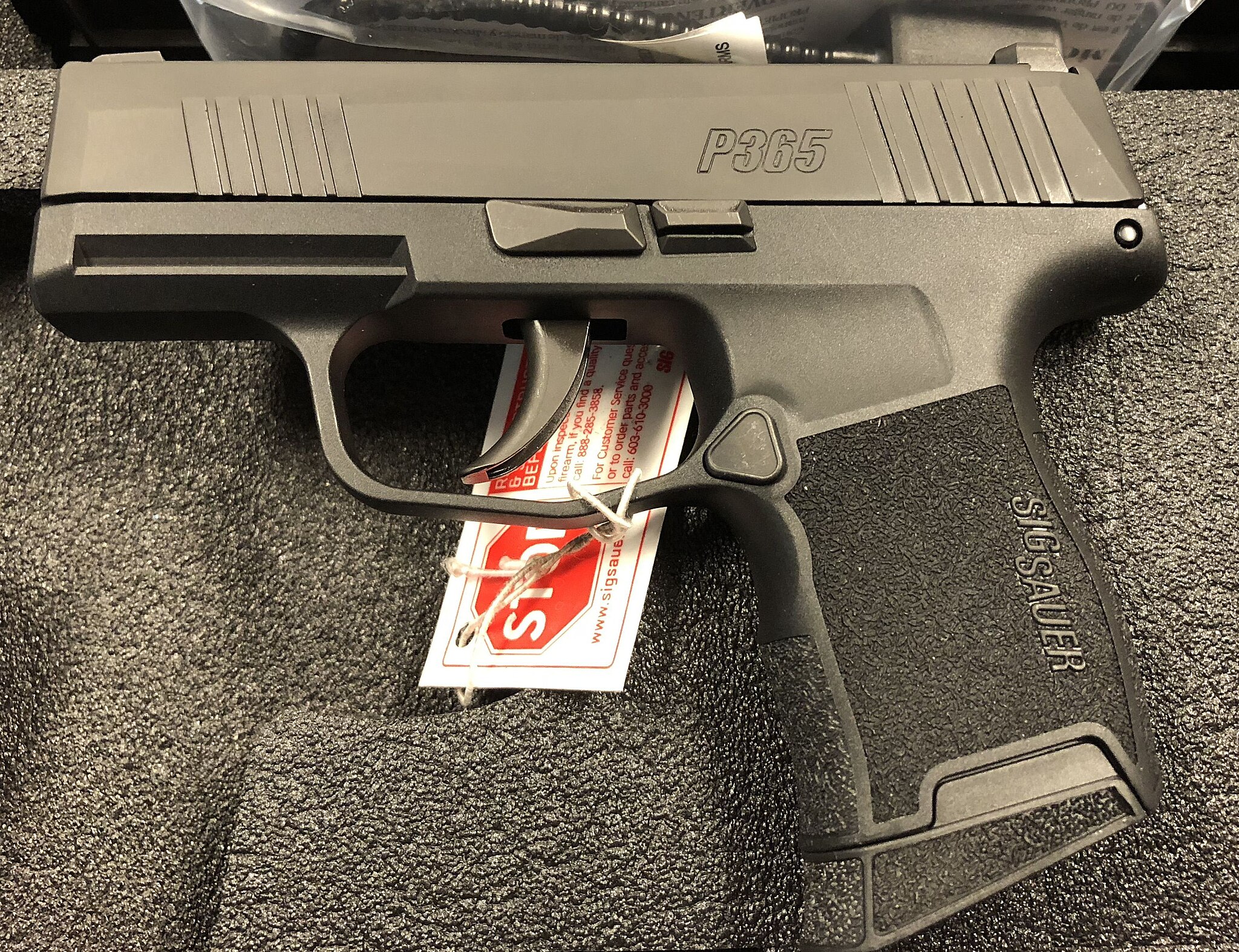
Micro compact pistols continue to dominate headlines, praised for concealability and modern styling.
While their compactness is appealing, extreme size reduction introduces compromises that many buyers overlook.
Shorter barrels, abbreviated grips, and lighter frames can affect shootability and comfort during extended use.
Smaller controls may also prove less intuitive for a range of hand sizes.
Marketing frequently highlights capacity and portability while downplaying practical handling differences.
Not every shooter benefits equally from minimal dimensions.
Pistols that balance compactness with controllability often provide a more satisfying experience.
Practical performance depends heavily on ergonomics and stability rather than size alone.
Buyers drawn purely by trend appeal may later discover that comfort and consistency matter more than novelty.
Optics Ready Does Not Guarantee Excellence
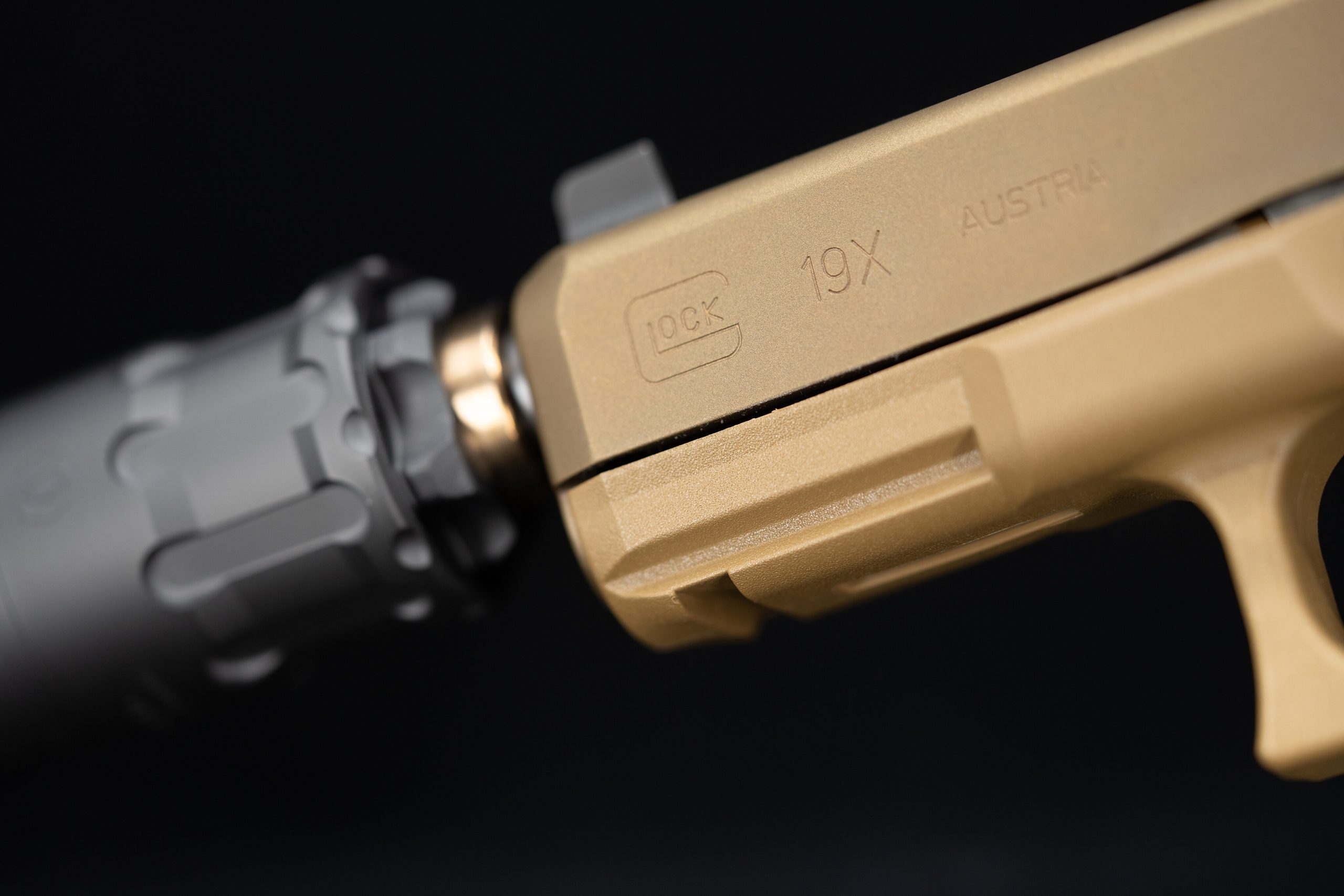
Optics-ready slides have become nearly standard, often marketed as evidence of cutting-edge design.
While compatibility is valuable, the presence of mounting options alone does not define overall quality.
Durability, sight integration, and balance still shape the shooting experience.
Some pistols emphasize optics features while neglecting subtler aspects such as trigger refinement or long-term reliability.
A well-engineered platform without aggressive marketing may outperform a heavily promoted alternative.
Functionality extends beyond accessory accommodation.
Evaluating a pistol solely by its readiness for attachments can obscure more meaningful characteristics.
Reliability, comfort, and mechanical consistency ultimately determine real-world satisfaction.
Lightweight Frames and Perceived Recoil
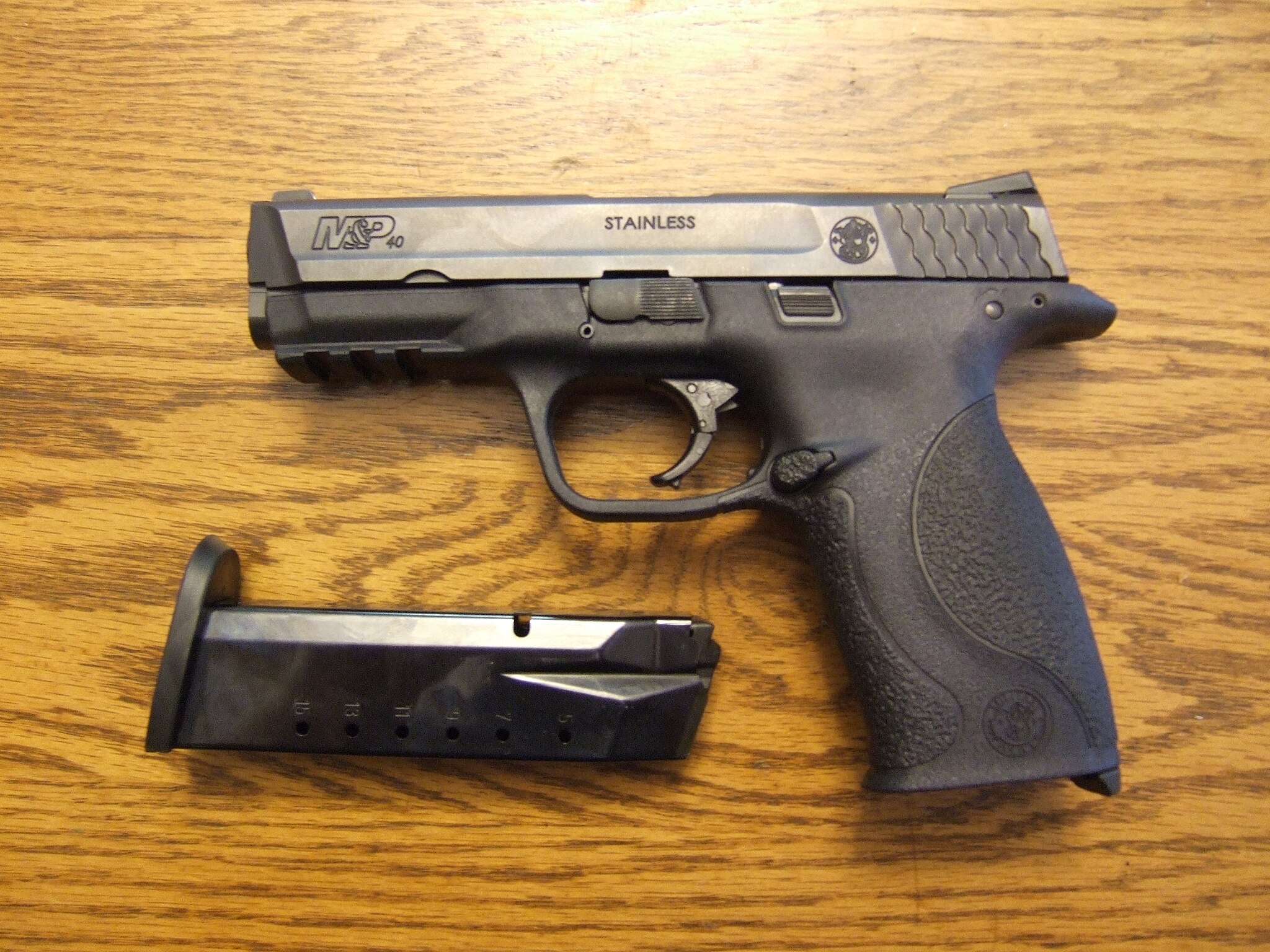
Lightweight polymer and alloy frames attract attention for portability, yet reduced mass can influence shooting comfort.
Lighter pistols may transmit recoil differently, affecting follow-up shot control for some users.
Promotional material often celebrates weight reduction without addressing handling nuances.
Balance and grip geometry frequently matter more than overall mass.
A slightly heavier pistol with superior ergonomics may feel more manageable in practice.
User experience varies widely depending on technique and preference. Comfort arises from the interaction between design and individual fit.
Weight alone rarely defines performance quality.
Premium Pricing and Expectation Inflation
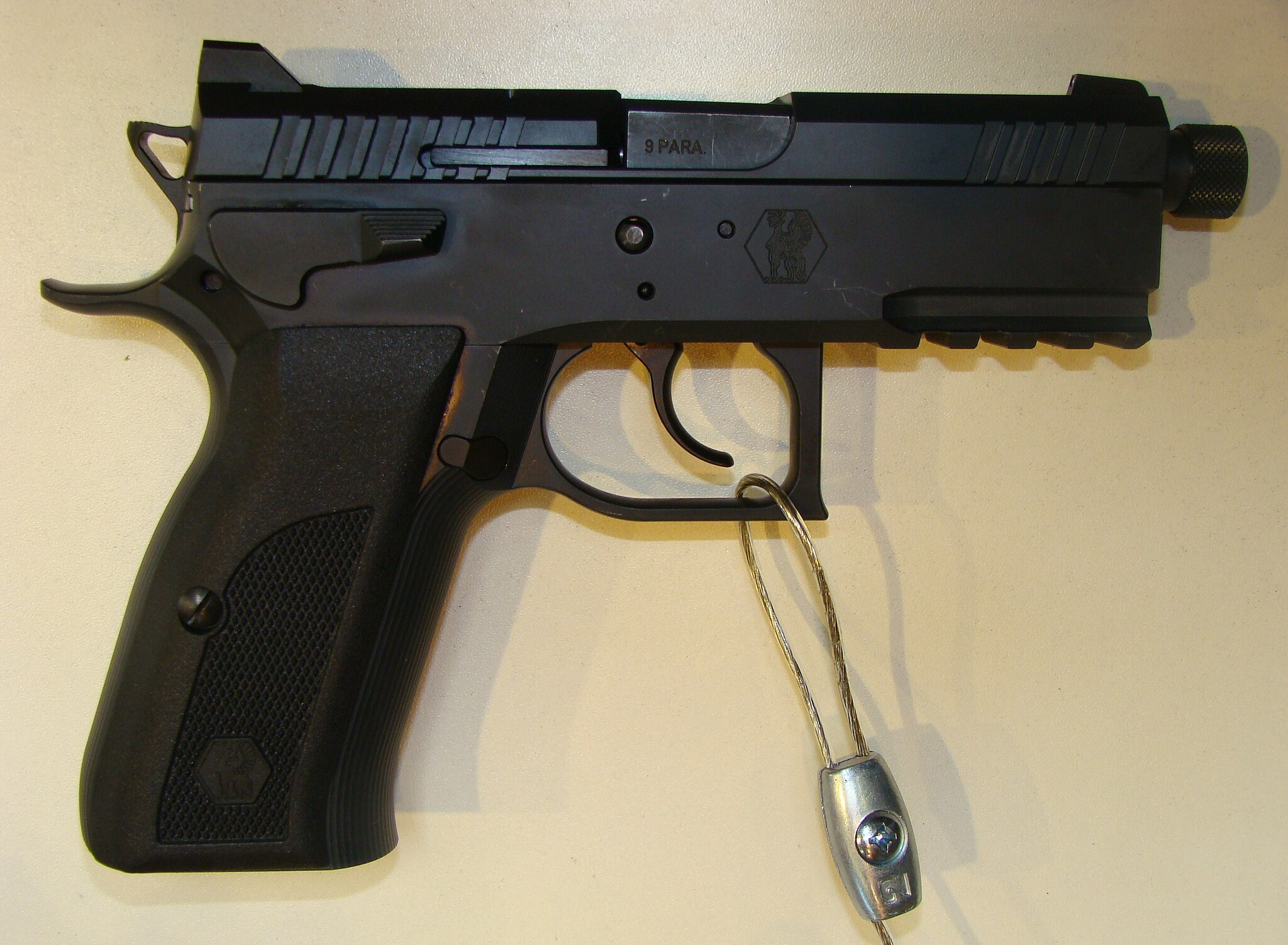
Higher price tags often create assumptions of superior performance.
While premium materials and finishes can justify cost, price does not automatically equate to functional advantage.
Some mid-priced pistols deliver remarkable reliability and longevity without luxury branding.
Buyers influenced by prestige may encounter diminishing returns relative to practical benefits.
Marketing narratives sometimes blur distinctions between refinement and necessity.
Evaluating value requires considering durability, parts availability, and long-term maintenance realities.
Performance should guide purchasing decisions rather than perception alone.
Trigger Marketing Versus Practical Feel
Trigger quality receives significant promotional emphasis, frequently described in glowing terms.
However, trigger preference remains deeply subjective. What feels crisp to one shooter may feel stiff or unfamiliar to another.
Advertised specifications cannot fully capture the tactile experience.
A pistol praised for trigger excellence may not universally satisfy user expectations.
Practical evaluation benefits from hands-on comparison whenever possible.
Comfort and consistency often outweight theoretical refinement.
Trigger behavior must align with the individual’s shooting style.
Capacity Claims and Realistic Needs
Magazine capacity frequently dominates advertising language, implying clear superiority.
While capacity matters in certain contexts, it does not replace reliability or comfort.
Higher capacity sometimes accompanies increased grip size or altered balance.
Shooters benefit most from platforms they handle confidently and consistently.
Practical usefulness depends on holistic design rather than a single metric.
Reliability and ergonomics remain central considerations. Capacity alone rarely defines satisfaction.
Novel Features That Add Complexity
Manufacturers regularly introduce innovative mechanisms and features intended to differentiate new releases.
While innovation drives progress, added complexity can influence maintenance and durability perceptions.
Wilderness, range, or defensive use may expose dependencies that simpler designs avoid.
Proven systems often provide predictable performance across varied conditions.
Reliability frequently emerges from refinement rather than novelty.
Buyers should consider whether features enhance practical usability or merely expand specification lists.
Brand Reputation Versus Individual Models
Well-known brands benefit from strong reputations, yet individual models within a lineup may vary significantly.
Popularity sometimes overshadows critical evaluation of specific designs.
Buyers may assume uniform excellence across all offerings.
Careful comparison helps distinguish genuinely strong performers from merely celebrated releases.
Reputation provides context but not certainty. Model-specific assessment remains essential.
The Illusion of Revolutionary Improvements
Marketing language often frames new pistols as transformative breakthroughs.
In many cases, improvements are incremental rather than revolutionary
. Established designs already meet high standards of reliability and accuracy.
Incremental refinement may still be valuable, yet exaggerated expectations can shape disappointment.
Performance differences often prove subtle during typical use.
Realistic evaluation supports informed decisions.
What Actually Defines Strong Performers
Consistently reliable pistols tend to share common qualities regardless of marketing intensity.
Durable construction, predictable cycling, comfortable ergonomics, accessible maintenance, and broad parts support often define long-term satisfaction.
Platforms with proven track records frequently outperform trend-driven alternatives.
Practical performance depends on design balance and user compatibility. Careful evaluation emphasizes function over hype.
Popularity may attract attention, but reliability and comfort sustain confidence over time.