
The history of personal defense is defined by legendary 9mm handguns that changed the game forever. These revolutionary firearms introduced features that shifted the industry away from heavy revolvers and towards high-capacity semi-automatic pistols. Engineers focused on reliability and ergonomics to create tools that police officers and civilians could trust implicitly during dangerous situations. The widespread adoption of the nine millimeter cartridge allowed for lighter recoil and higher ammunition counts compared to previous standards. This guide explores the specific models that broke the mold and established the modern blueprint for reliable self-defense weapons today.
Browning Hi-Power
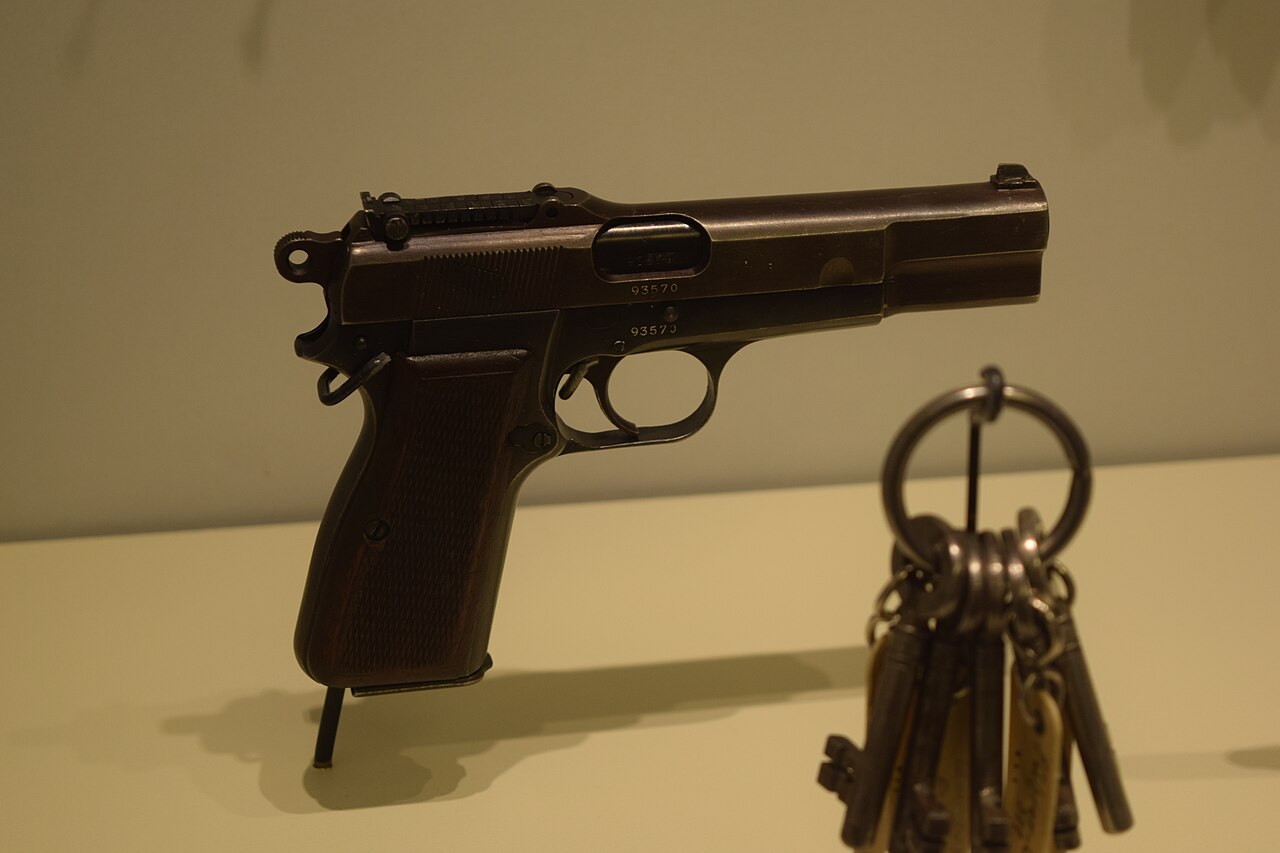
John Browning designed the Hi Power to solve the limited capacity issues of early service pistols. It introduced the double-stack magazine concept, which allowed a shooter to carry thirteen rounds in a standard grip frame. Armies around the world adopted this sidearm because it offered a perfect balance of firepower and pointability in combat. The camming action replaced the swinging link of earlier models and simplified the manufacturing process significantly for mass production. It served as the bridge between the old world of single-stack handguns and the modern era of high-capacity wonder nines.
Glock 17
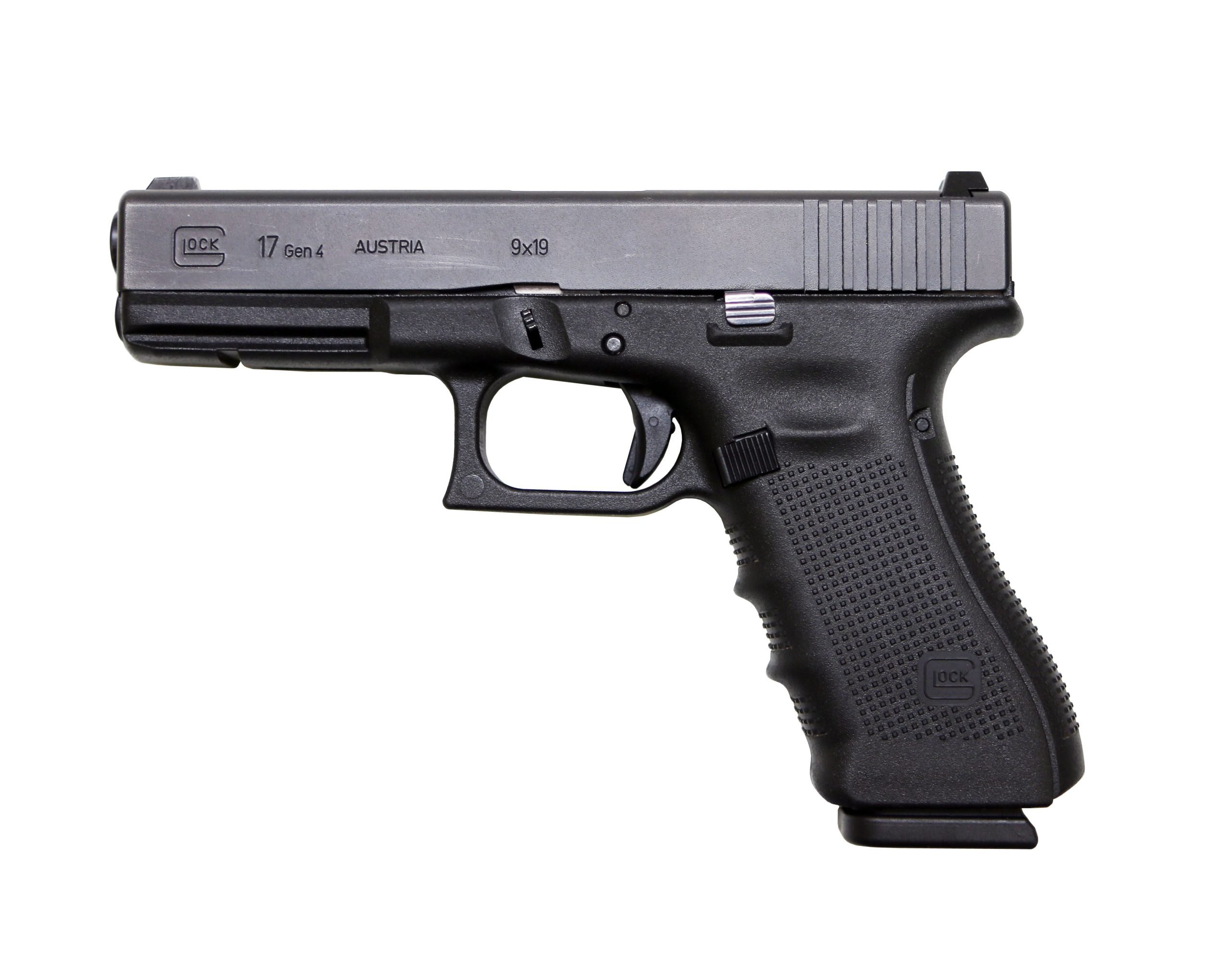
Gaston Glock revolutionized the entire firearms industry by introducing a polymer frame to the mainstream market globally. Critics initially scoffed at the plastic construction, but the pistol proved incredibly durable during harsh torture tests. The striker-fired mechanism removed the need for a manual safety lever and created a simple and effective point-and-shoot interface. Law enforcement agencies flocked to this lightweight design because it resisted corrosion and required minimal daily maintenance to function reliably. It established the standard for modern reliability that every other manufacturer has chased for the last forty years.
Beretta 92FS
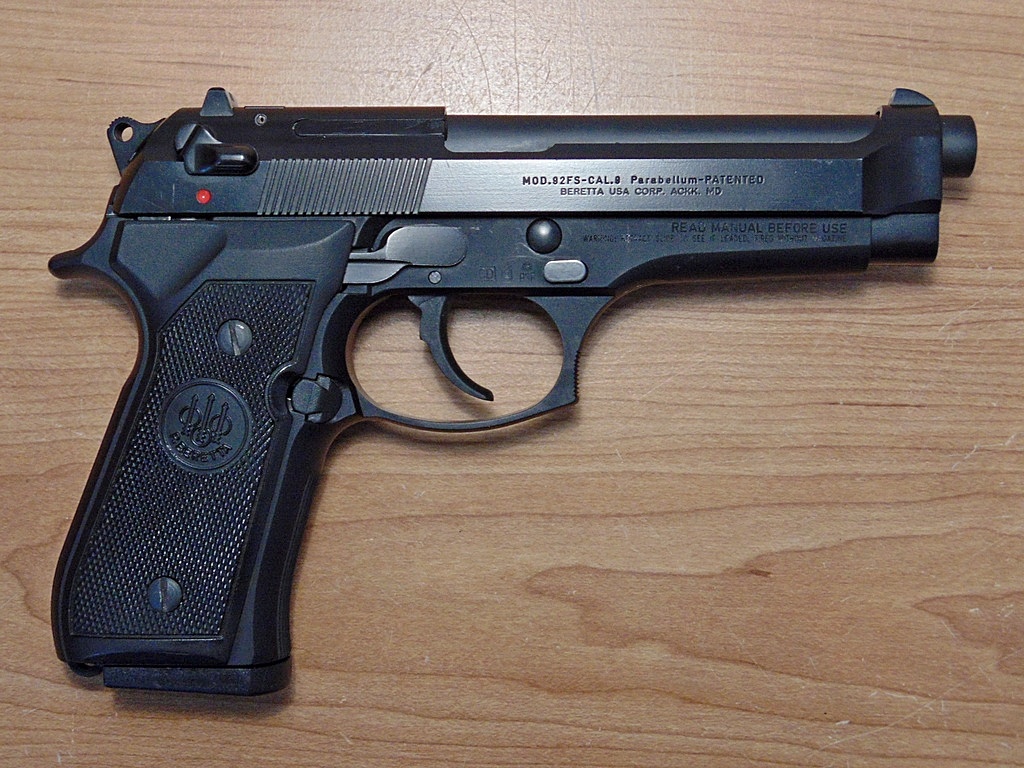
The Beretta 92FS gained iconic status after replacing the venerable Colt 1911 as the standard American service pistol. Its open slide design virtually eliminates stovepipe jams by giving the empty casing plenty of room to eject cleanly. The double-action trigger provides a heavy first pull that acts as a safety feature during high-adrenaline situations. Many veterans continue to carry this large aluminum-framed handgun because they built an ingrained muscle memory with it during their service. It functions with a smooth reliability that feels like ball bearings sliding on glass when the slide cycles back and forth.
Sig Sauer P226
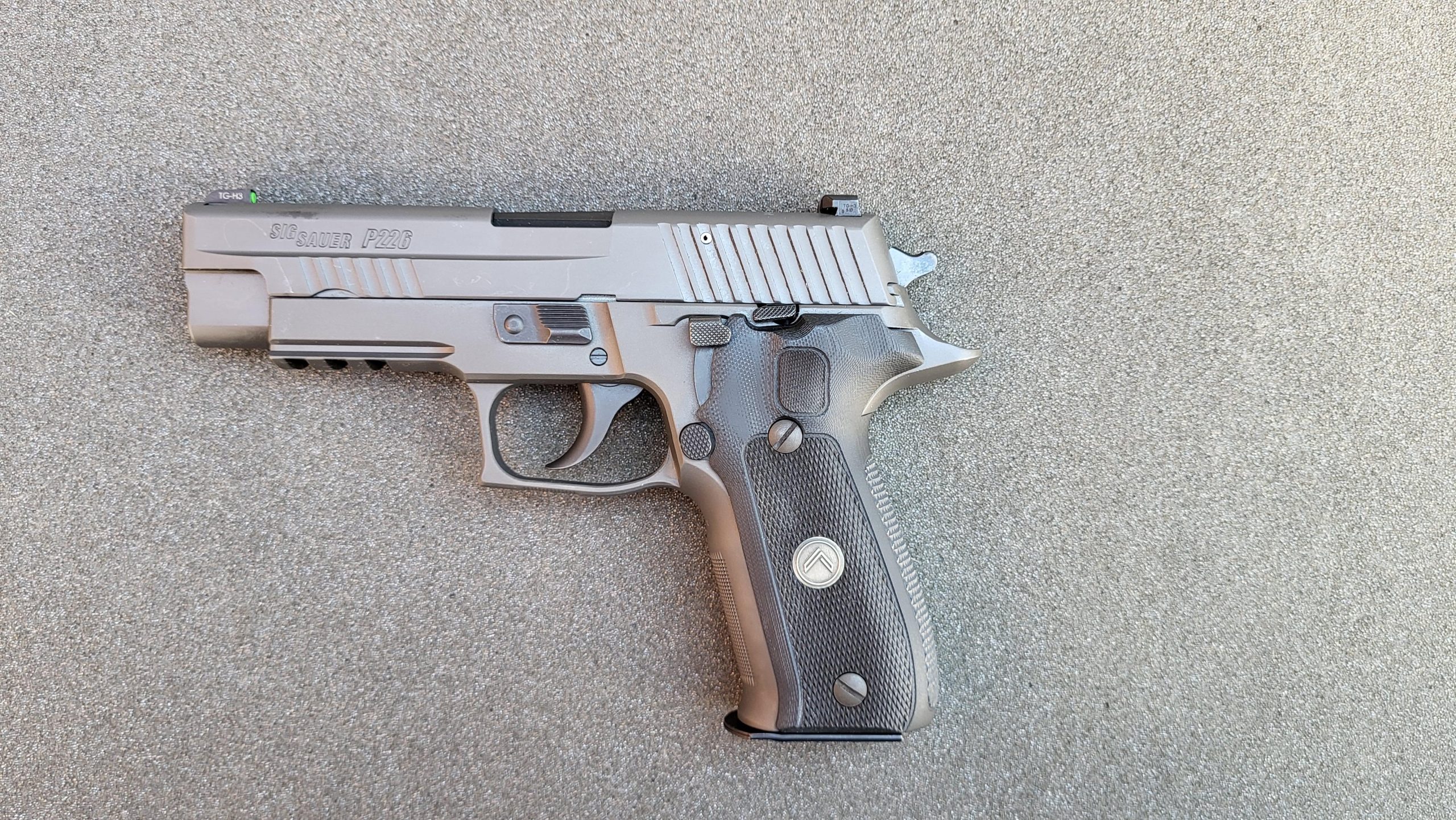
The Sig Sauer P226 earned a legendary reputation after passing the grueling trials for the Navy SEAL teams. Its metal frame construction is incredibly durable and absorbs the shock of thousands of high-pressure rounds without cracking. The decocker system allows the user to safely lower the hammer on a loaded chamber without touching the trigger. This feature appeals to professionals who prefer to carry a round in the chamber without a manual safety lever. It represents the pinnacle of the wonder nine era, where metal guns offered high capacity and absolute reliability in the harshest saltwater environments.
CZ 75
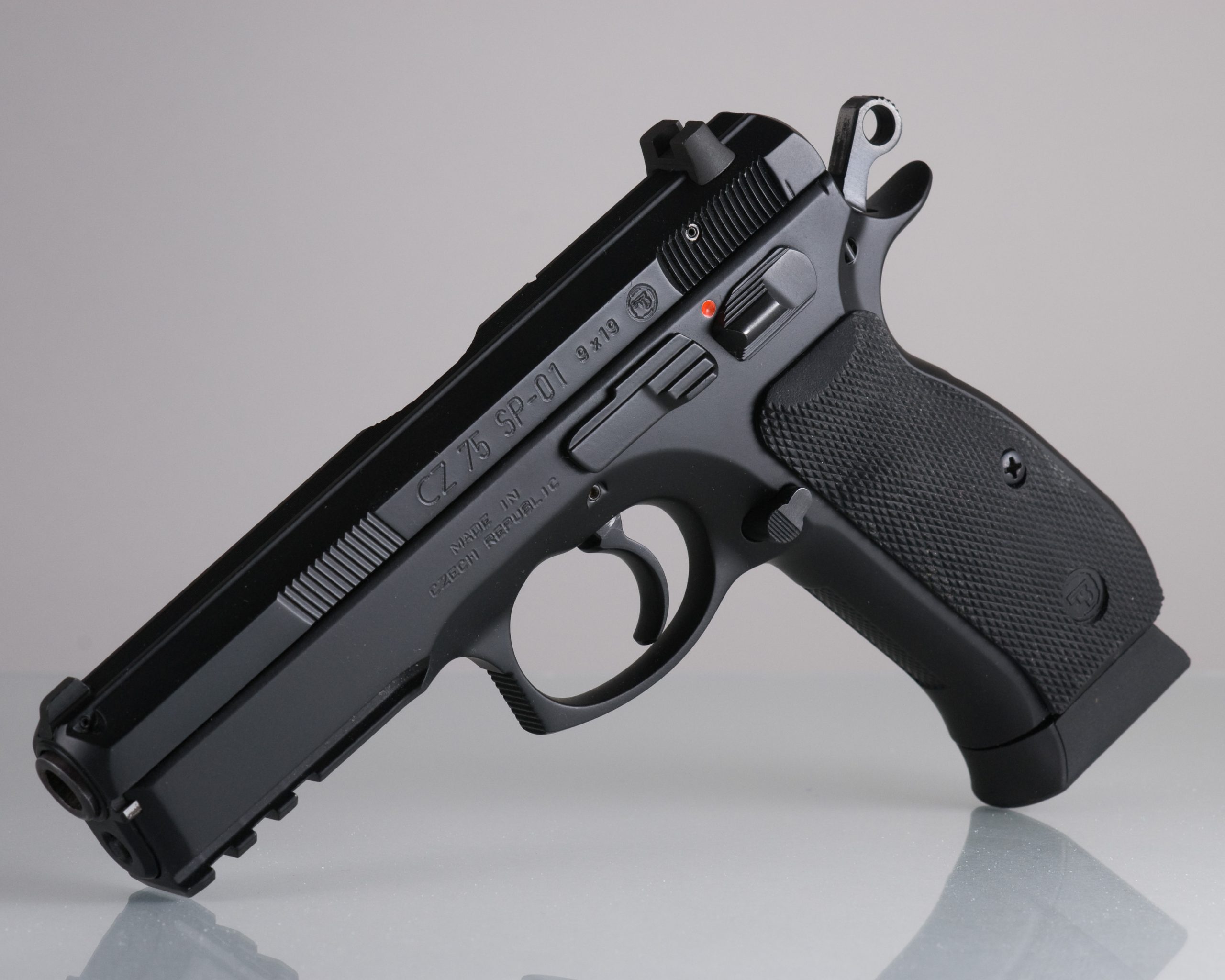
The CZ 75 was developed behind the Iron Curtain and remained a secret to Western shooters for many years. Its slide rides inside the frame rails rather than outside, which creates a very low bore axis and a tight fit. This unique mechanical geometry reduces muzzle flip significantly and helps the shooter stay on target during rapid fire strings. Competition shooters and tactical instructors alike praise the ergonomic grip shape that fits a wide variety of hand sizes comfortably. It has evolved into one of the most copied pistol designs in history because it offers perfect balance and natural pointing characteristics.
Smith & Wesson M&P9
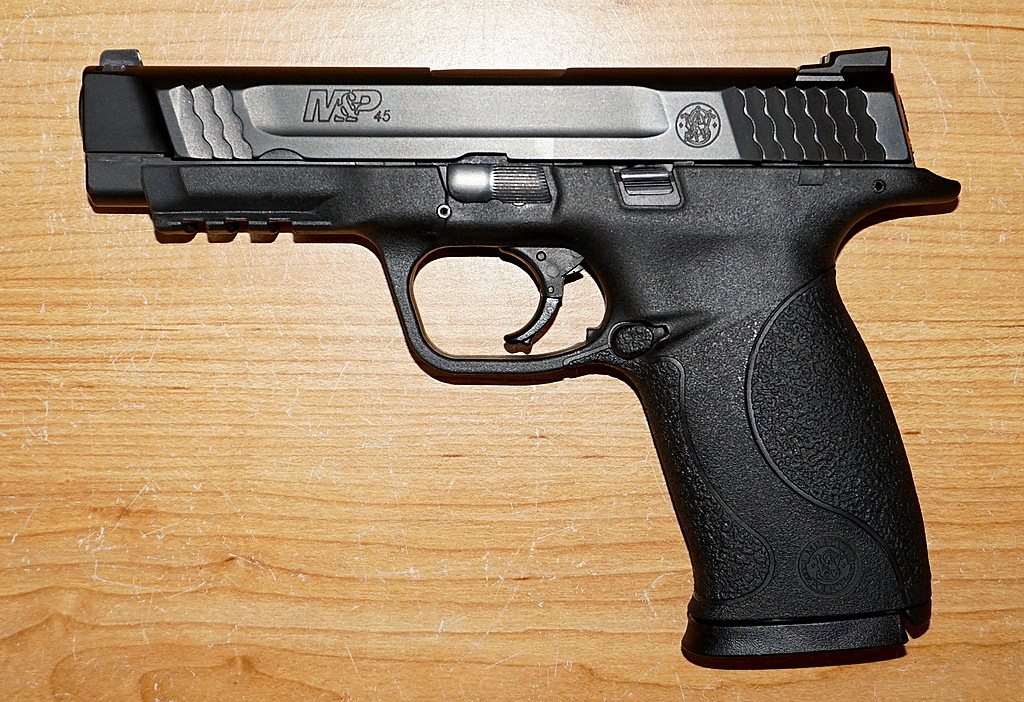
Smith and Wesson designed the Military and Police series to compete directly with the dominance of Glock. This pistol features an articulated trigger and three interchangeable palm swells to fit different hand sizes perfectly. The stainless steel chassis inside the polymer frame provides rigidity and prevents flex during rapid firing sequences. Police departments appreciated the option to include a manual safety or magazine disconnect based on their specific agency requirements. It signaled that major American manufacturers were finally ready to embrace the polymer revolution with a high-quality and reliable duty weapon for the streets.