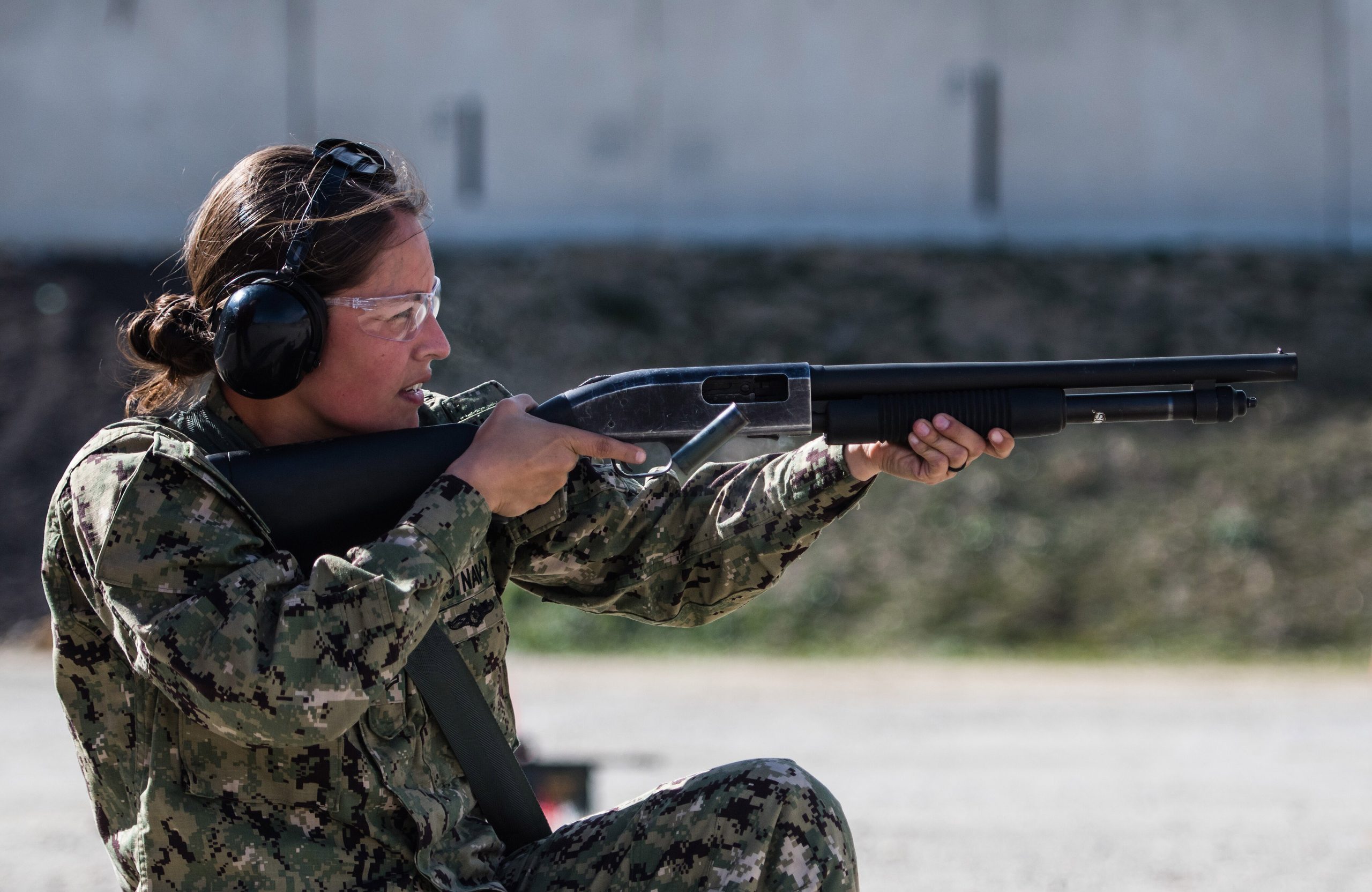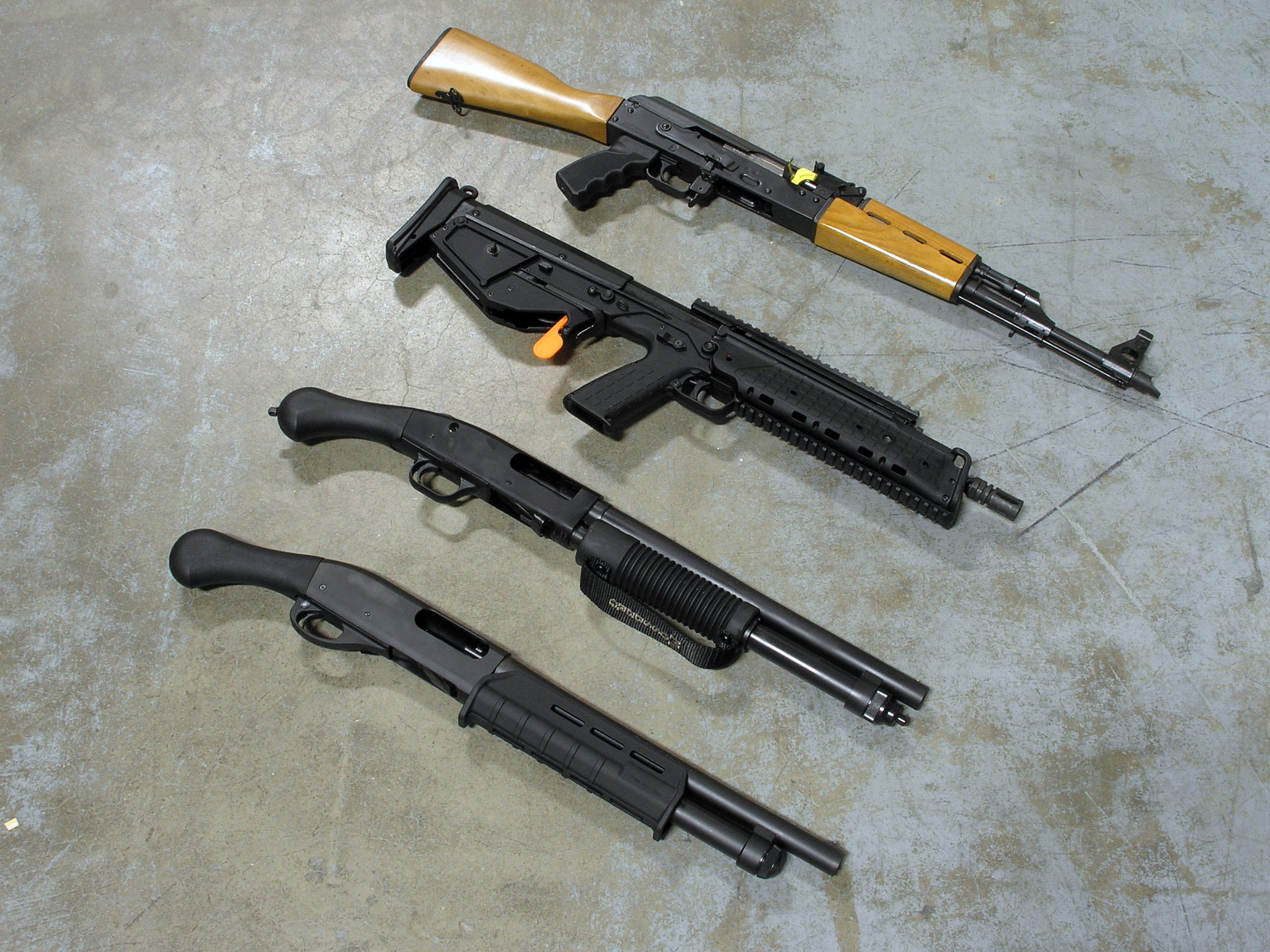
Shotguns remain powerful and versatile firearms, but not every model is well-suited for fast-paced tactical situations. Some designs were built for hunting fields, clay ranges, or historical military roles rather than rapid defensive use. In close quarters or high-stress environments, speed, capacity, and ease of operation become critical factors. A shotgun that cycles slowly, reloads awkwardly, or limits ammunition capacity can create unnecessary delays. Tactical contexts demand quick follow-up shots, efficient reloading, and adaptable handling. While the following shotguns are respected for sporting or historical purposes, they may not offer the responsiveness many users expect in modern defensive roles. Understanding their limitations helps shooters choose equipment that matches the task at hand.
1. Single-Shot Break-Action Shotguns
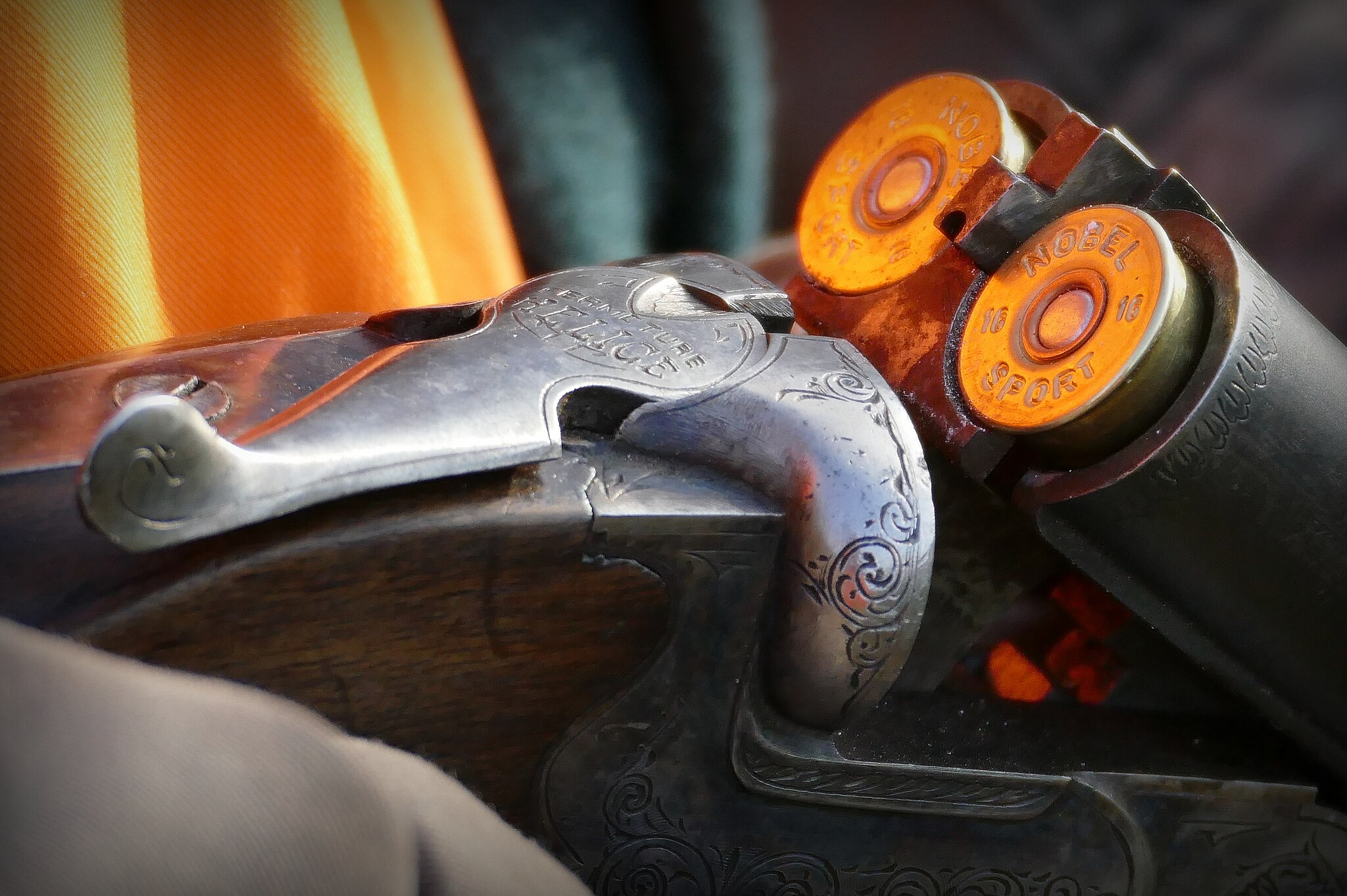
Single-shot break-action shotguns are simple, durable, and often very affordable. They are commonly used for beginner training or small game hunting because of their straightforward design. However, in a tactical situation, their limitations become clear. After firing one shell, the shooter must manually open the action, remove the spent shell, insert a new round, and close the action before firing again. This process takes time and requires deliberate movement. There is no option for immediate follow-up shots without reloading. Capacity is limited to a single round, which can be a major disadvantage when facing multiple threats. While these shotguns are reliable and easy to maintain, their extremely slow rate of fire and limited ammunition make them poorly suited for situations requiring speed and sustained engagement.
2. Traditional Side-by-Side Double-Barreled Shotguns
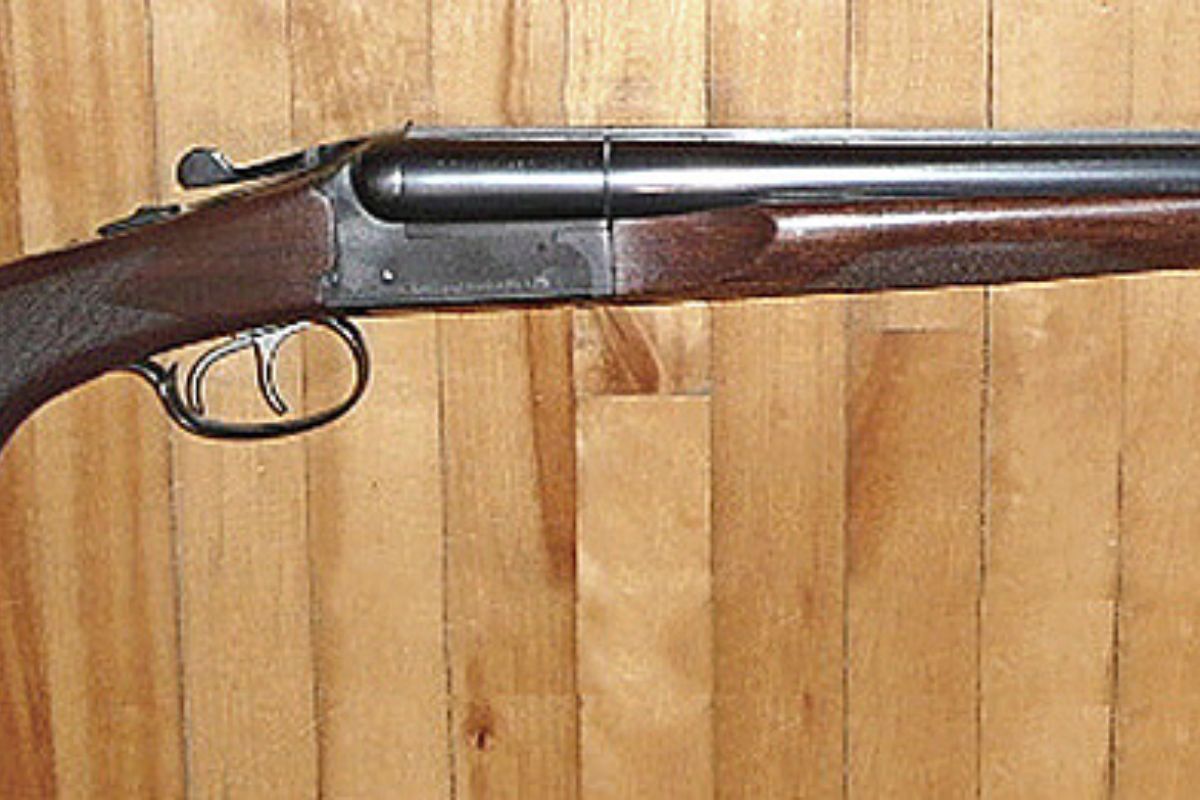
Side by side double barrel shotguns carry a strong historical reputation and are often admired for craftsmanship and balance. They perform well in upland hunting and sporting scenarios where two quick shots are sufficient. In a tactical setting, however, they present challenges. Although two shells can be fired rapidly, reloading requires breaking the action open and manually inserting fresh rounds. Under stress, this process can be slow and difficult, especially without practice. The typical capacity of only two rounds limits sustained use. Additionally, many traditional models lack modern accessory options such as mounting systems for optics or lights. While elegant and effective for sporting use, the limited capacity and reload speed reduce their practicality in fast-moving defensive environments.
3. Over Under Sporting Shotguns
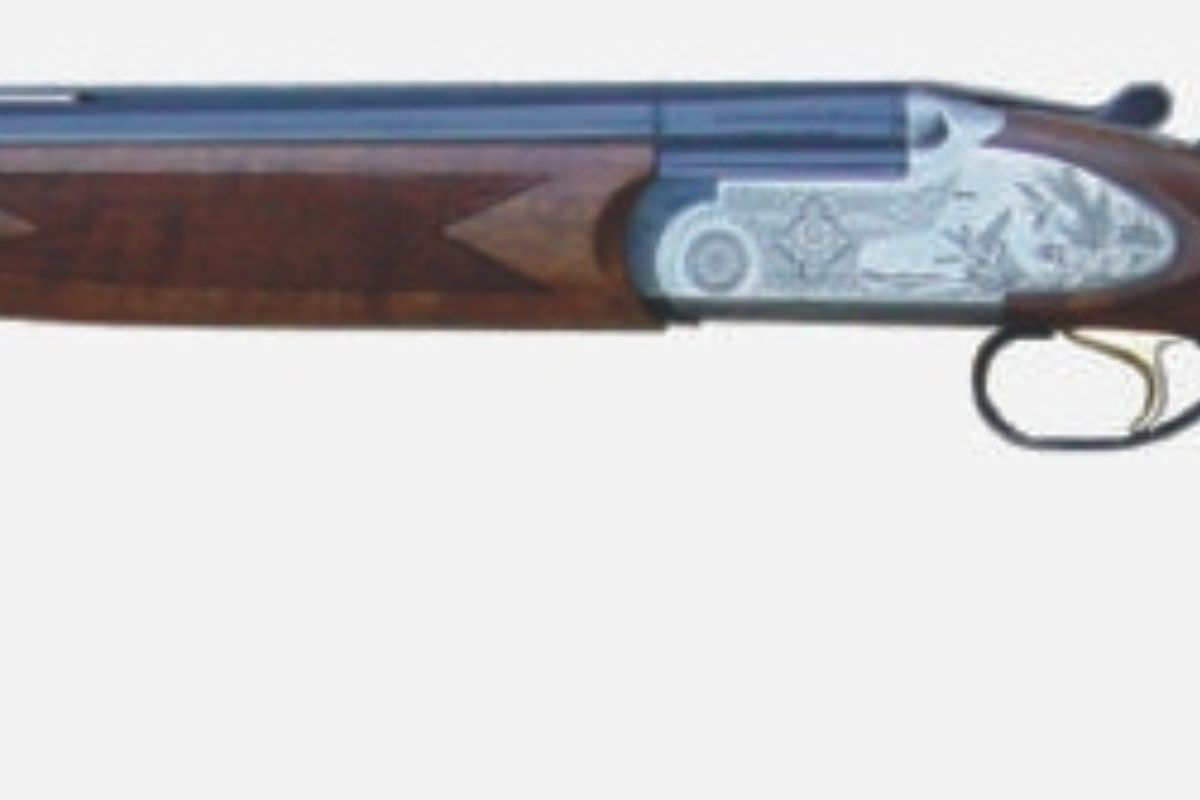
Over-under shotguns are highly respected in competitive clay shooting because of their precision and balance. The stacked barrel design allows for consistent sight alignment and smooth handling during sporting events. Despite these strengths, the platform shares similar limitations with other break-action designs. Only two rounds are available before a reload becomes necessary. The process of breaking open the action and inserting shells can slow response time significantly. Tactical situations often require adaptability, rapid target transitions, and quick reload capability. Many over-under models are also built with longer barrels optimized for sport shooting rather than maneuverability in confined spaces. While reliable and accurate, their configuration and capacity make them less practical for situations demanding speed and sustained fire.
4. Bolt Action Shotguns
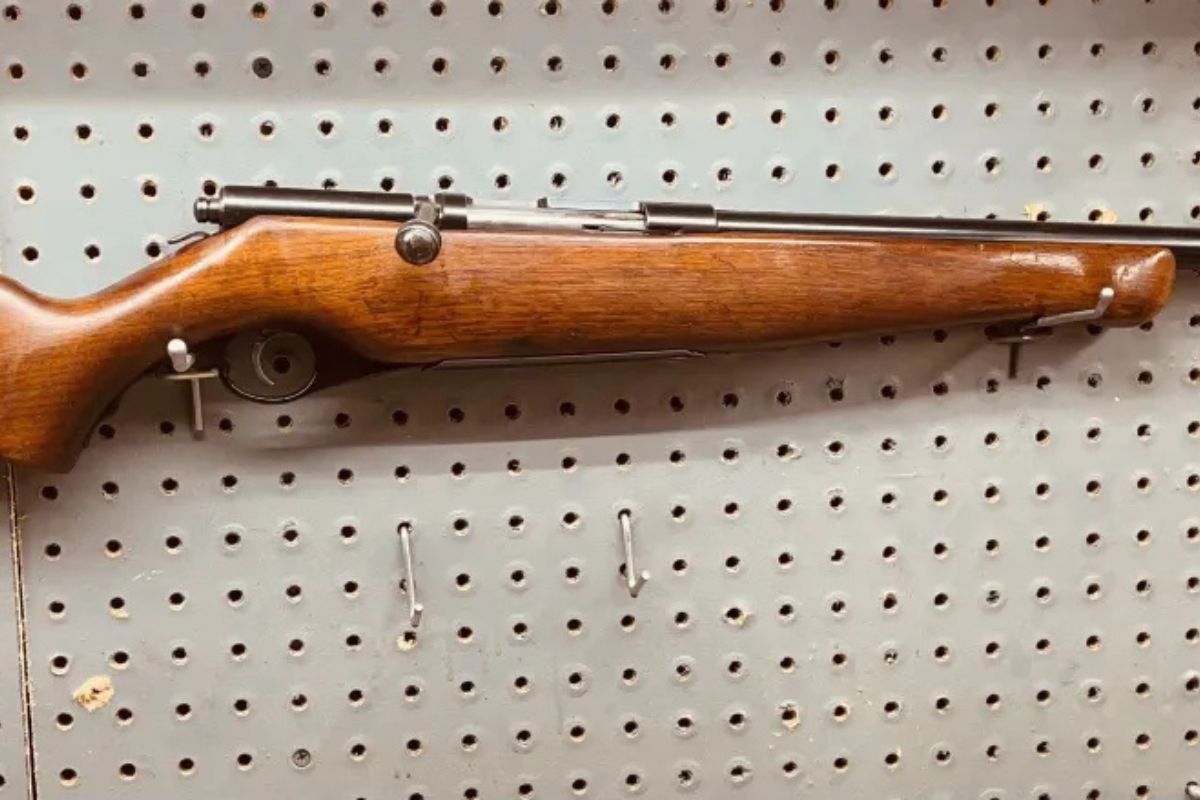
Bolt-action shotguns were once more common but are rarely seen in modern defensive roles. Designed similarly to bolt-action rifles, they require the shooter to manually cycle the bolt after each shot. This action involves lifting, pulling back, pushing forward, and locking the bolt before the next round can be fired. In tactical circumstances, this manual cycling slows down follow-up shots compared with pump or semi-automatic designs. Under stress, the additional movement can disrupt sight alignment and rhythm. Capacity is often limited to a small internal magazine. While bolt-action shotguns can be accurate and reliable for certain hunting applications, their slower rate of fire and mechanical operation reduce their effectiveness in fast-paced environments.
5. Long-Barreled Hunting Pump Shotguns
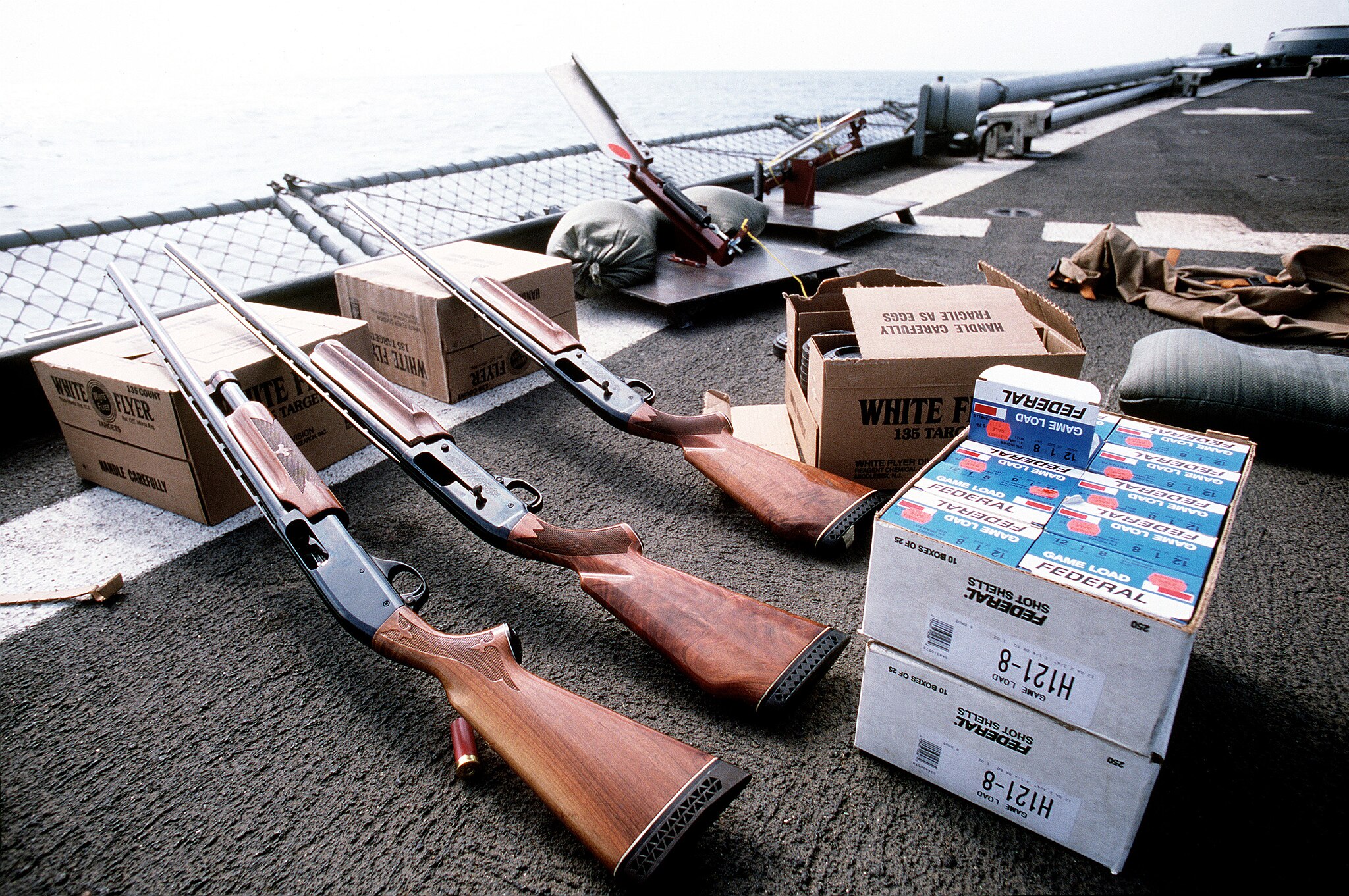
Pump shotguns remain popular for both hunting and defensive use, but long-barreled hunting configurations may not be ideal for tactical roles. Many hunting models feature barrels over twenty-six inches in length to improve shot patterns for waterfowl or upland game. In confined indoor spaces, this added length can reduce maneuverability and slow target transitions. Although pump-action systems allow relatively quick cycling, longer barrels can make movement around corners and tight areas more difficult. Some hunting models also prioritize traditional stocks and bead sights rather than tactical enhancements. While a pump shotgun is inherently versatile, selecting a shorter barrel and defensive configuration typically offers better speed and control in close-quarters situations.