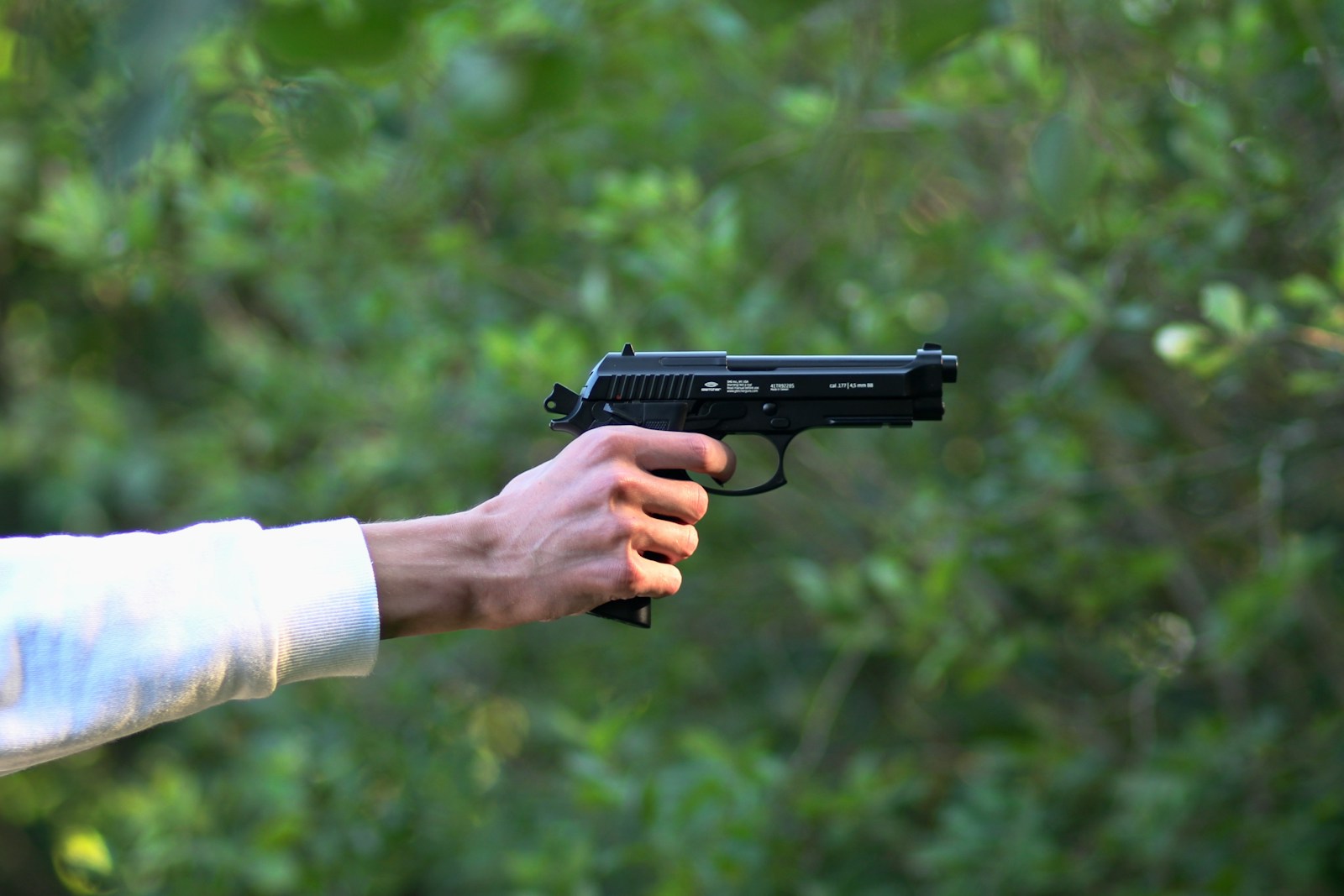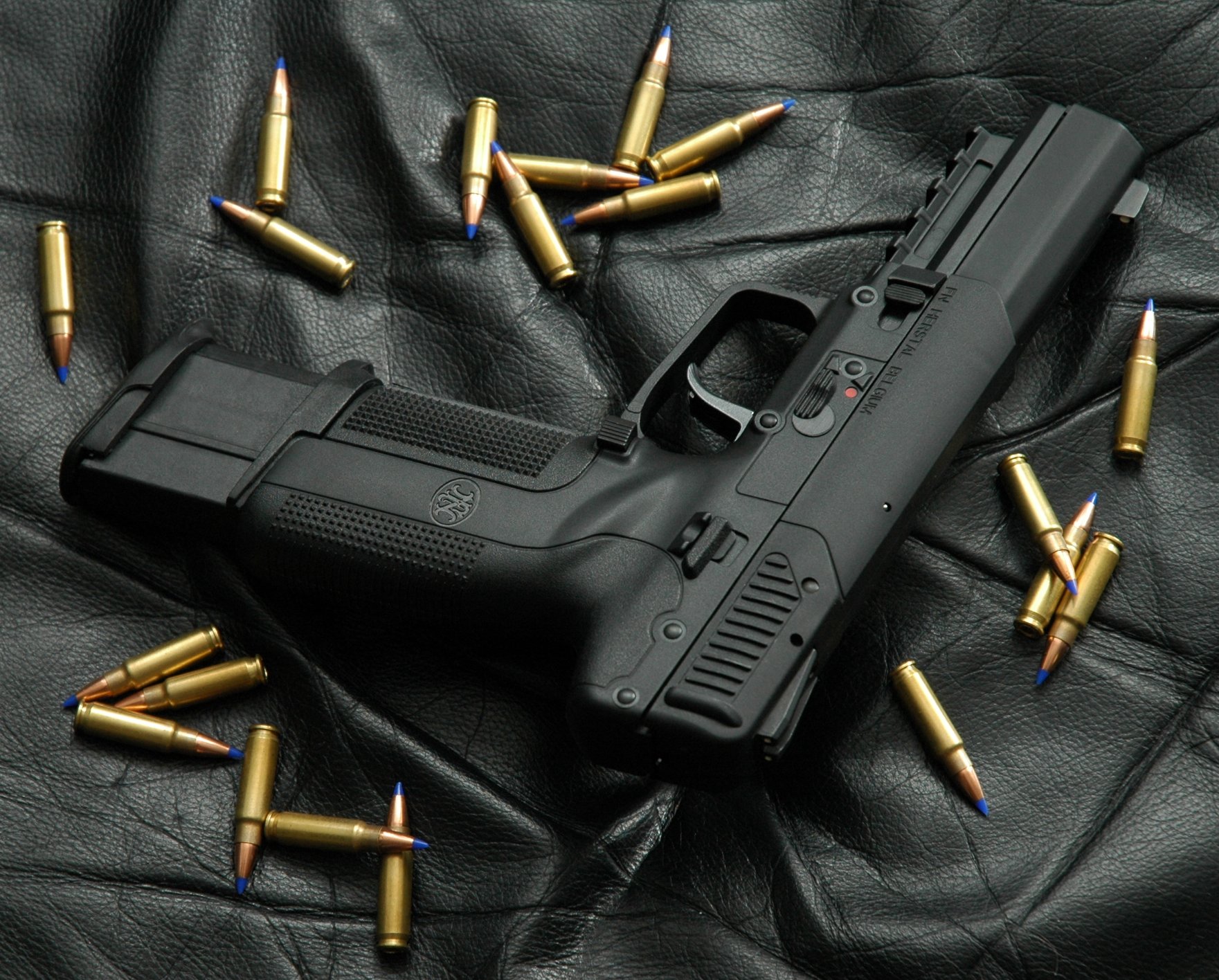
Venturing into the wilderness places unique demands on any piece of equipment, and firearms are no exception. Conditions far from controlled environments expose weaknesses that may never surface at the range. Dust, moisture, temperature swings, rough handling, and limited maintenance opportunities can all influence reliability. A firearm that performs flawlessly under comfortable conditions may behave very differently when subjected to extended outdoor exposure. Practical wilderness tools must balance durability, simplicity, portability, and adaptability. Popularity alone does not guarantee suitability, as design priorities often cater to sport shooting or recreational use rather than remote survival scenarios. The following examples explore firearm types and characteristics that, despite widespread appeal, may introduce challenges when taken deep into unpredictable terrain.
1. Ultra Lightweight Pocket Pistols
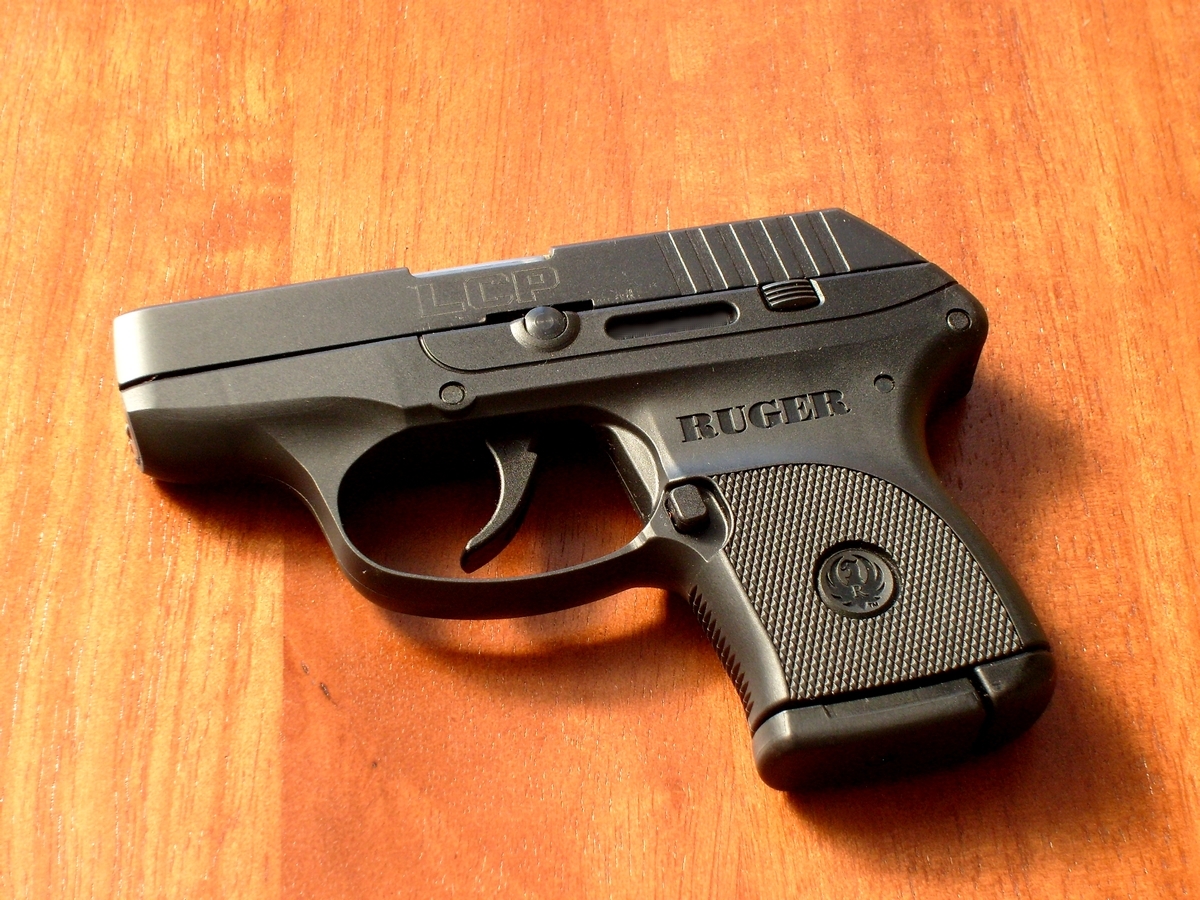
Compact pocket pistols attract buyers with convenience and minimal carry weight, yet wilderness environments can expose their limitations. Extremely small frames often reduce grip stability, making consistent control more difficult under stress. Short sight radii may hinder accuracy beyond very close distances, which can matter greatly outdoors. Lightweight construction sometimes amplifies felt recoil, affecting follow-up shots and overall comfort. Reliability may also suffer when debris or dust enters tight tolerances. While ideal for discreet urban carry, these pistols are rarely optimized for extended outdoor exposure. Wilderness conditions reward robust handling and shootability, areas where tiny platforms may struggle. Size advantages can quickly diminish when practical performance becomes the priority.
2. Competition-Tuned Target Pistols
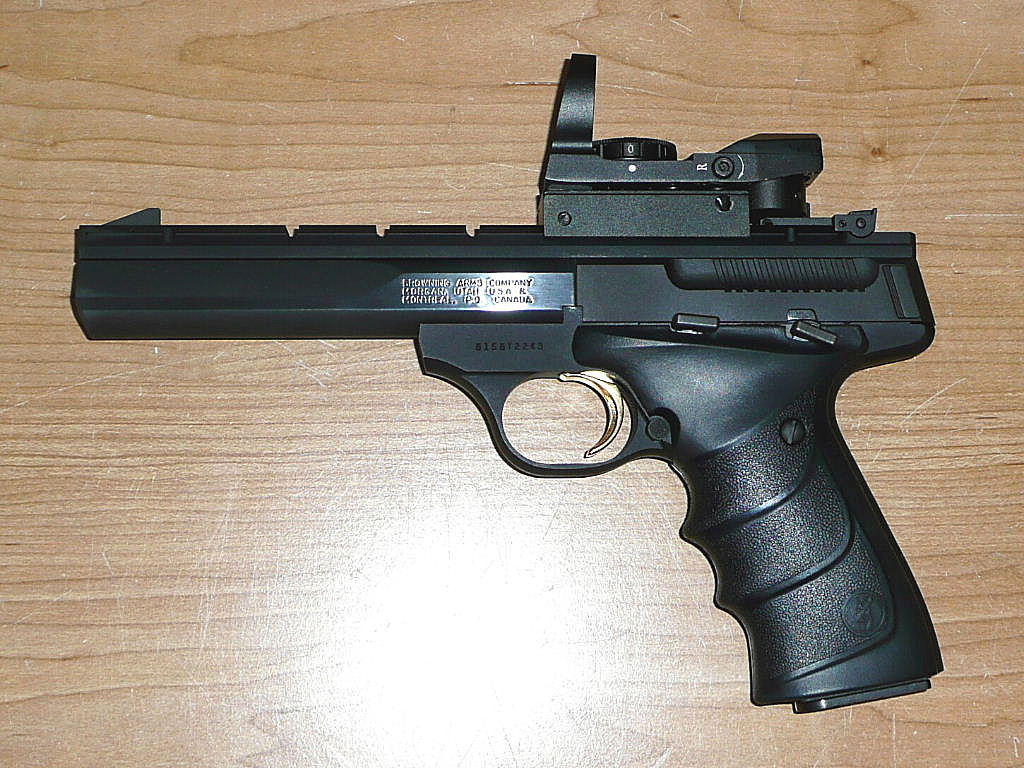
Precision target pistols excel in controlled settings but can prove less forgiving in rugged environments. Fine tolerances and specialized components often demand careful maintenance and clean conditions. Dirt, moisture, or residue may disrupt cycling reliability more easily than with simpler designs. Ergonomics tailored for competition may feel less adaptable during dynamic outdoor use. These firearms prioritize accuracy and trigger refinement over environmental resilience. In remote settings, where cleaning resources are limited, complexity can become a disadvantage. A pistol designed for performance under ideal circumstances may not deliver consistent dependability when exposed to unpredictable elements. Wilderness practicality often favors durability and tolerance over refinement.
3. Heavy Steel Frame Service Pistols
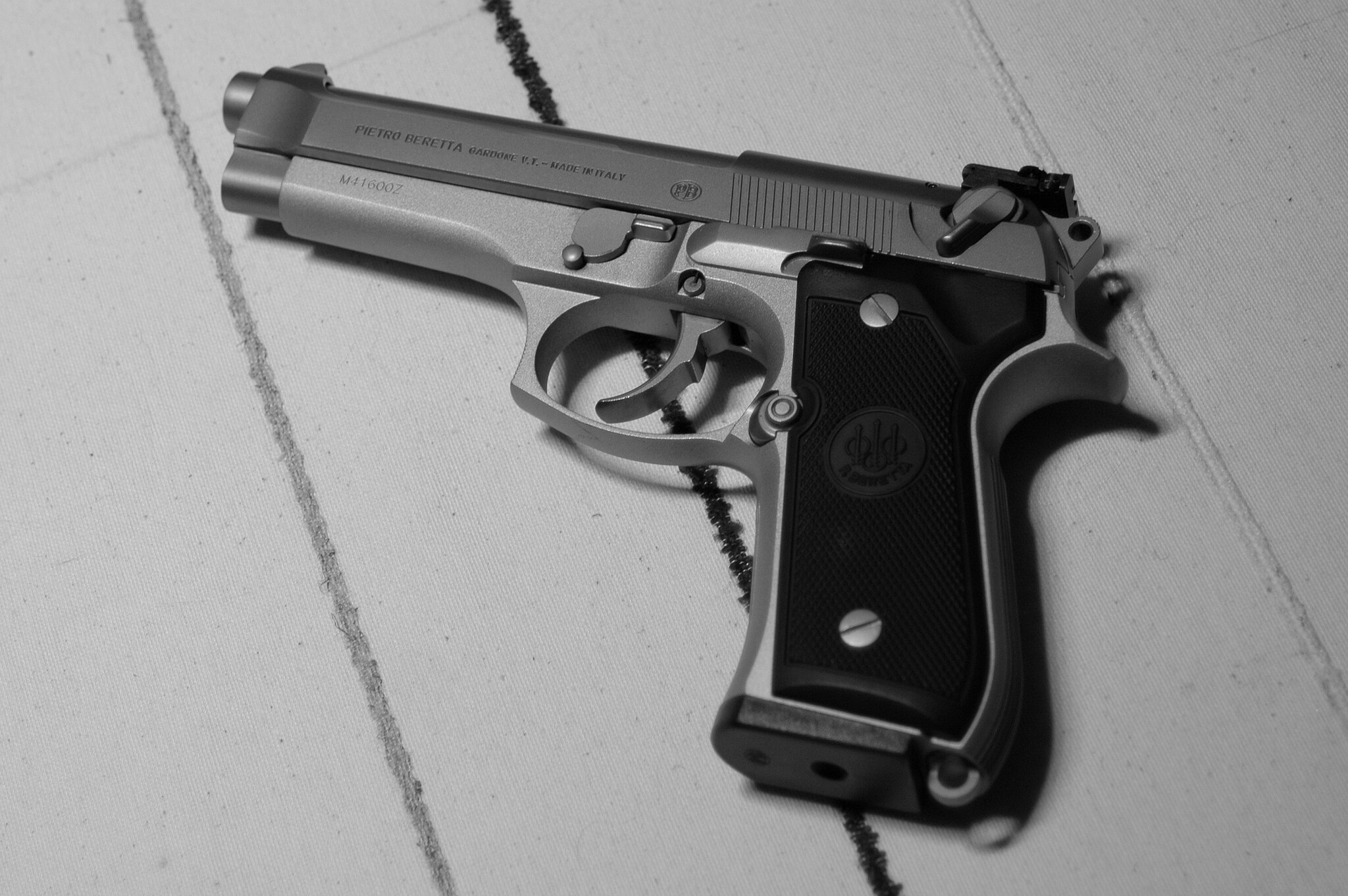
Full-size steel frame pistols project strength and recoil control, yet their weight can become burdensome during long outdoor excursions. Carrying additional mass over uneven terrain contributes to fatigue, reducing mobility and comfort. Bulkier dimensions may complicate storage and accessibility in field gear. While durability is rarely questioned, portability matters equally in wilderness contexts. Modern materials achieve similar resilience with reduced carry penalties. Excessive weight may feel reassuring initially but prove inconvenient over time. Wilderness equipment must remain manageable across extended periods. A balance between sturdiness and practicality becomes essential. Heavy platforms may challenge that balance for many users.
4. Highly Customized Firearms
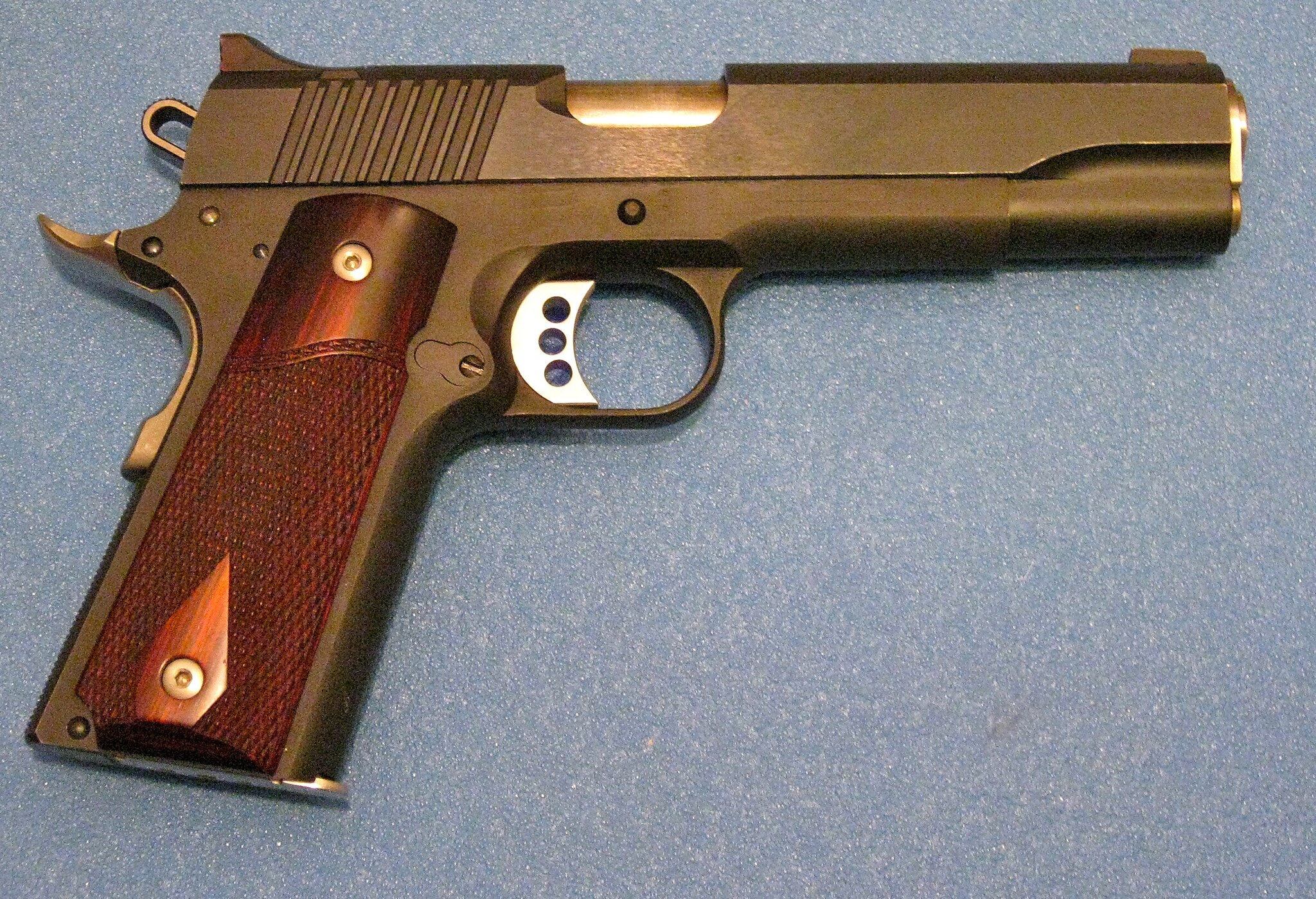
Customization offers personalization, but heavily modified firearms sometimes introduce reliability uncertainties. Aftermarket parts may alter timing, tolerances, or mechanical harmony in unintended ways. Field conditions magnify even subtle inconsistencies. Replacement components may not be readily available in remote areas. Factory configurations often undergo extensive testing for durability and function. Modifications can complicate maintenance and troubleshooting. While customization enhances comfort or aesthetics, wilderness use rewards predictability and simplicity. A platform dependent on specialized parts may increase logistical challenges. Consistency becomes critical when conditions prevent immediate repairs. Complexity may undermine practical dependability.
5. Rimfire Firearms for Defensive Roles
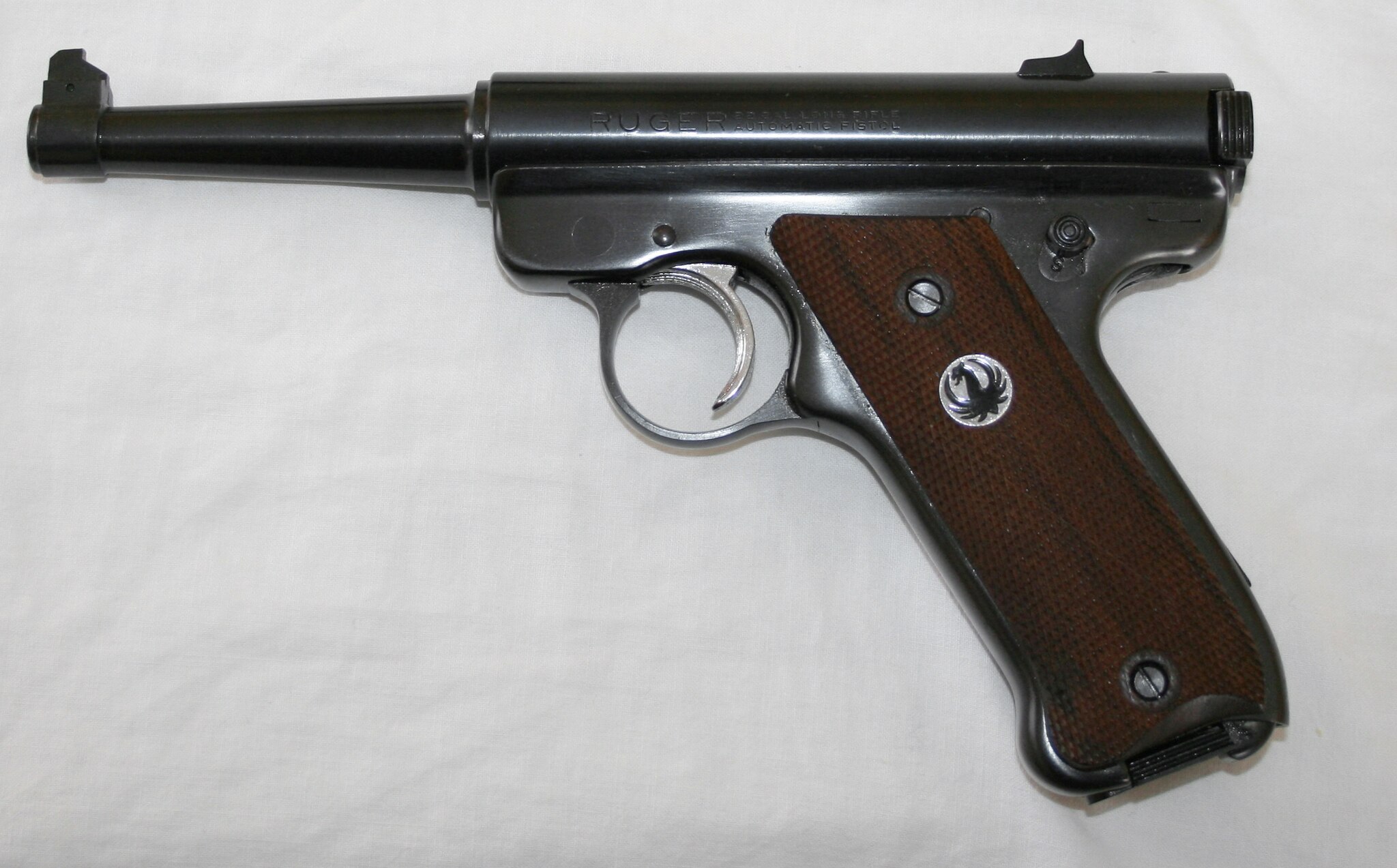
Rimfire firearms remain popular for training and recreation, yet their ammunition characteristics may limit wilderness suitability for demanding roles. Rimfire cartridges generally exhibit different ignition reliability compared to centerfire designs. Performance consistency may vary across environmental extremes. While lightweight and economical, these platforms rarely serve as primary tools in harsh conditions. Ammunition sensitivity can influence long-term confidence. Wilderness scenarios demand dependable function under stress. Rimfire systems excel in specific contexts but may not inspire equal assurance outdoors. Cartridge design directly affects reliability perceptions. Practical expectations must align with intended use.
6. Long Barrel Hunting Revolvers
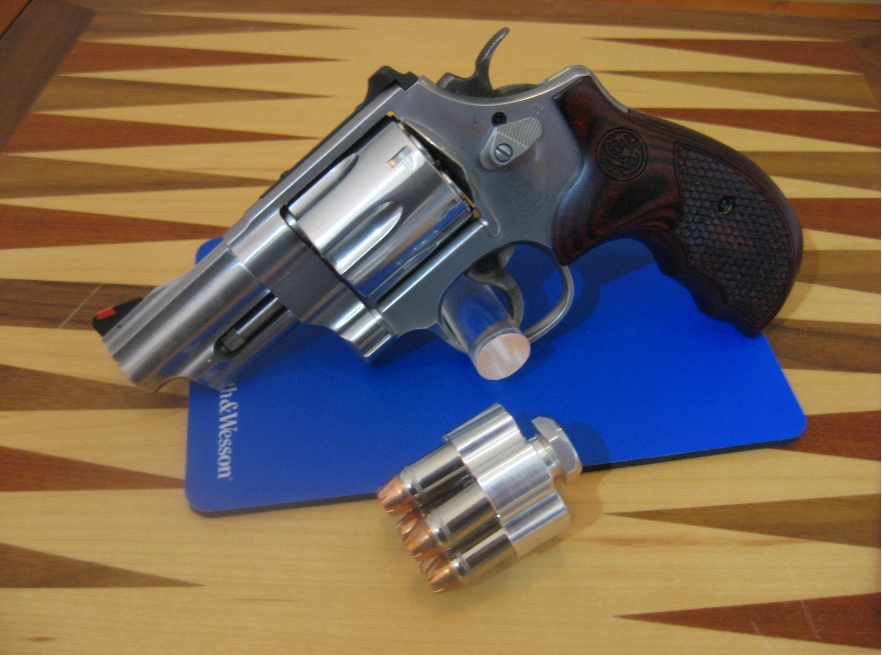
Revolvers with extended barrels enhance sight radius and velocity but may feel unwieldy in dense terrain. Longer profiles complicate holstering and movement through brush or tight spaces. Weight distribution can affect handling agility. Field environments reward compact maneuverability. Oversized dimensions may reduce carry comfort. While accurate and powerful, practicality considerations remain significant. Wilderness tools benefit from versatility and ease of transport. Length advantages can introduce trade-offs. Mobility often outweighs incremental performance gains. Handling comfort strongly influences user satisfaction.
7. Precision Bolt Action Rifles
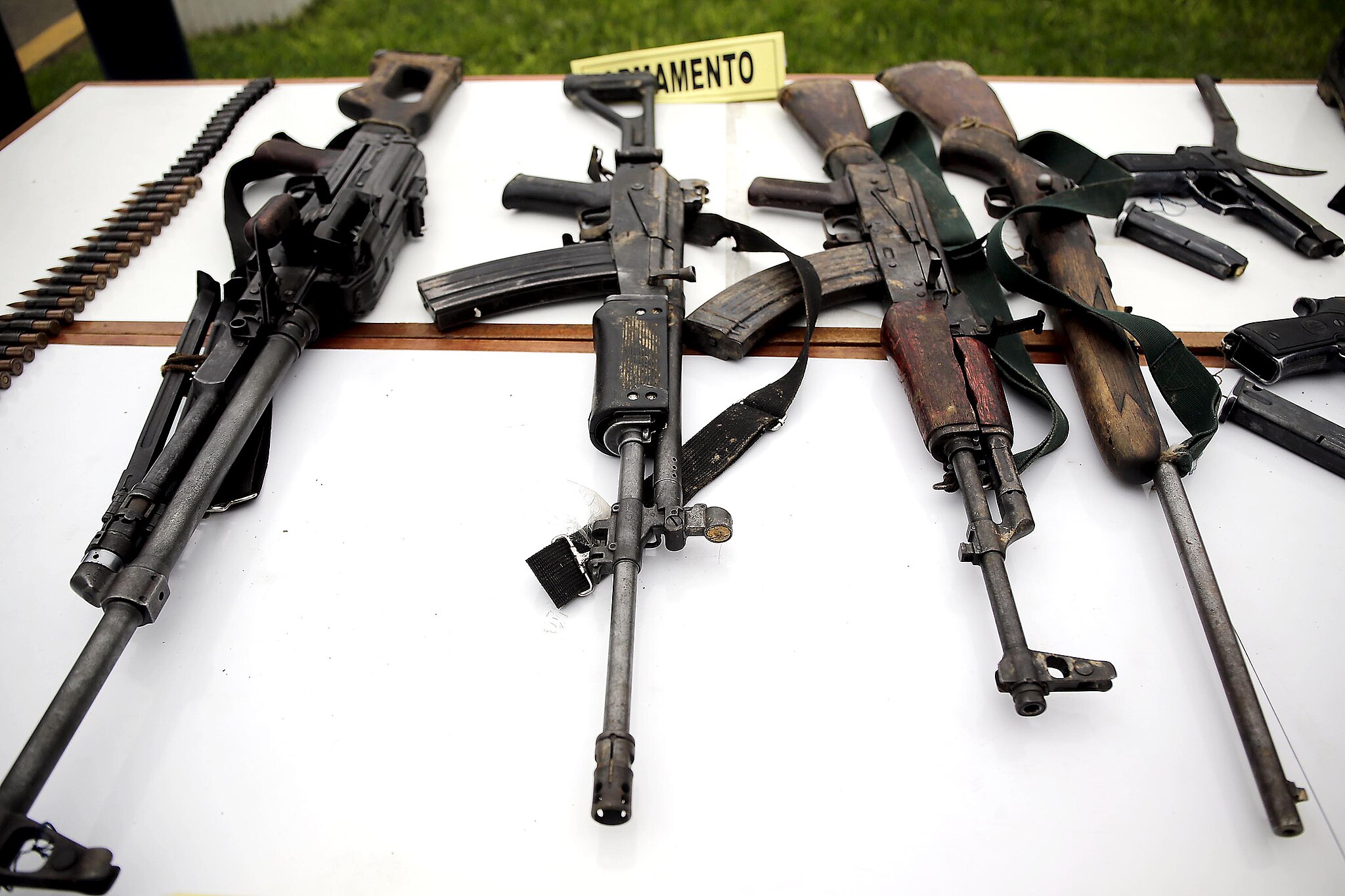
Bolt-action rifles emphasize accuracy, yet specialized precision models may prove less convenient outdoors. Heavier builds and delicate optics increase carry demands and vulnerability. Slow cycling speeds may feel restrictive in dynamic situations. Maintenance sensitivity may also rise with complexity. Wilderness equipment often prioritizes adaptability and resilience. Precision designs cater to controlled shooting scenarios. Environmental exposure introduces additional variables. Practicality may diminish outside intended contexts. Performance excellence does not guarantee universal suitability. Role alignment remains essential.
8. Early Generation Semi-Automatic Rifles
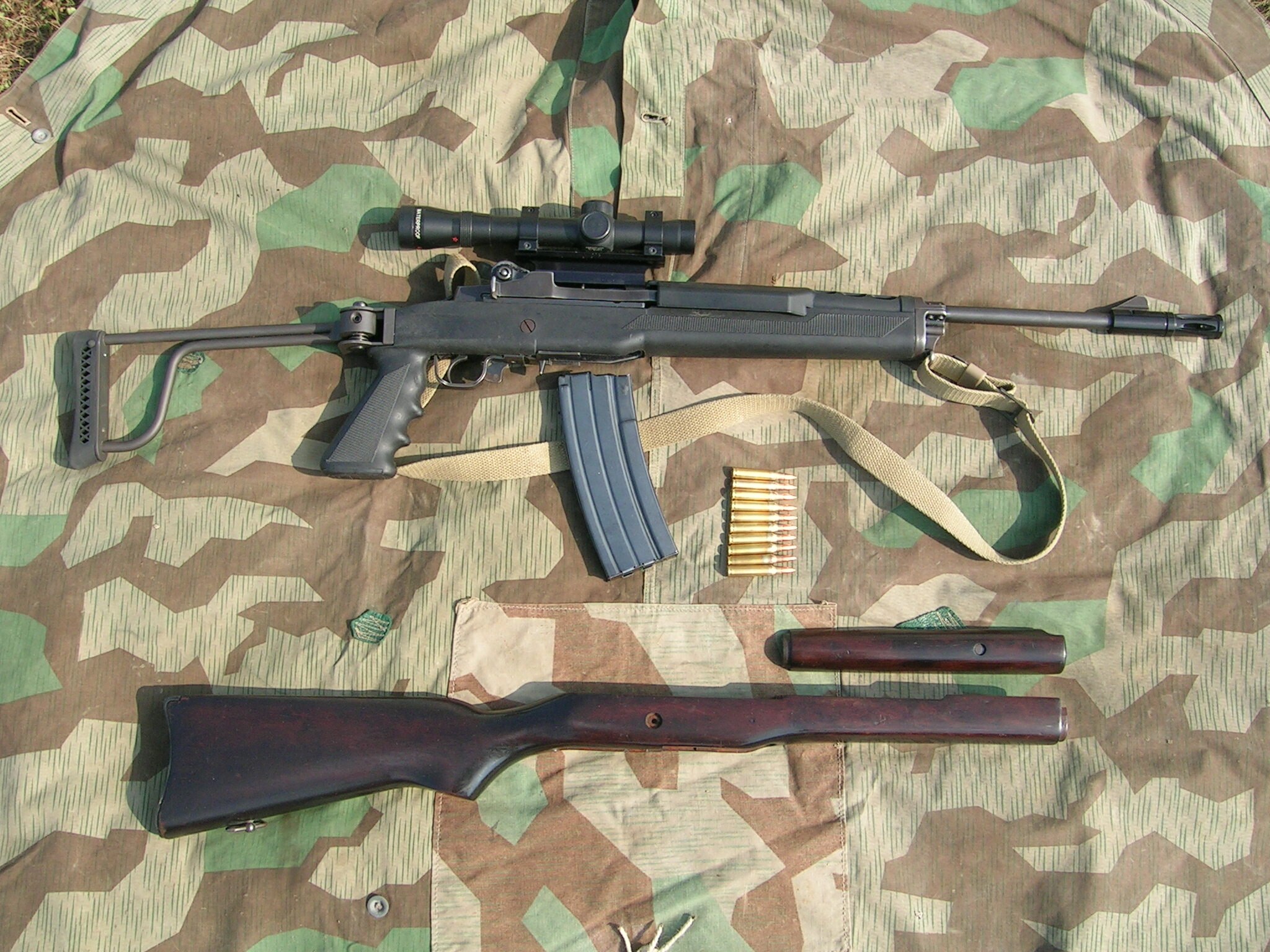
Older semi-automatic rifles retain appeal but may exhibit limitations compared to modern designs. Parts availability, material fatigue, and evolving reliability standards influence practicality. Maintenance requirements may increase with age. Wilderness conditions intensify mechanical stress. While historically significant, aging platforms require careful evaluation. Modern alternatives benefit from improved engineering. Reliability expectations evolve. Practical dependability depends on support and upkeep. Legacy designs may present challenges. Equipment selection must consider longevity factors.
9. Extremely Compact Carbines
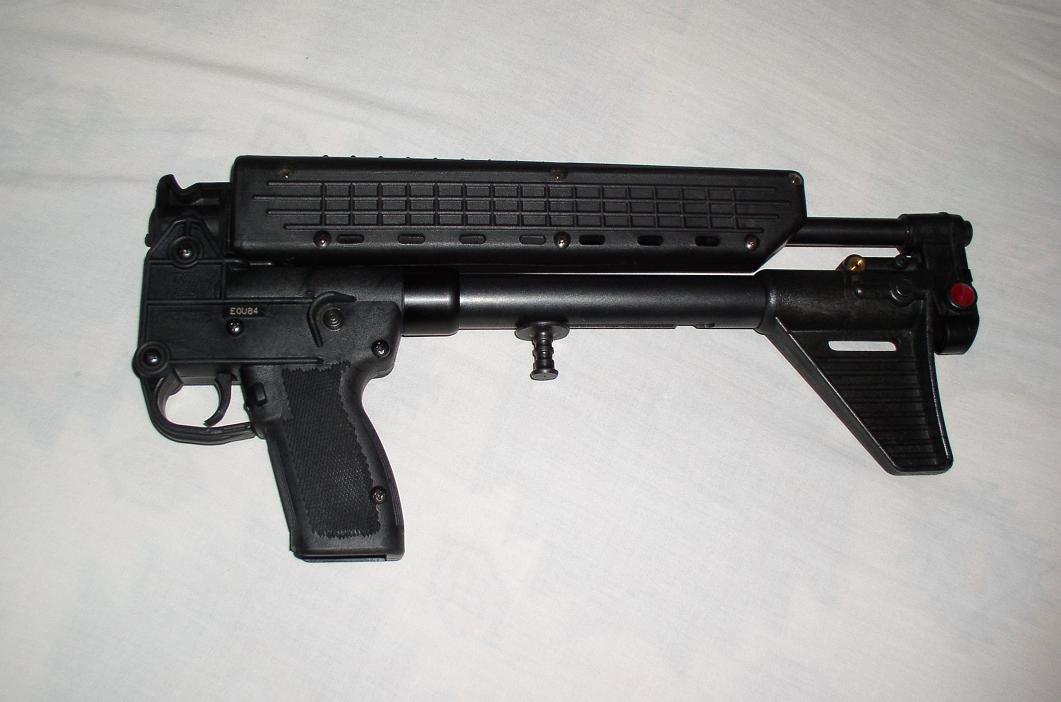
Short carbines prioritize portability yet may sacrifice ballistic efficiency and handling stability. Reduced barrel length influences performance characteristics. Lightweight builds can amplify recoil perception. Sight radius limitations affect precision. Wilderness environments often demand balanced versatility. Compactness alone may not ensure effectiveness. Design trade-offs shape usability. Comfort and control remain essential. Field conditions reveal subtle weaknesses. Practical performance outweighs novelty.
10. High Maintenance Gas Systems
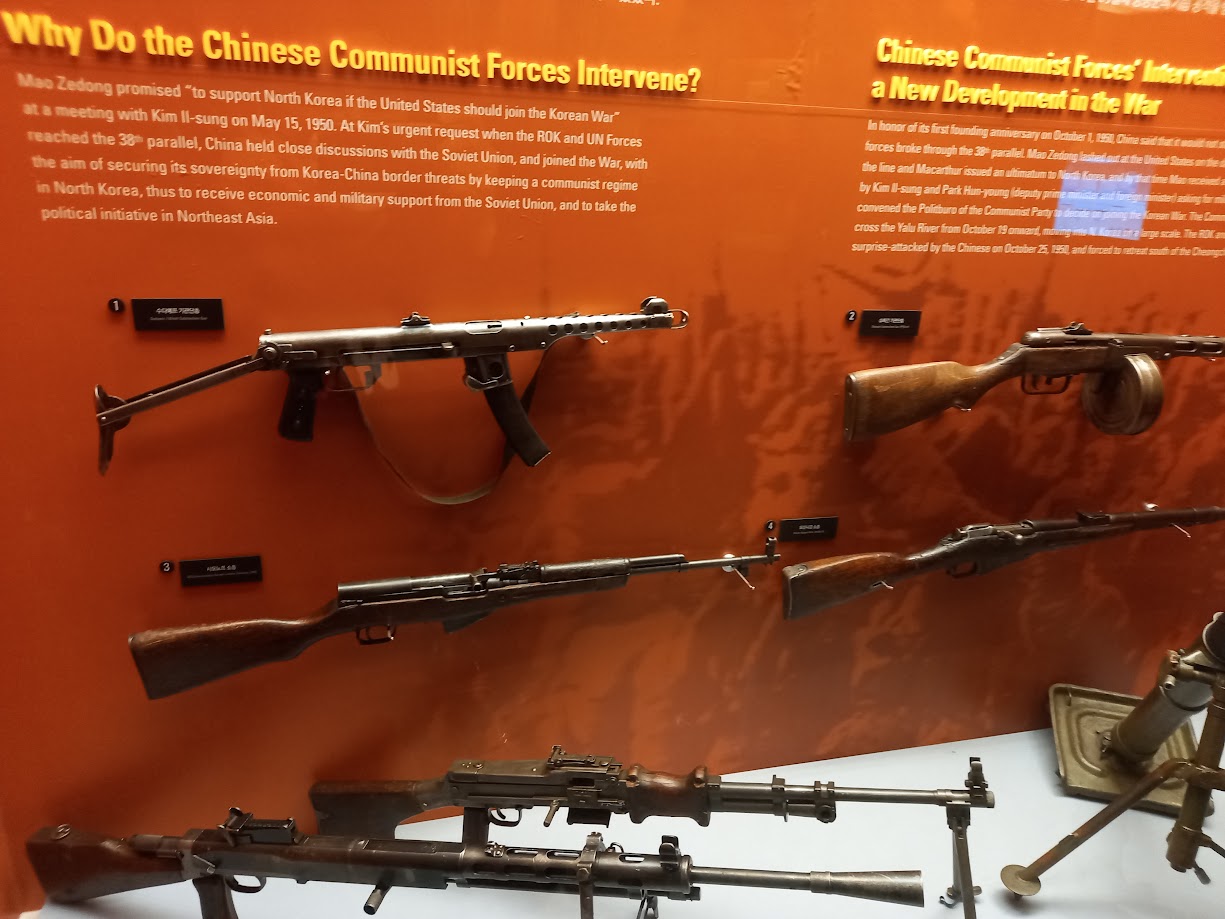
Firearms relying on complex gas systems may require meticulous care to sustain reliability. Residue buildup and environmental debris influence cycling behavior. Field maintenance opportunities are often limited. Simpler mechanisms tolerate neglect more readily. Wilderness use emphasizes consistency under variable conditions. Maintenance intensity affects ownership satisfaction. Mechanical refinement introduces dependencies. Reliability perceptions evolve with experience. Complexity may hinder long-term confidence. Durability must align with practicality.
11. Exotic Caliber Firearms
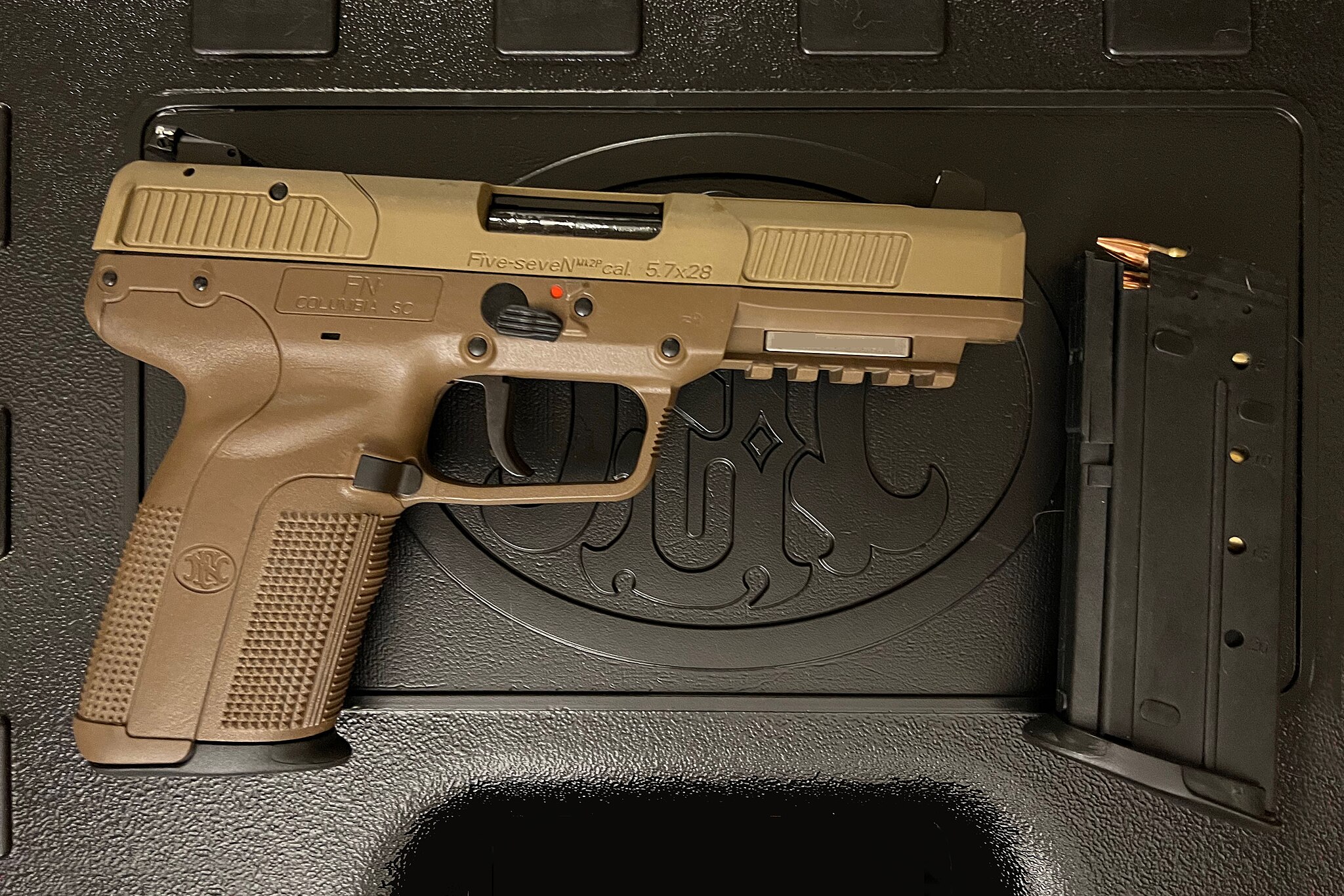
Uncommon calibers attract enthusiasts but may complicate logistics in remote settings. Ammunition availability becomes a significant concern. Resupply challenges affect preparedness. Practical firearms benefit from widely accessible cartridges. Performance advantages may not offset logistical constraints. Wilderness scenarios reward sustainability. Specialized calibers limit flexibility. Equipment planning must consider availability realities. Convenience influences long-term viability. Popularity does not ensure practicality.
12. Overly Specialized Sporting Designs
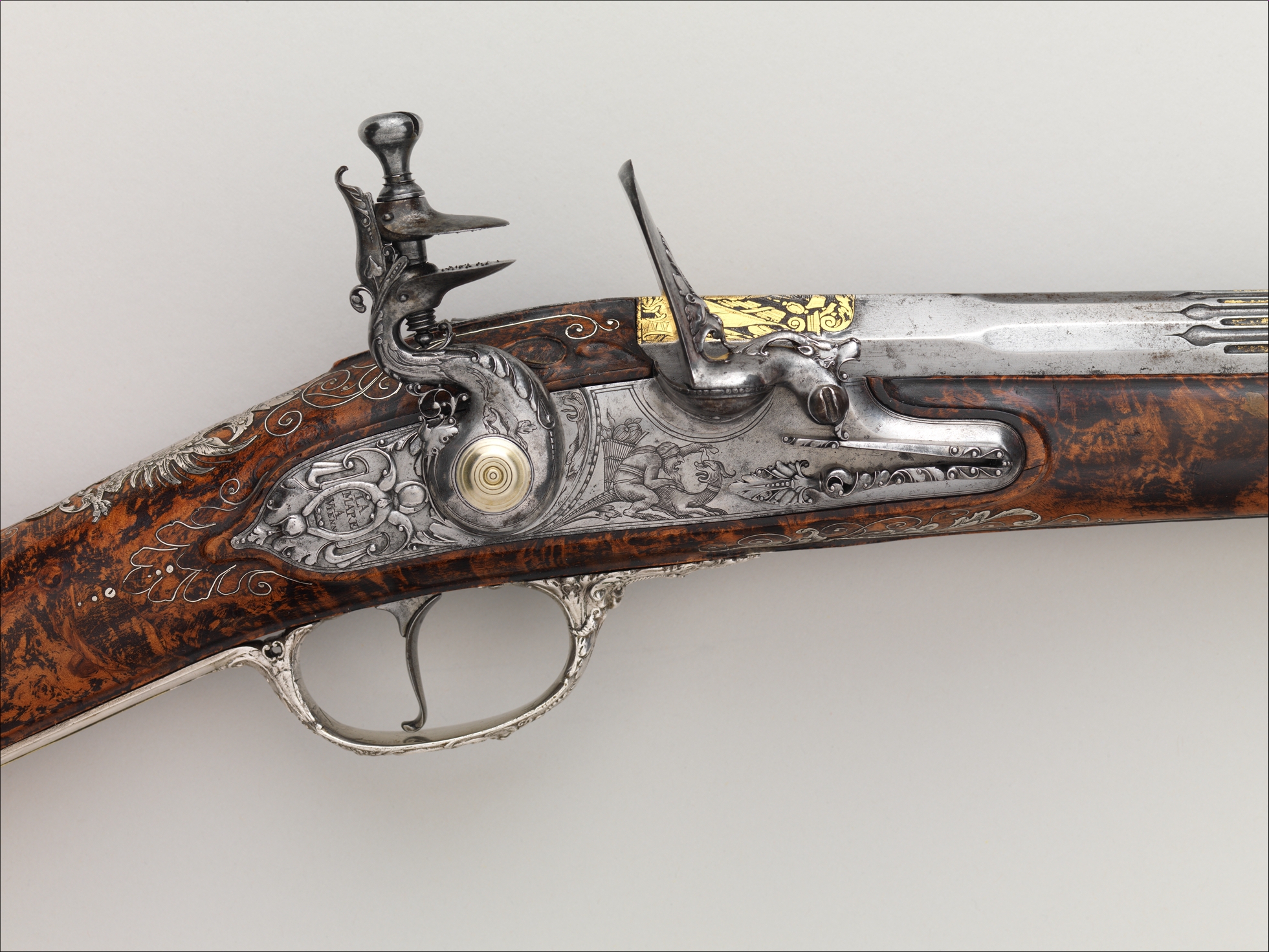
Firearms designed for narrow sporting roles may struggle to adapt beyond intended contexts. Specialized ergonomics or features reduce versatility. Wilderness conditions demand flexibility. Role optimization introduces inherent limitations. Practical equipment balances multipurpose capability. Specialized designs excel within boundaries. Field environments frequently exceed those boundaries. Adaptability shapes reliability perceptions. Versatility remains highly valued. Suitability depends on broader utility.
13. Reputation Driven Purchases
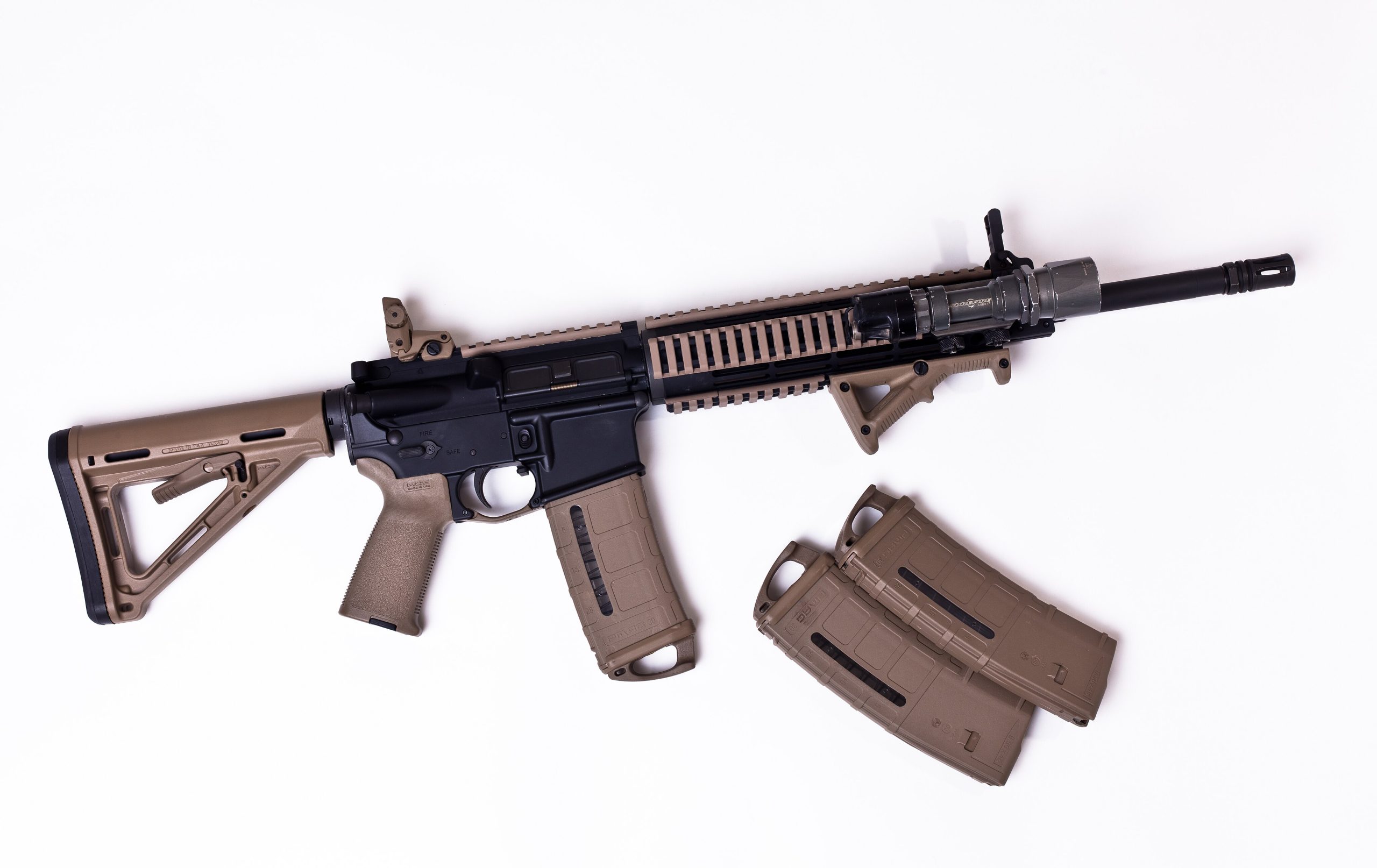
Popularity and reputation influence buying decisions, yet wilderness suitability requires deeper evaluation. Design intent, environmental tolerance, and handling comfort matter greatly. Assumptions based solely on brand recognition may mislead expectations. Practical performance depends on context. Wilderness demands differ from recreational settings. Equipment must align with real-world conditions. Critical assessment prevents dissatisfaction. Reliability stems from design harmony and user fit. Informed choices support confidence. Suitability ultimately defines effectiveness.