Movies have a unique ability to turn ordinary objects into lasting cultural icons, and firearms are no exception. While many guns earn respect through military service or sporting performance, others become famous because of a single unforgettable moment on screen. A dramatic close-up, a memorable line of dialogue, or a tense action sequence can permanently link a firearm to a character, a scene, or an entire generation of moviegoers. In many cases, these guns were not especially rare or revolutionary before appearing in films. Hollywood gave them personality, symbolism, and emotional weight. This article explores ten firearms whose reputations were shaped less by ballistics and more by cinema. Each one became unforgettable because of how it was used, who carried it, and the story it helped tell on screen.
1. Smith & Wesson Model 29
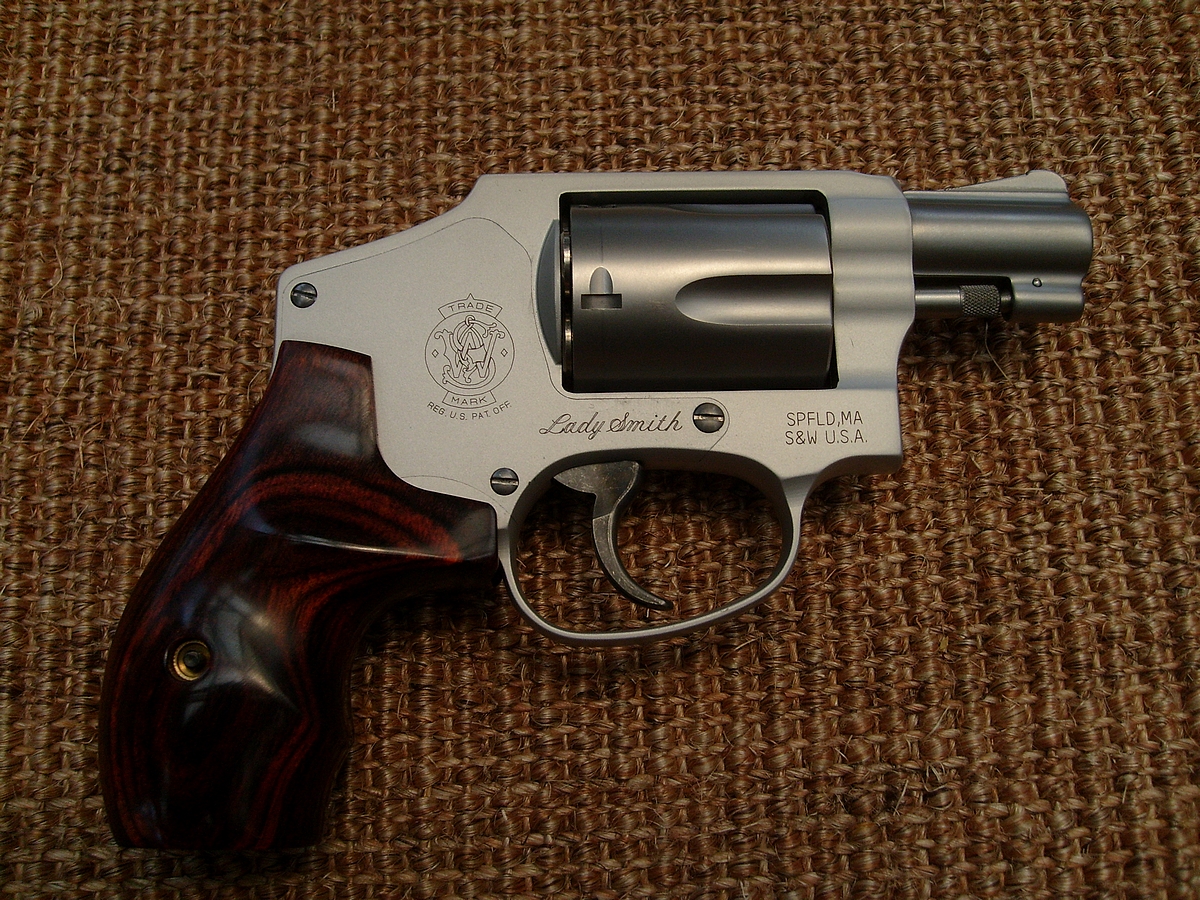
The Smith & Wesson Model 29 existed long before Hollywood made it legendary, but its role in crime cinema transformed it into an icon. On screen, the revolver was framed as powerful, intimidating, and almost mythic. Close-ups emphasized its size and authority, turning it into a symbol of uncompromising force. Audiences associated the Model 29 with confidence and control, even if few viewers fully understood its real-world recoil or practicality. After its cinematic debut, demand surged, and the revolver became widely recognized beyond firearm circles. Hollywood did not invent the Model 29’s power, but it amplified its presence, embedding it permanently into popular culture.
2. Beretta 92FS
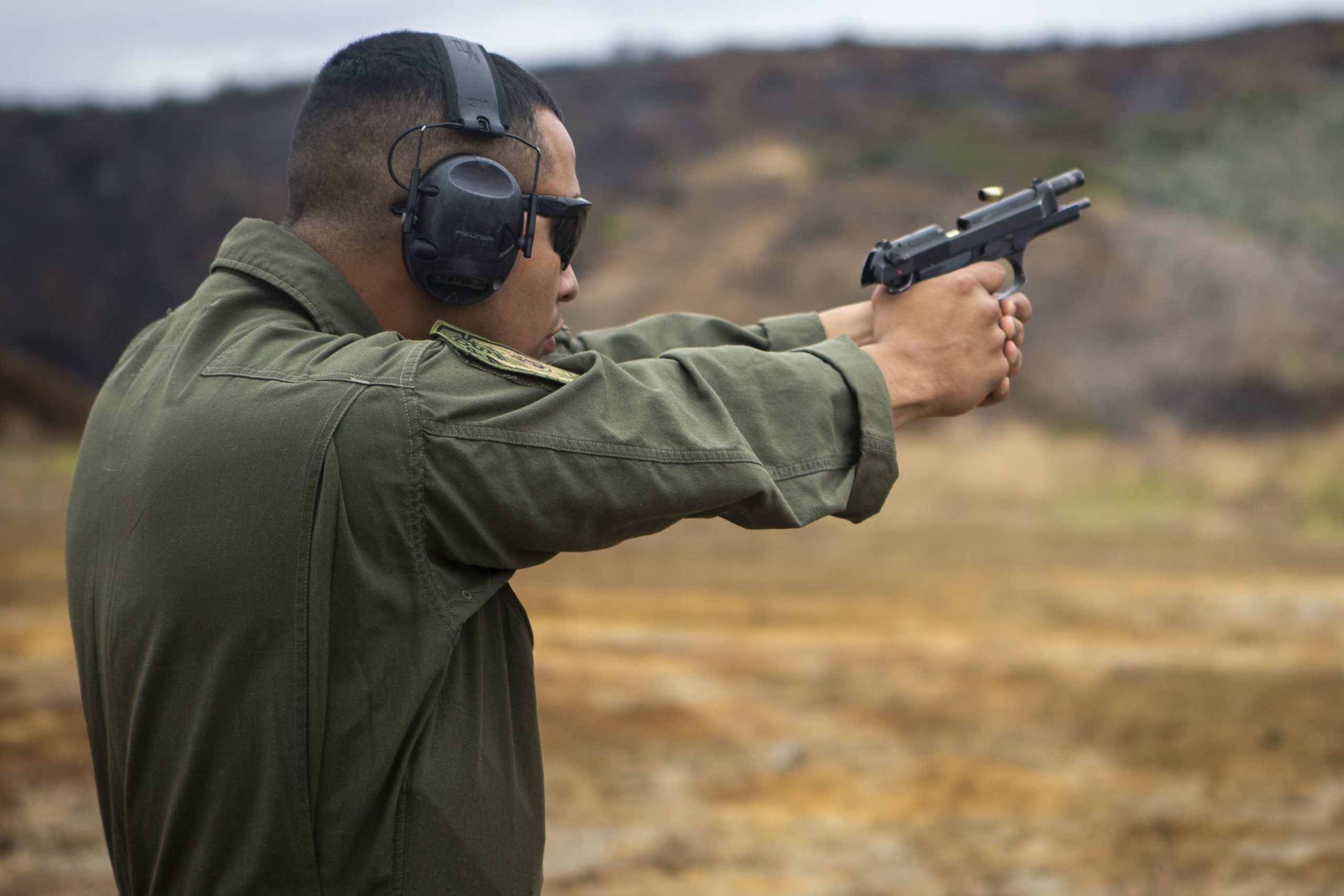
The Beretta 92FS became inseparable from the image of the modern action hero thanks to repeated appearances in major films. Its sleek lines and high-capacity magazine fit perfectly with the evolving style of cinematic gunfights. On screen, the pistol represented professionalism and global sophistication. Viewers came to associate it with elite operators and calm efficiency under pressure. The camera favored its profile, often lingering on reloads and controlled firing sequences. This consistent exposure elevated the Beretta from a service pistol to a recognizable symbol of action cinema. Its fame owes much to how naturally it fits Hollywood’s vision of modern firepower.
3. Desert Eagle
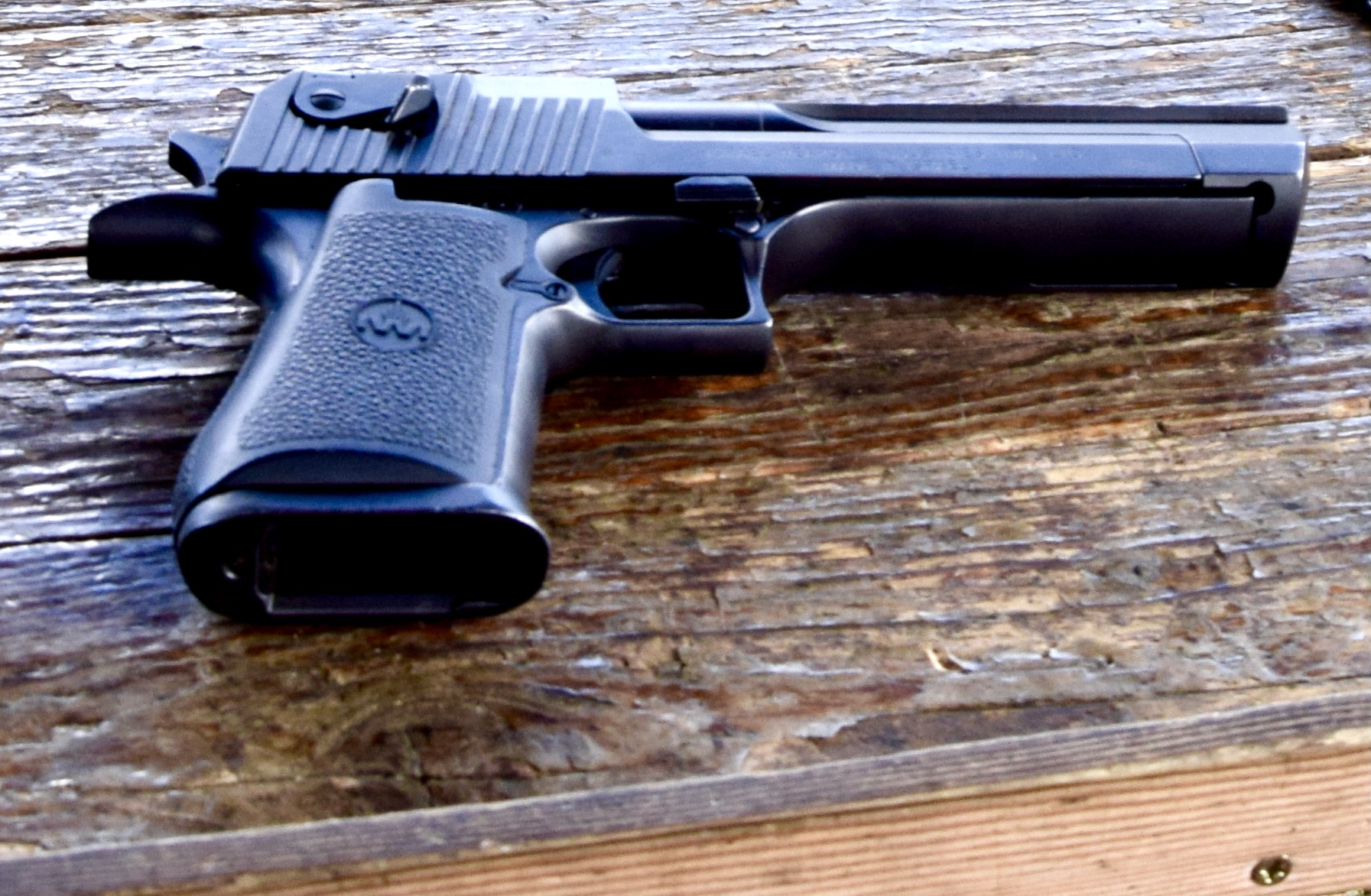
Few firearms owe more to Hollywood spectacle than the Desert Eagle. Its sheer size and aggressive appearance made it a visual standout, even among exaggerated action scenes. Filmmakers used it to convey overwhelming power, often placing it in the hands of dominant or intimidating characters. Real-world practicality mattered little compared to its screen presence. The Desert Eagle became shorthand for excess and intimidation. Audiences remembered it not for subtlety, but for impact. Without cinema, it would remain a niche curiosity. Hollywood turned it into a symbol of cinematic bravado and larger-than-life firepower.
4. Heckler & Koch MP5
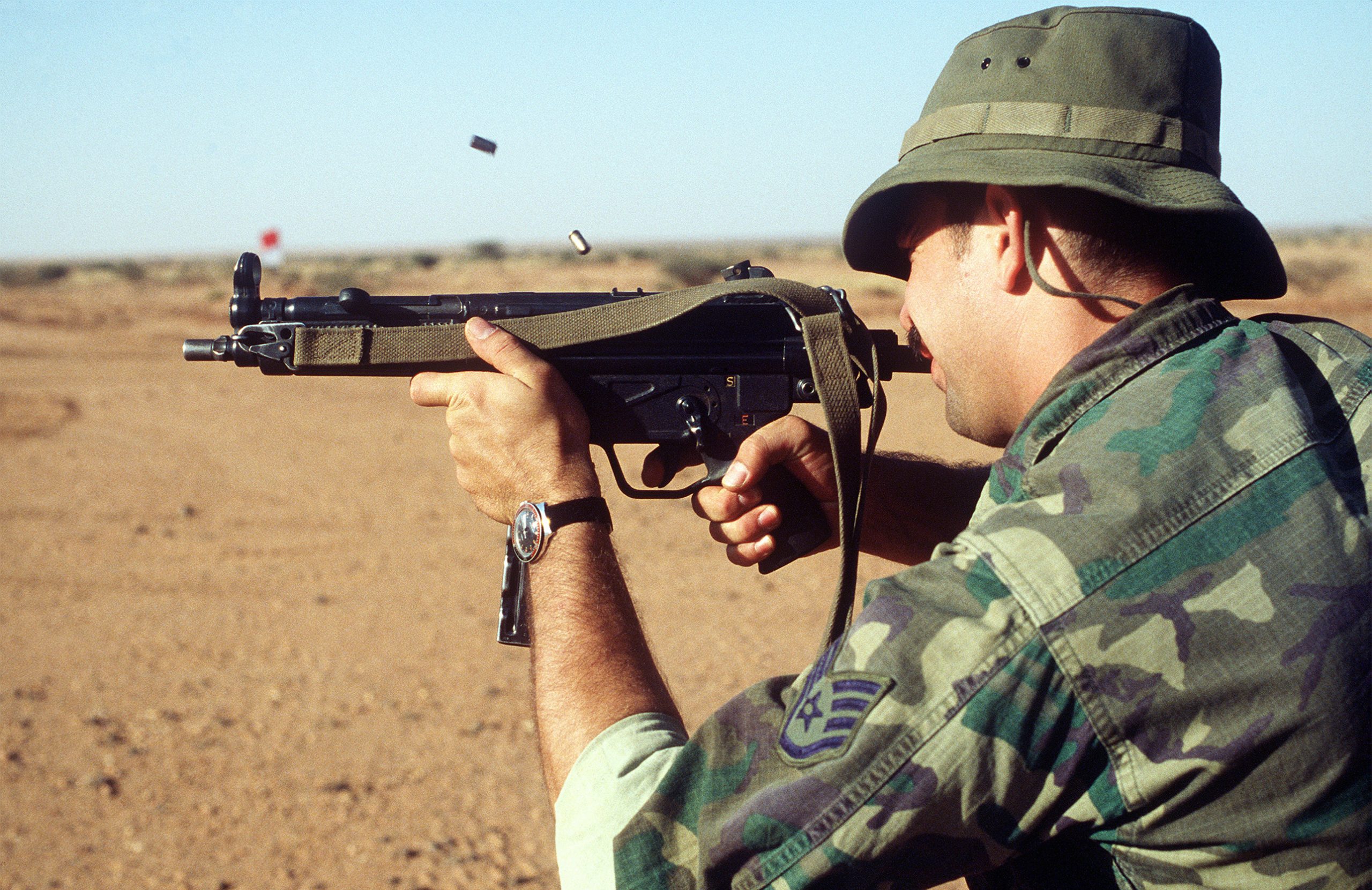
The MP5 gained iconic status through its repeated portrayal in tactical and law enforcement roles on screen. Movies presented it as precise, disciplined, and professional. Its compact design and smooth handling translated well visually, especially during coordinated team movements. Audiences came to associate the MP5 with elite units and high-stakes operations. The firearm’s real-world reputation supported this image, but cinema cemented it. Slow-motion entries and synchronized clearing scenes elevated the MP5 into a visual language of competence. Hollywood reinforced its status as the ultimate close-quarters weapon.
5. Colt M1911
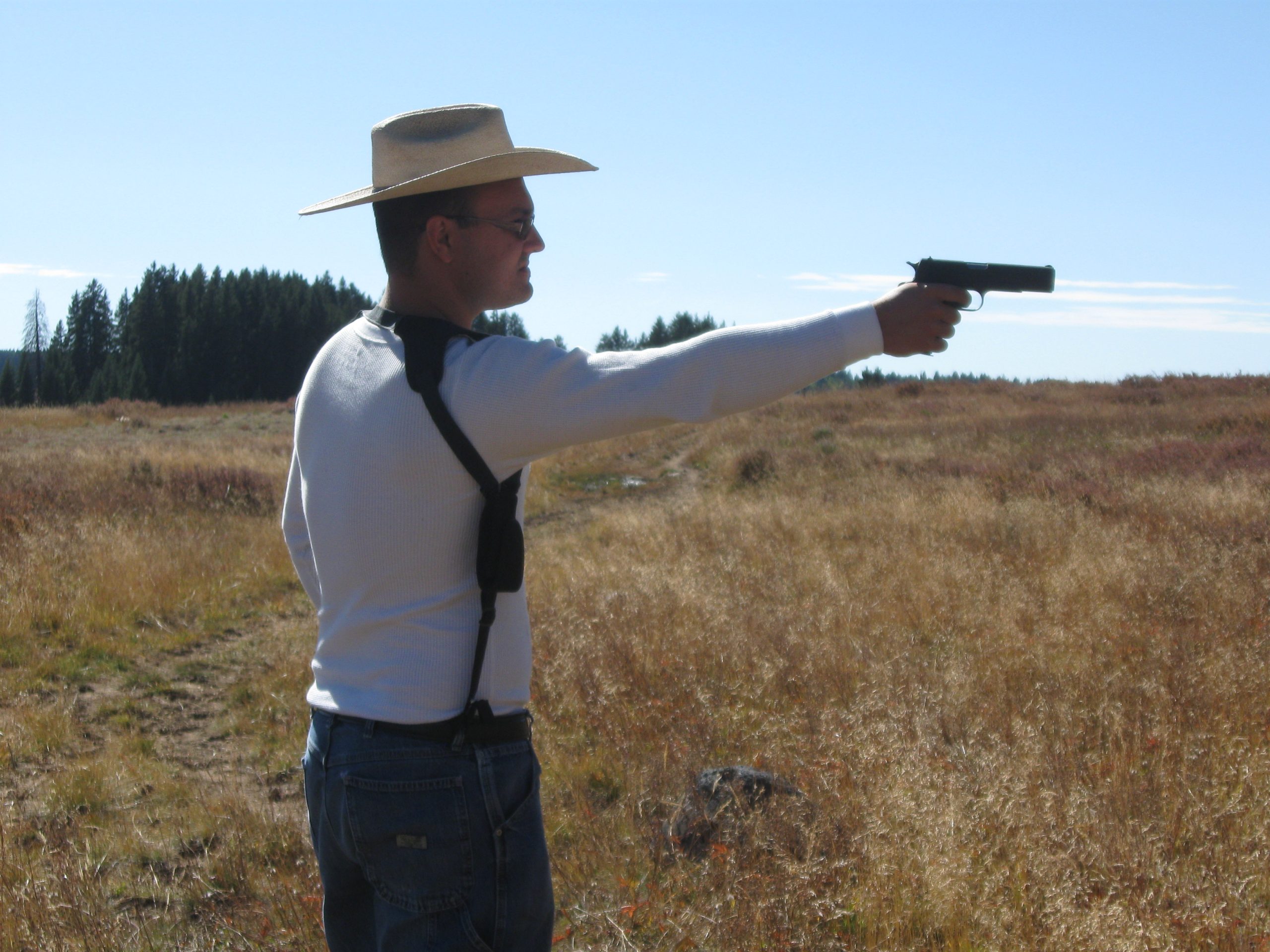
The Colt M1911 had a long history before film, but Hollywood gave it renewed relevance. On screen, it symbolized tradition, authority, and rugged individualism. Directors often placed it in the hands of characters who valued experience over technology. The pistol’s distinctive profile and single-action operation translated well to close-up shots. Audiences associated it with resolve and personal conviction. Even as newer firearms appeared, the M1911 retained its cinematic weight. Hollywood helped preserve its image as a timeless sidearm that transcends generations.
6. AK-47
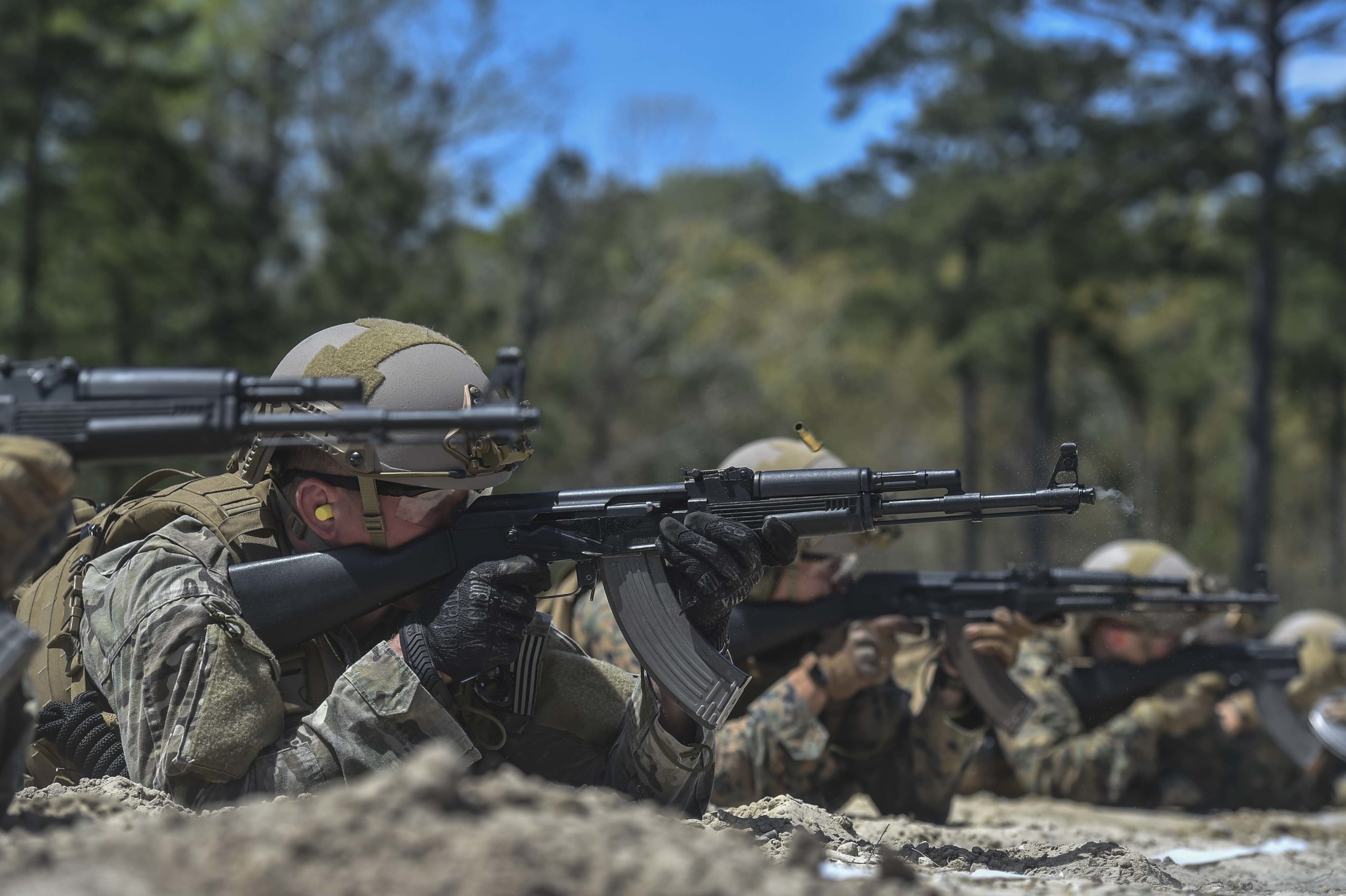
The AK-47 became one of the most recognizable firearms in cinema due to its frequent use in global conflict scenes. Movies portrayed it as rugged, ubiquitous, and relentless. Its distinctive shape made it instantly identifiable, even to casual viewers. Filmmakers used it to establish setting, faction, or chaos with a single frame. While its real-world reliability contributed to its reputation, cinema amplified its symbolism. The AK-47 became shorthand for rebellion and instability. Hollywood’s repeated use ensured its place as a visual icon.
7. Winchester Model 1892
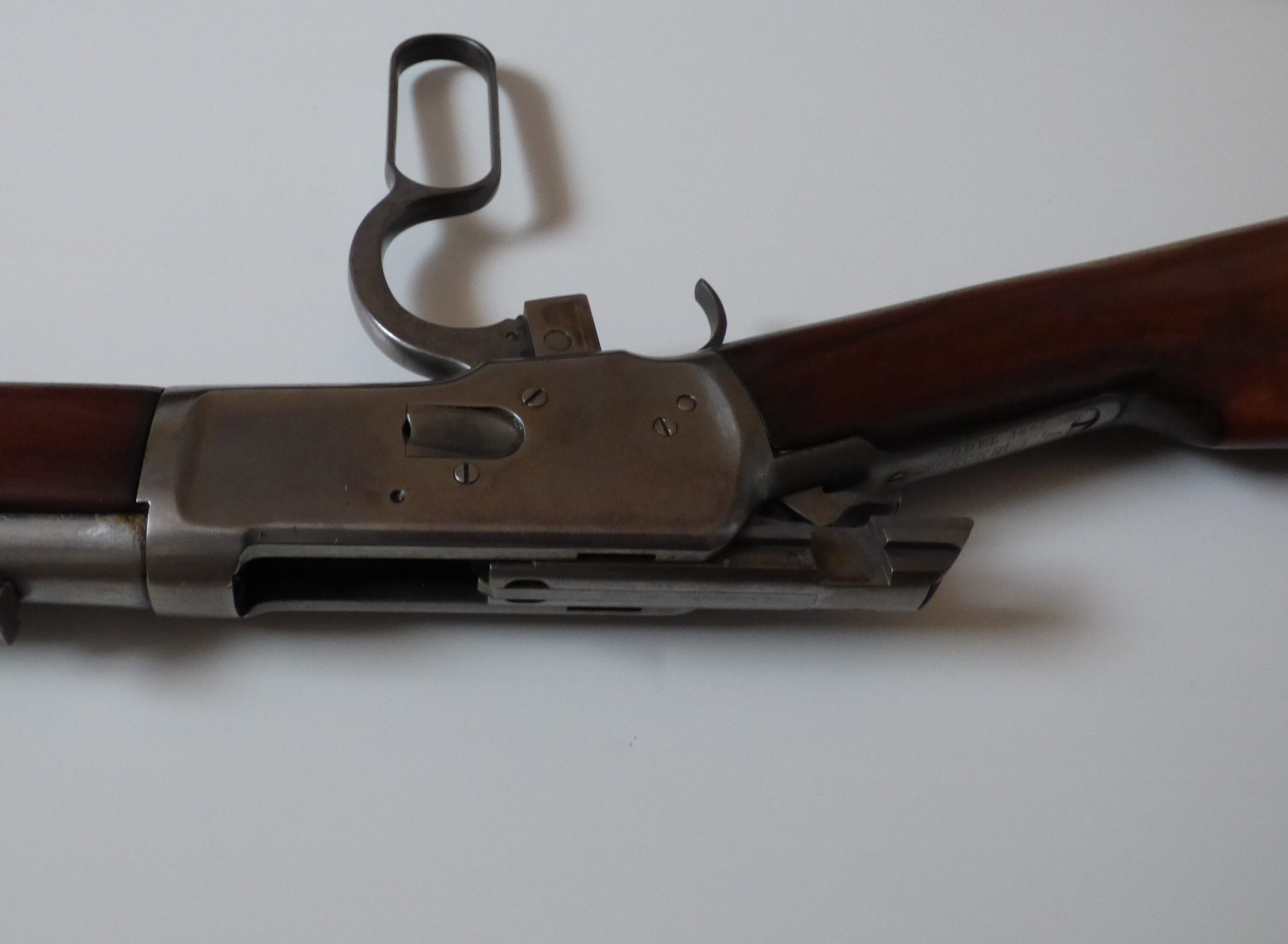
Western films transformed the Winchester Model 1892 into a symbol of frontier justice. Its lever-action operation became a rhythmic visual element, reinforcing tension and release. Audiences associated the rifle with independence and survival. The distinctive motion of cycling added drama to even quiet scenes. Hollywood romanticized its use, tying it to rugged landscapes and moral clarity. While many rifles existed in the era, the Winchester became the one that audiences remembered. Cinema elevated it from a tool to a legend.
8. Glock 17
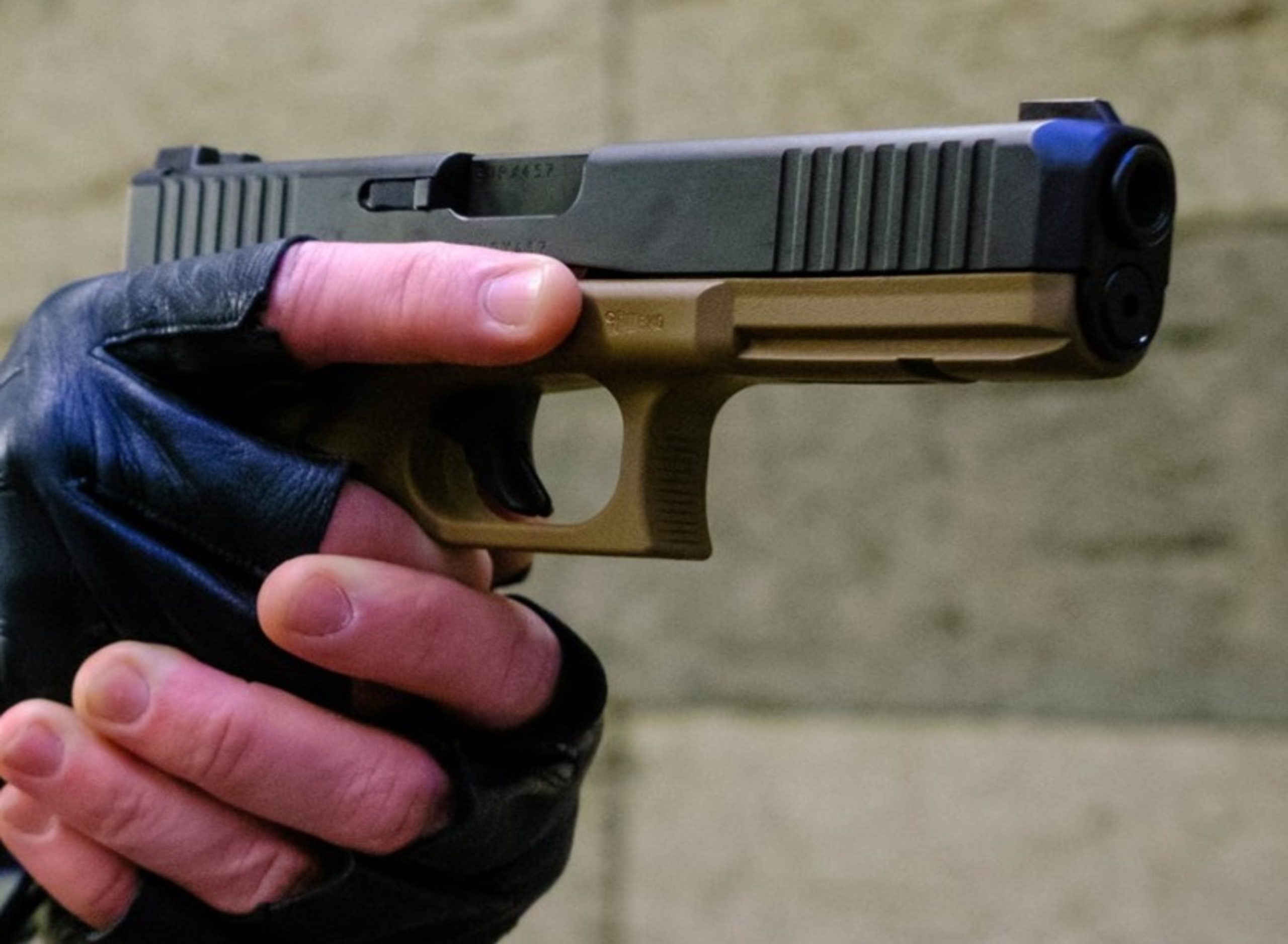
The Glock 17 rose to prominence during a shift toward modern realism in action films. Its polymer frame and minimalist design represented efficiency and practicality. Filmmakers used it to portray contemporary law enforcement and military units. The Glock’s understated appearance contrasted with older cinematic guns, signaling a new era. Audiences began to recognize it as the standard sidearm of modern professionals. Repeated exposure solidified its reputation. Hollywood helped normalize the Glock as the default modern pistol.
9. Remington 870
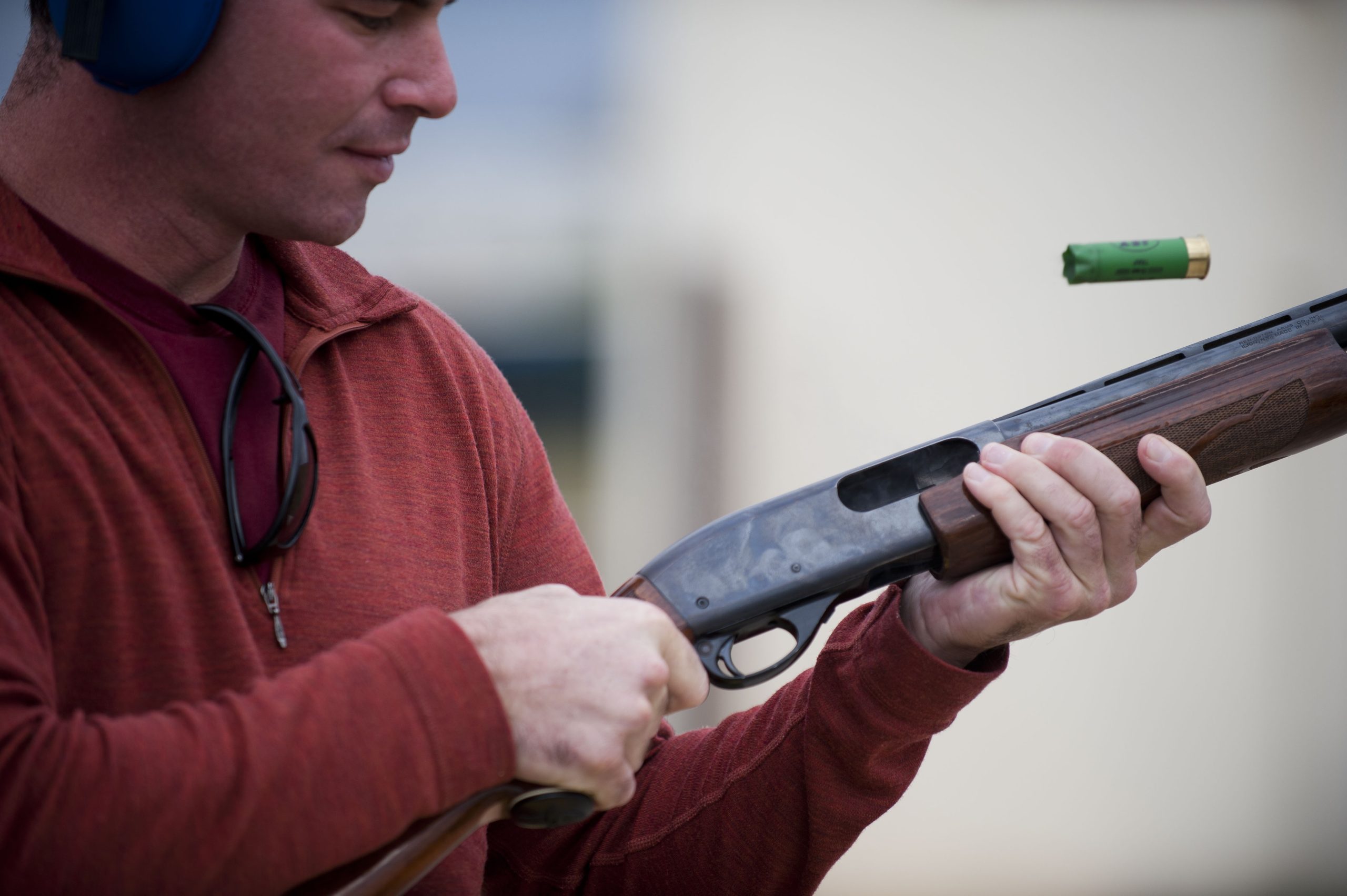
The Remington 870 became a staple of suspense and action films through its unmistakable presence. The sound of its pump-action cycling became a cinematic cue for impending conflict. Directors used that sound to build tension before a single shot was fired. Audiences learned to associate it with authority and finality. The shotgun’s versatility made it ideal for diverse scenes. Hollywood emphasized its reliability and power. The 870’s fame is inseparable from its cinematic role.
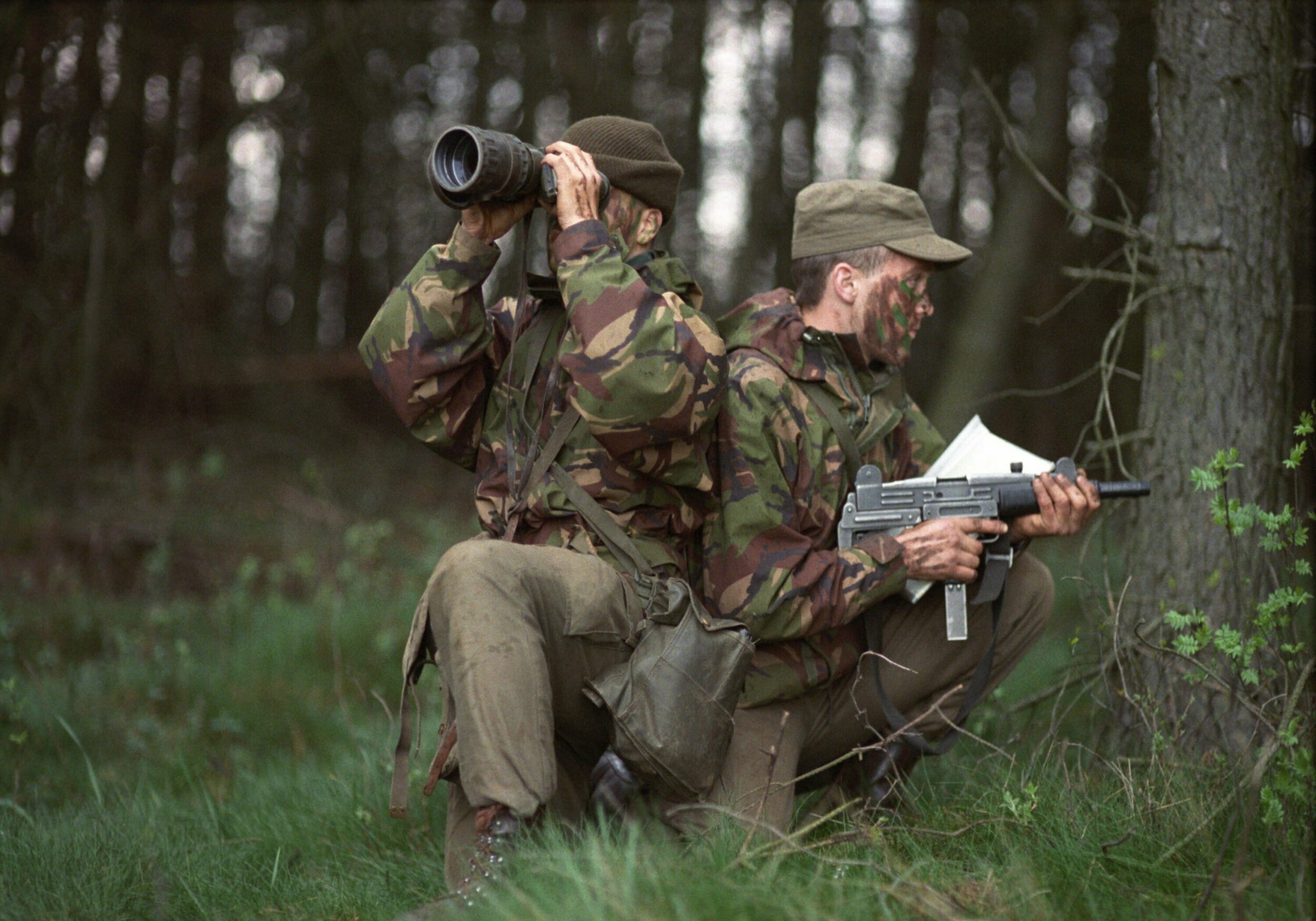
10. Uzi Submachine Gun
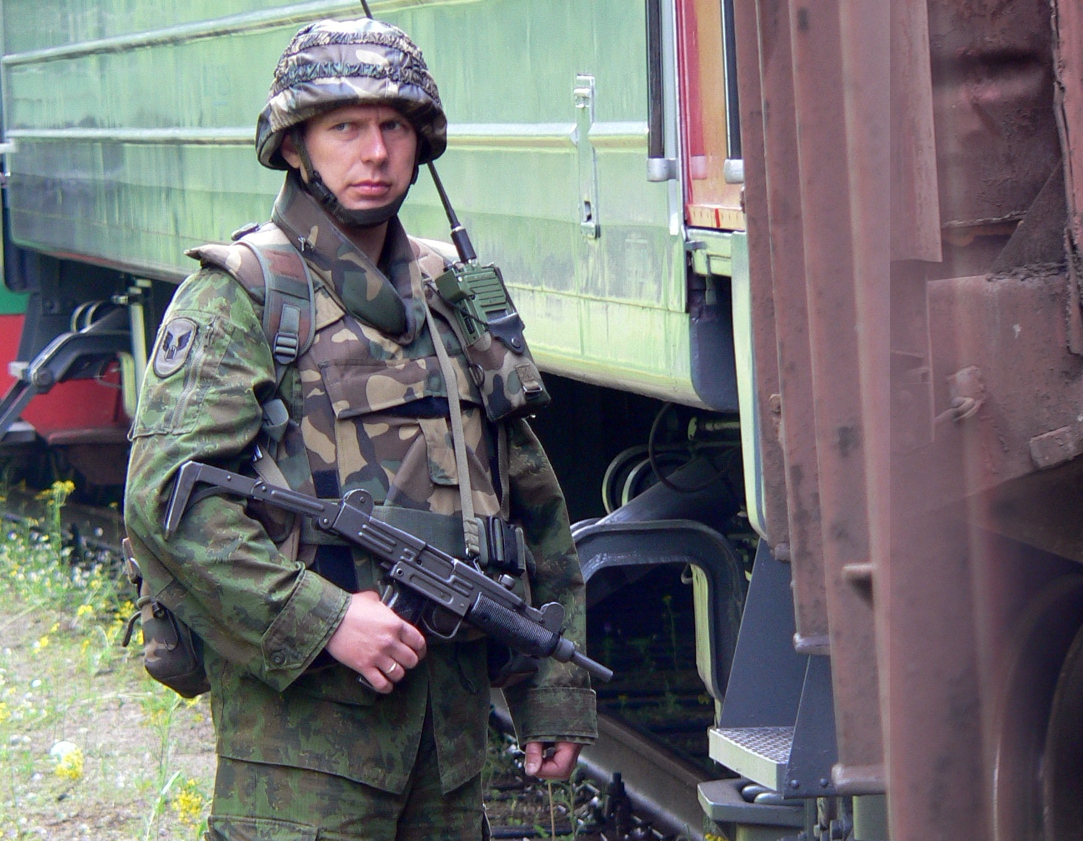
The Uzi gained fame through its compact shape and association with fast-paced action sequences. Movies used it to convey modernity and aggression. Its distinctive silhouette made it easy to recognize even in chaotic scenes. Filmmakers often paired it with high-energy characters or dramatic entrances. While its real-world role was specific, cinema broadened its image. Audiences came to view the Uzi as a symbol of rapid-fire intensity. Hollywood ensured its lasting recognition.