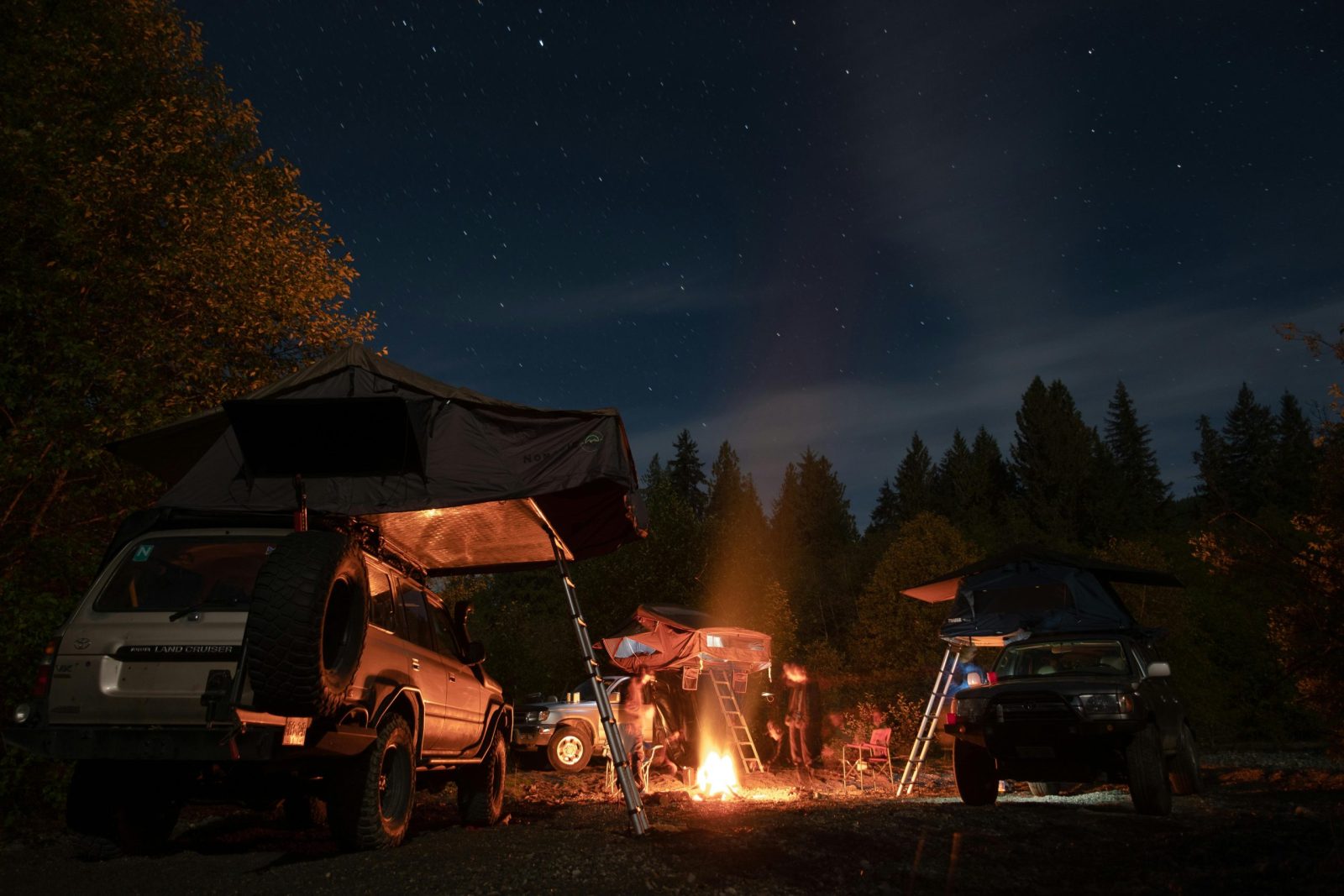
Discovering that these camping spots are overhyped helps every modern outdoor enthusiast avoid common travel disappointments during the busy summer season. Many iconic destinations suffer from extreme overcrowding and excessive noise levels that often diminish the peaceful experience most people seek in nature. High reservation fees and strictly regulated environments can also make a spontaneous journey feel more like a commercial chore rather than a true escape. Selecting lesser-known regional gems allows travelers to enjoy a more authentic connection with the beautiful wilderness without the heavy crowds. This guide explores why some popular locations frequently underdeliver.
Yosemite Valley California
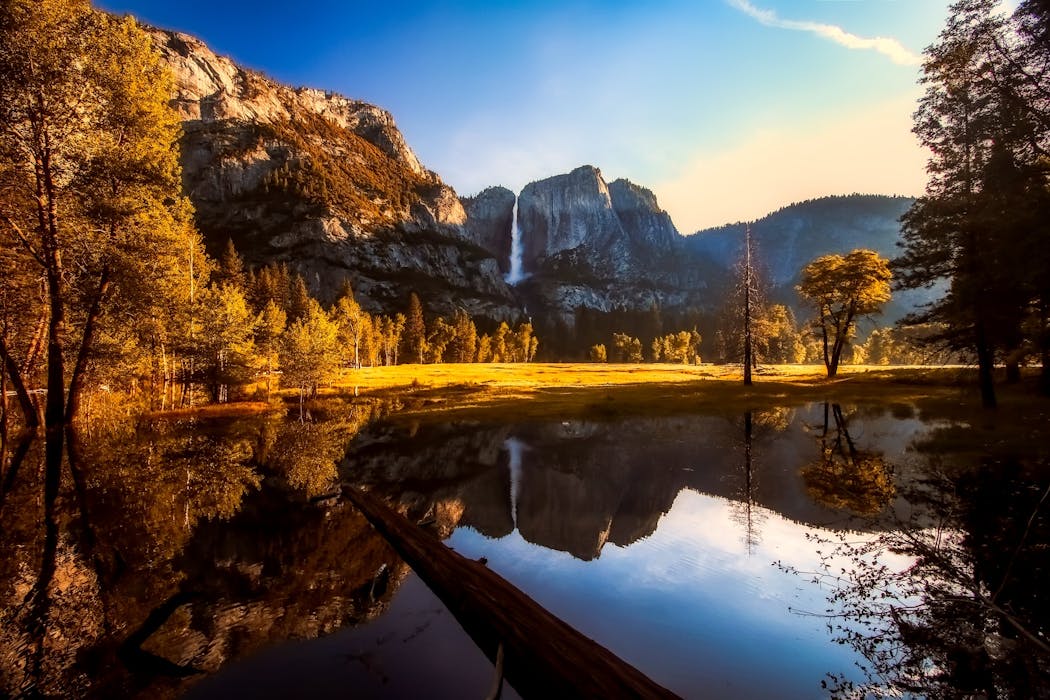
Yosemite Valley often feels more like a crowded city center rather than a tranquil wilderness retreat during the peak of summer. Thousands of visitors swarm the narrow roads and famous viewpoints, which creates significant traffic congestion and long wait times for basic services. The constant noise from nearby campers and the bright lights of large vehicles can easily disrupt the quiet atmosphere of the forest. While the granite cliffs remain undeniably stunning, the sheer volume of people makes finding any sense of solitude nearly impossible today. Many seasoned hikers prefer exploring the much quieter high country wilderness regions instead.
Grand Canyon Mather Campground
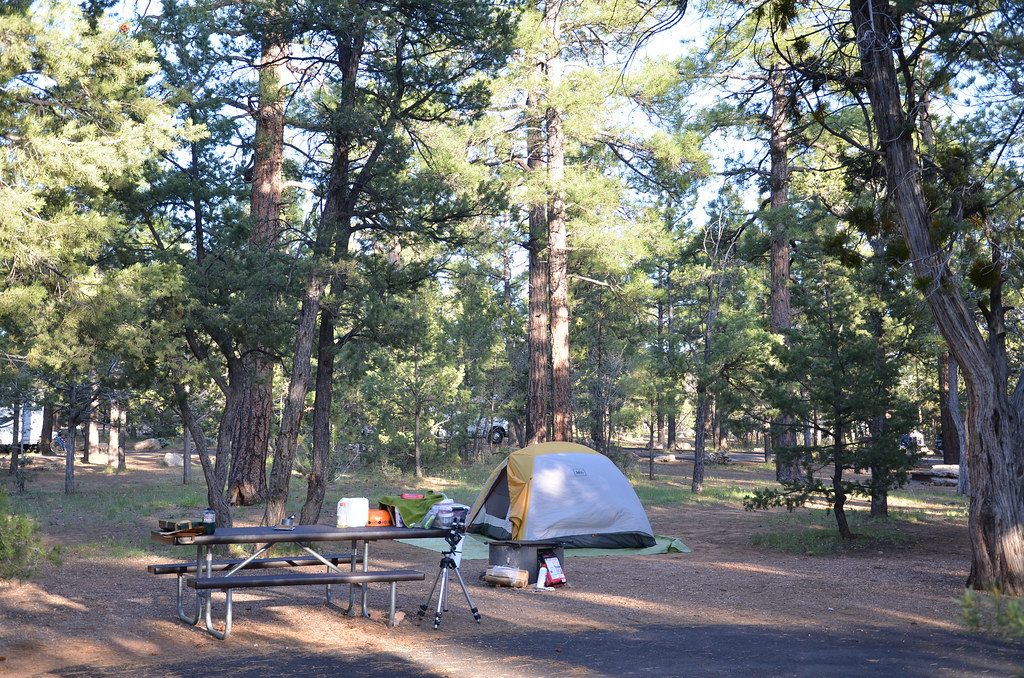
Mather Campground at the Grand Canyon frequently suffers from a lack of privacy and a very high level of human activity. The sites are often packed tightly together, which allows every conversation and mechanical sound from neighbors to carry through the thin tent walls. Because this location sits near the main visitor center, the constant arrival of large tour buses and shuttle vehicles creates a restless environment. Many travelers find that the experience feels far too commercialized and lacks the rugged charm expected from such a legendary landmark. Seeking remote dispersed sites outside the main park boundaries offers more.
Zion South Campground
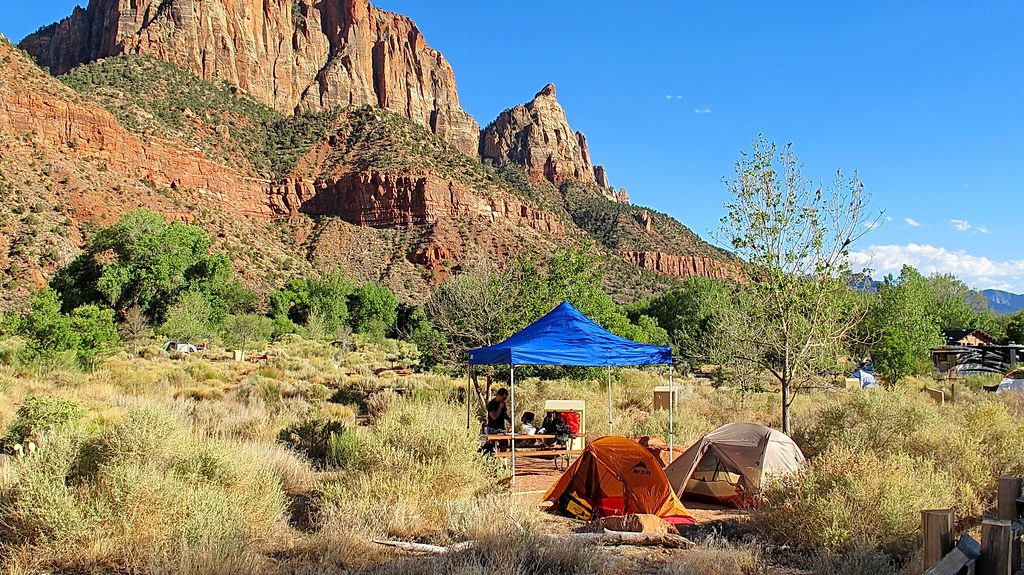
South Campground in Zion National Park struggles with extreme heat and a lack of significant natural shade for most visitors. The intense desert sun can make staying at the site during the middle of the day an incredibly uncomfortable and draining experience. Because the park utilizes a busy shuttle system, the noise of moving vehicles is a constant presence throughout the entire morning and evening. The high demand for reservations means that every spot is occupied, which leads to a cramped and very busy atmosphere. Exploring the less crowded sections of the Kolob Canyons provides a much better alternative.
Joshua Tree Hidden Valley
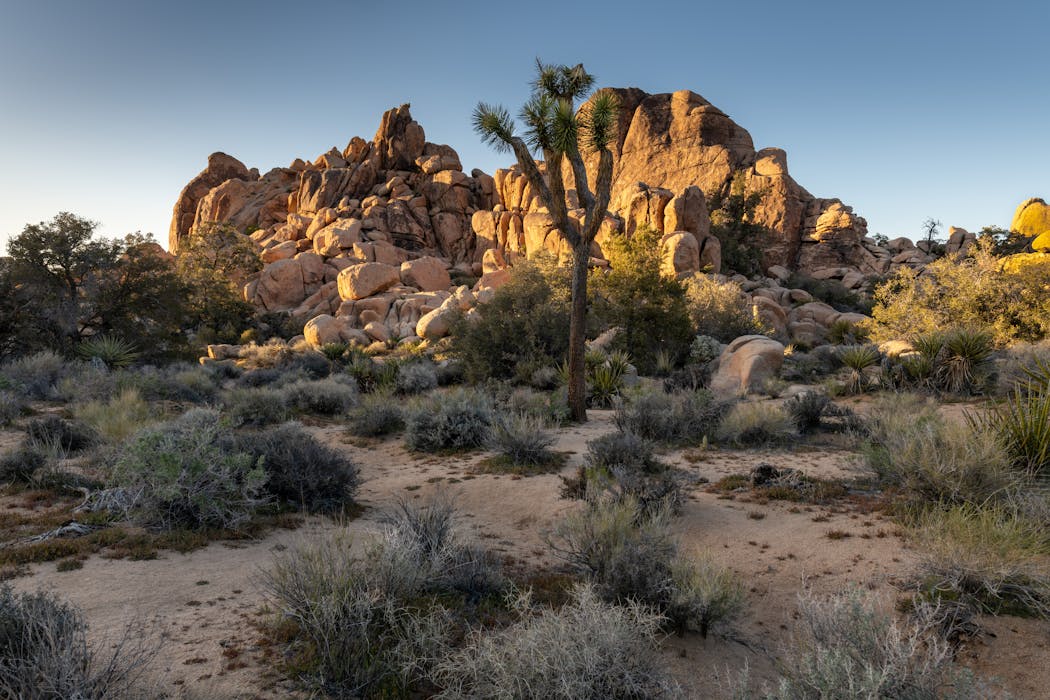
Hidden Valley in Joshua Tree National Park is notoriously difficult to secure due to its immense popularity among rock climbers. While the surrounding rock formations are beautiful, the campground remains consistently crowded and loud throughout the entire climbing season. The lack of water and very limited facilities can be a significant drawback for those who are not prepared for a rugged experience. Many people find that the social scene overshadows the natural beauty and the quiet solitude of the vast desert. Nearby Bureau of Land Management areas offer similar scenery with far fewer neighbors and more.
Yellowstone Madison Campground
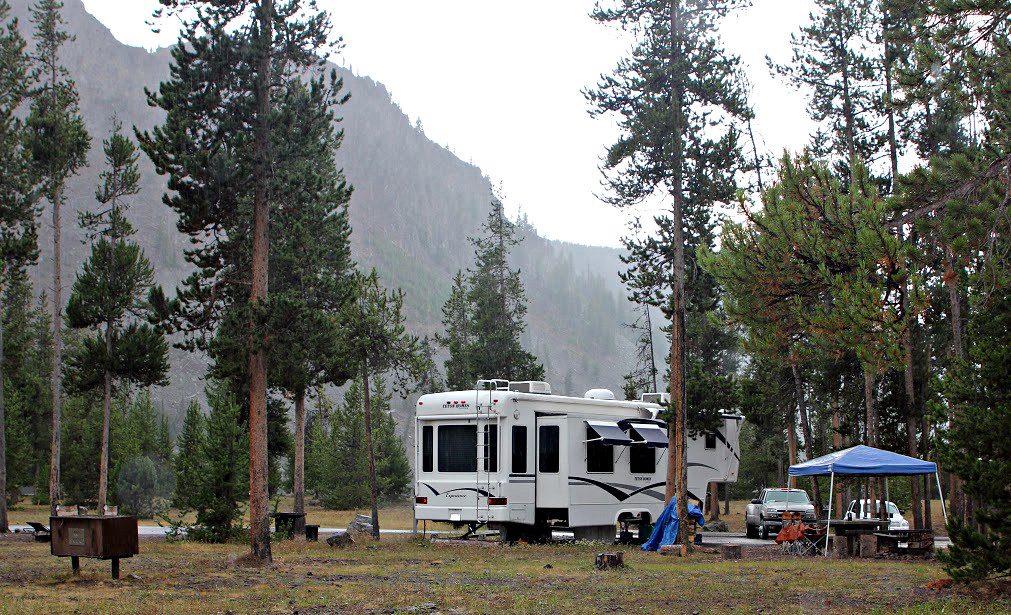
Madison Campground in Yellowstone National Park often serves as a noisy hub for large groups and families traveling in massive motorhomes. The proximity to major roads means that the sound of passing traffic is audible at almost any hour of the day or night. With hundreds of sites situated in a relatively small area, the sense of being in a wild and untouched environment is significantly diminished. Many visitors report that the facilities struggle to keep up with the high volume of people during the mid-summer months. Seeking smaller and more remote campgrounds provides a better experience.
Acadia Blackwoods Campground
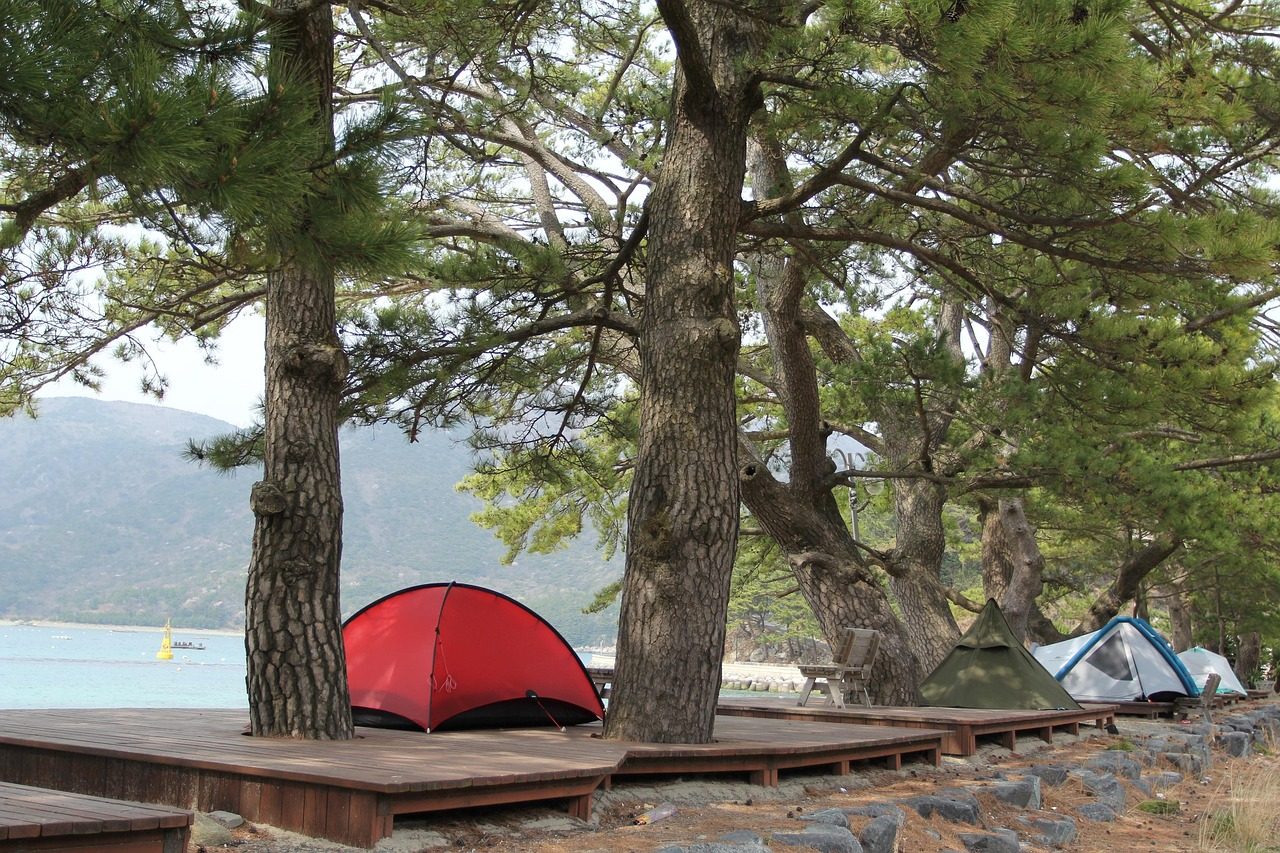
Blackwoods Campground in Acadia National Park remains incredibly busy due to its convenient access to the popular Ocean Path and various trailheads. The dense forest canopy provides shade, but it also keeps the area feeling damp and dark during the foggy coastal mornings. Because the sites are located close together, the smoke from numerous campfires can become overwhelming and irritate those with sensitive lungs. The constant influx of travelers arriving and departing creates a feeling of being in a high-turnover transit center. Exploring the quieter Schoodic Peninsula offers a more peaceful and truly scenic coastal.
Glacier Fish Creek Campground
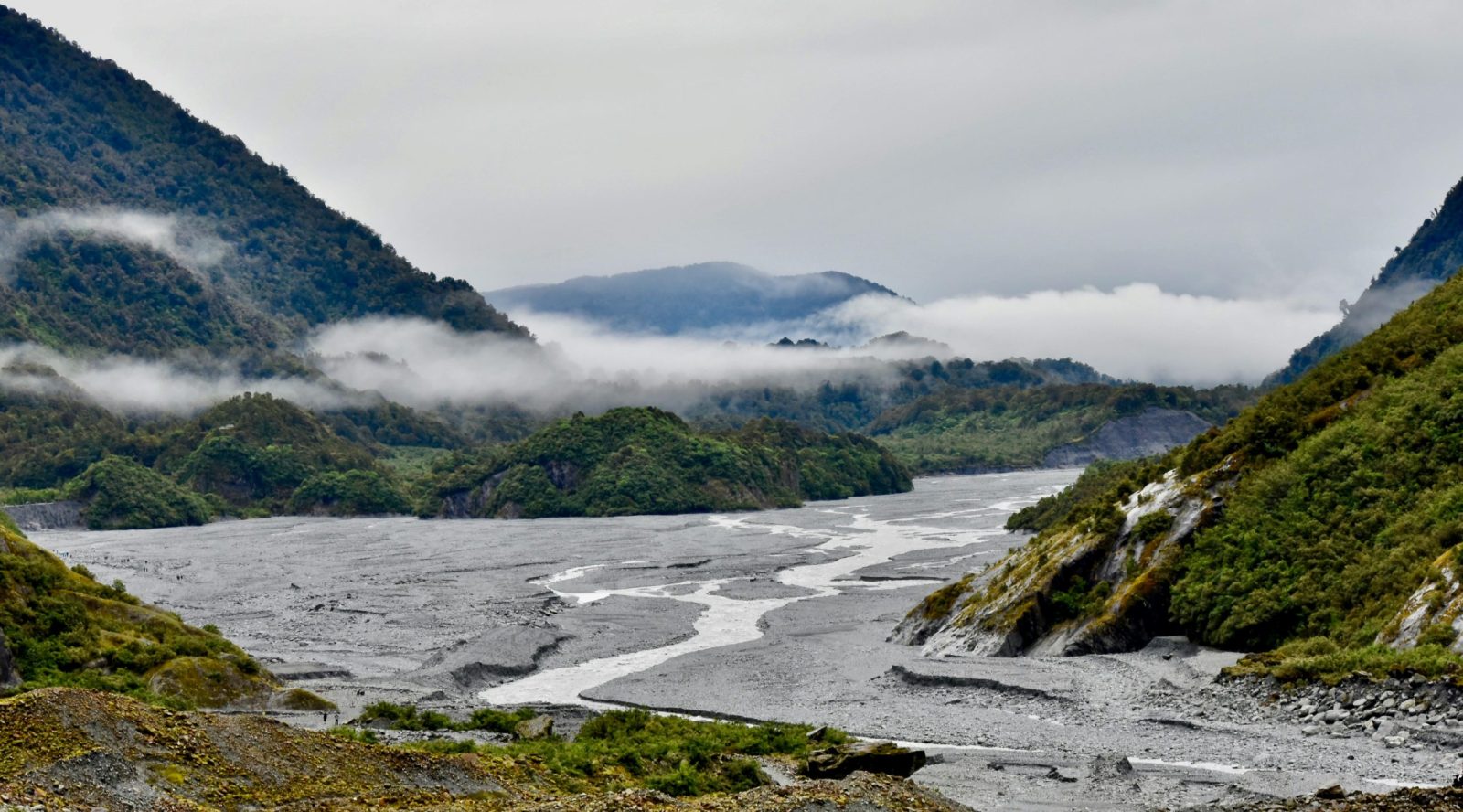
Fish Creek Campground in Glacier National Park offers beautiful views of Lake McDonald, but the heavy tree cover limits sunlight significantly. This environment often leads to a high population of mosquitoes and other biting insects that can make outdoor activities quite miserable. The large size of the campground means that there is a constant flow of pedestrians and vehicles moving past every single site. Many travelers find that the busy atmosphere detracts from the majestic and quiet beauty of the surrounding mountains. Opting for the more remote campgrounds on the east side provides better.
Great Smoky Mountains, Elkmont
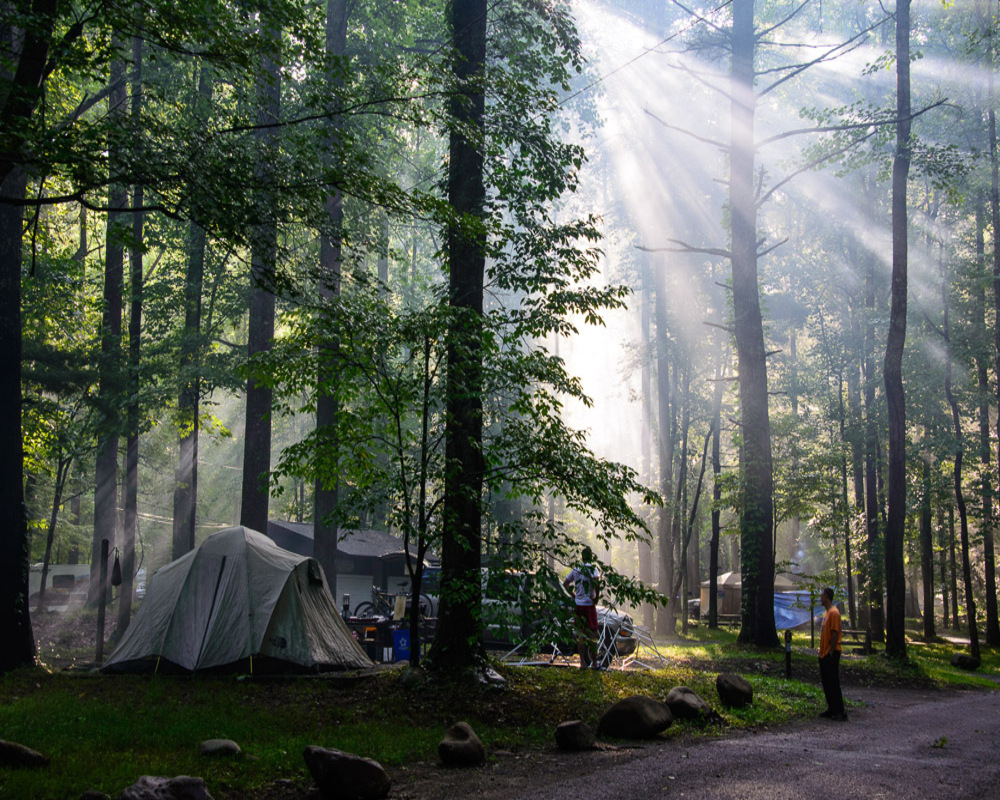
Elkmont Campground in the Great Smoky Mountains is often overwhelmed by its own history and the high volume of seasonal visitors. The area is famous for the synchronous fireflies, which draw massive crowds that require a complex lottery system for entry. During the rest of the year, the campground remains a noisy and very active place with limited privacy between the individual sites. The humidity and the frequent rainfall in this region can make camping in a tent a damp and challenging experience. Many hikers find better solitude by backpacking into the higher elevations away from roads.
Rocky Mountain Moraine Park
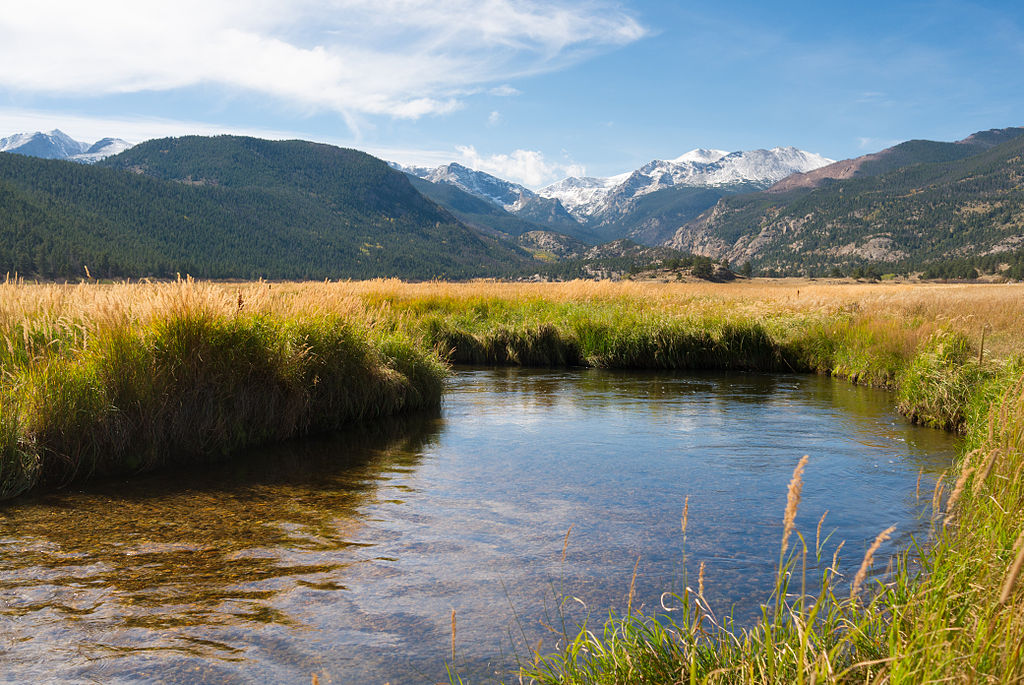
Moraine Park in Rocky Mountain National Park provides expansive views, but it lacks the intimate and secluded feel of smaller sites. The open landscape means that every neighboring tent and vehicle is visible, which eliminates any sense of personal privacy in the wild. High winds can frequently sweep through the valley and make setting up gear or cooking a very difficult task for campers. Because it is one of the most accessible areas, the level of human traffic is consistently high throughout the entire year. Seeking higher elevation campgrounds often results in a much more rewarding and quieter experience.
Arches Devils Garden
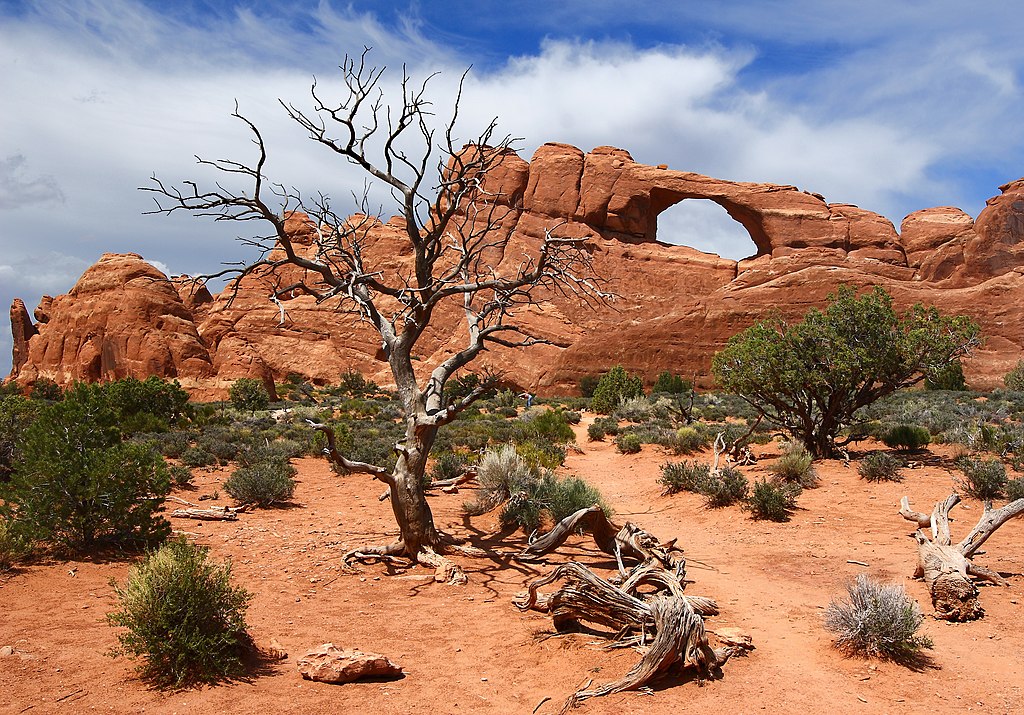
Devils Garden in Arches National Park is the only campground within the park boundaries, which makes it an extremely high-demand location. The pressure to secure a spot often leads to a very competitive and stressful planning process for many hopeful travelers. Once there, the constant movement of hikers heading to the nearby arches creates a restless and very busy environment during the day. The desert heat and the lack of substantial shade can make the experience physically taxing for those who are not well prepared. Visiting the nearby canyons outside the park offers a similar desert.