When people think of the deadliest weapon ever created, the atomic bomb often comes to mind. Its explosive force and historical devastation left a permanent mark on humanity. Yet many experts argue that true deadliness is not measured by a single moment of destruction, but by long-term impact, invisibility, and the ability to reshape societies over generations. Some weapons do not arrive with fire or light. Instead, they spread quietly, erode stability, and leave damage that is harder to measure and harder to reverse. This list explores ten forms of weapons that experts often describe as more dangerous than nuclear arms, not because of spectacle, but because of scale, persistence, and the profound way they alter human life and global balance.
Biological Warfare

Biological warfare is often considered deadlier than atomic weapons because of its potential for uncontrolled spread. Unlike a nuclear blast, a biological agent does not remain confined to a single location. Once released, it can move silently through populations, crossing borders without detection. Experts emphasize that diseases can overwhelm healthcare systems, destabilize economies, and cause prolonged fear. The long incubation periods make early response difficult, allowing damage to multiply before containment begins. Another critical factor is mutation, which can increase lethality over time. The psychological toll is immense, as people fear everyday contact. This combination of invisibility, scalability, and persistence makes biological weapons uniquely dangerous in the modern world.
Chemical Weapons
Chemical weapons earn their place on this list due to their ability to inflict mass casualties without destroying infrastructure. Toxic agents can linger in air, water, and soil, creating long-term health crises long after deployment. Experts note that chemical exposure often causes slow, painful injuries rather than instant death, overwhelming medical resources for years. Survivors may suffer permanent neurological or respiratory damage, affecting entire generations. Unlike nuclear weapons, chemical agents can be deployed covertly, increasing fear and mistrust. Their relatively low cost and ease of concealment raise global security concerns—the lasting environmental contamination and human suffering place chemical weapons among the most destructive tools ever devised.
Weaponized Pandemics
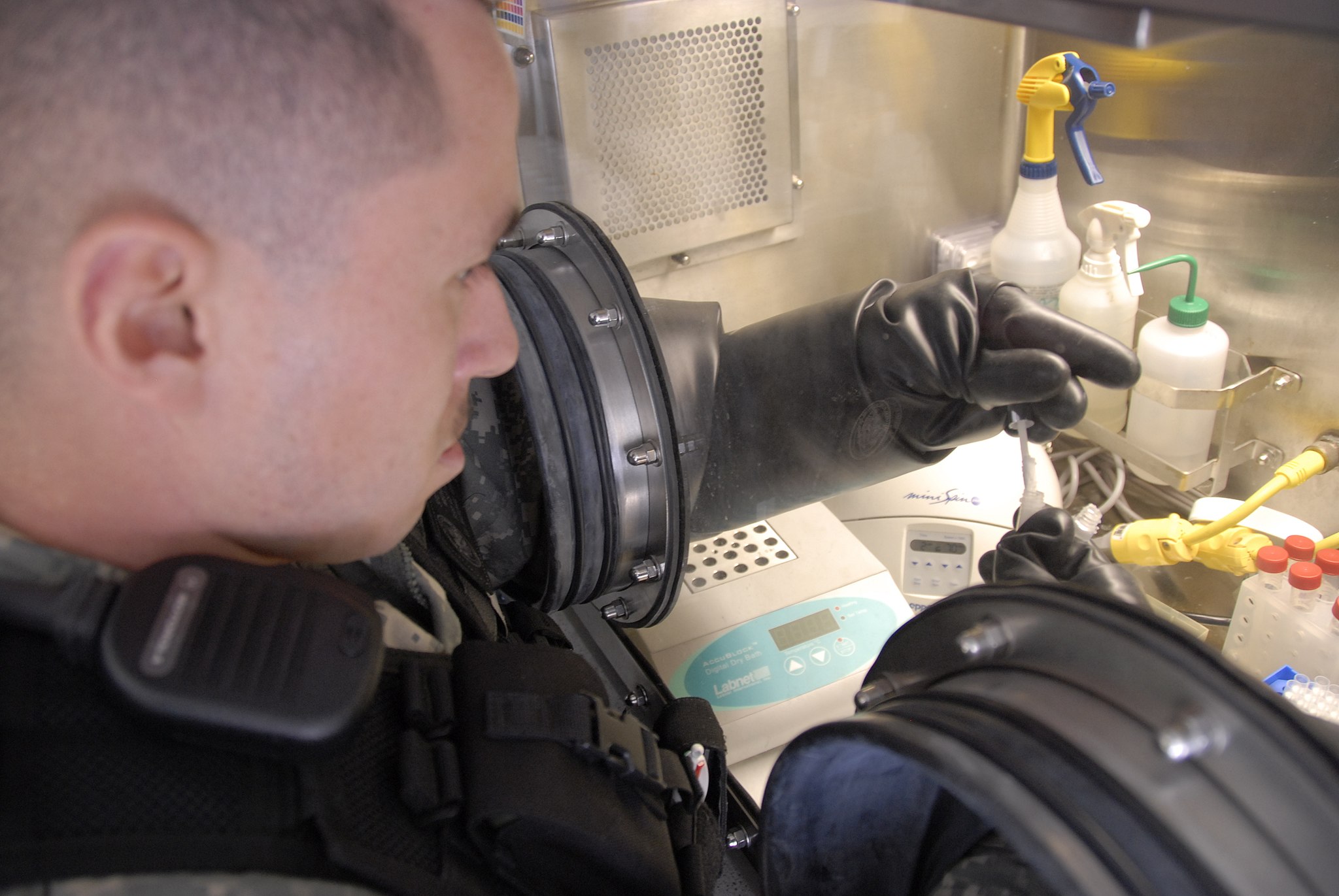
A weaponized pandemic represents a nightmare scenario where disease becomes a strategic tool. Experts argue that pandemics can kill more people than any bomb ever could, simply through scale and time. Global travel accelerates the spread, turning local outbreaks into worldwide crises. The economic damage often surpasses physical destruction, disrupting food supply chains, employment, and healthcare access. Unlike conventional weapons, pandemics do not respect ceasefires or treaties. Fear becomes a secondary weapon, altering behavior and trust within societies. The long recovery period further compounds damage. The ability of pandemics to reshape the world silently makes them profoundly more dangerous than atomic explosions.
Cyber Weapons

Cyber weapons lack physical explosions, yet their impact can rival or exceed nuclear damage. Experts point out that modern societies depend heavily on digital infrastructure. A large-scale cyberattack can shut down power grids, financial systems, hospitals, and transportation networks simultaneously. Unlike bombs, cyber weapons can be deployed repeatedly without rebuilding costs. Attribution is difficult, increasing the risk of global instability and retaliation. Civilian life becomes immediately vulnerable as essential services collapse. The damage spreads quickly and invisibly, often before defenses react. Because recovery depends on trust and data integrity, the long-term consequences can be severe. Cyber warfare proves that destruction no longer requires physical force.
Psychological Warfare
Psychological warfare is deadly in a slower but deeply transformative way. Experts describe it as a weapon that targets perception rather than bodies. By spreading fear, misinformation, and hopelessness, it weakens societies from within. Over time, trust in institutions erodes, communities fracture, and decision-making becomes irrational. Unlike nuclear weapons, psychological warfare does not end when the attack stops. Its effects can persist for generations, shaping beliefs and behaviors. This form of warfare is difficult to defend against because it blends into everyday communication. The ability to destabilize nations without firing a shot makes psychological warfare one of the most dangerous tools ever developed.
Environmental Destruction as a Weapon
Environmental destruction becomes a weapon when ecosystems are deliberately damaged to harm populations. Experts note that poisoning water supplies, destroying farmland, or triggering ecological collapse can cause mass suffering without direct violence. The effects are long-term and often irreversible. Food shortages, forced migration, and disease follow environmental damage, destabilizing entire regions. Unlike nuclear fallout, environmental harm can spread gradually and go unnoticed until recovery is impossible. The human cost grows over decades rather than moments. By targeting the foundations of survival, this form of warfare threatens future generations. Its quiet persistence makes it more devastating than any single explosive event.
Economic Warfare
Economic warfare aims to cripple nations by targeting financial systems rather than cities. Experts argue that severe economic collapse can lead to starvation, civil unrest, and widespread mortality. Sanctions, trade disruption, and currency manipulation can destroy livelihoods on a massive scale. Unlike nuclear attacks, economic warfare often appears bloodless at first, masking its true impact. Over time, healthcare deteriorates, infrastructure fails, and life expectancy drops. Recovery can take generations. The pressure on civilians is immense, yet responsibility is often unclear. This indirect destruction of human life places economic warfare among the most lethal modern weapons.
Autonomous Weapons Systems
Autonomous weapons systems raise fears because they remove human judgment from life-and-death decisions. Experts warn that systems capable of selecting and engaging targets independently could escalate conflicts rapidly. Errors or misidentification can cause mass casualties without accountability. Unlike nuclear weapons, which require deliberate authorization, autonomous systems can act within seconds. Their scalability increases risk, as many units can operate simultaneously. The moral and legal challenges complicate restraint and regulation. Once deployed widely, controlling outcomes becomes difficult. The speed and unpredictability of autonomous weapons make them potentially deadlier than traditional weapons of mass destruction.
Information Warfare
Information warfare targets truth itself, making it one of the most dangerous modern weapons. Experts explain that manipulating narratives can influence elections, incite violence, and destabilize governments. When populations cannot distinguish fact from fiction, social cohesion collapses. Unlike nuclear weapons, information warfare leaves no physical damage to rebuild, only fractured trust. Its effects spread through social networks rapidly and persist long after campaigns end. Societies weakened by misinformation become vulnerable to further conflict. The cumulative damage undermines democracy and peace. By reshaping reality, information warfare can cause lasting harm without visible destruction.
Climate Change Weaponization
Climate change becomes weapon-like when its impacts are exploited or accelerated for strategic gain. Experts warn that rising temperatures, extreme weather, and sea-level rise already displace millions. When these effects intersect with political instability, they magnify conflict and mortality. Unlike atomic bombs, climate impacts are continuous and global. Food insecurity, water scarcity, and disease spread intensify over time. Recovery is slow and uneven. The threat affects every nation, regardless of borders. This slow-burning destruction alters the planet itself, making climate change one of the most devastating forces humanity has ever faced.