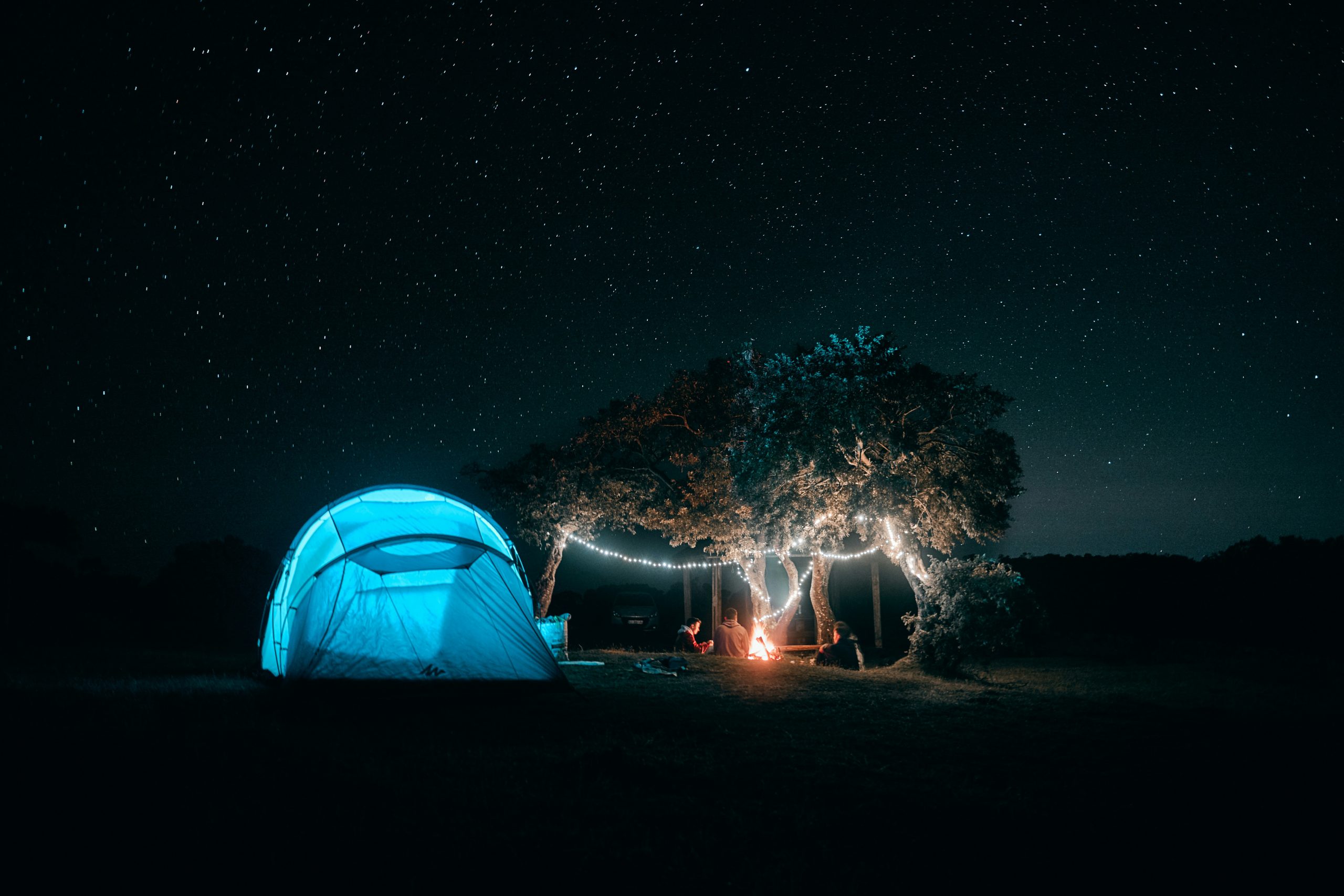
Most campers focus on gear, food, and weather, assuming established campgrounds are safe by default. The reality is that many serious injuries and emergencies happen not deep in the wilderness, but at familiar campsites. Campgrounds concentrate people, wildlife, fire, and equipment into small areas, creating risks that are often overlooked. These hazards rarely announce themselves until something goes wrong. From silent environmental dangers to everyday mistakes that escalate quickly, being unprepared can turn a relaxing trip into a crisis. Understanding these common campground threats allows you to prevent accidents before they happen and enjoy the outdoors with confidence instead of surprise.
1. Falling Branches and Unstable Trees

Dead branches and weakened trees are one of the most underestimated campground dangers. Known as widowmakers, these hazards can fall without warning, especially during wind, rain, or temperature shifts. Many campgrounds contain older trees stressed by disease, drought, or insect damage. Campers often pitch tents directly beneath them for shade or convenience. A falling branch can cause severe injury, crush gear, or destroy shelter instantly. Always look upward before setting camp. Cracked limbs, peeling bark, or leaning trunks are warning signs. Choosing a clear area may sacrifice shade, but it greatly reduces the risk of sudden impact injuries.
2. Campfire Burns and Uncontrolled Flames
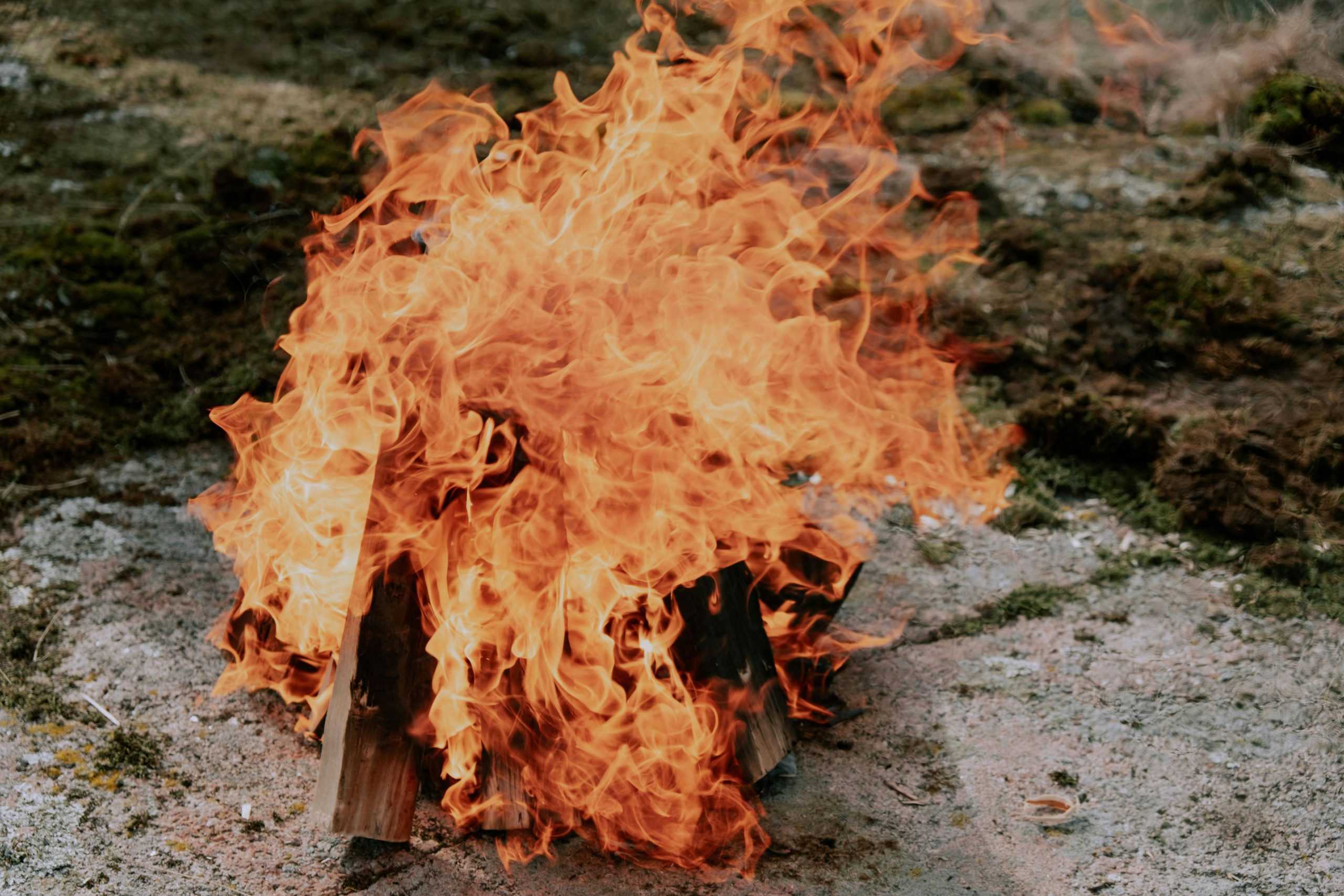
Campfires create warmth and comfort, but they are responsible for countless campground injuries every year. Burns often occur when people trip over unseen fire rings, mishandle hot cookware, or underestimate lingering embers. Fires can also spread rapidly if the wind changes direction or dry debris is nearby. Many campers leave fires unattended or assume water alone is enough to extinguish them. Hot ash can reignite hours later. Proper fire placement, clear surroundings, and constant supervision are essential. Fires should always be fully drowned, stirred, and cooled. Respecting fire prevents injuries, wildfires, and campsite destruction.
3. Wildlife Drawn to Food and Scents

Wildlife encounters are far more dangerous when animals associate campsites with food. Even small animals like raccoons can become aggressive, while larger wildlife poses a serious risk. Improper food storage attracts animals into proximity with people, often at night. Coolers, trash, and scented toiletries are common mistakes. Animals that lose fear of humans are unpredictable and dangerous. Secure all food in bear-resistant containers or vehicles as recommended. Never feed wildlife intentionally or accidentally. Keeping a clean campsite protects both campers and animals while preventing injuries, food loss, and forced wildlife removal by authorities.
4. Carbon Monoxide from Camp Equipment
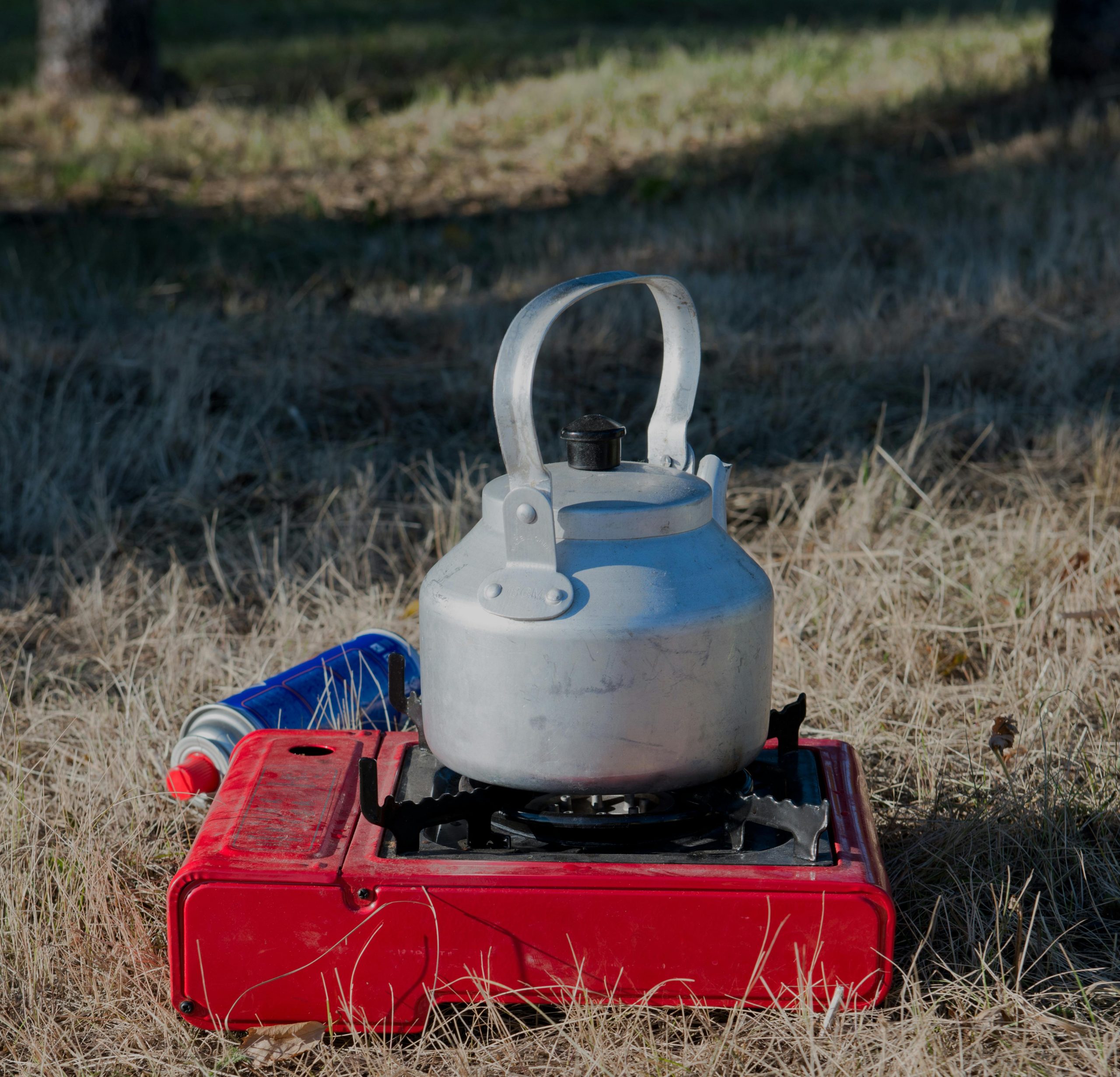
Carbon monoxide poisoning is a silent and deadly hazard in campgrounds. Portable stoves, grills, heaters, and generators can produce lethal gas even outdoors if used improperly. Many campers mistakenly use equipment inside tents, vehicles, or near enclosed spaces. Carbon monoxide has no smell, and symptoms often mimic fatigue orthe flu. By the time warning signs appear, it may already be dangerous. Always operate fuel-burning equipment far from enclosed areas and only as intended. Never use them while sleeping. Proper ventilation and strict equipment use rules are essential for preventing life-threatening exposure.
5. Dehydration and Heat-Related Illness

Campgrounds often give a false sense of security, causing people to underestimate hydration and sun exposure. Physical activity, heat, alcohol, and limited water access quickly lead to dehydration. Symptoms develop gradually and are often ignored until serious. Headaches, dizziness, confusion, and nausea can escalate into heat exhaustion or heat stroke. Shade, rest, and consistent water intake are critical, even in mild weather. Campers frequently rely on nearby water sources that may not be safe to drink. Always carry sufficient potable water and monitor your body closely to prevent avoidable medical emergencies.