Wilderness stories often pass from one generation to the next, shaping how people understand survival, safety, and nature itself. Many of these ideas sound logical or comforting, yet they conflict with established outdoor science and field experience. Rescue organizations and wilderness educators repeatedly encounter emergencies rooted in false assumptions rather than lack of effort. Myths about water, animals, navigation, and shelter can create confidence where caution is needed most. This article examines ten common wilderness myths that continue to circulate despite evidence to the contrary, explaining why each belief is dangerous and how misunderstanding natural systems can quickly escalate into life threatening situations outdoors.
Clear Water Is Always Safe To Drink
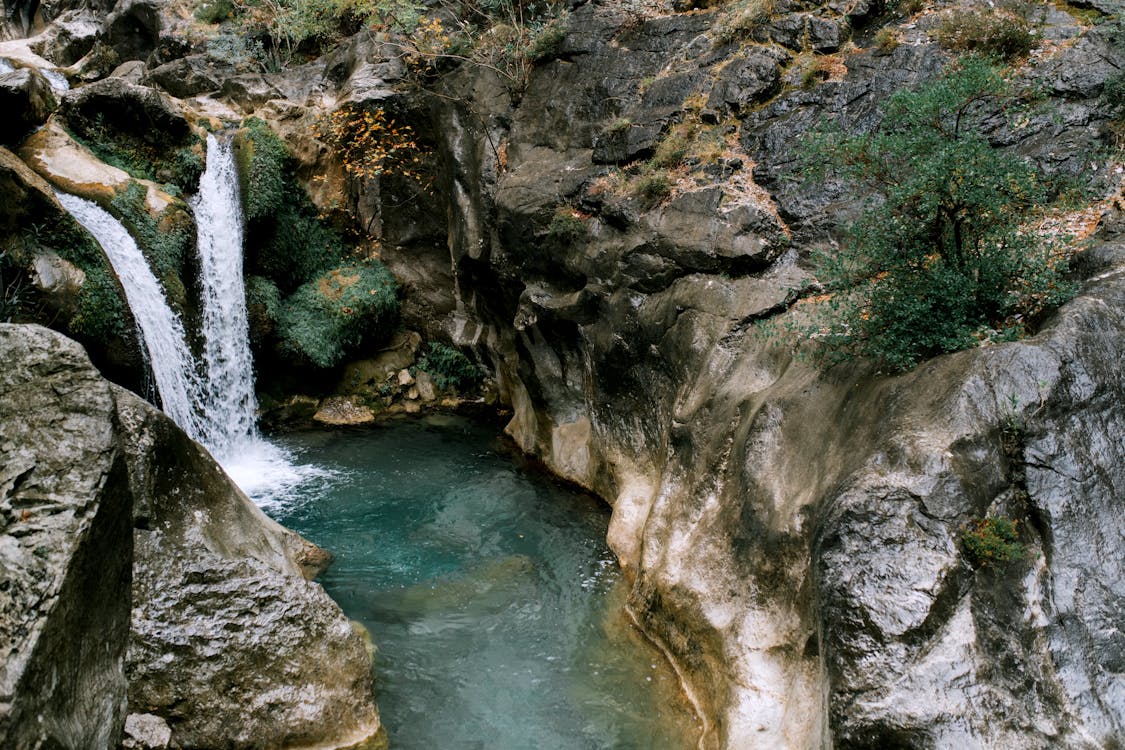
A widespread wilderness myth suggests that clear, flowing water is automatically safe to drink. In reality, harmful microorganisms such as Giardia, Cryptosporidium, and E. coli thrive in pristine looking streams and lakes. Wildlife defecation, upstream human activity, and soil runoff all contribute to contamination. These pathogens cannot be seen, smelled, or tasted. Health agencies document numerous illnesses linked to untreated wilderness water every year. Even remote, high elevation sources pose risk. This myth becomes deadly when dehydration pressures quick decisions. Proper filtration, boiling, or chemical treatment remains essential regardless of how pure water appears in natural settings.
Wild Animals Always Avoid Humans
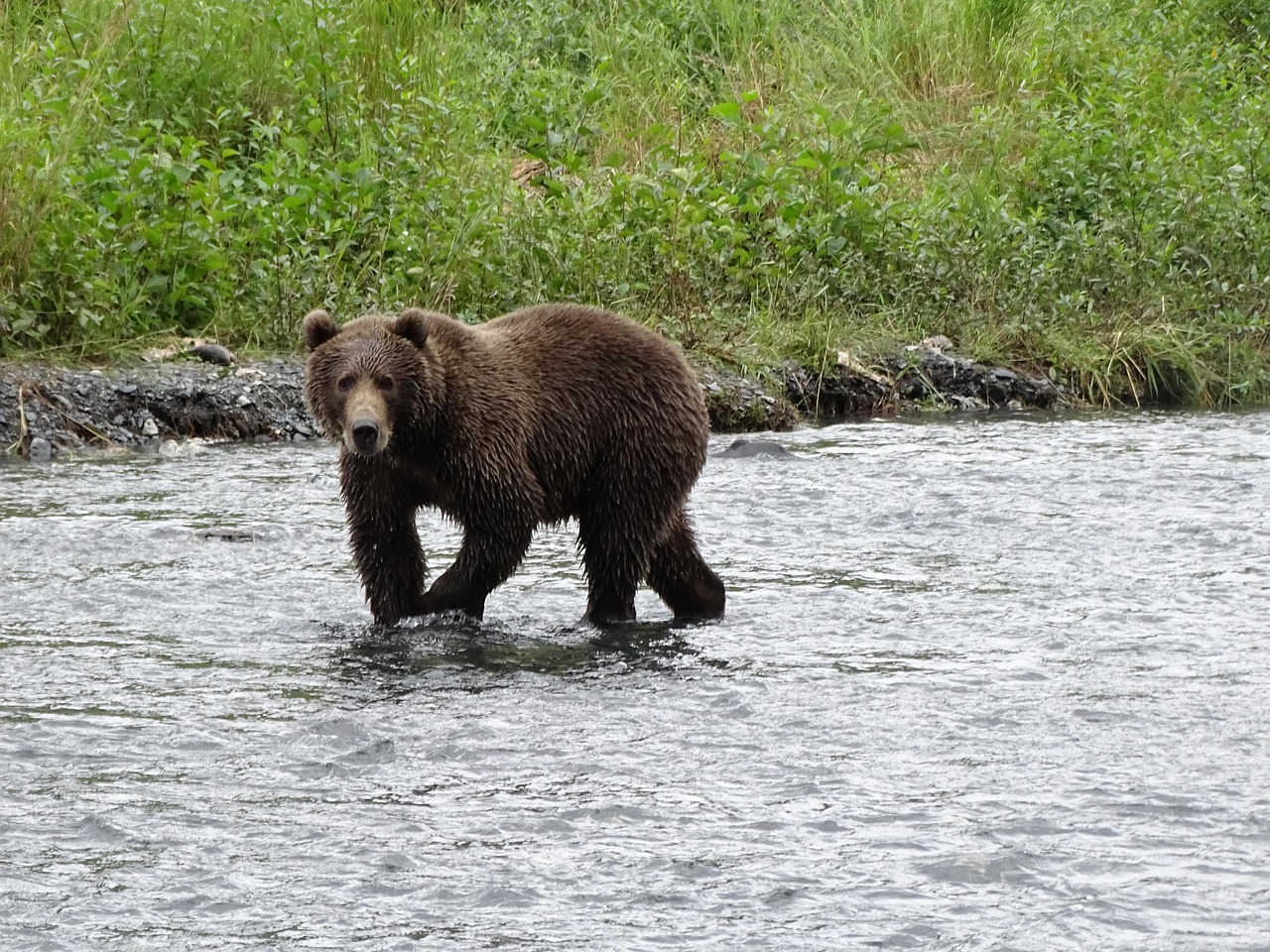
Many believe wild animals instinctively flee from humans, reducing danger during encounters. While avoidance often occurs, it is not guaranteed. Animals may defend territory, protect young, or investigate unfamiliar movement. Bears, moose, bison, and mountain lions have all injured people who assumed distance ensured safety. Habituation to human presence further reduces fear in some areas. Wildlife agencies emphasize that behavior varies by species, season, and circumstance. Assuming animals will retreat can delay defensive action or escape. Understanding animal behavior and maintaining safe distance matters far more than trusting this oversimplified belief in predictable reactions.
Moss Always Grows On The North Side
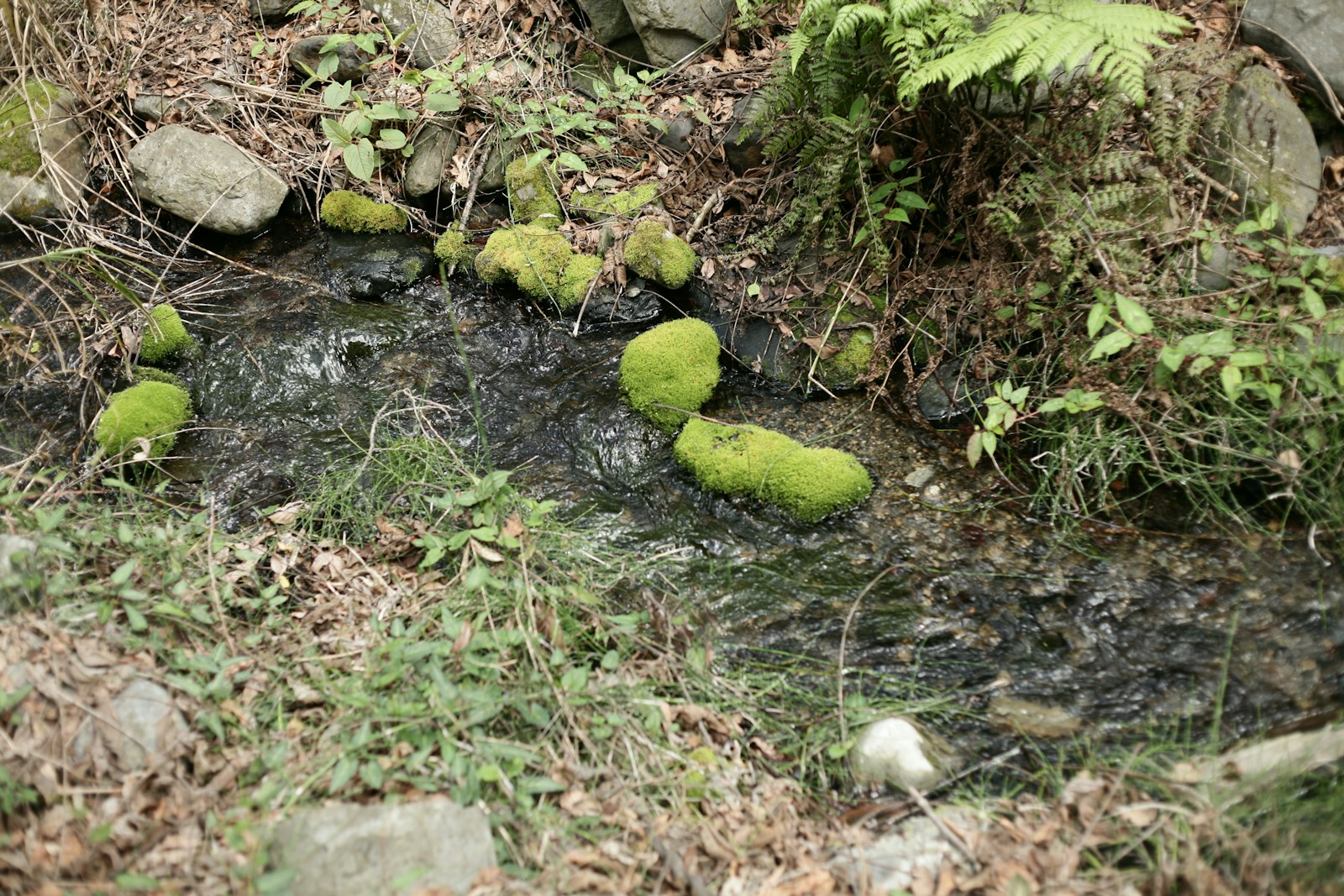
The idea that moss reliably grows on the north side of trees remains one of the most persistent navigation myths. In reality, moss growth depends on moisture, shade, tree species, and local climate. Moss can grow on any side of a tree where conditions allow. Relying on this myth for direction has contributed to numerous navigation errors. Wilderness navigation training consistently warns against using single indicators. Accurate orientation requires maps, compasses, terrain awareness, and multiple reference points. Trusting moss direction alone creates false confidence and increases the likelihood of becoming disoriented in unfamiliar terrain.
Getting Lost Means Walking In Circles
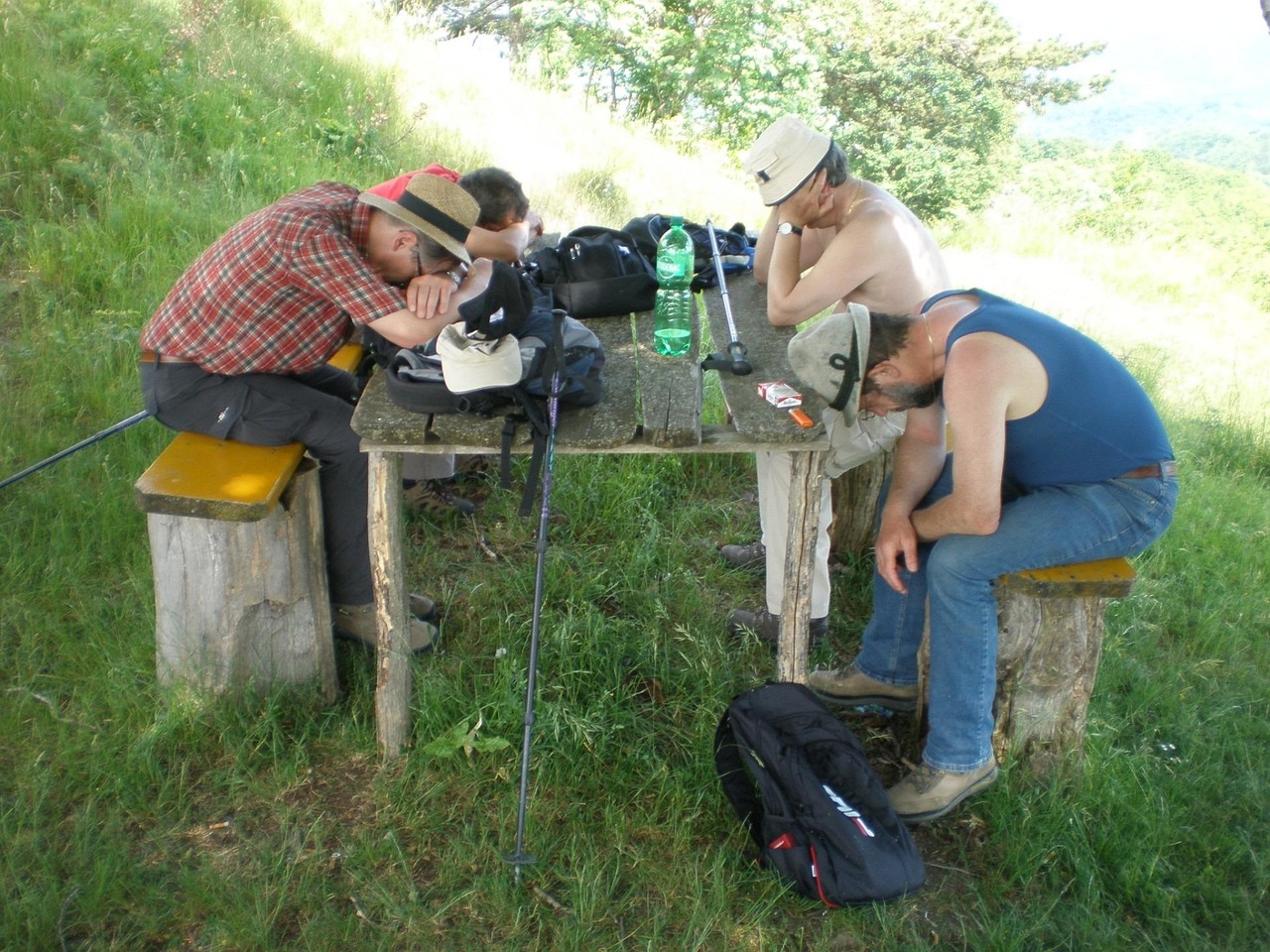
A common belief holds that people naturally walk in circles when lost. While slight directional drift can occur, the real danger lies in poor decision making after disorientation. Panic, fatigue, and terrain obstacles influence movement far more than innate circular patterns. Search and rescue studies show that lost individuals often travel long distances in straight but misguided routes. The myth distracts from effective strategies such as stopping, assessing location, and conserving energy. Understanding map reading and route planning reduces risk. Focusing on the circle myth oversimplifies a complex problem and encourages movement when stillness may improve survival chances.
Fire Is Easy To Start Anywhere
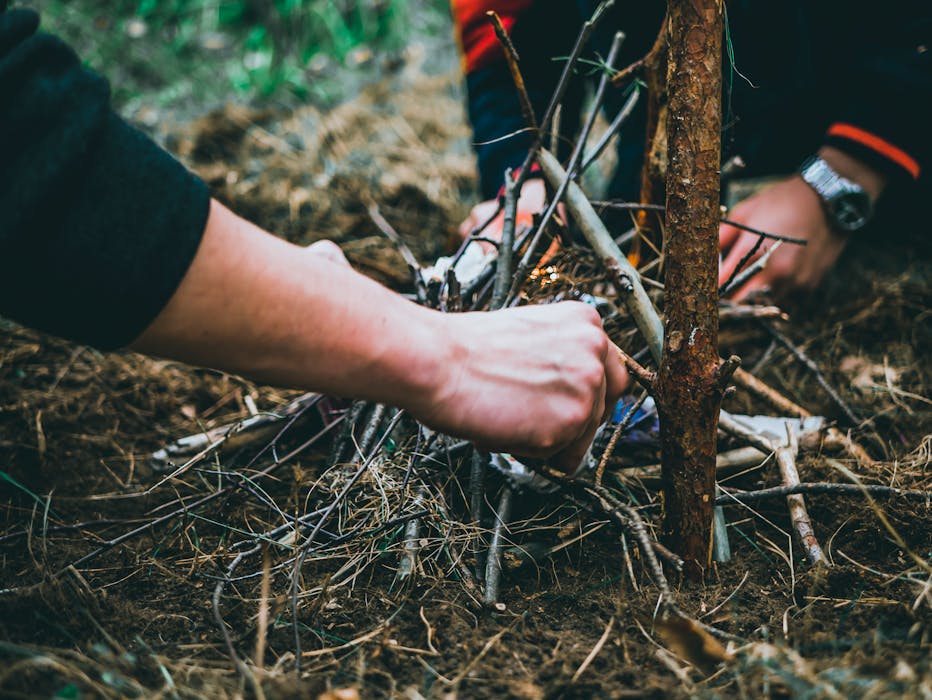
Movies and stories often portray fire starting as simple, even under poor conditions. In reality, fire requires proper tinder, fuel, oxygen, and technique. Wet environments, wind, cold temperatures, and limited materials make ignition difficult. Many survival situations escalate when fire fails, leading to hypothermia or inability to signal. Outdoor instructors emphasize practicing fire skills under varied conditions before relying on them. Assuming fire will always be possible creates dangerous overconfidence. Without preparation and backup methods, this myth can leave individuals exposed to cold nights and prevent essential tasks like water purification or morale stabilization.
Following A River Guarantees Safety
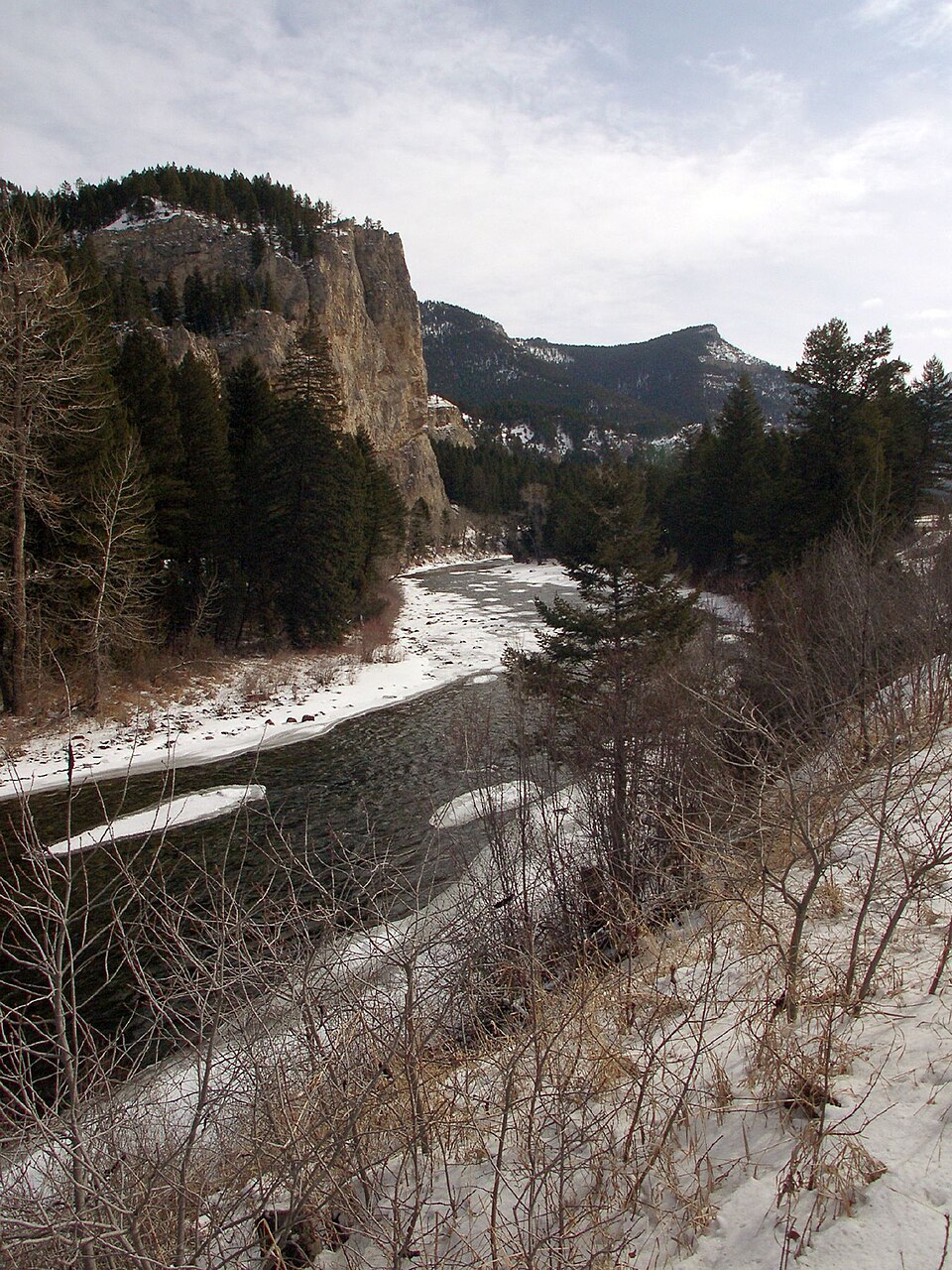
Following a river is often portrayed as a guaranteed path to civilization. While rivers can lead to settlements, they also travel through remote canyons, dense vegetation, and hazardous terrain. Riverbanks may be impassable, steep, or prone to flooding. Cold water crossings increase hypothermia risk. Search records include cases where following rivers delayed rescue or worsened injuries. Navigation decisions should consider terrain, weather, and known landmarks. Blindly trusting waterways ignores environmental complexity. This myth becomes dangerous when individuals abandon safer routes or fail to mark locations while assuming water will inevitably guide them to help.
Survival Is Mostly About Strength
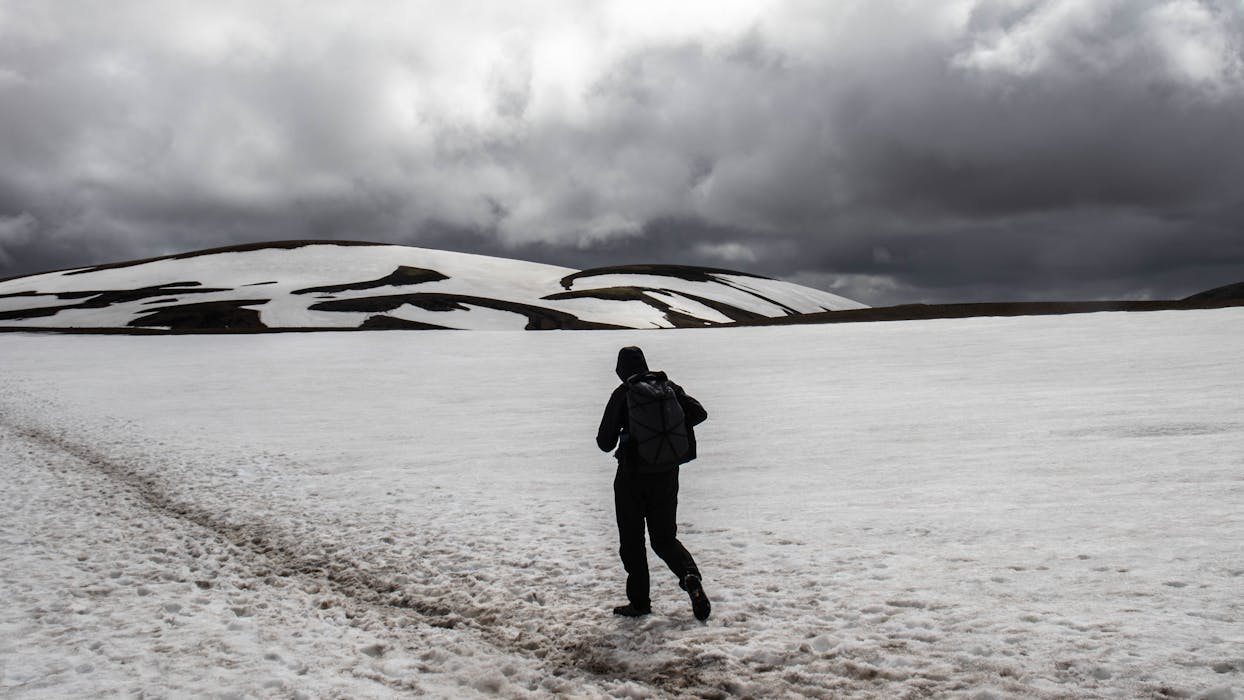
Physical strength is often mistaken as the primary factor in wilderness survival. In practice, judgment, planning, and adaptability matter far more. Survival scenarios frequently punish overexertion, leading to dehydration, injury, or exhaustion. Research and field experience show that calm decision making improves outcomes significantly. Smaller, deliberate actions often outperform forceful attempts. Strength without knowledge can worsen situations, especially in extreme heat or cold. This myth encourages pushing limits instead of conserving energy. Effective survival depends on understanding environment, pacing effort, and making choices that preserve physical and mental resources over time.
You Can Outrun Dangerous Wildlife
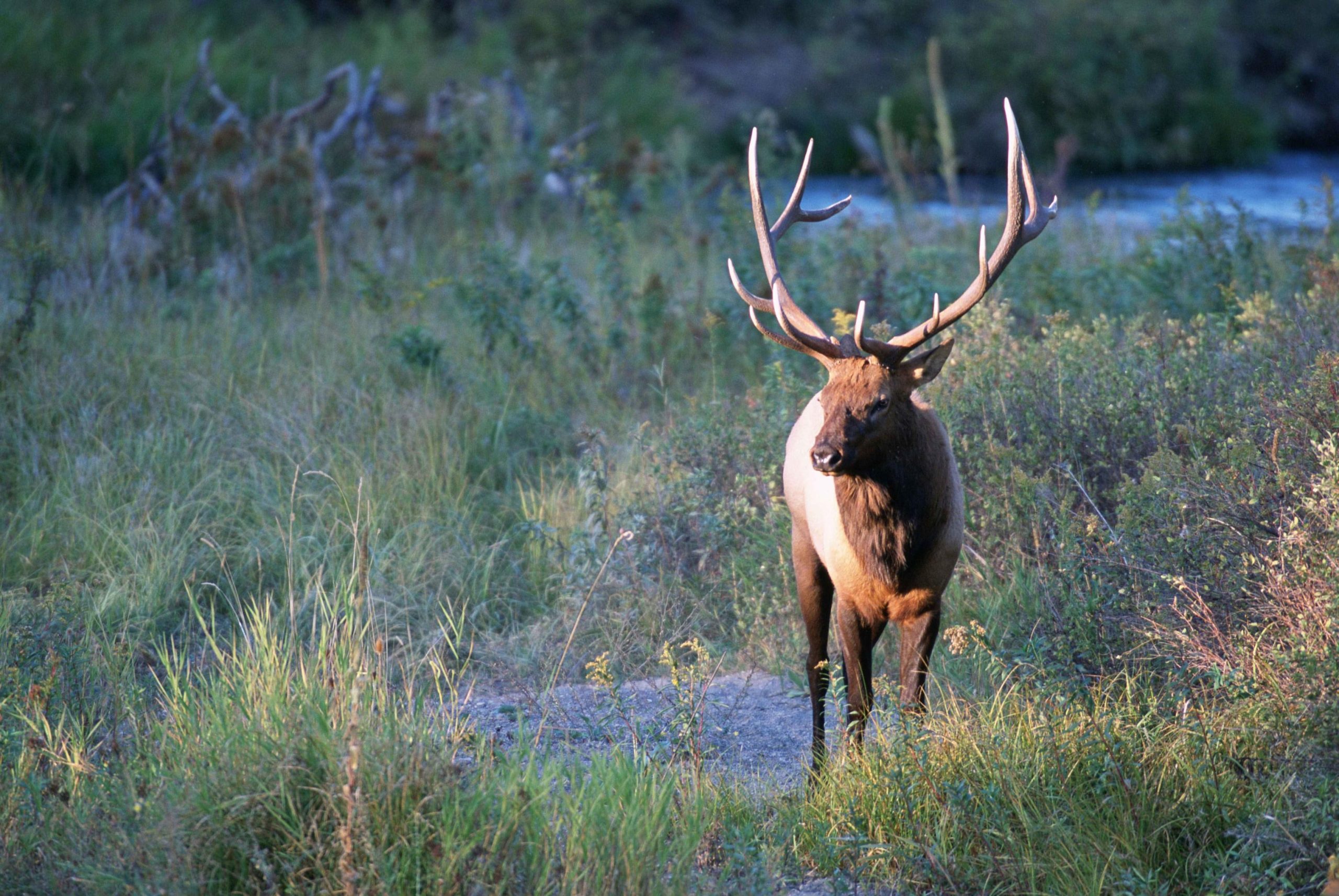
Some believe speed alone can resolve wildlife encounters. In reality, many animals are faster than humans over short distances. Bears, moose, and predators can easily outrun people, especially over uneven terrain. Running may also trigger chase responses. Wildlife safety guidelines generally advise standing ground, backing away slowly, or using deterrents depending on species. This myth leads to panic driven reactions that increase injury risk. Knowing appropriate responses for different animals proves far safer than relying on athletic ability. Misjudging animal speed and behavior transforms encounters into emergencies within seconds.
Cell Phones Always Provide Rescue

Modern technology creates the illusion that help is always available. In wilderness areas, cell service remains inconsistent or nonexistent. Batteries drain quickly in cold temperatures or extended use. Emergency calls may fail without signal. Search and rescue teams regularly assist individuals who assumed phones ensured safety. Satellite communicators offer more reliability, yet even these require preparation. Overreliance on phones can discourage navigation planning or trip communication. This myth becomes deadly when individuals venture farther without backup systems. Technology supports safety only when paired with realistic expectations and traditional wilderness skills.
Nature Provides Everything Needed To Survive

A romantic belief suggests nature offers abundant food, water, and shelter to anyone stranded. In reality, edible plants require identification knowledge, game is difficult to catch, and shelter materials may be scarce. Energy expenditure often exceeds caloric return. Survival experts stress preparation over improvisation. Depending on nature to provide without skill leads to starvation, exposure, or poisoning. This myth underestimates environmental harshness and overestimates human adaptability. Respecting limits and carrying essential supplies remains critical. Wilderness survival favors preparation and restraint rather than faith in unlimited natural generosity.