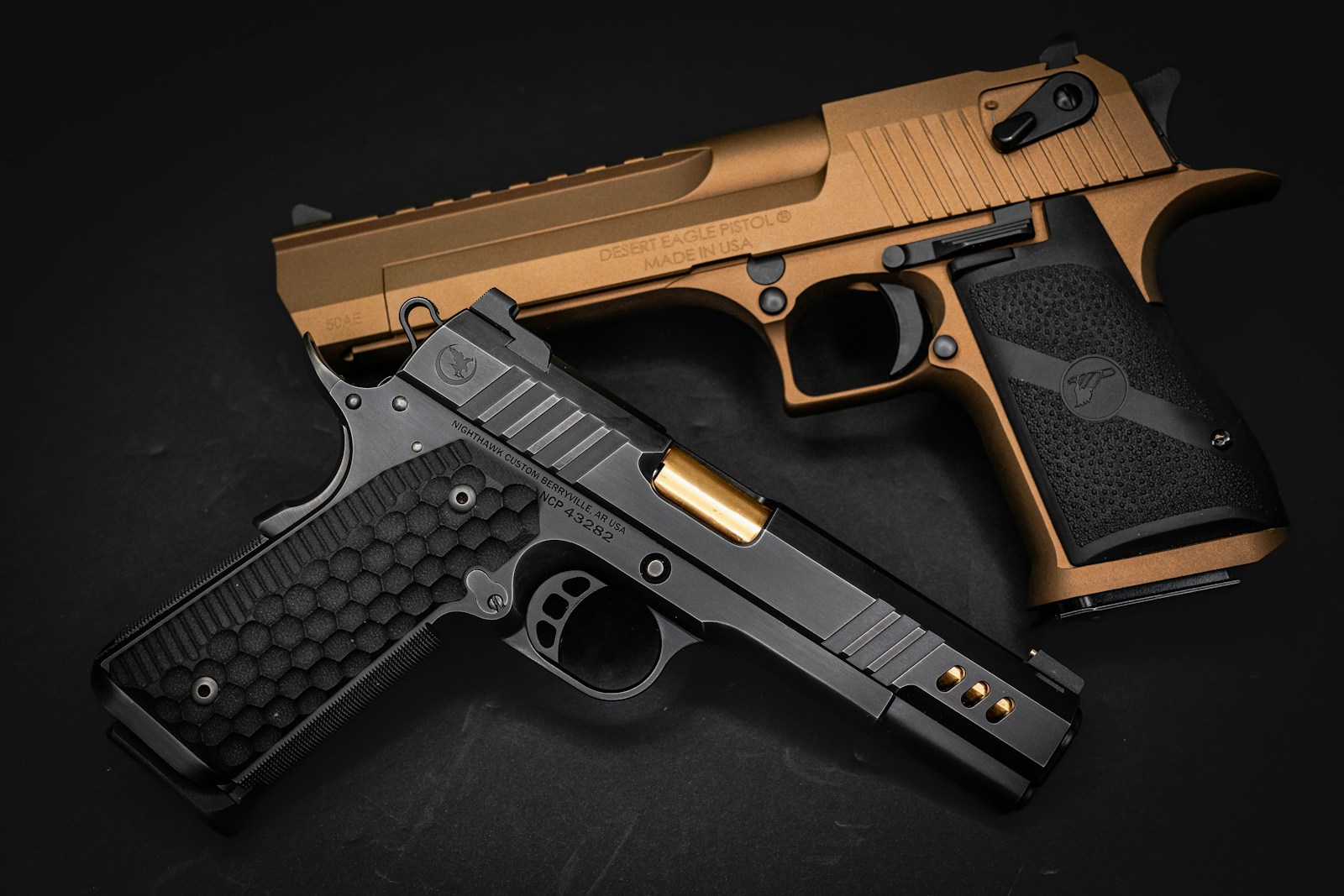
During the 2000s, firearm popularity reflected changing laws, technology, and culture across civilian and professional communities. Polymer frames moved from skepticism to acceptance, while higher capacity magazines and improved reliability reshaped expectations. Military adoption, law enforcement contracts, and media visibility helped define which guns became widely recognized. Competitive shooting and expanding concealed carry also influenced demand. Some models gained reputations for durability, others for innovation or heritage appeal. Together, these firearms illustrate how the decade balanced tradition and modernization. Examining the most popular guns of the era offers insight into why certain designs dominated ranges, duty holsters, and conversations throughout the 2000s.
Glock 17
The Glock 17 became one of the most popular guns of the 2000s due to widespread law enforcement adoption. Its polymer frame reduced weight while maintaining durability under heavy use. The striker fired system simplified training and maintenance. High magazine capacity set new expectations for service pistols. Agencies valued consistent performance across climates and conditions. Civilian shooters followed professional trends, embracing the Glock reputation for reliability. Throughout the decade, the Glock 17 symbolized a shift toward functional, utilitarian design that prioritized performance and simplicity over traditional aesthetics and complex mechanical features during that influential period.
Glock 19
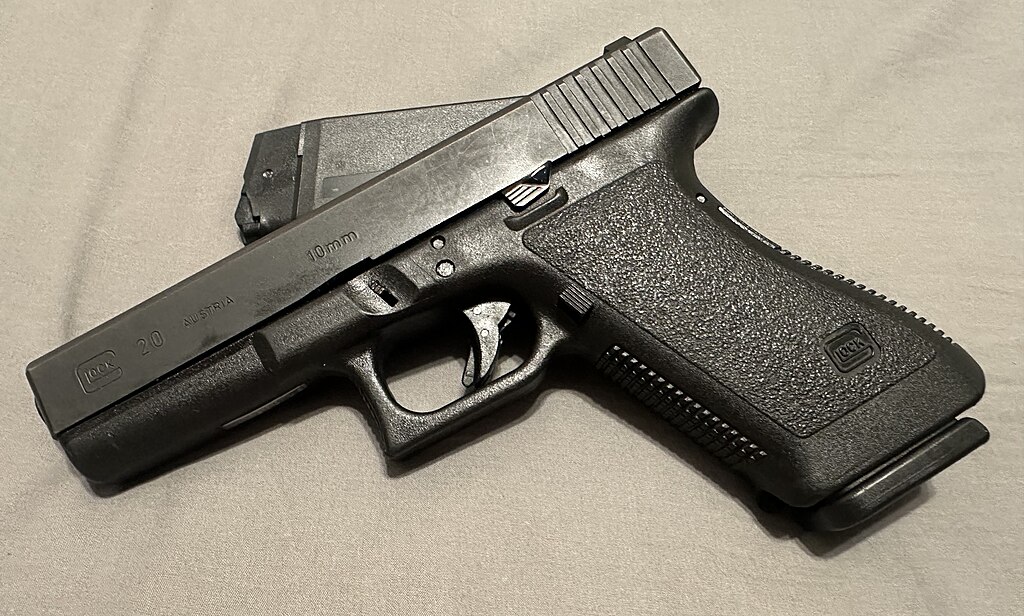
The Glock 19 gained enormous popularity during the 2000s because it balanced size, capacity, and versatility. Smaller than full size duty pistols, it remained controllable and reliable. Law enforcement agencies issued it widely, while civilians favored its concealability. Magazine compatibility with larger Glock models increased flexibility. The polymer frame and striker fired trigger reinforced Glock’s growing dominance. Training consistency appealed to departments and private owners alike. During the decade, the Glock 19 became a benchmark handgun, often recommended as a do everything option for range use, home defense, and lawful carry across American shooting culture.
Beretta 92FS
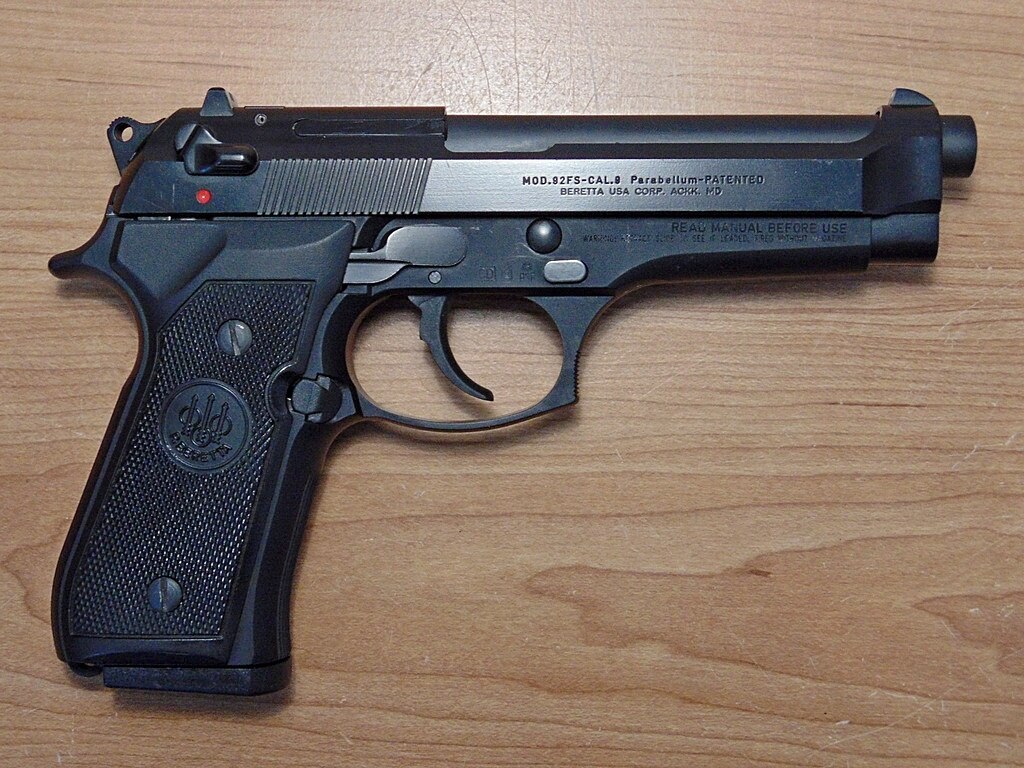
The Beretta 92FS remained highly popular in the 2000s because of its long standing military service. As the standard United States service pistol for many years, it maintained strong visibility. The all metal frame and open slide design appealed to traditional shooters. Its double action single action trigger reflected established training methods. Media appearances reinforced recognition beyond professional circles. During the decade, the Beretta 92FS represented continuity and familiarity, offering a sense of proven reliability during a time when many shooters were adjusting to newer polymer framed handgun designs entering mainstream acceptance nationwide during that era.
SIG Sauer P226
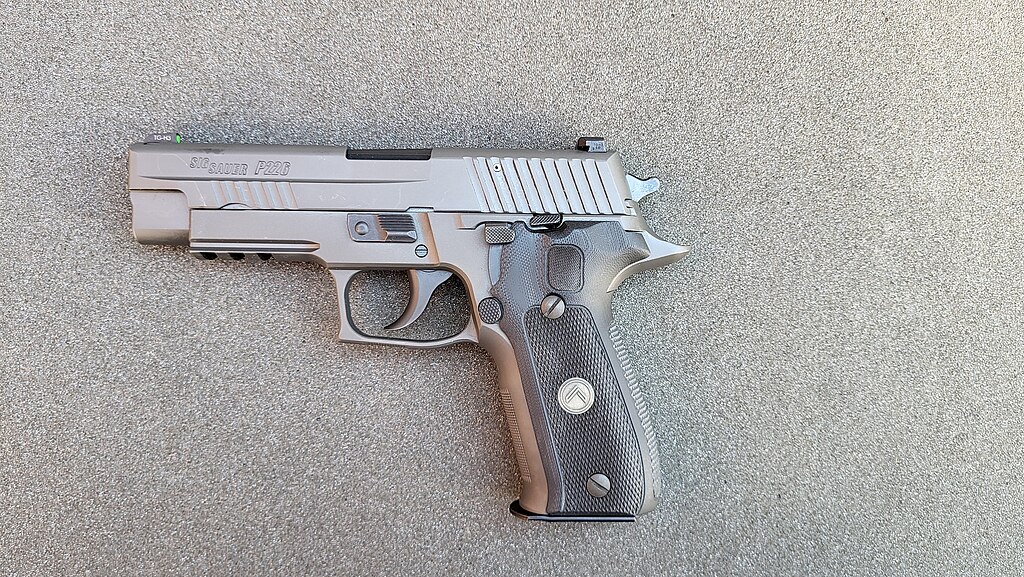
The SIG Sauer P226 earned widespread respect in the 2000s for accuracy and durability. Military and law enforcement adoption reinforced its professional reputation. Shooters valued the metal frame for balance and recoil control. The double action single action trigger appealed to those trained on traditional systems. Its ability to handle high pressure ammunition added confidence. During the decade, the P226 represented premium engineering rather than mass market minimalism. It remained a trusted choice for users who prioritized performance, craftsmanship, and proven service history over lightweight trends gaining popularity elsewhere within professional shooting communities worldwide then.
Heckler & Koch USP
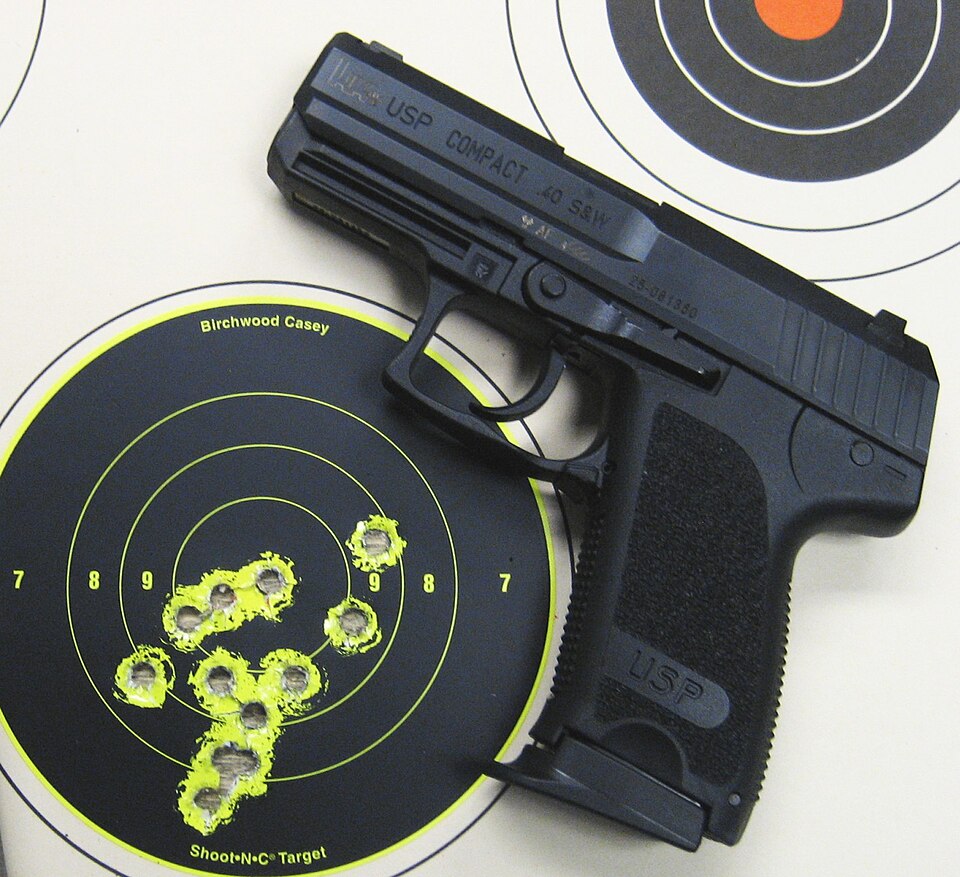
The Heckler and Koch USP gained strong popularity during the 2000s for rugged construction. Designed to withstand extreme use, it featured reinforced polymer and recoil reduction. Military and law enforcement interest elevated its profile. Multiple trigger configurations appealed to specialized users. Shooters associated the USP with durability and longevity. Its distinctive styling reinforced brand identity. During the decade, the USP represented a bridge between traditional controls and modern materials, appealing to those seeking reliability under demanding conditions rather than lightweight simplicity common among tactical units worldwide throughout that influential era and professional training circles globally.
Springfield XD
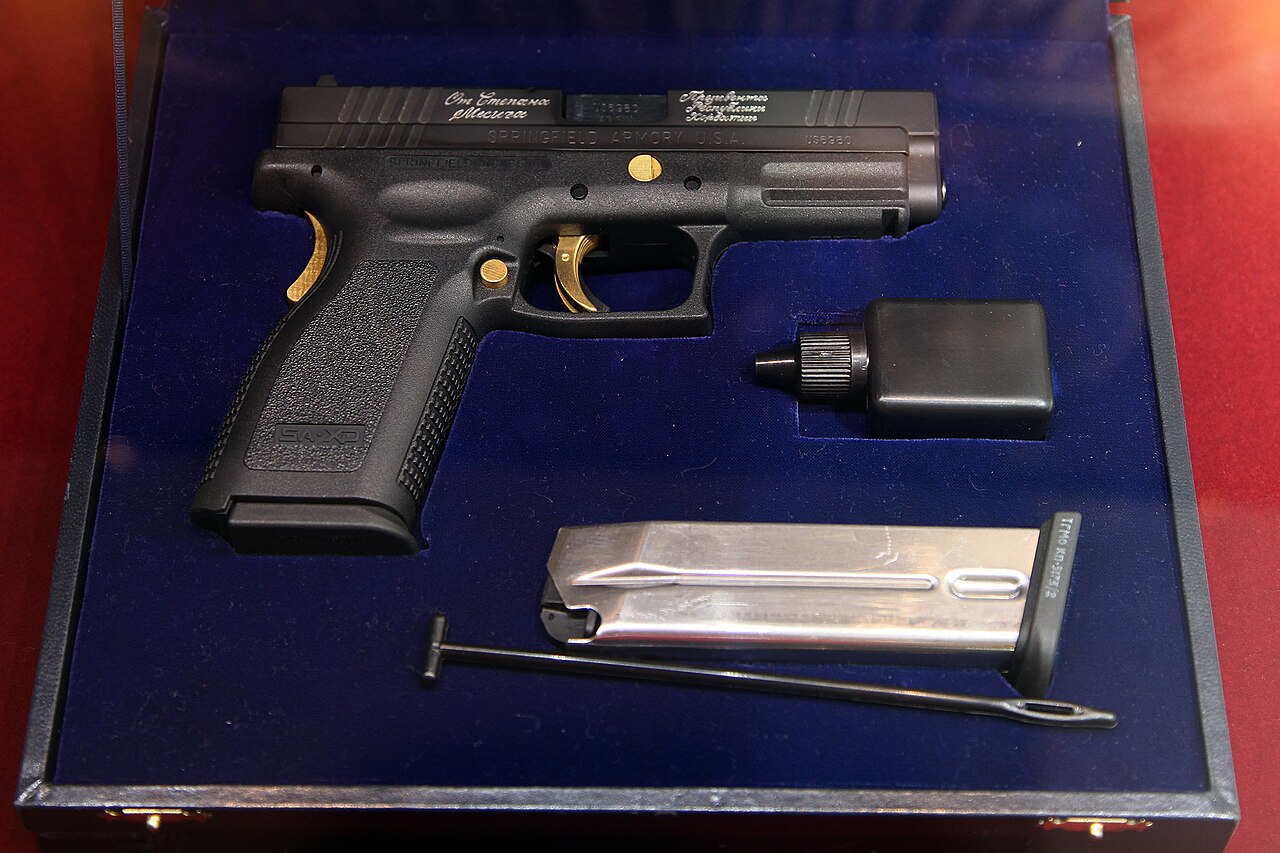
The Springfield XD series became popular in the 2000s as shooters explored striker fired options. Its grip safety appealed to those familiar with 1911 pistols. Ergonomics received praise, particularly the grip angle. The XD arrived as concealed carry laws expanded. Reliability and affordability supported adoption. Shooters appreciated additional safety features alongside modern operation. During the decade, the XD helped normalize striker fired handguns beyond early adopters, positioning itself as a competitive alternative within a rapidly changing handgun market that influenced civilian purchasing habits nationwide during that period and reshaped brand competition significantly throughout the decade.
Smith & Wesson M&P
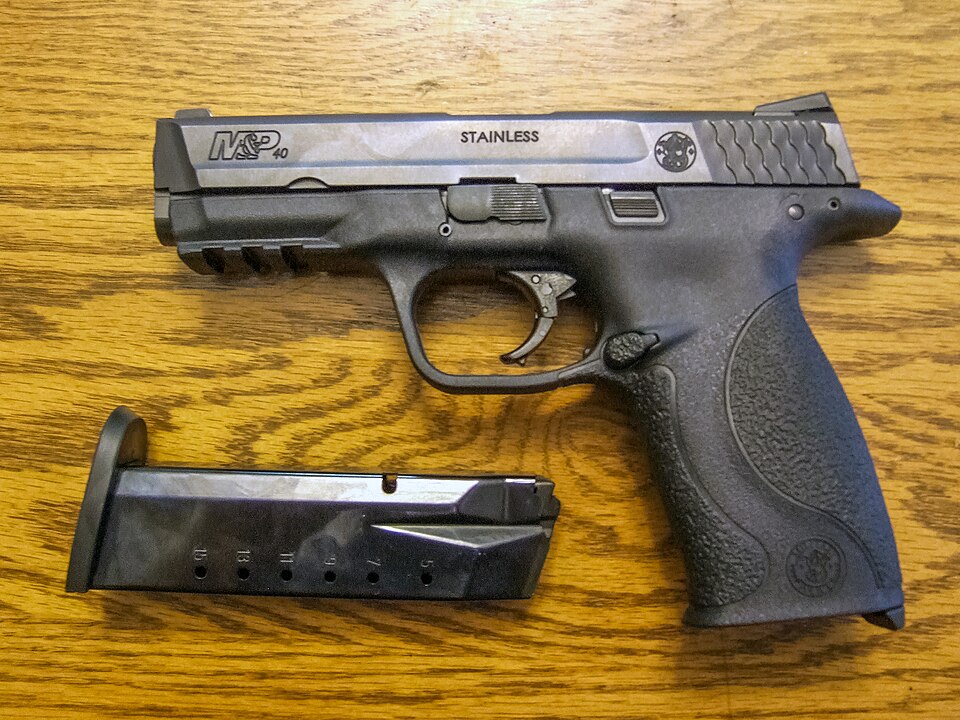
The Smith and Wesson M and P series emerged in the mid 2000s as a modern service pistol. Designed to regain law enforcement contracts, it emphasized ergonomics and modular grips. The striker fired system aligned with contemporary training philosophies. Agencies valued reliability and familiar branding. Civilian adoption followed professional use. During the decade, the M and P symbolized the company’s shift toward modern handgun design, blending tradition with innovation and restoring competitive relevance in a market increasingly dominated by polymer framed pistols during widespread law enforcement transitions nationwide then in civilian markets as well later.
Ruger LCP
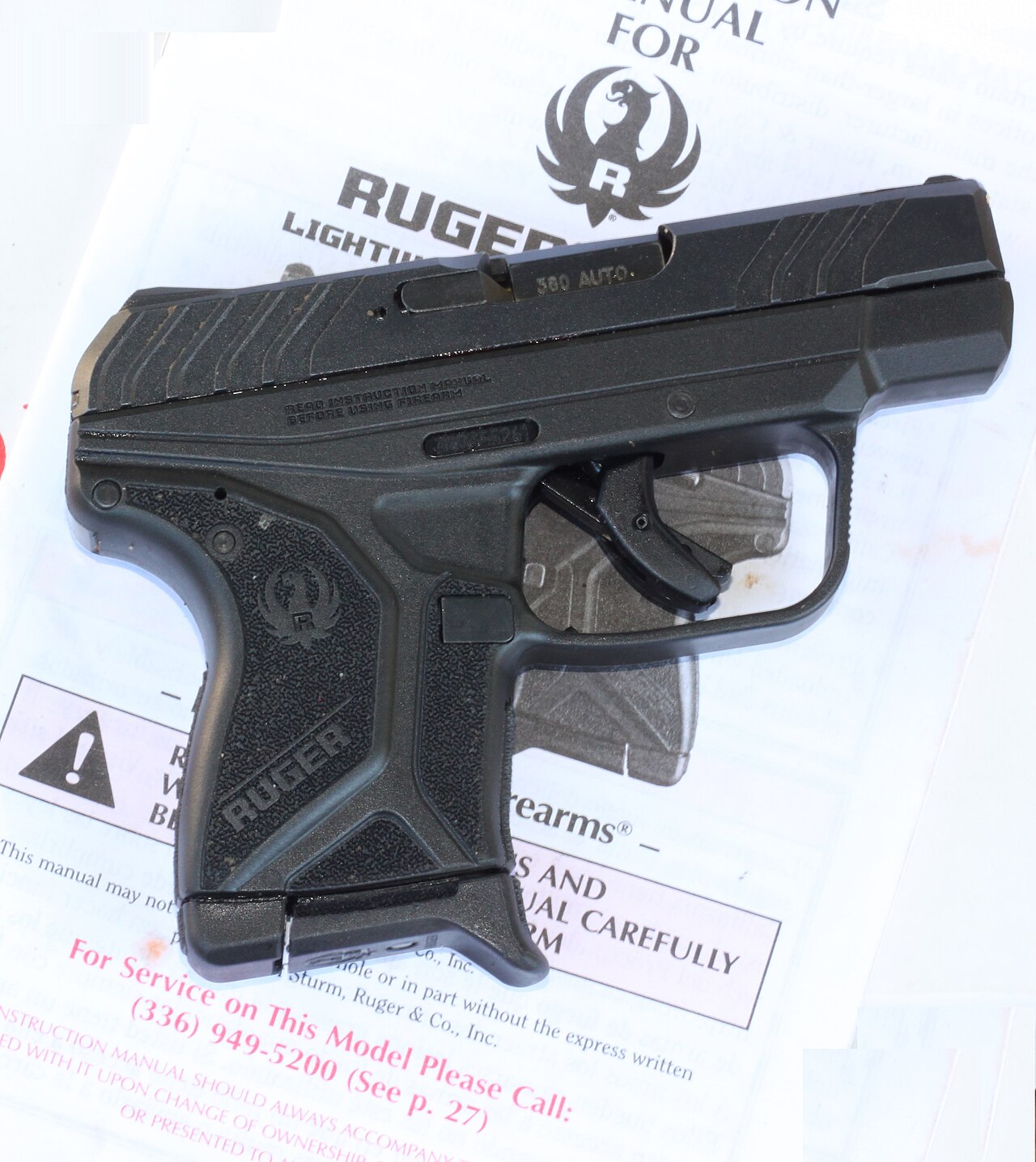
The Ruger LCP gained attention in the late 2000s as concealed carry expanded. Its compact size and lightweight design supported discreet carry. Chambered in three eighty ACP, it prioritized portability over shootability. Shooters adopted it as a backup option. The LCP influenced the growth of pocket pistols. During the decade’s final years, it reshaped expectations around handgun size and weight, reflecting changing lifestyles and legal environments that favored minimal, easily carried defensive firearms for everyday personal protection among new civilian owners nationwide as licensing laws broadened during that period across multiple regions in the country.
Taurus Millennium PT111
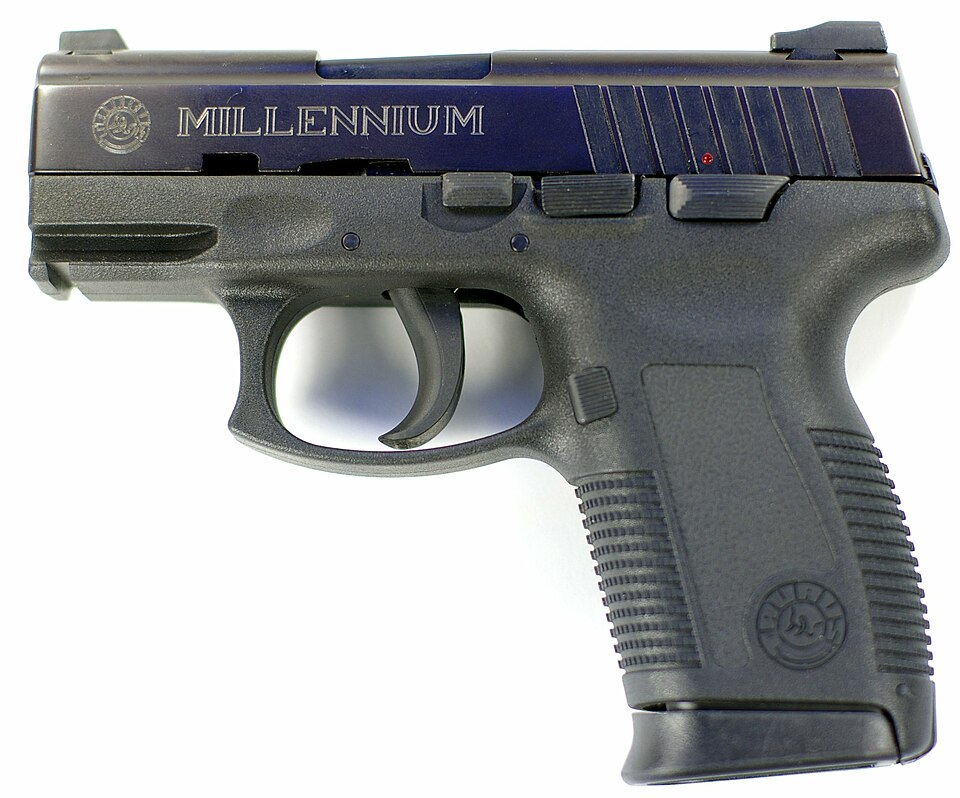
The Taurus Millennium PT111 became widely seen in the 2000s as an affordable compact handgun. Budget conscious buyers favored its price and features. The polymer frame and striker fired system mirrored industry trends. Its size supported concealed carry needs. The PT111 gained visibility as ownership expanded. During the decade, it demonstrated how accessibility influenced popularity, showing that cost and availability often shaped consumer choice alongside performance and brand reputation during a period of increasing first time handgun ownership nationwide especially among entry level defensive firearm buyers seeking reliability without premium pricing during the decade overall.
Kimber 1911
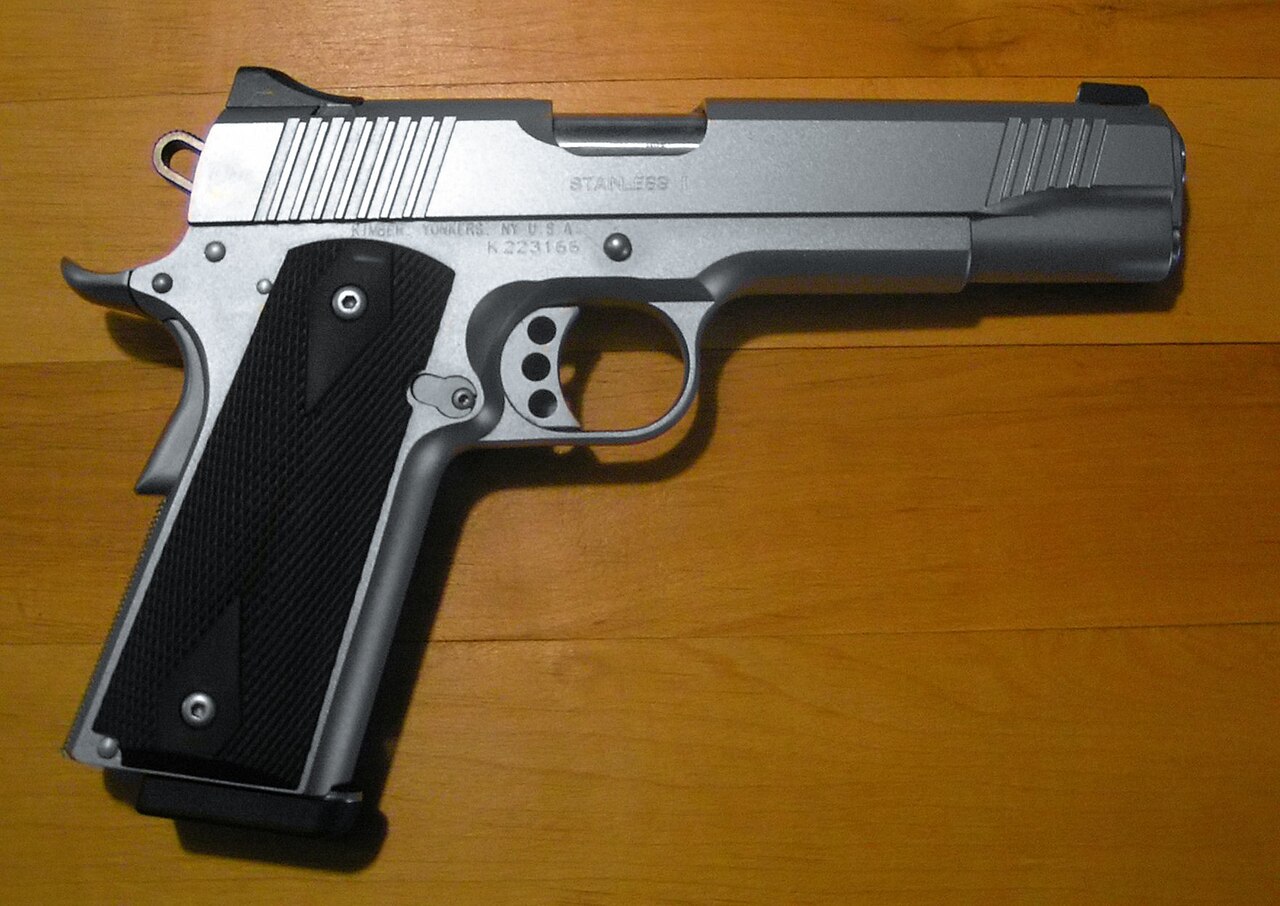
Kimber 1911 pistols surged in popularity during the 2000s as classic designs returned. Improved manufacturing increased accessibility. Shooters valued single action triggers and accuracy. Competitive shooting renewed interest in the platform. Kimber blended traditional styling with modern features. During the decade, the brand helped reestablish the 1911 as a viable modern handgun, demonstrating that heritage designs could remain relevant alongside polymer framed pistols dominating contemporary markets through expanded civilian interest training programs and media exposure focused on craftsmanship accuracy and traditional shooting experiences throughout the decade nationwide within enthusiast and professional circles of American shooters.