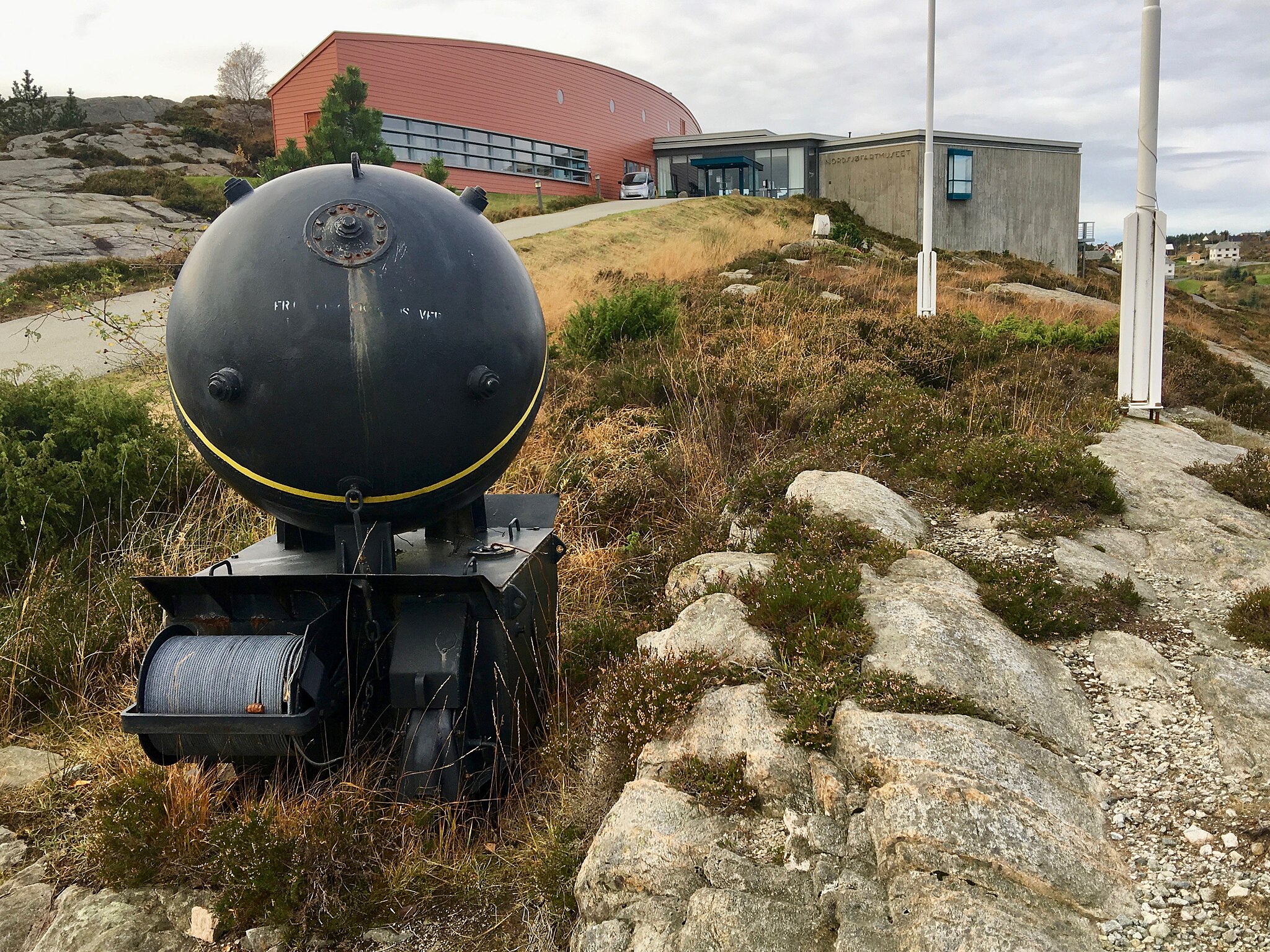
Modern warships represent extraordinary technological achievement, combining advanced sensors, missile systems, propulsion engineering, and layered defenses. Yet despite this sophistication, one of the most effective naval threats remains remarkably simple in concept. History repeatedly shows that relatively low-cost, mechanically straightforward weapons can challenge even the most powerful fleets. Their effectiveness stems not from complexity but from physics, positioning, and psychological impact. Naval planners, engineers, and historians alike recognize how certain devices exploit vulnerabilities inherent to maritime operations. Among these, the naval mine stands out as a persistent and deeply influential factor in naval warfare, shaping tactics, strategy, and ship design across generations.
Simplicity Rooted in Physics
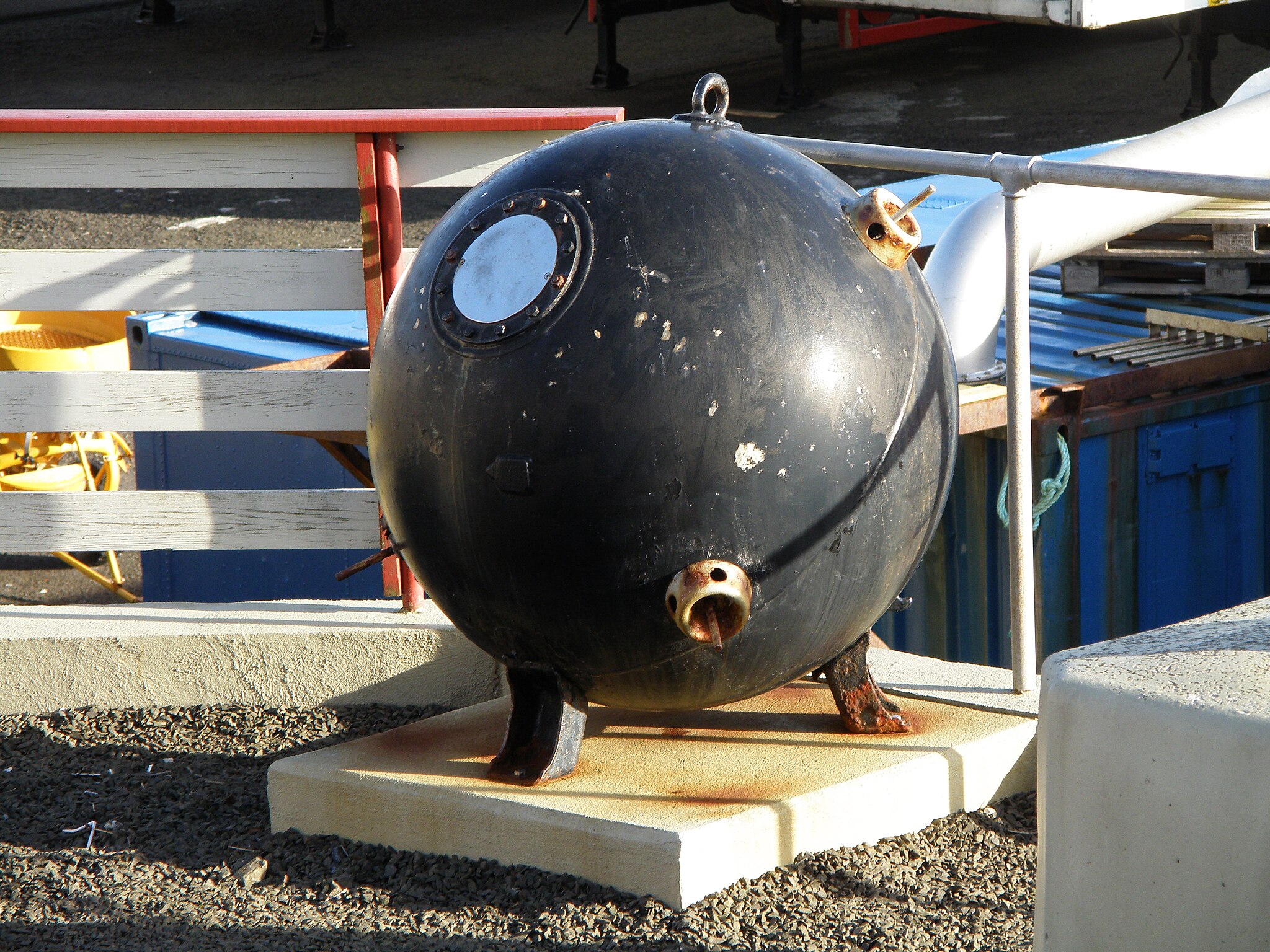
The naval mine exemplifies how basic physical principles can produce disproportionate military effects. Unlike guided weapons requiring constant tracking or propulsion, mines rely on placement and triggering mechanisms. Buoyancy, pressure sensitivity, magnetic influence, or contact activation provide reliable methods of engagement without continuous control. This mechanical simplicity reduces failure points while allowing wide deployment. Warships, regardless of size or capability, remain bound by the same hydrodynamic realities. A properly positioned explosive device beneath or beside a hull can cause severe structural damage. Engineers often note that defeating physics is far more difficult than countering electronics, explaining why mines retain relevance despite technological progress.
Psychological Impact on Naval Operations
Beyond their destructive capability, naval mines exert powerful psychological pressure. Commanders navigating mined waters must assume unseen threats may exist, forcing slower movement, rerouting, and extensive clearance efforts. Even rumors of my presence can delay missions and restrict operational freedom. This uncertainty transforms relatively passive devices into strategic tools. Crews recognize that detection is never perfectly assured, heightening stress and caution. Historians frequently emphasize how mines disrupt confidence rather than simply destroy targets. The fear of invisible hazards alters decision-making at every level. In naval warfare, hesitation and delay often carry consequences equal to physical damage, magnifying the mine’s influence.
Cost Versus Consequence
Few weapons demonstrate a greater imbalance between production cost and potential effect. Mines are comparatively inexpensive to manufacture and deploy, yet clearing operations demand specialized vessels, equipment, and time. A single device can immobilize high-value assets or close critical waterways. This economic asymmetry appeals to both large and small naval powers. Analysts often describe mines as force multipliers that impose disproportionate burdens on technologically advanced fleets. The financial implications extend beyond repairs, encompassing operational delays and risk mitigation. Such efficiency explains why mines appear repeatedly in conflicts across eras. Their strategic value lies as much in resource disruption as in direct damage.
Challenges of Detection and Clearance
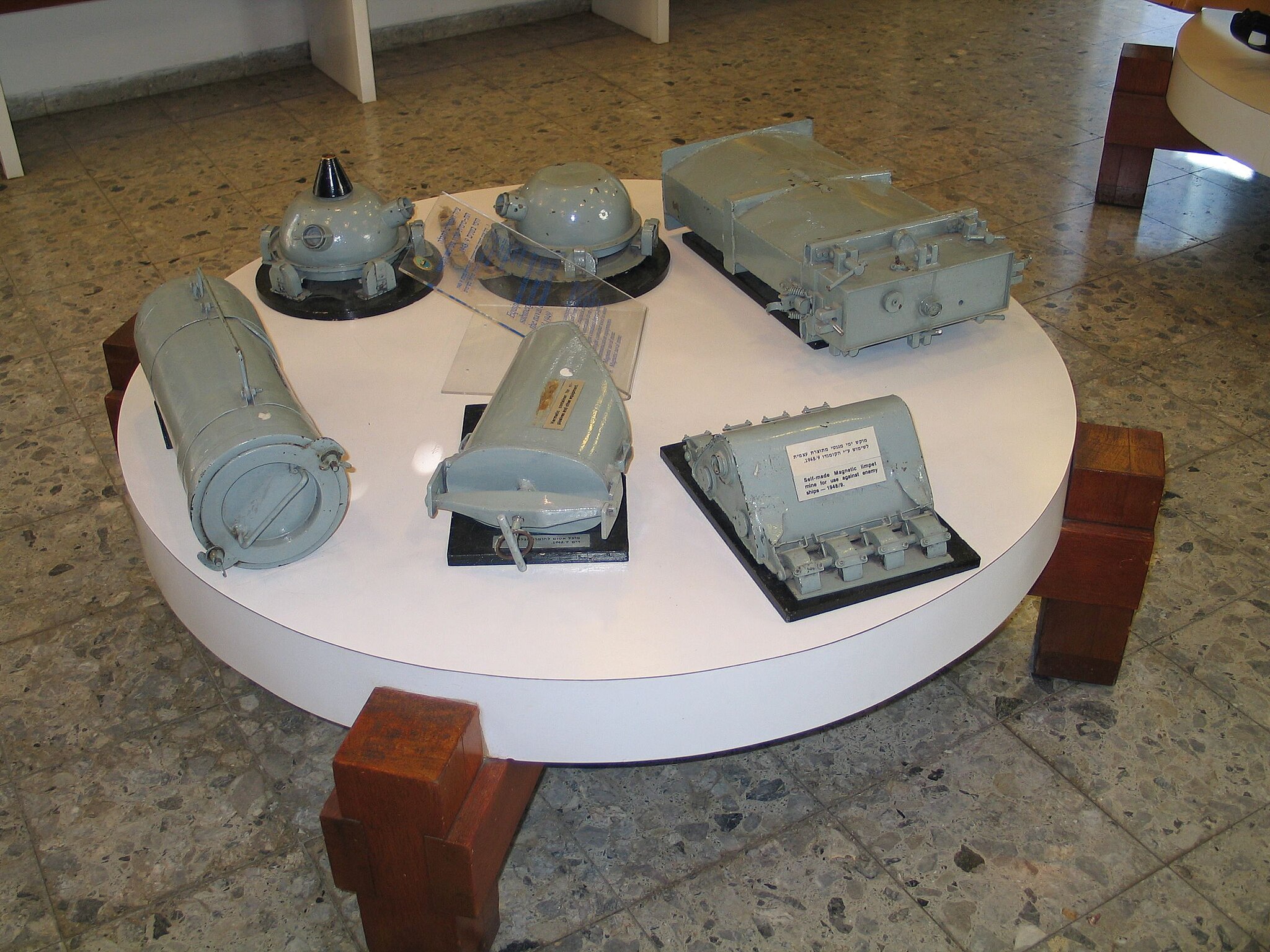
Detecting and neutralizing naval mines remains one of the most technically demanding maritime tasks. Water conditions, seabed composition, and mine design complicate identification. Sophisticated sensors, sonar systems, and remotely operated vehicles assist efforts, yet no method guarantees certainty. Clearance operations require patience, precision, and considerable expertise. Engineers continuously refine technologies to improve safety and effectiveness, acknowledging persistent difficulties. Even advanced navies treat mine countermeasures as specialized disciplines rather than routine procedures. The enduring challenge reflects the mine’s deceptive simplicity. A device with minimal active behavior can demand an extensive technological response. This imbalance reinforces its continued strategic relevance.
Influence on Ship Design
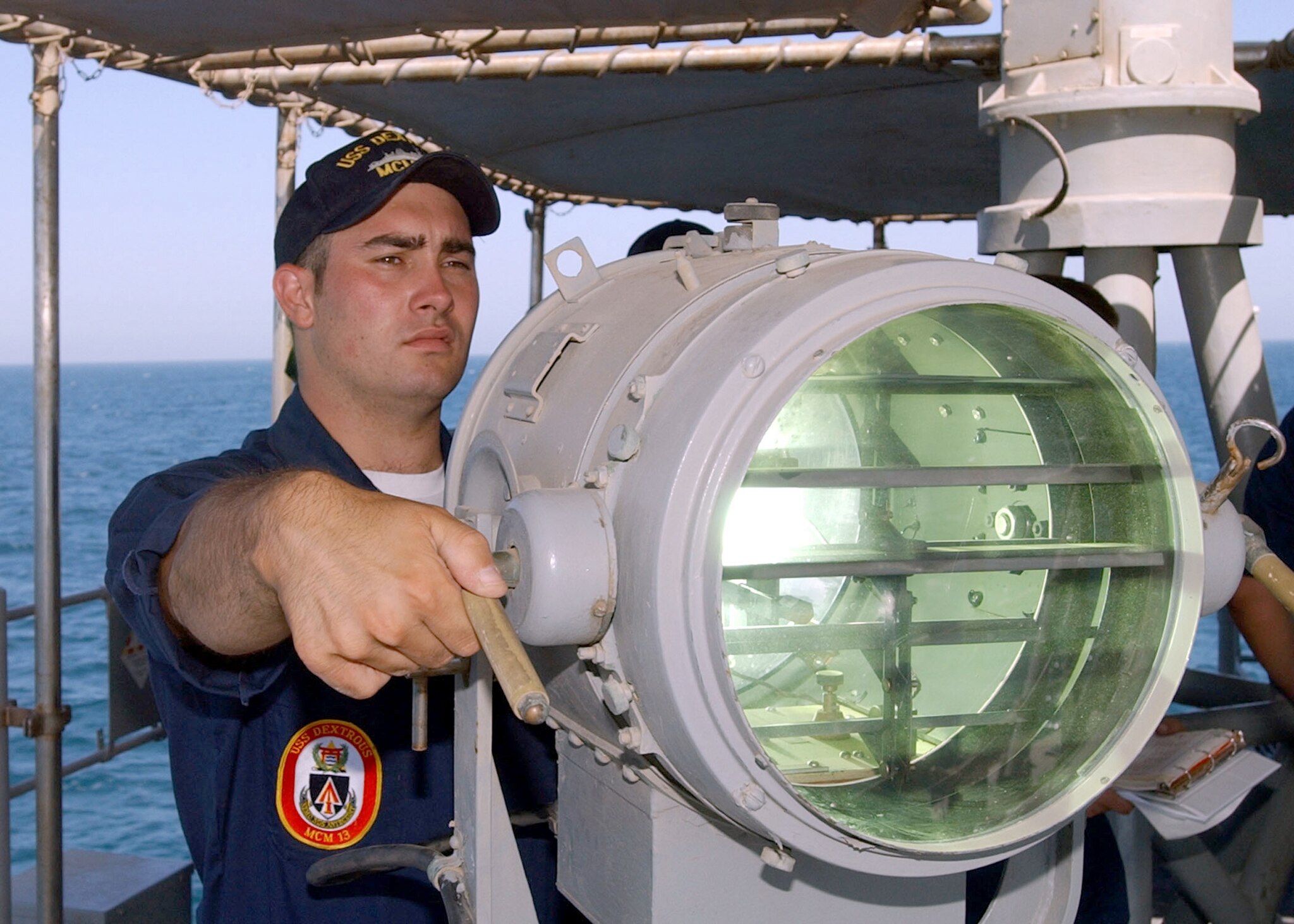
The persistent threat posed by mines has significantly shaped warship engineering. Hull structures, compartmentalization, and damage control systems reflect lessons learned from underwater explosions. Designers seek to improve survivability by managing shock effects and preserving buoyancy after impact. These adaptations demonstrate how a relatively simple weapon drives complex technological evolution. Naval architecture increasingly accounts for blast resistance and redundancy. Engineers recognize that avoiding all threats is unrealistic, emphasizing resilience instead. The mine’s influence, therefore, extends into fundamental design philosophy. Defensive innovation emerges directly from vulnerability. This dynamic illustrates how modest technologies can reshape entire categories of military engineering.
Strategic Control of Maritime Geography
Naval mines possess a unique capacity to influence geography without constant presence. Deployed in chokepoints, harbors, or transit routes, they can restrict access and shape movement patterns. Unlike patrols or blockades requiring sustained manpower, mines operate continuously once emplaced. This persistence offers powerful strategic leverage. Control of waterways often determines economic and military outcomes, magnifying the device’s importance. Historians highlight numerous examples where minefields altered campaign trajectories. Their impact derives from location rather than mobility. By transforming natural maritime features into hazards, mines convert geography into defense. This characteristic distinguishes them from most other naval weapons.
Adaptability Across Eras
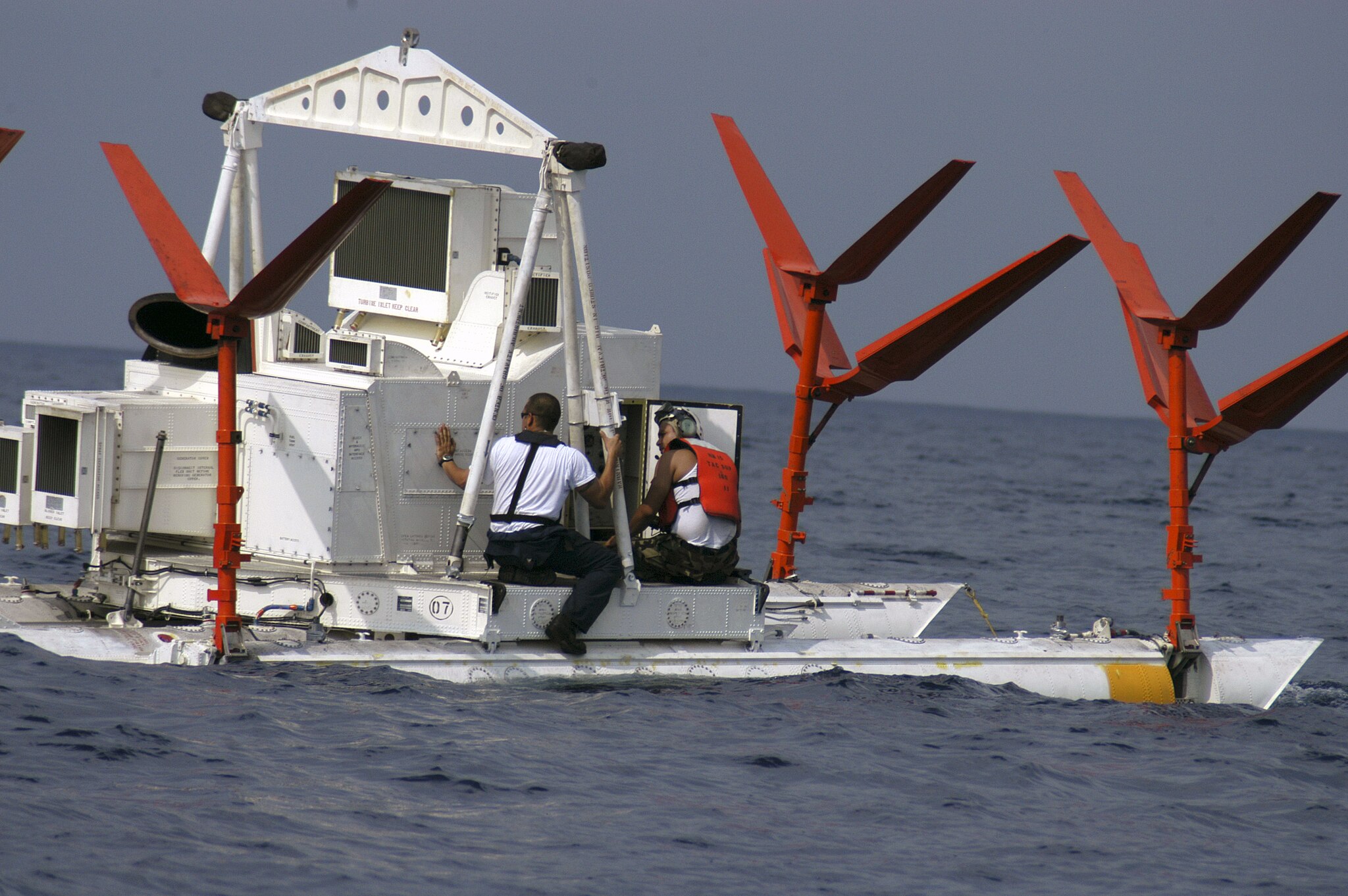
Naval mines have evolved while preserving core simplicity. Early designs relied on direct contact, while later variants incorporated magnetic, acoustic, and pressure-based triggers. Each refinement expanded effectiveness against changing ship technologies. Yet the essential concept remained unchanged. Engineers view this adaptability as evidence of robust design philosophy. Incremental innovation sustained relevance without requiring radical reinvention. This continuity contrasts with many weapon systems rendered obsolete by rapid technological shifts. Mines persist because they exploit enduring physical vulnerabilities. Their development reflects a steady response to defensive countermeasures. The cycle of adaptation underscores how simplicity and flexibility often ensure longevity in military technology.
Disruption Without Immediate Engagement
A notable feature of naval mines is their ability to disrupt operations without active confrontation. Ships may be delayed, diverted, or immobilized without visible enemy presence. This indirect influence complicates tactical planning and resource allocation. Naval commanders must balance caution with mission urgency. The absence of direct engagement challenges traditional notions of battlefield interaction. Analysts frequently cite mines as instruments of denial rather than pursuit. Their effectiveness lies in restricting options. Such disruption can yield strategic outcomes independent of dramatic engagements. The weapon’s quiet persistence amplifies its psychological and operational significance across diverse conflict scenarios.
Enduring Relevance in Modern Warfare
Despite advances in precision weapons and surveillance technologies, naval mines continue to appear in modern security considerations. Their affordability, passive operation, and capacity to challenge sophisticated vessels sustain interest. Contemporary naval doctrine integrates mine countermeasure strategies alongside other defensive systems. Engineers acknowledge that eliminating the threat remains improbable. Instead, emphasis falls on detection, mitigation, and resilience. This acceptance reflects pragmatic assessment rather than technological limitation. Mines endure because they exploit immutable physical realities. Their presence in modern analysis demonstrates how historical technologies retain influence. Longevity arises from effectiveness rather than novelty.
Lessons in Technological Humility
Perhaps the most enduring lesson offered by naval mines concerns technological humility. Highly advanced platforms remain vulnerable to comparatively simple mechanisms. Complexity does not guarantee invulnerability. Military historians often interpret this dynamic as a recurring theme across warfare domains. Engineers designing next-generation systems must account for low-tech threats alongside sophisticated adversaries. The mine’s legacy, therefore, extends beyond naval history into broader strategic thought. It illustrates how innovation frequently coexists with persistent vulnerability. Recognizing this balance remains essential for realistic planning. In warfare, simplicity and ingenuity often rival complexity in shaping outcomes.