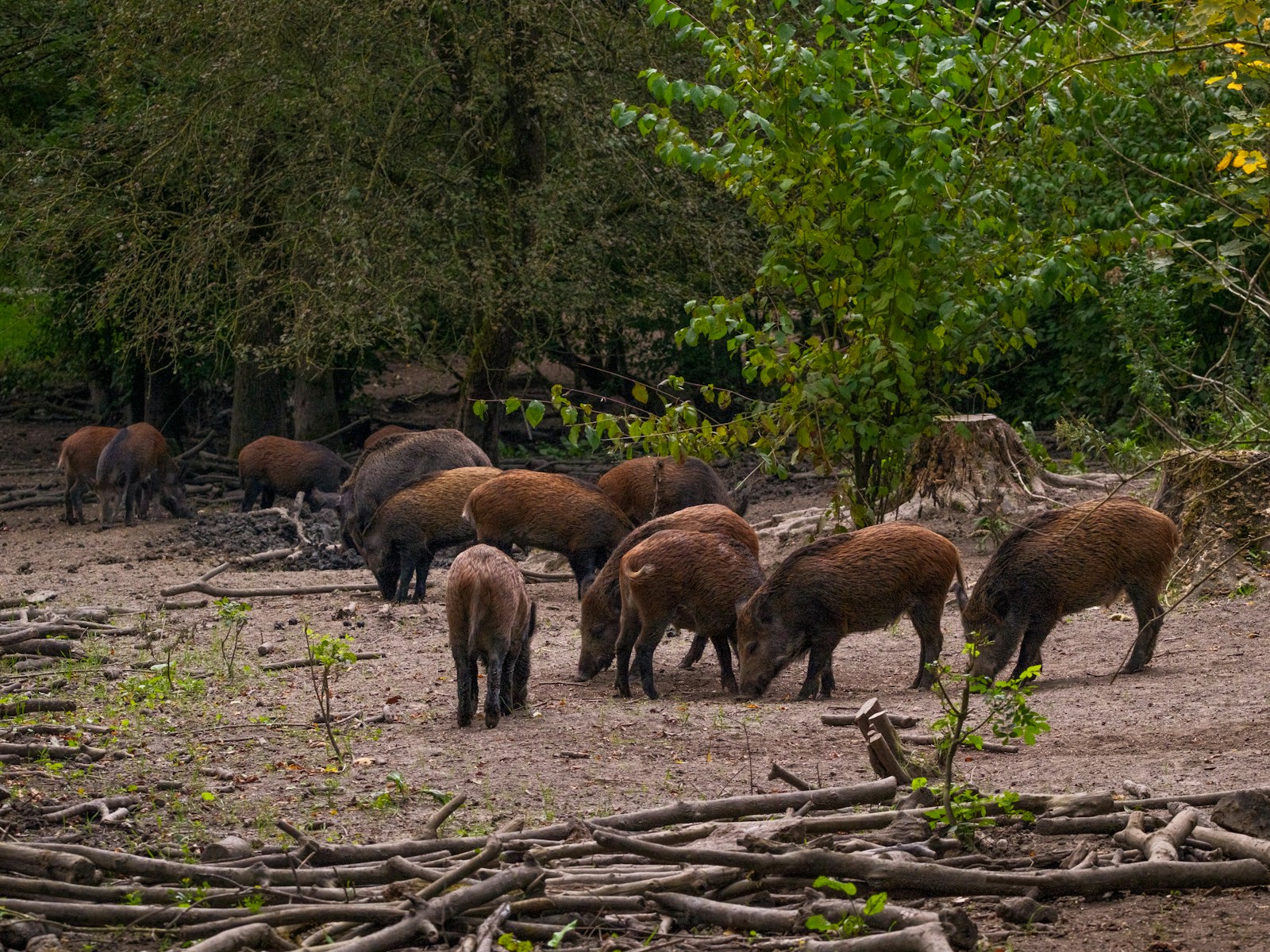
Feral swine populations represent a significant environmental and agricultural challenge across much of the southern United States today. These invasive wild hogs spread through native habitats with startling speed while causing billions of dollars in damage to crops and delicate ecosystems annually. Their extreme adaptability and high reproductive rates allow these animals to thrive in diverse climates ranging from humid swamps to arid plains. Experts monitor the expansion of these resilient creatures as they continue to move northward into previously unaffected regions. Understanding the distribution of this species remains vital for managing its impact on American landscapes.
Texas
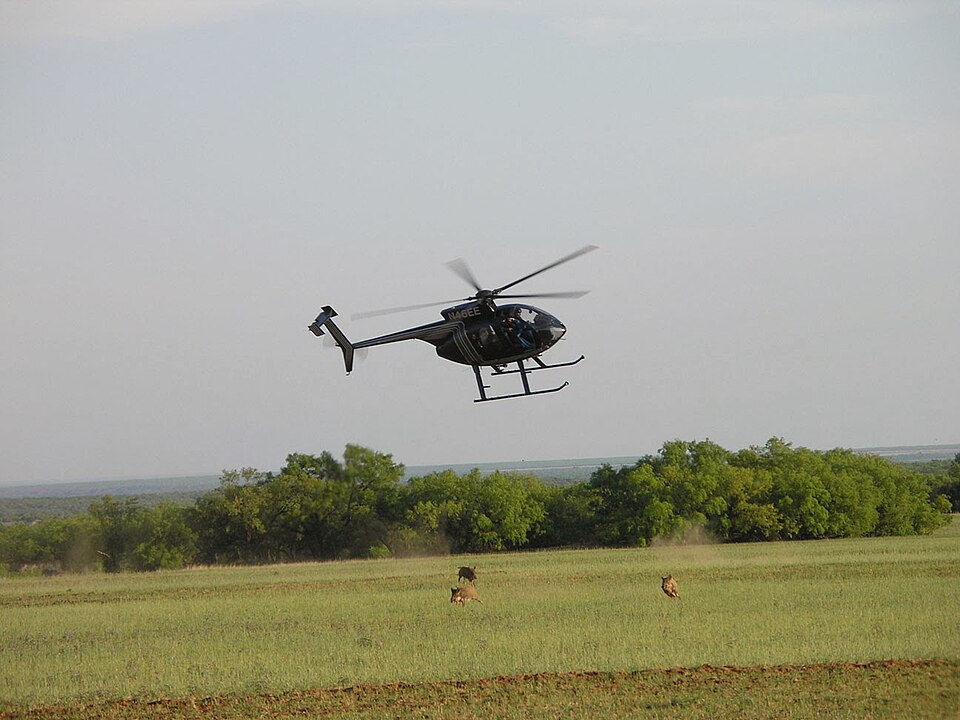
Texas holds the largest population of feral swine in the country, with estimates reaching over three million individual animals. These intelligent creatures inhabit almost every county across the vast state while destroying millions of dollars in agricultural products each year. The warm climate and abundant water sources provide an ideal environment for rapid reproduction and growth throughout the seasons. Ranchers frequently struggle with the destruction of fences and the contamination of stock tanks caused by rooting and wallowing behaviors. State officials encourage various management strategies to mitigate the ongoing crisis while protecting the local economy and native wildlife.
Oklahoma
Oklahoma currently supports a massive feral pig population that has expanded significantly into the rolling hills and central plains. Wildlife biologists estimate that more than one million hogs now roam through the majority of the counties within the state boundaries. These invasive mammals compete directly with native species like white-tailed deer and wild turkeys for essential food resources and habitat. Their presence leads to increased soil erosion and the degradation of sensitive riparian areas along many important river systems. Landowners in the region must remain vigilant as these sounders continue to multiply and establish new territories in rural communities.
Louisiana
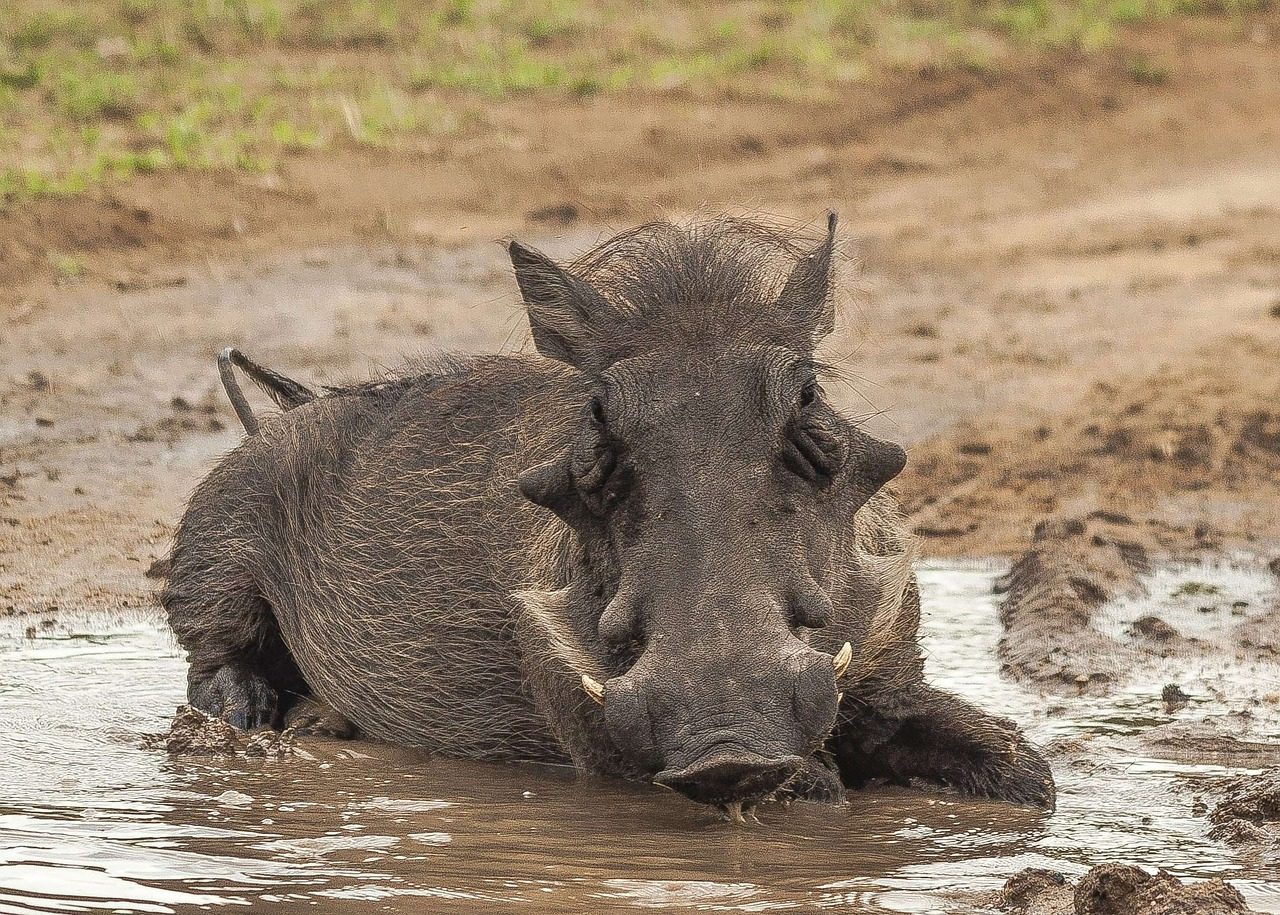
Louisiana faces a growing challenge as wild hog numbers climb toward nearly one million across its lush marshes and dense forests. The expansive wetlands offer perfect cover for these animals to avoid detection while they forage on a wide variety of plants and small creatures. Feral swine impact the health of watersheds by introducing harmful bacteria into the water through their waste and constant rooting activities. This environmental degradation threatens the survival of several endangered aquatic species that rely on clean and stable ecosystems. Efforts to control the spread involve coordinated trapping and hunting initiatives supported by local authorities.
Georgia
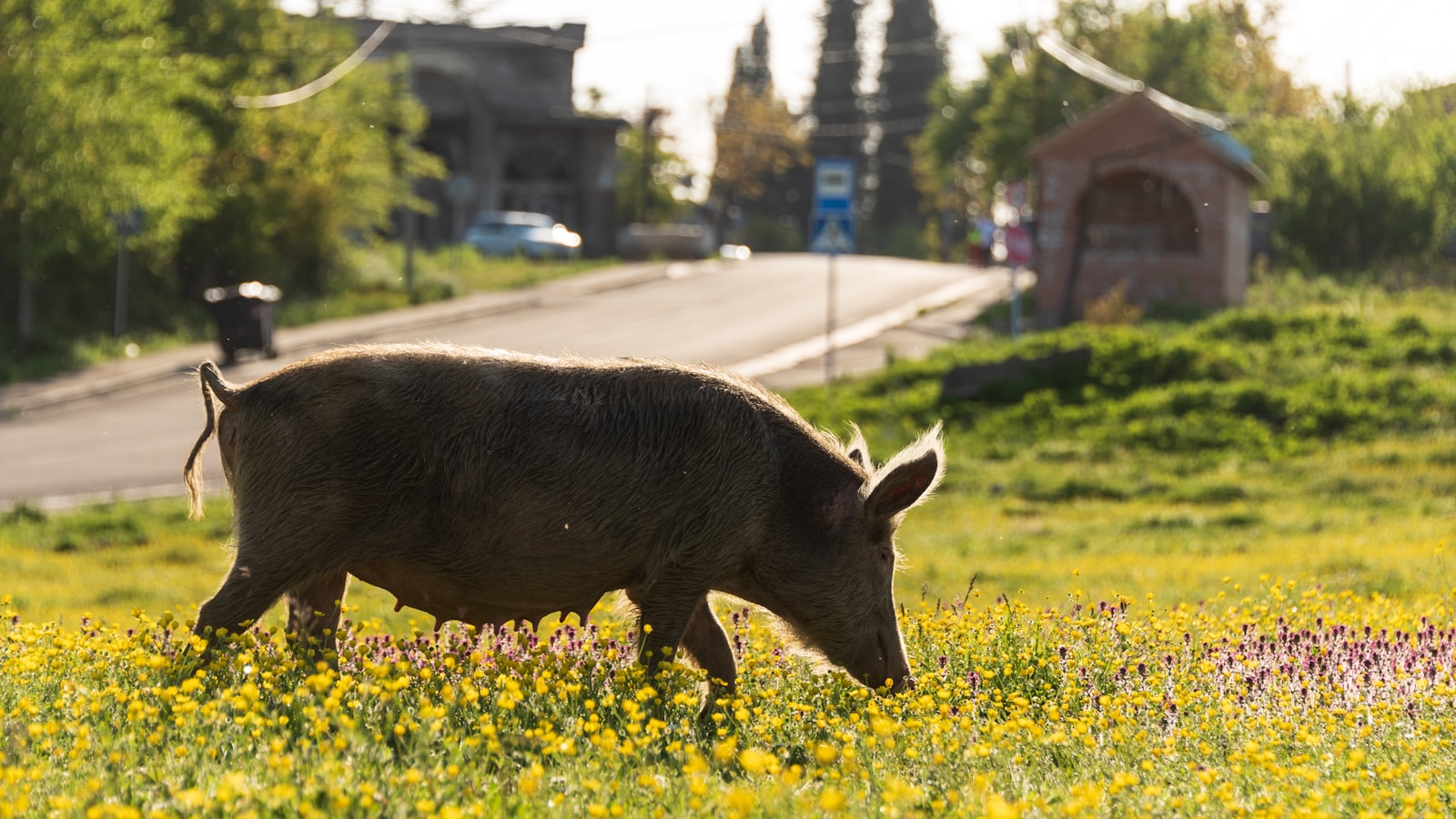
Georgia remains a primary hub for feral hog activity with stable populations residing in every single county from the mountains to the coast. Agricultural experts suggest that these animals cause over one hundred million dollars in damage to private property and commercial farms each year. Their opportunistic diet allows them to consume everything from young saplings to the eggs of ground-nesting birds like the northern bobwhite. This aggressive foraging behavior alters the composition of forest floors and prevents the natural regeneration of many native tree species. State management programs focus on reducing these negative impacts through comprehensive public awareness campaigns.
Florida
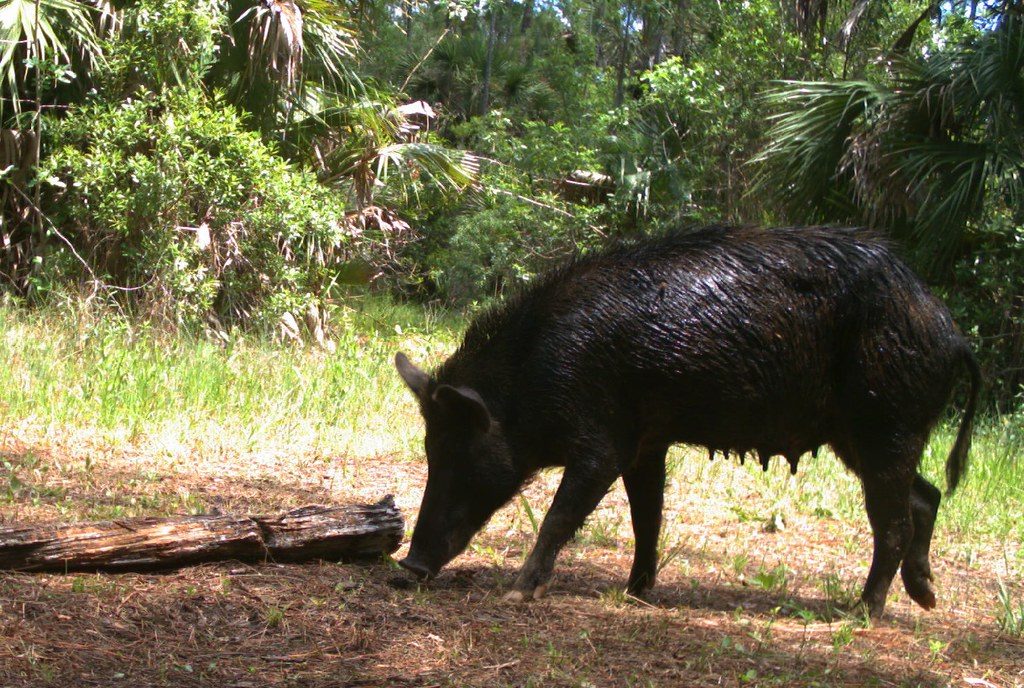
Florida hosts one of the most established wild pig populations in the nation, which likely originated from early Spanish explorers centuries ago. These resilient animals thrive in the humid subtropical environment and are found in high concentrations within the central and southern regions. They pose a significant threat to sensitive ecological areas like the Everglades, where they disrupt the delicate balance of the food chain. Wildlife managers observe that hogs frequently prey on the nests of sea turtles and other vulnerable reptiles along the shoreline. Continued management is essential to prevent these invasive creatures from overwhelming the unique biodiversity.