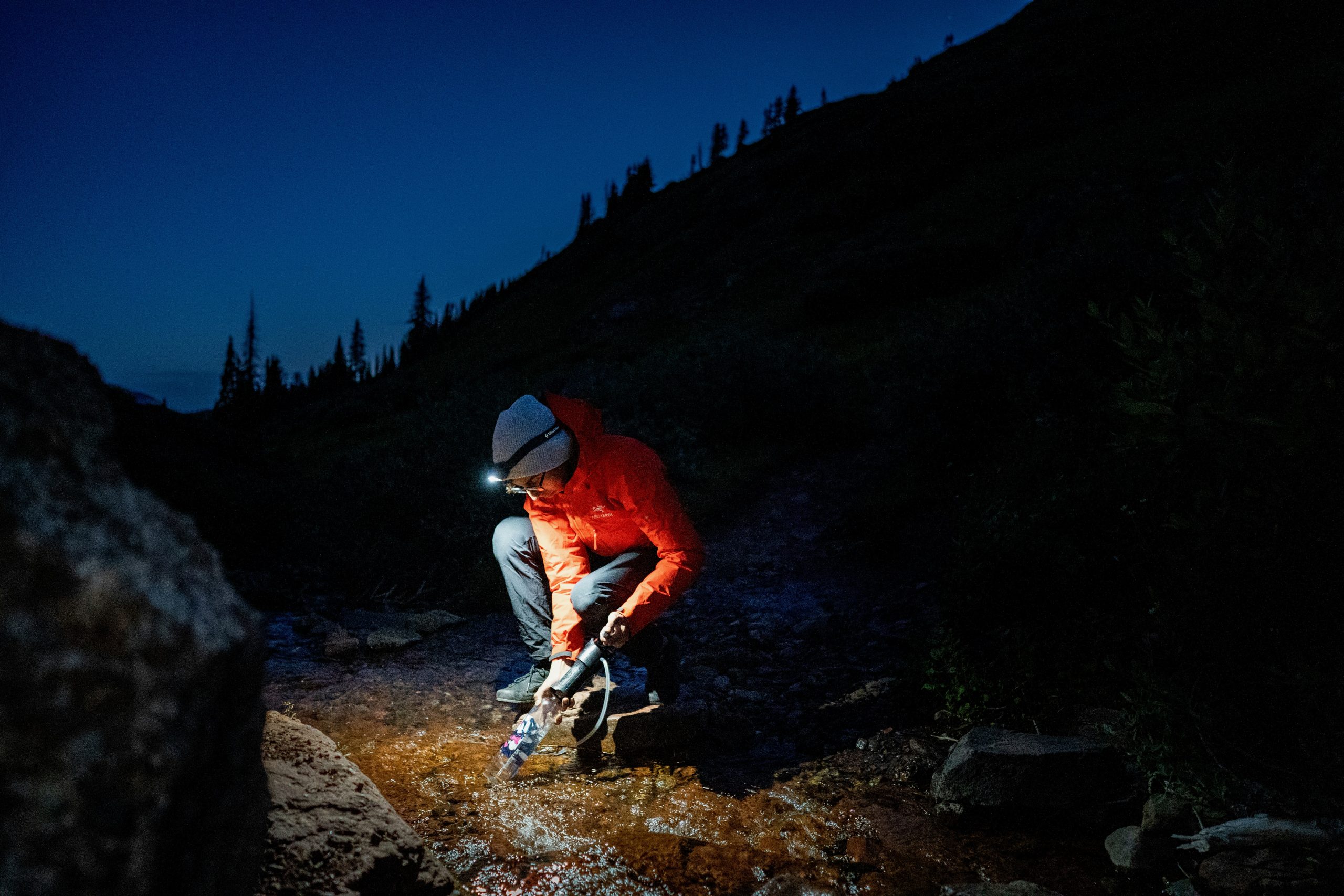
When it comes to backcountry water filtration, even small design differences have a big impact on how efficiently you collect, filter, and drink water on the trail. The Sawyer Squeeze, Katadyn BeFree, and LifeStraw Peak represent three of the most trusted lightweight filter systems in the U.S. outdoor community, but each one fits different styles of travel, water conditions, and durability expectations. Below is a detailed, natural, and easy-to-follow breakdown of these three popular filters, organized into ten clear sections to help you choose confidently.
Filtration Technology
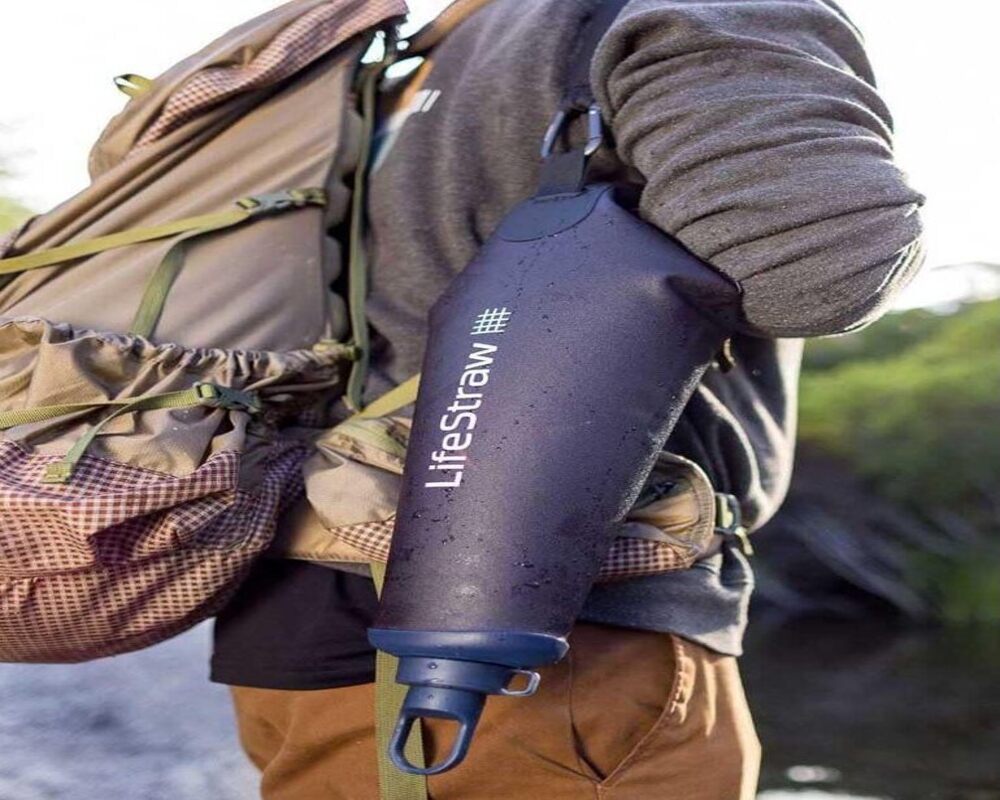
All three filters rely on hollow-fiber membranes, but the way each brand configures its fibers results in noticeably different performance under real-world conditions. Sawyer uses tightly packed microfibers that emphasize reliability and debris resistance, making the Squeeze well-suited for silty or slow-moving water. The BeFree uses wider-flow fibers that maximize speed but can clog faster in murky environments. LifeStraw Peak takes a middle approach with reinforced fiber walls designed to maintain flow longer, even when you’re filtering glacier runoff or fine sediment.
Flow Rate Differences
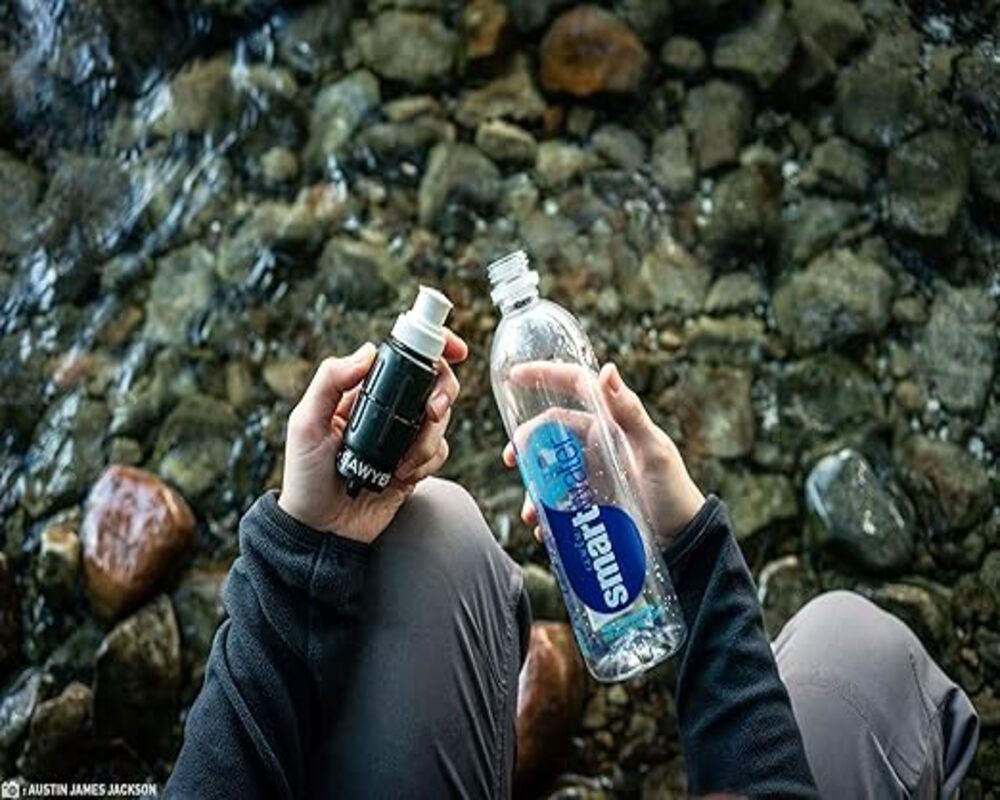
The Sawyer Squeeze is known for consistency rather than raw speed, delivering water at a steady pace even after months of trail use. The Katadyn BeFree stands out with one of the fastest flow rates among squeeze filters, giving you quick hydration when you’re in a rush or constantly on the move. The LifeStraw Peak offers solid flow with a focus on maintaining performance over time, especially in dirty water sources where other filters lose speed. These flow variations matter most when you’re filtering for groups or topping off bottles during long mileage days.
Durability and Build Quality
Sawyer’s rugged casing and dependable squeeze bags are built to survive repeated folding, cold mornings, and heavy trail use without cracking. The BeFree flask is lightweight and flexible, which feels great in hand, but long-term durability becomes a concern if you squeeze aggressively or encounter freezing temperatures. LifeStraw Peak leans toward robustness, using thicker materials meant for everyday reliability and fewer failures in the field. Your choice depends on whether you prioritize minimal weight, long-term stability, or a balance of both.
Weight and Packability
Ultralight hikers appreciate Sawyer’s low overall weight, especially since it packs down easily beside cook gear or inside a narrow side pocket. The BeFree feels feather-light and compresses extremely small, making it a favorite for fastpackers and trail runners. LifeStraw Peak isn’t the lightest of the three, but it offers impressive packability thanks to its smooth bottle shape and compact filter head. Deciding which matters more, absolute weight or comfortable carry, helps narrow your pick quickly.
Ease of Maintenance
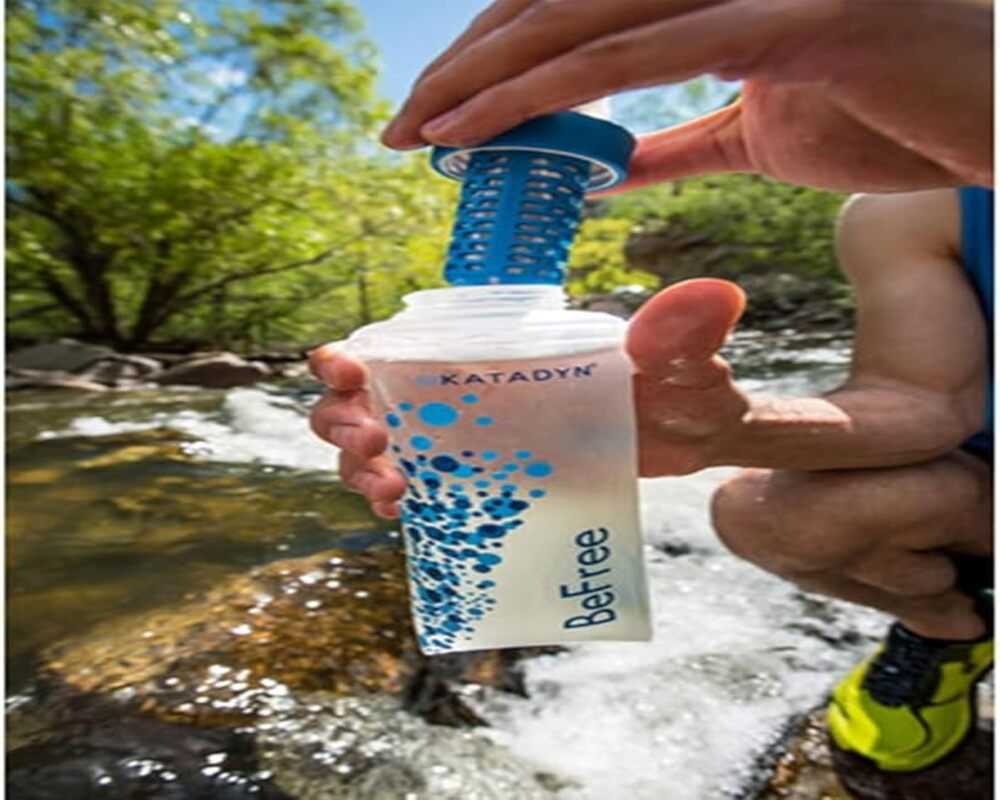
Sawyer’s backflushing method is simple: use clean water and the included syringe to restore flow almost completely. The BeFree requires nothing more than a quick shake or swish, but it can become trickier to restore full flow if fine sediment gets deep into the fibers. LifeStraw Peak uses a similar backflush concept but is designed for field-friendly cleaning without extra tools. Hikers who frequent muddy or silty water sources often prefer filters that can be cleaned aggressively without risking damage.
Compatibility and Versatility
Sawyer stands out with universal threading that works with most standard water bottles and aftermarket pouches, making it incredibly flexible for long thru-hikes. The BeFree is locked to Katadyn’s specific flask connection, which limits compatibility but ensures a tight, leak-free seal. LifeStraw Peak sits between the two by offering broader compatibility but still favoring its own bottle ecosystem for best performance. Your preferred bottle setup and pack layout often determine which system feels the most efficient on a daily basis.
Performance in Dirty or Silty Water
While the BeFree excels in clean streams and high-flow alpine sources, it clogs faster when used in swampy or silty areas. The Sawyer Squeeze handles murky conditions better due to its dense fiber structure and reliable backflush recovery, making it a staple for desert hikers or those traveling through lowland marshes. The LifeStraw Peak performs admirably in both scenarios, with a filter that maintains flow without constant maintenance. Understanding your region’s water quality is key before choosing.
Longevity and Replacement Needs
Sawyer filters are rated for extremely long lifespans when properly maintained, often lasting thousands of gallons before showing noticeable decline. The BeFree offers great performance early on but typically sees a shorter overall lifespan if used regularly in challenging water. LifeStraw Peak falls somewhere in the middle, designed to keep a strong flow for extended trips without the ultra-long lifespan claims of Sawyer. Long-term travelers often appreciate knowing exactly how often they’ll need replacements.
Cost and Value Over Time
Initial prices vary, but long-term value depends on how frequently you use your filter and how harsh the water conditions are. Sawyer offers some of the best lifetime value since it can last for years with proper care. The BeFree tends to feel more like a premium-speed option, worth the cost for its fast flow but potentially replaced more often. LifeStraw Peak offers balanced pricing with strong durability, making it appealing for hikers who want reliability without the highest price or the need for frequent replacements.
Best Use Cases for Each Filter
The Sawyer Squeeze is ideal for thru-hikers, desert travelers, or anyone prioritizing proven reliability and long-term performance. The Katadyn BeFree shines in fast-moving adventures where speed and minimal weight matter most, such as trail running or alpine day trips. LifeStraw Peak works well for mixed environments, everyday hiking, travel, and situations where durability and ease of use matter as much as flow speed. Choosing the right filter becomes much easier when you consider your hiking style, region, and expected water sources.