Most people picture dangerous animals making noise, a lion’s roar, a rattlesnake’s rattle, or a crocodile’s hiss cutting through still air. But some of the world’s most lethal predators operate in the exact opposite way. They go completely silent in the moments before a strike, using stillness as a weapon just as sharp as any claw or fang. This is not a coincidence; it is millions of years of evolutionary refinement, designed to eliminate any chance of prey escape. The five animals on this list are not just dangerous; they are precise, deliberate, and terrifyingly quiet. Understanding how they operate might just make a critical difference someday.
1. Great White Shark
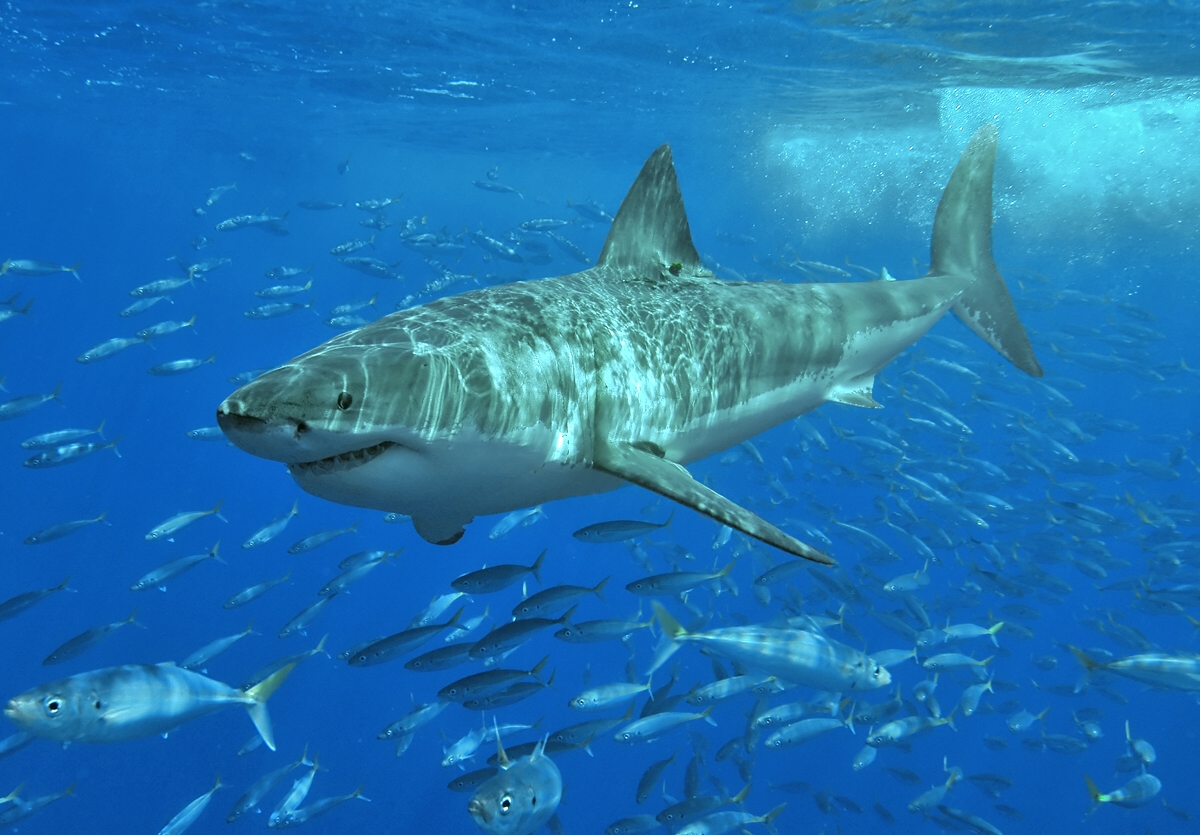
The great white shark hunts with a mechanical calm that few people associate with imminent danger. Before striking, it reduces body movement almost entirely, gliding through water at depths of 6 to 30 meters in near-total silence. It can detect blood from up to 5 kilometers away, closing in long before prey senses any threat at all. Adults measure between 4.9 and 6.4 meters and weigh well over 1,100 kilograms. In the seconds before impact, lateral movement drops by roughly 70%, making them nearly invisible from above. They approach from below, using counter-shading, their pale belly blends seamlessly with surface light. Research suggests athat round 80% of attack victims report no awareness of the shark until the strike has already landed.
2. Leopard
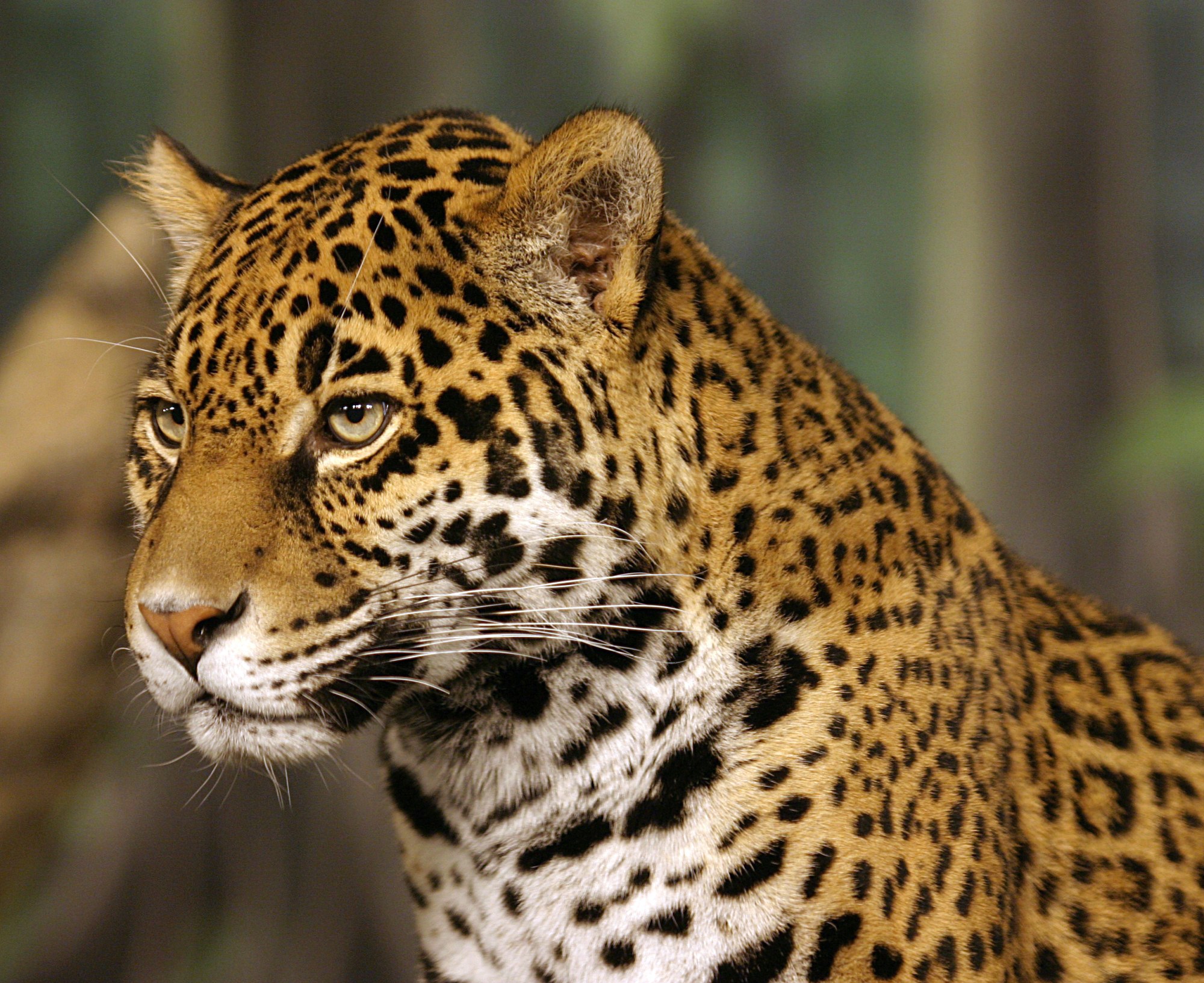
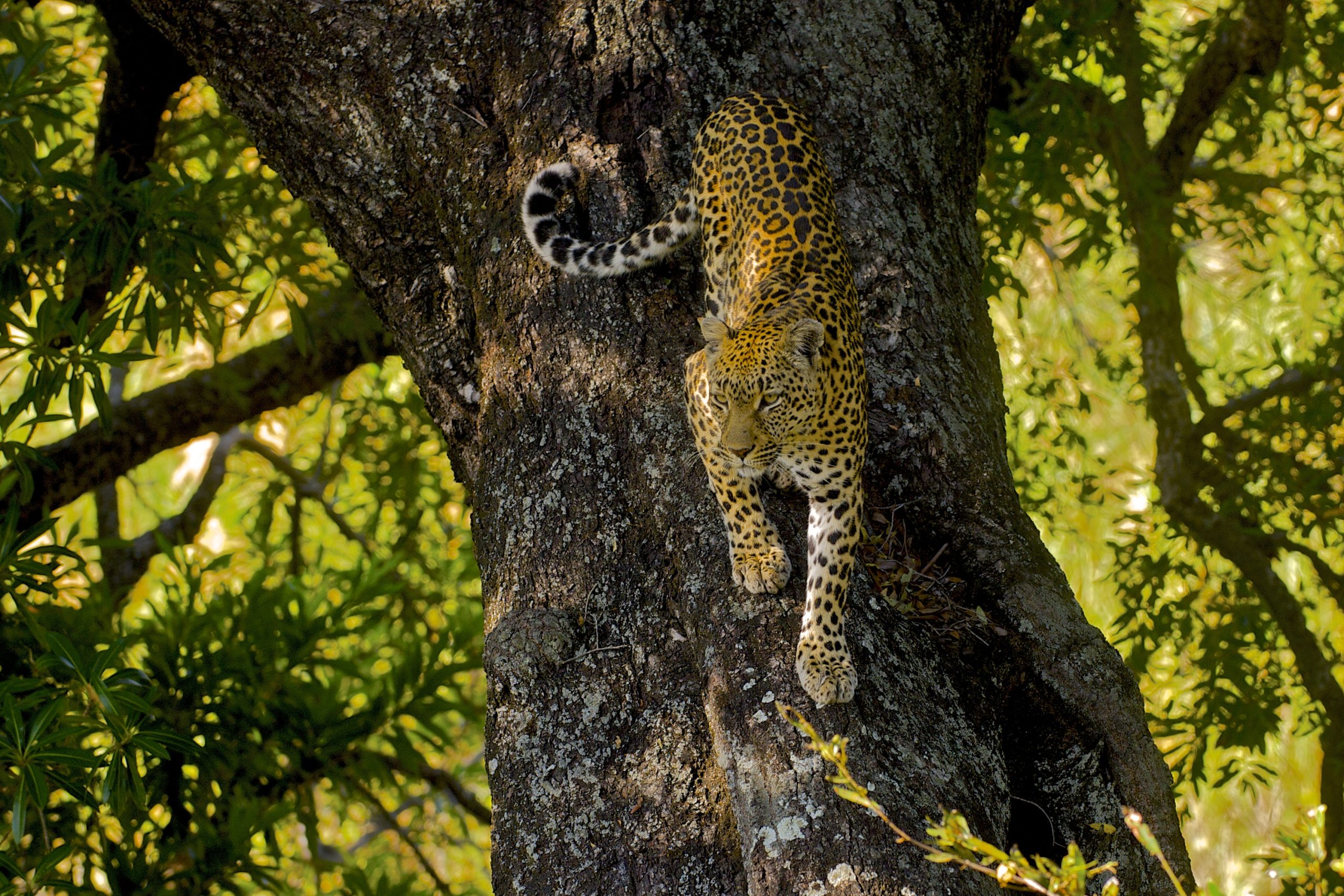
The leopard is built for silence in a way that even other big cats cannot match. It can stalk prey across distances of up to 10 meters while producing almost zero audible sound, pressing its 60 to 9090-kilogramrame flat against the ground. Leopards reduce their breathing rate and suppress micro-movements during approach, creating an unsettling stillness that disappears entirely into surrounding vegetation. Their bite force reaches approximately 310 pounds per square inch, enough to crush bone in a single clamp. They accelerate from rest to 58 kilometers per hour in under 3 seconds. Wildlife researchers have found that in over 65% of documented successful kills, prey showed no visible reaction before the leopard made physical contact.
3. Saltwater Crocodile
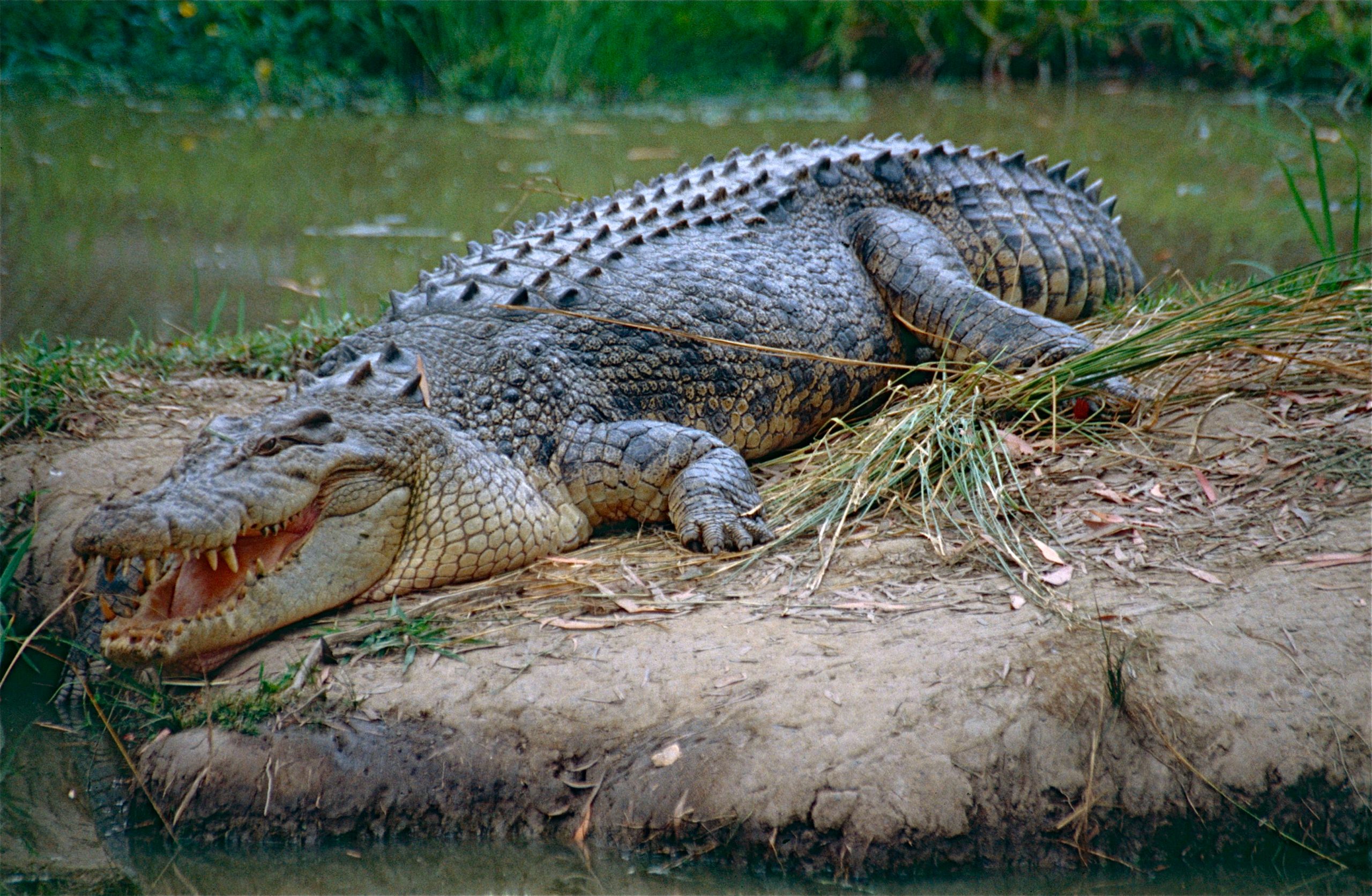
The saltwater crocodile is one of the most patient ambush hunters alive today. It can remain completely motionless beneath the water surface for up to 2 hours, exposing only its eyes and nostrils, which together account for less than 4% of its entire body. Adults reach 4 to 7 meters in length and weigh between 400 and 1,000 kilograms. Before striking, the animal produces absolutely no sound and creates no detectable surface movement whatsoever. Its attack unfolds in under 1 second, delivering a bite force exceeding 16,460 newtons, the highest ever recorded in any tested animal. Victims in documented attacks rarely had more than a fraction of a second of warning before the strike was already complete.
4. Cone Snail
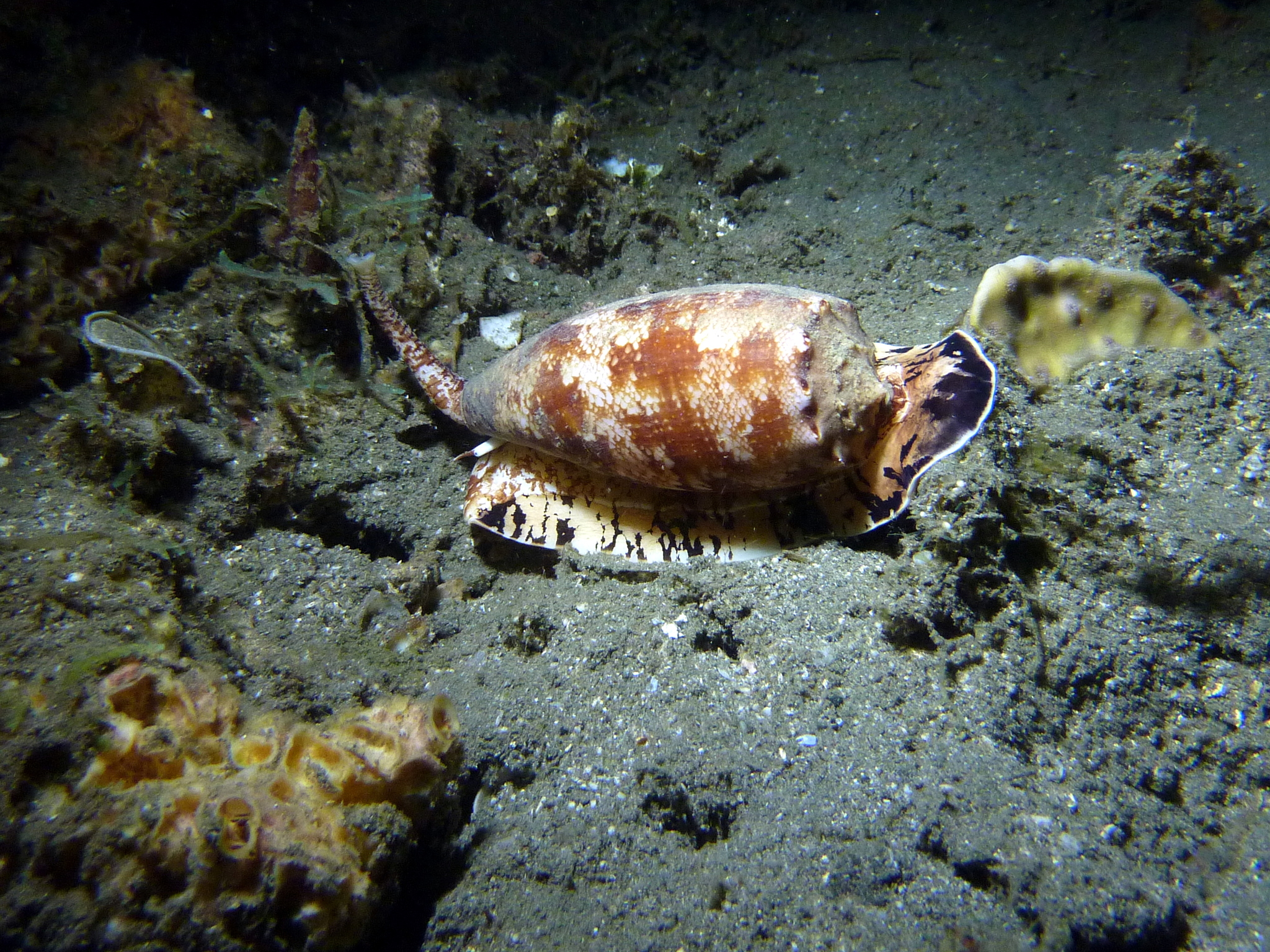
The cone snail looks like a harmless seashell, but it is responsible for approximately 30 human deaths every year and carries venom potent enough to kill within 4 hours. What makes it particularly dangerous is complete silence; there is no warning display, no audible signal, and no visible aggression before it fires. Its harpoon-like tooth, called a radula, can extend in any direction and pierce straight through clothing. The venom, conotoxin, disrupts the nervous system, triggering paralysis and respiratory failure in as little as 45 minutes. Adults range from 5 to 23 centimeters in length, and there is currently no antivenom available anywhere in the world. Most victims describe nothing more than a mild sting before symptoms begin escalating with terrifying speed.
5. Komodo Dragon
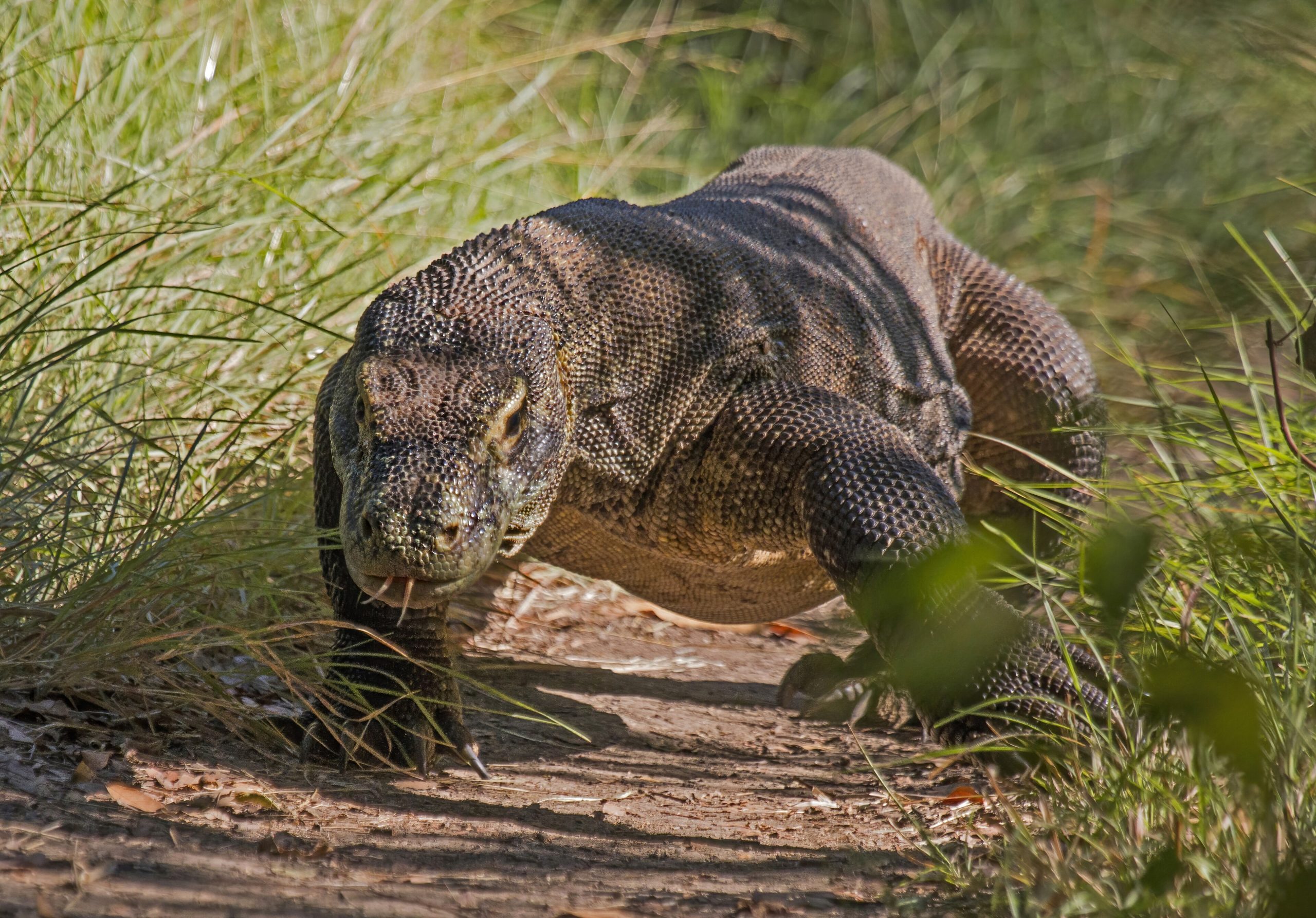
The Komodo dragon rarely rushes. Instead, it watches, waits, then closes distance in a low, deliberate gait that produces surprisingly little noise for a reptile of its size. Adults grow up to 3 meters in length and weigh as much as 70 kilograms. Their forked tongue can detect scent particles from up to 9.5 kilometers away, allowing them to track prey without ever being seen. Their saliva harbors over 50 strains of dangerous bacteria, alongside venom compounds that actively prevent blood clotting. Komodos can sprint at 20 kilometers per hour in short bursts when needed. Once bitten, prey rarely escapes the venom, which guarantees a slow, silent end through internal bleeding, even when the initial attack looks entirely survivable.